Top 4 Natural Monuments around Lütjenholm
Best natural monuments around Lütjenholm include the Lütjenholmer Heidedünen Nature Reserve, a significant area of inland dunes and heath landscape. Lütjenholm is situated in the Nordfriesland district of Germany, offering access to diverse natural environments. The region is characterized by its unique ecological insights and opportunities for nature-based activities. These natural monuments provide a glimpse into the varied landscapes of the Schleswig Geest.
Best natural monuments around Lütjenholm
- The most popular natural monuments is Barrow 36, a natural monument…
Last updated: July 8, 2026
Löwenstedter Sandberge Nature Reserve
Highlight • Natural Monument
Translated by Google •
Tip by

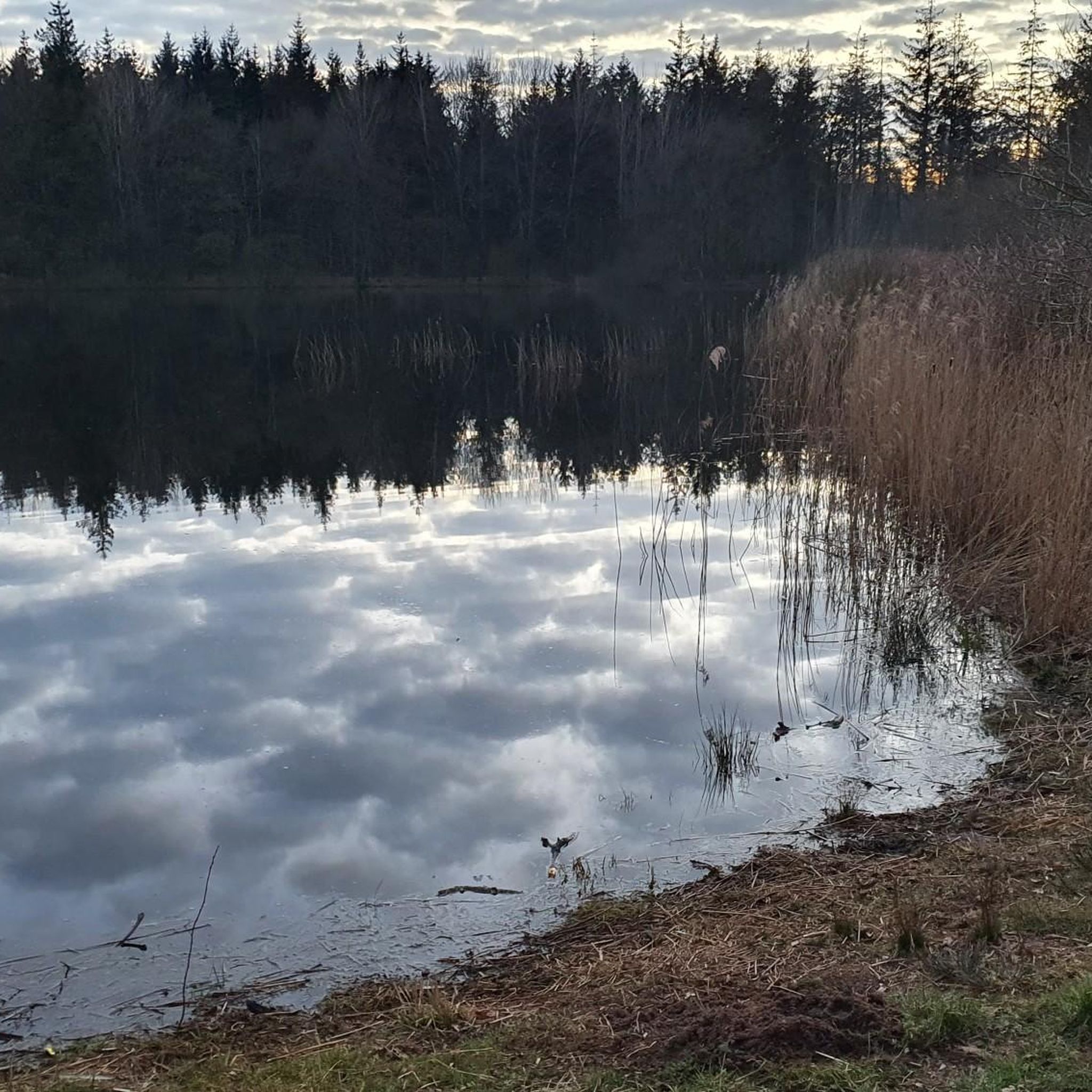
Carl Emeis memorial stone by the pond
Highlight • Monument
(Source: de.wikipedia.org/wiki/Carl_Emeis)
Translated by Google •
Tip by

Sign up now to discover places like this
Get recommendations on the best single tracks, peaks, & plenty of other exciting outdoor places.
Sign up for free
Rantzauhöhe Fairy Tale Trail, Langenberg Forest
Highlight (Segment) • Summit
The Rantzauhöhe is the third highest elevation in the district of North Friesland. It …
Translated by Google •
Tip by
Lütjenholmer Heidedünen Nature Reserve
Highlight • Natural Monument
Translated by Google •
Tip by

Barrow 36
Highlight • Historical Site
Translated by Google •
Tip by

Sign up for free to discover even more natural monuments around Lütjenholm.
Sign up for free
Already have an account?
Start today with a free account
Your next adventure awaits.
Login or Signup
Other adventures around Lütjenholm

Tips from the Community

The (bicycle) path isn't easy to navigate, but it's doable for experienced cyclists. It's definitely worth it!
0
0

Completely wrongly placed... it's a bit further east... 🙈️
0
0

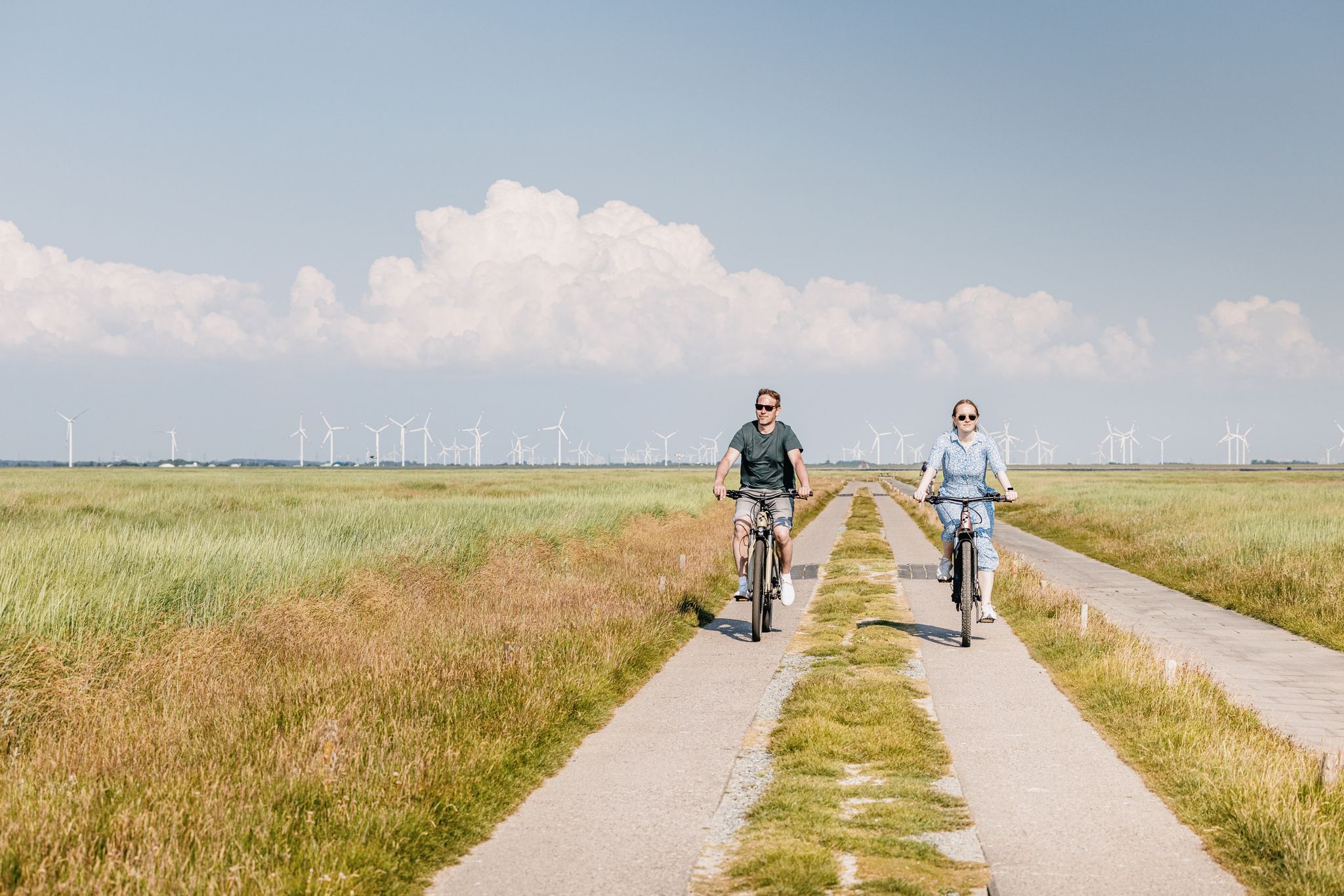
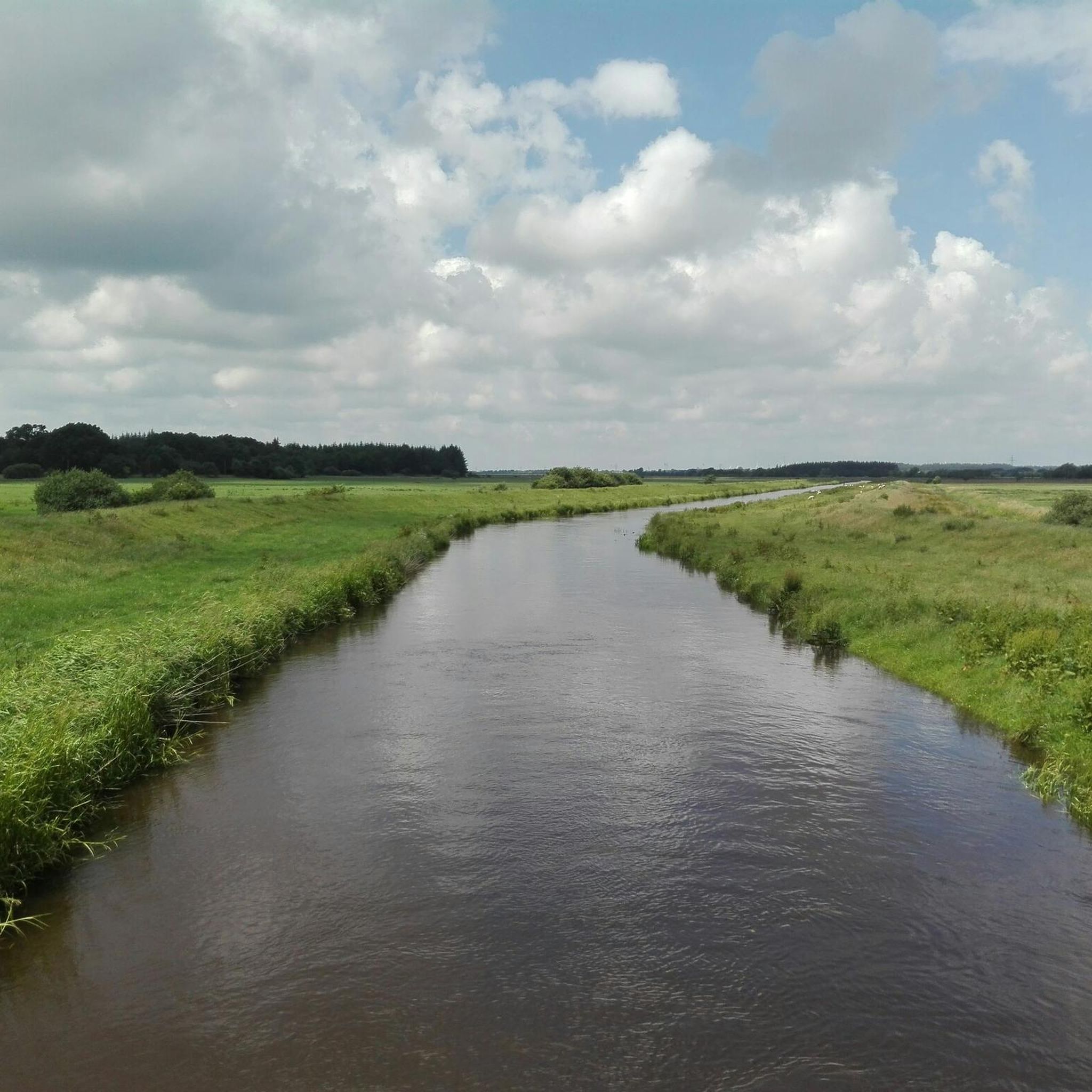
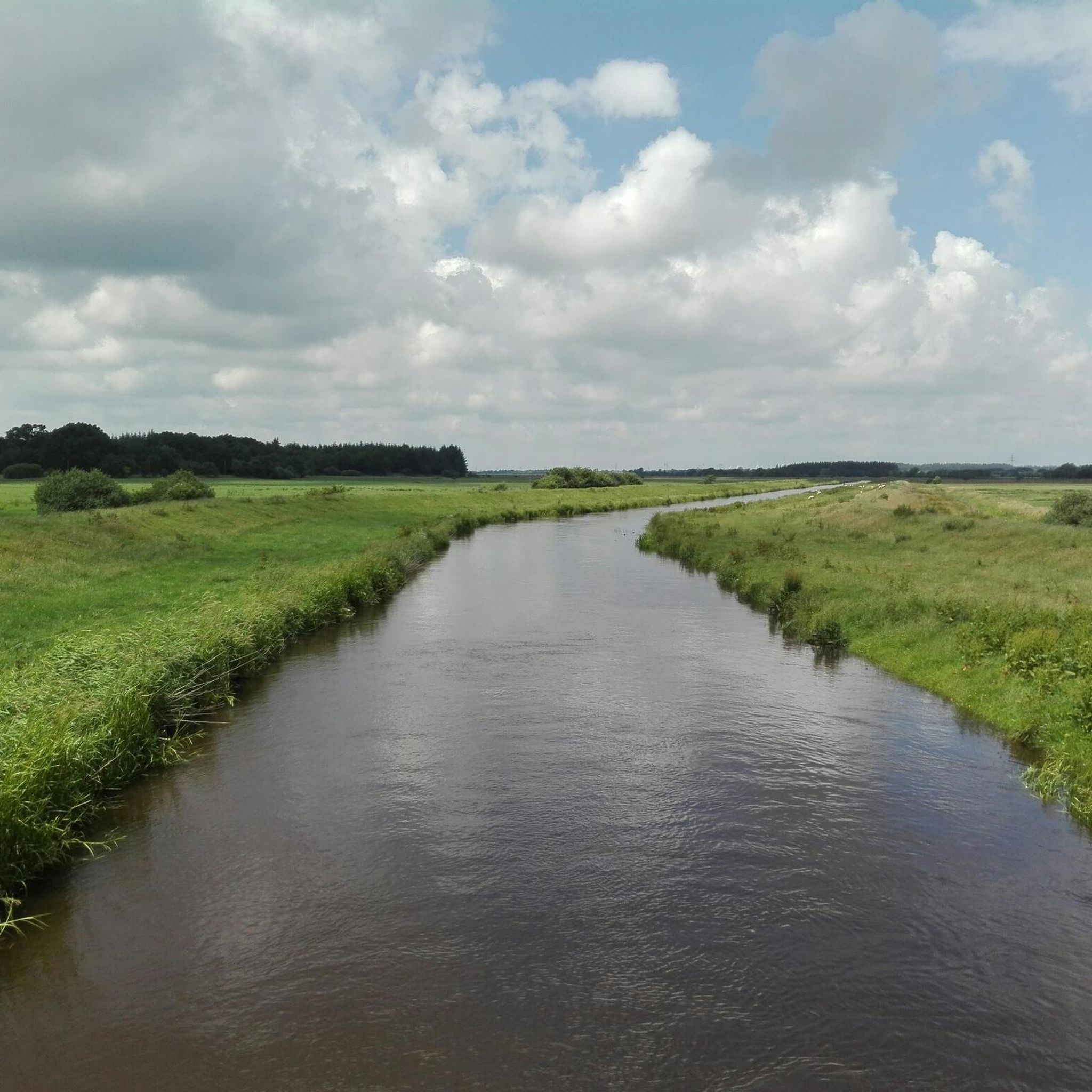
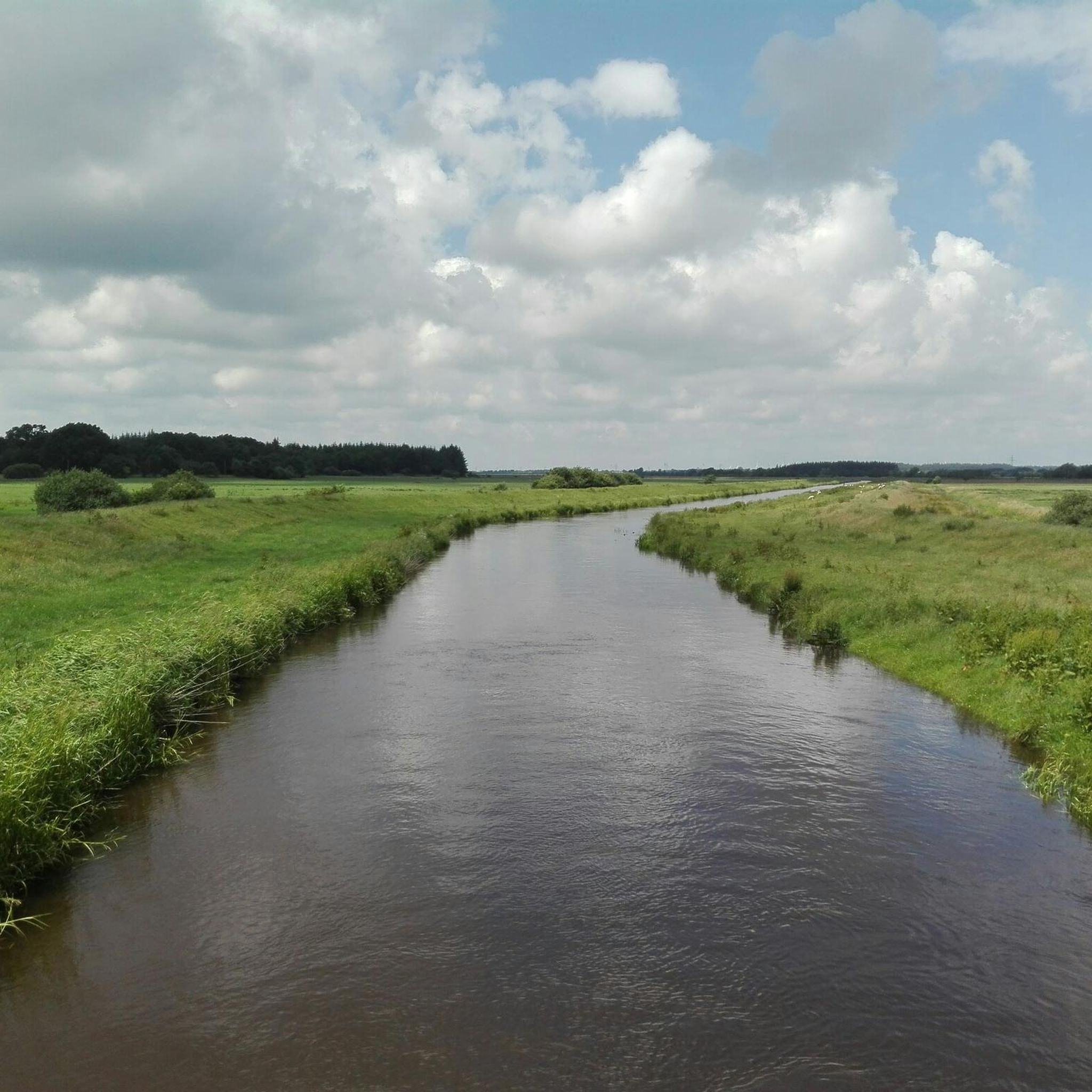
The Lütjenholmer Heidedünen nature reserve is located in the district of North Friesland at the confluence of the Goldebeker Kühlenstrom and the Soholmer Au. It covers 16.6 hectares and has been designated as a nature reserve with the code number 21 since 1938. The Lütjenholmer Heidedünen are located away from traffic routes and can only be reached via a field track. More than 100 years ago, heath was the characteristic vegetation type on the Schleswig Geest and covered up to 80% of the area in some communities.
4
0

The Lüneburg Heath in small
0
0

The nature reserve "Löwenstedter Sandberge" represents the rest of what was once a wide heathland with a transition to a high moor. Long commitment pays off! After 28 years of intensive tending of the heath while at the same time combating the late-flowering bird cherry, the area today offers, in addition to the beautiful, diverse junipers, a colorful mosaic of crowberry heather, common heather and moor grass on the hilltops, as well as moor grass, cotton grass, bog bush and solitary birches in the eastern part of the moor. the pagans The NSG Löwenstedter Sandberge is characterized by the different growth forms of the juniper. They arise scattered or in small groups in the different heathland and grassland types. The common heather covers the hilltops with a pink veil in August and September. Source: https://schleswig-holstein.nabu.de/natur-und-landschaft/nabu-schutzgebiete/loewenstedter-sandberge/03163.html
1
0
Christian Sophus Johannes Carl Emeis (born January 31, 1831 near Flensburg (Kluesries); † March 2, 1911 in Flensburg) was a German provincial forest director, pioneer of soil improvement and founder of the Heath Culture Association for Schleswig-Holstein. https://www.wiki-data.de-de.nina.az/Heidekulturverein.html
0
1

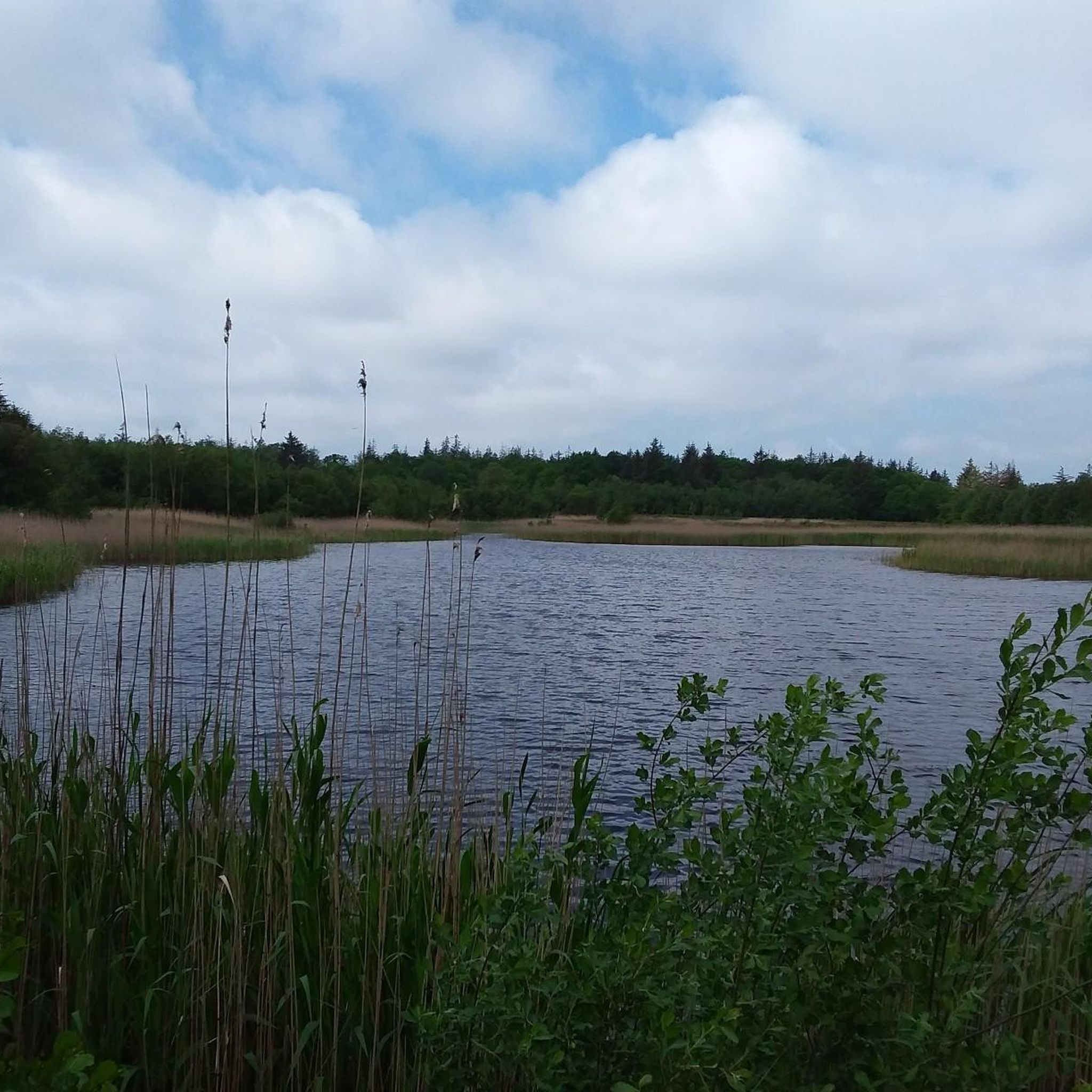
Really a special place, great atmosphere in the middle of the forest.
17
0

Unfortunately, no further explanation can be found at this historic location. A sign merely indicates that it is an archaeological monument. Nevertheless, the place is special...
4
0
Frequently Asked Questions
What are some of the most notable natural monuments to visit around Lütjenholm?
The region offers several unique natural monuments. The Lütjenholmer Heidedünen Nature Reserve stands out with its inland dunes and heath landscape. Another popular spot is Löwenstedter Sandberge Nature Reserve, known for its peaceful heather environment. Additionally, Barrow 36 offers a blend of natural monument and historical site.
What unique natural features can I explore in the Lütjenholm area?
You can explore diverse landscapes. The Lütjenholmer Heidedünen Nature Reserve features rare inland dunes, shifting sands, and heath-covered hills with specialized flora. Nearby, the Schleswig-Holstein Wadden Sea National Park, a UNESCO World Heritage site, offers dynamic sand dunes, salt marshes, and vast tidal flats shaped by the tides.
Are there family-friendly natural attractions near Lütjenholm?
Yes, several natural monuments are suitable for families. The Löwenstedter Sandberge Nature Reserve and the Ancient European Beech Tree are both categorized as family-friendly. Barrow 36, an archaeological monument in the forest, also offers a special atmosphere for a family outing.
What kind of wildlife can I spot in the natural monuments around Lütjenholm?
The Lütjenholmer Heidedünen Nature Reserve is home to warmth-loving insects like rare butterflies, tiger beetles, and sand bees, as well as rare animal species such as the partridge, sand lizard, and adder. The nearby Schleswig-Holstein Wadden Sea National Park is a critical habitat for millions of migratory birds, grey seals, harbor porpoises, and various marine life like lugworms and mussels.
Are there hiking trails to explore the Lütjenholmer Heidedünen Nature Reserve?
Yes, an easy 15.5 km hiking trail called "Heidedünen und Heidewald" (Heath Dunes and Heath Forest) allows visitors to explore the distinctive landscape and its specialized flora and fauna within the Lütjenholmer Heidedünen Nature Reserve.
What outdoor activities can I do near these natural monuments?
Beyond exploring the monuments themselves, you can enjoy various outdoor activities. There are many easy hikes around Lütjenholm, as well as road cycling routes and general cycling tours that take you through the scenic regional landscapes.
What is the best season to visit the natural monuments around Lütjenholm?
The heath landscapes, such as the Lütjenholmer Heidedünen Nature Reserve and Löwenstedter Sandberge Nature Reserve, are particularly beautiful in late summer (August/September) when the heather is in bloom. The Schleswig-Holstein Wadden Sea National Park is fascinating year-round, but birdwatching is exceptional during migratory seasons (spring and autumn).
Can I visit the Wadden Sea National Park from Lütjenholm?
While not directly in Lütjenholm, the Schleswig-Holstein Wadden Sea National Park is a significant natural attraction in the surrounding region, as Lütjenholm is situated on the North Sea coast. You can experience this UNESCO World Heritage site through guided mudflat walks, cycling, birdwatching, or boat trips for seal spotting from various ports along the coast. More information can be found on the Wikipedia page or the UNESCO site.
Are there any historical natural monuments in the Lütjenholm area?
Yes, Barrow 36 is recognized as an archaeological monument and offers a special atmosphere in the middle of the forest. Additionally, the Carl Emeis memorial stone by the pond, though a man-made monument, is situated within a natural setting and commemorates a pioneer of soil improvement and founder of the Heidekulturverein.
What do visitors enjoy most about the natural monuments around Lütjenholm?
Visitors appreciate the tranquility and unique ecosystems. For instance, the Löwenstedter Sandberge Nature Reserve is praised as a small piece of beautiful nature where one can relax away from traffic. The Barrow 36 is noted for its special atmosphere in the forest, despite minimal historical explanation.
Are there any ancient trees to see in the Lütjenholm area?
Yes, you can visit the Ancient European Beech Tree, an impressive old red beech that stands as a natural monument in the region.
Most popular attractions around Lütjenholm

Get inspired with the komoot mobile app


Explore more
Extend your search for the best caves by checking out these guides of the top ones around Lütjenholm:
