Top 5 Natural Monuments around Kolkerheide
Best natural monuments around Kolkerheide are found within a municipality in Schleswig-Holstein, Germany, characterized by its natural landscapes. The region features unique and protected natural monuments, offering insights into distinctive ecosystems. These areas provide varied perspectives and serve as vital refuges for diverse flora and fauna. The landscape reflects the Schleswig-Holstein Geest, with habitats ranging from heath to coppice.
Best natural monuments around Kolkerheide
- The most popular natural monuments is Rimmelsberg Dune Nature Reserve, a natural monument that features…
Last updated: June 25, 2026
Rimmelsberg Dune Nature Reserve
Highlight • Natural Monument
Translated by Google •
Tip by

Löwenstedter Sandberge Nature Reserve
Highlight • Natural Monument
Translated by Google •
Tip by

Sign up now to discover places like this
Get recommendations on the best single tracks, peaks, & plenty of other exciting outdoor places.
Sign up for free
Lütjenholmer Heidedünen Nature Reserve
Highlight • Natural Monument
Translated by Google •
Tip by

Pobüller Bauernholz
Highlight • Forest
Translated by Google •
Tip by
Ancient European Beech Tree
Highlight • Natural Monument
Translated by Google •
Tip by

Start today with a free account
Your next adventure awaits.
Login or Signup
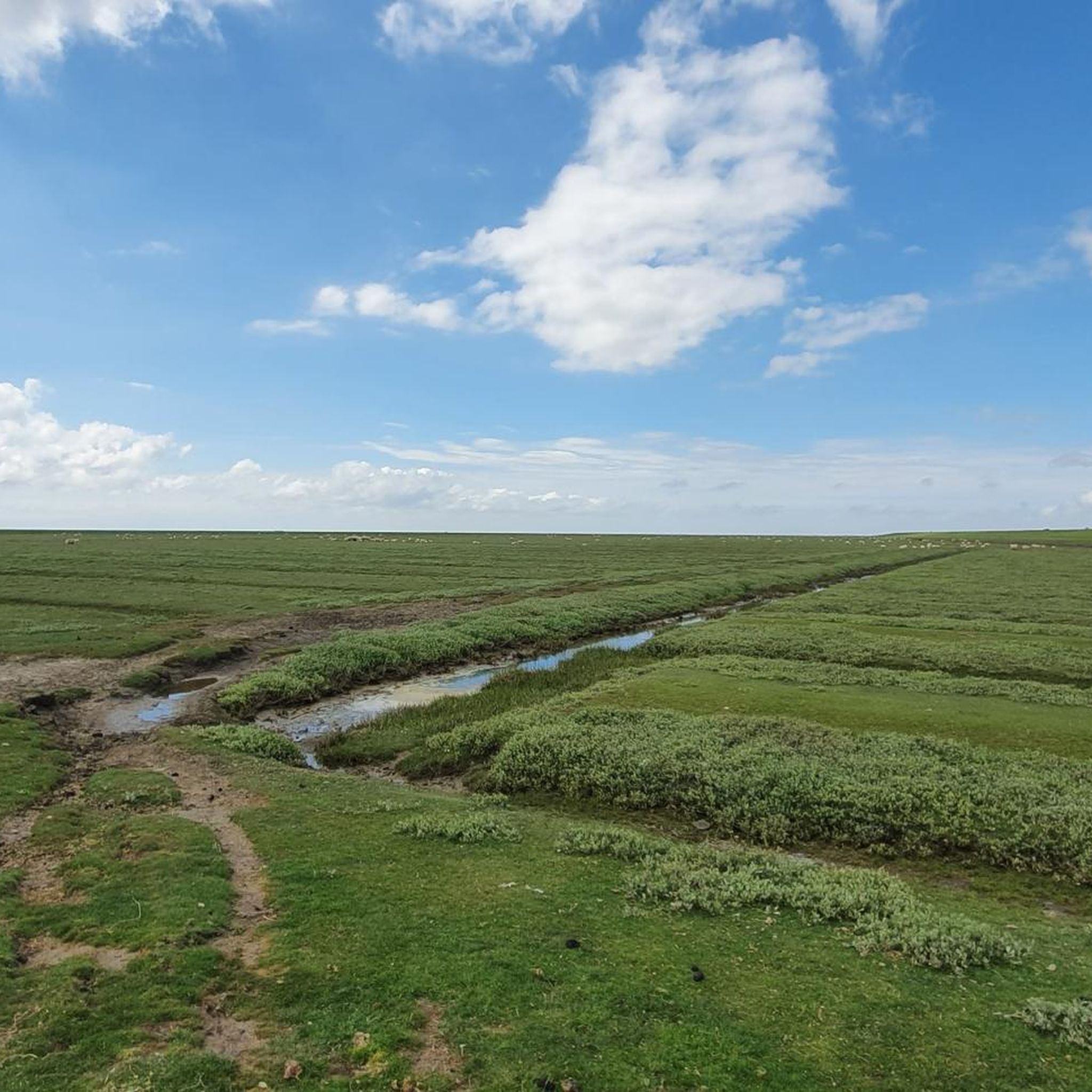

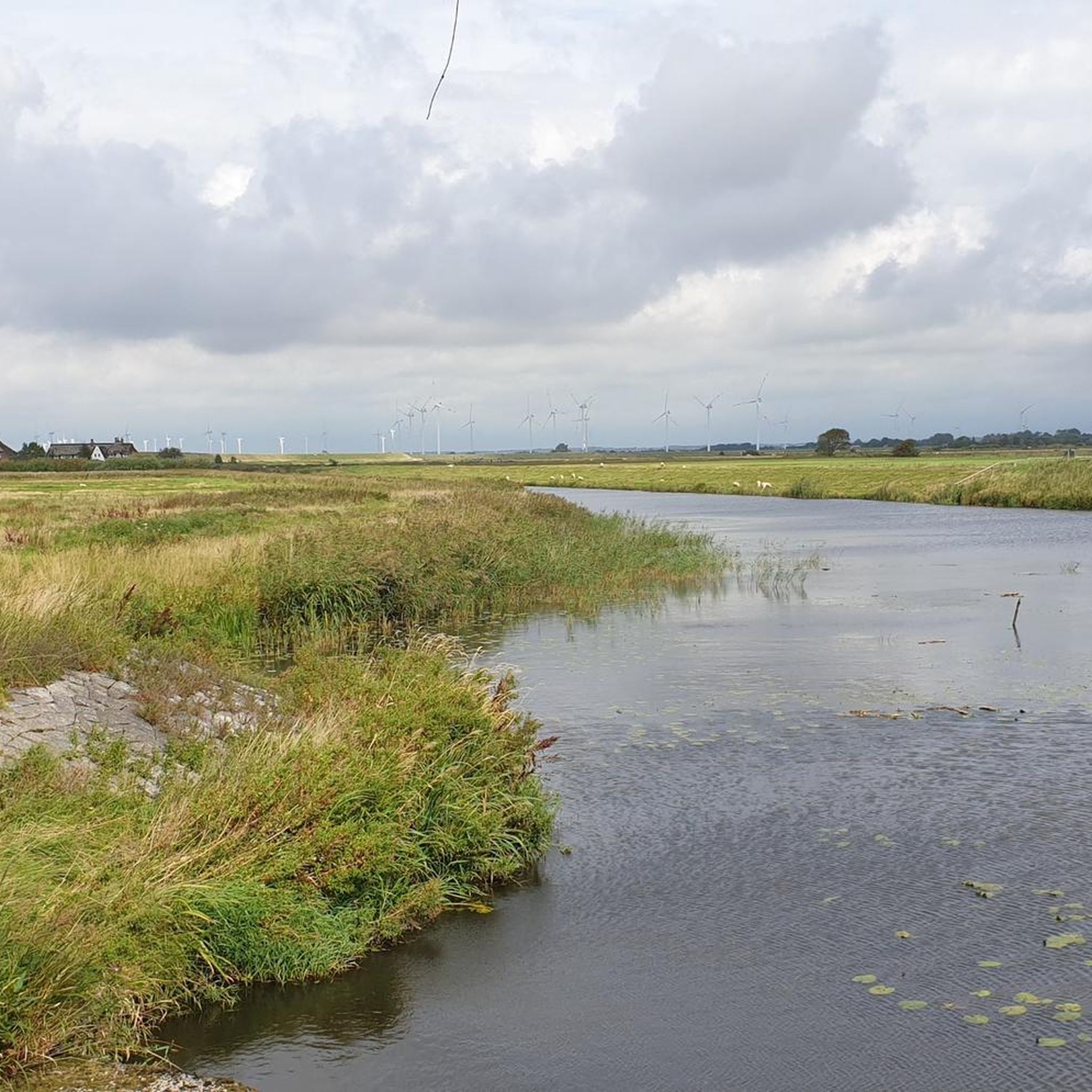
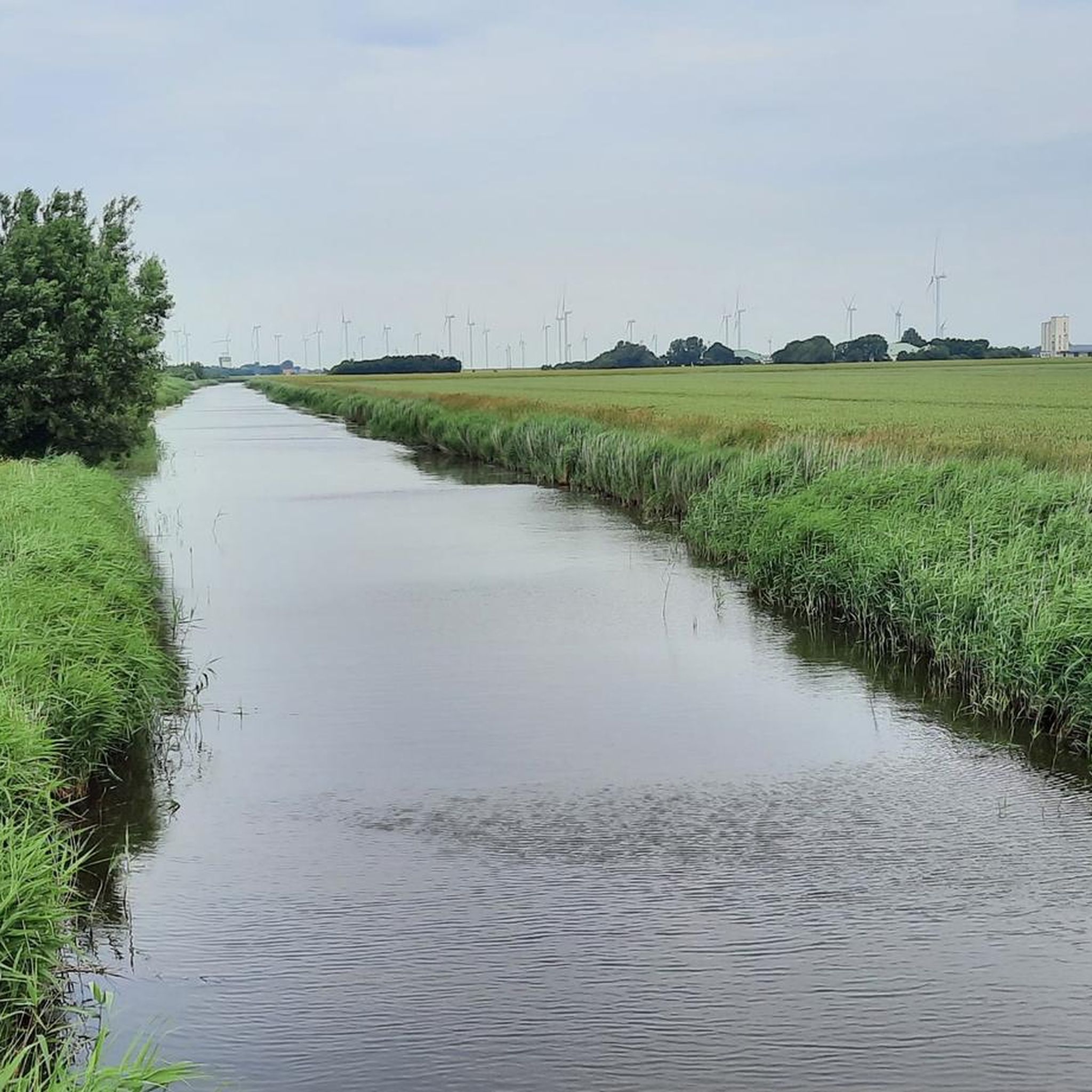
Tips from the Community


The Rimmelsberg Dune is a small, seven-hectare dune area in the Schleswig-Holstein municipality of Jörl. It has been protected since 1938 under designation number 24. The nature reserve consists of undulating, hilly terrain, home to numerous juniper bushes and surrounded by oak groves. With its heaths and dunes and one of the largest juniper stands in Schleswig-Holstein, it represents a unique feature in the otherwise intensively cultivated agricultural landscape. The name Rimmelsberg itself derives from the Danish rimme (Old Norse rimi), meaning a row of dunes or a mound of earth.
1
0

The (bicycle) path isn't easy to navigate, but it's doable for experienced cyclists. It's definitely worth it!
0
0

The nature reserve, which is only 7 hectares in size, is considered a gem. It consists of undulating terrain with numerous juniper bushes and is surrounded by oak groves. With its heaths and dunes and one of the largest juniper stands in Schleswig-Holstein, it is a special place.
0
0
The Lütjenholmer Heidedünen nature reserve is located in the district of North Friesland at the confluence of the Goldebeker Kühlenstrom and the Soholmer Au. It covers 16.6 hectares and has been designated as a nature reserve with the code number 21 since 1938. The Lütjenholmer Heidedünen are located away from traffic routes and can only be reached via a field track. More than 100 years ago, heath was the characteristic vegetation type on the Schleswig Geest and covered up to 80% of the area in some communities.
4
0
Worth seeing dune/landscape - worth a detour!!
0
0

The Lüneburg Heath in small
0
0

The nature reserve "Löwenstedter Sandberge" represents the rest of what was once a wide heathland with a transition to a high moor. Long commitment pays off! After 28 years of intensive tending of the heath while at the same time combating the late-flowering bird cherry, the area today offers, in addition to the beautiful, diverse junipers, a colorful mosaic of crowberry heather, common heather and moor grass on the hilltops, as well as moor grass, cotton grass, bog bush and solitary birches in the eastern part of the moor. the pagans The NSG Löwenstedter Sandberge is characterized by the different growth forms of the juniper. They arise scattered or in small groups in the different heathland and grassland types. The common heather covers the hilltops with a pink veil in August and September. Source: https://schleswig-holstein.nabu.de/natur-und-landschaft/nabu-schutzgebiete/loewenstedter-sandberge/03163.html
1
0
Frequently Asked Questions
What types of natural monuments can I explore around Kolkerheide?
The Kolkerheide region is characterized by diverse natural monuments, primarily featuring unique dune areas, expansive heathlands, and ancient forests. You can discover sites like the Rimmelsberg Dune Nature Reserve, known for its undulating terrain, juniper bushes, and oak coppice, or the Pobüller Bauernholz, a protected wood home to ancient tree species.
Are there any natural monuments with significant heathland areas?
Yes, the region boasts several important heathland reserves. The Lütjenholmer Heidedünen Nature Reserve, covering 16.6 hectares, showcases heath as a characteristic vegetation type, reflecting the historical landscape of the Schleswig Geest. Another significant area is the Löwenstedter Sandberge, which features an expansive heath landscape with both wet and dry sections, interspersed with juniper bushes.
Where can I experience unique geological features like sand dunes?
For unique geological features, the Löwenstedter Sandberge is an excellent choice. This reserve features gentle sand dunes formed during the last ice age, alongside its open heath landscape. It offers a glimpse into the wild beauty of northern Germany and is a significant part of the European Natura 2000 network.
What kind of wildlife can I expect to see in the natural monuments?
The natural monuments around Kolkerheide are vital refuges for diverse flora and fauna. In areas like the Löwenstedter Sandberge, you might spot rare birds such as the woodlark and nightjar, various reptiles and amphibians like sand lizards and moor frogs, and even red deer in undisturbed sections. The Dune on Rimmelsberg also supports warmth-loving invertebrates and rare plants.
Are there family-friendly natural monuments or trails?
Many natural monuments in the area are suitable for families. The Rimmelsberg Dune Nature Reserve, Löwenstedter Sandberge Nature Reserve, and Pobüller Bauernholz are all categorized as family-friendly. These areas offer accessible paths and interesting natural features for children to explore.
What is the best time of year to visit the natural monuments, especially for blooming heather?
The late summer months are particularly spectacular for visiting the heathland natural monuments. During this time, the heather in areas like the Löwenstedter Sandberge blooms, casting a striking pink and purple veil over the hills. This period offers a vibrant display of nature and is ideal for photography and nature appreciation.
Are there hiking opportunities near the natural monuments around Kolkerheide?
Yes, there are numerous hiking opportunities. You can find easy hikes around Kolkerheide, such as the 'Hiking loop from Joldelund' or the 'Corps de Garde – Bäckerei Lorenzen loop'. For more options, explore the Easy hikes around Kolkerheide guide, which features routes ranging from 3 km to 7 km.
Can I find trails for other outdoor activities like cycling near these natural sites?
Absolutely. The region offers various cycling routes. For road cycling, you might consider routes like the 'Jonny's Café loop from Drelsdorf' or the 'Husum Information Point loop'. Mountain biking enthusiasts can check out the MTB Trails around Kolkerheide guide for options like the 'Old Gravel Pit Lake loop from Viöl'.
What makes the Ancient European Beech Tree a notable natural monument?
The Ancient European Beech Tree is an impressive, old tree that stands out as a natural monument. Its sheer size and age make it a significant landmark, offering a moment of reflection on nature's longevity and resilience. It's a great spot for a quiet visit within the forest.
What do visitors appreciate most about the natural monuments in this region?
Visitors frequently appreciate the tranquility and the authentic glimpse into the historical Schleswig-Holstein Geest landscape. The diverse habitats, from heath to coppice, and the unique array of flora and fauna are highly valued. Many enjoy the opportunity to relax away from roads and experience the wild beauty, especially when the heather is in full bloom.
Are there any specific conservation efforts in place for these natural monuments?
Yes, many of these areas are protected nature reserves and part of the European Natura 2000 network, indicating significant conservation efforts. For instance, the Löwenstedter Sandberge benefits from ongoing conservation, including grazing by 'Heidschnucken' sheep, which helps maintain the unique mosaic of plant life in the heath.
Most popular attractions around Kolkerheide

Get inspired with the komoot mobile app


Explore more
Extend your search for the best caves by checking out these guides of the top ones around Kolkerheide:
