Top 10 Natural Monuments around Krackow
Best natural monuments around Krackow include a variety of ancient trees and significant geological formations. The region features diverse natural landscapes, from expansive meadows to hilly woodlands and unique water-filled quarries. These sites offer opportunities to experience the area's ecological heritage and natural beauty.
Best natural monuments around Krackow
- The most popular natural monuments is Löcknitz 1000-Year-Old Oak, a natural monument that was extensively renovated by tree surgeons in 1995. This gigantic oak is said to have been planted in 1128.
- Another must-see spot is Thousand-Year-Old Oak, an enclosed natural monument. According to legend, this oak is a thousand years old, with its history described on a carved stone board.
- Visitors also love Kamienieckie Wąwozy Nature Reserve, a picturesque and diverse area. This gorge features ravines, springs, and lush vegetation, offering varied terrain for exploration.
- Krackow is known for ancient trees, gorges, and scenic viewpoints. The region offers a variety of natural monuments to see and explore, from individual botanical specimens to broader natural areas.
- The natural monuments around Krackow are appreciated by the komoot community, with 55 upvotes and 20 photos shared by visitors.
Last updated: May 12, 2026
Oak
Highlight • Natural Monument
Translated by Google •
Tip by

Skibbe Burial Mound Replica
Highlight • Monument
Translated by Google •
Tip by

Sign up now to discover places like this
Get recommendations on the best single tracks, peaks, & plenty of other exciting outdoor places.
Sign up for free
Kamienieckie Wąwozy Nature Reserve
Highlight (Segment) • Gorge
Translated by Google •
Tip by

Löcknitz 1000-Year-Old Oak
Highlight • Natural Monument
Source (loecknitz.com)
Translated by Google •
Tip by

Thousand-Year-Old Oak
Highlight • Natural Monument
Translated by Google •
Tip by

Sign up for free to discover even more natural monuments around Krackow.
Sign up for free
Already have an account?
Start today with a free account
Your next adventure awaits.
Login or Signup
Tips from the Community

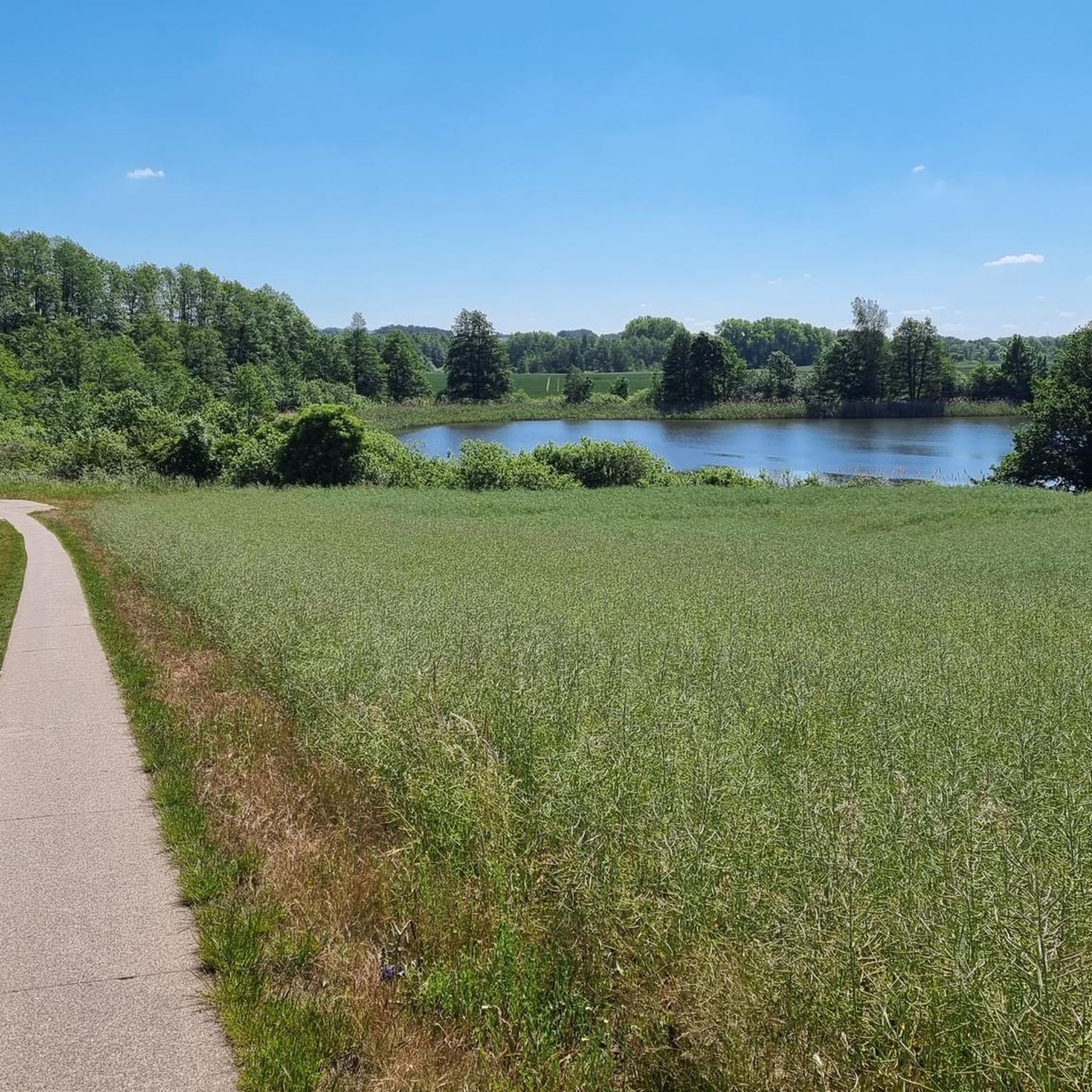
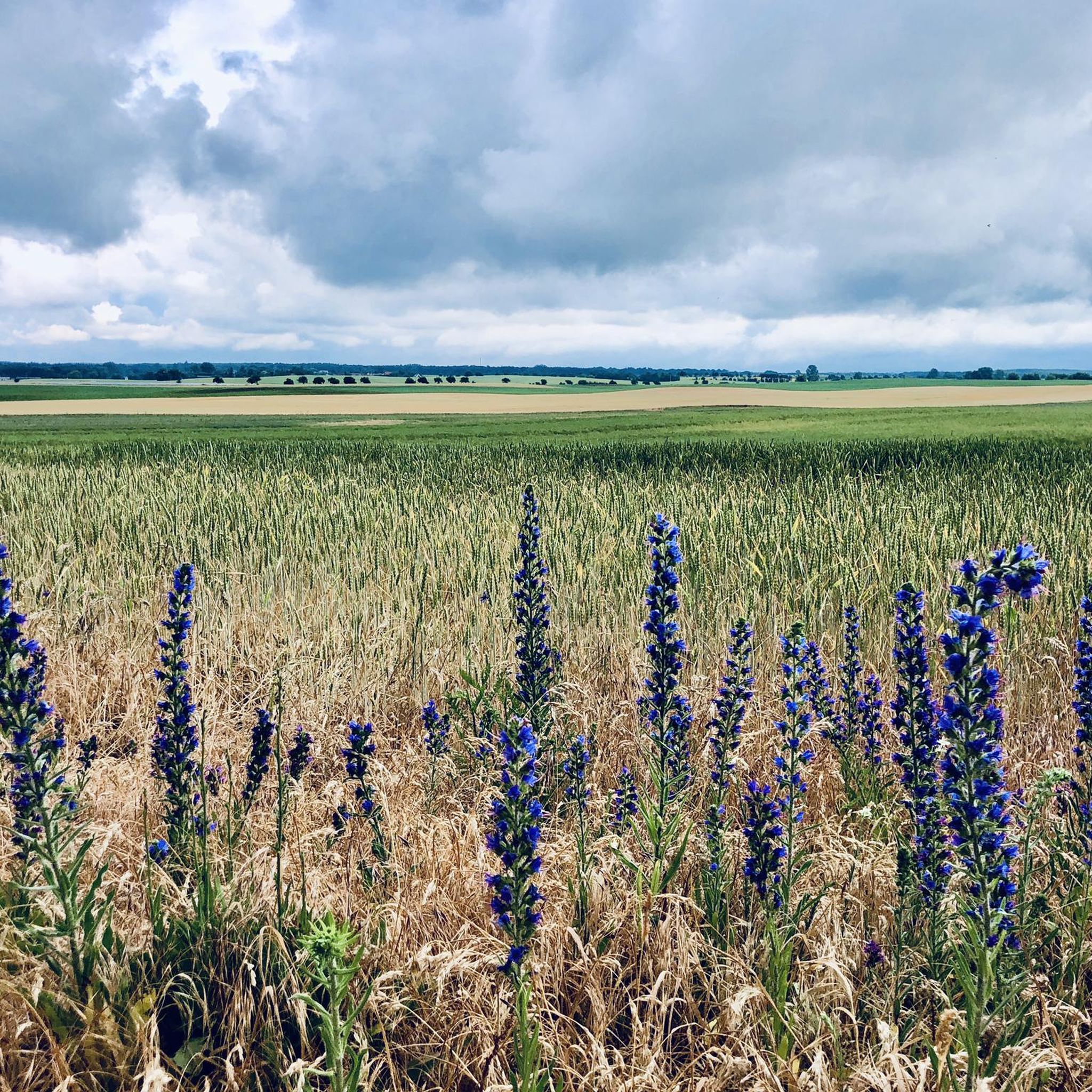
The Kamienieckie Wąwozy Reserve named after prof. Janina Jasnowska is a picturesque, diverse area in the Kołbaskowo commune, full of gorges, springs and lush vegetation. The bike route through the reserve is mostly passable, although closer to Moczył you can encounter sandy sections. Numerous descents, ascents and bends make the ride varied and satisfying. An ideal place for a nature trip with a touch of off-road adventure.
0
0

This mound is a replica. The original Bronze Age barrow was removed in 1877. It was originally 6.50 m high and contained several urns, a stone chest and burial fragments dating from 500–450 BC. The urns contained remains of bones and ashes. No valuables were found. right next to it there is a resting place in the form of a shelter.
1
0

It's just a reconstruction of a Bronze Age burial mound. Originally, it stood in a field, in the north-west direction. In 1877, it was demolished and rebuilt in its present location. The original barrow was about 6.5 m high. From the outside, it was covered with a 40 - 60 cm layer of clay and was covered with grass. It was built of stone circles joined together with clay. The diameter of the circle and the size of the stones themselves decreased towards the top topped with a single stone. During the demolition, a stone box with dimensions of 0.65 m x 1.00 m was found at the bottom of the barrow. There were 2 urns in the box, and 3 others were lying next to the box. They contained remains of bones and ashes.
2
1

Replica of a tomb on the way to Staffelde
0
0

A miracle of nature that a tree can grow so old between people.
0
0
A dirt road, reinforced with gravel in places, a picturesque trail running along the Oder. It starts in Siadło Dolne, right above the Oder, and runs through Moczyły to Pargowo. The Moczyły - Pargowo section initially runs on asphalt, then through a ravine to the forest and the "Kamienieckie Wąwozy" Nature Reserve and winds picturesquely among the trees. A steep climb near Pargowo. For any type of bike - hard ground.
1
0
Enclosed nature monument. According to legend, it is a thousand-year-old oak, which is described on the board carved in stone
1
0

It's really impressive to stand in front of a 1,000-year-old oak tree and think about what it may have seen.
1
0
Frequently Asked Questions
What types of natural monuments can I find around Krackow?
Krackow's natural monuments are diverse, ranging from ancient, designated trees within the city's parks and avenues to broader natural attractions. You'll discover expansive green spaces like meadows and forests, unique geological formations such as former quarries now filled with water, and picturesque gorges. The region offers a blend of botanical, geological, and scenic natural wonders.
Are there any ancient trees designated as natural monuments in Krackow?
Yes, Krackow is home to 34 designated natural monuments, many of which are individual perennial trees recognized for their exceptional age and ecological value. Notable examples include several ancient oak trees, some potentially dating back to the 17th century, as well as ash and elm trees. You can find specific examples like the Löcknitz 1000-Year-Old Oak and the Thousand-Year-Old Oak, both steeped in local legend.
Which natural monuments offer historical insights?
Many natural monuments in Krackow are intertwined with history. The ancient trees, some centuries old, have witnessed significant urban development. For example, the Löcknitz 1000-Year-Old Oak is said to have been planted in 1128. Additionally, the Skibbe Burial Mound Replica provides a glimpse into Bronze Age history, while the Kościuszko Mound, though man-made, is surrounded by green areas and offers historical context alongside natural beauty.
Are there family-friendly natural monuments around Krackow?
Absolutely. Many natural monuments and areas are suitable for families. Parks like Planty and Błonia Meadow offer open spaces for leisurely strolls and recreation. The Botanical Garden of the Jagiellonian University provides an educational and beautiful setting. For a bit more adventure, Las Wolski and Ojców National Park offer hiking opportunities that can be enjoyed by families, depending on the chosen trail difficulty. The Löcknitz 1000-Year-Old Oak and Thousand-Year-Old Oak are also easily accessible and family-friendly.
What kind of geological features can I explore near Krackow?
The region boasts unique geological features. Zakrzówek is a notable example, featuring a former limestone quarry now filled with water, forming a picturesque lagoon alongside the Twardowski Rocks. A short drive from Krackow, Ojców National Park is renowned for its towering limestone formations, deep ravines, and over 700 caves. Within the immediate vicinity, the Kamienieckie Wąwozy Nature Reserve offers picturesque gorges and ravines.
What outdoor activities can I do near these natural monuments?
The natural monuments around Krackow are excellent starting points for various outdoor activities. You can enjoy hiking through the hilly terrain of Las Wolski, or explore the unique landscapes of Ojców National Park. For cycling enthusiasts, there are numerous routes available. You can find detailed guides for Road Cycling, MTB Trails, and general Cycling around Krackow, offering routes of varying distances and difficulties.
Are there natural monuments that offer scenic viewpoints?
Yes, several locations provide stunning views. Las Wolski, with its hilly terrain, offers spectacular views over Krackow. Climbing the Kościuszko Mound provides sweeping panoramic views of the city, the surrounding countryside, and even the Tatra Mountains on clear days. Additionally, the View of the Lower Oder Valley highlight offers picturesque vistas of the river valley.
What is the best time to visit the natural monuments around Krackow?
The best time to visit largely depends on the type of experience you seek. Spring and autumn offer pleasant temperatures and beautiful foliage, ideal for hiking and exploring parks like Planty or Las Wolski. Summer is perfect for enjoying the open spaces of Błonia Meadow or water activities at Zakrzówek. While some areas are accessible year-round, winter can transform the landscape into a serene, snow-covered wonderland, especially in places like Las Wolski or Ojców National Park, though some trails might be more challenging.
Can I find wildlife at the natural monuments in Krackow?
While many natural monuments are within or close to urban areas, some offer opportunities to observe wildlife. Ojców National Park, a short drive from Krackow, is particularly rich in biodiversity, home to over 1,000 species of flowering plants and numerous bird and butterfly species. Las Wolski, being a large woodland, also supports various local fauna.
How accessible are the natural monuments by public transport?
Many of Krackow's natural monuments, especially the ancient trees located in municipal parks like Planty, Krakowski Park, and Jordan Park, are easily accessible by public transport within the city. Larger natural areas like Las Wolski are on the edge of the city and can be reached by local buses. Ojców National Park, while a short drive away, also has public transport connections from Krackow, making it accessible for a day trip.
Are there any hidden natural gems worth discovering?
Beyond the well-known spots, Krackow's 34 designated natural monument trees are often found in less obvious locations, such as university campuses or historic palace grounds, offering quiet moments of discovery. Exploring the various ravines and lush vegetation within the Kamienieckie Wąwozy Nature Reserve can also feel like uncovering a hidden gem, providing a diverse and picturesque experience away from the main crowds.
Most popular attractions around Krackow

Get inspired with the komoot mobile app


Explore more
Extend your search for the best caves by checking out these guides of the top ones around Krackow:
