Top 20 Natural Monuments around Lohne
Best natural monuments around Lohne include diverse landscapes and preserved natural areas. The region features hilly terrain and various natural attractions that offer opportunities for outdoor exploration. These sites provide insights into local ecosystems and geological formations. This guide details 4 natural monuments in the vicinity of Lohne.
Best natural monuments around Lohne
- The most popular natural monuments is Observation deck overlooking Dammer Bergsee, a viewpoint that offers views of a lake and nature reserve. This location is a…
Last updated: July 8, 2026
Haus im Moor – Goldenstedter Moor Nature and Information Center
Highlight • Natural Monument
Translated by Google •
Tip by

Steinfeld Megalithic Tomb
Highlight • Historical Site
Translated by Google •
Tip by

Sign up now to discover places like this
Get recommendations on the best single tracks, peaks, & plenty of other exciting outdoor places.
Sign up for free
Observation deck overlooking Dammer Bergsee
Highlight • Viewpoint
Translated by Google •
Tip by

Aschener Moor Boardwalk
Highlight • Trail
Translated by Google •
Tip by

Arkeburg Ring Fort
Highlight • Historical Site
Translated by Google •
Tip by

Sign up for free to discover even more natural monuments around Lohne.
Sign up for free
Already have an account?
Start today with a free account
Your next adventure awaits.
Login or Signup
Other adventures around Lohne

Tips from the Community

great moorland landscape, a must-see
0
0

You reach the grave via the road between Steinfeld (Oldenburg) and Damme, Dammer Straße. From here you turn east into Eichenallee. The extension of Eichenallee leads southeast into the forest. After about 300 meters you will see the megalithic tomb on the right, about 30 meters south of the path. It is also known as Stappenberg. Source: https://tw.strahlen.org/praehistorie/niedersachsen/damme3.html
2
0

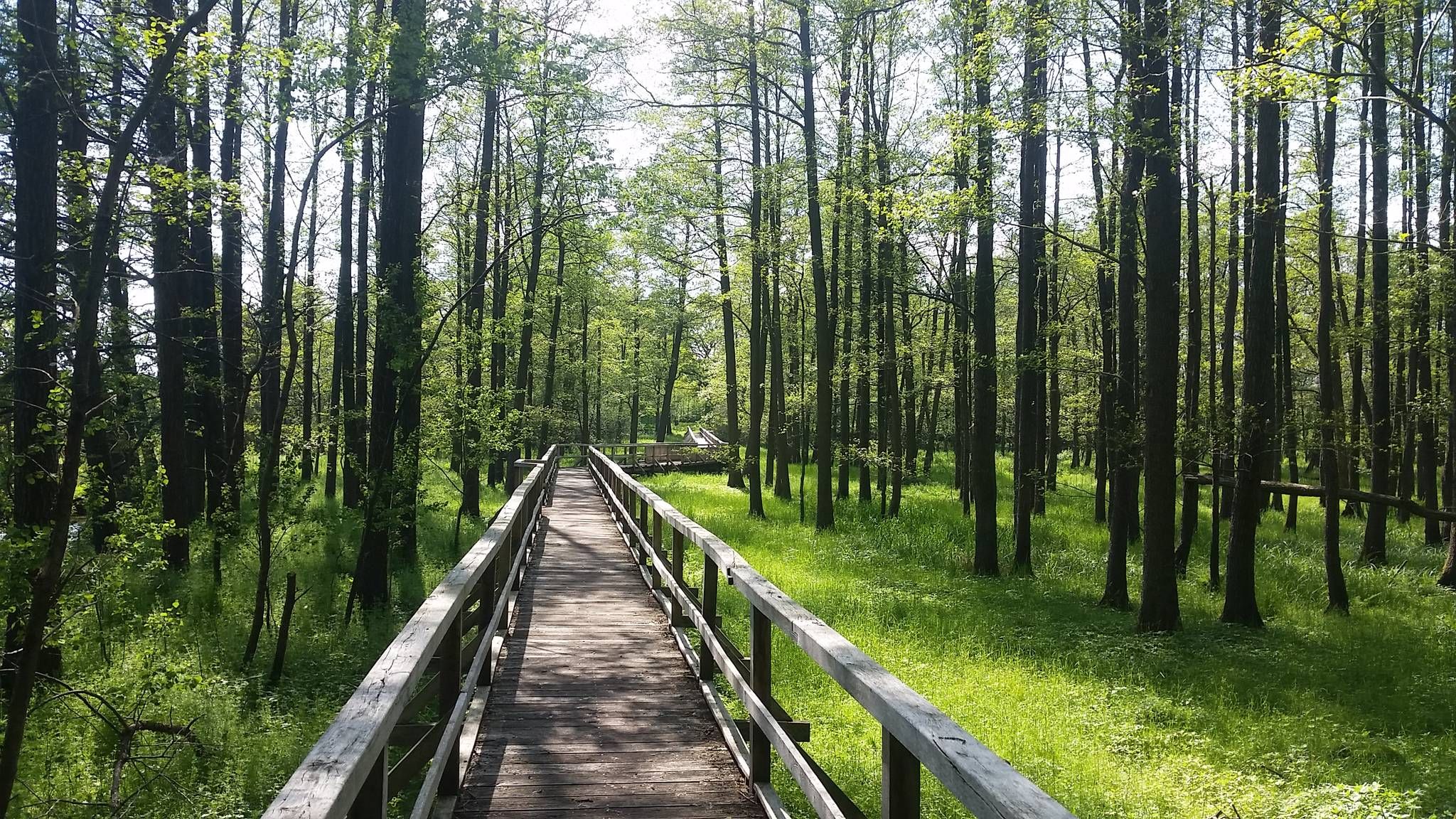
The Moorweg im Aschener Moor, abbreviated Pr VI in technical language, is a prehistoric moor path originally 4.2 km long, which runs in the Aschener Moor west of Aschen in the Diepholz district of Lower Saxony. It was created in the pre-Roman Iron Age, probably around 46 BC. BC and is one of the longest boardwalks in northwest Germany.[1] The path construction has been preserved to this day due to the favorable conditions for preserving organic material in the moor. Large parts of the path have been destroyed due to mechanical peat mining up to the present day. In the center of the moor, an approximately 350 meter long remaining piece of untouched moorland remains permanently preserved. At its edge, a 950 m long barrier-free footbridge with a viewing platform, built between 2019 and 2021, runs along the course of the former moor path. It is intended to make the prehistoric moor path and the moor tangible for tourists.
3
0

Freely accessible all year round, free entry. Entrance at the Aschen recycling depot, then continue straight on following the Lindloge to the car park.
3
0
On the approximately 1 km long and 1.5 to 3 meter wide footbridge with information boards, visitors learn a lot about the three-year excavations on the nearby PR 6 (historic boardwalk) and about the moor landscape. You can follow the course of the boardwalk along the already rewetted moorland via a "moor trail" that runs along the original route of the path. At the end, a viewing platform on a "healthy skin area" that has never been cleared of peat offers a beautiful view over the moor. This creates an experience point that conveys cultural and natural heritage in a unique way. Benches invite you to linger.
3
0

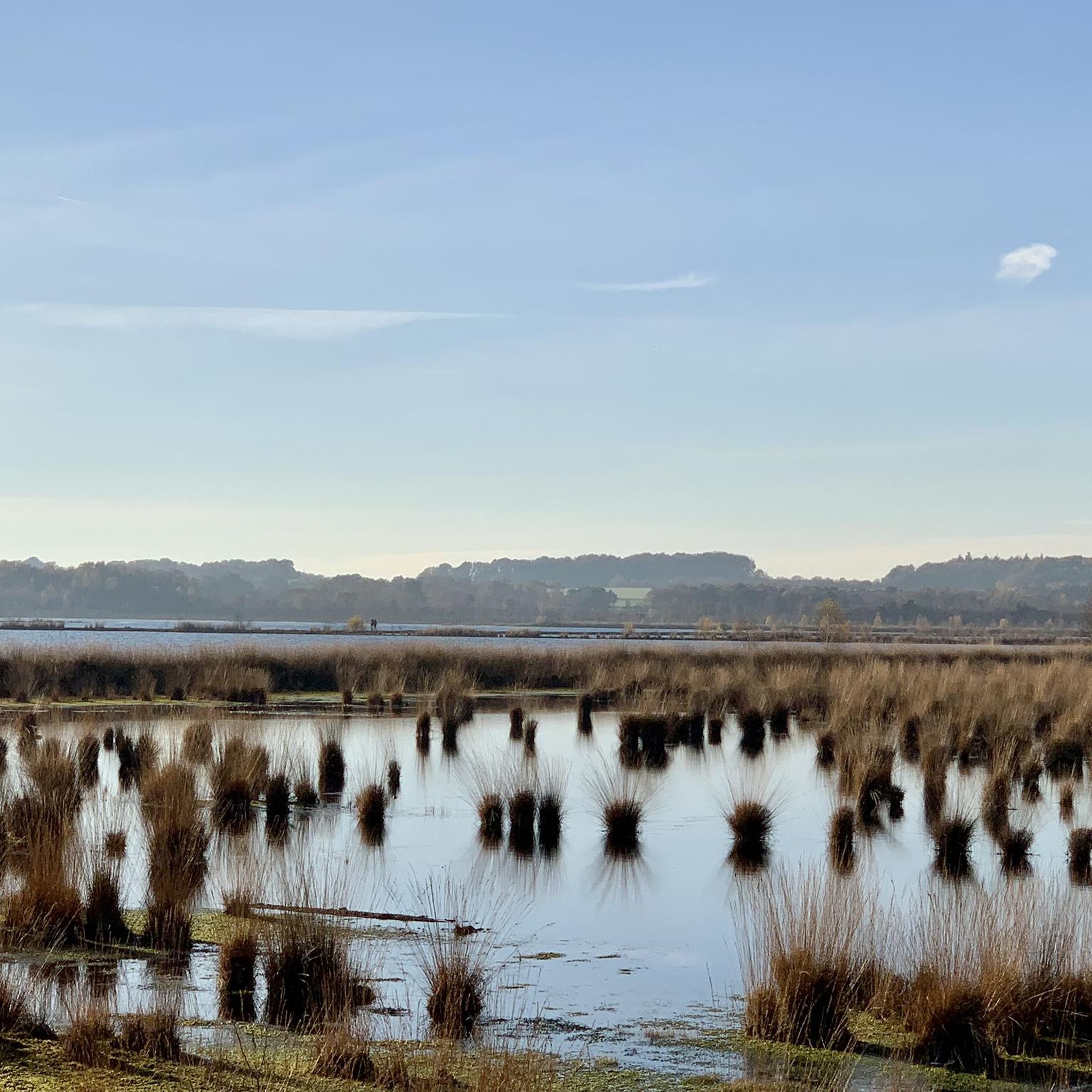
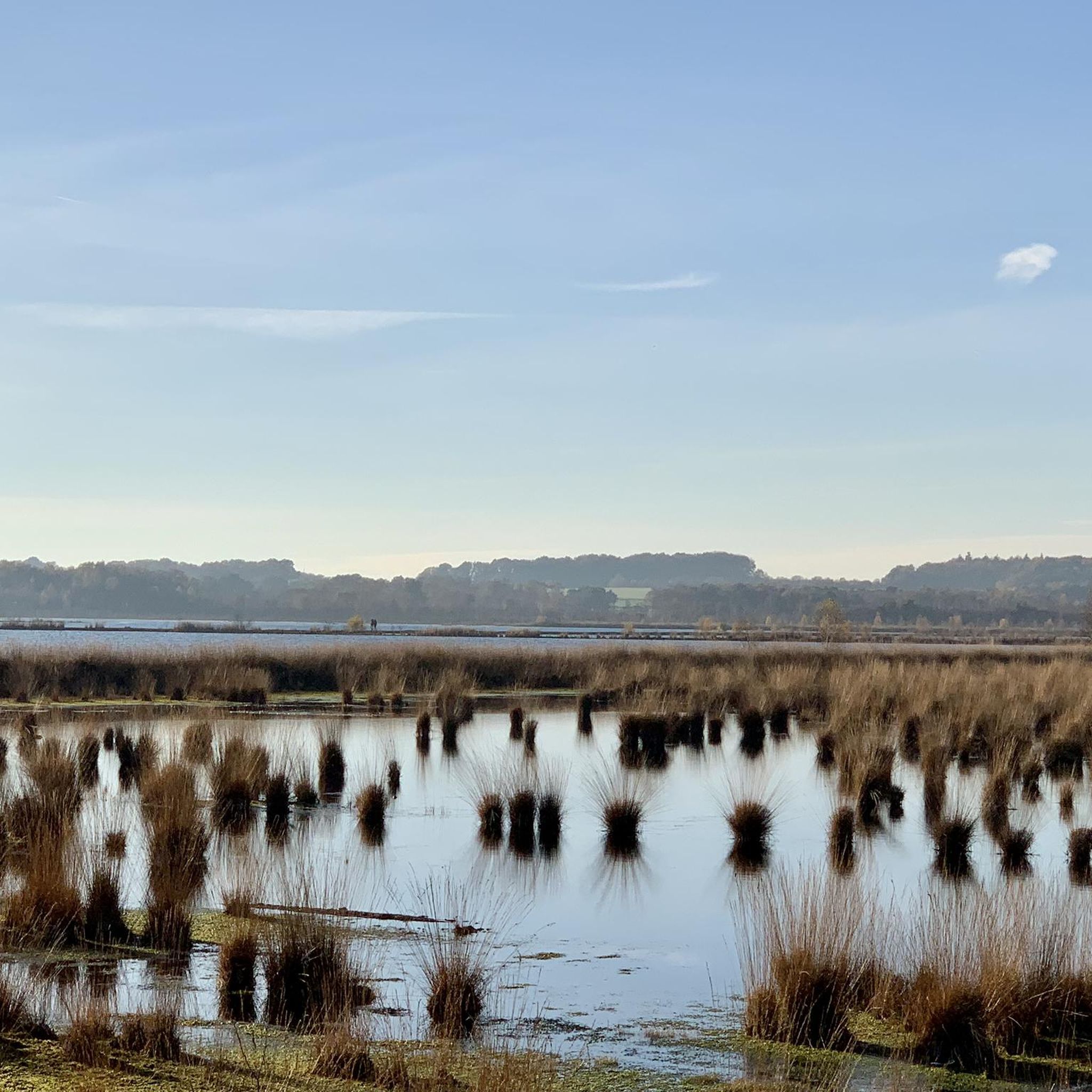
Mysterious and exciting: In the "Haus im Moor" you will learn interesting facts about the Goldenstedt high moor. With the help of EU funds, a bog tunnel was set up here, which gives you a look under the earth and tells the gruesome fate of a bog corpse. You can also walk an educational trail here, ride a moor train and then treat yourself to a delicious buckwheat pancake.
7
1

A very beautiful and relaxing area. Tours with the moor train are also offered, during which the history and formation of the moor is explained. Always worth a trip (no matter what time of year). In the gastronomy you can eat and drink deliciously while the children play in the playground 👍👍👍
4
1

Beautiful facility on the edge of the moor with nice restaurants and numerous guests on Sundays and public holidays.
9
2
Frequently Asked Questions
What are some of the most popular natural monuments around Lohne?
Among the most popular natural monuments is the Observation deck overlooking Dammer Bergsee, which offers scenic views of the lake and its nature reserve. Another highly regarded spot is the Haus im Moor – Goldenstedter Moor Nature and Information Center, where you can explore the high moor and learn about its ecosystem.
Are there family-friendly natural monuments near Lohne?
Yes, several natural monuments around Lohne are suitable for families. The Observation deck overlooking Dammer Bergsee is popular with a playground for children and opportunities for birdwatching. The Haus im Moor – Goldenstedter Moor Nature and Information Center offers an educational trail and a moor train, making it an engaging visit for all ages. The Steinfeld Megalithic Tomb and the Arkeburg Ring Fort also welcome families.
What kind of natural features can I expect to see around Lohne?
The region around Lohne is characterized by diverse natural features, including significant moor landscapes, lakes, and viewpoints. You can experience the unique ecosystem of the Goldenstedt high moor at the Haus im Moor, or explore the rewetted moorland via the Aschener Moor Boardwalk. The Dammer Bergsee offers beautiful lake views and is a nature reserve.
Are there any historical sites among the natural monuments?
Yes, the area combines natural beauty with historical significance. The Aschener Moor Boardwalk not only showcases the moor landscape but also provides information about prehistoric moor paths. Additionally, the Steinfeld Megalithic Tomb features Neolithic passage graves, and the Arkeburg Ring Fort is a significant historical site with the largest double ring wall system in Lower Saxony.
What outdoor activities can I do near these natural monuments?
The region offers a variety of outdoor activities. You can find numerous routes for road cycling, gravel biking, and hiking. For instance, there are easy to moderate hiking routes like the 'Hopen Moated Castle – Hopener Forest loop' or the 'Südlohner Moor – Südlohner Moor Nature Reserve loop'. Cyclists can explore routes such as the 'Sculpture Trail – Südlohner Moor loop'. You can find more details on these activities in the hiking guide, road cycling guide, and gravel biking guide for Lohne.
Are there hiking trails near the natural monuments?
Absolutely. Many natural monuments are integrated into or close to hiking trails. For example, the Haus im Moor features an educational trail through the Goldenstedt high moor. The Aschener Moor Boardwalk is a barrier-free trail with a viewing platform. You can discover various hiking routes, including circular walks, in the hiking guide for Lohne.
Is there wheelchair accessibility at any of the natural monuments?
Yes, the Aschener Moor Boardwalk is designed to be barrier-free, offering wheelchair access to the moor landscape and its viewing platform. This allows visitors with mobility challenges to experience the unique natural and historical heritage of the moor.
What amenities are available near these natural monuments?
Some natural monuments offer amenities on-site or nearby. The Haus im Moor – Goldenstedter Moor Nature and Information Center includes a cafe and restaurant, known for its delicious buckwheat pancakes. The Observation deck overlooking Dammer Bergsee has tables, benches, and rubbish bins for visitors' convenience.
What do visitors particularly enjoy about the natural monuments around Lohne?
Visitors appreciate the diverse experiences offered. Many enjoy the peaceful views from the Observation deck overlooking Dammer Bergsee, especially for birdwatching. The educational aspects and unique landscape of the moor at Haus im Moor are also highly praised. The accessibility and historical insights provided by the Aschener Moor Boardwalk are also highlights for many.
Can I bring my dog to the natural monuments?
While specific dog-friendly policies vary by location, many natural areas and trails around Lohne are generally accessible for dogs, provided they are kept on a leash and owners clean up after them. It's always recommended to check specific regulations for nature reserves or information centers like the Haus im Moor before your visit.
What is the best time of year to visit the natural monuments around Lohne?
The best time to visit largely depends on your preferred activities. Spring and autumn offer pleasant temperatures for hiking and cycling, with beautiful foliage changes. Summer is ideal for enjoying the lakes and longer daylight hours. Even in winter, some areas like the moors can offer a unique, serene experience, though specific facilities might have reduced opening hours.
Are there any hidden gems or less-known natural monuments worth exploring?
While the guide focuses on popular spots, the broader region of Hesse and Lower Saxony offers many protected areas and smaller natural features. Exploring the various trails and routes listed in the hiking guide or gravel biking guide can lead you to less-trafficked viewpoints and serene natural spots beyond the main highlights.
Most popular routes around Lohne
Most popular attractions around Lohne

Get inspired with the komoot mobile app


Explore more
Extend your search for the best caves by checking out these guides of the top ones around Lohne:
