Top 17 Natural Monuments around Heideblick
Best natural monuments around Heideblick are found within the Niederlausitzer Landrücken Nature Park, a region shaped by both natural processes and post-mining reclamation. This area features diverse landscapes, including extensive heathlands, dense forests, and new lake and wetland ecosystems formed from former coal pits. The blend of ancient cultural landscapes with emerging "new wilderness" provides varied natural features for exploration.
Best natural monuments around Heideblick
- The most popular natural monuments is Fürstlich Drehna Castle, a historical site and moated…
Last updated: June 25, 2026
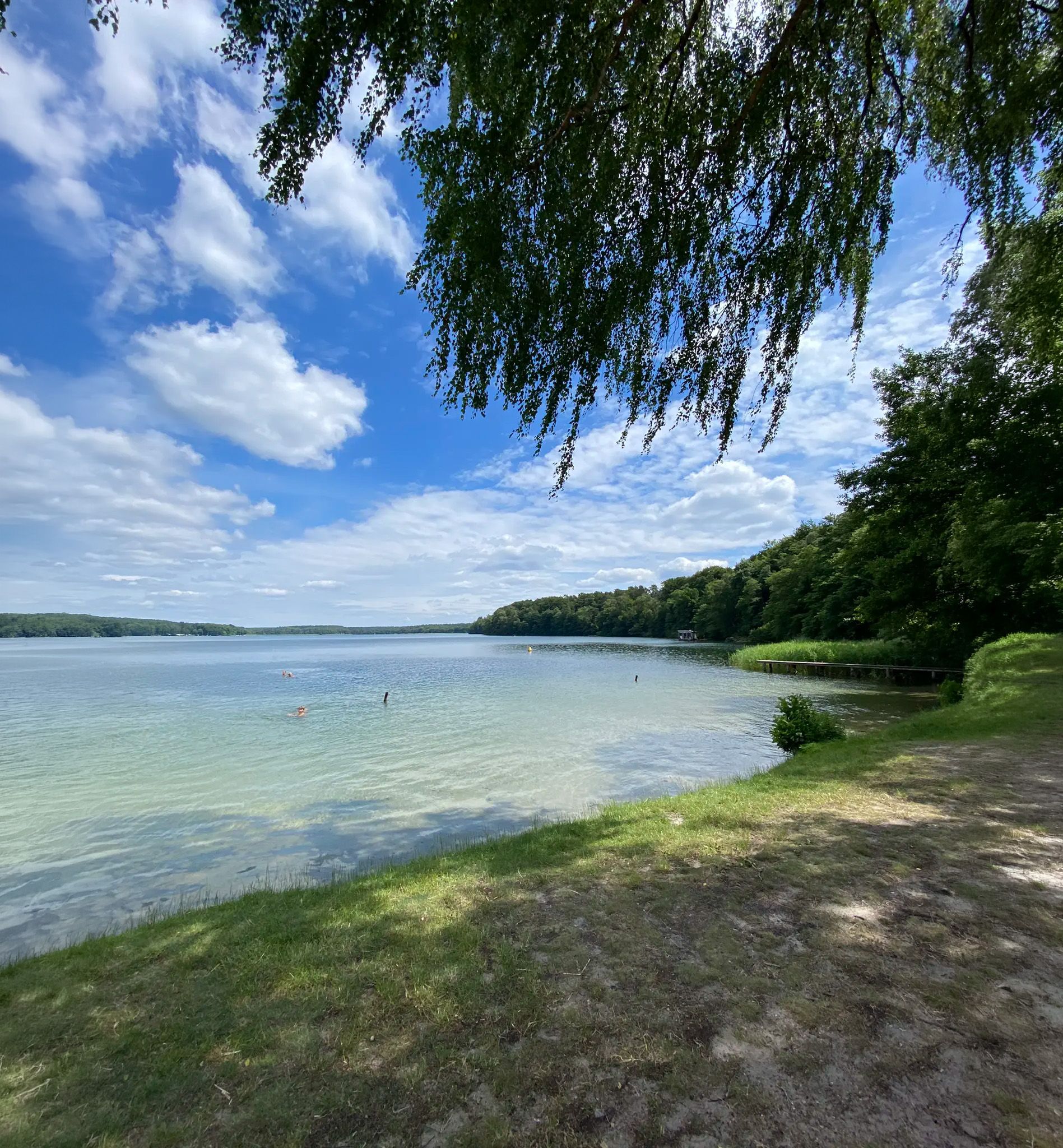
Stoßdorfer Lake
Highlight • Lake
Translated by Google •
Tip by

Fürstlich Drehna Castle
Highlight • Castle
de.wikipedia.org/wiki/Fürstlich_Drehna
Translated by Google •
Tip by

Sign up now to discover places like this
Get recommendations on the best single tracks, peaks, & plenty of other exciting outdoor places.
Sign up for free
Sielmann Nature Park Centre Wanninchen
Highlight • Natural Monument
Now a lake landscape is emerging.
Sielmann natural landscape with observation tower and exhibition.
Coming soon with a brand new cycle …
Translated by Google •
Tip by

Borcheltsbusch Observation Tower
Highlight • Viewpoint
Translated by Google •
Tip by

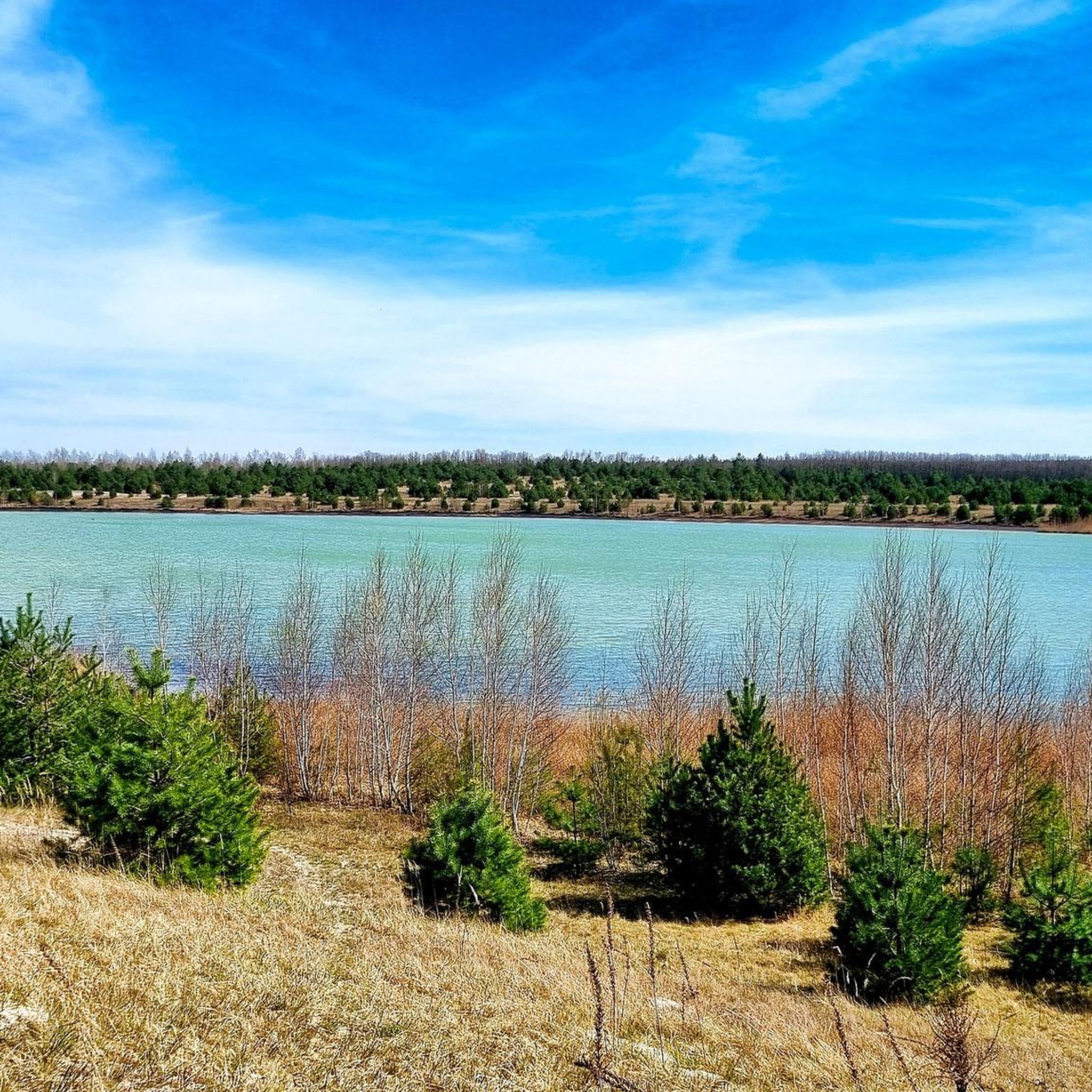
Drehnaer Vineyard and Stiebsdorf Lake
Highlight • Natural Monument
Translated by Google •
Tip by

Sign up for free to discover even more natural monuments around Heideblick.
Sign up for free
Already have an account?
Start today with a free account
Your next adventure awaits.
Login or Signup
Other adventures around Heideblick

Tips from the Community

From the observation tower at Borcheltsbusch you have a wonderful view over meadows and fields. We were able to observe numerous birds. A crane and a great egret were staring through the reeds, grey geese and lapwings were in the meadow. It was accompanied by the singing of nightingales and yellowhammers.
1
0
Nature is reclaiming what surface mining destroyed. The Sielmann Foundation has purchased 3,000 hectares here. The Wannichen Nature Conservation Station is worth a visit.
0
0

The vineyard near Bergen used to belong to the Fürstlich Drehna estate - hence the Drehnaer Weinberg. In the 18th century, wine was grown on the southern slope and terraces can still be seen. Today there is an orchard here. A picnic stand invites you to take a break.
0
0
Here you have a fantastic view of the post-mining landscape. In the Heinz Sielmann Nature Experience Center you will gain an insight into the history of the mining region, learn a lot about the value of nature in today's post-mining landscape and about the work of the Heinz Sielmann Foundation on site. You can visit the exhibition in the house and explore interesting stations and themed trails on the grounds. Picnics are also possible. You can usually purchase cold and hot drinks at the nature adventure center. Open from April to October, Tuesday to Sunday, 10 a.m. to 5 p.m. www.wanninchen.de
0
1

Until the middle of the 19th century, wine was grown here and even down to today's Schlabendorfer Lake. However, it is said that it was quite sour and therefore not a success. Today you can take a break here on the picnic bench and perhaps enjoy a sip of grape juice you brought with you.
3
0

Unfortunately, Mondays are a day off
0
0

The young remaining open-cast mining waters around Wanninchen are now important sleeping places for cranes, Nordic geese and other migratory birds. Here in the nature experience center you will find interesting exhibitions, a boulder garden, a natural playground and a viewing tower as well as various adventure trails.
0
0

Just sit down, watch and enjoy
2
0
Frequently Asked Questions
What are the primary natural features to explore in Heideblick?
Heideblick is largely defined by the Niederlausitzer Landrücken Nature Park, which offers a diverse landscape of extensive heath areas, dense forests, and unique lake and wetland ecosystems formed from former coal pits. You can also explore the vast, largely untouched forests of the Rochauer Heide and the elevated views from the Teufelsstein of Gehren.
Are there family-friendly natural monuments in Heideblick?
Yes, several natural monuments are suitable for families. The Heinz Sielmann Nature Experience Centre Wanninchen is particularly family-friendly, offering insights into the landscape's transformation. Other spots like Stoßdorfer Lake and Lake Schlabendorf are also great for family outings, with opportunities for gentle walks and nature observation.
What kind of wildlife can I expect to see in the Heideblick natural monuments?
The region is a haven for wildlife, especially birds. The Niederlausitzer Landrücken Nature Park is a crucial resting place for thousands of cranes and geese during autumn migration. In spring, Brandenburg's largest seagull colony can be observed. The Borcheltsbusch Observation Tower is an excellent spot for birdwatching, particularly for cranes. The Rochauer Heide is also home to rare forest animals, including the Tengmalm's owl.
What is the best time of year to visit for nature observation?
Autumn is particularly impressive for birdwatching, as thousands of cranes and geese use the area as a resting place during migration. Spring is also excellent for observing the large seagull colony. Generally, the varied landscapes offer beauty throughout the year, with lush greenery in spring/summer and unique tranquility in winter.
Are there opportunities for hiking near Heideblick's natural monuments?
Absolutely! The region offers extensive opportunities for hiking. You can find trails through the varied landscapes of the Niederlausitzer Landrücken Nature Park, including the quiet forests of the Rochauer Heide and routes leading to the Teufelsstein of Gehren for scenic views. For more detailed hiking options, explore the Hiking around Heideblick guide.
Can I go cycling in the area around Heideblick's natural monuments?
Yes, the region is well-suited for relaxed cycling. The Niederlausitzer Landrücken Nature Park features well-signposted trails that wind through its diverse landscapes, including heathlands, forests, and past the new lake areas. You can find various cycling routes, including mountain biking trails, in the MTB Trails around Heideblick guide.
Are there any historical or cultural sites among the natural monuments?
Yes, the region blends natural beauty with cultural heritage. Fürstlich Drehna Castle is a notable historical site and moated castle, with its park and associated buildings listed as monuments. The broader landscape also features idyllic villages with fieldstone churches and manor houses, reflecting the area's ancient cultural history alongside its emerging 'new wilderness'.
Is there wheelchair accessibility at any of the natural monuments?
The Heinz Sielmann Nature Experience Centre Wanninchen is noted as being wheelchair accessible, providing an inclusive way to experience the transformation of the post-mining landscape and observe nature.
Where can I get good views of the landscape?
For panoramic views, the Borcheltsbusch Observation Tower offers excellent vistas, particularly for observing migratory birds. The Teufelsstein of Gehren also provides scenic views from its elevated position within the Gehrener Berge.
What do visitors particularly enjoy about the natural monuments in Heideblick?
Visitors frequently appreciate the tranquility and natural beauty of the area. The unique transformation of former mining areas into new ecosystems, such as Stoßdorfer Lake and Lake Schlabendorf, is a fascinating aspect. The opportunity for birdwatching, especially the thousands of cranes and geese, is also a major highlight for many.
Are dogs allowed on trails around the natural monuments?
While specific regulations can vary, many natural areas in Germany, including parts of the Niederlausitzer Landrücken Nature Park, generally permit dogs on trails, often requiring them to be on a leash. It's always advisable to check local signage or specific park rules for the area you plan to visit to ensure compliance.
What are some unique natural monuments formed from post-mining landscapes?
The Heideblick region is particularly known for its natural monuments that have emerged from post-mining landscapes. Examples include Stoßdorfer Lake and Lake Schlabendorf, both large lakes created from former open-pit mines. These areas have transformed into vital nature reserves and bird habitats, showcasing nature's resilience.
Where can I learn more about the landscape transformation in the region?
The Heinz Sielmann Nature Experience Centre Wanninchen is an excellent resource. It offers unique insights into how the post-mining landscape has been transformed into new ecosystems, with a focus on nature development and harmony with nature. The center often features exhibitions and information about the area's ecological changes.
Most popular routes around Heideblick
Most popular attractions around Heideblick

Get inspired with the komoot mobile app


Explore more
Extend your search for the best caves by checking out these guides of the top ones around Heideblick:
