Top 20 Natural Monuments around Lieberose
Best natural monuments around Lieberose are found in the Upper Spreewald region of Brandenburg. This area features diverse landscapes, including the Lieberose Desert, the broader Lieberose Heath, the Schlaubetal valley, and the expansive Schwielochsee lake. The region offers a variety of natural features, from sandy terrain to extensive forests and significant water bodies. These natural monuments provide opportunities for exploring unique ecosystems and geological formations.
Best natural monuments around Lieberose
- The most popular natural monuments is Lake Wirchensee, a…
Last updated: June 25, 2026
Reicherskreuzer Heide
Highlight • Natural
Translated by Google •
Tip by

Butzener Bagen Moor
Highlight (Segment) • Natural
Translated by Google •
Tip by

Sign up now to discover places like this
Get recommendations on the best single tracks, peaks, & plenty of other exciting outdoor places.
Sign up for free
Rähdensee (Rähden Lake)
Highlight • Lake
Translated by Google •
Tip by

Chossewitzer Lake
Highlight • Lake
Translated by Google •
Tip by

Spree rapids in the Biotopverbund Spreeaue
Highlight • River
There are two ways to get there, one for cycling and one for pedestrians.
Translated by Google •
Tip by

Sign up for free to discover even more natural monuments around Lieberose.
Sign up for free
Already have an account?
Start today with a free account
Your next adventure awaits.
Login or Signup
Tips from the Community

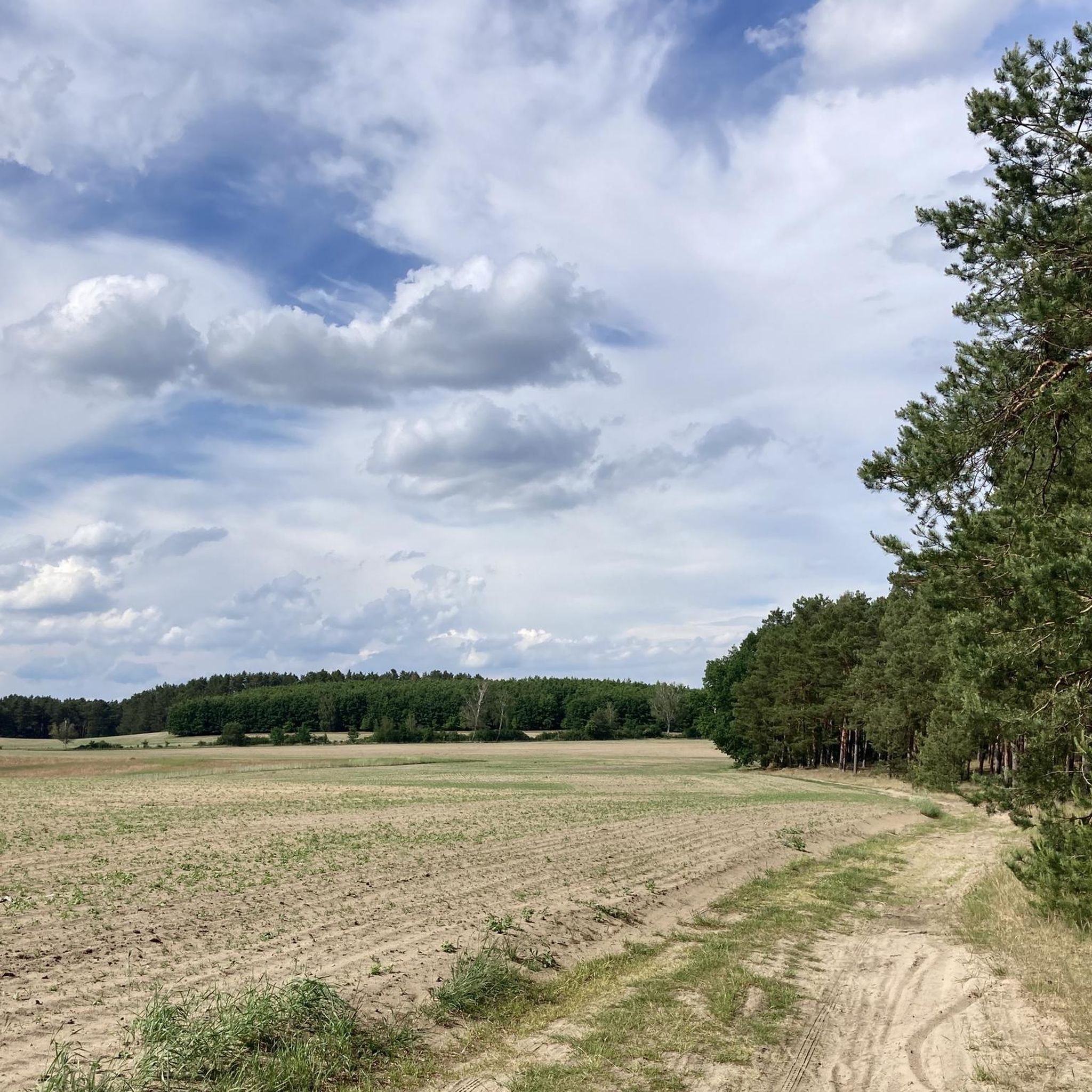
Nice and sandy, so better take the MTB instead of the gravel
0
0

Is more of a water staircase and not a "Spreefall"
0
0

I would rather call this place a rapid and not a waterfall like the others have called it here
0
0
so I wouldn't call it a waterfall
0
0

The mini waterfalls, artificially created by several rows of stones, provide a beautiful backdrop for the eye and ear.
0
0

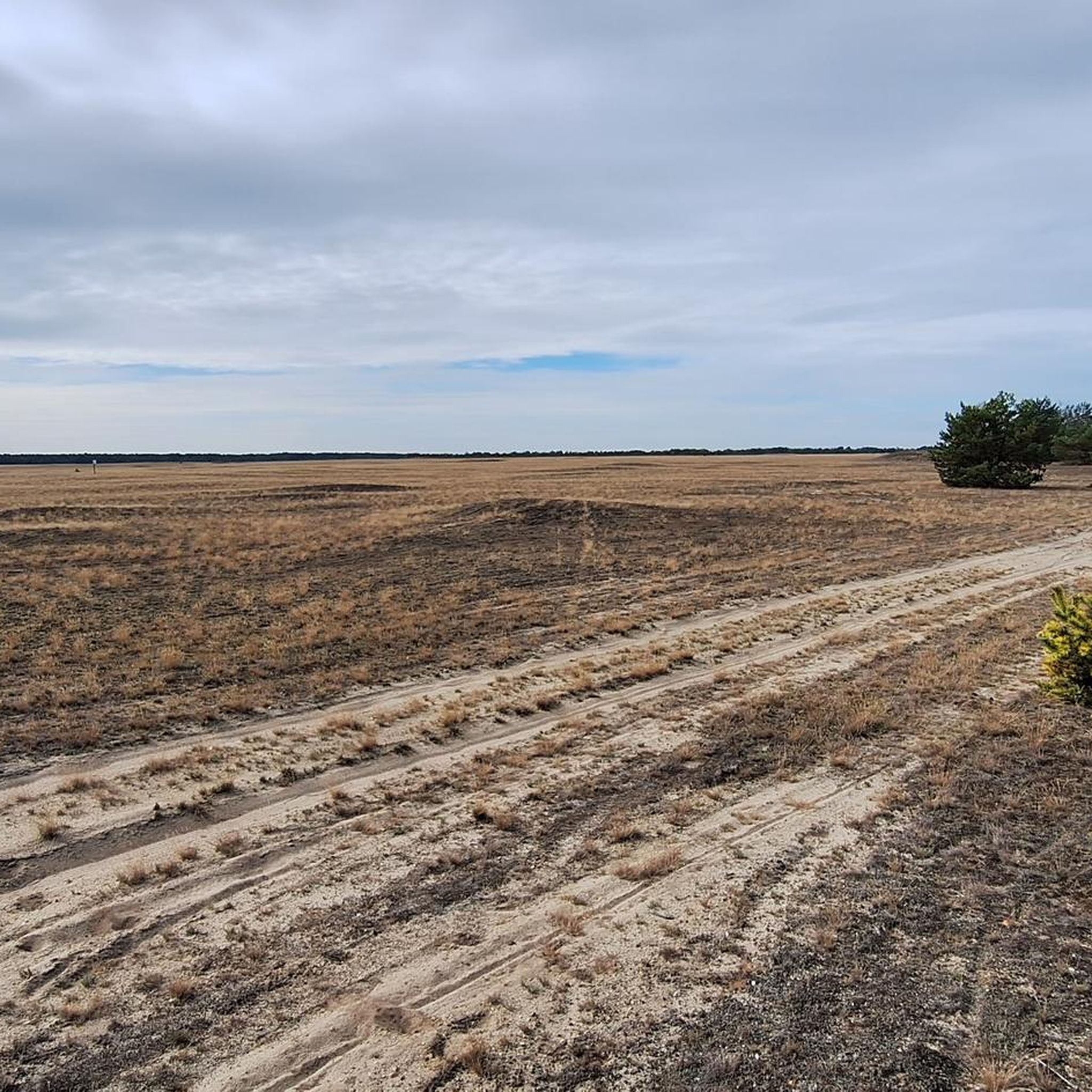
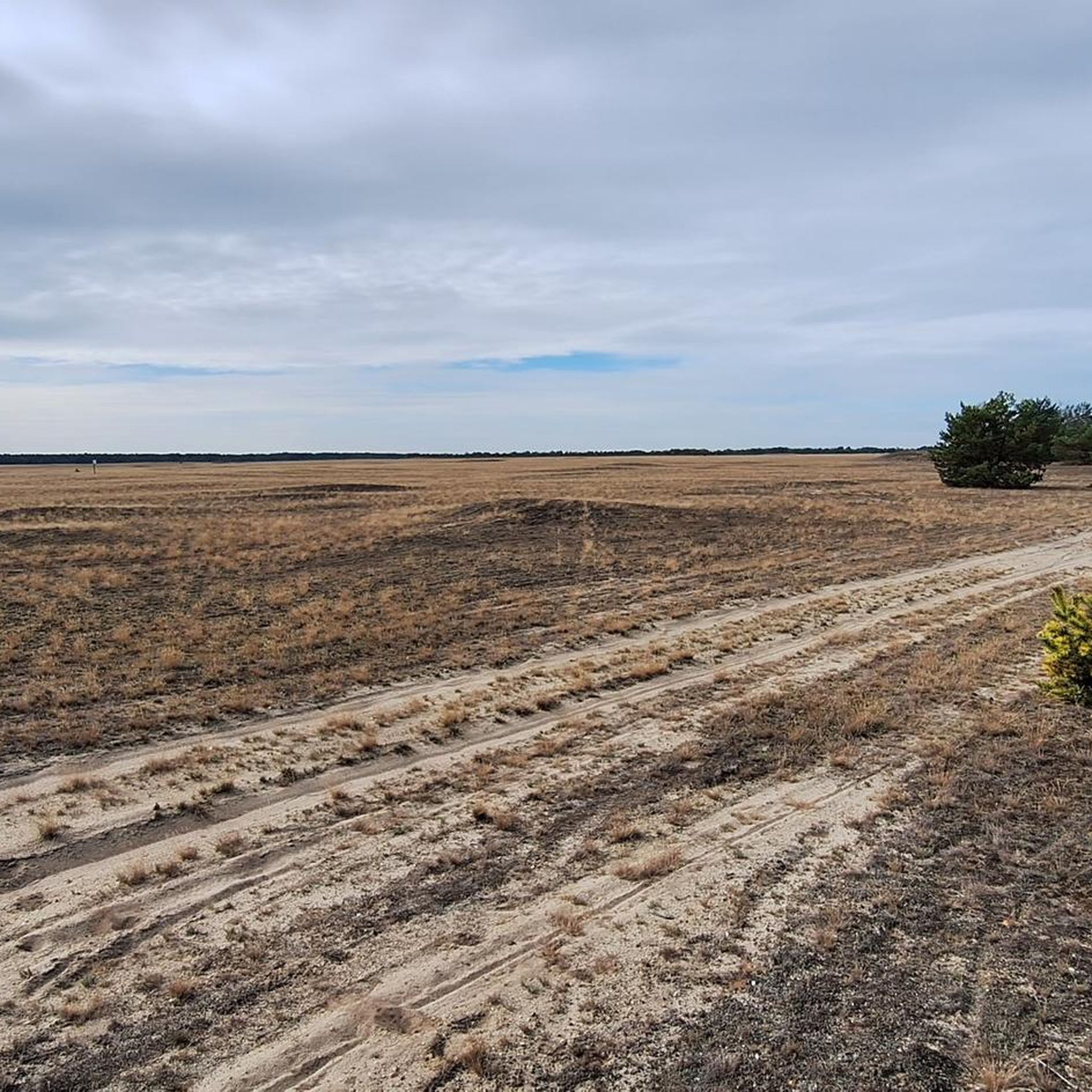
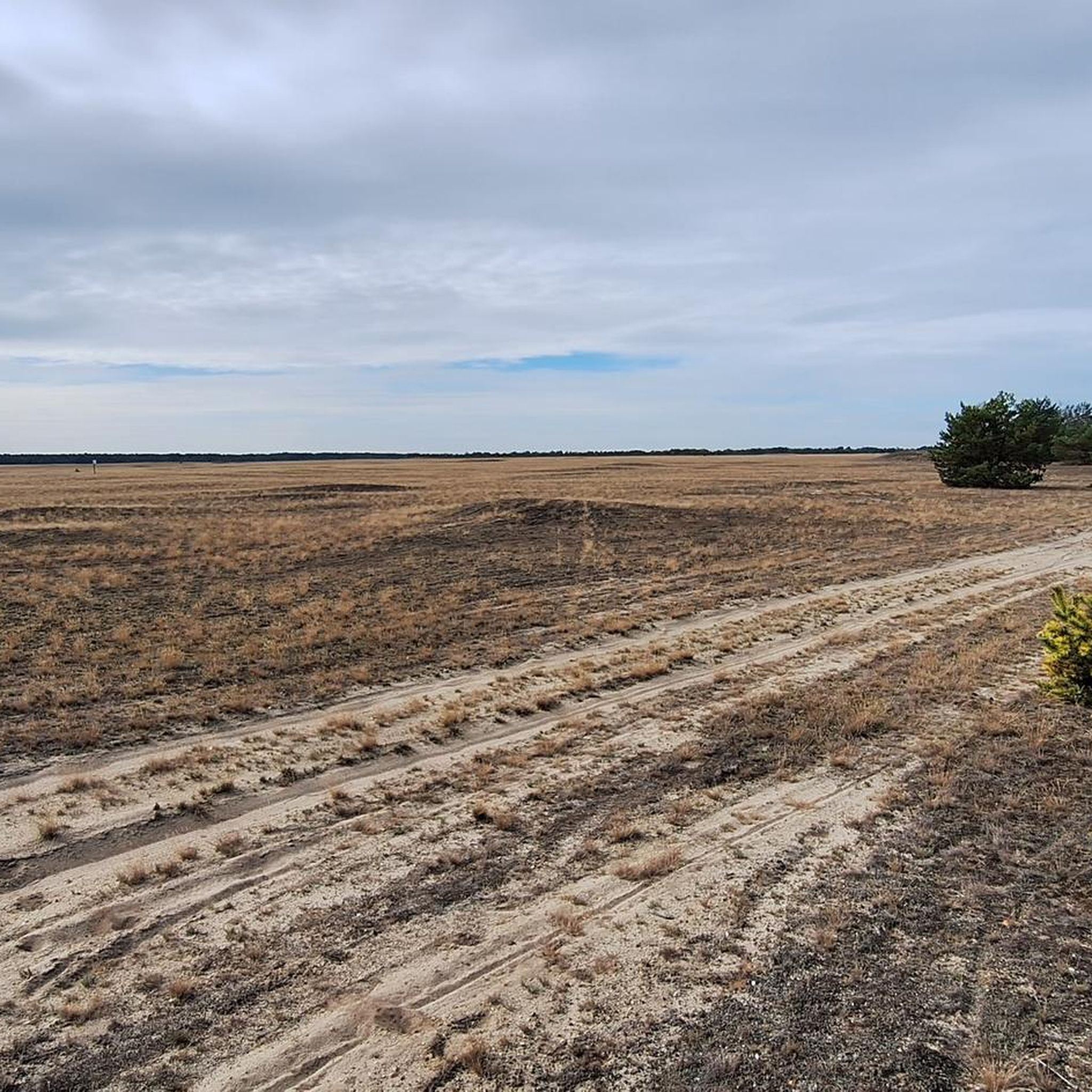
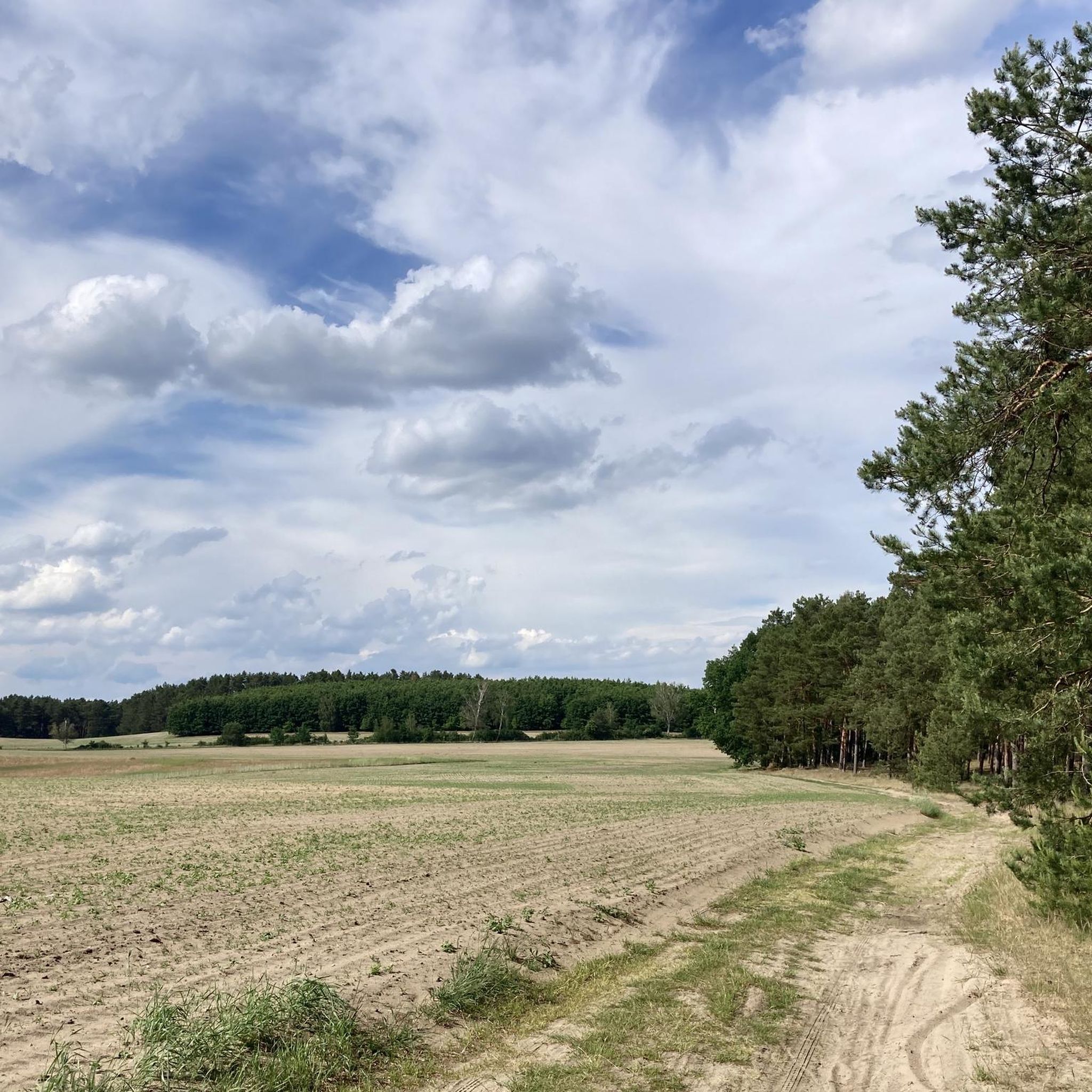
In 1942 and 1943 there were a number of forest fires in the region, although it was assumed that the largest fire (1943) was deliberately set in order to build the Kurmark SS military training area on the “cleared” area. The SS military training area was built around the village of Jamlitz near the small town of Lieberose. The Red Army took over the military training area and began to expand it in 1954. Until 1992, the area was used as a GSSD firing range and primarily for Warsaw Pact maneuver exercises. After the withdrawal of the armed forces, the Bundeswehr decided against further use of the site in 1994 and the areas of the Lieberose military training area were transferred to the state of Brandenburg. The Reicherskreuzer Heide is part of the 2,840 hectare Reicherskreuzer Heide and Schwansee nature reserve. This has been part of the Schlaubetal Nature Park since 1995.
1
0

Sand and heathland to the right and left, with a very nice cycle path in between.
0
0

With an area of 25,550 hectares, the Lieberoser Heide natural world is a huge, almost undivided area by German standards, and its undisturbed state and diversity of species is unique in Germany.
2
0
Frequently Asked Questions
What unique natural features can I explore in the Lieberose region?
The Lieberose region offers diverse and unique natural features. You can discover the Reicherskreuzer Heide, an extensive area of sand and heathland known for its undisturbed state and species diversity. Another highlight is the Butzener Bagen Moor, a valuable moor landscape home to rare animals and plants. Additionally, the unique Lieberose Desert, a sandy expanse resulting from historical events, offers a rare desert-like landscape in Brandenburg.
Are there any historical aspects connected to the natural monuments around Lieberose?
Yes, several natural areas in Lieberose have significant historical connections. The Lieberose Desert, for instance, was formed by a major forest fire in 1942 and subsequent military exercises until 1994, leaving behind its distinctive sandy terrain. Similarly, the Reicherskreuzer Heide is part of a former military training area, with its landscape shaped by these past activities. The Heideradweg, a cycling path through the broader Lieberose Heath, also features stops to learn about the region's military occupation history.
What are some family-friendly natural monuments to visit near Lieberose?
For families, several natural monuments offer enjoyable experiences. Lake Wirchensee is popular, featuring a hiking trail around its perimeter and a peninsula with breeding birds. Rähdensee (Rähden Lake) is a popular bathing spot with clear, nutrient-poor water, surrounded by forests. Chossewitzer Lake also offers an idyllic setting with a riverside path and benches, perfect for a relaxing outing.
Can I go hiking or cycling near the natural monuments in Lieberose?
Absolutely! The Lieberose region is excellent for outdoor activities. The Lieberose Heath features the Heideradweg, a nearly 25-kilometer paved cycling path that passes through forests and heathlands, including the Lieberose Desert. For hiking, the Schlaubetal Valley is renowned for its 'wild and romantic' trails. You can find numerous routes for different sports, including hiking, road cycling, and mountain biking, by exploring the guides for Hiking around Lieberose, Road Cycling Routes around Lieberose, and MTB Trails around Lieberose.
What kind of wildlife can I expect to see in the natural areas of Lieberose?
The natural areas around Lieberose are rich in wildlife. The Lieberose Desert, despite its barren appearance, is home to specialized plants and serves as a habitat for woodlarks, tawny pipits, and migratory Eurasian dotterels; wolves and otters have also been sighted. The Butzener Bagen Moor is known for its rare animal and plant species, including middle and lesser woodpeckers. At Rähdensee (Rähden Lake), you might spot great crested grebes, mallards, otters, and the greater Moosjungfer dragonfly.
Are there any specific natural monuments known for their water features?
Yes, the Lieberose area boasts several beautiful water-based natural monuments. The Lake Wirchensee is a popular lake that can be circumnavigated on a hiking trail. Rähdensee (Rähden Lake) is a clear, nutrient-poor lake popular for bathing. The Chossewitzer Lake offers an idyllic ambience with a riverside path and viewpoints. Additionally, the expansive Schwielochsee Lake, Brandenburg's largest natural lake, is located nearby and offers various water-based recreational activities.
What is the best time to visit the natural monuments around Lieberose?
The best time to visit the natural monuments around Lieberose largely depends on your preferred activities. Spring and autumn offer pleasant temperatures for hiking and cycling, with vibrant flora in spring and colorful foliage in autumn. Summer is ideal for water activities at lakes like Rähdensee or Schwielochsee. However, note that Chossewitzer Lake can have many blue-green algae in summer due to its shallow depth.
Are there any natural monuments with unique geological formations?
The Lieberose region is notable for its unique landscapes, which include geological formations shaped by natural processes and historical events. The Lieberose Desert, with its five square kilometers of sandy terrain, is a distinctive feature in Brandenburg. The Butzener Bagen Moor represents a valuable and interesting moor landscape, a unique ecosystem in itself. The steep slopes around Rähdensee (Rähden Lake) also showcase interesting terrain variations.
What are the most popular natural monuments according to visitors?
Visitors frequently enjoy Lake Wirchensee, which is highly rated for its circumnavigable hiking trail and the peninsula with breeding birds. The Reicherskreuzer Heide is also very popular, appreciated for its extensive sand and heathland, and the cycle path that allows exploration of its diverse landscapes. These spots are well-regarded for their natural beauty and recreational opportunities.
What should I know about accessibility and safety when visiting the Lieberose Desert?
When visiting the Lieberose Desert, it's important to be aware of its unique history. Due to residual unexploded ordnance from past military use, visitors must stay on marked paths for safety. The terrain is sandy and can be uneven, so sturdy footwear is recommended for hiking. While the area is accessible for exploration on foot, staying on designated trails is crucial.
Are there opportunities for birdwatching in the natural monuments?
Yes, several natural monuments in the Lieberose region offer excellent birdwatching opportunities. The peninsula in Lake Wirchensee is known for numerous breeding bird species. The Lieberose Desert provides habitat for woodlarks, tawny pipits, and serves as a resting place for migratory Eurasian dotterels. At Rähdensee (Rähden Lake), you can observe individual pairs of great crested grebes and mallards, with goldeneyes breeding in nearby black woodpecker caves.
Can I find information about the flora and fauna at the natural monuments?
Yes, information is often available. For example, the Butzener Bagen Moor features information boards that briefly describe its rare animals and plants. The Heideradweg through the Lieberose Heath also has stops where visitors can learn about the local flora and fauna. The Lieberose Desert is home to specialized plants like silver hair grass and marram grass, which thrive in its unique sandy soil.
Most popular routes around Lieberose
Most popular attractions around Lieberose

Get inspired with the komoot mobile app


Explore more
Extend your search for the best caves by checking out these guides of the top ones around Lieberose:
