Top 20 Natural Monuments around Lembruch
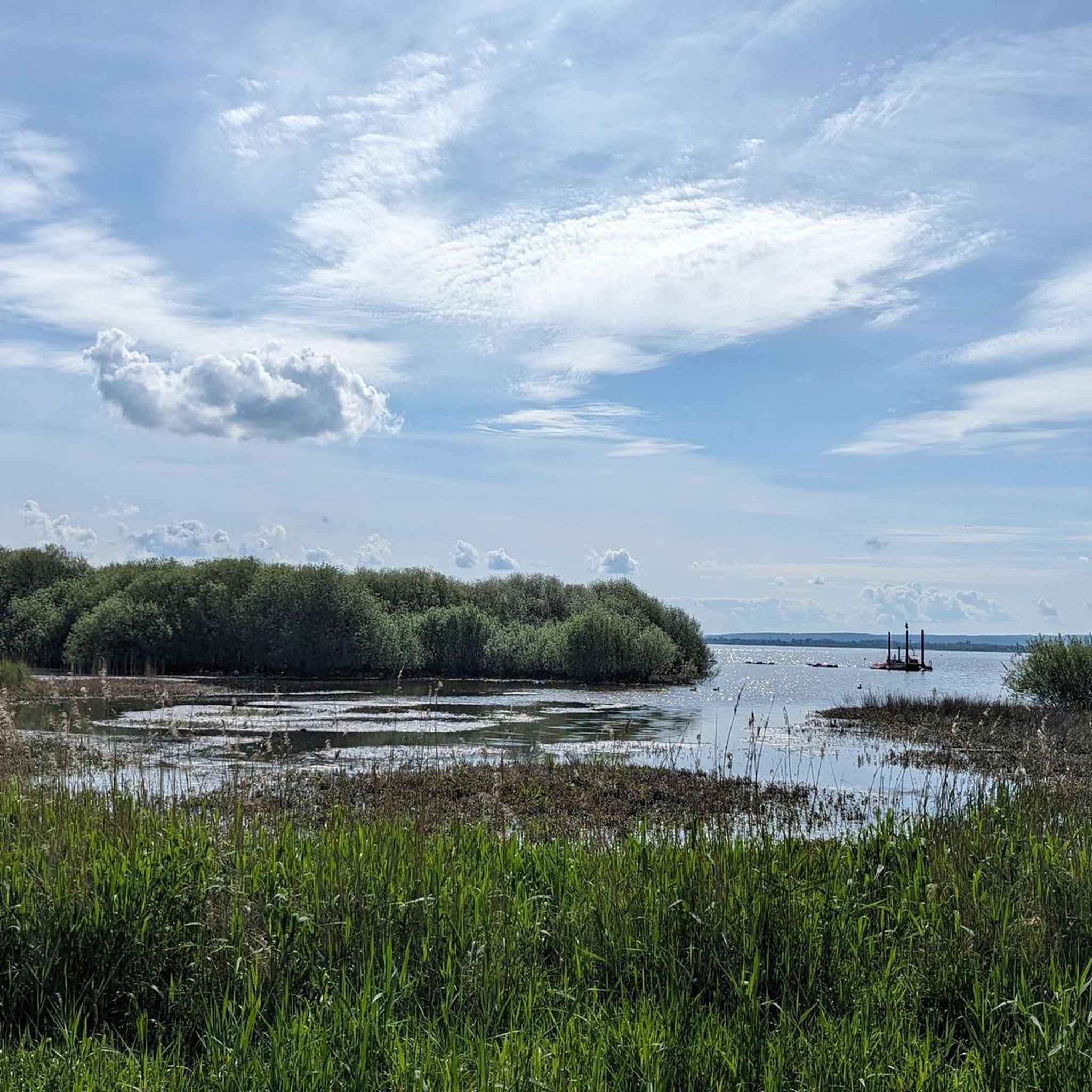
Natural monuments around Lembruch are concentrated around Lake Dümmer, the second-largest lake in Lower Saxony. This region is ecologically significant, designated as a Ramsar Wetland and a crucial biotope for diverse bird species. The Dümmer Nature Park encompasses fens and bogs, contributing to a varied natural landscape. The Hunte River flows through Lake Dümmer, further enhancing the area's natural appeal.
Best natural monuments around Lembruch
- The most popular natural monuments is Rehdener Geestmoor Observation Tower, a viewpoint that offers…
Last updated: October 11, 2026
Ochsenmoor Nature Reserve at Lake Dümmer
Highlight • Natural
Translated by Google •
Tip by

Reed Boardwalk at Lake Dümmer
Highlight • Rest Area
Translated by Google •
Tip by

Sign up now to discover places like this
Get recommendations on the best single tracks, peaks, & plenty of other exciting outdoor places.
Rehdener Geestmoor Observation Tower
Highlight • Viewpoint
Translated by Google •
Tip by

Brummloch (Humming Hole) in the Stemweder Berg
Highlight • Natural Monument
You will actually feel the vibrations in your body.
A great experience 🙂
Translated by Google •
Tip by

Steinfeld Megalithic Tomb
Highlight • Historical Site
Translated by Google •
Tip by

Sign up for free to discover even more natural monuments around Lembruch.
Already have an account?
Start today with a free account
Your next adventure awaits.
Popular around Lembruch
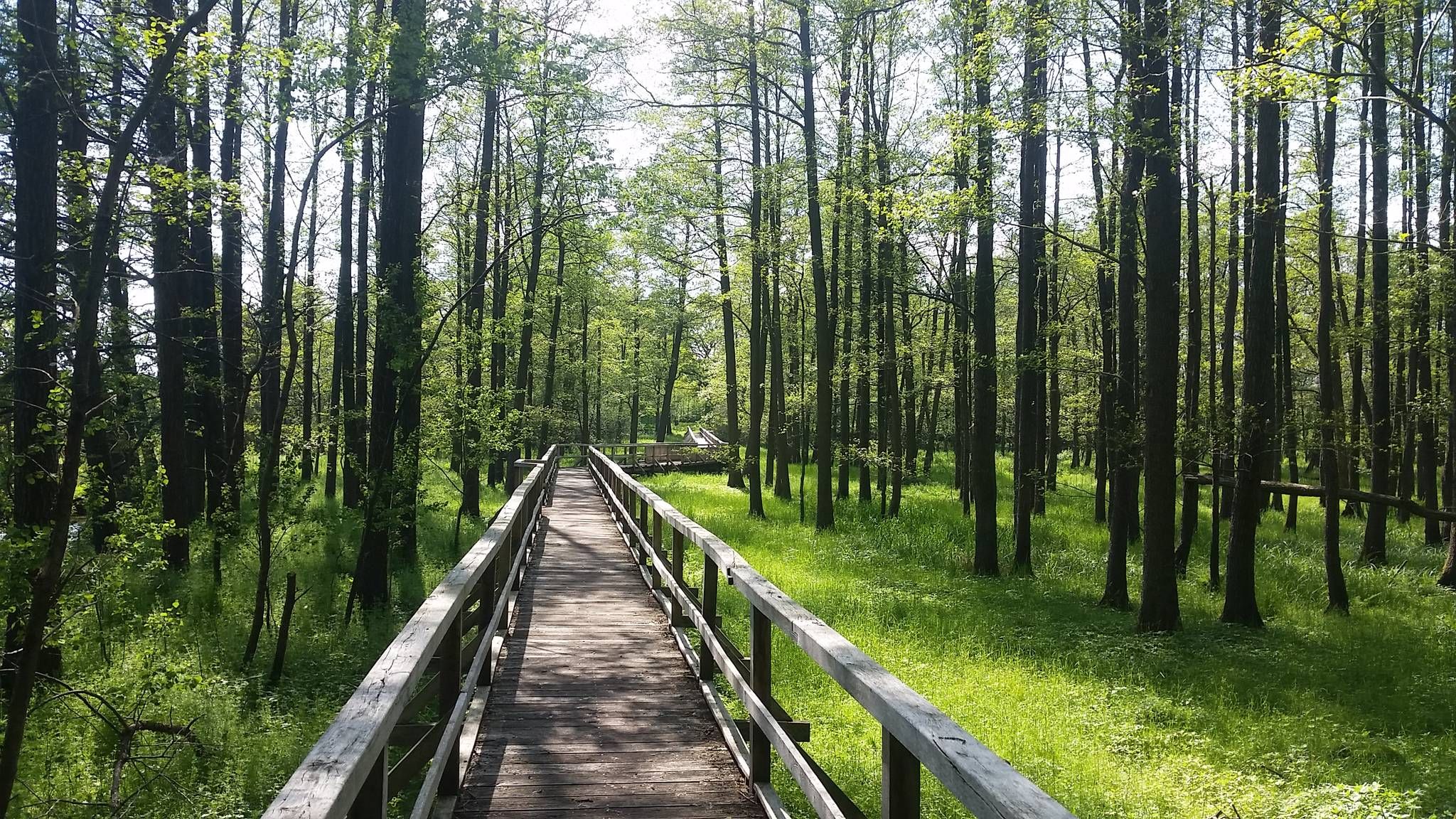
Germany's bridge bike path — cycle between Bremen and Osnabrück
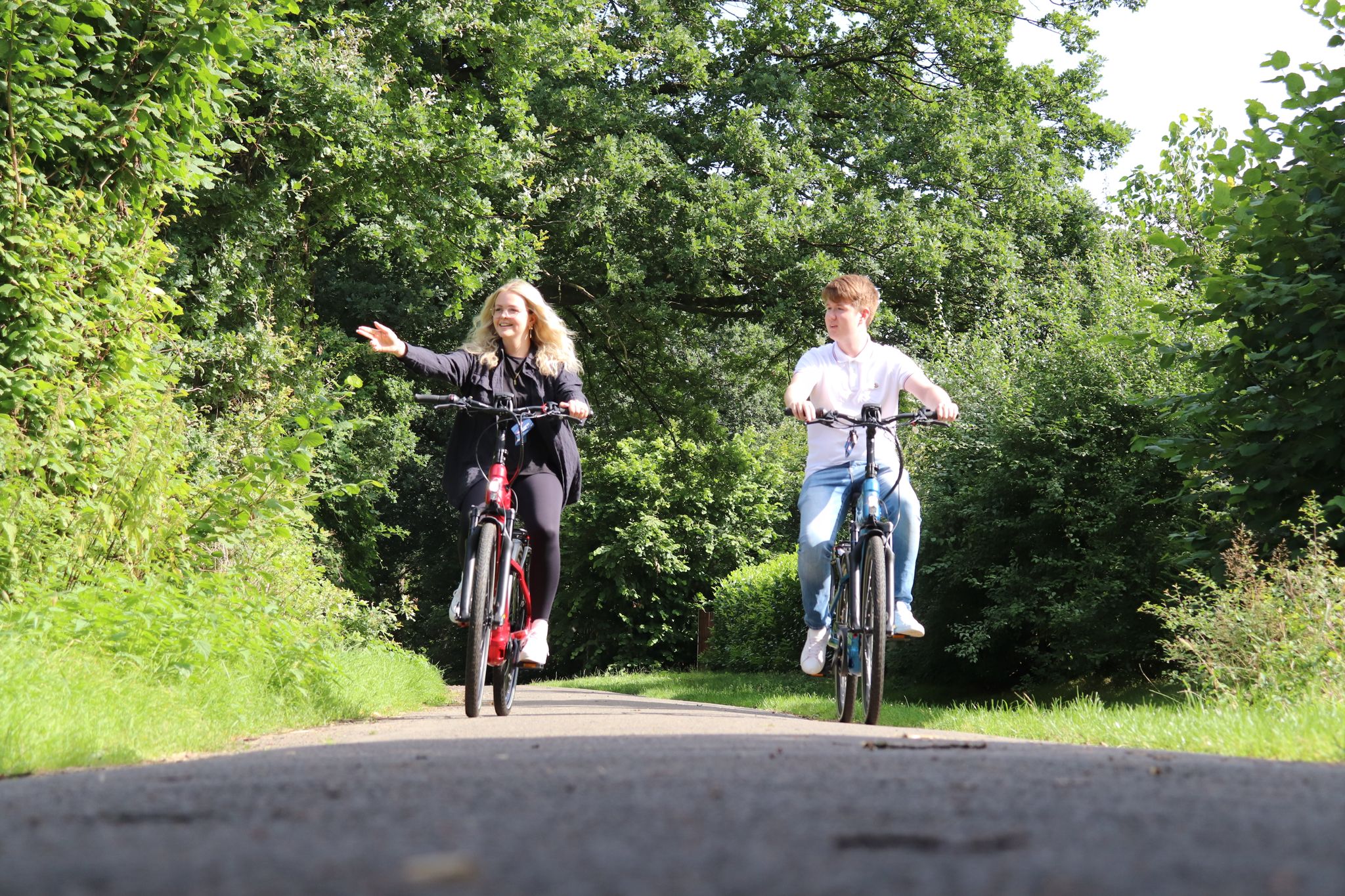
Best Loops in the DümmerWeserLand Cycling Region
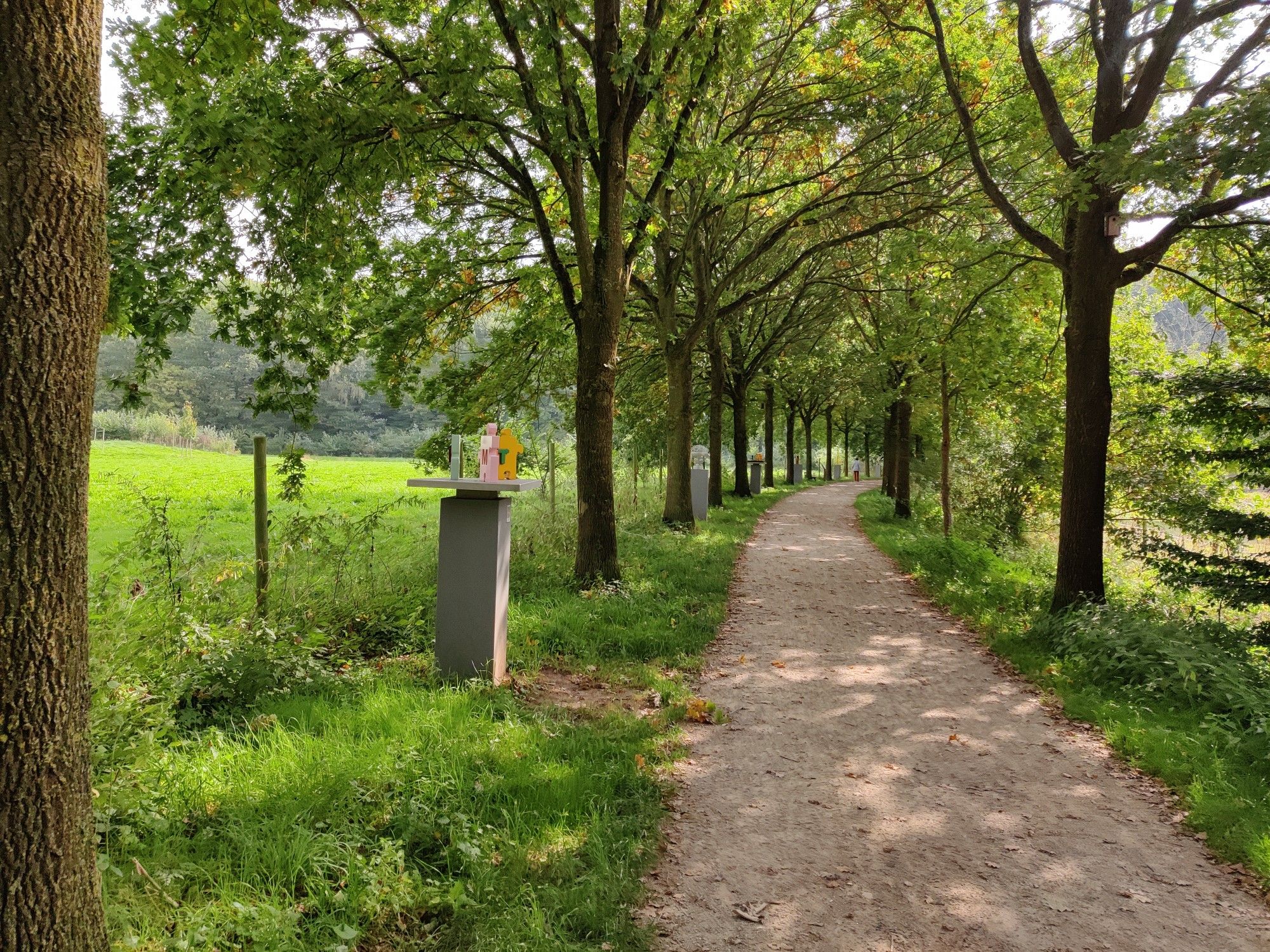
A cycling escape in Germany’s Lower Saxony – Pit Stop Route
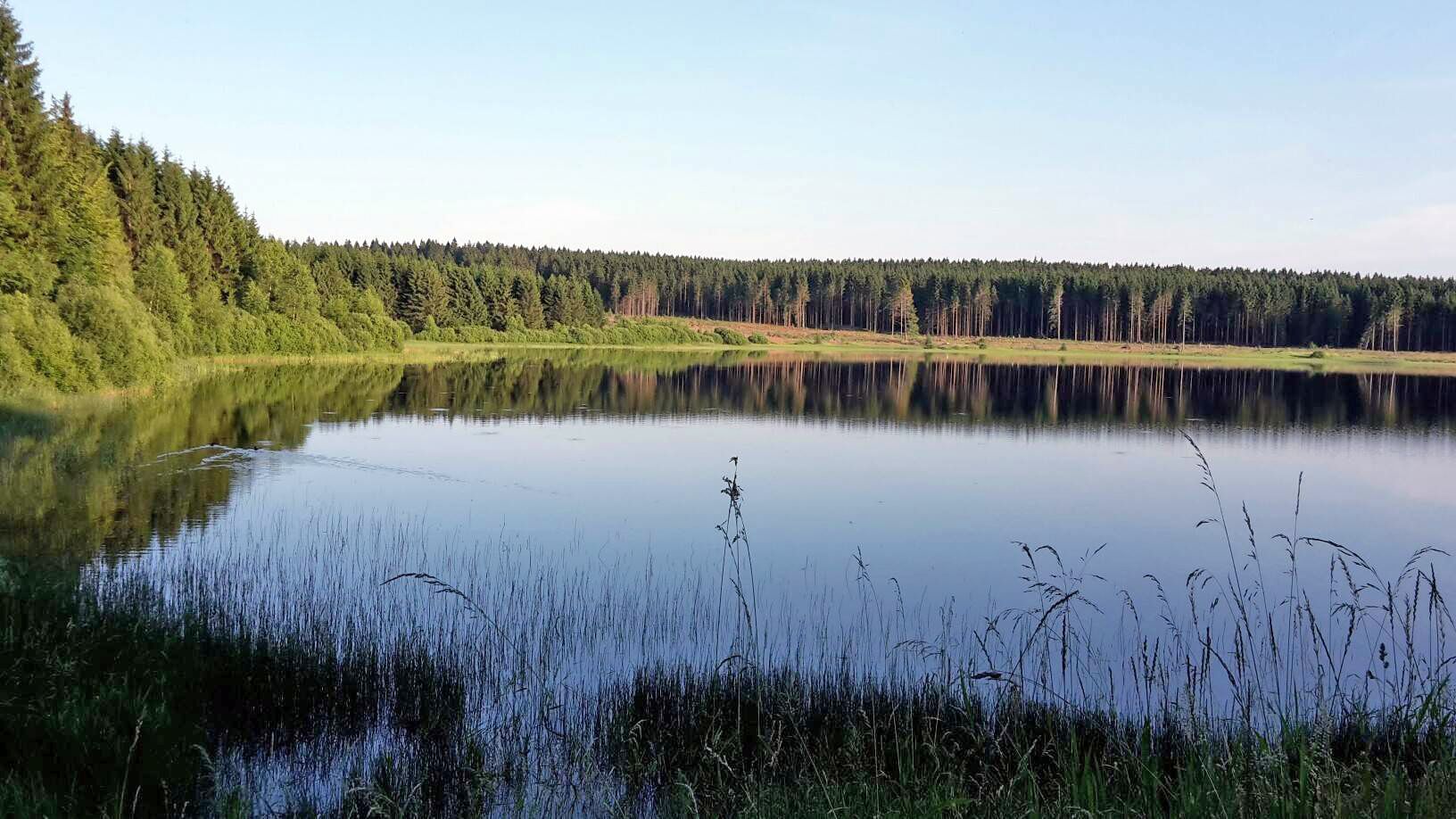
The best swimming lakes in Lower Saxony
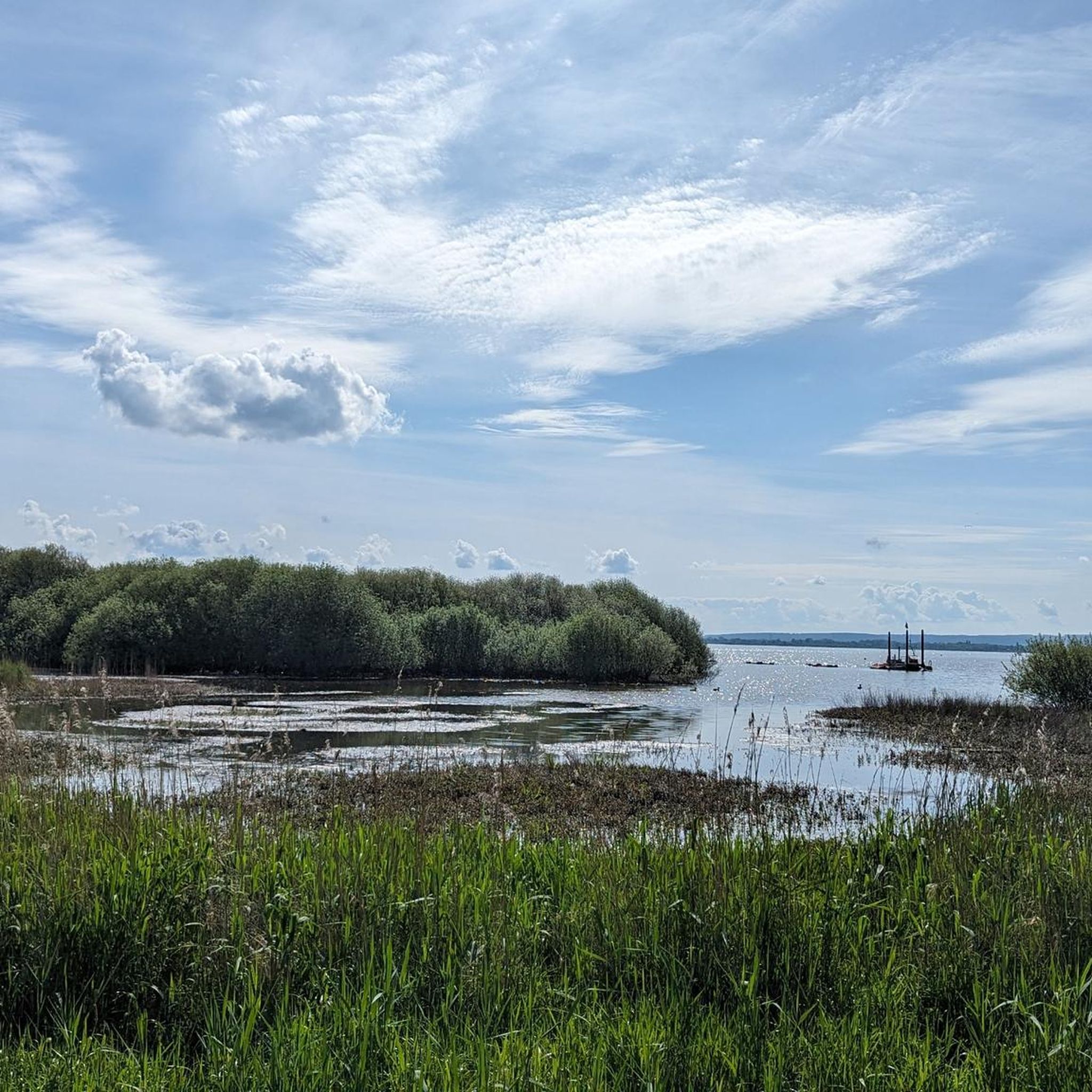
Cycling around Lembruch
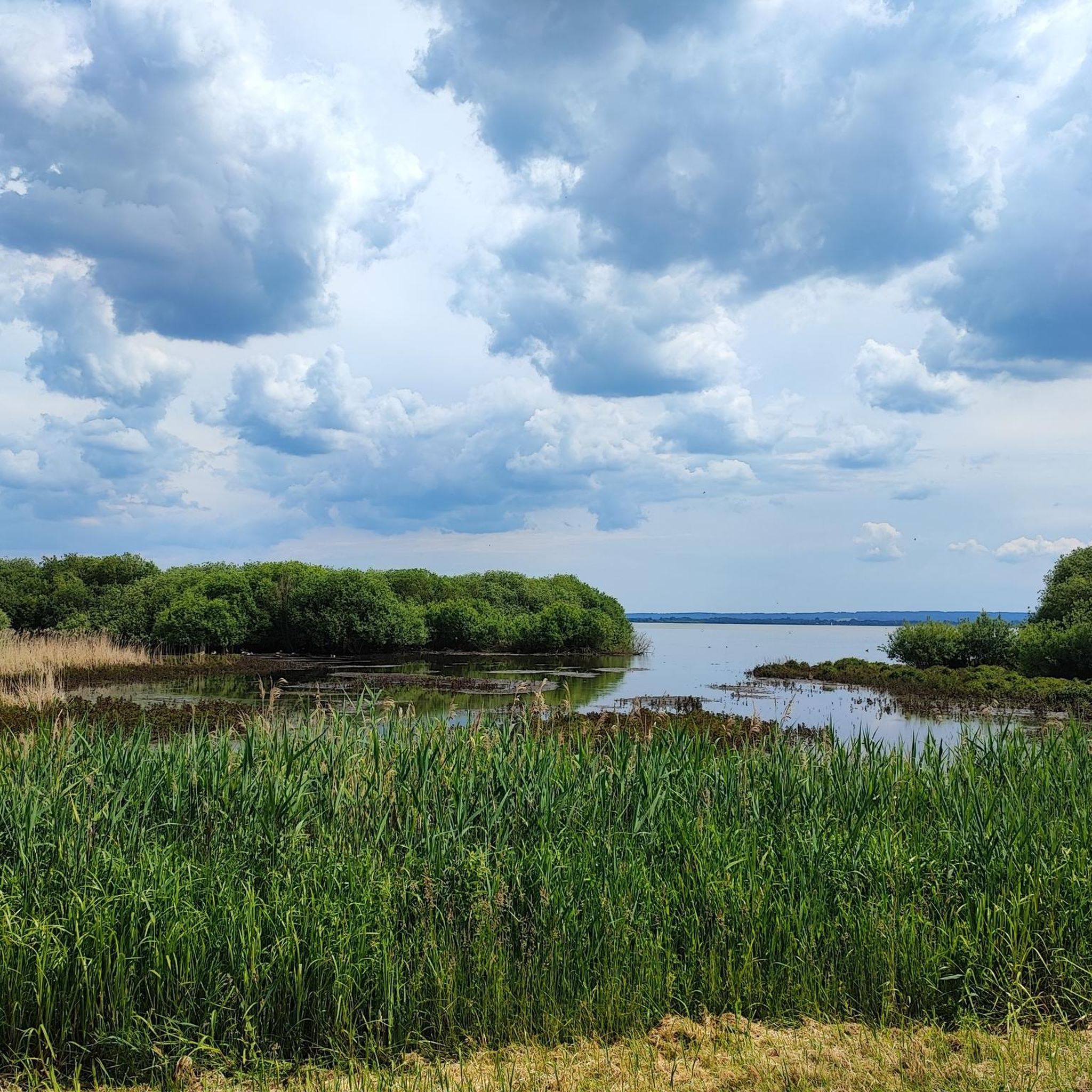
Hiking around Lembruch
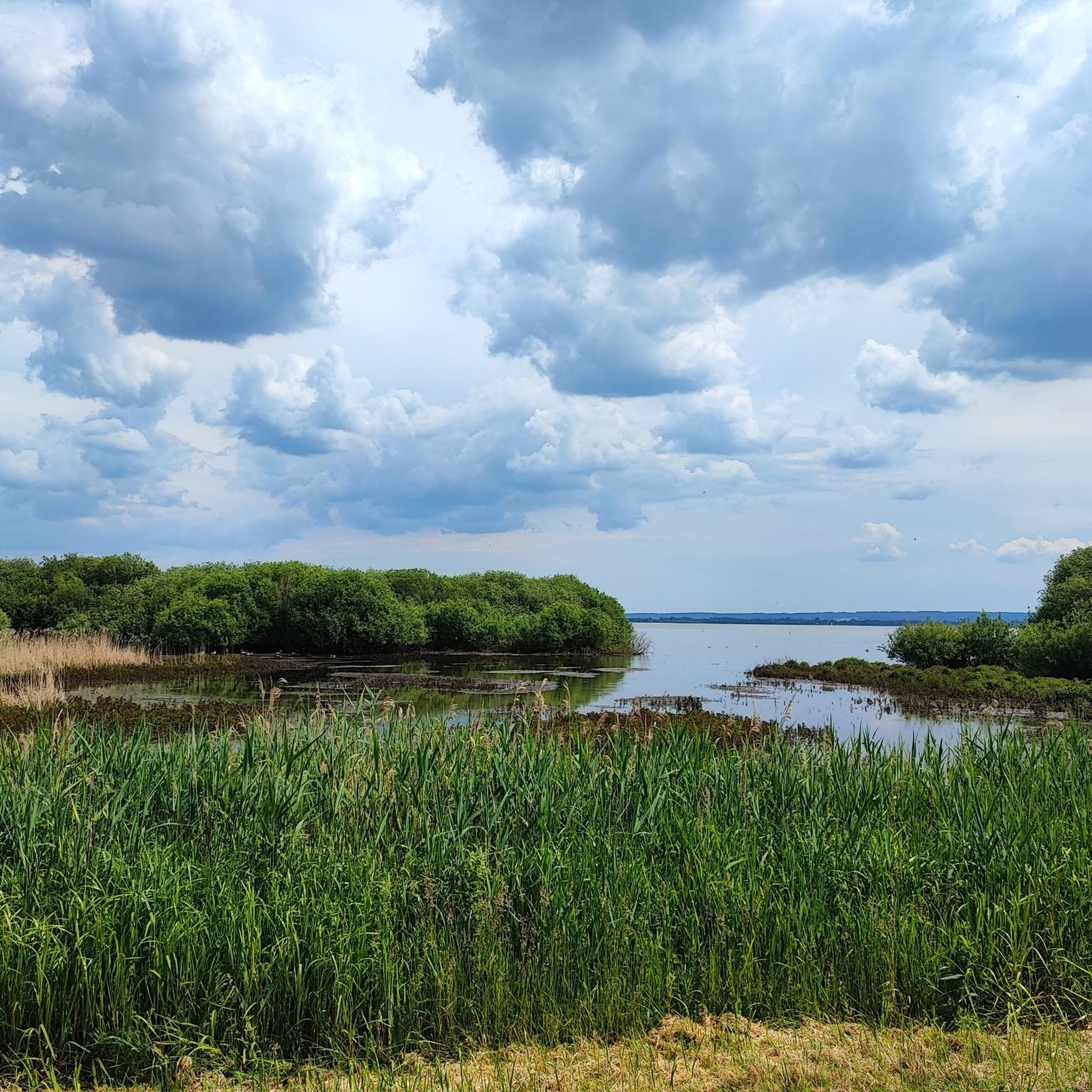
Running Trails around Lembruch
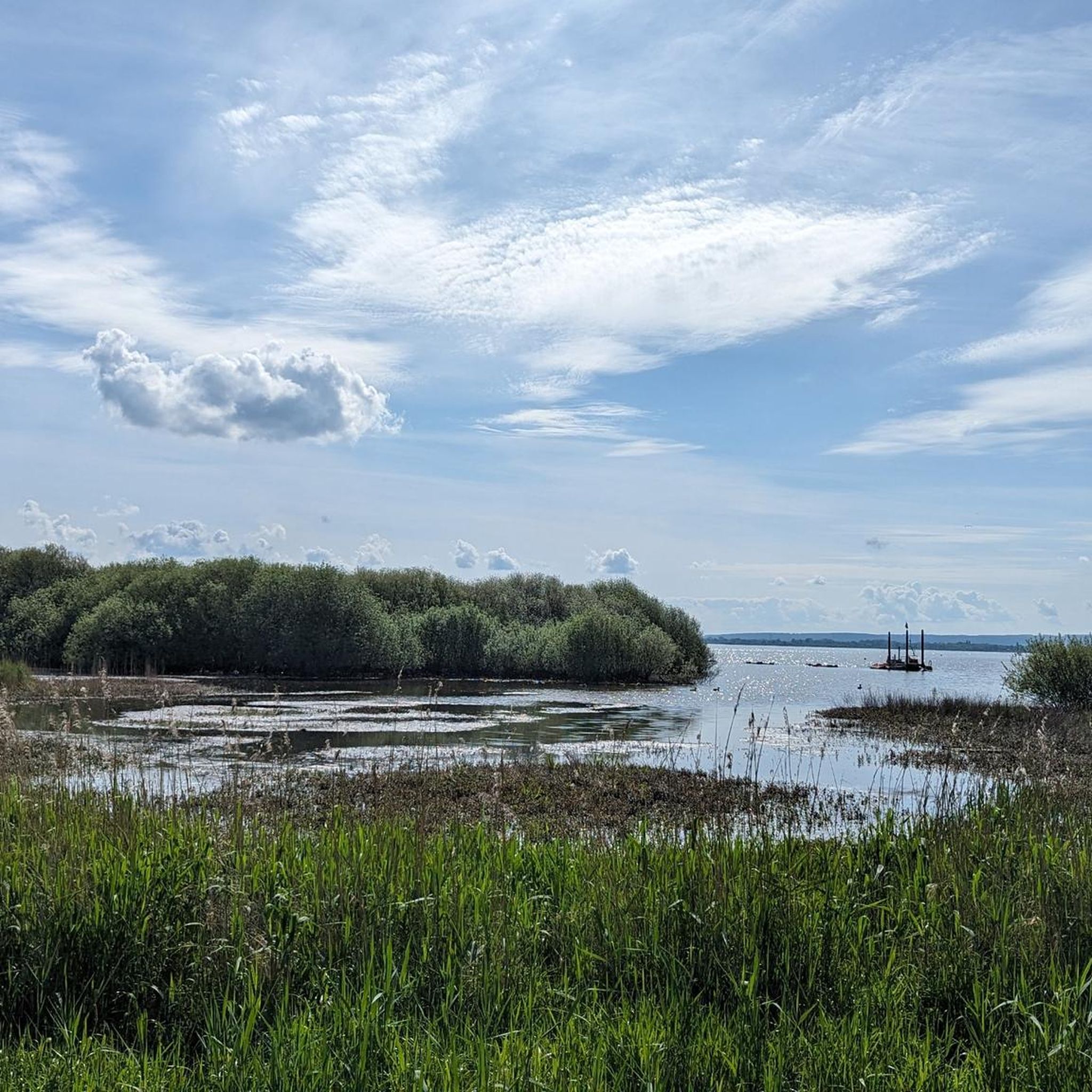
MTB Trails around Lembruch
Road Cycling Routes around Lembruch
Gravel biking around Lembruch
Other adventures around Lembruch


Tips from the Community

The approximately 100-meter-long wooden footbridge leads into the reed zone and pasture belt of the "Hohe Sieben" nature reserve, which also features a birdwatching station. It's worth parking your bike here for a while and exploring the surrounding nature on foot. You certainly won't regret it and will be glad you took a short break here afterwards. 👋😉 https://willkommen.dwl.duemmer.de/de/duemmer/streaming/detail/POI/p_100054347/schilferlebnissteg
4
0

Head in and hum
1
0

An ideal place to observe flora and fauna in peace and quiet, with a nearby circular hiking trail through the moor that provides information about the flora and fauna. A unique experience: the arrival of the cranes, which rest here in the autumn on their way south.
3
0
European bird sanctuary with rewetted wet grassland, important breeding area for meadow birds and resting area for geese.
4
0

You reach the grave via the road between Steinfeld (Oldenburg) and Damme, Dammer Straße. From here you turn east into Eichenallee. The extension of Eichenallee leads southeast into the forest. After about 300 meters you will see the megalithic tomb on the right, about 30 meters south of the path. It is also known as Stappenberg. Source: https://tw.strahlen.org/praehistorie/niedersachsen/damme3.html
2
0

From the tower you have a beautiful view of the moor
3
0
Nice place to rest
3
1
The Schilfsteg am Dümmer is a special resting place in the "Hohe Sieben" nature reserve. The structure ends with a covered observation point. Information about the reed and its use is given on display boards.
4
0
Frequently Asked Questions
What are the primary natural attractions to explore around Lembruch?
The Lembruch region is centered around Lake Dümmer, the second-largest lake in Lower Saxony, and its surrounding protected areas. The lake is a significant Ramsar Wetland and a crucial biotope for diverse bird species. The Dümmer Nature Park, encompassing fens and bogs, adds to the varied natural landscape, as does the Hunte River, which flows through the lake.
Are there family-friendly natural monuments in the Lembruch area?
Yes, several natural monuments are suitable for families. For instance, the Reed Boardwalk at Lake Dümmer offers a unique perspective into the reed beds with information boards, and it's also wheelchair accessible. Another great option is the Steinfeld Megalithic Tomb, which combines nature with ancient history, offering an engaging experience for all ages.
Where can I observe wildlife, especially birds, near Lembruch?
The Lake Dümmer region is a hotspot for biodiversity, particularly for birds. The Ochsenmoor Nature Reserve at Lake Dümmer is a prime location for birdwatching, serving as a significant sanctuary for water birds and migratory species. Visitors often bring binoculars and use bird identification apps to enhance their experience.
What unique natural features can I discover around Lembruch?
Beyond the lake, you can explore the Brummloch (Humming Hole) in the Stemweder Berg. This natural monument features holes hewn into a rock face, where visitors can hum into them to experience unique vibrations, a practice historically associated with healing properties.
What kind of outdoor activities can I do near the natural monuments?
The region offers a variety of outdoor activities. You can find numerous cycling routes, including scenic loops around Lake Dümmer. There are also running trails and MTB trails that allow you to explore the diverse landscapes, from the lake shores to the surrounding forests and moorlands.
Are there hiking trails suitable for different lengths and difficulties?
Yes, the area around Lembruch provides a range of hiking and walking trails. For example, the Rehdener Geestmoor Observation Tower is part of a circular hiking trail through the moor, offering insights into local flora and fauna. Many routes around Lake Dümmer also vary in length and difficulty, from easy strolls to more challenging long-distance paths.
What is the best time of year to visit the natural monuments around Lembruch?
The region is beautiful year-round, but each season offers a different experience. Spring and autumn are ideal for birdwatching, especially during migratory periods when numerous waterfowl species can be observed. Summer is perfect for enjoying the shallow waters and flat beaches of Lake Dümmer for swimming and water sports. Even in winter, the natural areas offer serene walks.
Are there any historical or cultural sites related to the natural monuments?
Yes, the region has historical significance. The Steinfeld Megalithic Tomb, for instance, consists of Neolithic passage graves dating back to between 3500 and 2800 BC. Additionally, the Dümmer Museum in Lembruch provides insights into the lake's natural history, archaeological finds, and ongoing conservation efforts, highlighting the area's rich past.
Are there accessible paths for visitors with mobility challenges?
Yes, efforts have been made to ensure accessibility at some sites. The Reed Boardwalk at Lake Dümmer is noted as wheelchair accessible, offering a great view of the reed belt and the lake. Visitors should check specific trail conditions for other areas, as terrain can vary.
What do visitors enjoy most about the natural monuments in Lembruch?
Visitors frequently praise the peaceful atmosphere and the opportunities for nature observation. The panoramic views from the Rehdener Geestmoor Observation Tower are highly appreciated, as is the chance to spot diverse flora and fauna. The unique experience of the Brummloch and the historical context of the Megalithic Tomb also leave a lasting impression.
Are there cafes or restaurants near the natural monuments for refreshments?
Yes, particularly around Lake Dümmer, you'll find various options for refreshments. The area offers a 'pure holiday feeling' with sandy beaches and beach bars, especially on the western and eastern shores. There are also cafes and restaurants in Lembruch and the surrounding villages, providing places to relax and eat after exploring the natural sites.
Most popular routes around Lembruch
Most popular attractions around Lembruch

Get inspired with the komoot mobile app


Explore more
Extend your search for the best caves by checking out these guides of the top ones around Lembruch:
