Top 20 Natural Monuments around Ribbesbüttel
Best natural monuments around Ribbesbüttel include a mix of protected natural areas and unique natural features. This municipality in the district of Gifhorn is characterized by tranquil natural environments, including ancient trees and managed forests. The surrounding region offers extensive wetland areas and nature reserves, providing diverse habitats for wildlife. Visitors can explore these natural features, which are preserved for their ecological and historical significance.
Best natural monuments around Ribbesbüttel
- The most popular natural monuments is Ilkerbruch Observation Tower,…
Last updated: August 18, 2026
Barnbruch Nature Reserve
Highlight • Forest
Translated by Google •
Tip by

Rest area with a shelter and exposed tree roots on the Gifhorn Heath
Highlight • Rest Area
Translated by Google •
Tip by

Sign up now to discover places like this
Get recommendations on the best single tracks, peaks, & plenty of other exciting outdoor places.
Sign up for free
Ilkerbruch Observation Tower
Highlight • Viewpoint
Translated by Google •
Tip by
Braunschweiger Rieselfelder Nature Reserve
Highlight • Natural
Tip!
Translated by Google •
Tip by

Viehmoor Nature Reserve
Highlight • Natural
Translated by Google •
Tip by

Sign up for free to discover even more natural monuments around Ribbesbüttel.
Sign up for free
Already have an account?
Start today with a free account
Your next adventure awaits.
Login or Signup
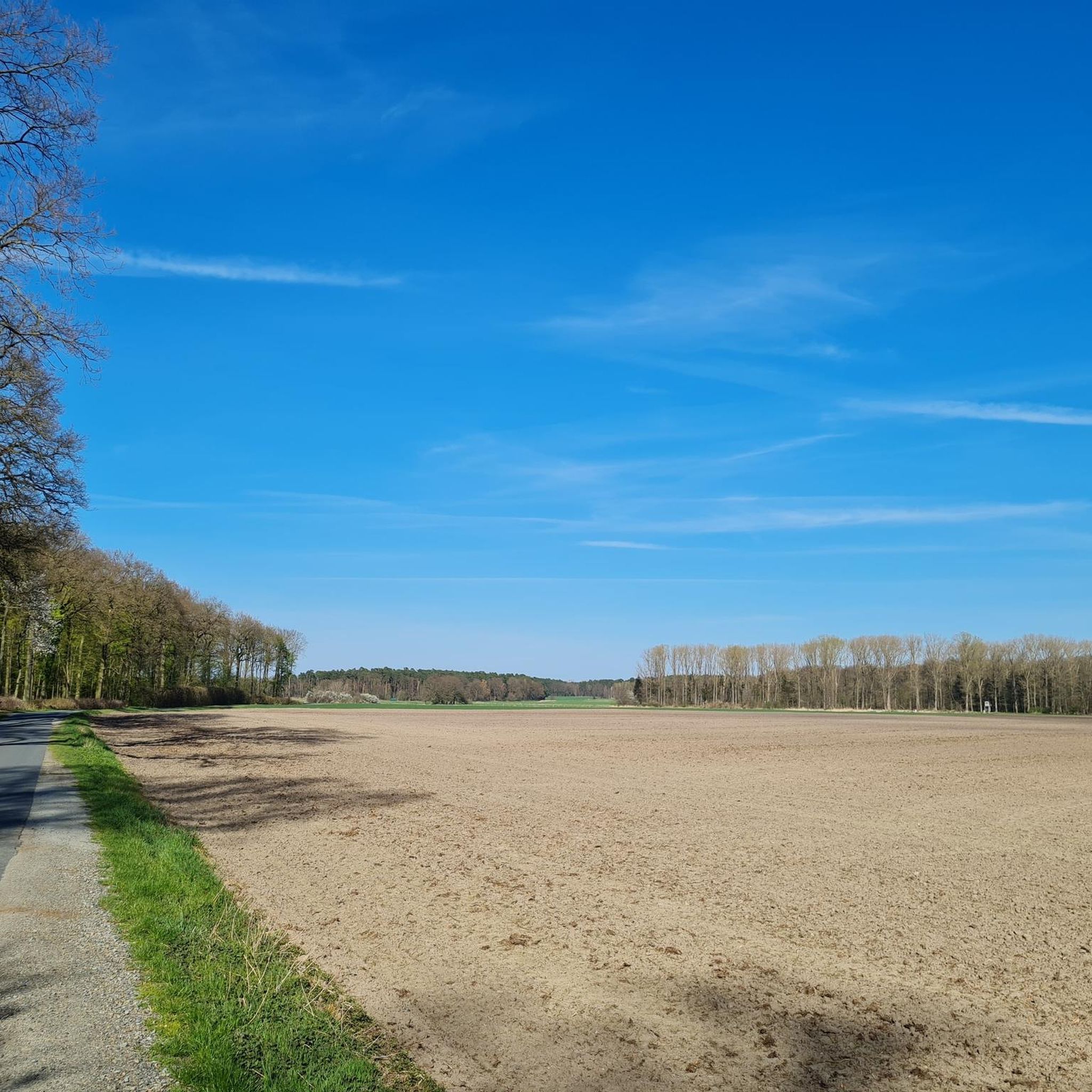
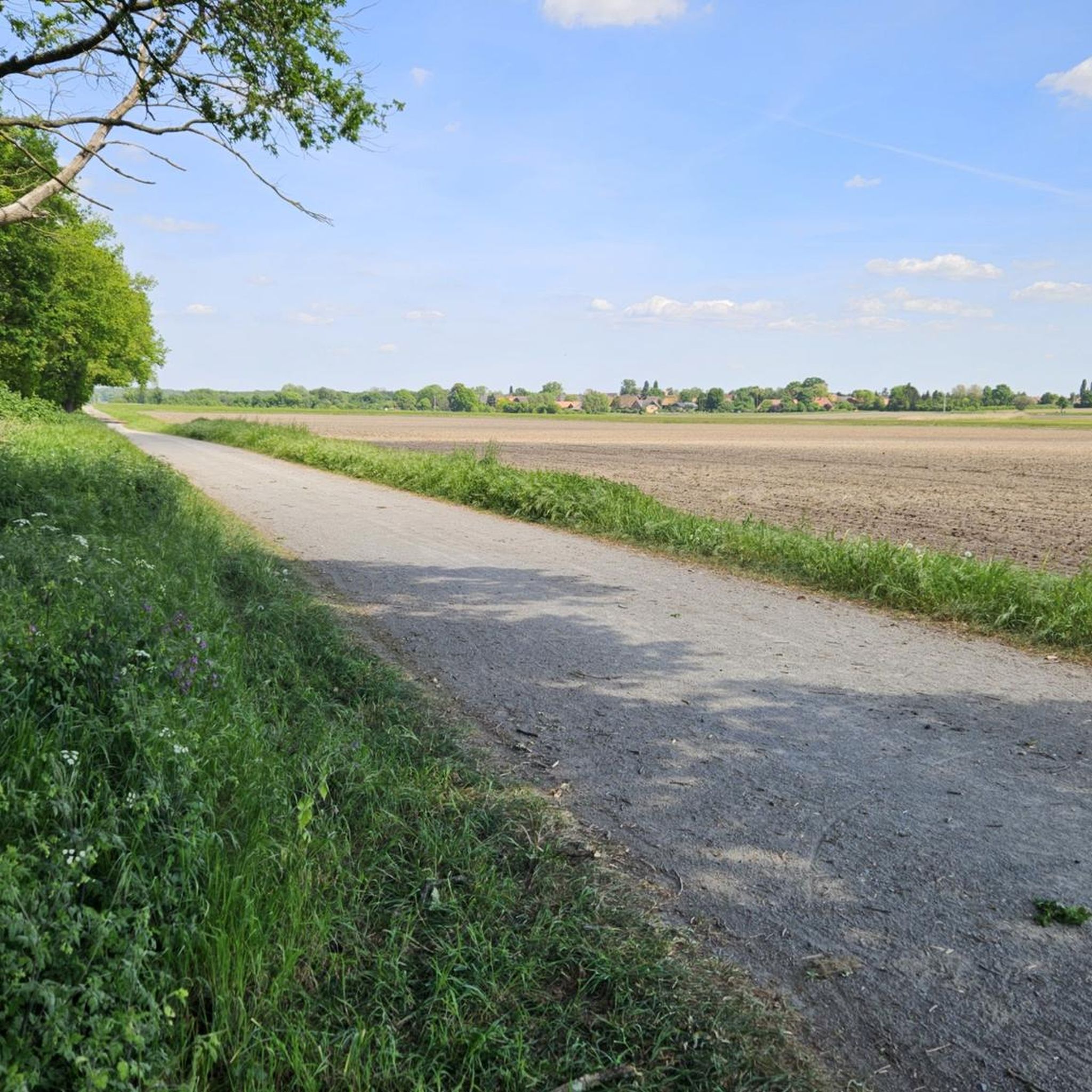
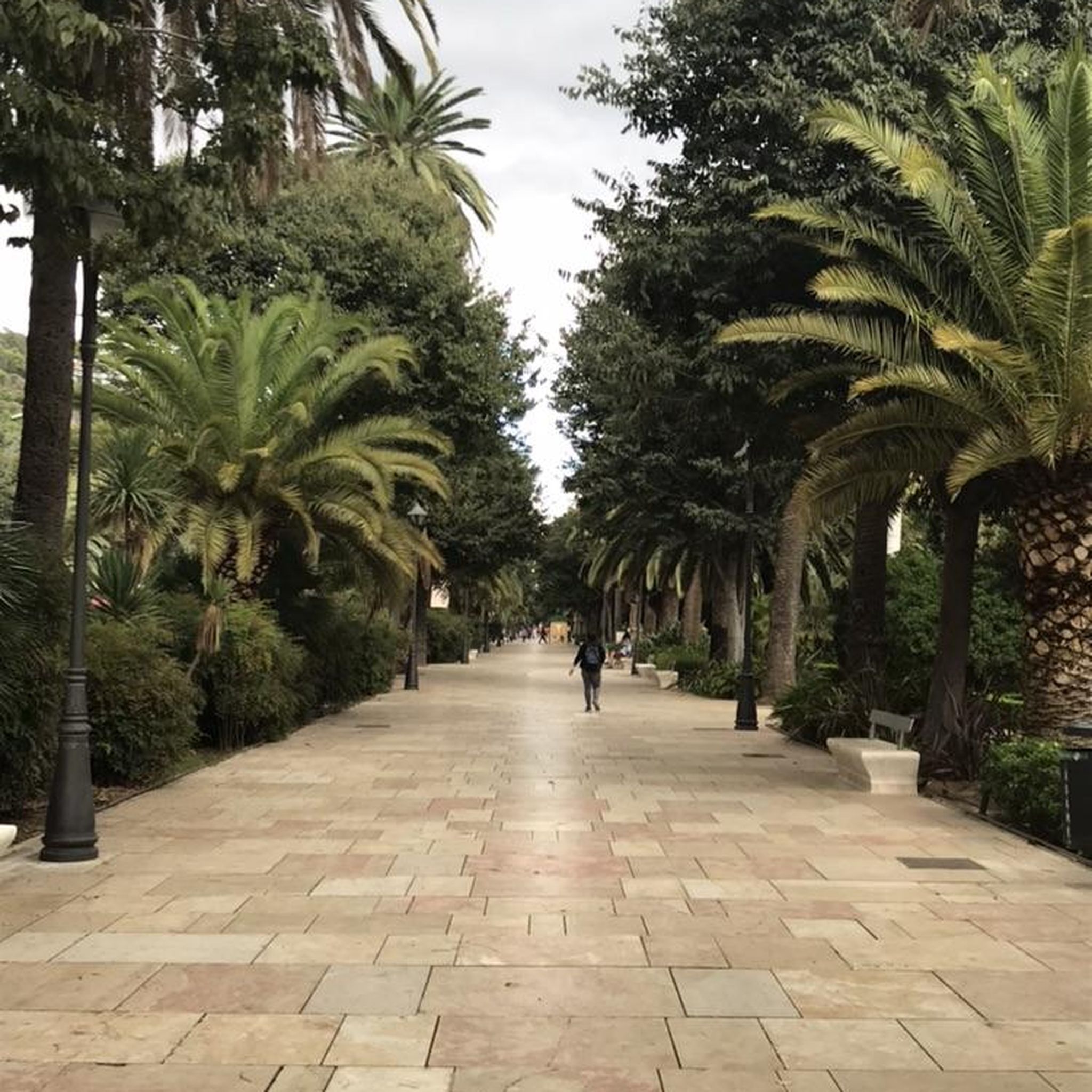
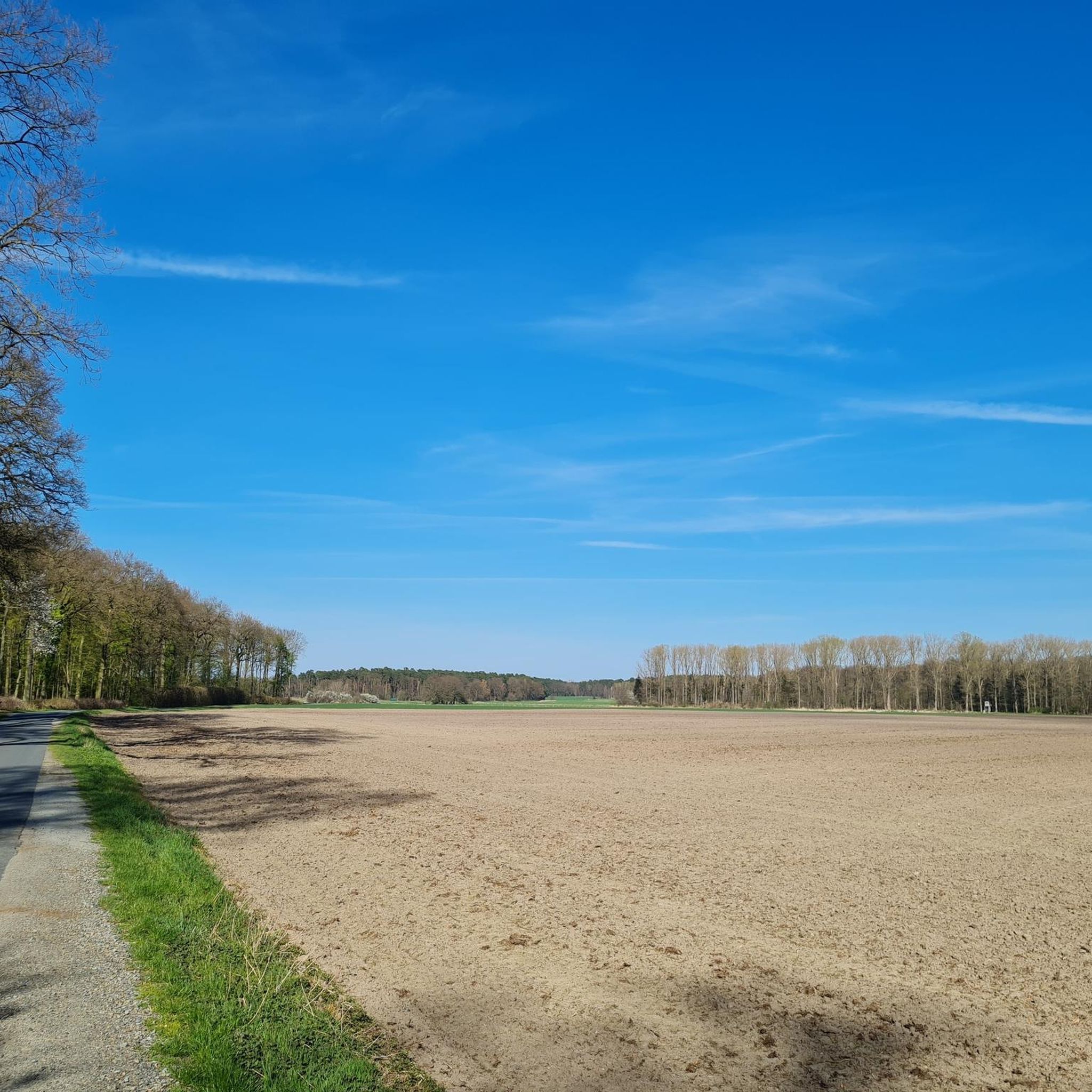
Tips from the Community

🌿 Ecological Significance The area, which covers approximately 300 hectares (originally 460 hectares), has developed into a valuable secondary habitat. The pond landscape and wetland attract numerous water birds and wading birds. Over 300 different bird species have already been observed here.
2
0
🕊️🦢 The Braunschweig sewage fields are a fascinating area in the northwest of the city, representing a unique combination of nature conservation and wastewater treatment. Similar to the Münster sewage fields, they are an artificially created wetland that has developed into a significant natural paradise.
2
0

The entire network of junctions in the district of Gifhorn can be found here: https://www.suedheide-gifhorn.de/urlaubsthemen/radfahren/knotenpunkte
1
0

It is worth taking a look at the nature reserve from the observation tower.
4
0

Great area, good paths, really fun to spend time here.
1
0

The trees in the Gifhorn Heath are a real speciality. But the entire heath area is worth exploring.
2
0

New junction system with 400 junctions in the southern heath. With the junction system you always know where you are going. Wherever two cycle paths cross, there is a junction. Each point has been given a number between 01 and 99. At each point you can spontaneously decide which place or sight you want to explore and how far it is. The signposting means you won't get off the right path even without maps. At each junction there is an information board with the current location and the nearest junction. Plan your own tour With the help of the junctions you can plan your own tour at home. Simply write down the junction numbers of the route you want on a piece of paper and cycle along it. Or you can use the interactive map from Fietsknoop to plan your tour. Click on the junctions you want to cycle to. The distance from junction to junction and the total number of kilometers are then calculated. You can either write down the junction numbers and the route, print them out or download them as a GPS track. according to info suedheide-gifhorn.de/urlaubsthemen/radfahren/knotenpunkte.
0
1

great rest area with a view of the ponds
1
0
Frequently Asked Questions
What are some notable natural monuments directly within Ribbesbüttel?
Within Ribbesbüttel, you can find the designated natural monument of an Oak and Black Locust (Eiche und Robinie) located at Heerstraße 21. Additionally, the Rest area with a shelter and exposed tree roots on the Gifhorn Heath offers a unique natural feature, appreciated by visitors for its diverse rest area and the opportunity for children to climb among the tree roots.
Are there family-friendly natural attractions near Ribbesbüttel?
Yes, several natural attractions near Ribbesbüttel are suitable for families. The Ilkerbruch Observation Tower is family-friendly, offering great views and birdwatching opportunities. The Viehmoor Nature Reserve and Braunschweiger Rieselfelder Nature Reserve also feature trails and observation points that are enjoyable for all ages. The Barnbruch Nature Reserve is another excellent choice with beautiful forests and good bike paths.
What kind of wildlife can I expect to see in the natural areas around Ribbesbüttel?
The region around Ribbesbüttel is rich in wildlife, especially birds. The Ilkerbruch Nature Reserve is known for species like swans, grey herons, grey geese, red kites, kingfishers, and even sea eagles. Larger animals such as wild boars, deer, foxes, aurochs, and wild horses also inhabit the reserve. The Braunschweiger Rieselfelder Nature Reserve is also a prime spot for birdwatching, with many species present due to its unique wetland environment.
Are there hiking trails available near these natural monuments?
Yes, there are numerous hiking trails near the natural monuments around Ribbesbüttel. For instance, the Viehmoor Nature Reserve features a nice trail around its idyllic ponds. You can find various hiking routes, including easy and moderate options, by exploring the dedicated guide for Hiking around Ribbesbüttel.
What are the best natural areas for birdwatching near Ribbesbüttel?
For birdwatching, the Ilkerbruch Nature Reserve is highly recommended. It's a 125-hectare wetland area with observation platforms, including a 12-meter-high tower, perfect for spotting diverse bird species. The Braunschweiger Rieselfelder Nature Reserve is another excellent location, known for its many bird species attracted to its unique water bodies.
Can I cycle through any of the natural reserves?
Yes, the Barnbruch Nature Reserve is noted for its good bike paths through beautiful deciduous forests and adjoining wet meadows. For more cycling options, you can explore the MTB Trails around Ribbesbüttel guide, which includes routes near natural areas like Viehmoor Nature Reserve.
What is the Ruhewald Rittergut Ribbesbüttel?
The Ruhewald Rittergut Ribbesbüttel is a family-run forest used for natural burials. While primarily a burial site, it is managed according to ecological standards to preserve its ancient trees (up to 200 years old) and diverse biotopes. It offers a tranquil natural environment with varied forest landscapes, providing a peaceful setting for reflection and appreciating nature's cycle.
What makes the Ilkerbruch Observation Tower a popular spot?
The Ilkerbruch Observation Tower is popular for its extensive views of the Ilkerbruch wetland area. Visitors appreciate the peaceful atmosphere and the opportunity to observe diverse bird species from its protected, covered platform. Binoculars are highly recommended to make the most of the experience.
Are there any natural monuments with historical significance in the area?
Natural monuments in Germany, such as the Oak and Black Locust in Ribbesbüttel, are often designated for their significance to natural history or regional character, serving as witnesses of local history. While specific historical events tied to individual trees are not always detailed, their age and rarity inherently connect them to the past landscape and development of the region.
What do visitors say about the natural monuments around Ribbesbüttel?
Visitors frequently praise the peacefulness and natural beauty of the area. Many enjoy the opportunities for birdwatching, especially from the Ilkerbruch Observation Tower and at the Braunschweiger Rieselfelder Nature Reserve. The Rest area with a shelter and exposed tree roots on the Gifhorn Heath is particularly loved by families for its interactive elements and educational displays.
What is the Drömling Nature Park and its significance?
The Drömling Nature Park is an extensive nature park bordering Lower Saxony and Saxony-Anhalt. It is recognized for its unique marsh and wetland landscapes. Its significance lies in its role as an important area for nature conservation, aiming to preserve its distinct cultural landscape and promote sustainable regional development.
What types of natural features can I explore in the Aller-Ohre Lowlands?
The Aller-Ohre Lowlands encompass various nature and landscape protection areas characterized by riverine landscapes and wetlands. These areas support diverse flora and fauna and serve as crucial habitats and connecting elements for migratory bird species and other wildlife, offering opportunities to explore rich biodiversity.
Most popular routes around Ribbesbüttel
Most popular attractions around Ribbesbüttel

Get inspired with the komoot mobile app


Explore more
Extend your search for the best caves by checking out these guides of the top ones around Ribbesbüttel:
