Top 20 Natural Monuments around Sandersdorf-Brehna
Best natural monuments around Sandersdorf-Brehna offer a diverse landscape shaped by geological history and ecological transformation. The region features a blend of rehabilitated former mining areas, serene lakes, and unique geological formations. These areas provide opportunities for outdoor activities and insight into the local natural heritage. The landscape showcases successful ecological restoration, turning industrial sites into vibrant recreational and natural spaces.
Best natural monuments around Sandersdorf-Brehna
- The most popular natural monuments is Lake Ludwig, a lake that originated from…
Last updated: July 8, 2026
Lake Neuhauser
Highlight • Lake
Translated by Google •
Tip by

Brodauer Zinken at Lake Werbeliner
Highlight • Lake
Translated by Google •
Tip by

Sign up now to discover places like this
Get recommendations on the best single tracks, peaks, & plenty of other exciting outdoor places.
Sign up for free
The Blue Bench Memorial, Goitzsche Shore
Highlight • Monument
Translated by Google •
Tip by

Großer Goitzschesee
Highlight • Lake
Translated by Google •
Tip by
Lake Grabschütz
Highlight • Lake
Translated by Google •
Tip by

Sign up for free to discover even more natural monuments around Sandersdorf-Brehna.
Sign up for free
Already have an account?
Start today with a free account
Your next adventure awaits.
Login or Signup
Tips from the Community

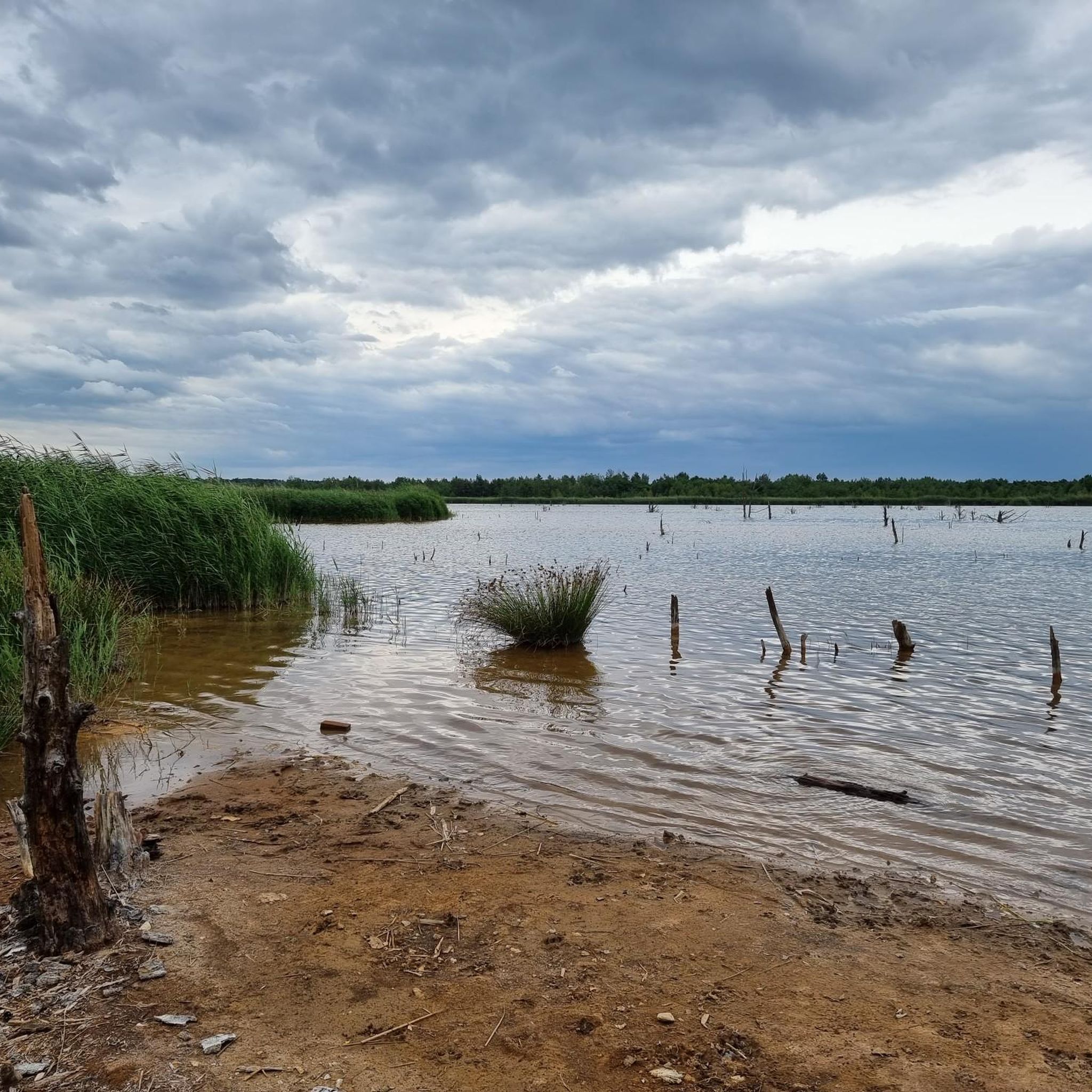
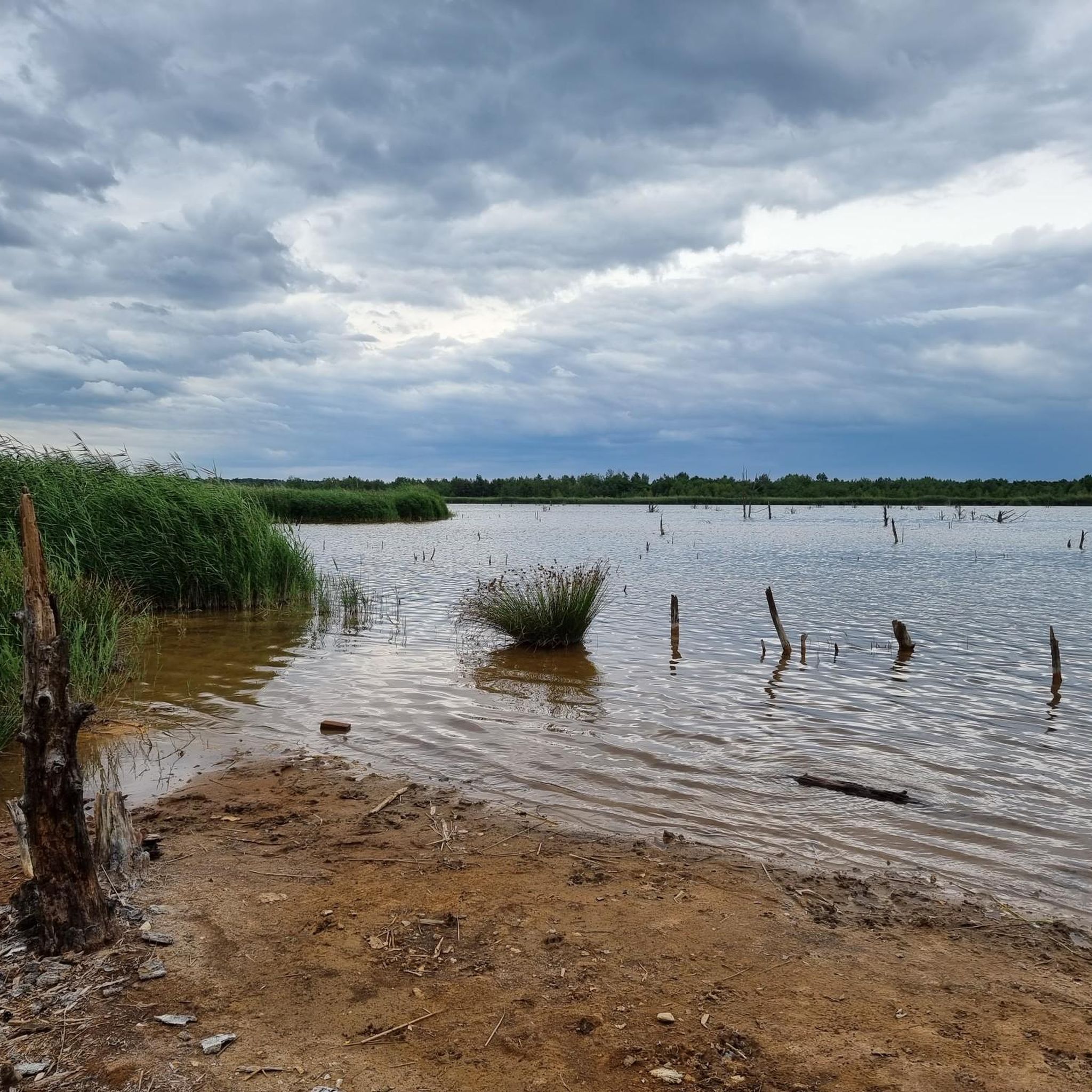
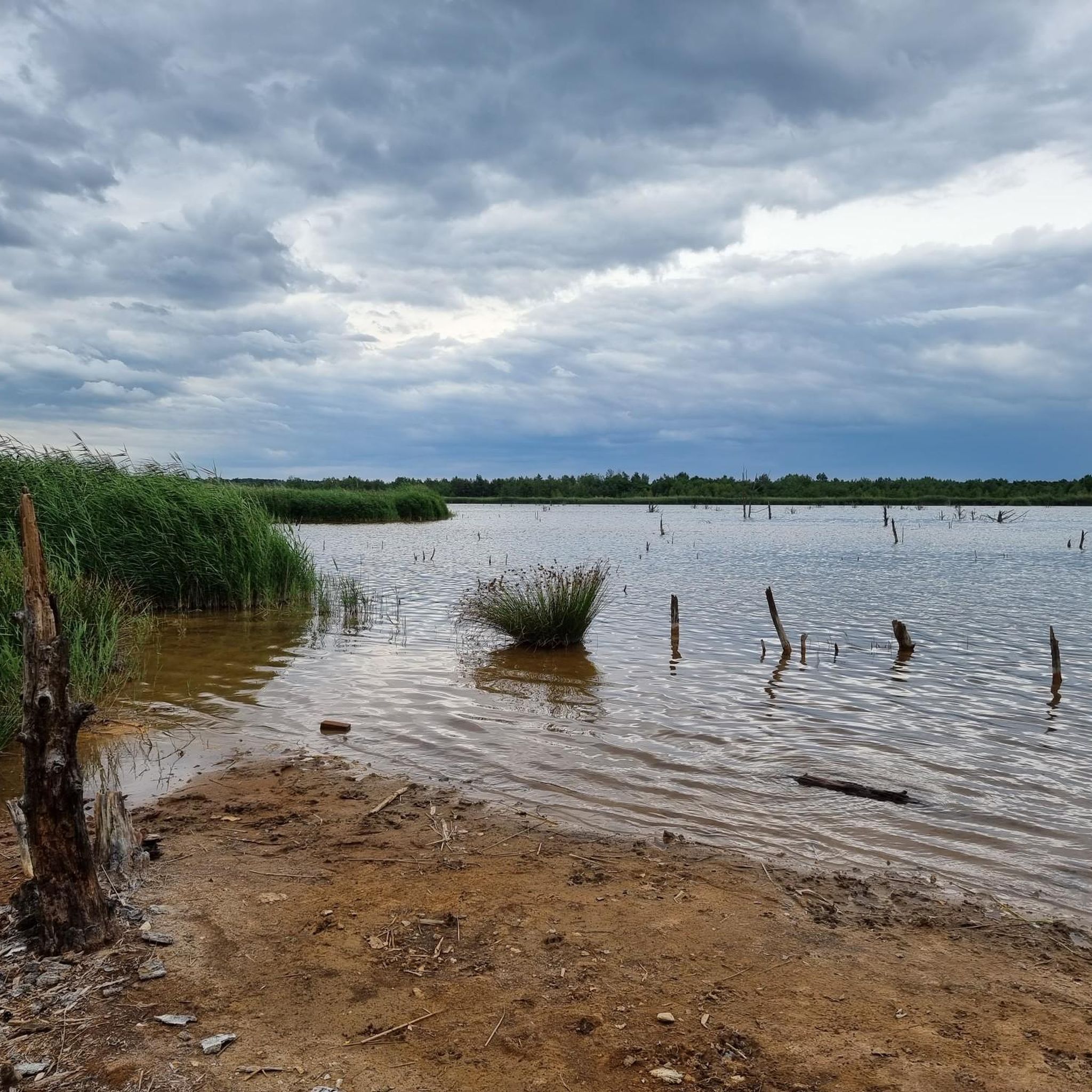
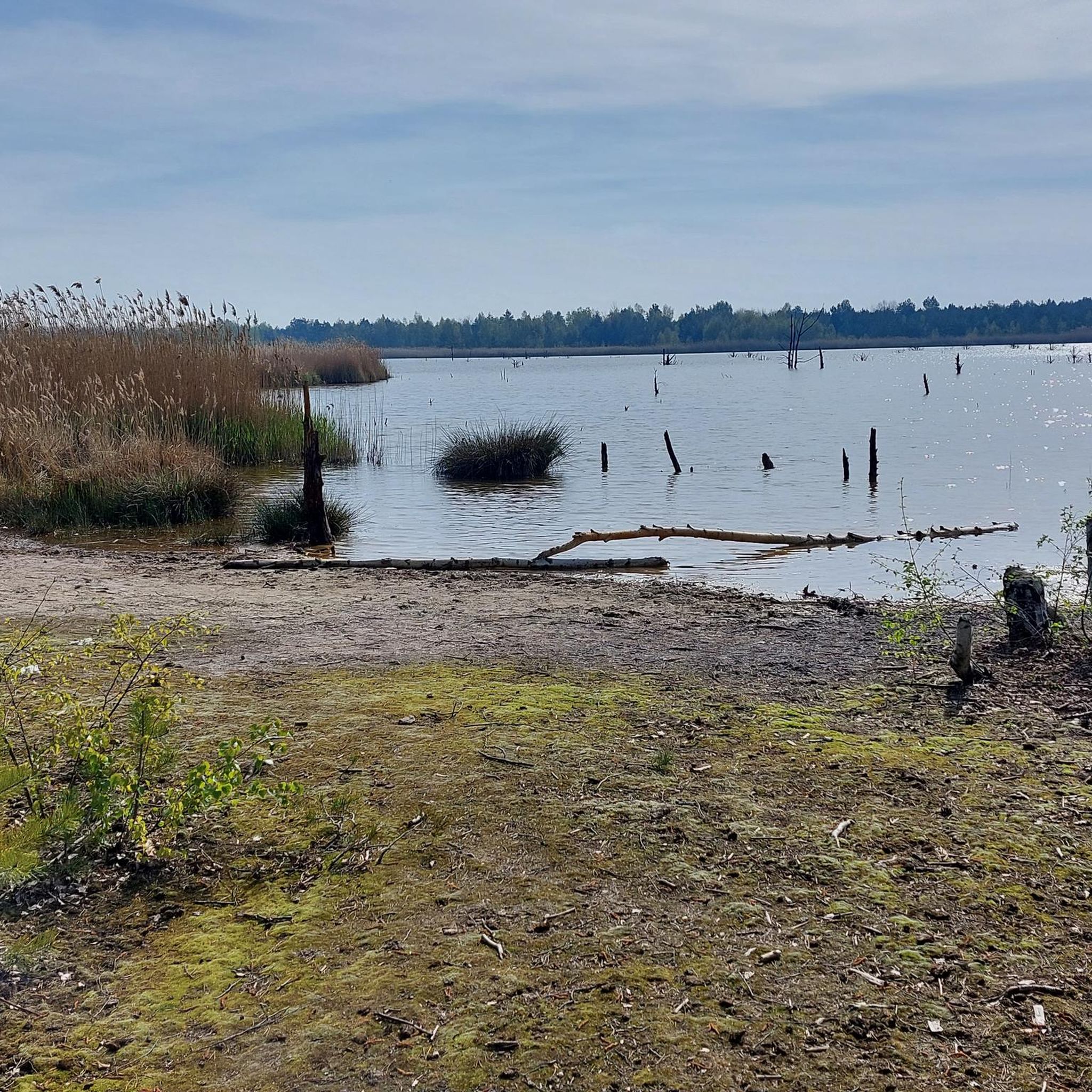
Today, an developed network of cycle paths and hiking trails with viewing platforms and information boards on the formation of the landscape extends along the Neuhäuser See. The 120 km long Kohle-Dampf-Licht cycle path from Lutherstadt Wittenberg to Markkleeberg passes by the lake. Source https://de.wikipedia.org/wiki/Neuh%C3%A4user_See
1
0
In the mid-19th century, the first mining activities began in the southwest of Goitzsche, near the villages of Petersroda and Holzweißig.[3] Following the lignite seam, mining progressed from west to east. Favored by the opening of the current Magdeburg–Leipzig and Trebnitz–Leipzig railway lines, the sales market for lignite expanded to Halle and Leipzig, among other places. The increased demand for electrical energy and fossil fuels in the 19th and 20th centuries led in 1908 to the opening of the Leopold open-cast mine (from 1945 to 1962 Holzweißig–Ost) and in 1958 to the creation of the Holzweißig-West open-cast mine.[3] The Neuhäuser See originated from the former Holzweißig-West lignite open-cast mine. It is named after the Neuhaus estate, which was demolished in 1976 along with the village of Paupitzsch. The Holzweißig-West open-cast mine was operated from 1958 to 1980. Other sources report usage until 1991. The lake was flooded from 1993 to 2005.[1] Overflowing water is channeled via the Goitzsche into the Mulde. Since 1997, the area has been renatured and stable embankments have been created. Source https://de.wikipedia.org/wiki/Neuh%C3%A4user_See
1
0
The Neuhäuser See is located on the northwestern border of the Free State of Saxony with Saxony-Anhalt, at an altitude of about 78 m above sea level. NN. South of the lake is Benndorf, a district of the North Saxon district town of Delitzsch, and to the north is the unified municipality of Bitterfeld-Wolfen in Saxony-Anhalt. It is located in the Central German Lake District, south of the Großer Goitzschesee and the waters Ludwigsee and Paupitzscher See. Quelle https://de.wikipedia.org/wiki/Neuh%C3%A4user_See
1
0
The Neuhäuser See (also Neuhauser See) is an opencast mine residual lake of approximately 155 hectares, which was created by flooding the former Holzweißig-West opencast mine. The lake is located in the Central German Lake District, south of the Goitzsche nature reserve and north of the town of Delitzsch. Source https://de.wikipedia.org/wiki/Neuh%C3%A4user_See
1
0
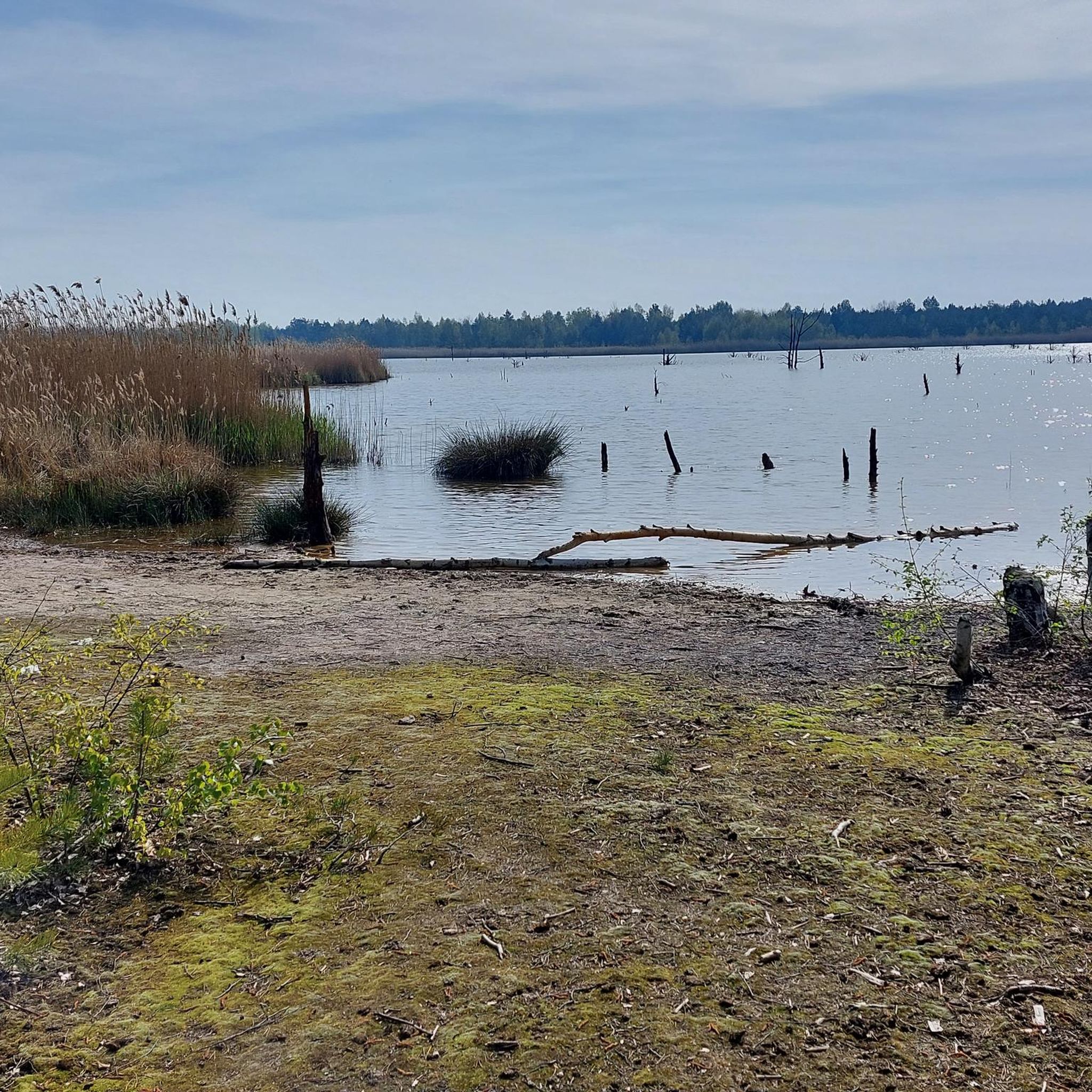
Cool location with a great view of the Goitzsche
5
0
The name of the floodplain forest that was originally located here changed several times over the centuries until the name 'Goitzsche' prevailed. At the beginning of the 20th century, however, when new maps were created, the name 'Goitsche' was entered, which can still be found today.[7] Source https://de.wikipedia.org/wiki/Gro%C3%9Fer_Goitzschesee
5
0
Large parts of the lake in the Bärenhof area were purchased by the BUND and are designated as a nature reserve. Goitzschewächter Various art projects have been realized around the lake: On the Pouch peninsula, next to the Agora event arena, there are several landscape art objects, the Bitterfelder Bogen is located west of the Goitzsche and the Goitzschewächter by Anatol Herzfeld is in the south, near the Paupitzscher See. Since 2004, motorboat races (world, European and German championships in different classes) have been held on the Goitzsche near the Pouch peninsula in August. The event is linked to the region's largest folk festival, the Goitzsche Festival. Every year around 100,000 visitors flock to the peninsula on the second weekend in August. In addition, since 2006 the so-called Goitzsche Marathon in various disciplines (including inline skating) has been held along the lake.[4] The body of water has been the second largest lake in the Central German Lake District since the Geiseltalsee was completely flooded in 2011. In 2013, the Blauwald subsidiary Blausee GmbH bought parts of the Goitzsche and adjacent land areas.[5] Since 2015, amber has been mined again from the completely renaturalized Goitzschesee. It is the world's second largest amber deposit and the world's largest underwater mining area. Nine different types of amber have been found, including Goitschite, which was named after the lake.[6] Source https://de.wikipedia.org/wiki/Gro%C3%9Fer_Goitzschesee
5
0
Frequently Asked Questions
What are some of the most popular natural monuments to visit around Sandersdorf-Brehna?
Visitors frequently enjoy the diverse natural monuments in the region. Among the most popular are Lake Ludwig, known for its idyllic natural bathing lake and sandy beach, and Lake Grabschütz, a former opencast mine now offering a wide grassy landscape and unique shaggy cattle. The Delitzsch Baroque Palace, with its historical gardens, also stands out as a beloved spot.
What kind of natural features can I expect to see in the Sandersdorf-Brehna area?
The region offers a blend of transformed landscapes, primarily featuring large lakes that originated from former lignite mines, such as the Great Goitzsche Lake. You'll also find unique geological formations like glacial erratics, as seen on the Glacial Erratics Trail Werbeliner See, and cultivated natural spaces like the Arboretum Burgkemnitz, showcasing diverse tree and shrub species.
Are there hiking trails near these natural monuments?
Yes, many natural monuments in the area are surrounded by well-developed hiking trails. For instance, the Great Goitzsche Lake features an extensive network of paths ideal for hikers. You can find various options, including easy walks, by exploring the Easy hikes around Sandersdorf-Brehna guide, which includes routes like the 'Luther Trail Saxony-Anhalt – Ludwigsee Swimming Area loop'.
What other outdoor activities can I do near the natural monuments?
Beyond hiking, the lake areas, especially the Great Goitzsche Lake, are excellent for cycling, swimming, sailing, diving, surfing, and wakeboarding. The region's transformed landscapes also offer unique opportunities for nature observation. For cycling enthusiasts, guides like Cycling around Sandersdorf-Brehna and Road Cycling Routes around Sandersdorf-Brehna provide numerous routes.
Are there any historical or cultural sites among the natural monuments?
Yes, the Delitzsch Baroque Palace is a notable example, combining a historical castle with a beautiful Baroque-style garden that merges into a park. Additionally, 'Der Lindenstein' in Sandersdorf, a large glacial erratic, holds significant historical value and local legends, making it an intriguing point of interest for those appreciating natural heritage and local storytelling.
Are the natural monuments family-friendly?
Many natural monuments in the Sandersdorf-Brehna area are indeed family-friendly. Locations like Lake Ludwig with its sandy beach, Lake Grabschütz, and the Brodauer Zinken at Lake Werbeliner offer easy access and activities suitable for all ages. The Arboretum Burgkemnitz also provides an educational and serene environment for family outings.
What is the best time of year to visit the natural monuments?
The natural monuments around Sandersdorf-Brehna can be enjoyed throughout the year, but each season offers a different experience. Spring and autumn are ideal for hiking and cycling due to milder temperatures and vibrant foliage. Summer is perfect for water sports and swimming at the lakes, while winter can offer serene, picturesque landscapes, especially around the frozen lakes, for those who enjoy colder weather activities.
Can I bring my dog to these natural monuments?
While specific regulations can vary by location, many natural areas and trails around Sandersdorf-Brehna are generally dog-friendly, especially those around the lakes and in the Arboretum Burgkemnitz. It's always recommended to keep dogs on a leash and clean up after them to ensure a pleasant experience for all visitors and to protect local wildlife.
Where can I observe wildlife in the region?
The re-naturalized landscapes, particularly around the Great Goitzsche Lake and Lake Grabschütz, offer opportunities for wildlife spotting. Lake Grabschütz is known for its shaggy cattle, creating a unique prairie-like atmosphere. The Arboretum Burgkemnitz also makes efforts to create habitats for local fauna, such as bats, and provides a serene environment for nature observation.
Are there easy walks suitable for everyone?
Yes, the region offers several easy walks. The Great Goitzsche Lake has a well-developed network of trails suitable for leisurely strolls. The Arboretum Burgkemnitz features an educational walking trail system that is easy to navigate. For specific routes, you can check the Easy hikes around Sandersdorf-Brehna guide, which lists routes like the 'View of the peninsula – Postgrube Boat Dock loop'.
What is the 'Bog Oak' mentioned in the region?
The 'Bog Oak' in Sandersdorf-Brehna refers to ancient oak wood preserved in peat bogs for approximately 10,000 years. While there isn't a specific publicly accessible monument for it, its presence highlights the deep geological past of the region. This preservation process gives the wood a distinctive dark coloration and makes it a unique testament to natural history.
Are there viewpoints offering panoramic views of the natural monuments?
Yes, several locations provide excellent viewpoints. At the Great Goitzsche Lake, a 26-meter-high water level tower, accessible via a pontoon bridge, offers panoramic views of the re-naturalized landscape. The Brodauer Zinken at Lake Werbeliner is also described as a very nice little peninsula with small hidden corners for enjoying the views.
Most popular routes around Sandersdorf-Brehna
Most popular attractions around Sandersdorf-Brehna

Get inspired with the komoot mobile app


Explore more
Extend your search for the best caves by checking out these guides of the top ones around Sandersdorf-Brehna:
