Top 20 Natural Monuments around Osternienburger Land
Best natural monuments around Osternienburger Land include a diverse range of natural and historical sites. This municipality, situated between Aken, Dessau, Köthen, and Bernburg, features a landscape with natural beauty and historical significance. The region offers diverse ecosystems, including wetlands and river confluences, alongside ancient historical monuments. The area provides opportunities for outdoor recreation and exploration of its natural and historical features.
Best natural monuments around Osternienburger Land
- The most popular natural monuments is Confluence of the Saale and the…
Last updated: October 11, 2026
Confluence of the Saale and the Elbe
Highlight • River
Translated by Google •
Tip by

Confluence of the Bode and Saale Rivers
Highlight • River
Translated by Google •
Tip by

Sign up now to discover places like this
Get recommendations on the best single tracks, peaks, & plenty of other exciting outdoor places.
Georgium Park
Highlight • Natural Monument
Translated by Google •
Tip by

Kühnauer Lake
Highlight • Lake
Translated by Google •
Tip by

Confluence of the Saale and Elbe Rivers at Barby
Highlight • River
Translated by Google •
Tip by

Sign up for free to discover even more natural monuments around Osternienburger Land.
Already have an account?
Start today with a free account
Your next adventure awaits.
Popular around Osternienburger Land
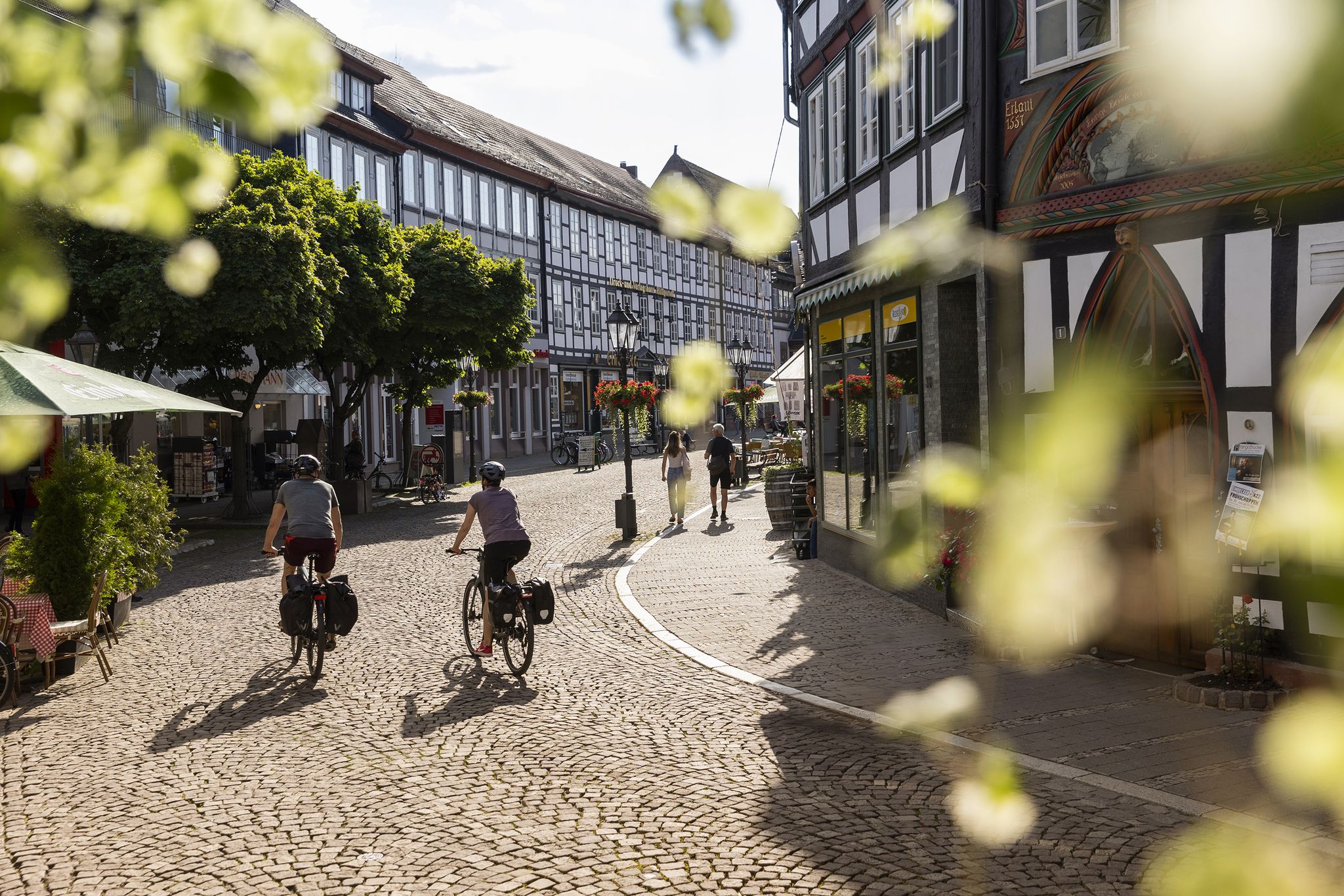
Experience cultural history on D-Route 3 – European Cycle Route R1
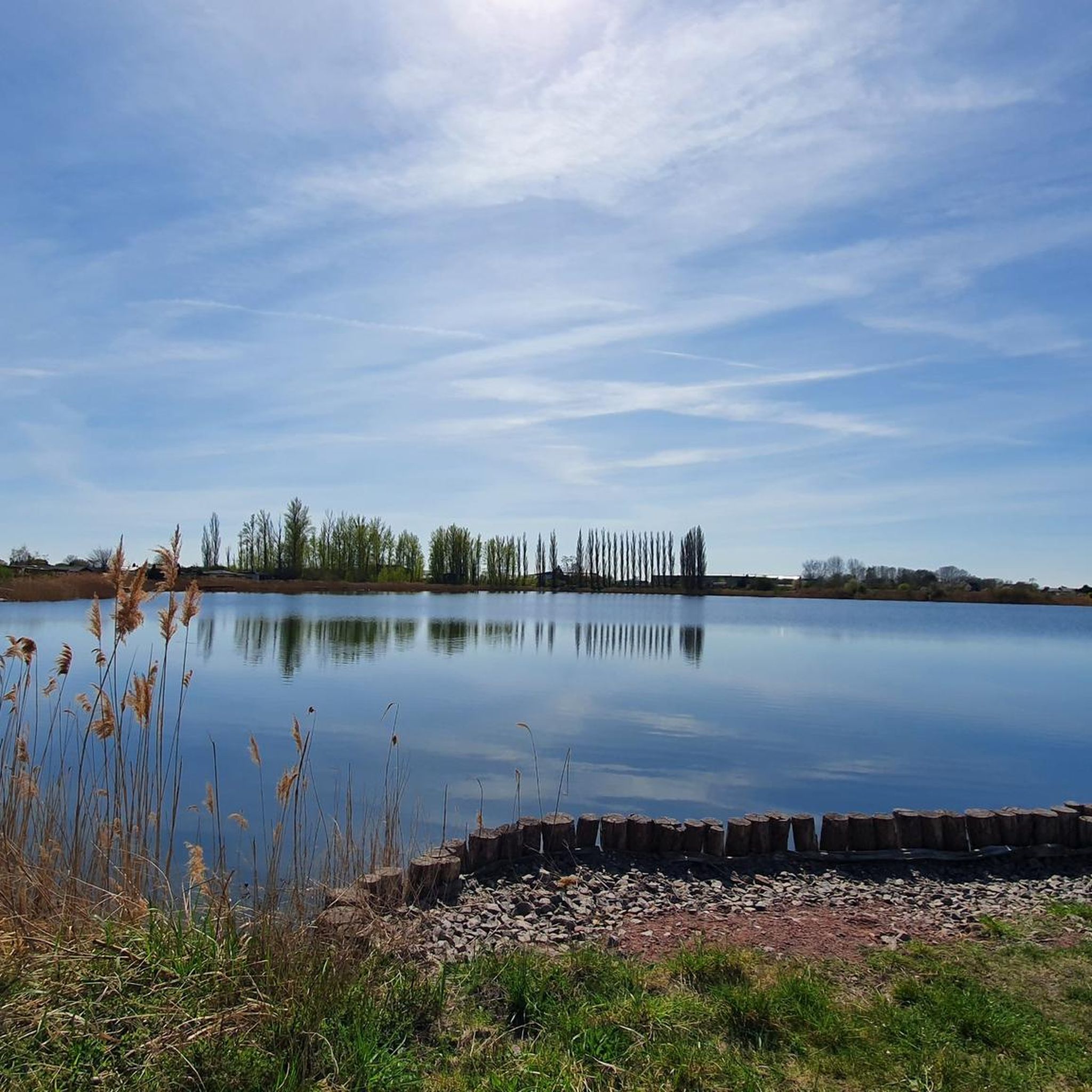
Cycling around Osternienburger Land
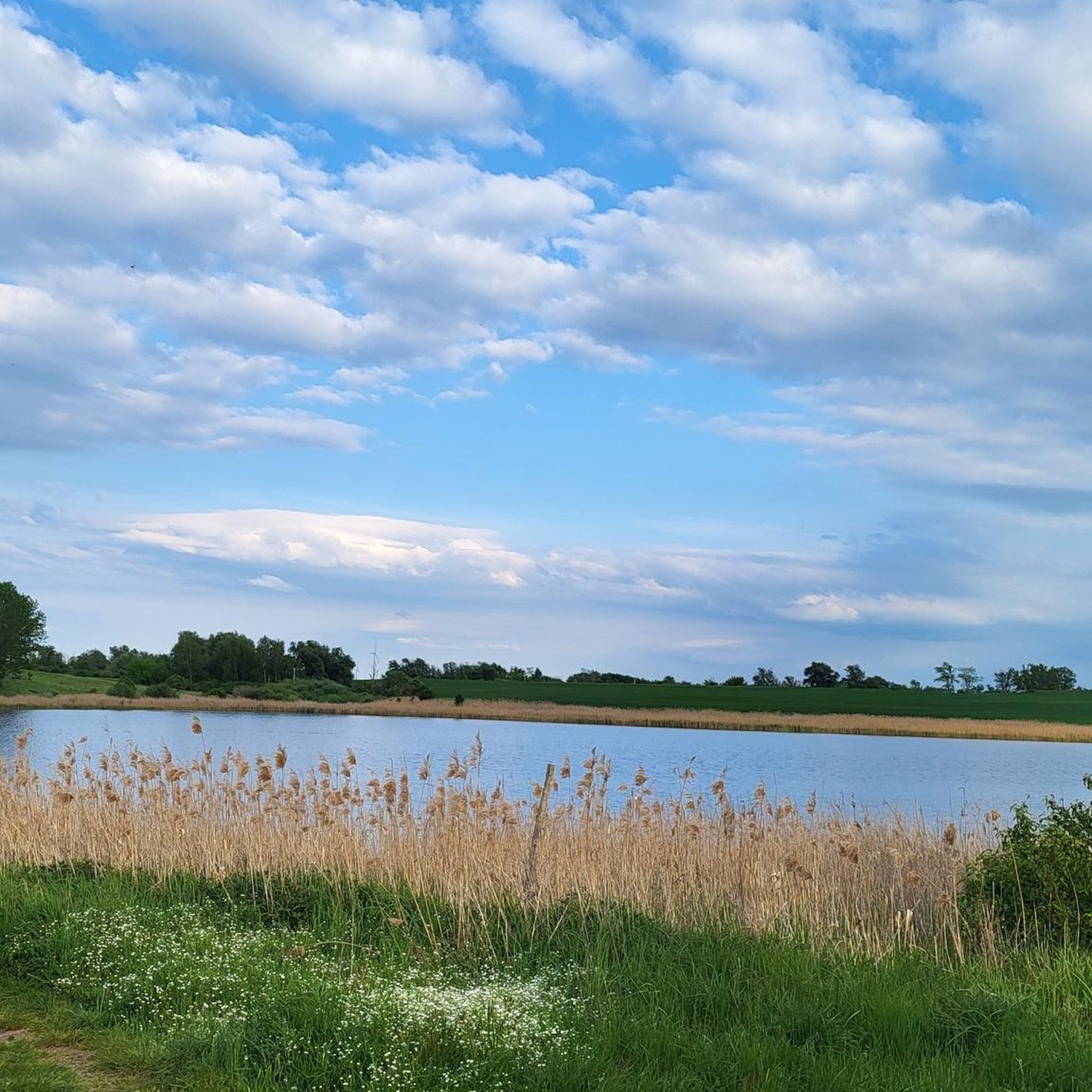
Hiking around Osternienburger Land
MTB Trails around Osternienburger Land
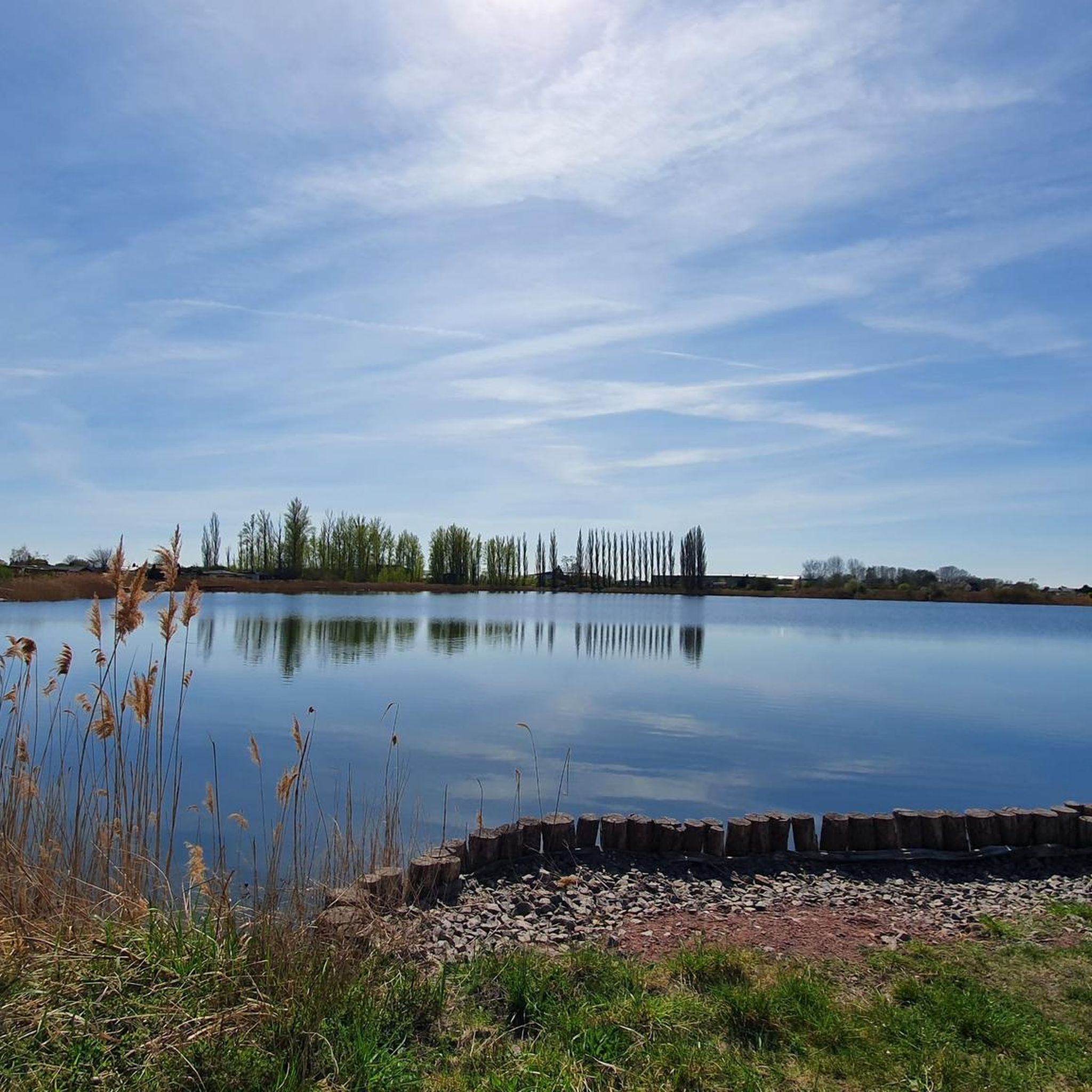
Running Trails around Osternienburger Land
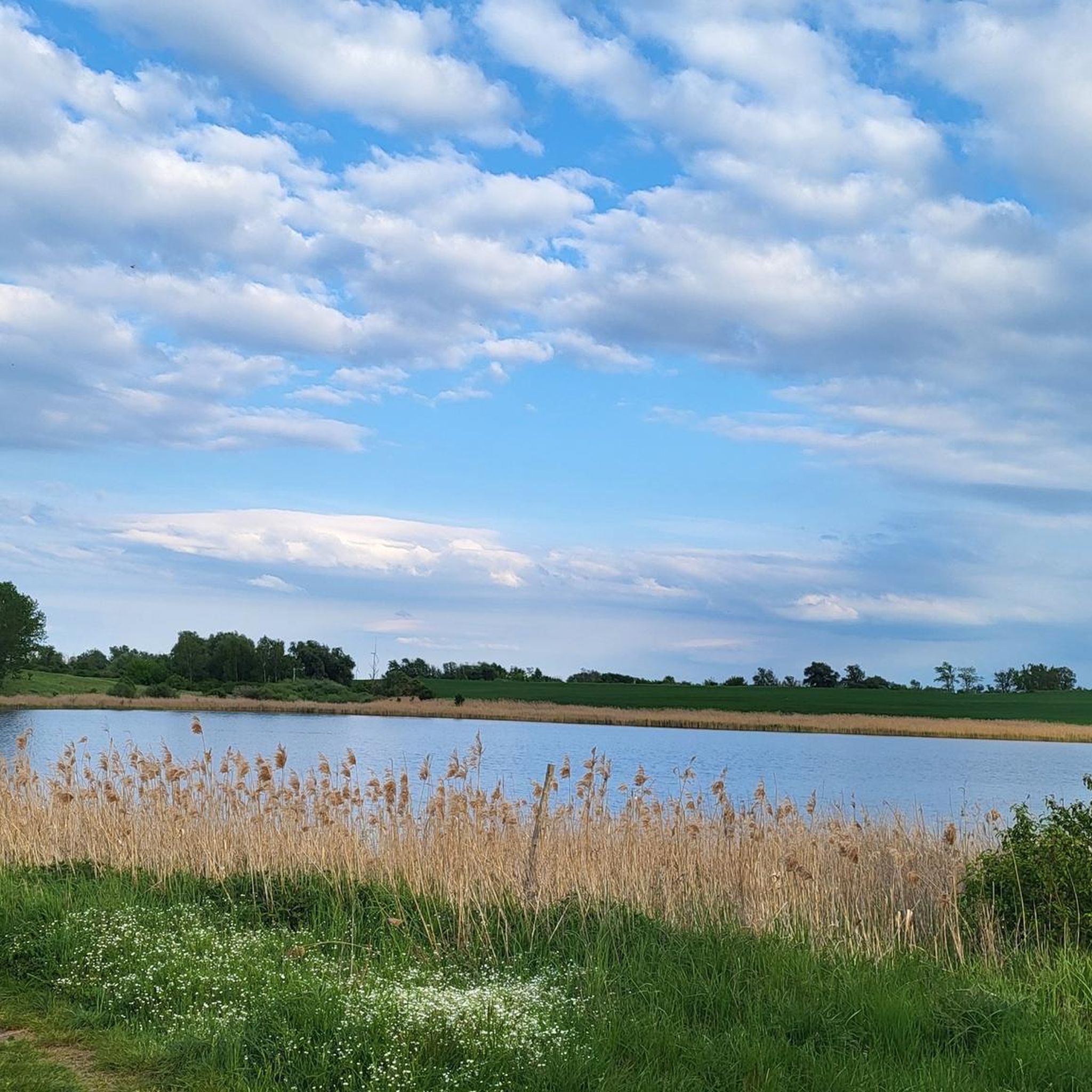
Road Cycling Routes around Osternienburger Land
Gravel biking around Osternienburger Land
Other adventures around Osternienburger Land

Tips from the Community

Very unspectacular compared to the Saale source. A display board about the cycle path and similar things is located near the Elbe ferry Barby and not directly at the actual Saale estuary, which is a bit further away.
0
0

A great moment to look at the Saale as it flows into the Elbe
0
0

we call it the "Central German Corner"
2
0

Beautiful nature at the mouth of the Bode into the Saale.
1
0

The park is only a few hundred meters from the city center. I was amazed at the size and spaciousness of the park. There is a lot to discover: the Georgium Castle, the Ionic Temple, the guest house, the "Roman ruins" and two replicas of ancient archways. I also really liked the ponds. You should plan enough time if you want to visit the park. There are numerous benches and rest areas where you can take a break.
6
0

During the redesign, the lake was divided into different areas. A small part was redesigned as a natural swimming pool.
0
0

A must if you are near Barby.
2
0

A beautiful park to linger in. Sometimes it's quite wild...
2
1
Frequently Asked Questions
What types of natural monuments can I explore in Osternienburger Land?
Osternienburger Land offers a diverse range of natural monuments, including significant river confluences like the Confluence of the Saale and the Elbe, and the Confluence of the Bode and Saale Rivers. You can also find historical landscape parks such as Georgium Park, and natural lakes like Kühnauer Lake. The region also features important wetlands and ancient megalithic tombs.
Are there nature reserves in Osternienburger Land for observing wildlife?
Yes, the region is home to significant nature reserves. The Wulfener Bruch Nature Reserve is a vital wetlands area known for rare animal species and active landscape management with grazing animals. Another important site is the Neolith-Teich Nature Reserve, a former lignite mining area that has become a crucial habitat, especially for a rich variety of bird species. Both are part of the larger 'Wulfener Bruch und Teichgebiet Osternienburg' bird sanctuary.
Can I find historical or ancient sites among the natural monuments?
Absolutely. Osternienburger Land is rich in history. You can visit the Megalithic Tombs in Drosa and Wulfen, which are ancient burial sites from the Neolithic Age, offering a glimpse into the region's prehistoric past. The Drosa tomb is known as the 'Teufelskeller,' and the Wulfen tomb is a prominent passage tomb on a hill above the Elbe valley. Additionally, Georgium Park, while a natural monument, is also a historical landscape park with ruins and temples.
Which natural monuments are suitable for families?
Several natural monuments in the area are family-friendly. The Confluence of the Bode and Saale Rivers is a great spot for a family outing. Georgium Park offers small paths to stroll, ruins, and temples to discover, making it an engaging experience for all ages. Kühnauer Lake is also family-friendly, ideal for relaxation and swimming during warmer months.
What outdoor activities can I do near the natural monuments in Osternienburger Land?
The region is excellent for various outdoor activities. You can enjoy road cycling on routes like the 'Saale Bridge, Nienburg – Breitenhagen Ferry loop from Wulfen (Anhalt)' or 'Hunting Bridge over the Mulde – Lake in Wörlitzer Park loop from Elsnigk (Anh)'. For hiking, there are easy trails such as 'Elsnigk Village Church – Rest Area at Molkerteich loop from Elsnigk'. Running enthusiasts can explore routes like 'Bauernwald loop from Dessau-Mosigkau'. You can find more details on these activities in the Road Cycling Routes around Osternienburger Land, Easy hikes around Osternienburger Land, and Running Trails around Osternienburger Land guides.
Are there easy walking routes near the natural monuments?
Yes, Osternienburger Land offers several easy walking routes. For example, you can explore trails like the 'Elsnigk Village Church – Rest Area at Molkerteich loop from Elsnigk' or the 'Hop Bower – Elsnigk Village Church loop from Elsnigk (Anh)'. These routes are generally suitable for beginners and offer a relaxing way to experience the natural beauty of the area. More options are available in the Easy hikes around Osternienburger Land guide.
What do visitors enjoy most about the natural monuments in Osternienburger Land?
Visitors particularly appreciate the tranquil settings and the opportunity to connect with nature and history. For instance, the Georgium Park is loved for its historical landscape, small paths, and the chance to discover ruins and temples. The river confluences are valued for their scenic beauty and as endpoints for cycling routes. The natural lakes, like Kühnauer Lake, are enjoyed for relaxation and swimming.
Can I find places for swimming near the natural monuments?
Yes, Kühnauer Lake is a beautiful natural lake located east of Dessau-Roßlau and is well-suited for swimming, especially during the warmer months. It offers a refreshing break and a chance to relax by the water.
What is the significance of the Neolith-Teich Nature Reserve?
The Neolith-Teich Nature Reserve is significant because it demonstrates how former industrial areas can be reclaimed by nature. Originating from ground depressions in a former lignite mining area, it has transformed into a vital habitat, particularly for a rich variety of bird species. Its banks are lined with reed beds, and the surrounding meadows support salt-tolerant plants due to the pond's unique high salt content. You can learn more about it on Wikipedia.
Are there any specific tips for visiting the river confluences?
When visiting the Confluence of the Saale and the Elbe, it's good to know it's not far from the Gierseilferry Barby and marks the end of the Saale Cycle Route. For the Confluence of the Bode and Saale Rivers, it's a notable geographical feature where the Bode, coming from the Harz, flows into the Saale, offering picturesque views.
What kind of historical context do the Megalithic Tombs provide?
The Megalithic Tombs in Drosa and Wulfen are ancient burial sites dating back to the Neolithic Age, approximately 5,000 years old. They offer a direct connection to the early human settlements and prehistoric cultures that inhabited the Osternienburger Land region, showcasing monumental construction techniques from that era. These sites are important archaeological features that blend natural landscape with human history.
Most popular routes around Osternienburger Land
Most popular attractions around Osternienburger Land

Get inspired with the komoot mobile app


Explore more
Extend your search for the best caves by checking out these guides of the top ones around Osternienburger Land:
