Top 20 Natural Monuments around Neiße-Malxetal
Natural monuments around Neiße-Malxetal showcase a diverse ecological and geological heritage within the Spree-Neiße district of Brandenburg, Germany. The region is characterized by its idyllic riverine setting, shaped by the Neiße and Malxe rivers. It features varied landscapes, including the unique Ice Age formation of the Muskau Arch and areas with significant old tree populations. These natural features provide habitats for numerous plant and animal species.
Best natural monuments around Neiße-Malxetal
- The most popular natural monuments is Rakotz Bridge (Devil's…
Last updated: October 11, 2026
New Muskau Castle
Highlight • Castle
Translated by Google •
Tip by

Rakotz Bridge (Devil's Bridge)
Highlight • Bridge
Translated by Google •
Tip by

Sign up now to discover places like this
Get recommendations on the best single tracks, peaks, & plenty of other exciting outdoor places.
Rhododendron Park Kromlau
Highlight • Bridge
Translated by Google •
Tip by

Basalt Organ at Rakotz Lake
Highlight • Monument
Translated by Google •
Tip by

Fürst-Pückler Park and New Castle, Bad Muskau
Highlight • Historical Site
More information: de.wikipedia.org/wiki/F%C3%BCrst-P%C3%BCckler-Park_Bad_Muskau
Translated by Google •
Tip by

Sign up for free to discover even more natural monuments around Neiße-Malxetal.
Already have an account?
Start today with a free account
Your next adventure awaits.
Popular around Neiße-Malxetal


Tips from the Community

Please keep the surroundings clean👍🏻
0
0

Initially, there were no rhododendrons at all, just a variety of different woody plants. Only a few years later did people begin to plant rhododendrons and azaleas in the moorland depressions.
3
0

Bad Muskau, an idyllic country town on the border with Poland, attracts visitors with its historic charm and impressive palace and park, which is known far beyond the country's borders. Here lies the famous Prince Pückler Park, a sprawling landscape park, two-thirds of which is on the Polish side and one-third on the German side. This green treasure, which is a UNESCO World Heritage Site, invites you to take long walks and bike rides. The generous sightlines and the impressive trees make every visit a special experience. The restored New Pückler Palace, which towers over the park, is a real highlight and gives the place its majestic atmosphere. Ideal for enjoying a day of relaxation and discovery.
0
0

Mužakow (from Sorbian, roughly "men's town") was re-founded on the site of a Slavic refuge castle as a conveniently located trading and manufacturing center on the Neisse in the 13th century as part of the high medieval eastern settlement. It was first mentioned in a document in 1249.
2
0

Not a UNESCO World Heritage Site for nothing! One third of the park on the German side, two thirds of the park on the Polish side. The extensive landscape park has a great stock of trees and impresses with generous visual axes. The New Castle of Prince Pückler has been wonderfully restored and shines from afar.
2
0

Beautiful, can only be recommended.
4
1

great 👍
1
1

The ensemble of organ and bridge is typical of Romantic garden architecture.
4
0
Frequently Asked Questions
What are some of the most popular natural monuments to visit in Neiße-Malxetal?
Visitors to Neiße-Malxetal frequently enjoy the unique Rakotz Bridge (Devil's Bridge), known for its perfect circular reflection in the water. Another highly regarded spot is the Basalt Organ at Rakotz Lake, featuring impressive artificial basalt columns. The Rhododendron Park Kromlau is also very popular, especially during bloom, offering a vast landscape park experience.
What kind of natural features can I expect to see among the monuments in Neiße-Malxetal?
Neiße-Malxetal is rich in diverse natural features. You'll find ancient tree populations, such as the pedunculate oaks in the Old Manor Park in Groß Kölzig, and extensive river floodplains along the Malxe and Neiße rivers. The region also features unique geological formations like the Muskau Arch, an Ice Age moraine with varied relief, swampy depressions, and diverse forest types.
Are the natural monuments in Neiße-Malxetal suitable for families?
Yes, many natural monuments in Neiße-Malxetal are family-friendly. For instance, the Rhododendron Park Kromlau and the area around Rakotz Bridge are popular choices for families, offering pleasant walks and scenic views. The extensive grounds of New Muskau Castle also provide ample space for exploration.
What outdoor activities can I do near the natural monuments in Neiße-Malxetal?
The region offers a variety of outdoor activities. You can enjoy cycling on routes like the 'Łęknica cycle path bridge – Prince Pückler Park, Bad Muskau loop' or 'View of Muskau Castle – New Muskau Castle loop'. For gravel biking, consider routes such as 'Lake Africa – New Muskau Castle loop'. Mountain biking enthusiasts can explore trails like 'Wooden Bridge Over the Neisse – New Muskau Castle loop'. For more details on routes, you can check the guides for Cycling around Neiße-Malxetal, Gravel biking around Neiße-Malxetal, and MTB Trails around Neiße-Malxetal.
Can I spot wildlife at the natural monuments in Neiße-Malxetal?
Absolutely. The diverse ecosystems of Neiße-Malxetal provide excellent opportunities for wildlife spotting. The 'Neuer Teich and Uhstall' area is a significant amphibian spawning ground and bird breeding area. The Bruchmühle Area, with its swamp forests, hosts a multitude of insects, amphibians, reptiles, and various bird species, including woodpeckers, jays, mallards, and kingfishers. The Muskau Arch also supports a rich array of flora and fauna within its various biotopes.
Are there any historical or cultural landmarks associated with the natural monuments in this region?
Yes, the region blends natural beauty with historical significance. The New Muskau Castle, for example, forms a unique ensemble with its park and surrounding nature. The Old Manor Park in Groß Kölzig, with its ancient trees, has historical roots dating back centuries. The Rakotz Bridge itself, while a natural monument, is also a historical construction from the 19th century.
What is the best time to visit the natural monuments in Neiße-Malxetal?
The best time to visit depends on your interests. Spring, particularly during the rhododendron and azalea bloom, offers a spectacular display of colors and fragrances, especially in the Rhododendron Park Kromlau. Summer is ideal for enjoying the river landscapes and outdoor activities. Autumn brings beautiful foliage, while the Bruchmühle area offers contemplative hiking throughout the year, even in winter, with its charming swamp forest scenery.
Are there any lesser-known natural monuments or 'hidden gems' worth exploring in Neiße-Malxetal?
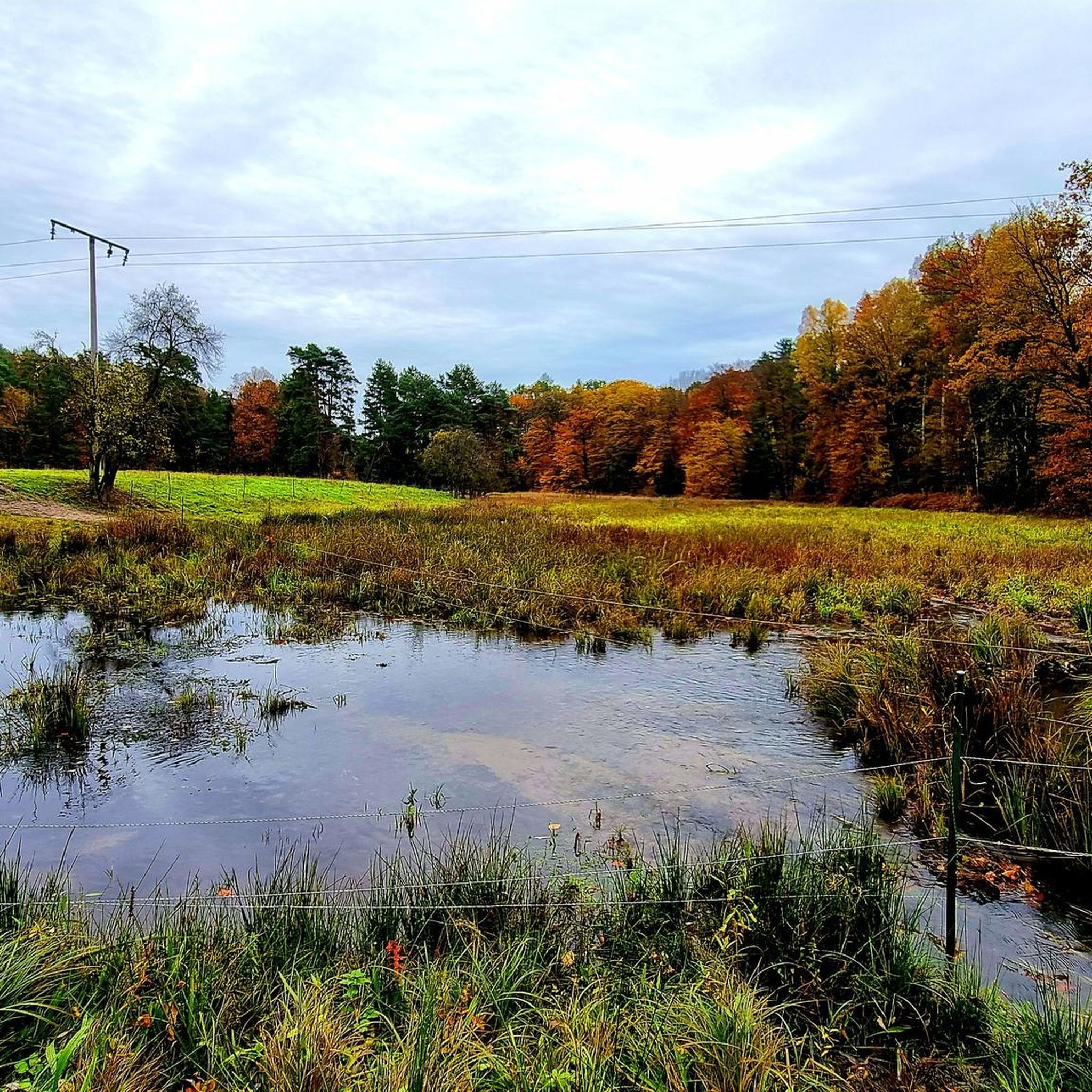
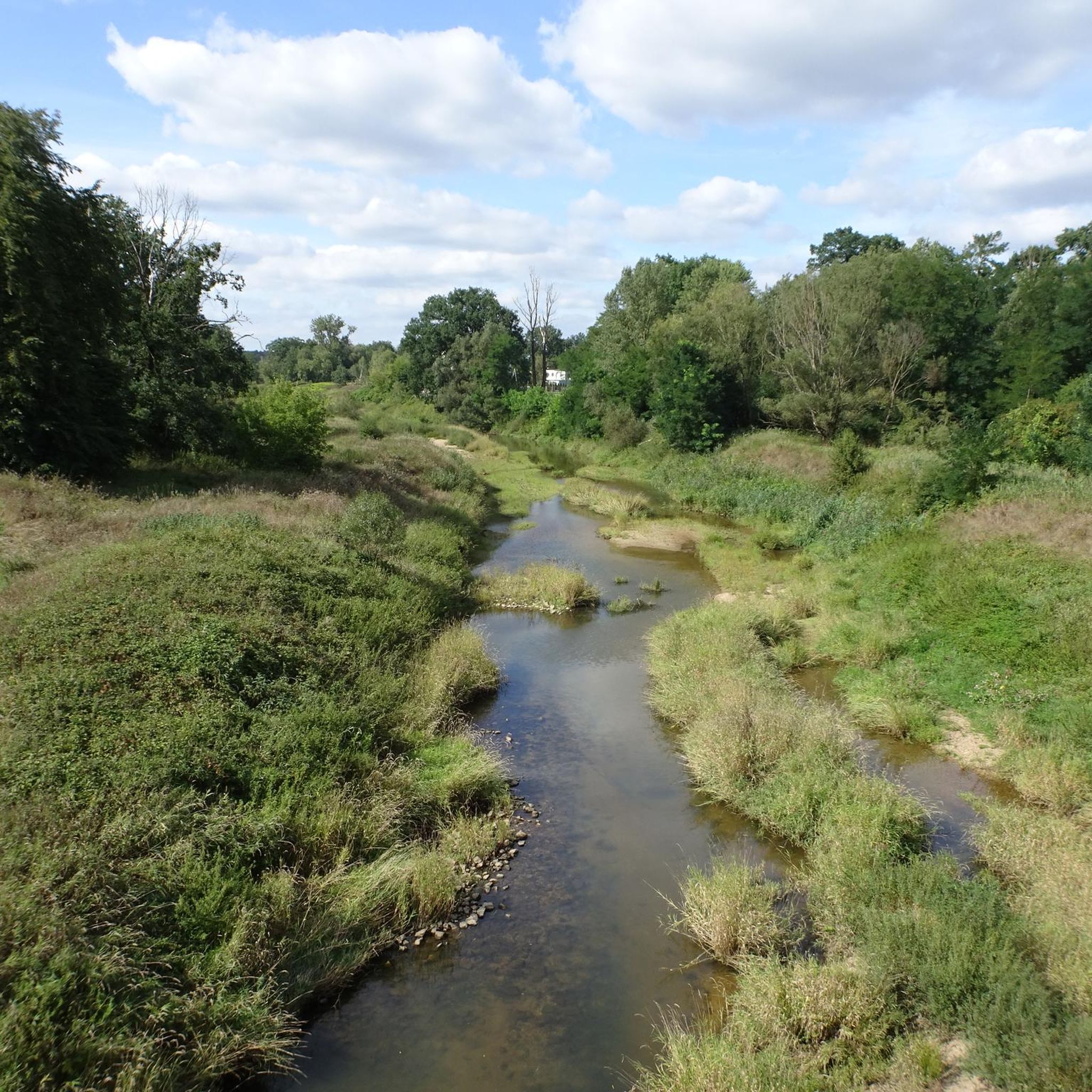
Beyond the well-known sites, consider exploring the 'Neuer Teich and Uhstall' (Schneidmühlenteich) in Groß Kölzig, a secluded woodland pond important for amphibians and birds. The Bruchmühle Area, with its ponds and natural swamp forest, offers a tranquil and diverse landscape often overlooked. The Malxe Floodplains also provide idyllic riverine settings for peaceful walks away from larger crowds.
Can I bring my dog to the natural monuments in Neiße-Malxetal?
Generally, dogs are welcome in many outdoor natural areas in Neiße-Malxetal, especially on trails and in parks. However, it's always advisable to keep them on a leash and respect local regulations, particularly in protected areas or near wildlife habitats. Specific rules might apply to certain indoor facilities or highly sensitive ecological zones.
Are there any wheelchair-accessible natural monuments or paths in Neiße-Malxetal?
While specific information on wheelchair accessibility for all natural monuments is limited, larger parks and well-maintained paths often offer more accessible sections. For example, parts of the Rhododendron Park Kromlau may have paths suitable for wheelchairs. It's recommended to check specific site information or contact local tourist information for detailed accessibility options before your visit.
What do visitors enjoy the most about the natural monuments in Neiße-Malxetal?
Visitors particularly appreciate the unique natural beauty and tranquility of the region. The picturesque reflections at Rakotz Bridge, the vibrant blooms in the Rhododendron Park Kromlau, and the diverse ecosystems of the Malxe Floodplains and Bruchmühle Area are frequently highlighted. The opportunity for peaceful walks, cycling, and experiencing the rich biodiversity also receives high praise.
What is the geological significance of the natural monuments in Neiße-Malxetal?
The region is notably shaped by its geological history, particularly the Ice Age. A significant portion of the unique Muskau Arch, a push end moraine, extends into the western part of Groß Kölzig. This formation features a varied relief with parallel valley-like channels and ridges, often with swampy or boggy low points. It's a prime example of an ice-age relic, showcasing significant geological processes and supporting diverse habitats.
Most popular routes around Neiße-Malxetal
Most popular attractions around Neiße-Malxetal

Get inspired with the komoot mobile app


Explore more
Extend your search for the best caves by checking out these guides of the top ones around Neiße-Malxetal:
