Top 20 Natural Monuments around Drebkau
Best natural monuments around Drebkau include diverse natural and historical sites. The landscape features protected trees, geological formations, and unique water features. The area provides opportunities to explore a variety of natural monuments. This guide highlights 3 natural monuments around Drebkau.
Best natural monuments around Drebkau
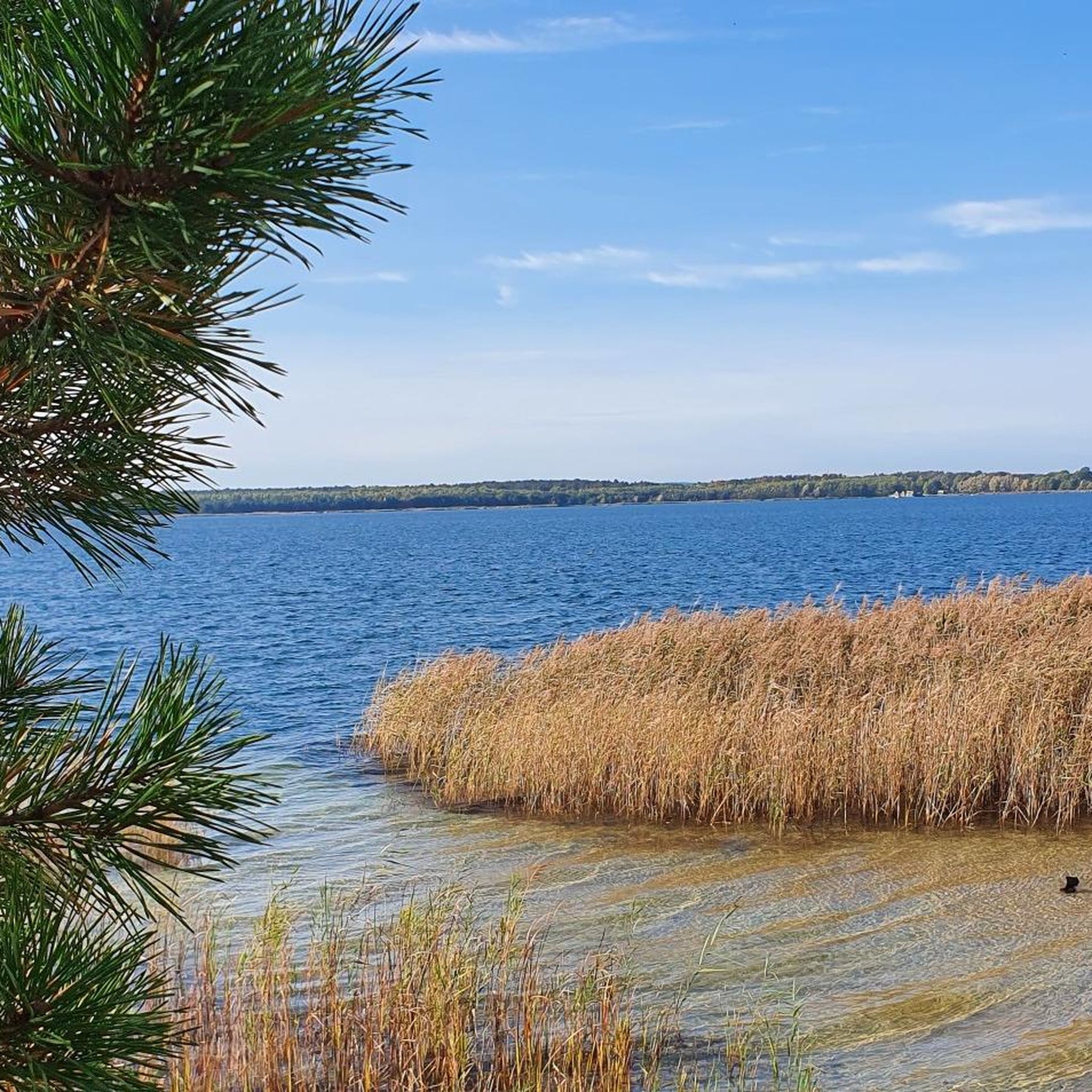
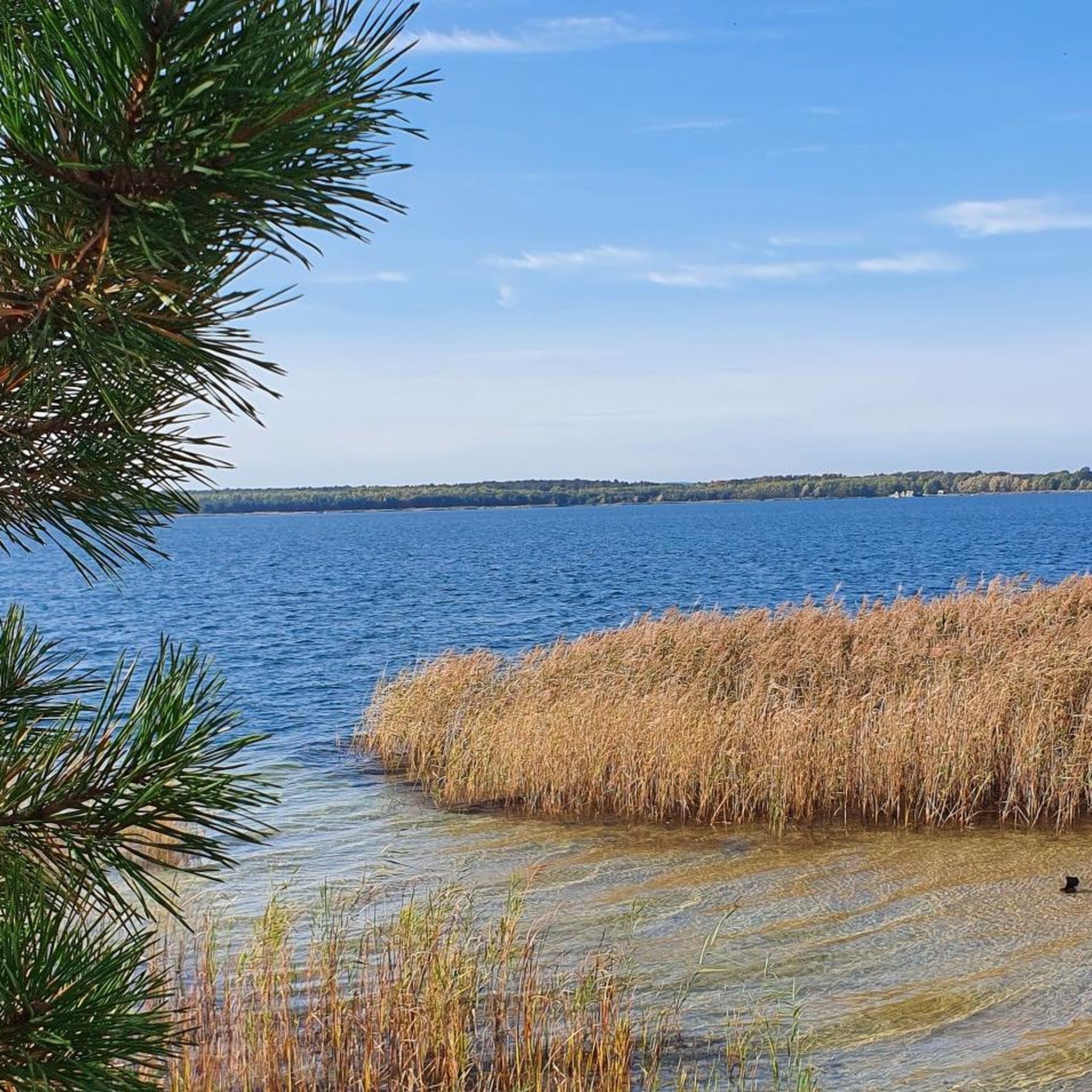
- The most popular natural monuments is Spremberg Reservoir (Spremberg Dam), a lake that features multiple bathing areas, some with white sand. It is a large lake appreciated by visitors.
- Another must-see spot is…
Last updated: June 25, 2026
Spremberg Reservoir (Spremberg Dam)
Highlight • Lake
Translated by Google •
Tip by

Water Pyramid in Branitz Park
Highlight • Monument
Translated by Google •
Tip by

Sign up now to discover places like this
Get recommendations on the best single tracks, peaks, & plenty of other exciting outdoor places.
Sign up for free
Dead trees in Lake Sedlitz
Highlight • Lake
Translated by Google •
Tip by

Gräbendorfer Lake
Highlight • Lake
Translated by Google •
Tip by

Yellow Ramp - Stonehenge of Pritzen
Highlight • Monument
Translated by Google •
Tip by
Sign up for free to discover even more natural monuments around Drebkau.
Sign up for free
Already have an account?
Start today with a free account
Your next adventure awaits.
Login or Signup
Other adventures around Drebkau

Tips from the Community

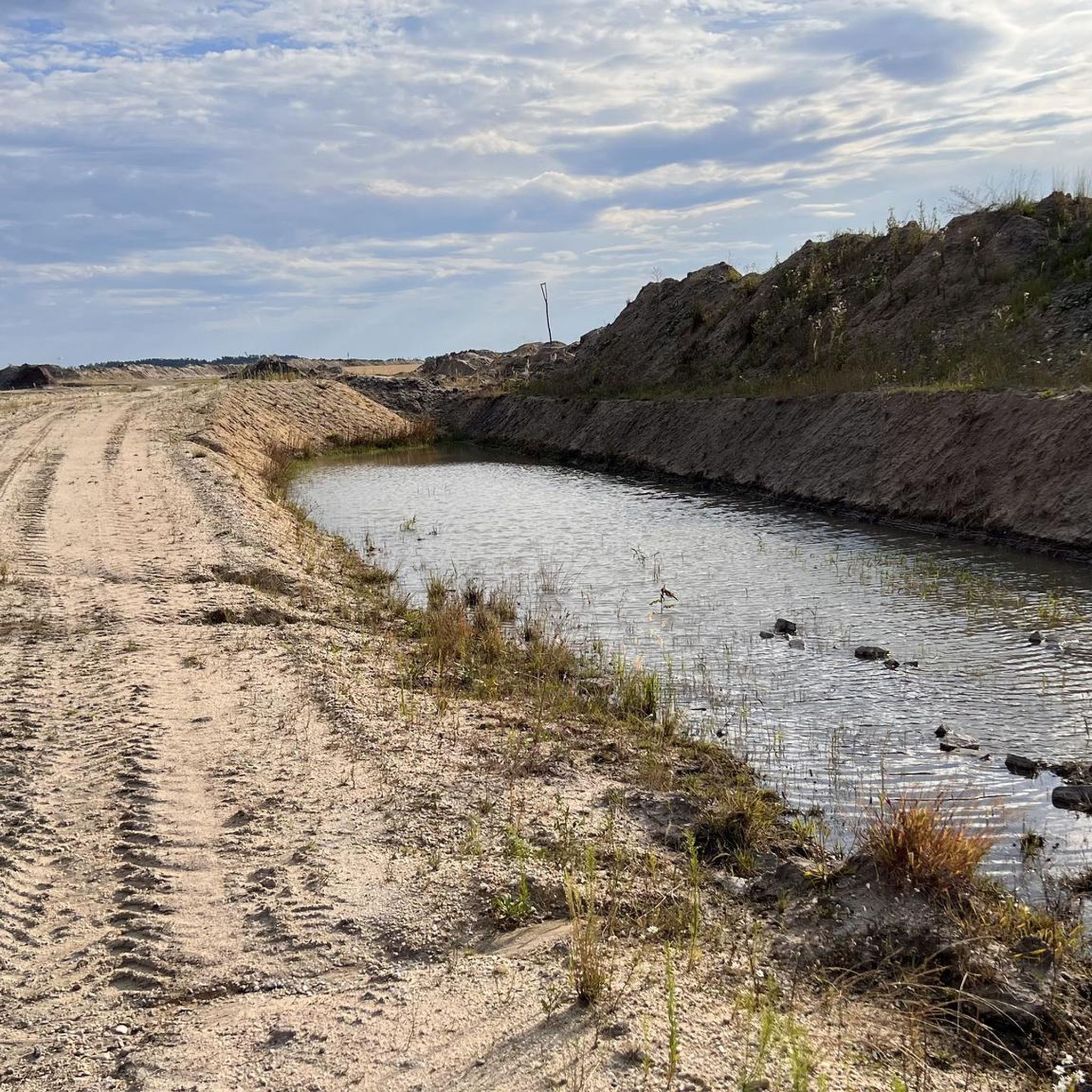
These trees have since been removed. Presumably as part of the lake clearance and planned opening of the various lake crossings in summer 2026.
1
0

Cormorants nest here, and then the trees are white...
0
0

There are two staircases leading up. The right one is a bit easier to navigate, but it's a bit overgrown with blackberries, but it was manageable.
0
0

Feel free to take a look up
0
0

There's a snack bar during the season. And also a restroom.
0
0

It's spooky to see how the rising water is killing the bushes and trees.
1
0

As the water level rises, the trees disappear.
1
0
Nice rest area with great view
0
0
Frequently Asked Questions
What types of natural monuments can I expect to see around Drebkau?
Around Drebkau, you can expect to find a variety of natural monuments, including protected individual trees, groups of trees, and interesting geological formations. The region also features unique water bodies and landscapes shaped by historical events, such as former mining areas now transformed into lakes.
Are there family-friendly natural monuments around Drebkau?
Yes, several natural monuments around Drebkau are suitable for families. For instance, the Spremberg Reservoir (Spremberg Dam) offers multiple bathing areas, some with white sand, which are great for a day out. The Water Pyramid in Branitz Park is located within a 100-hectare park with landscaped gardens, offering plenty of space for exploration. The Amtsteich Fountain in Goethe Park is also a family-friendly spot with a historic park setting.
What outdoor activities can I do near the natural monuments in Drebkau?
Near the natural monuments in Drebkau, you can enjoy various outdoor activities. There are numerous hiking opportunities, with routes like the 'Red Berries and Autumn Foliage – Görigker Lake loop' or the 'Rodelberg – Görigker Lake loop'. Cycling is also popular, with road cycling routes such as the 'Rosendorfer Canal – Koschener Kanal Lock loop'. For runners, trails like the 'Bohemian Rest Stop Hänchen loop' are available. You can find more details on these activities in the hiking guide, road cycling guide, and running guide for Drebkau.
What is the <a href="https://www.komoot.com/highlight/138671" target="_blank" rel="noopener">Water Pyramid in Branitz Park</a> and why is it significant?
The Water Pyramid in Branitz Park is a unique man-made monument within a 100-hectare landscaped park designed by Prince Pückler-Muskau. It's significant not only for its unusual architecture but also because it serves as the final resting place for the prince and his wife. The park itself is a UNESCO World Cultural Heritage site, featuring odd mountains, pyramids, and six lakes, making it a culturally and historically rich natural monument.
What makes the <a href="https://www.komoot.com/highlight/5825411" target="_blank" rel="noopener">Dead trees in Lake Sedlitz</a> a natural monument?
The Dead trees in Lake Sedlitz are considered a natural monument because they are poignant remnants of the landscape that existed before the area was flooded to create the lake. These trees, standing in the water, offer a unique and somewhat eerie visual reminder of the region's transformation and serve as a testament to the natural processes at play in the evolving landscape.
Are there any historical sites among the natural monuments in Drebkau?
Yes, some natural monuments around Drebkau have significant historical connections. For example, the Water Pyramid in Branitz Park is part of a UNESCO World Cultural Heritage site with a rich history tied to Prince Pückler-Muskau. Similarly, the Amtsteich Fountain in Goethe Park is located in Cottbus's oldest park, laid out in 1895, with the Amtsteich itself dating back to around 1600 for carp farming.
What do visitors enjoy most about the natural monuments around Drebkau?
Visitors particularly enjoy the diverse experiences offered by the natural monuments. For instance, the Spremberg Reservoir is appreciated for its size and bathing areas. The Water Pyramid in Branitz Park is loved for its unique design, historical significance, and the opportunity for gondola rides. The Dead trees in Lake Sedlitz are noted for their striking visual impact and as a reminder of the area's past.
Are there any natural monuments featuring fountains or unique water features?
Yes, the Amtsteich Fountain in Goethe Park is a prominent example, where a fountain gushes in the historic Amtsteich, which was once used for carp farming. Additionally, the French Garden and Neptune Fountain features various water elements and sculptures, adding to its charm as a natural monument.
Can I find natural monuments that are also good viewpoints?
Many natural monuments around Drebkau offer excellent viewpoints. The Spremberg Reservoir provides expansive views over the large lake. The Water Pyramid in Branitz Park, situated within a vast landscaped area, also offers picturesque vistas. Similarly, the Dead trees in Lake Sedlitz and the Amtsteich Fountain in Goethe Park are recognized for their scenic qualities.
What is the best season to visit the natural monuments around Drebkau?
The best season to visit the natural monuments around Drebkau largely depends on your preferences. Spring and summer are ideal for enjoying the bathing areas at Spremberg Reservoir and the lush gardens of Branitz Park. Autumn offers beautiful foliage, especially in parks like Goethe Park. Even in winter, the unique landscape of the Dead trees in Lake Sedlitz can be quite striking.
Are there any natural monuments that are also man-made parks or gardens?
Yes, the region around Drebkau features natural monuments that are integrated into man-made parks and gardens. The Water Pyramid in Branitz Park is a prime example, located within a meticulously designed 100-hectare landscape park. Similarly, the Amtsteich Fountain in Goethe Park is found in Cottbus's oldest city park, offering a blend of natural beauty and historical landscaping.
What kind of geological history is evident in Drebkau's natural monuments?
The geological history of Drebkau's natural monuments often reflects the region's past, particularly its glacial influences and former mining activities. While specific details for Drebkau's geological monuments require local consultation, natural monuments in Germany commonly include glacial erratics—rocks transported by glaciers. The landscape around Drebkau also features areas transformed by human activity, such as the lakes formed from former open-cast mines, which now host unique natural features like the Dead trees in Lake Sedlitz.
Most popular routes around Drebkau
Most popular attractions around Drebkau

Get inspired with the komoot mobile app


Explore more
Extend your search for the best caves by checking out these guides of the top ones around Drebkau:
