Top 20 Natural Monuments around Krauschwitz
Natural monuments around Krauschwitz are situated within the UNESCO Global Geopark Muskauer Faltenbogen, a region known for its unique geological formations and integrated landscape design. This area showcases significant ice-age geomorphology, including one of Europe's most striking push moraines formed approximately 340,000 years ago. Visitors can explore diverse natural features, from unique subsidence zones to expansive landscape parks. The region offers insights into Earth's history and the powerful geological forces that shaped it.
Best natural monuments around Krauschwitz
- The most…
Last updated: October 11, 2026
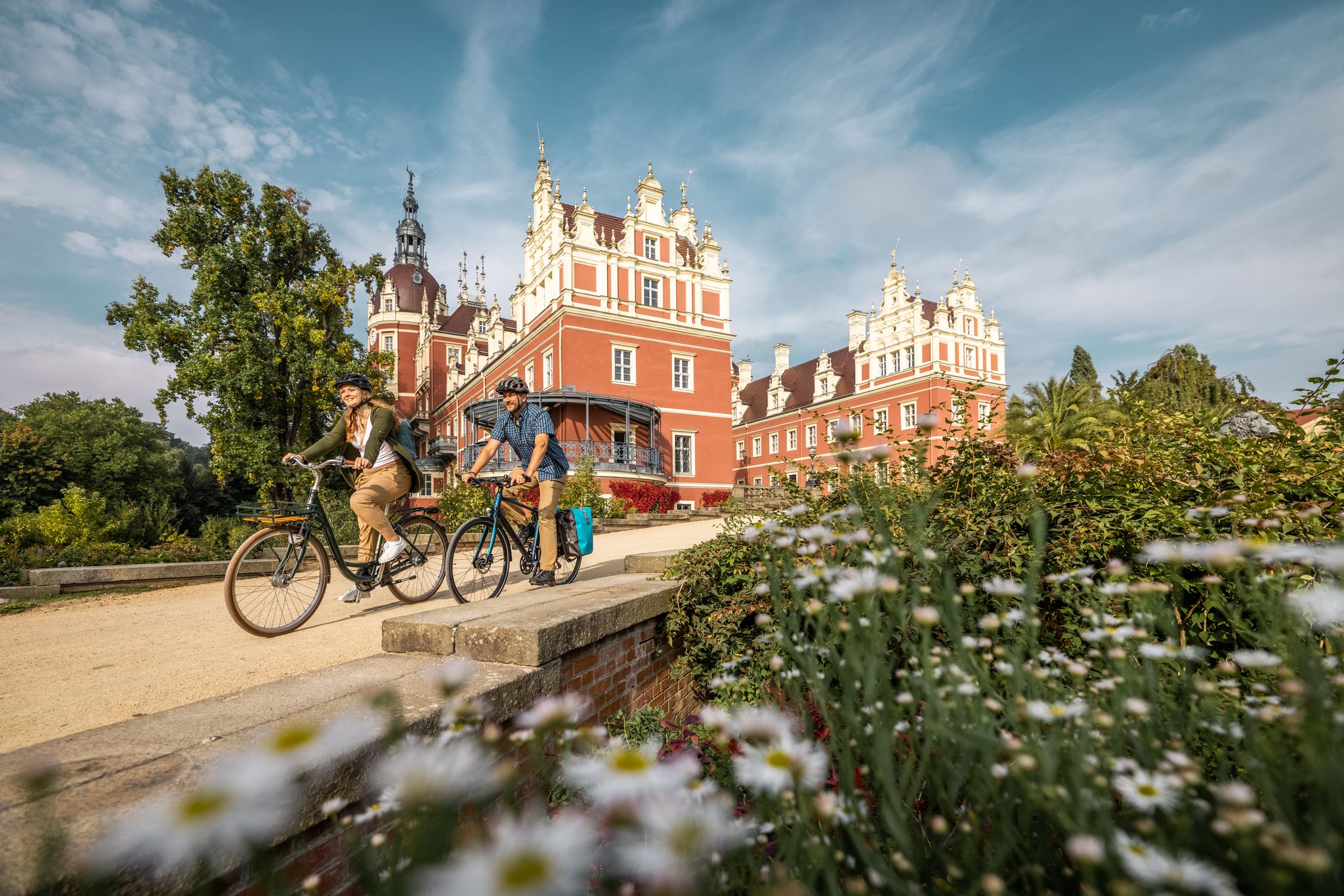
New Muskau Castle
Highlight • Castle
Translated by Google •
Tip by

Rakotz Bridge (Devil's Bridge)
Highlight • Bridge
Translated by Google •
Tip by

Sign up now to discover places like this
Get recommendations on the best single tracks, peaks, & plenty of other exciting outdoor places.
Rhododendron Park Kromlau
Highlight • Bridge
Translated by Google •
Tip by

Basalt Organ at Rakotz Lake
Highlight • Monument
Translated by Google •
Tip by

Fürst-Pückler Park and New Castle, Bad Muskau
Highlight • Historical Site
More information: de.wikipedia.org/wiki/F%C3%BCrst-P%C3%BCckler-Park_Bad_Muskau
Translated by Google •
Tip by

Sign up for free to discover even more natural monuments around Krauschwitz.
Already have an account?
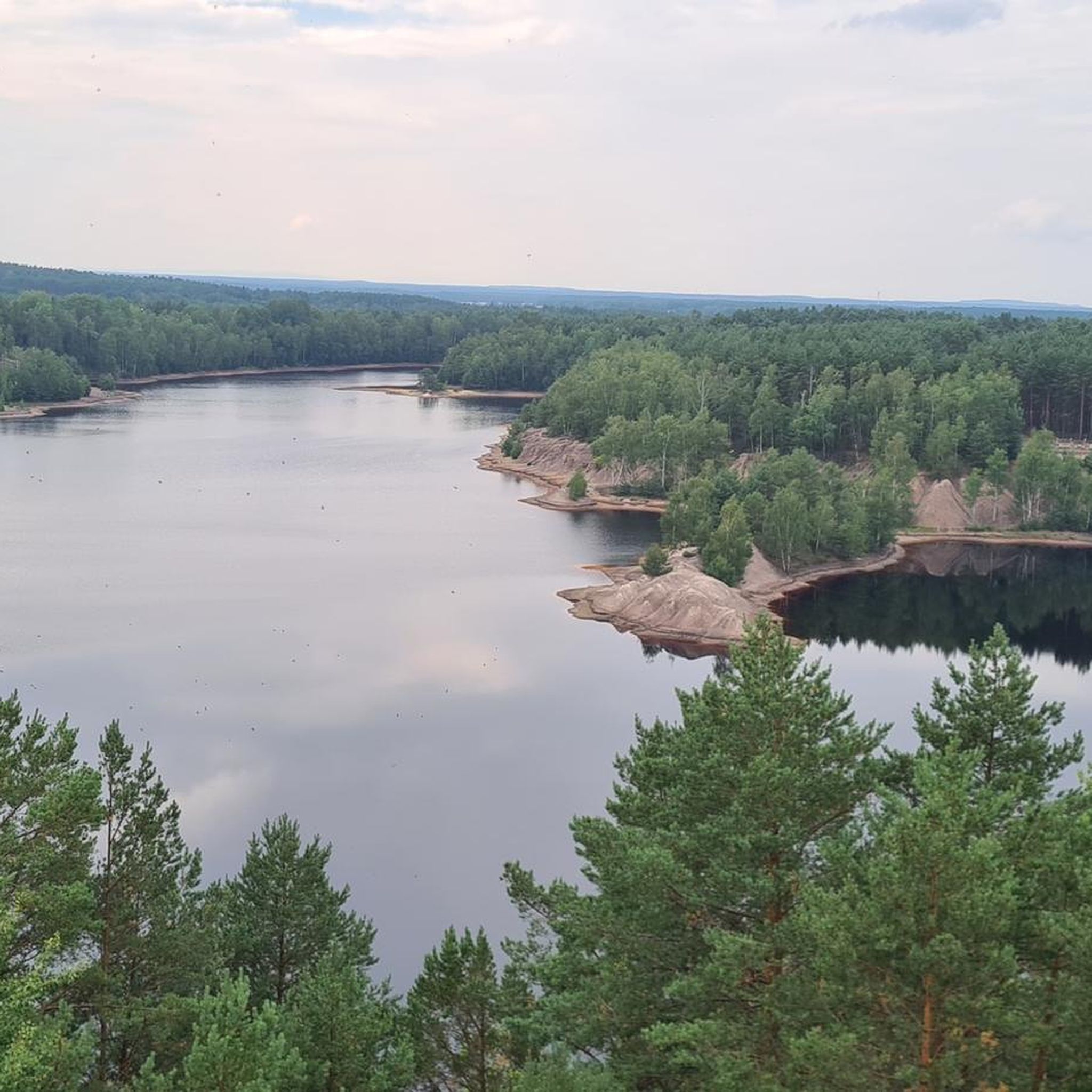
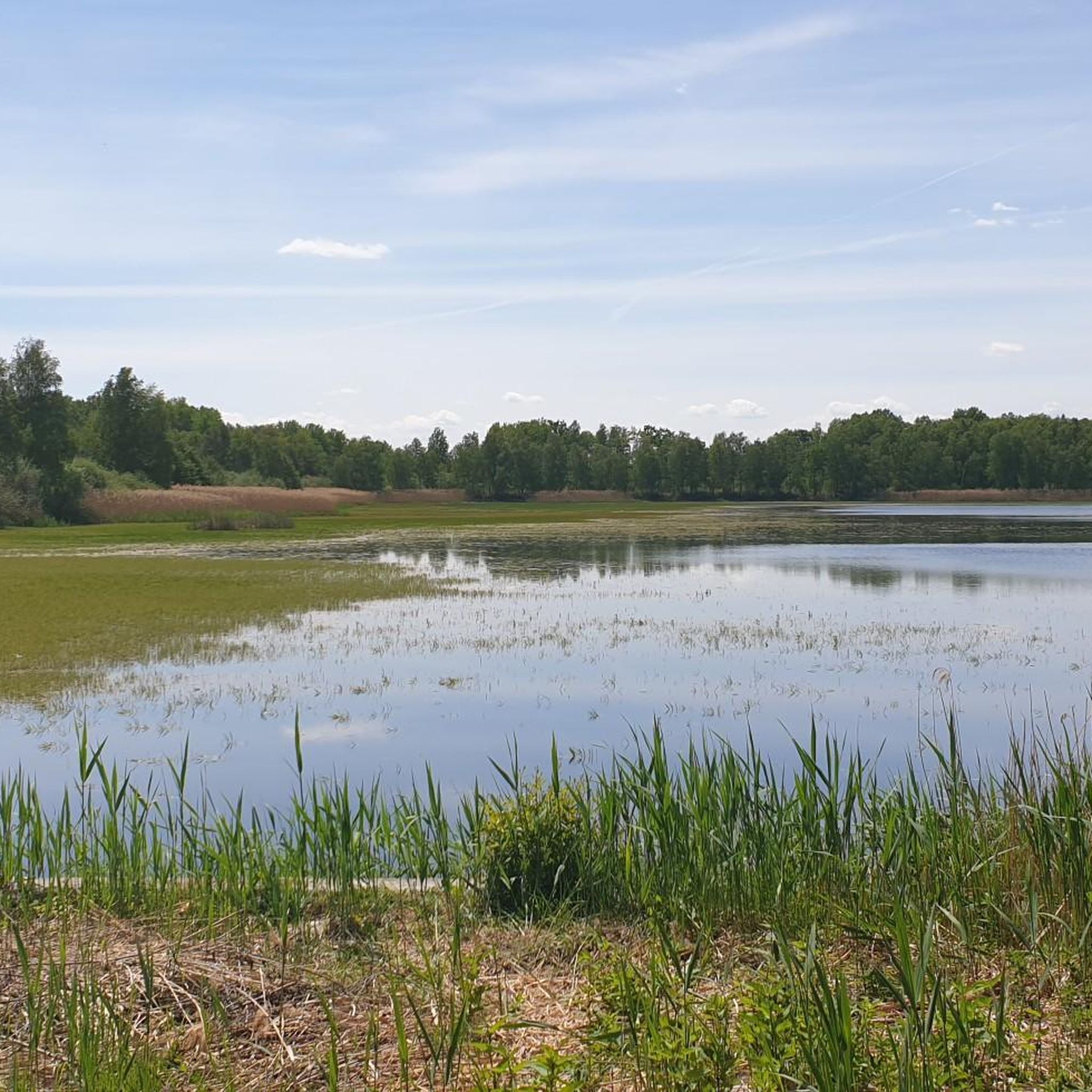
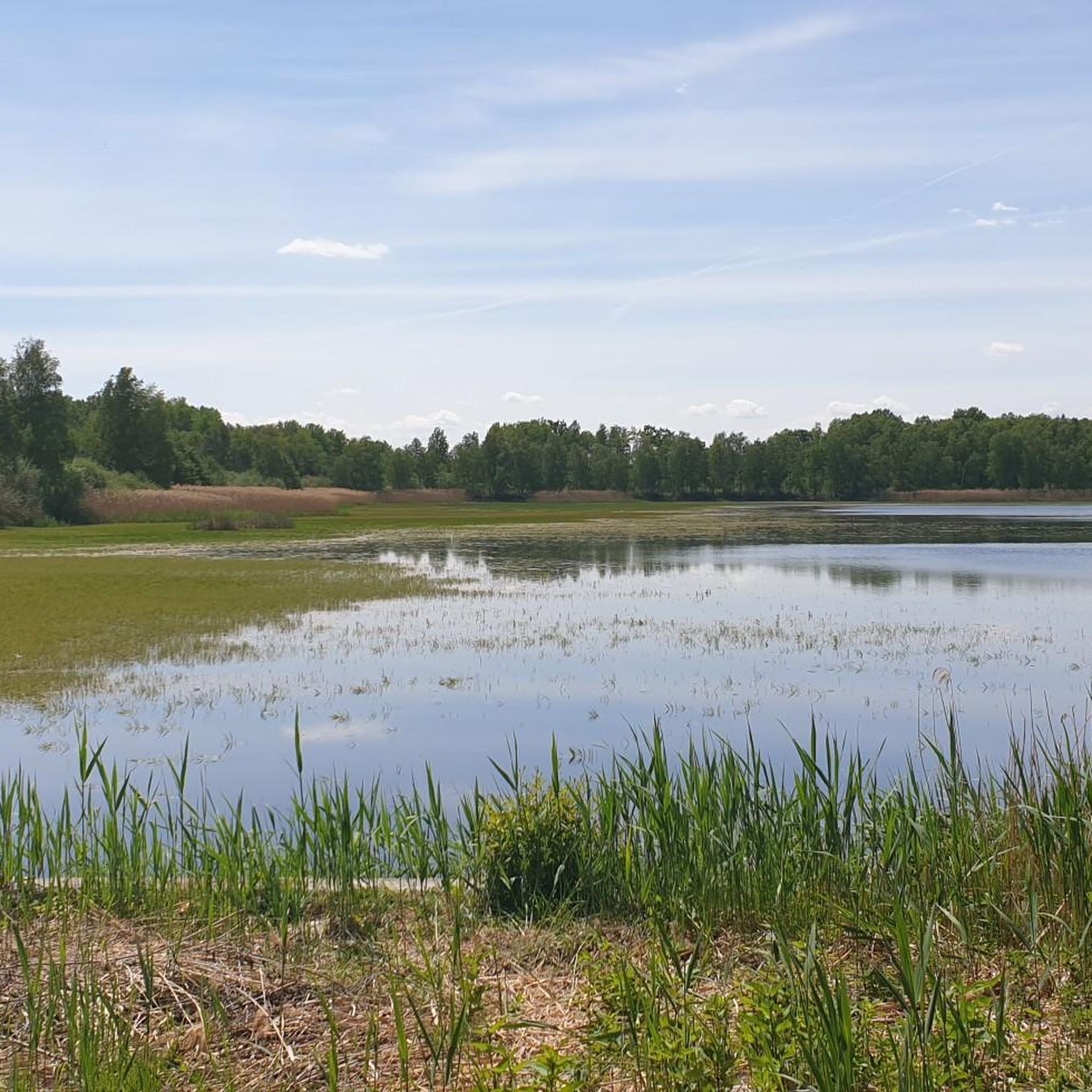
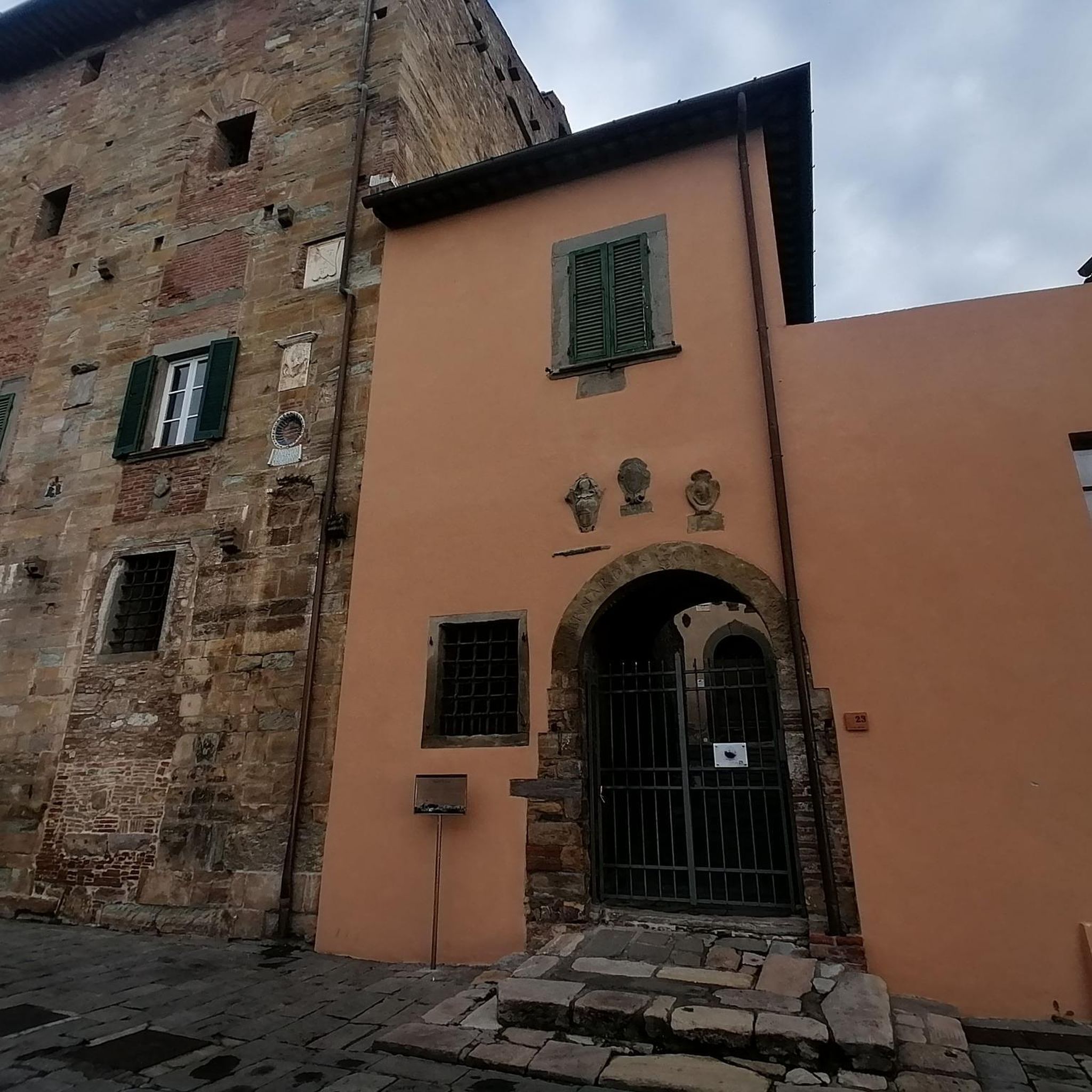


Tips from the Community

Please keep the surroundings clean👍🏻
0
0

Initially, there were no rhododendrons at all, just a variety of different woody plants. Only a few years later did people begin to plant rhododendrons and azaleas in the moorland depressions.
3
0

Bad Muskau, an idyllic country town on the border with Poland, attracts visitors with its historic charm and impressive palace and park, which is known far beyond the country's borders. Here lies the famous Prince Pückler Park, a sprawling landscape park, two-thirds of which is on the Polish side and one-third on the German side. This green treasure, which is a UNESCO World Heritage Site, invites you to take long walks and bike rides. The generous sightlines and the impressive trees make every visit a special experience. The restored New Pückler Palace, which towers over the park, is a real highlight and gives the place its majestic atmosphere. Ideal for enjoying a day of relaxation and discovery.
0
0

Mužakow (from Sorbian, roughly "men's town") was re-founded on the site of a Slavic refuge castle as a conveniently located trading and manufacturing center on the Neisse in the 13th century as part of the high medieval eastern settlement. It was first mentioned in a document in 1249.
2
0

Not a UNESCO World Heritage Site for nothing! One third of the park on the German side, two thirds of the park on the Polish side. The extensive landscape park has a great stock of trees and impresses with generous visual axes. The New Castle of Prince Pückler has been wonderfully restored and shines from afar.
2
0

Beautiful, can only be recommended.
4
1

great 👍
1
1

The ensemble of organ and bridge is typical of Romantic garden architecture.
4
0
Frequently Asked Questions
What unique geological features can I explore in the Krauschwitz region?
The Krauschwitz region is part of the UNESCO Global Geopark Muskauer Faltenbogen, known for its significant ice-age geomorphology. You can explore unique drainless subsidence zones called "Gieserlandschaften" in the Drachenberge hills, which offer a fascinating glimpse into the region's geological history. The broader Geopark also features erratic boulders, cold iron-sulfate springs, and colorful post-mining lakes, all shaped by powerful glacial forces.
Are there any historical natural monuments or sites of interest around Krauschwitz?
Yes, the region offers a blend of natural beauty and historical design. The iconic Rakotz Bridge (Devil's Bridge), while a man-made structure, is a historical masterpiece of landscape design from the 19th century, integrated seamlessly with its natural surroundings. Additionally, New Muskau Castle is a historical site with extensive grounds that are considered a natural monument, offering a unique ensemble of castle, park, and nature.
What are the best places for families to visit among the natural monuments?
Several natural monuments around Krauschwitz are family-friendly. The Rhododendron Park Kromlau is an excellent choice, offering expansive grounds for walks and exploration. Within the park, both the Rakotz Bridge (Devil's Bridge) and the Basalt Organ at Rakotz Lake are captivating sights for all ages. The Rhododendron Gorge (Rhododendronschlucht) also provides an accessible trail through a beautiful forest setting.
When is the best time of year to visit the natural monuments in Krauschwitz?
The Krauschwitz region is beautiful year-round, but the blooming season for azaleas and rhododendrons, typically in spring (late April to June), is particularly spectacular, especially in the Rhododendron Park Kromlau. Autumn also offers vibrant colors, making it a great time for scenic walks and photography. The reflection of the Rakotz Bridge is especially captivating at sunset.
Are there opportunities for hiking or walking near the natural monuments?
Yes, the region offers numerous opportunities for hiking and walking. The Rhododendron Park Kromlau has many trails, and the "Geopfad Drachenberge" allows visitors to explore the unique geomorphology of the ice-age landscape. For more structured routes, you can find various running trails around Krauschwitz, many of which pass by or through natural areas.
What kind of outdoor activities can I do around Krauschwitz's natural monuments?
Beyond walking and exploring the natural monuments themselves, the area around Krauschwitz is excellent for various outdoor activities. You can find options for gravel biking and mountain biking, with routes that take you through the diverse landscapes of the Muskauer Faltenbogen UNESCO Global Geopark.
Are the natural monuments in Krauschwitz accessible by public transport?
While specific public transport details for each monument vary, the Krauschwitz region is generally accessible. It's advisable to check local bus schedules or regional transport options to reach the main areas like Kromlau Park. Many visitors also combine public transport with short walks or cycling to reach the sites.
Can I bring my dog to the natural monuments and trails?
Many natural areas and trails in the Krauschwitz region, including the Rhododendron Park Kromlau, are dog-friendly. However, it's always recommended to keep dogs on a leash and adhere to any specific signage or regulations at individual sites to ensure the preservation of nature and the comfort of other visitors.
What are some notable viewpoints within the natural monuments?
The Rakotz Bridge (Devil's Bridge) offers a stunning viewpoint, especially when its parabolic arch creates a perfect circle reflection in the water. The Rhododendron Park Kromlau itself provides numerous picturesque spots and viewpoints over its lakes and diverse plant life. The New Muskau Castle grounds also offer scenic vistas.
What do visitors particularly enjoy about the natural monuments around Krauschwitz?
Visitors frequently praise the unique aesthetic appeal and geological significance of the area. The Rakotz Bridge is a popular photo motif, especially at sunset, and the Rhododendron Park Kromlau is cherished for its serene walks and diverse plant life. The region's ability to offer insights into Earth's history and powerful geological forces is also highly appreciated.
Are there any less crowded natural monuments to visit for a quieter experience?
While popular sites like Kromlau Park can attract visitors, the broader Muskauer Faltenbogen UNESCO Global Geopark offers many expansive areas. Exploring the "Gieserlandschaften" in the Drachenberge via the "Geopfad Drachenberge" can provide a quieter, more immersive experience into the region's unique geological formations away from the main tourist hubs.
Most popular routes around Krauschwitz
Most popular attractions around Krauschwitz

Get inspired with the komoot mobile app


Explore more
Extend your search for the best caves by checking out these guides of the top ones around Krauschwitz:
