Top 20 Natural Monuments around Wilthen
Best natural monuments around Wilthen are situated within the picturesque Upper Lusatian landscape, a region characterized by prominent mountains and unique geological formations. This area offers expansive views and various recreational opportunities. The landscape features granodiorite and crystalline rocks, forming rounded hills and ridges largely covered by mixed forests. Visitors can explore a diverse range of natural features, from mountain summits to distinctive rock formations.
Best natural monuments around Wilthen
- The most popular natural monuments is Kälbersteine and Kälbersteinbaude,…
Last updated: July 8, 2026
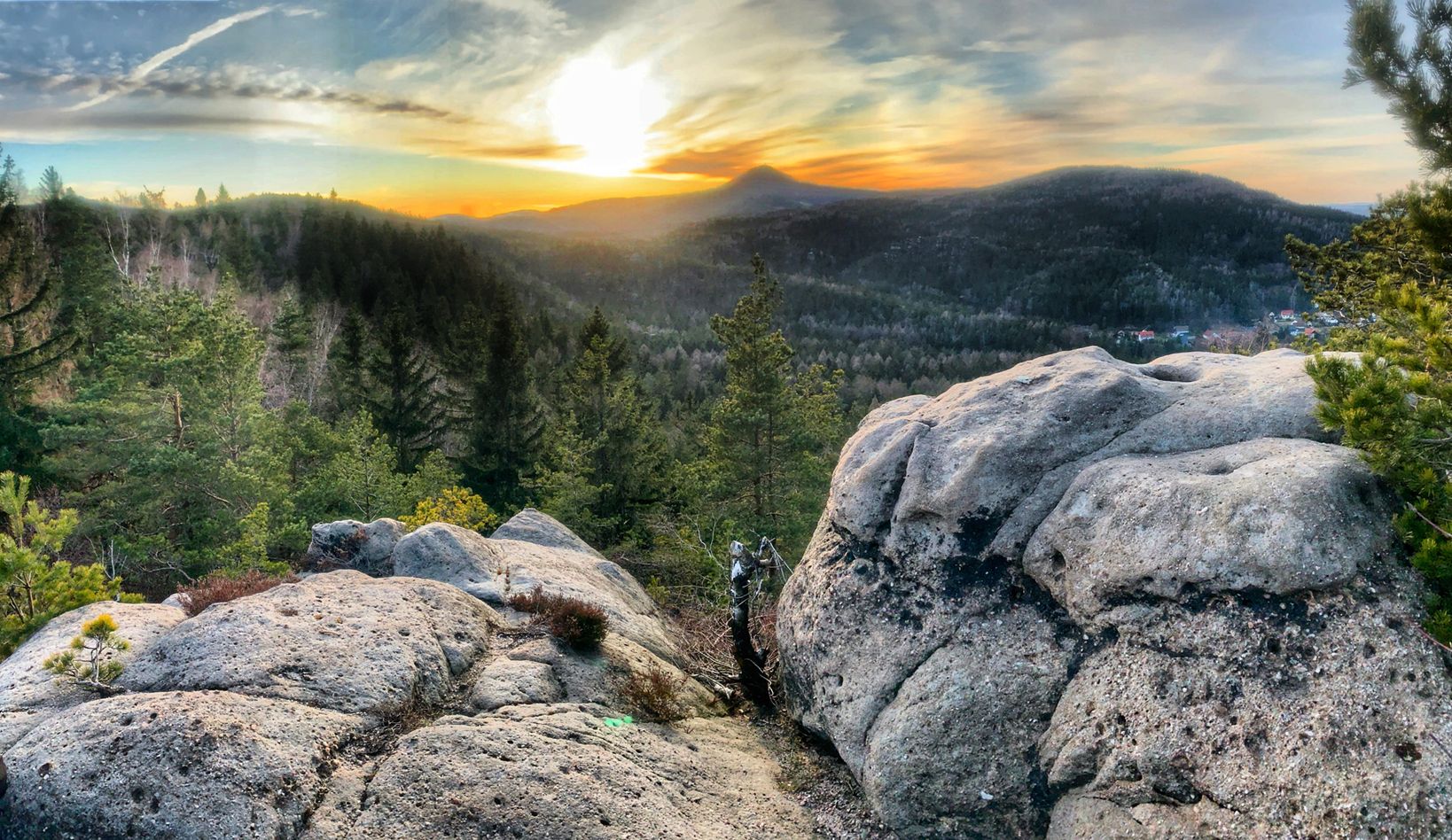
Kälbersteine and Kälbersteinbaude
Highlight • Summit
Translated by Google •
Tip by

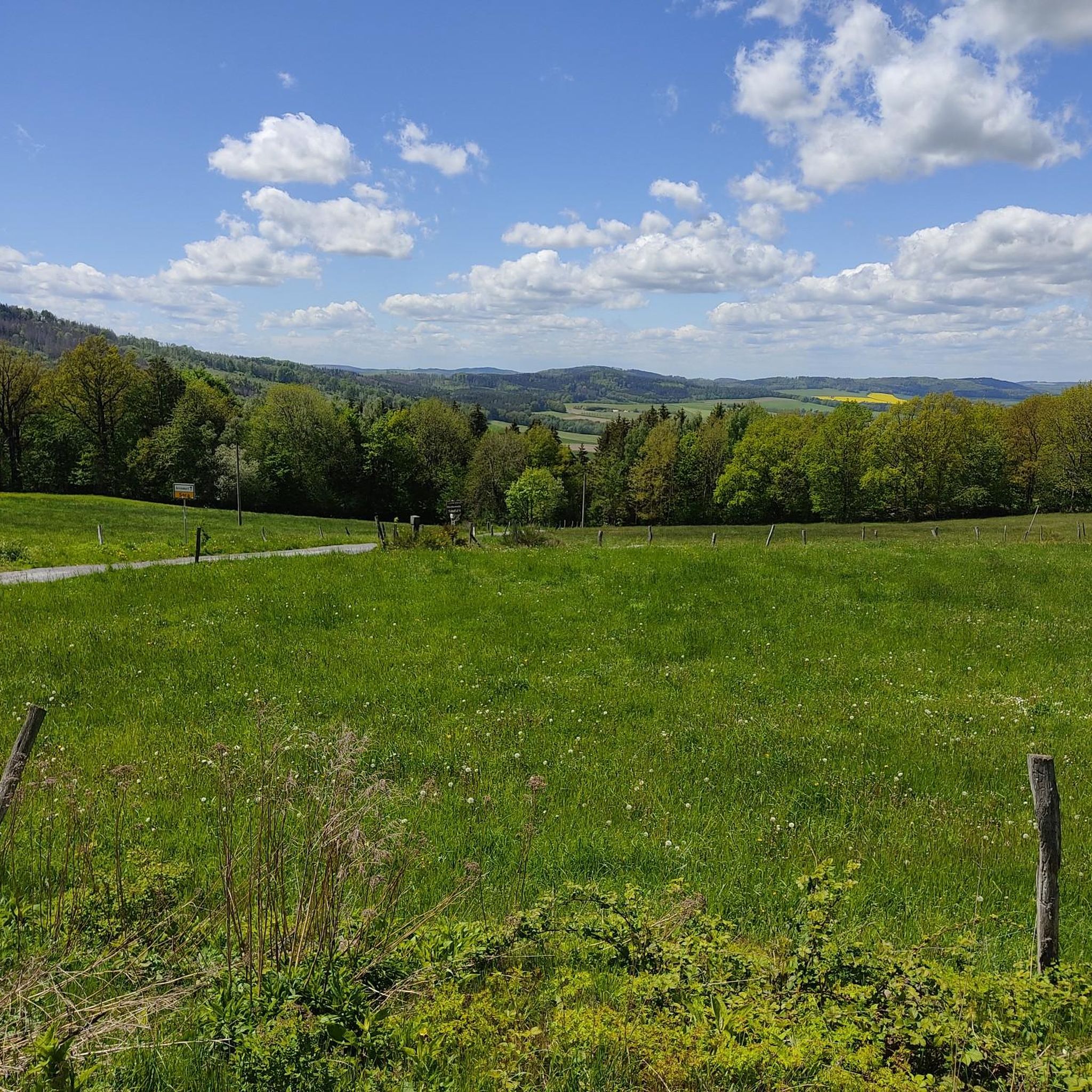
Wesenitz Spring
Highlight • Natural Monument
Translated by Google •
Tip by

Sign up now to discover places like this
Get recommendations on the best single tracks, peaks, & plenty of other exciting outdoor places.
Sign up for free
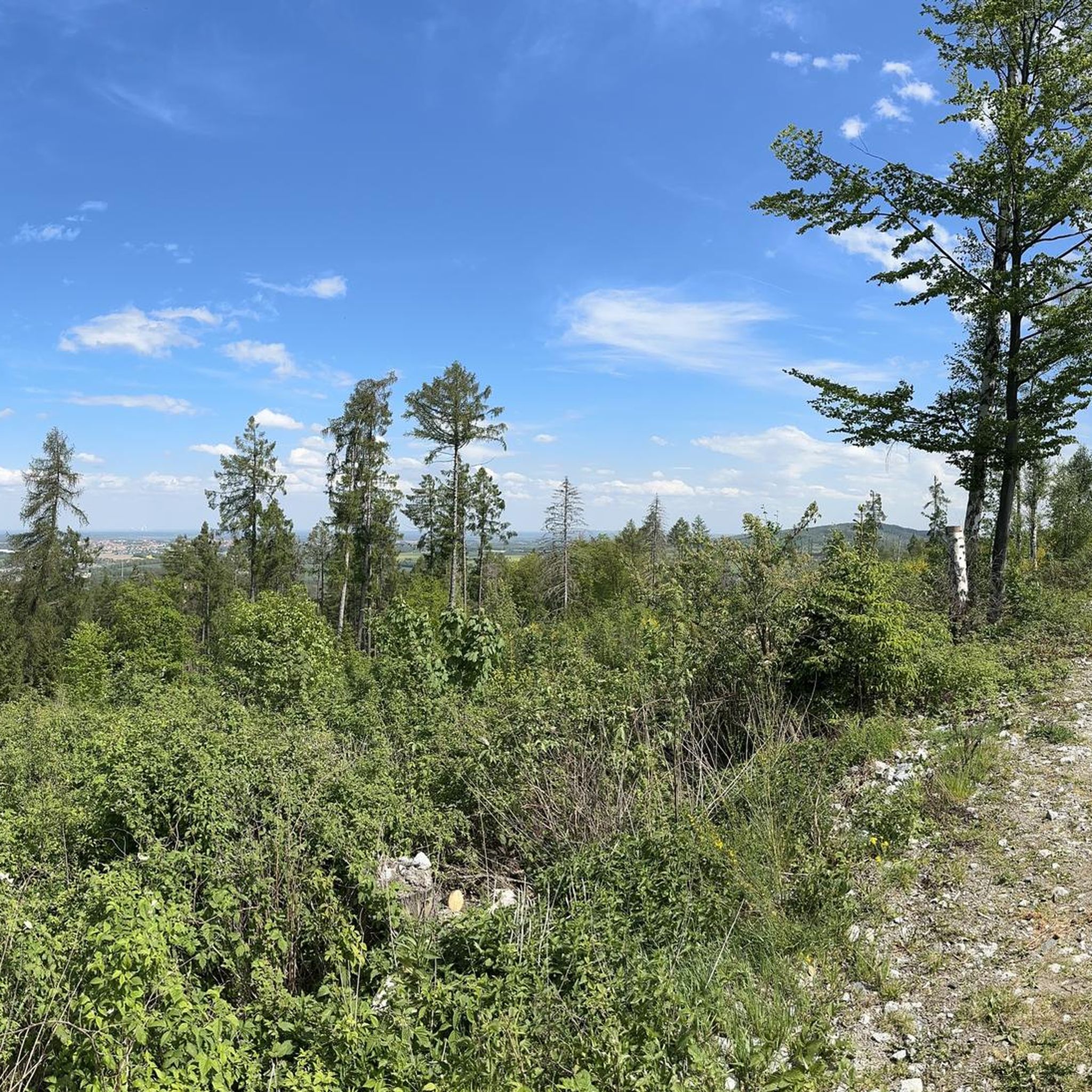
Devil's Pulpit
Highlight • Natural Monument
Translated by Google •
Tip by

Devil's Window rock formation
Highlight • Natural Monument
Translated by Google •
Tip by

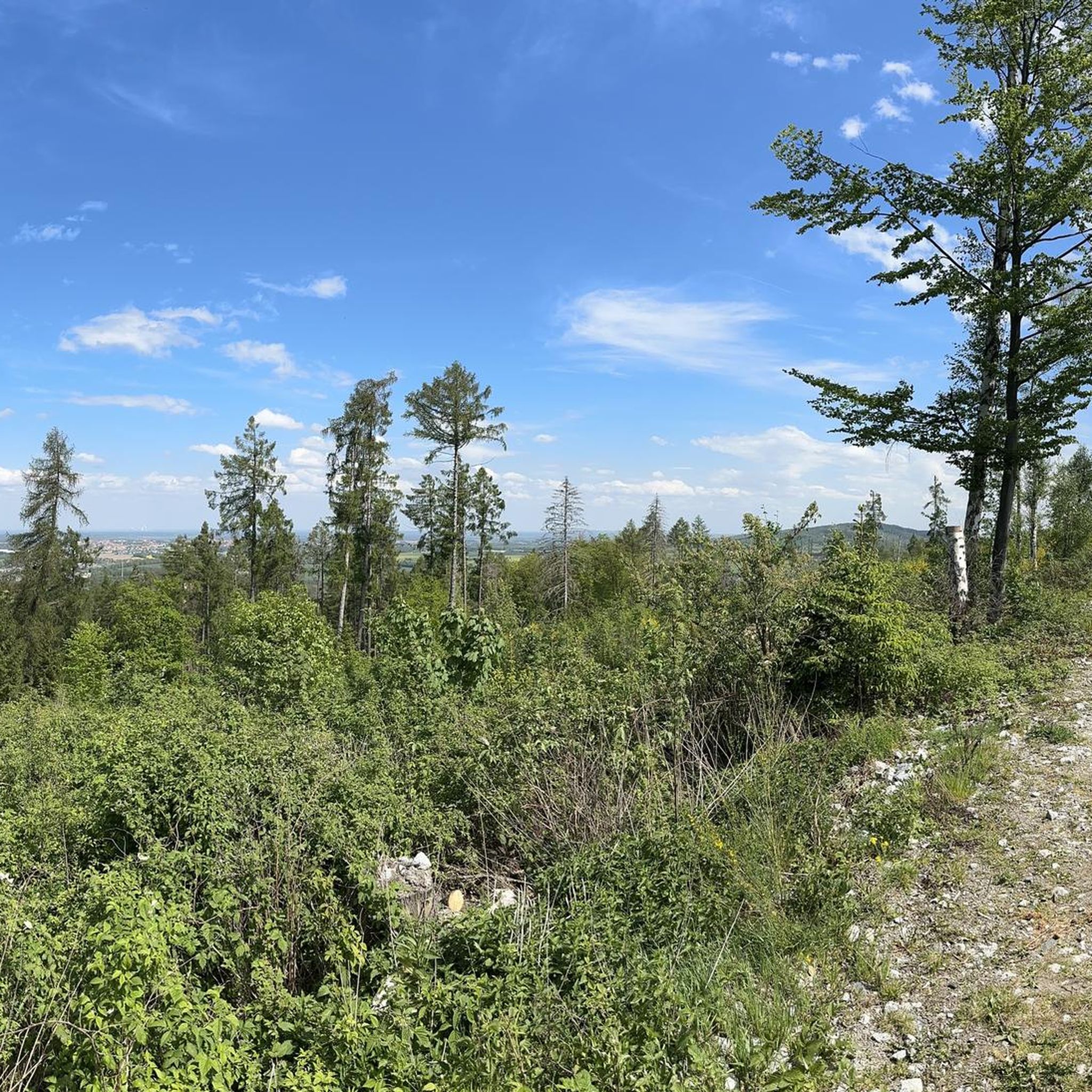
North Cape (Northernmost Point of the Czech Republic)
Highlight • Natural Monument
Translated by Google •
Tip by

Sign up for free to discover even more natural monuments around Wilthen.
Sign up for free
Already have an account?
Start today with a free account
Your next adventure awaits.
Login or Signup
Other adventures around Wilthen

Tips from the Community

Wesenitz Spring and Valentin Adit Information The Wesenitz River originates at an elevation of 515 meters above sea level on the southeastern slope of the Valtenberg mountain, emerging from the entrance of a 60-meter-long mine adit known as the "Goldbergwerk" (Gold Mine). The Wesenitz was first documented in 1213. Valentin Adit at the Wesenitz spring on the southern slope of the Valtenberg mountain.
2
0

Great rock formation near the mountain inn
0
0

Anyone who comes from the area must have been there at least once. Even if boundaries (should) connect rather than divide.
1
0

The hiking trail along the Czech-German border is, as Bernhard Sander correctly stated above, a typical forest hiking trail. Not suitable for cycling in any way (not even MTB unless you're a little crazy).
2
0

story Trying to unravel a mystery. In the spring of 2006 we discovered a large hand-shaped weathering depression in the rocks of Upper Lusatia. We baptized it "God's Hand" Maybe it was just a whim of nature. Nevertheless, measurements carried out in the spring of 2007 yielded a surprising result: if you looked out of the triangular viewing hole of a nearby cave over the "God's Hand" towards the sky, you could see the noon point of the winter solstice directly. ... An accident? Since then we have systematically visited every rock known to us in Upper Lusatia and many more, examined them for characteristics and measured them. We discovered more solar observation phenomena. Individual rock objects with one or more viewing windows are particularly impressive. These viewing windows often mark not only the midday sun of the winter solstice, but also the morning and evening sun of both the winter and summer solstices and the beginning of spring and autumn. Some rocks reflect the observation scheme of the prehistoric "Nebra Sky Disc" discovered in Saxony-Anhalt even reflected 1:1. ... Is it really all just a coincidence???? We don't think so! We are of the opinion that although nature in many cases created the conditions for numerous viewing windows through crevasses and fissures in the rock, their alignment to always the same specific points in the sky is in many cases a deliberate work of man with the intention of using the suns and their movement in the sky to determine the length of the year and to divide it into periods. Undoubtedly traces of this targeted human influence and even stone tools used for this purpose have already been discovered and recorded in expert reports. In 2008, with the support of the star friends of the observatory "Bruno H. Bürgel" e.V. Sohland/Spree, we launched the "Project-Götterhand" to investigate the phenomenon. Source: Hand of the Gods
0
0
In principle, the spring drains the old Valentin tunnel. Water is life.
2
0


Frequently Asked Questions
What are some of the most popular natural monuments to visit around Wilthen?
Beyond the well-known spots, visitors frequently enjoy the unique rock formations at Kälbersteine and Kälbersteinbaude, where you can climb the largest rock via a staircase. Another favorite is the mystical Devil's Pulpit, known for its energetic atmosphere and flat, rooty hiking trail. The Devil's Window rock formation also draws interest with its historical and mythological tales of goblins and hidden treasures.
What kind of outdoor activities can I do near these natural monuments?
The area around Wilthen's natural monuments is excellent for hiking and gravel biking. You can find various routes, from easy strolls to more challenging treks. For example, there are easy hikes like the Picho Hut – Tautewaldeblick Rest Area loop, or more moderate options such as the Picho Hut – Pumphut Statue loop. Gravel biking enthusiasts can explore routes like the Cunewalder Valley Rail Trail. You can find more details on these activities in the hiking guide and gravel biking guide for Wilthen.
Are there specific hiking trails that lead to these natural monuments?
Yes, many natural monuments are accessible via marked hiking trails. For instance, the Valtenberg, the highest mountain in the Lusatian Highlands, is crisscrossed by several trails, including a segment of the Oberlausitzer Bergweg. Czorneboh and Bieleboh also feature various hiking paths to their summits. The Devil's Pulpit is reached via a flat, rooty hiking trail, and the Kälbersteine massif is a popular hiking destination.
Are there family-friendly natural monuments around Wilthen?
Yes, several natural monuments are suitable for families. The Wesenitz Spring is noted as family-friendly, offering a pleasant spot to rest. The North Cape (Northernmost Point of the Czech Republic) is also considered family-friendly, often featuring an interesting nature trail. Mountains like Bieleboh are rewarding destinations for families, offering various hiking paths to the summit where a mountain restaurant awaits.
Can I bring my dog to the natural monuments?
Generally, dogs are welcome on hiking trails and at natural monuments in the Lusatian Highlands. However, it's always advisable to keep your dog on a leash, especially in forested areas or near wildlife, and to respect any local signage regarding leash rules. Specific rules may vary, so observe local guidelines.
When is the best time of year to visit the natural monuments?
The natural monuments around Wilthen are beautiful year-round. Spring and autumn offer pleasant temperatures for hiking and vibrant foliage. Summer is ideal for longer excursions, while winter can transform the landscape into a serene, snow-covered wonderland, though some trails might be more challenging. The observation towers on Valtenberg, Czorneboh, and Bieleboh provide panoramic views that are stunning in any season, especially on clear days.
What unique geological features can I expect to see?
The region is characterized by granodiorite and crystalline rocks, forming rounded hills and ridges. You'll encounter prominent mountains like Valtenberg, Czorneboh, and Bieleboh, which are primarily composed of granite and granodiorite. The Kälbersteine massif is particularly known for its many exciting rock formations, including a large climbable rock at the summit.
Which natural monuments offer the best views?
For expansive views, the summits of Valtenberg, Czorneboh, and Bieleboh are highly recommended. Valtenberg, the highest mountain, offers panoramic views across the Lusatian Highlands, and on clear days, you can see as far as the Ore Mountains and the Elbe Sandstone Mountains from the König-Johann Tower. The observation towers on Czorneboh and Bieleboh also provide beautiful vistas of the surrounding areas, including the Lusatian, Jizera, and Krkonoše Mountains.
Do any of these natural monuments have historical or mythological significance?
Yes, some sites carry historical and mythological weight. Czorneboh, for instance, has a name possibly derived from the Sorbian 'Čorny Bóh,' meaning 'Black god,' suggesting ancient cultural significance. The Devil's Window rock formation on Czorneboh is steeped in legend, with tales of goblins and hidden treasures. The name 'Kälbersteine' (Calf Stones) is believed to originate from the Thirty Years' War, when farmers reportedly hid their cattle there.
Are there parking facilities available at the natural monuments?
For popular natural monuments and trailheads, you can generally find parking options nearby. However, specific parking availability can vary. It's often best to check local information or maps for designated parking areas before your visit, especially for more remote locations or during peak seasons.
Is public transport available to reach these sites?
While Wilthen itself has public transport connections, reaching some of the more remote natural monuments directly by public transport might be challenging. Many visitors opt to drive to a starting point and then hike. For specific routes, it's advisable to consult local public transport schedules and plan your journey accordingly, as options may be limited.
Are there places to eat or rest near the natural monuments?
Yes, several natural monuments offer amenities. Czorneboh and Bieleboh both have mountain hostels or restaurants on their summits, providing comfortable spots for a break and refreshments. The Kälbersteine and Kälbersteinbaude also includes a 'Baude' (mountain hut/inn) for visitors. The Wesenitz Spring is described as a great place to rest, though it may not have full dining facilities.
Most popular routes around Wilthen
Most popular attractions around Wilthen

Get inspired with the komoot mobile app


Explore more
Extend your search for the best caves by checking out these guides of the top ones around Wilthen:
