Top 20 Natural Monuments around Hochkirch
Best natural monuments around Hochkirch are found in Eastern Saxony, a region characterized by its scenic beauty and diverse natural features. The area offers a variety of natural landmarks, from prominent summits to unique rock formations and tranquil woodlands. These natural features provide opportunities for exploration and offer insights into the region's geology and natural history.
Best natural monuments around Hochkirch
- The most popular natural monuments is Birdwatching Tower at Brösaer Pond, a viewpoint that allows observation of local…
Last updated: August 18, 2026
Kälbersteine and Kälbersteinbaude
Highlight • Summit
Translated by Google •
Tip by

Devil's Pulpit
Highlight • Natural Monument
Translated by Google •
Tip by

Sign up now to discover places like this
Get recommendations on the best single tracks, peaks, & plenty of other exciting outdoor places.
Sign up for free
Devil's Window rock formation
Highlight • Natural Monument
Translated by Google •
Tip by

Birdwatching Tower at Brösaer Pond
Highlight • Viewpoint
Translated by Google •
Tip by

Geldkeller Rock Formation
Highlight • Natural Monument
Translated by Google •
Tip by

Sign up for free to discover even more natural monuments around Hochkirch.
Sign up for free
Already have an account?
Start today with a free account
Your next adventure awaits.
Login or Signup
Tips from the Community

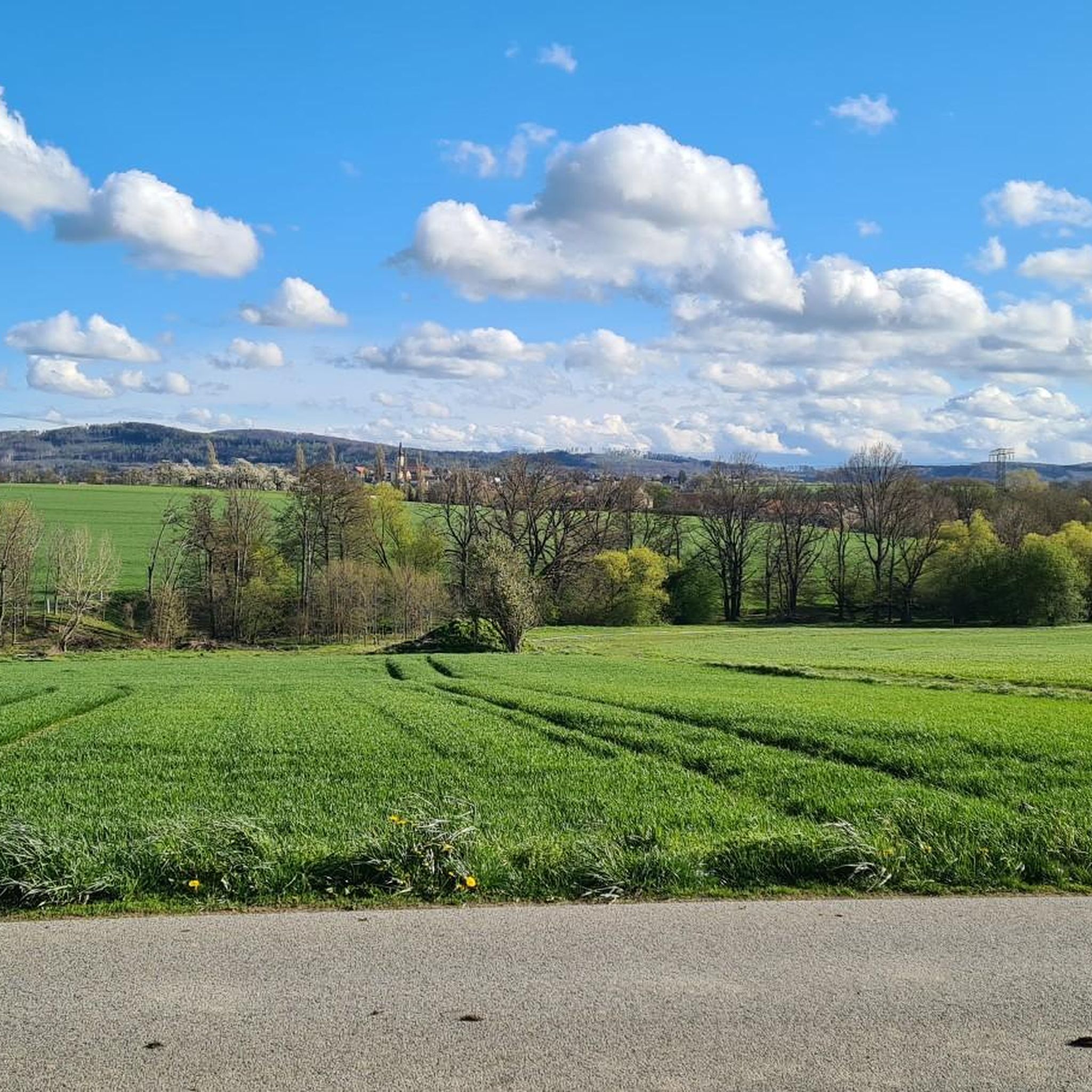
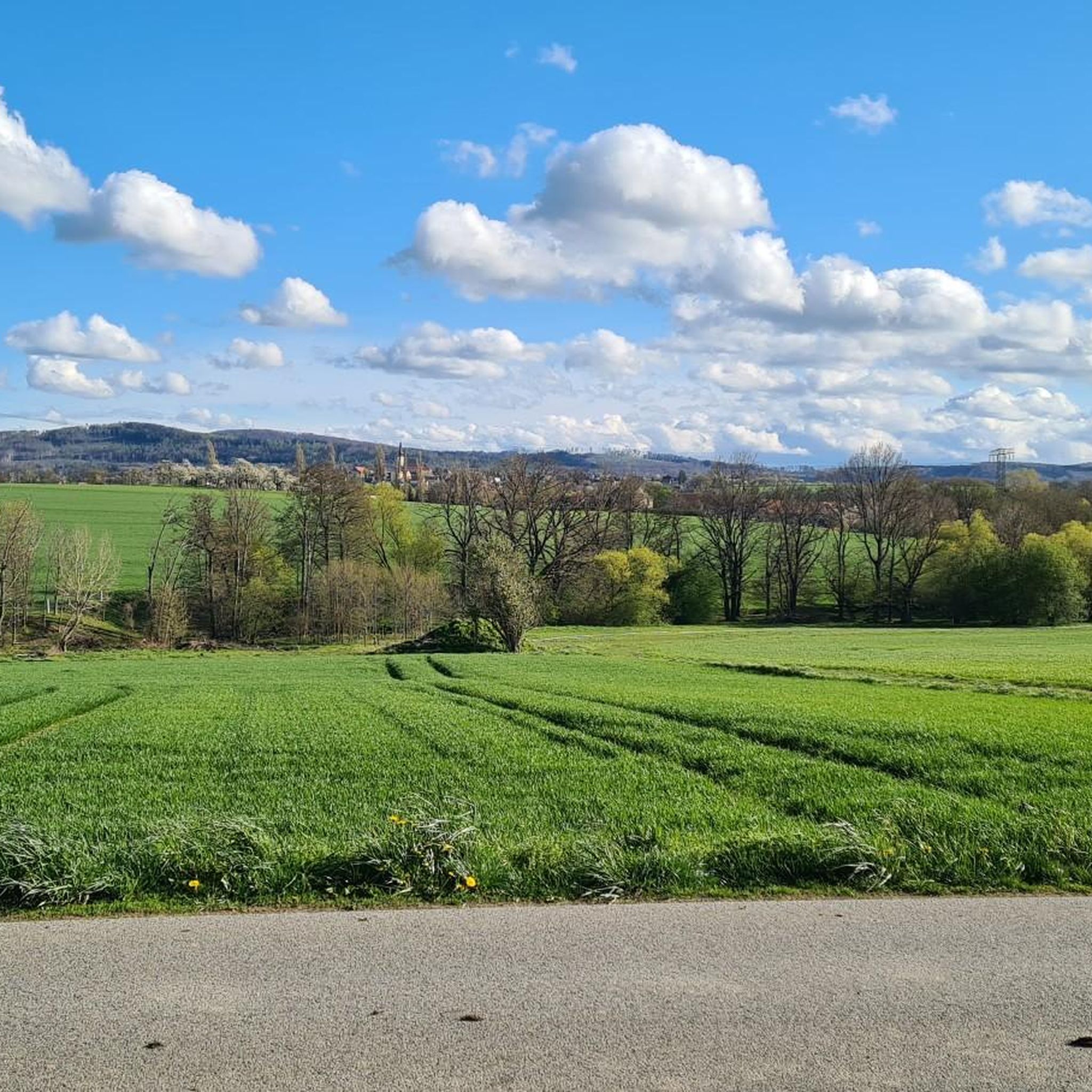
Mountains always attract magically - nicely depicted here.
0
0

The money cellar is an interesting rock formation
0
0

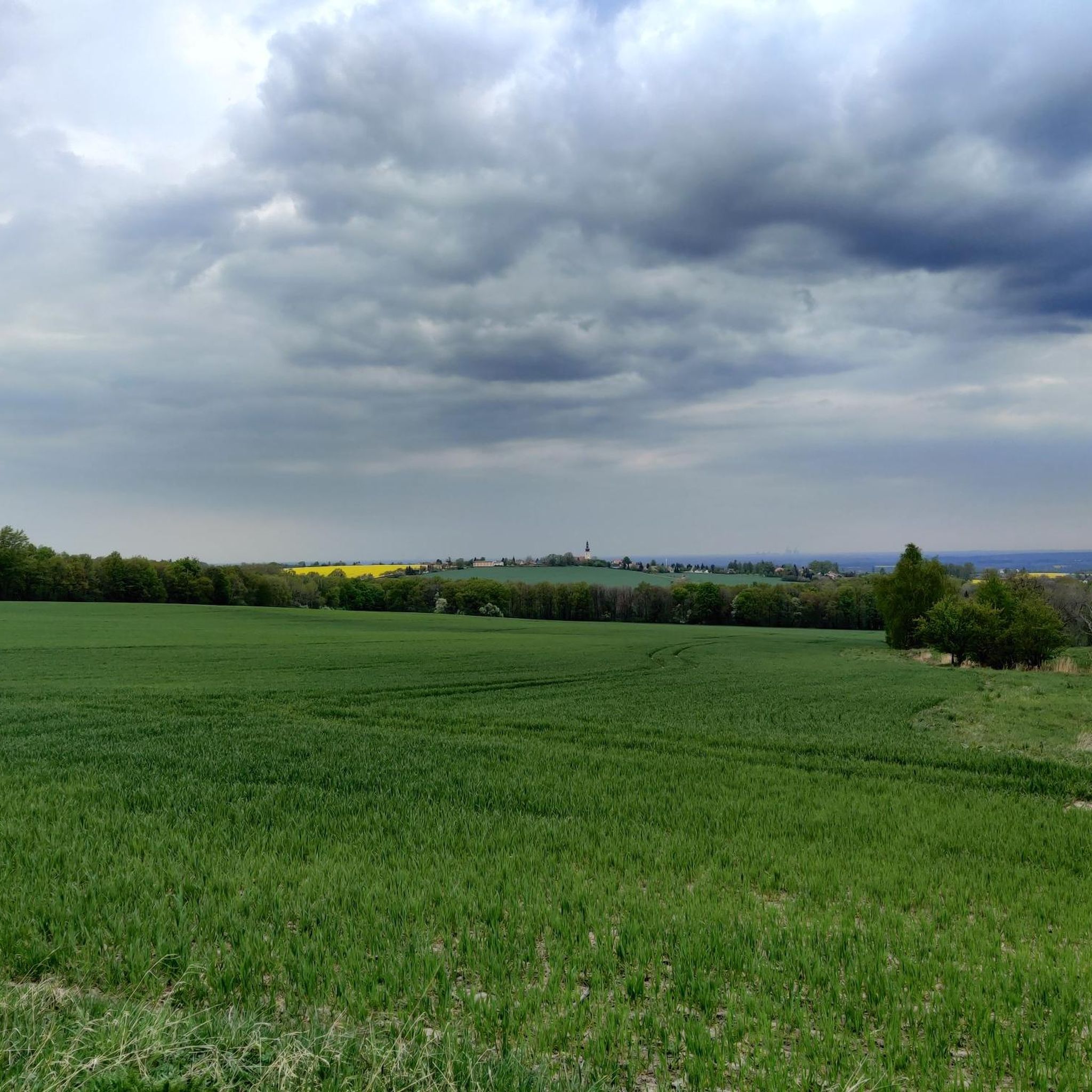
The location is slightly out of the way and therefore wonderfully quiet. Perfect for observing animals over water and meadows.
1
0

Great rock formation near the mountain inn
0
0

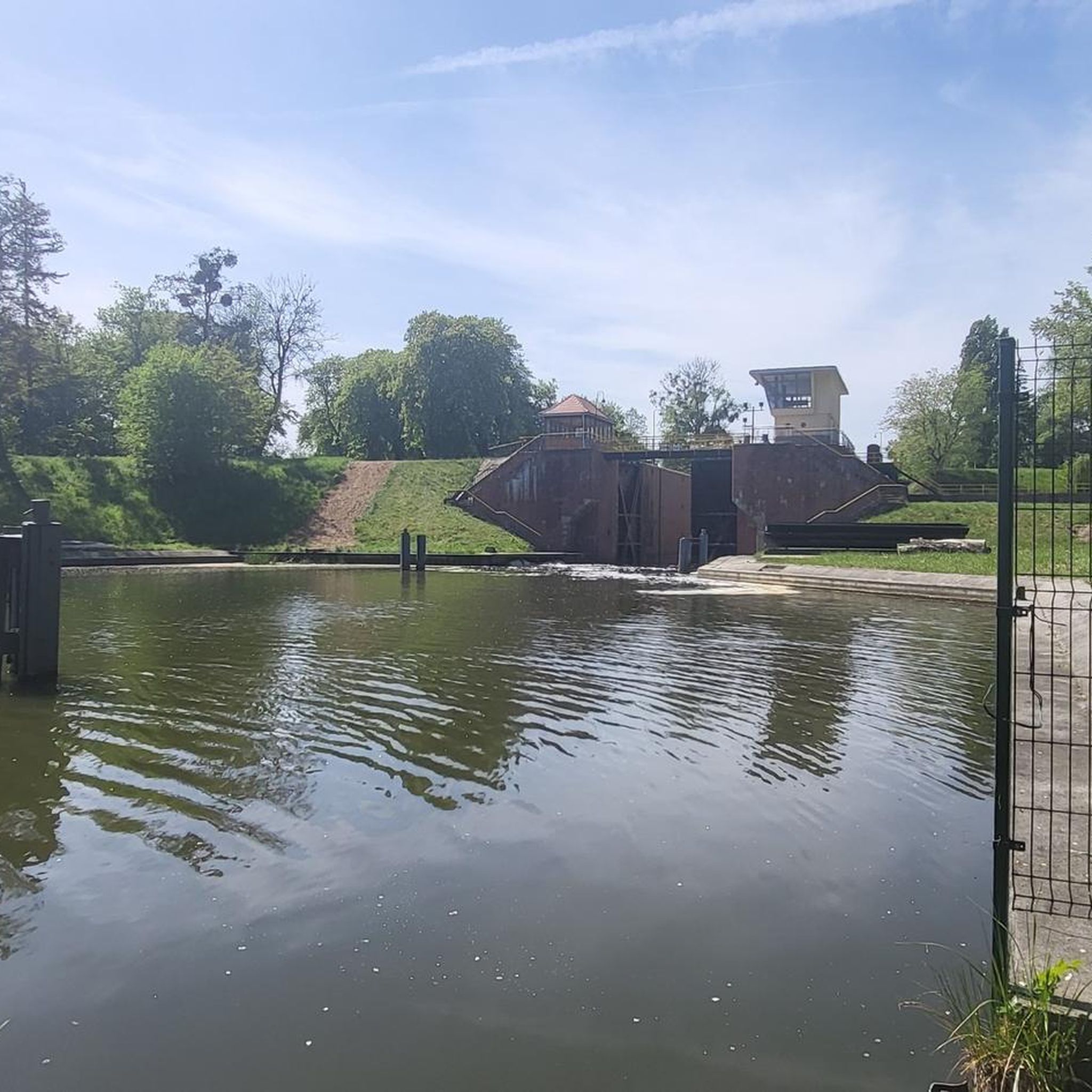
From the tower you can look very well over the Brösaer Teich and watch the animals
1
0
This map with the pond landscape and the other sights hangs on the observation tower
0
0

story Trying to unravel a mystery. In the spring of 2006 we discovered a large hand-shaped weathering depression in the rocks of Upper Lusatia. We baptized it "God's Hand" Maybe it was just a whim of nature. Nevertheless, measurements carried out in the spring of 2007 yielded a surprising result: if you looked out of the triangular viewing hole of a nearby cave over the "God's Hand" towards the sky, you could see the noon point of the winter solstice directly. ... An accident? Since then we have systematically visited every rock known to us in Upper Lusatia and many more, examined them for characteristics and measured them. We discovered more solar observation phenomena. Individual rock objects with one or more viewing windows are particularly impressive. These viewing windows often mark not only the midday sun of the winter solstice, but also the morning and evening sun of both the winter and summer solstices and the beginning of spring and autumn. Some rocks reflect the observation scheme of the prehistoric "Nebra Sky Disc" discovered in Saxony-Anhalt even reflected 1:1. ... Is it really all just a coincidence???? We don't think so! We are of the opinion that although nature in many cases created the conditions for numerous viewing windows through crevasses and fissures in the rock, their alignment to always the same specific points in the sky is in many cases a deliberate work of man with the intention of using the suns and their movement in the sky to determine the length of the year and to divide it into periods. Undoubtedly traces of this targeted human influence and even stone tools used for this purpose have already been discovered and recorded in expert reports. In 2008, with the support of the star friends of the observatory "Bruno H. Bürgel" e.V. Sohland/Spree, we launched the "Project-Götterhand" to investigate the phenomenon. Source: Hand of the Gods
0
0

Not being able to sit is intentional. Children could climb and fall. Always look from this point of view. It's a protection. That's why the railing is so high.
1
0
Frequently Asked Questions
What are some of the most notable natural monuments to visit around Hochkirch?
The region around Hochkirch features several compelling natural monuments. Highlights include the Kälbersteine and Kälbersteinbaude, a summit with exciting rock formations, and the Devil's Pulpit, known as a mystical and energetic place. Another unique spot is the Birdwatching Tower at Brösaer Pond, offering excellent views of local flora and fauna.
Are there any natural monuments with historical or legendary significance in the Hochkirch area?
Yes, several natural monuments around Hochkirch are steeped in history and legend. The Devil's Window rock formation on Czorneboh Mountain is linked to Sorbian legends and ancient cult sites. Similarly, the Geldkeller Rock Formation has a legend about a secret cellar of gold opening on St. John's Day, with the sun's alignment playing a role in its mystical reputation.
What kind of outdoor activities can I do near the natural monuments around Hochkirch?
The natural monuments around Hochkirch are excellent starting points for various outdoor activities. You can find numerous hiking trails, including easy walks like those around Czorneboh, and cycling routes. For more detailed information on routes, explore guides such as Easy hikes around Hochkirch or Cycling around Hochkirch.
Are there family-friendly natural monuments or activities suitable for children?
Yes, the region offers options for families. The Birdwatching Tower at Brösaer Pond is a family-friendly viewpoint where children can observe local birds. Additionally, the Geldkeller Rock Formation is noted as family-friendly, and many of the easy hiking trails around Hochkirch are suitable for families.
What are the best hiking trails to explore the natural monuments?
For exploring the natural monuments, consider trails that lead to specific highlights. For instance, the Devil's Pulpit features a flat, rooty hiking trail. The Czorneboh Mountain area, home to the Devil's Window rock formation, offers trails like the Czorneboh Nature Trail, which can be found in the Easy hikes around Hochkirch guide.
Can I reach the natural monuments around Hochkirch using public transport?
While specific bus routes to individual natural monuments like Czorneboh exist, public transport access can vary. For planning your visit, it's advisable to check local bus schedules, especially if you're relying on public transport to reach trailheads or specific sites like Czorneboh Mountain from nearby towns such as Pommritz Bahnhof.
Are there any viewpoints offering panoramic views of the region?
Absolutely. Czorneboh Mountain, located between Hochkirch and Cunewalde, is the highest point of this foothill of the Lusatian Highlands and features an observation tower at its summit, providing expansive panoramic views. The Birdwatching Tower at Brösaer Pond also offers a nice overview of the pond area's flora and fauna.
What is the best time of year to visit the natural monuments in Hochkirch?
The natural monuments around Hochkirch can be enjoyed throughout the year, with each season offering a different experience. Spring and autumn provide pleasant temperatures for hiking and vibrant natural colors. Summer is ideal for longer days outdoors, while winter, especially with snow, can transform the landscape into a serene, picturesque setting. Always check local weather conditions before your visit.
Are there places to eat or get refreshments near the natural monuments?
Yes, some natural monuments have facilities nearby. For example, Czorneboh Mountain hosts a mountain hostel at its summit, which typically offers refreshments. The Kälbersteine and Kälbersteinbaude also includes a restaurant, making it a convenient stop for visitors.
Are dogs allowed on the trails and at the natural monuments?
Generally, dogs are welcome on hiking trails in the Hochkirch area. However, it's always recommended to keep them on a leash, especially in nature protection areas or near wildlife. Specific rules may apply to certain sites or indoor facilities, so it's best to check for any posted regulations at the entrance to each monument or trail.
What unique geological features can be found among Hochkirch's natural monuments?
Hochkirch's natural monuments boast unique geological features. The Kälbersteine are known for their exciting rock formations. The Devil's Window rock formation on Czorneboh Mountain is a distinctive natural arch. Additionally, the Geldkeller Rock Formation includes a small cave and viewing slits aligned with solstices, showcasing fascinating natural rock structures.
Where can I find parking when visiting the natural monuments?
Parking availability varies by location. For instance, to visit the Geldkeller Rock Formation, there is a parking lot between the two hilltops on the road to Löbauer Berg, from which the site is signposted. For other natural monuments and trailheads, look for designated parking areas, often found at the beginning of popular hiking routes or near mountain hostels.
Most popular routes around Hochkirch
Most popular attractions around Hochkirch

Get inspired with the komoot mobile app


Explore more
Extend your search for the best caves by checking out these guides of the top ones around Hochkirch:
