Top 20 Natural Monuments around Neschwitz
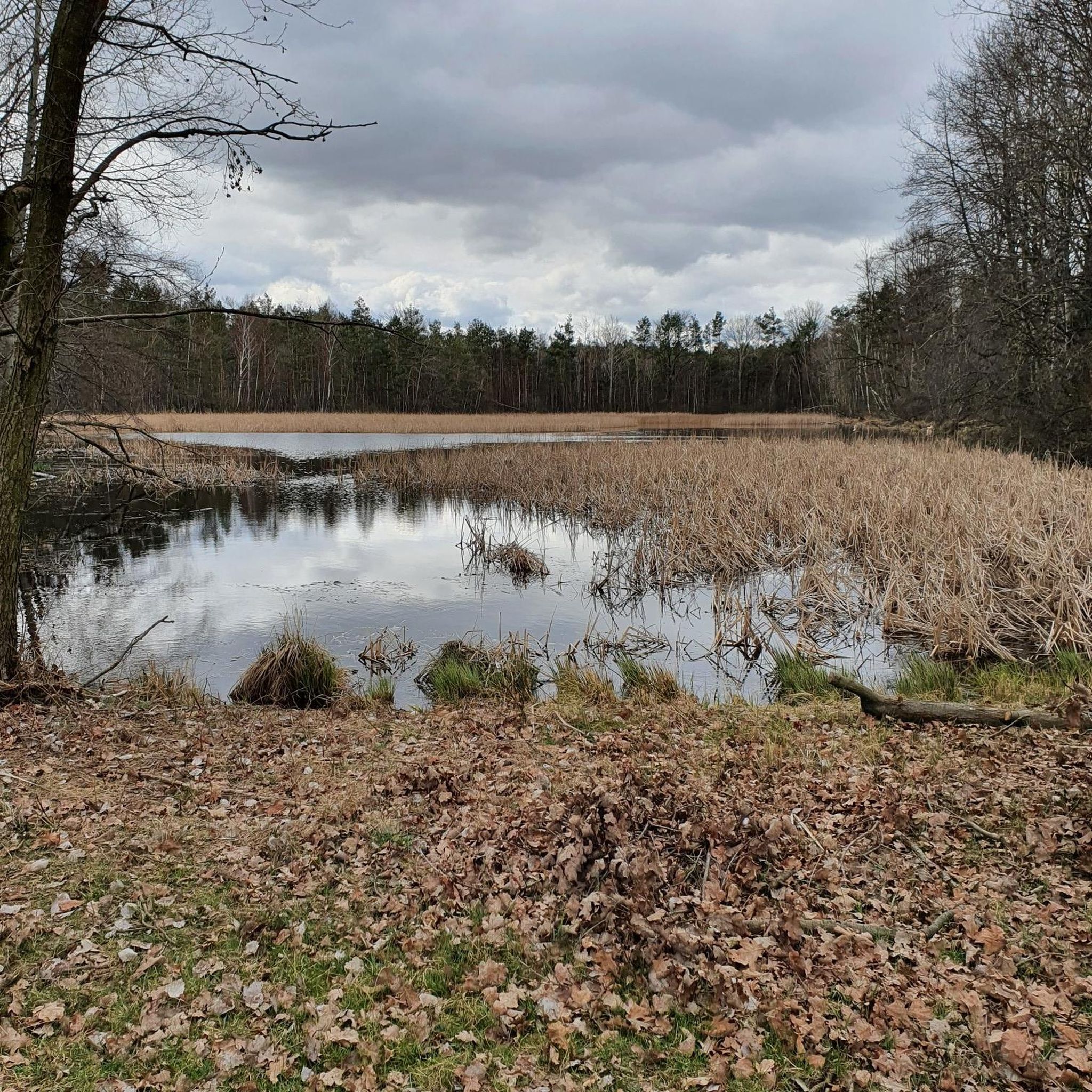
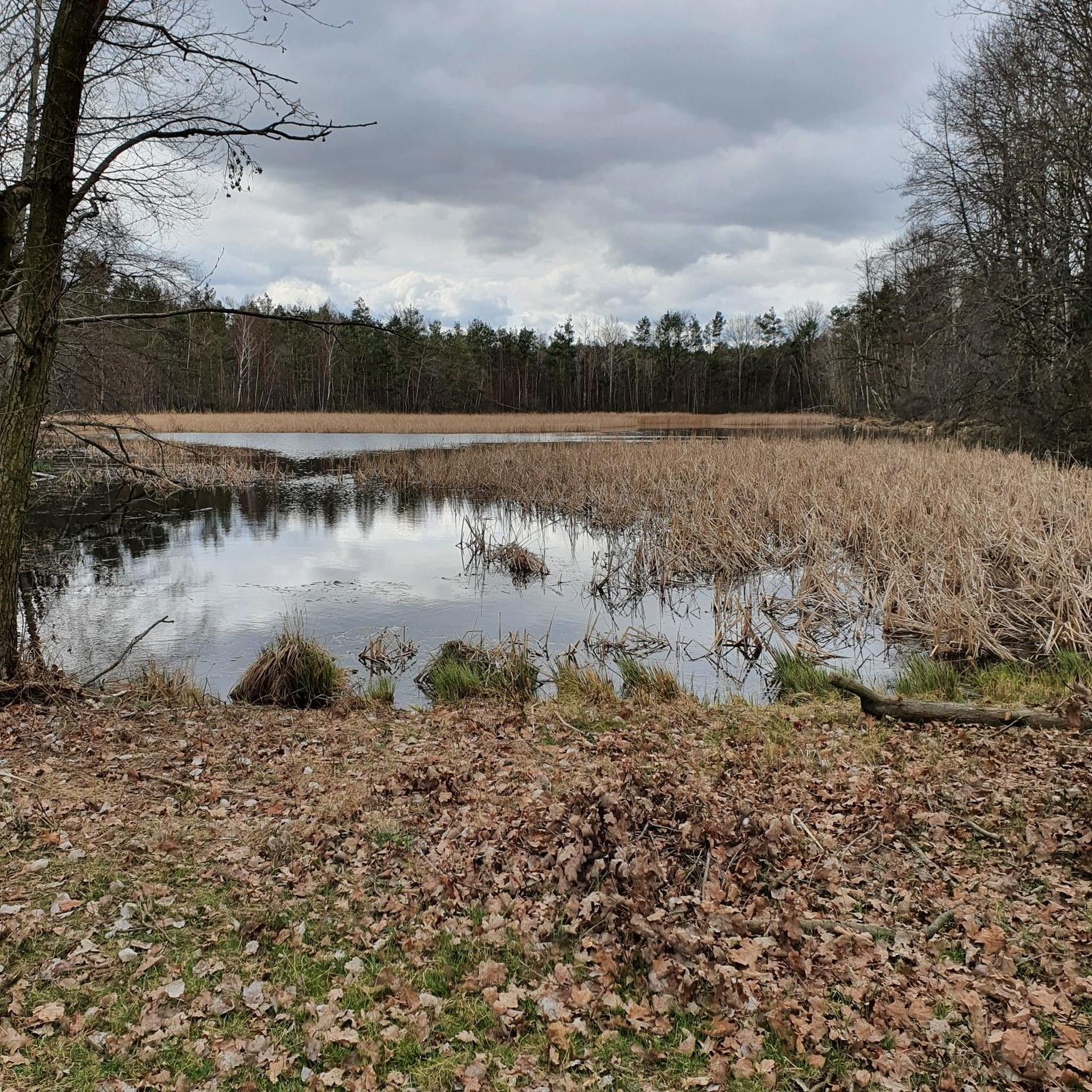
Best natural monuments around Neschwitz are situated on the edge of the UNESCO biosphere reserve "Oberlausitzer Heide- und Teichlandschaft". This region features diverse ecosystems, including heathlands, extensive pond systems, and forests. The landscape provides habitats for various flora and fauna, offering opportunities for nature exploration. The area is characterized by a mix of natural features and historical sites.
Best natural monuments around Neschwitz
- The most popular natural monuments is Spree Cycle Path at Doberschauer Schanze, a cycle_way that follows…
Last updated: May 12, 2026
Spree Cycle Path at Doberschauer Schanze
Highlight • Cycleway
Translated by Google •
Tip by

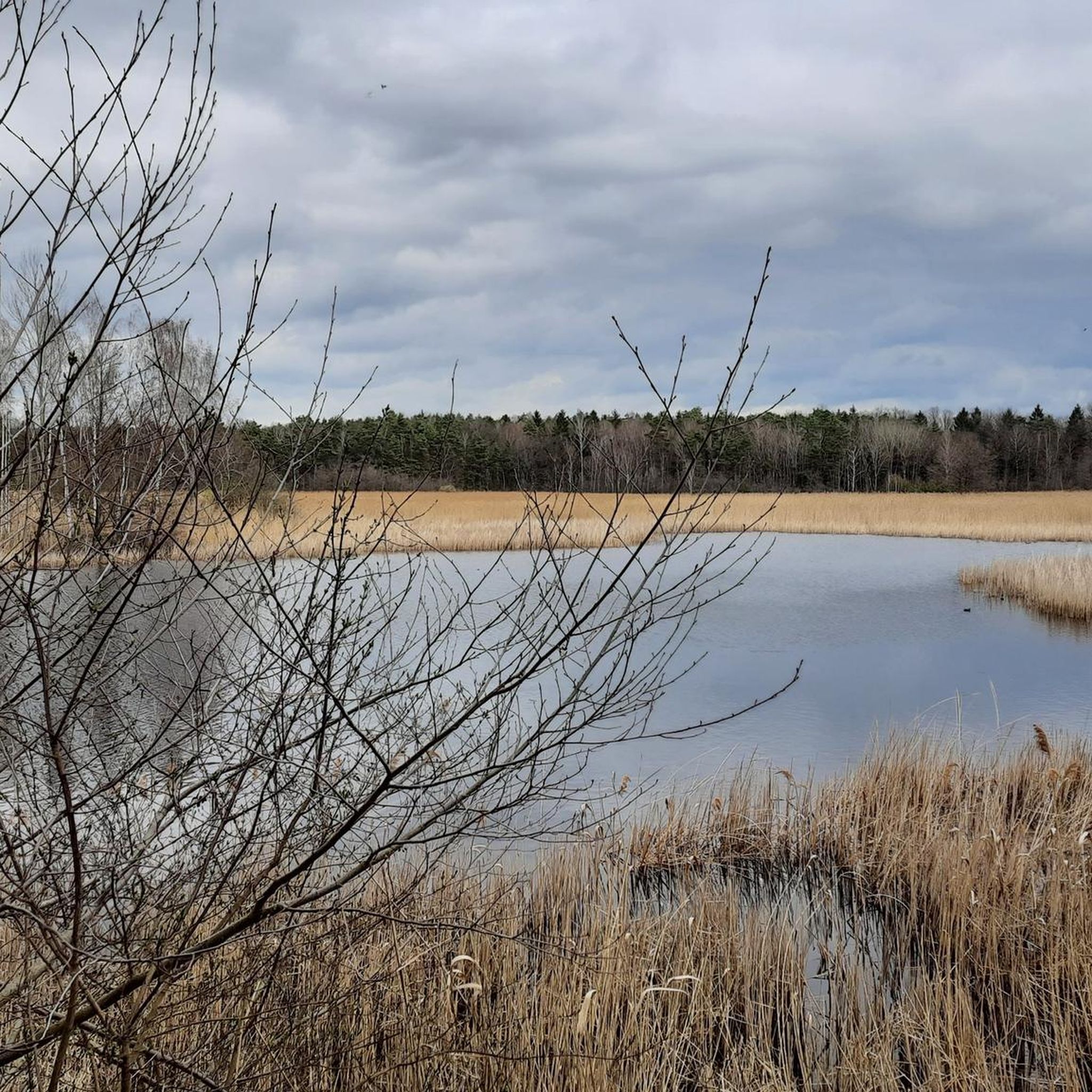
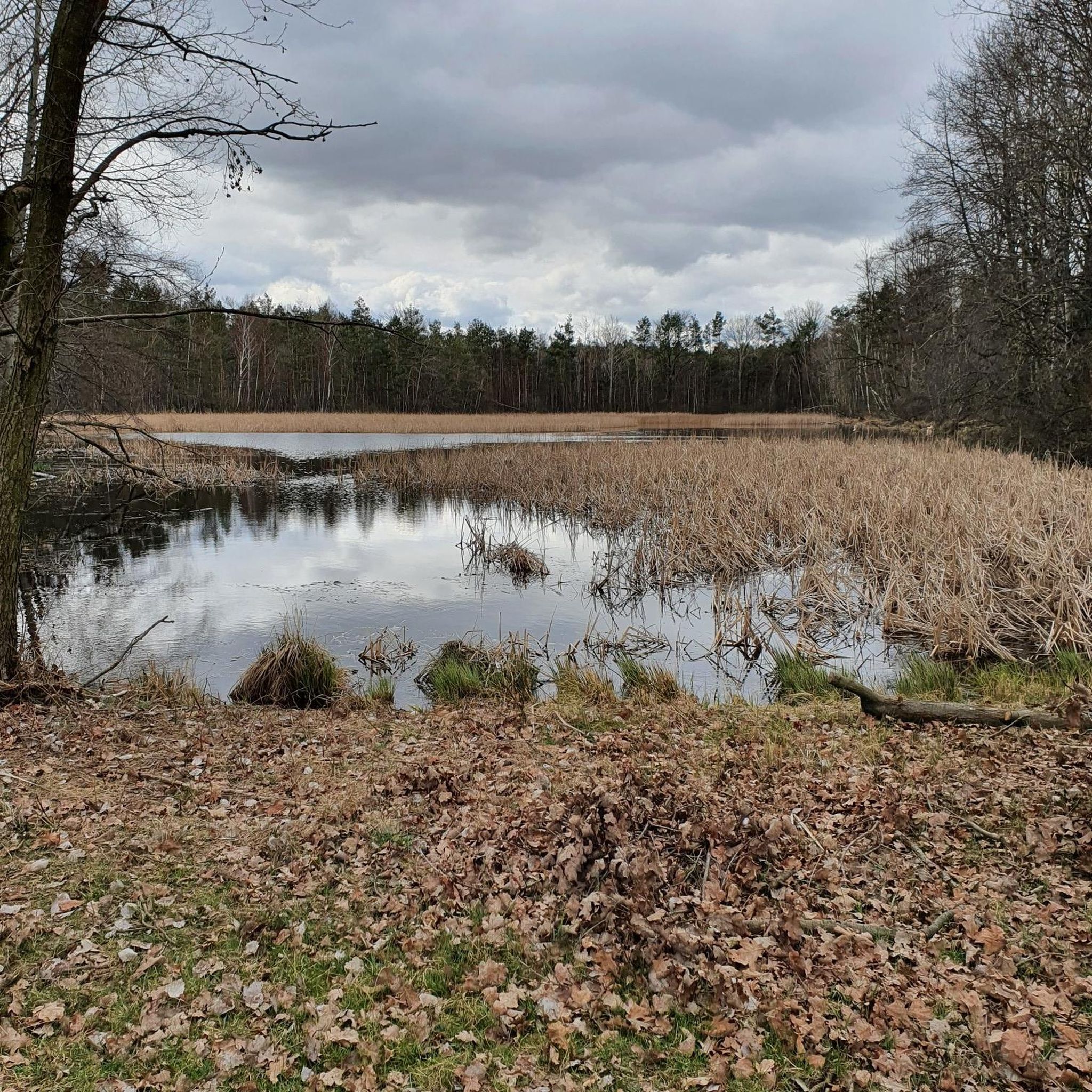
Upper Lusatian Heath and Pond Landscape
Highlight • Lake
Translated by Google •
Tip by

Sign up now to discover places like this
Get recommendations on the best single tracks, peaks, & plenty of other exciting outdoor places.
Sign up for free
Ostroer Schanze (Saxon Troy) Archaeological Site
Highlight • Historical Site
Translated by Google •
Tip by

Miltitzer Frog
Highlight • Natural Monument
Translated by Google •
Tip by

Niederkaina Manor Park
Highlight • Historical Site
Impressive trees including mighty silver maple (Acer saccharinum), red oak (Quercus robur)
From 1589 to 1625 owned by the city of Bautzen, 1719 owned …
Translated by Google •
Tip by

Sign up for free to discover even more natural monuments around Neschwitz.
Sign up for free
Already have an account?
Start today with a free account
Your next adventure awaits.
Login or Signup

Other adventures around Neschwitz

Tips from the Community

Narrow, mostly tarred path along the Spree, which is dammed here. Occasional tree root bumps. And many opportunities to take a break on the bank.
1
0

The nearly 3,000-year-old ramparts of Ostro are enthroned on a spur above the Klosterwasser valley. It is undoubtedly the most imposing archaeological monument in Upper Lusatia. In the 7th century B.C. The settlement was first fortified by the Billendorfer group, the people of the final phase of the Lusatian culture. The enormous amount of material and effort that was used to build the wall testifies to the high level of organization in early society and is astounding. Many mysteries entwine around the impressive testimony. A look into the past that is worthwhile.
0
0

There is a path leading to the cliff. Attention danger of falling!
1
0
The Doberschauer Schanze (Upper Sorbian Dobrušanske hrodźišćo, also Skalenburg Dobruš) is an oval ring wall about 300 m south of Doberschau in Upper Lusatia over the 30 m high impact slope on the right bank of the Spree, which is only the remains of the former fortification. In addition to the Budusin (Bautzen) tribal fortress 4.5 km to the north-east, the Slavic rock castle Dobruš is one of the most important early historical finds in the Bautzen area. The Spree used to flow directly around the rocky steep slope and thus provided excellent protection from the river side. On the other side of the field, a mighty stone/earth circular wall and strong palisades protected the complex. This made Dobruš impregnably fortified around the year 1000. In 1006, King Heinrich II gave Meissen Abbey three castles in the Milzen district. The castle is mentioned for the first time in the deed of donation. The »Trebista« mentioned here cannot be localized with certainty. Historians interpret either Dobruša / Doberschau or Kleindrebnitz near Bischofswerda as Trebista and belonged to the first property of the Church of Meissen in this region. In 1223/1241, the narrow strip of land between Sebnitz and Doberschau, which was under the rule of the bishops of Meissen, is mentioned in the third section of the Oberlausitz border document. This was administered from Dobruš, but since the Burgward constitution was not as widely used in later Upper Lusatia as it was west of the Elbe, it was quickly forgotten. Source: Wikipedia
1
0


The nearly 3,000-year-old ramparts of Ostro are enthroned on a spur above the Klosterwasser valley. It is undoubtedly the most imposing archaeological monument in Upper Lusatia. In the 7th century B.C. The settlement was fortified for the first time by the Billendorfer group, the people of the final phase of the Lusatian culture, with an enormous expenditure of material and strength. About 2000 years later, the spur was visited again and fortified during the Slavic settlement period. A mighty sectional wall with a ditch in front of it has since divided the spur into an upper and a lower castle. From the 12th century, a hilltop castle was built on the eastern wall as part of the German settlement in the East.
0
0
Belongs to the sun shrines of Upper Lusatia. At sunrise on the summer solstice, the sun shines through an opening in the stone. Project Hand of the Gods In the times when Christianity and paganism were still fighting each other for dominance in Lusatia, a pagan sorcerer lived in the place, who persecuted the Christians most bitterly. Any means of doing so was fine with him. – Late on a stormy, rainy night, a hiker knocked on his hut and asked for a lodging for the night with the greeting: “Praise be to Jesus Christ”. But the magician cried out: "Cursed be Jesus Christ!" and wanted to drive the stranger away with a stick. But he said: "You shall be a sign of how God punishes sinners!" and touched him with his staff. Then the hut disappeared along with the magician, and in its place stood that frog-like stone structure. (After Haupt, Book of Legends of Lusatia.)
0
0

In the middle of the forest near Nebelschütz/Miltitz there is a 5 m high rock. For more information see: https://www.quackensturm.de/anderegebirge/ostsaechsische-klettergebiete/683-miltitzer-frosch
0
0
Frequently Asked Questions
What are the main natural attractions to explore around Neschwitz?
The Neschwitz area is situated on the edge of the UNESCO biosphere reserve Upper Lusatian Heath and Pond Landscape. This expansive reserve features diverse ecosystems, including heathlands, extensive pond systems, and forests, providing a rich habitat for various flora and fauna. You can also explore historical natural monuments like the Spree Cycle Path at Doberschauer Schanze, which combines natural beauty with ancient fortifications.
Are there any historical natural monuments in the Neschwitz area?
Yes, the region boasts several historical natural monuments. The Spree Cycle Path at Doberschauer Schanze features the remains of an oval ring wall, offering a glimpse into early historical fortifications along the Spree river. Another significant site is the Ostroer Schanze (Saxon Troy) Archaeological Site, where nearly 3,000-year-old ramparts are enthroned above the Klosterwasser valley, representing one of Saxony's most imposing archaeological monuments.
What kind of wildlife can I expect to see in the Upper Lusatian Heath and Pond Landscape?
The Upper Lusatian Heath and Pond Landscape is renowned for its diverse ecosystems, including heathlands, forests, and over 300 ponds. These varied habitats support a wide array of plant and animal species. It's an ideal location for birdwatching, thanks to the numerous ponds that attract various bird species. You can experience truly undisturbed nature, making it a prime spot for wildlife observation.
Are there family-friendly natural monuments or activities around Neschwitz?
Yes, the Upper Lusatian Heath and Pond Landscape is considered family-friendly, offering opportunities to explore its extensive pond systems and diverse natural settings. Additionally, the Niederkaina Manor Park provides a pleasant, accessible environment with impressive trees and historical context, suitable for families.
What outdoor activities can I do near the natural monuments in Neschwitz?
The area around Neschwitz is excellent for various outdoor activities. You can enjoy cycling on routes like the 'Crane, Carp, Fire-bellied Toad' or 'Malschwitzer Ponds Cycle Path' which often pass through natural areas. For hiking, trails such as 'Great Holschaer Pond' or 'Old Pond near Holschdubrau' offer scenic walks. Gravel biking is also popular, with routes like 'Uhyst Beach at Lake Bärwalder'. You can find more details on these activities in the Cycling around Neschwitz, Hiking around Neschwitz, and Gravel biking around Neschwitz guides.
Is there a natural spring with special significance in the area?
Yes, the St. Mary's Spring is a natural monument with cultural significance. Its water is traditionally believed to have healing powers, particularly for the eyes, and is also associated with fertility. The spring is built over with a chapel and features a prayer cross nearby, making it a site of pilgrimage.
What is the best time to visit the Upper Lusatian Heath and Pond Landscape?
The Upper Lusatian Heath and Pond Landscape is particularly beautiful in the morning or in the evening, offering serene views of its endless pond landscape. Spring and autumn are generally excellent for birdwatching and enjoying the diverse flora, while summer allows for longer days to explore. Winter can offer a unique, tranquil experience, especially for hiking.
Are there any parks with natural features near Neschwitz?
The Niederkaina Manor Park is a notable example. While primarily a historical site, it features impressive trees, including mighty silver maples and red oaks, within a well-maintained park setting. It offers a blend of cultivated nature and historical architecture, providing a pleasant natural environment for visitors.
What kind of terrain can I expect on hiking and cycling trails around Neschwitz's natural monuments?
The terrain varies depending on the specific trail. For instance, the Spree Cycle Path at Doberschauer Schanze is described as a narrow, mostly tarred path along the Spree, with occasional tree root bumps. Within the Upper Lusatian Heath and Pond Landscape, you'll find well-marked trails winding through woodlands and along river valleys, generally offering undisturbed nature experiences. Some areas may feature lowlands, dunes, and moraine areas, reflecting the region's glacial history.
Can I find viewpoints to appreciate the natural beauty of the Neschwitz region?
Yes, several natural monuments offer excellent viewpoints. The Spree Cycle Path at Doberschauer Schanze provides views over the Spree river. The Ostroer Schanze (Saxon Troy) Archaeological Site is enthroned on a spur above the Klosterwasser valley, offering panoramic vistas. The Upper Lusatian Heath and Pond Landscape itself, with its extensive pond systems, provides numerous scenic spots to take in the vast natural scenery.
What do visitors particularly enjoy about the natural monuments around Neschwitz?
Visitors appreciate the unique combination of natural beauty and historical significance. The 'endless pond landscape' of the Upper Lusatian Heath and Pond Landscape is a highlight, especially in the morning or evening. The historical context of sites like the Spree Cycle Path at Doberschauer Schanze and Ostroer Schanze (Saxon Troy) Archaeological Site, with their ancient fortifications, also draws significant interest. The area is valued for its opportunities to experience undisturbed nature and explore diverse ecosystems.
Most popular routes around Neschwitz
Most popular attractions around Neschwitz

Get inspired with the komoot mobile app


Explore more
Extend your search for the best caves by checking out these guides of the top ones around Neschwitz:
