Top 20 Natural Monuments around Steina
Best natural monuments around Steina are found in Saxony, Germany, within the district of Bautzen. The region is characterized by picturesque natural surroundings, including idyllic forests, numerous lakes, and rivers. Mountains such as Czorneboh and Schwedenstein contribute to the local landscape. This area provides diverse natural features for outdoor exploration.
Best natural monuments around Steina
- The most popular natural monuments is Keulenberg Summit — Observation Tower and Monuments, a summit featuring an observation tower. This location offers extensive views…
Last updated: June 25, 2026
Keulenberg Summit — Observation Tower and Monuments
Highlight • Summit
"The Royal Saxon Triangulation (here with its historical name) is a land survey carried out in the years 1862 to 1890 on the …
Translated by Google •
Tip by

Schwedenstein Tower and Restaurant
Highlight • Monument
Translated by Google •
Tip by

Sign up now to discover places like this
Get recommendations on the best single tracks, peaks, & plenty of other exciting outdoor places.
Sign up for free
Hochstein (Sibyllenstein) – Highest Point of Westlausitz
Highlight • Summit
Translated by Google •
Tip by

Wallroda Reservoir
Highlight • Lake
Translated by Google •
Tip by
Tiefental near Königsbrück
Highlight (Segment) • Gorge
Translated by Google •
Tip by

Sign up for free to discover even more natural monuments around Steina.
Sign up for free
Already have an account?
Start today with a free account
Your next adventure awaits.
Login or Signup
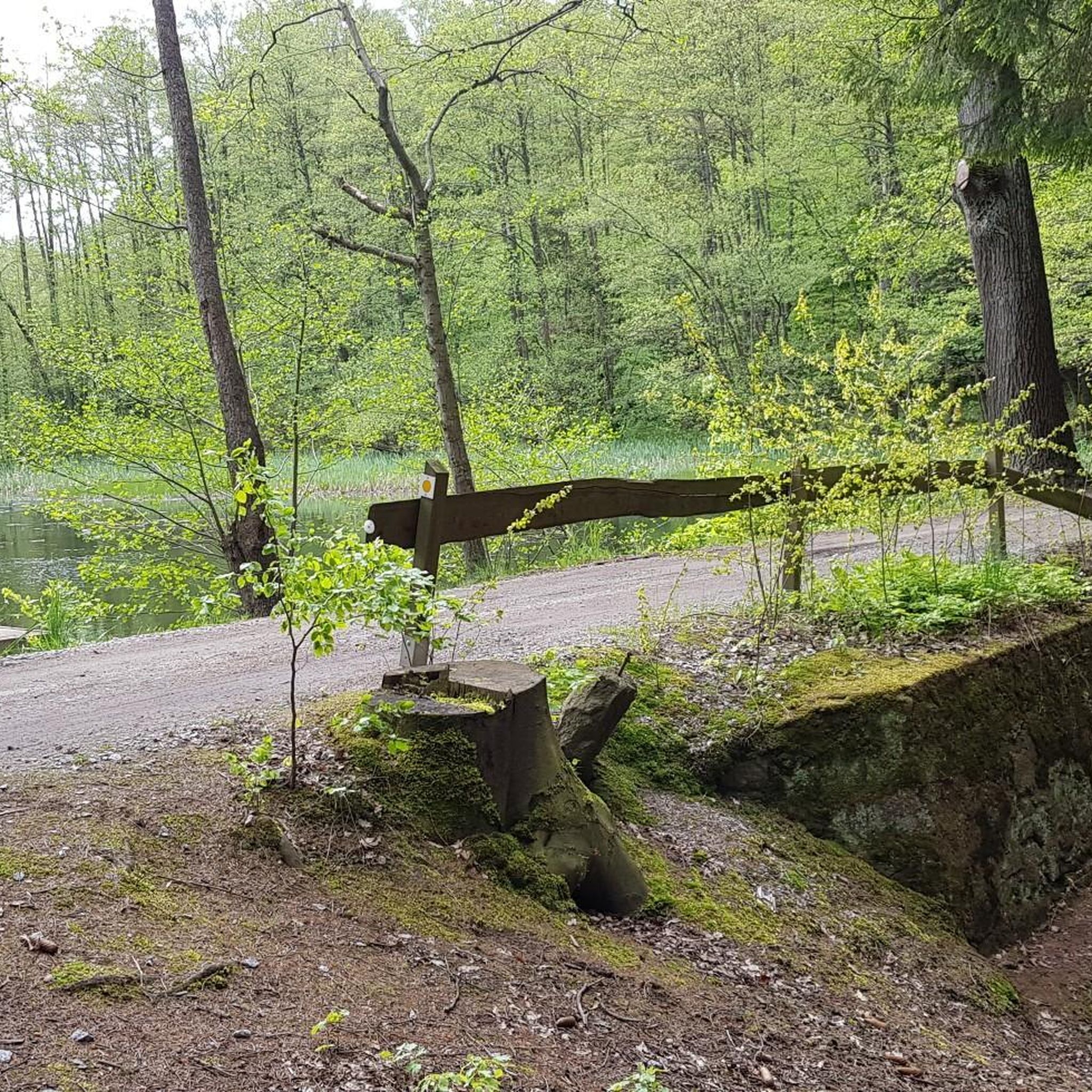
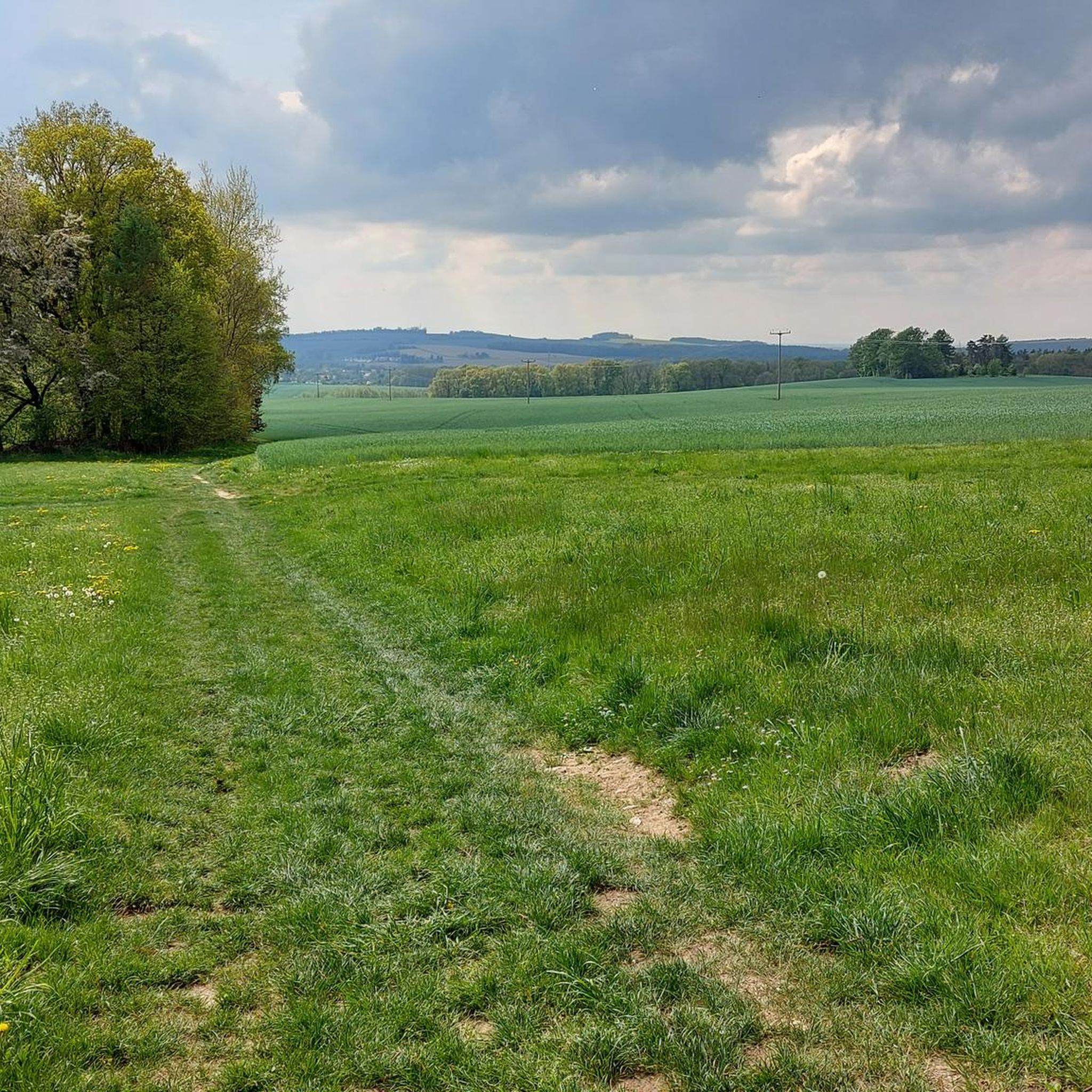
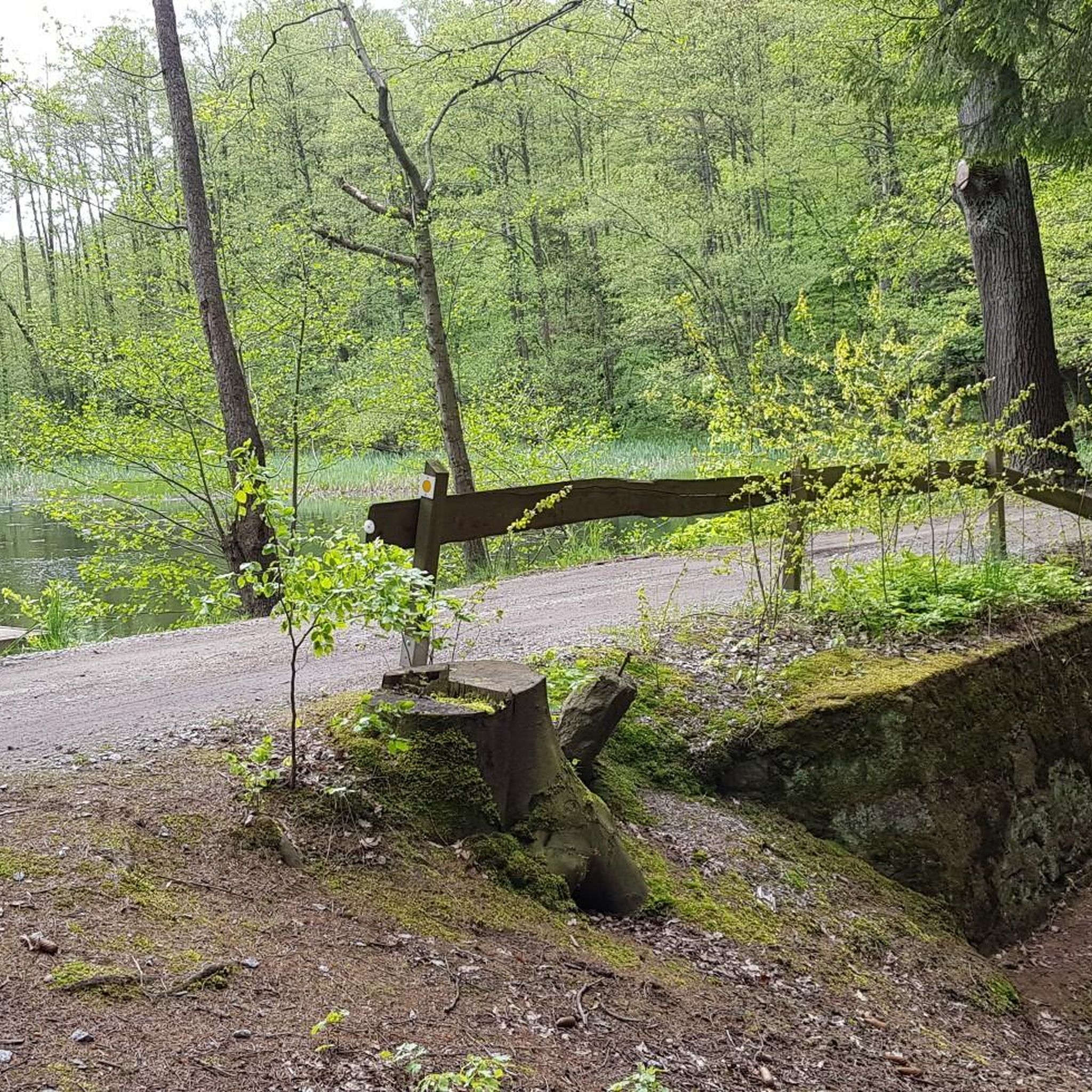
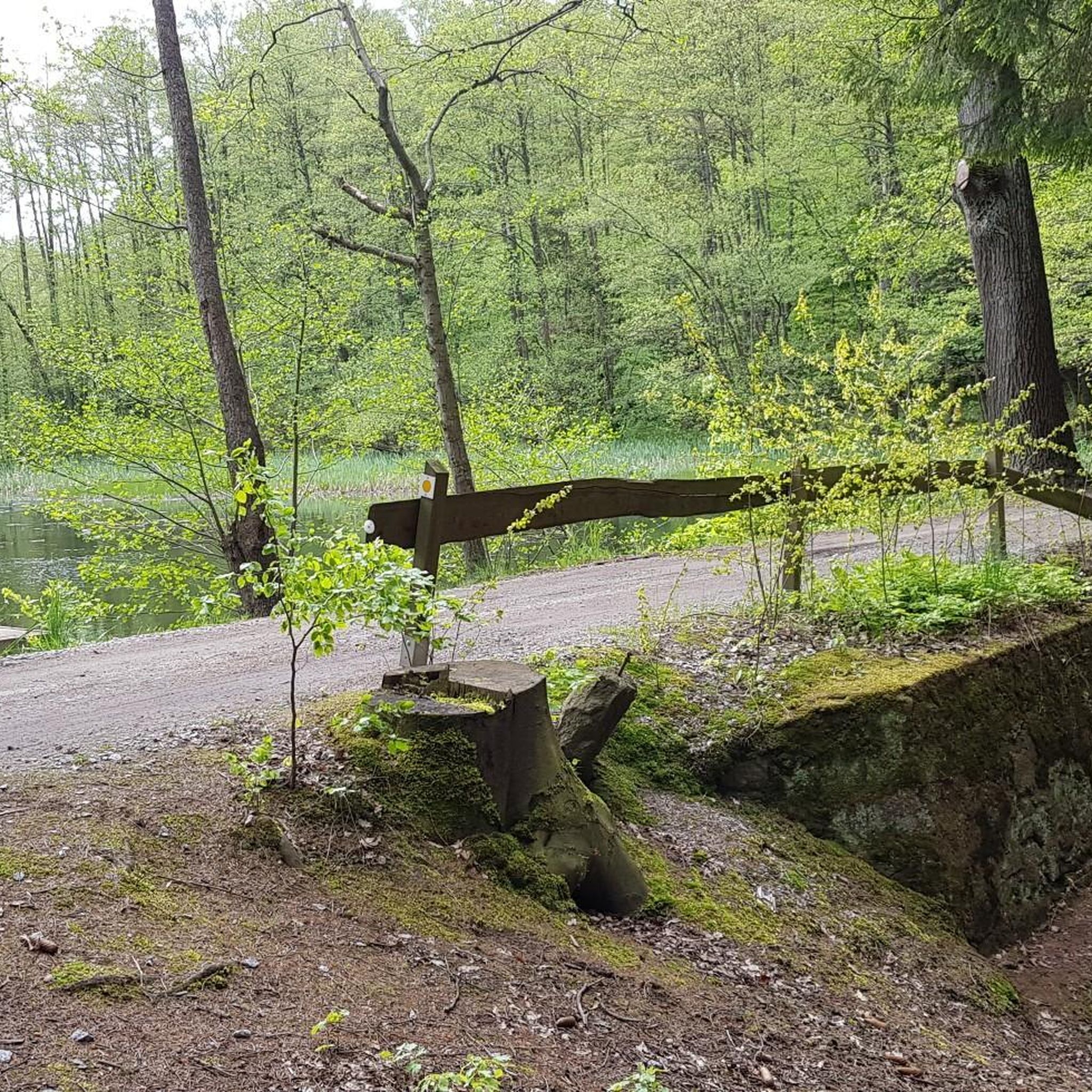
Tips from the Community

The Hochstein, also called Sibyllenstein (Sibinnen-Stein, Sibillenstein or Sybillen-Stein), Upper Sorbian Žiwiny, is a 449-metre-high mountain in Upper Lusatia in the Saxon district of Bautzen. It is the highest elevation in the Northwest Lusatian Uplands and the highest mountain in Upper Lusatia north of the A4.
4
0

There is a beautiful panoramic view from up here
5
0
The Schwedenstein is a 419.7 m above sea level[1] high mountain in West Lusatia...with a lookout tower and restaurants
7
0
If the trees around weren't so high then there would definitely be a great view :) otherwise a nice place to collect information and to rest
5
1

Possibly the most visited peak in the region, boasting a summit book to immortalise yourself in without climbing a meter!
3
1

The ascent to the tower 1.,- p.E. It's worth it for us, great view from the tower. Next to the tower also a public toilet. Good refreshment possible in the restaurant.
7
0

There is also a small circular route on Schwedenstein with very nice views of the mountainous landscape, the town of Steina, the town of Pulsnitz with the Keulenberg in the background and other surrounding places. This round is particularly attractive in winter on foot or on cross-country skis when everything is covered in deep snow.
4
0

The Hochstein, also called Sibyllenstein (Sibinnen-Stein, Sibillenstein or Sybillen-Stein), Upper Sorbian Žiwiny, is a 449 meter high mountain in West Lusatia and also the highest point in the mountains.
2
1
Frequently Asked Questions
What types of natural features can I explore around Steina?
The region around Steina is rich in diverse natural features. You can explore summits like Keulenberg Summit and Hochstein (Sibyllenstein), which offer panoramic views. There are also gorges such as Tiefental near Königsbrück, known for its untouched nature and river, and serene water bodies like the Wallroda Reservoir. The area is characterized by idyllic forests, lakes, and rivers, providing a varied landscape for outdoor activities.
Are there good hiking opportunities near the natural monuments in Steina?
Yes, Steina is an excellent base for hiking. You can find a variety of trails, including moderate options like the 'Schneider's Steenloch – Dorfhaus Leichlingen loop' or the 'Black Pond – Luchsenburgweg Shelter loop'. For easier walks, consider the 'View of Schwedenstein – Long Bench at Schwedenstein loop'. Many of these routes allow you to experience the region's natural beauty. You can find more hiking options in the Hiking around Steina guide.
What are some family-friendly natural monuments or activities in the Steina area?
For families, the Keulenberg Summit is a great choice, featuring an observation tower, a playground for children, and a snack bar open on Sundays. The Butterberg Observation Tower and Mountain Inn also offers family-friendly amenities. Additionally, the Wallroda Reservoir is noted as family-friendly, offering opportunities to enjoy the water and observe dragonflies. Many easy hiking loops are also suitable for families, such as those found in the Easy hikes around Steina guide.
Can I bring my dog on trails near Steina's natural monuments?
While specific regulations for each natural monument may vary, generally, many outdoor trails in the Steina region are dog-friendly. It's always recommended to keep your dog on a leash, especially in nature reserves or areas with wildlife, and to clean up after them. The extensive forest areas and circular hiking routes like the Luchsenburgweg are popular choices for walks with dogs.
Are there any historical or cultural aspects associated with the natural monuments in Steina?
Yes, several natural monuments in the region have historical significance. The Keulenberg Summit and the Butterberg Observation Tower were both part of the Royal Saxon Triangulation, a historical land survey from the 19th century. The observation towers themselves are historical structures offering insights into the region's past. The Hochstein (Sibyllenstein) also carries historical names and is a significant landmark in the Northwest Lusatian Uplands.
What is the best time of year to visit the natural monuments around Steina?
The natural monuments around Steina can be enjoyed throughout the year, each season offering a unique experience. Spring brings blooming flora, while autumn showcases vibrant foliage, making it ideal for hiking. Summer is perfect for exploring the forests and enjoying the lakes. Even winter can be beautiful for quiet walks, though some paths might be challenging depending on snow and ice conditions. Always check local weather forecasts before your visit.
Where can I find the best viewpoints to appreciate the natural beauty of Steina?
For expansive views, head to the observation tower at Keulenberg Summit, which offers a wonderful panorama. The Butterberg Observation Tower also provides terrific views of the surrounding landscape. From Hochstein (Sibyllenstein), you can enjoy views towards Schwedenstein and Keulenberg, even if the trees sometimes obscure parts of the vista.
Are there cycling routes available near the natural monuments in Steina?
Yes, the Steina region offers various cycling opportunities. You can find routes like the 'Brettmühlenteich Picnic Area – Rammenau Baroque Palace loop' or shorter, easier options such as the 'Kamenz Railway Viaduct – Royal Saxon Milestone loop'. These routes allow you to explore the picturesque natural surroundings by bike. More cycling options are detailed in the Cycling around Steina guide.
What kind of wildlife might I encounter in the natural areas around Steina?
The natural areas around Steina, particularly in untouched environments like Tiefental near Königsbrück, are home to various wildlife. Visitors have reported seeing beavers in the Tiefental. The Wallroda Reservoir is known for its diverse dragonfly population, including the great blue arrow and blood-red darter. The extensive forests also provide habitat for various birds and other forest animals.
Are there facilities like cafes or restaurants near the natural monuments?
Yes, some natural monuments offer facilities. The Keulenberg Summit has a snack bar that is typically open on Sundays. The Butterberg Observation Tower is complemented by a mountain inn, providing a place to rest and eat. For other areas, it's advisable to check for options in nearby towns or pack your own refreshments, especially for longer hikes.
What makes Tiefental near Königsbrück a unique natural monument?
Tiefental near Königsbrück is unique for its fantastically untouched nature and 'jungle character'. It's a nature reserve where the Pulsnitz river has cut a picturesque valley into the stony ground. Visitors often praise its serene environment and the chance to spot wildlife like beavers. It's considered a highlight in the region throughout the year.
How accessible are the natural monuments around Steina by public transport or car?
While specific public transport routes to every natural monument might be limited, Steina itself is a municipality in the district of Bautzen, Germany. Access to the broader region is generally good by car, with parking often available near trailheads or popular sites. For detailed public transport information to specific starting points, it's best to consult local transport schedules. Many hiking and cycling routes start directly from Steina or nearby villages.
Most popular routes around Steina
Most popular attractions around Steina

Get inspired with the komoot mobile app


Explore more
Extend your search for the best caves by checking out these guides of the top ones around Steina:
