Top 20 Natural Monuments around Großharthau
Best natural monuments around Großharthau are characterized by a blend of natural beauty and historical landscapes. The region features the Schlosspark Großharthau, a historical park with significant natural elements, and the Wesenitz River, an important ecological corridor. These areas offer opportunities for exploring diverse natural features and historical garden artistry. The landscape provides a setting for various outdoor activities, including hiking and nature observation.
Best natural monuments around Großharthau
- The most popular natural monuments is Historic Hydroelectric Power Plant in…
Last updated: October 11, 2026
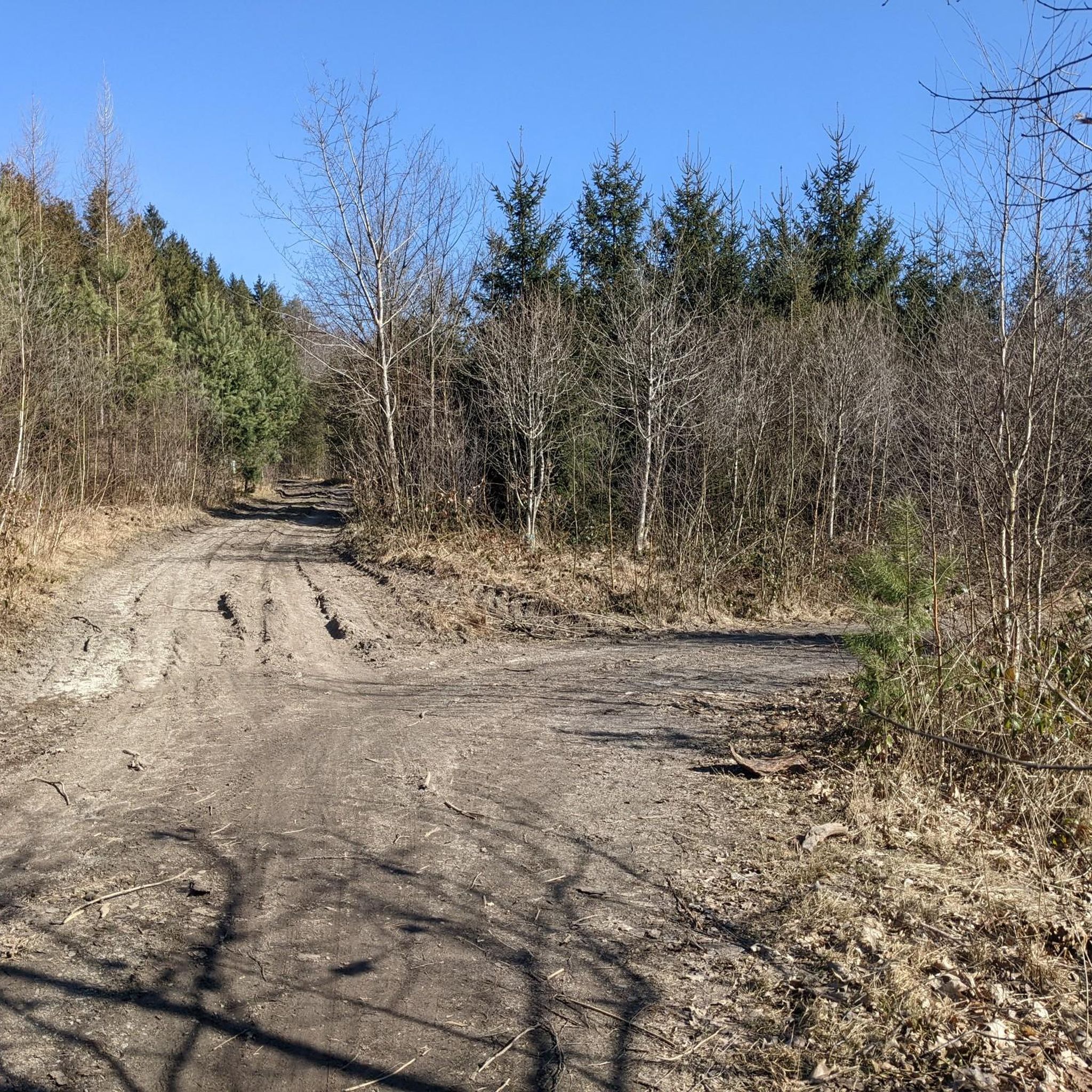
Historic Hydroelectric Power Plant in the Lohmener Klamm
Highlight • Monument
Translated by Google •
Tip by

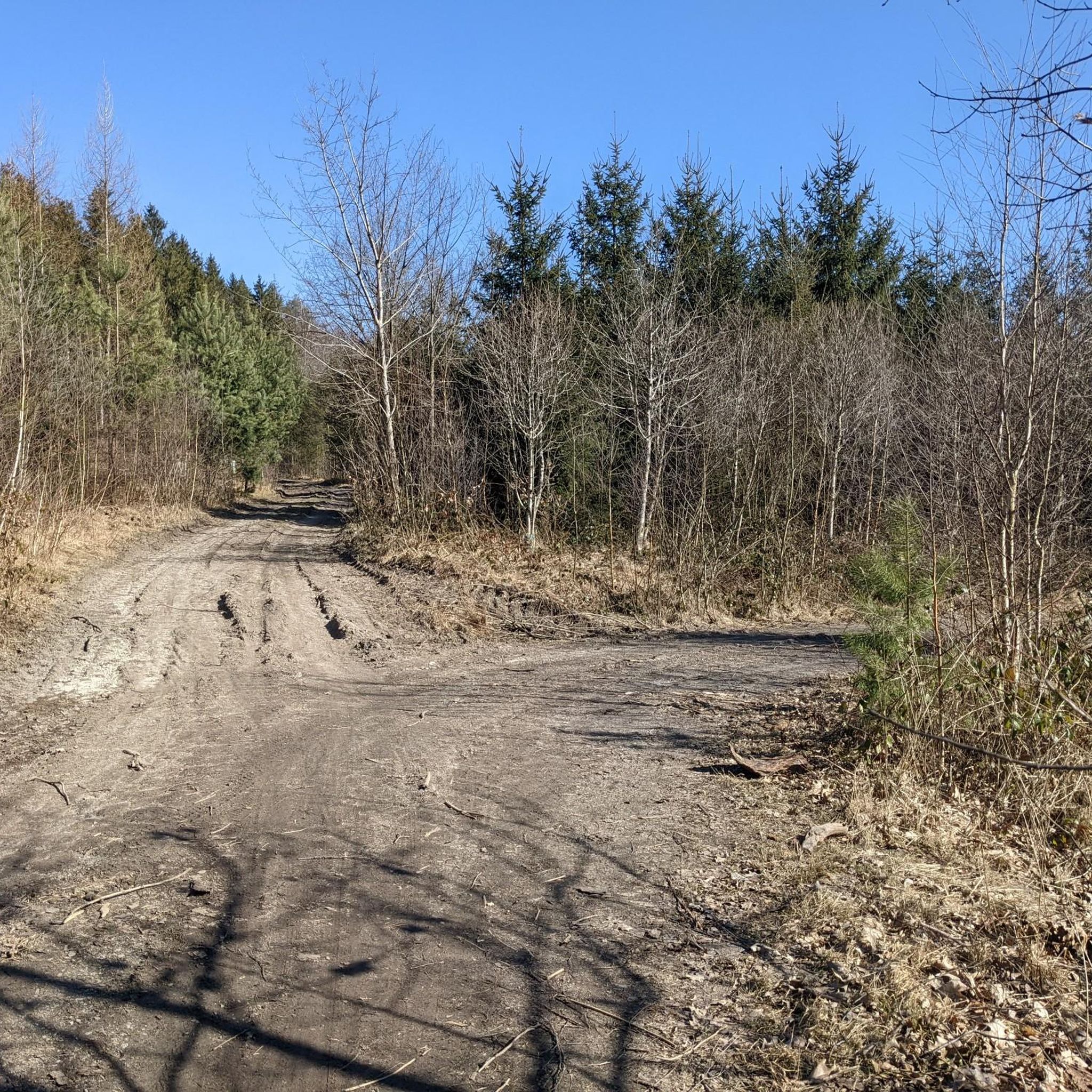
Große Röder River in the Seifersdorfer Valley
Highlight • River
Translated by Google •
Tip by
Sign up now to discover places like this
Get recommendations on the best single tracks, peaks, & plenty of other exciting outdoor places.
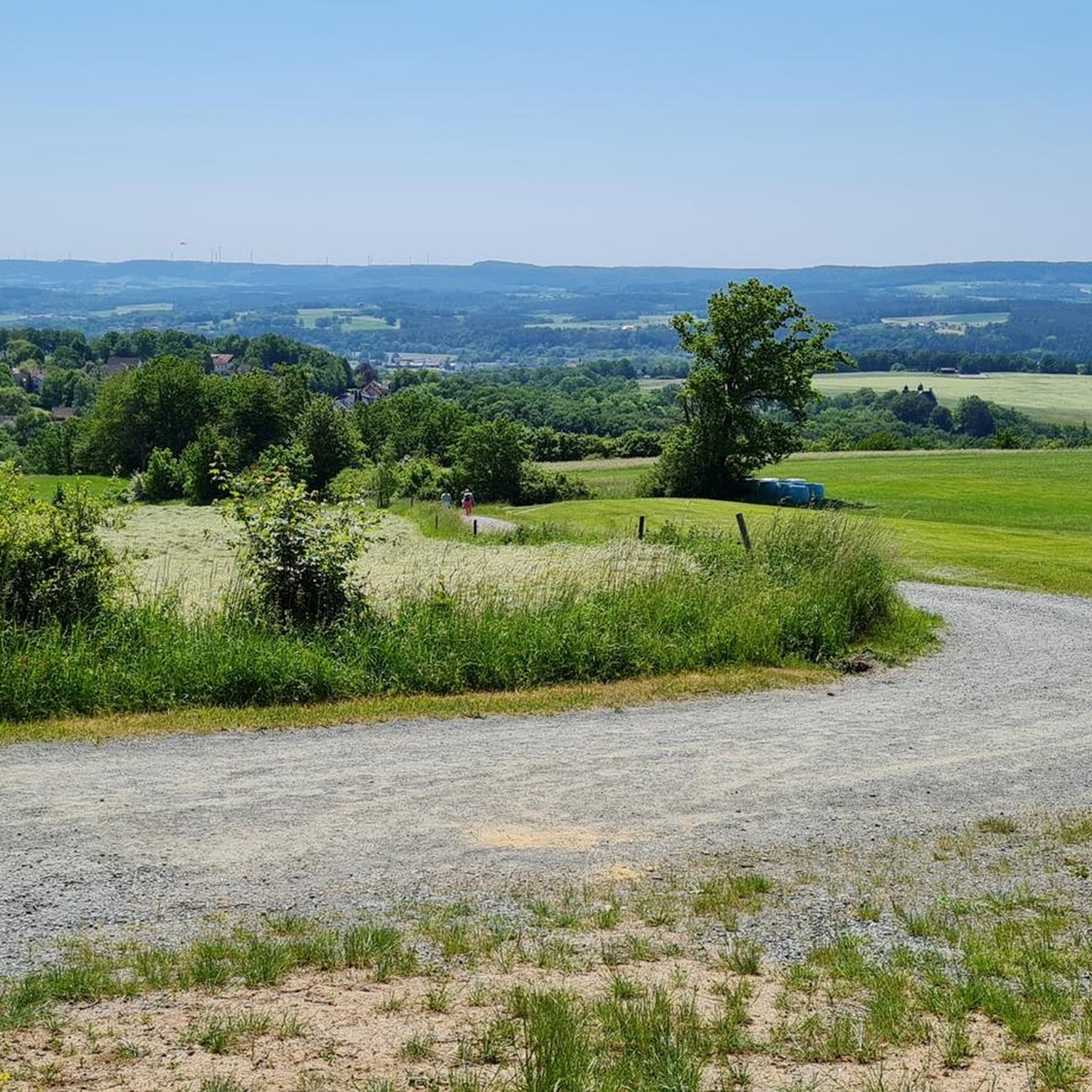
Schwedenstein Tower and Restaurant
Highlight • Monument
Translated by Google •
Tip by

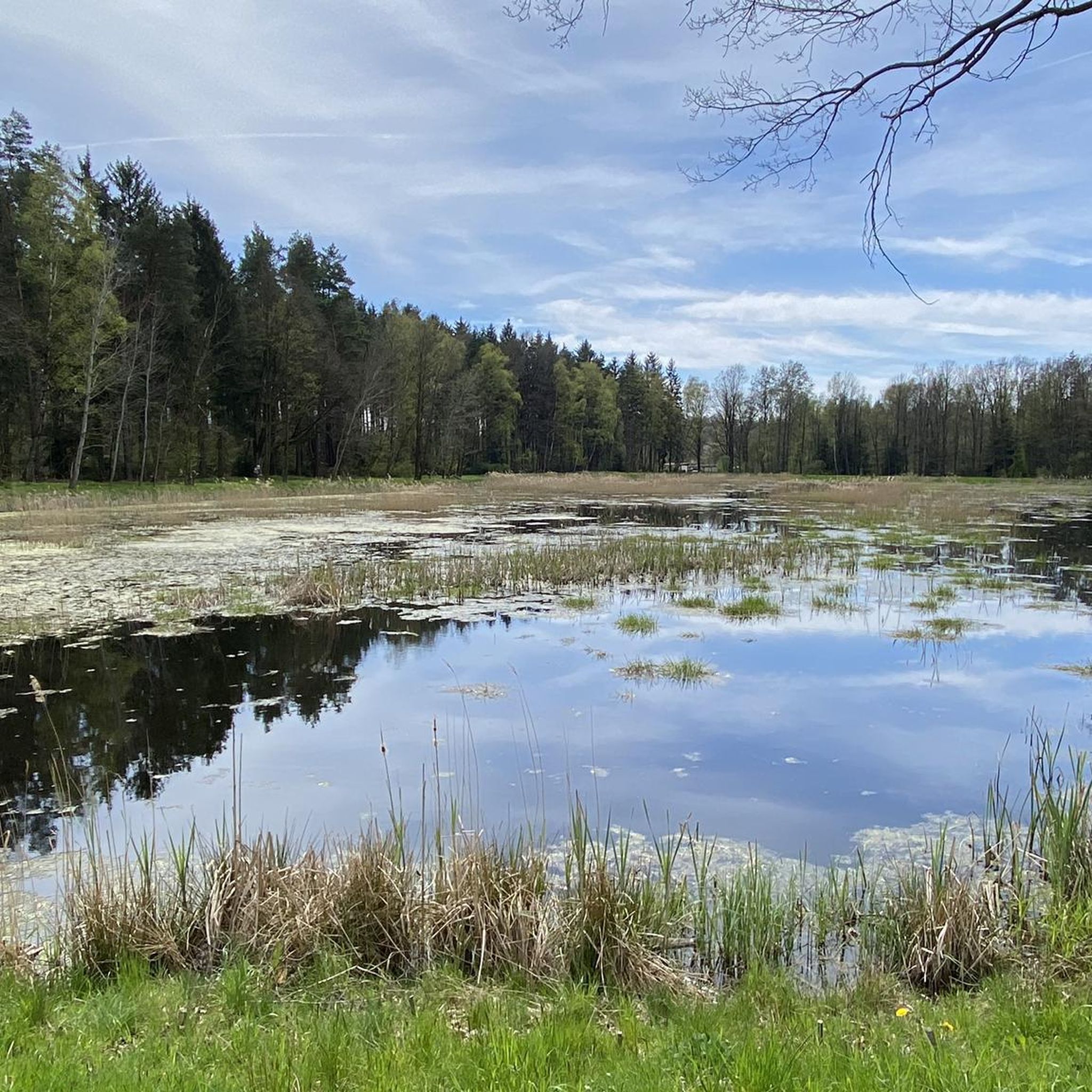
Wesenitz River in the Wesenitz Valley
Highlight • River
Translated by Google •
Tip by

Marien Mill
Highlight • Restaurant
Translated by Google •
Tip by
Sign up for free to discover even more natural monuments around Großharthau.
Already have an account?
Start today with a free account
Your next adventure awaits.
Tips from the Community

The hike from Dittersbach through the Lieblingstal valley and on through the Wesenitz valley back to Dittersbach is truly beautiful, even in winter. Parking in Dittersbach near the DISKA supermarket is very easy. This tour is also very suitable for families with young children. At the end, there's a lovely playground and a self-service ice cream stand. Along the way, there are many interesting things for young and old to admire. In summer, you can enjoy panoramic views from the "Schöne Aussicht" (Beautiful View) tower.
0
0

The power plant is based on a weir system built in 1877, which initially powered neighboring machines in the Weber & Niezel wood grinding and cardboard factory via transmission. In 1910, a Francis turbine and electric generator with an installed capacity of 180 kW were commissioned to generate electrical energy. This was followed in 1932 by the addition of a second turbine with 80 kW. After the Second World War, the weir system was partially repaired in 1963. In 1969, the power plant was shut down due to uneconomical operation, and the facility was left to decay.
5
1
The power plant is based on a weir built in 1877, which initially used transmission to drive neighboring machines in the Weber & Niezel wood grinding and cardboard factory. In 1910, a Francis turbine and electric generator with an installed capacity of 180 kW were put into operation to generate electrical energy. This was followed in 1932 by the addition of a second turbine with 80 kW. After the Second World War, the weir was partially repaired in 1963. In 1969, the power plant was shut down due to uneconomical operation and the plant was left to decay. After reunification, it was restarted in 2000 with a Kaplan turbine. The head is 10.4 m and has an installed capacity of 215 kW with a flow rate of up to 2.6 m³/s.
5
1

Fantastically idyllic guest and rest house, here you can strengthen yourself to your heart's content🫶🏞🍻
15
0
Hiking is almost too banal, walking is more accurate here. I hadn't expected this on our second stage on the Lausitzer Schlange.
12
0

Wildly romantic along the Große Röder, which offers many rudd an ideal habitat. Shady, relaxed, quiet and refreshing, perfect for hikes on hotter days
2
0

There is a beautiful panoramic view from up here
5
0
The Schwedenstein is a 419.7 m above sea level[1] high mountain in West Lusatia...with a lookout tower and restaurants
7
0
Frequently Asked Questions
What are some unique natural monuments to explore around Großharthau?
The region offers a blend of natural beauty and historical significance. You can visit the Historic Hydroelectric Power Plant in the Lohmener Klamm, known for its mystical atmosphere and impressive architecture. Another unique spot is the Hochstein (Sibyllenstein), the highest point of Westlausitz, offering a place to rest and gather information.
What natural features can I expect to see along the Wesenitz River?
The Wesenitz River in the Wesenitz Valley is a protected area known for its wild romantic scenery. You can expect to see diverse wildlife, including protected fish species like the European bullhead and common minnow, as well as otters. The river's ecological importance makes it a significant natural treasure, offering tranquil riverside views.
Are there any historical natural monuments in the Großharthau area?
Yes, the region features several sites with historical significance intertwined with natural elements. The Große Röder River in the Seifersdorfer Valley is part of one of Germany's oldest landscape gardens. Additionally, the Lieblingstal (Valley of Johann Gottlob von Quandt) is an idyllic, romantic landscape created by an art patron in the 19th century, featuring monuments and a chapel along the Schullwitzbach stream.
Are there easy walking routes suitable for beginners near Großharthau's natural monuments?
Absolutely. The "Wesenitztalweg" along the Wesenitz River in the Wesenitz Valley offers easy-to-walk paths with fantastic natural views. For a relaxed stroll, the Lieblingstal is also described as a beautiful valley where you can stroll at ease. You can find easy hiking routes like the "Large Playground – Large Pond loop from Großharthau" or the "Wesenitz River – Großharthau Castle Park loop from Großharthau" in the hiking guide for Großharthau.
What outdoor activities can I do near these natural monuments?
The area around Großharthau is excellent for various outdoor activities. You can enjoy hiking along the Wesenitz River or in the Seifersdorfer Tal. There are also dedicated guides for hiking, road cycling, and mountain biking around Großharthau, offering routes of varying difficulties.
Are the natural monuments around Großharthau suitable for families?
Yes, several natural monuments are family-friendly. The Wesenitz River in the Wesenitz Valley and the Große Röder River in the Seifersdorfer Valley both offer easy-to-walk paths and opportunities for nature observation. The Lieblingstal is also a popular trail for families, with interesting details and an idyllic setting.
What do visitors enjoy most about the natural monuments in this region?
Visitors frequently praise the wild romantic scenery, the peaceful atmosphere, and the opportunity for nature immersion. Highlights like the Historic Hydroelectric Power Plant are described as mystical and impressive, while the river valleys offer refreshing and relaxing experiences. The blend of historical landscapes with natural beauty, such as in the Seifersdorfer Tal, is also highly appreciated.
Can I find circular walks to explore the natural monuments?
Yes, there are several circular routes available. For instance, you can find the "Wesenitz River – Großharthau Castle Park loop from Großharthau" which is an easy route, or the "Weesenitz Valley – View of Stolpen Castle loop from Großharthau" for a moderate hike. These and other circular walks are detailed in the hiking guide for Großharthau.
Is the Schlosspark Großharthau considered a natural monument?
While primarily a cultural heritage monument, the Schlosspark Großharthau features significant natural elements that contribute to its appeal. Its baroque layout, large lawn, 8-meter-high fountain, and elegant lime avenues offer a harmonious blend of meticulously designed historical landscapes and natural beauty. The Wesenitz River also plays an integral role in the park's design.
What is the best time to visit the natural monuments around Großharthau?
The region's natural monuments can be enjoyed throughout the year. Spring and summer are ideal for lush greenery and vibrant flora, while autumn offers beautiful foliage, especially along the river valleys. The "Wesenitztalweg" is noted as a wonderfully cool path, making it suitable for warmer days. Winter can also offer a unique, tranquil experience, though some paths might require appropriate gear.
Are there opportunities for wildlife observation?
Yes, particularly along the Wesenitz River. The section downstream from Helmsdorf is a protected area under the Habitats Directive, known for important aquatic species like the European bullhead and common minnow. Conservation efforts have also led to the successful renaturalization of salmon, and otter populations have seen a resurgence. This makes the river valley an excellent spot for observing diverse wildlife.
What kind of geology can be observed in the Großharthau area?
The region is part of the Northwest Lusatian Uplands, characterized by its rolling hills and river valleys. The Hochstein (Sibyllenstein), at 449 meters, is the highest elevation in this area, providing a prominent geological feature. The river systems, like the Wesenitz and Große Röder, have carved out valleys, showcasing the local geological formations over time.
Most popular routes around Großharthau
Most popular attractions around Großharthau

Get inspired with the komoot mobile app


Explore more
Extend your search for the best caves by checking out these guides of the top ones around Großharthau:
