Top 14 Natural Monuments around Storbeck-Frankendorf
Best natural monuments around Storbeck-Frankendorf are situated within the Stechlin-Ruppiner Land Nature Park, an area known for its diverse natural landscapes. The region features over 160 clear-water lakes, extensive beech forests, and a variety of wildlife. Storbeck-Frankendorf serves as a gateway to exploring these natural features, including ancient trees and significant water bodies. The broader Ostprignitz-Ruppin district contains numerous designated natural monuments, primarily old trees and avenues, recognized for their scientific and natural-historical importance.
Best natural monuments around Storbeck-Frankendorf
- The…
Last updated: June 25, 2026
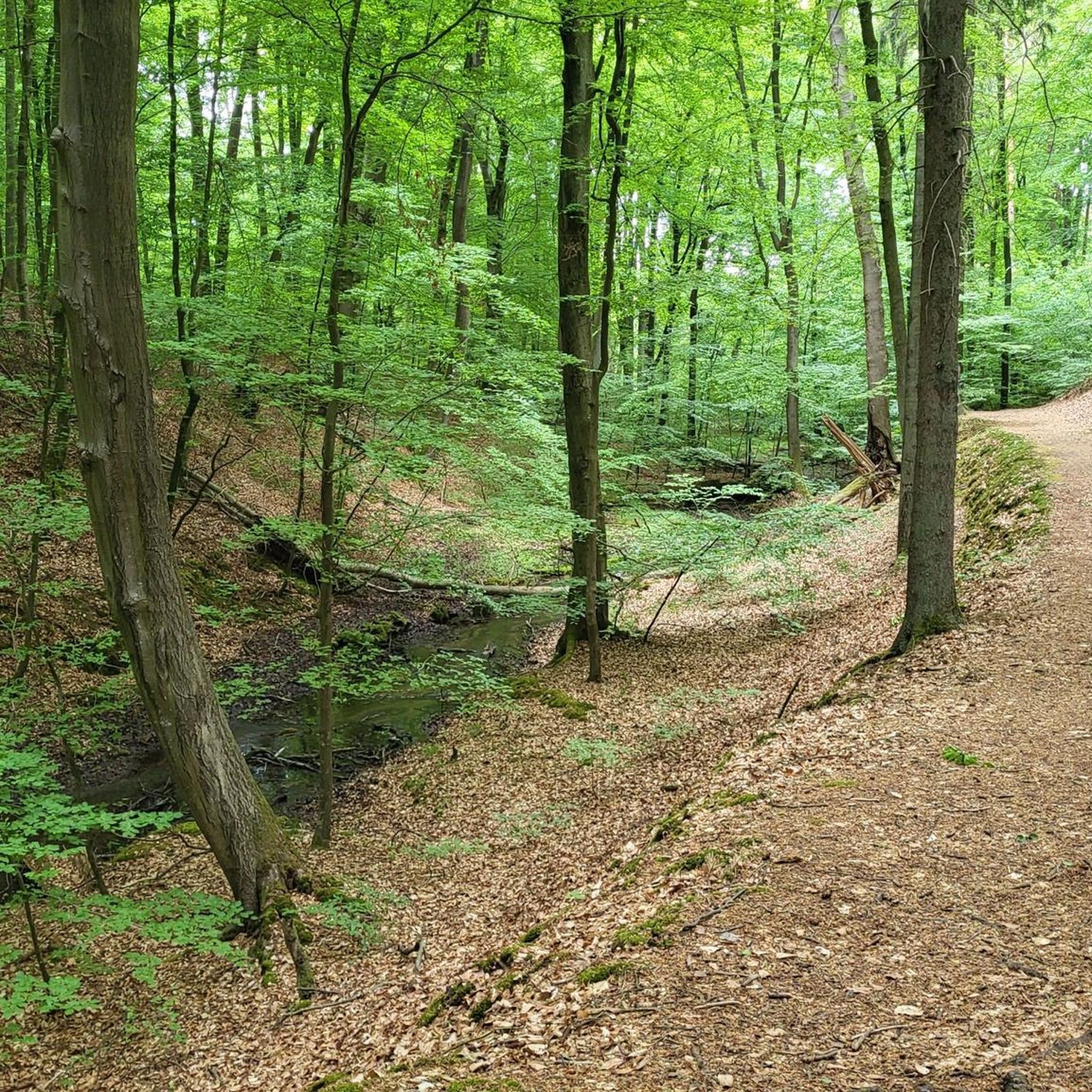
Kellen Lakes
Highlight • Lake
The two bodies of water are connected by a belt of …
Translated by Google •
Tip by

Sielmann Observation Tower Kyritz-Ruppiner Heide
Highlight • Viewpoint
Translated by Google •
Tip by

Sign up now to discover places like this
Get recommendations on the best single tracks, peaks, & plenty of other exciting outdoor places.
Sign up for free
Neuruppiner Bollwerk
Highlight • Viewpoint
Translated by Google •
Tip by

Fontane Fountain sculpture at Resort Mark Brandenburg
Highlight • Monument
Translated by Google •
Tip by

Kochquelle (Boiling Spring)
Highlight • Natural Monument
Translated by Google •
Tip by

Sign up for free to discover even more natural monuments around Storbeck-Frankendorf.
Sign up for free
Already have an account?
Start today with a free account
Your next adventure awaits.
Login or Signup
Tips from the Community

The Wichmann Linden tree in Neuruppin is a living natural monument – a tree that breathes history and enriches the city with its serene presence. This impressive winter linden stands near the city wall by the Neuruppin Monastery Church and is one of the oldest trees in the region. With an estimated age of over 700 years, it is not only a botanical highlight but also a symbol of both continuity and change. The tree is hollow after being struck by lightning, but this does not diminish its majestic appearance – on the contrary: it acts as a venerable guardian of the city's history. https://www.baumkunde.de/baumregister/3327-wichmannlinde_in_neuruppin/
2
0


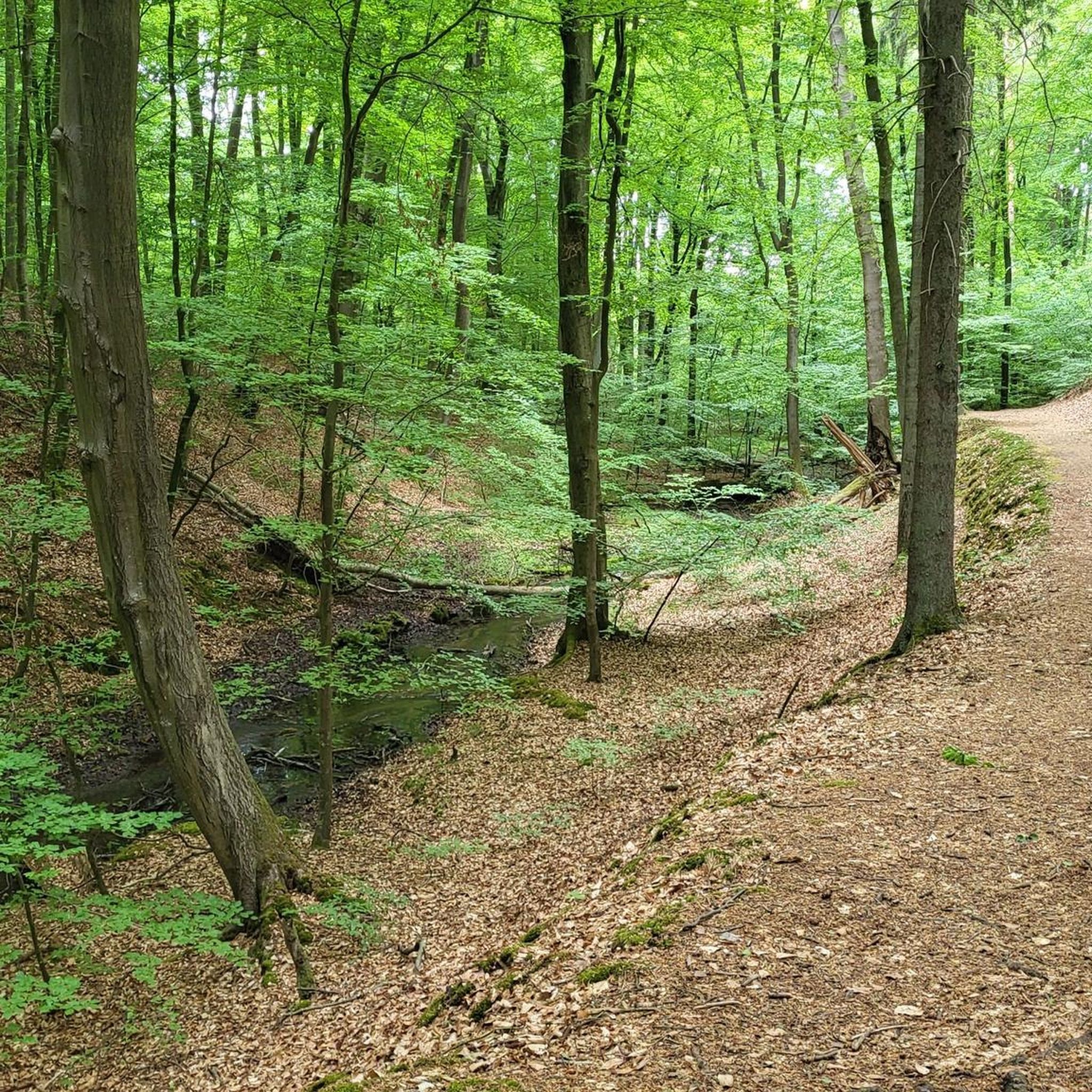
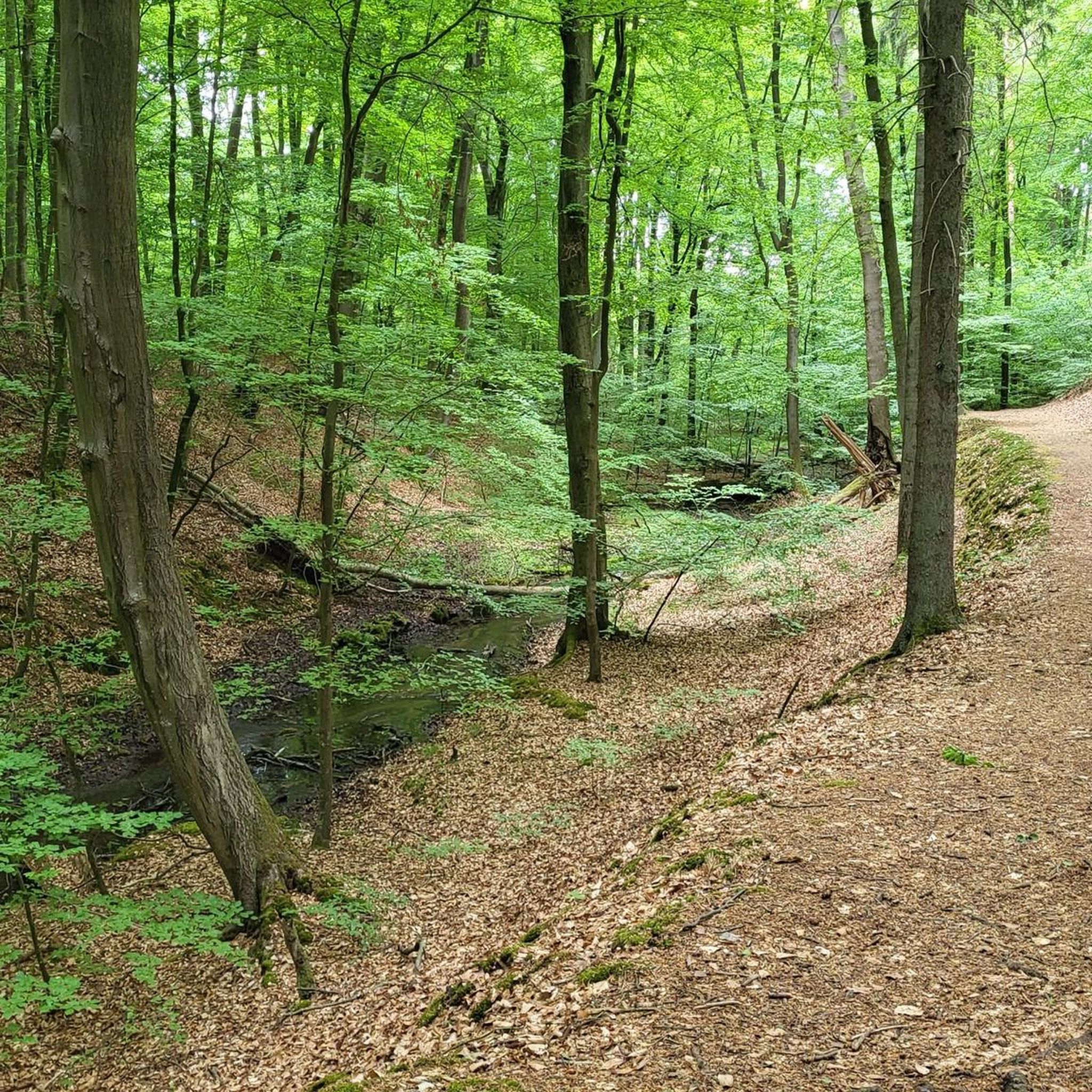
Beautiful lake that you can walk around on a narrow path.
0
0

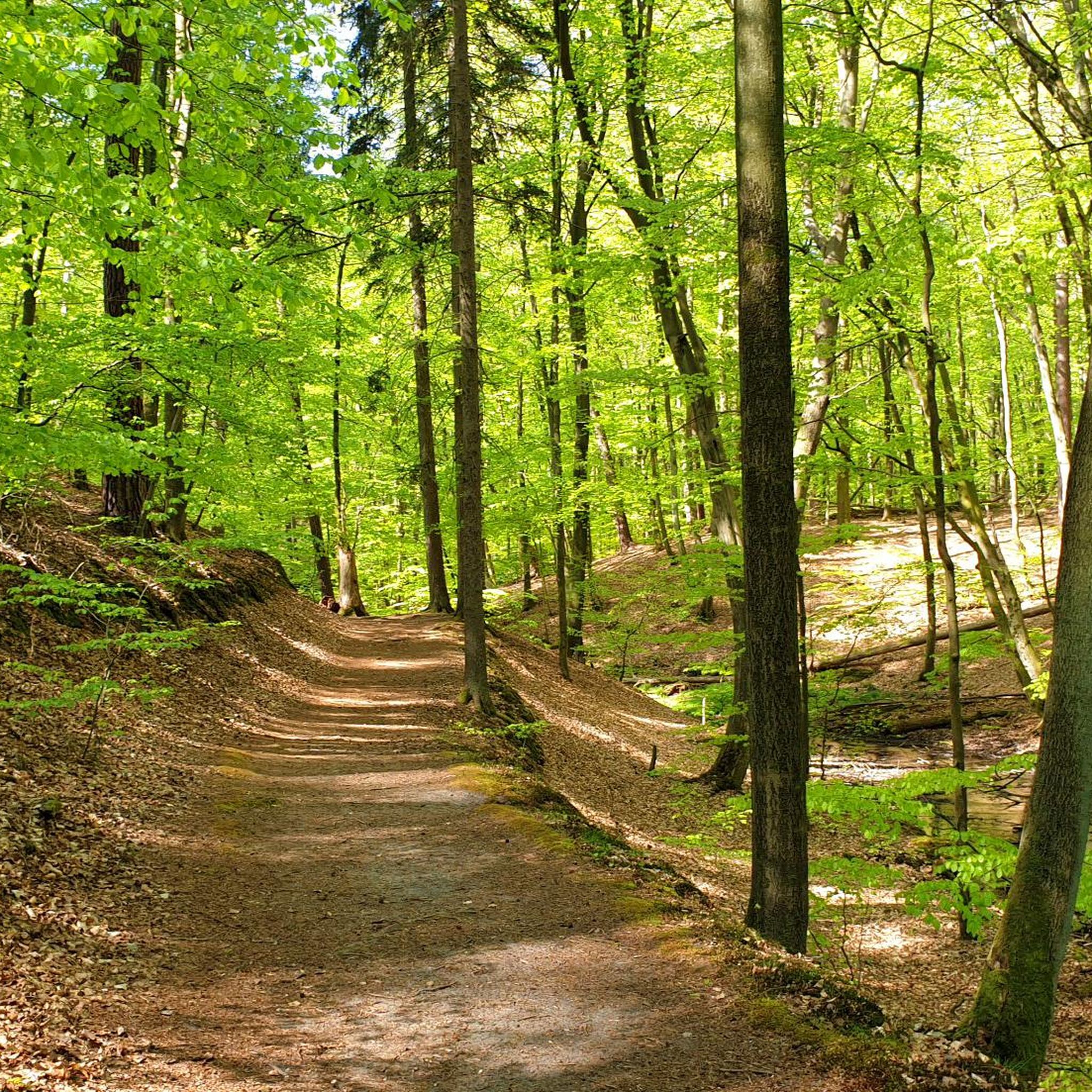
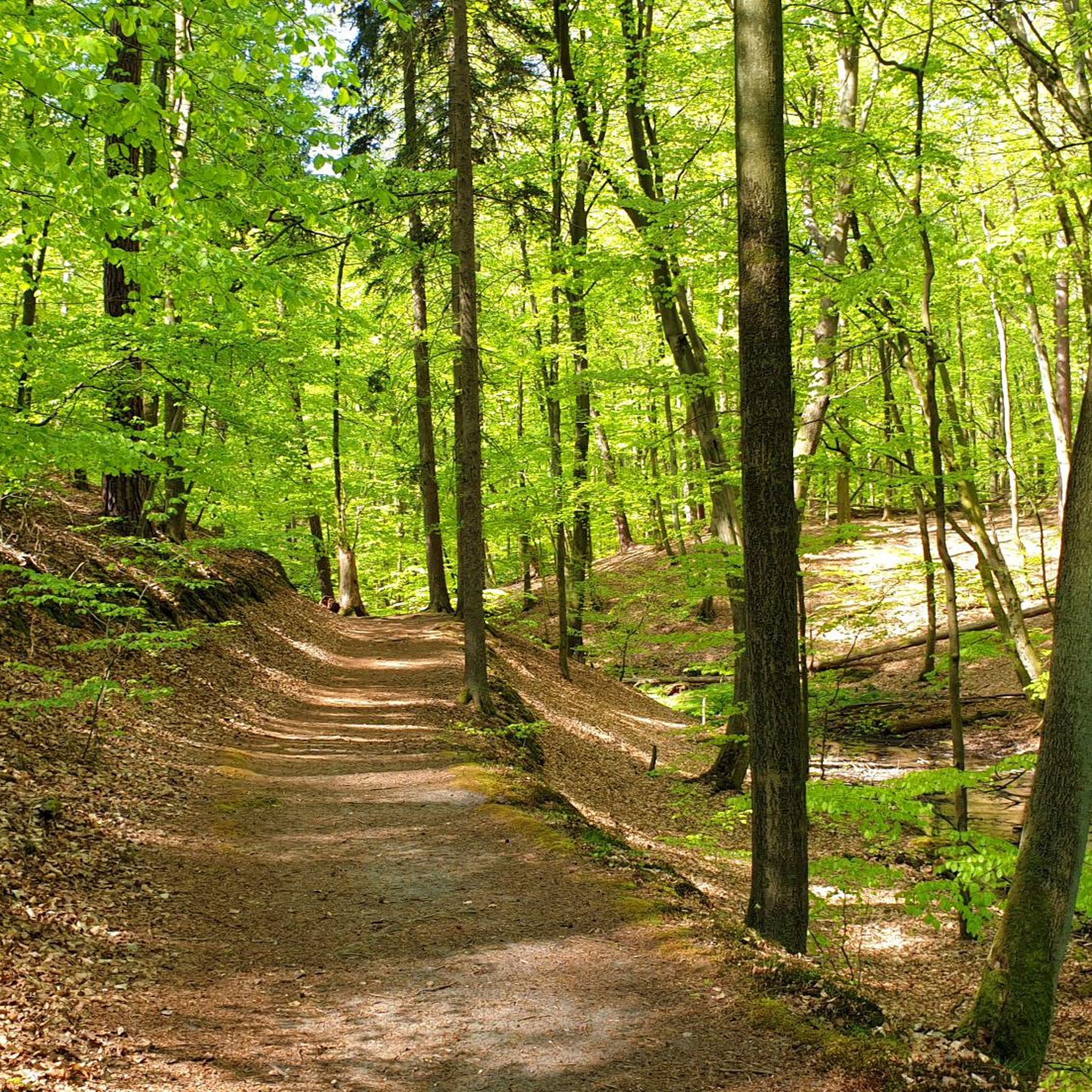
Fontane inspired me to travel through the Mark. And, of course, to hike too!
0
0
It's said that Sunday children can see Wichmann at a certain time on New Year's Eve. Unfortunately, I'm a Tuesday child.
1
0

The winter linden tree / Wichmann linden tree stands close to a slope on the city wall near the Neuruppin monastery church. The tree is over 700 years old and has since become hollow after being struck by lightning, but still blooms every year.
2
0
This beautiful fountain sculpture with a beautiful quote by Theodor Fontane is located at the wellness hotel "Resort Mark Brandenburg" at Seepromenade 20.
4
0

The mantle of the hollow trunk is broken in two places, so that the crown appears to rest on three pillars. Named after the legendary founder of the monastery, Father Wichmann. Before his death in 1270, Father Wichmann is said to have decided that he should be laid in a glass coffin and that this should be placed in a silver one. Furthermore, according to the old Germanic custom, a linden tree should be planted on his grave and when the linden tree had died, his grave could be opened, but not before. The winter linden tree stands near a slope on the city wall near the Neuruppin monastery church. The over 700-year-old tree, which has since become hollow after being struck by lightning, still blooms every year. Link: https://www.ostdeutschesbaumarchiv.de/albums/froehlich-wege-zu-alten-baeumen-brandenburg/content/nr-33-wichmannlinde-neuruppin/
1
0
Frequently Asked Questions
What natural features define the Storbeck-Frankendorf region?
The region around Storbeck-Frankendorf is characterized by the expansive Stechlin-Ruppiner Land Nature Park. This area is celebrated for its over 160 clear-water lakes, extensive, untouched beech forests, and diverse wildlife. Key features include the deep Great Stechlin Lake and the long Ruppiner See, offering serene landscapes for exploration.
Are there any unique natural phenomena to observe?
Yes, you can visit the Kochquelle (Boiling Spring). This natural monument is known for its water pushing to the surface in a way that resembles a bubbling saucepan. It feeds the Kunsterbach and maintains a constant temperature of 8°C, providing a fascinating natural spectacle.
Where can I find panoramic views of the natural landscape?
For excellent panoramic views, head to the Sielmann Observation Tower Kyritz-Ruppiner Heide. Located on a small hill, it offers sweeping vistas of the heath. Another spot with a great view, particularly over Lake Ruppin, is the Neuruppiner Bollwerk.
What kind of wildlife can I expect to see in the nature park?
The Stechlin-Ruppiner Land Nature Park is home to a rich variety of wildlife. You might spot rare species such as otters, Elbe beavers, European pond turtles, agile frogs, ospreys, cranes, and kingfishers. The extensive beech forests also provide habitat for seven types of woodpeckers and rare beetle species like the stag and hermit beetles.
Are there any ancient trees or historical natural monuments in the area?
The broader Ostprignitz-Ruppin district is rich in ancient trees designated as natural monuments. These include the Friedenseiche (Peace Oak) and Wiechmannlinde (Wiechmann Lime tree) in Neuruppin, and the Grablinde (Grave Lime tree) in Wustrau. Particularly notable are the Gerichtslinden (Court Lime trees) in Seebeck and Keller, estimated to be between 700 and 1,000 years old, standing as living historical landmarks.
What outdoor activities can I do near these natural monuments?
The region offers a variety of outdoor activities. You can explore numerous hiking trails, such as those around the Kochquelle (Boiling Spring) or the Sielmann Observation Tower. Cycling is also popular, with options for road cycling and gravel biking around the many lakes, including Lake Ruppin.
Are the natural monuments around Storbeck-Frankendorf suitable for families?
Many natural monuments and areas are very family-friendly. The Sielmann Observation Tower and the Kochquelle (Boiling Spring) are great for curious kids. The tranquil Kellen Lakes, nestled in a beech forest, offer a peaceful environment for families to enjoy nature. The nature park generally provides safe and engaging environments for all ages.
Are there any wheelchair-accessible natural monuments or viewpoints?
Yes, the Fontane Fountain sculpture at Resort Mark Brandenburg is noted as wheelchair-accessible. While primarily a man-made monument, it celebrates the region's natural and cultural heritage and offers an accessible point of interest near the natural beauty of Lake Ruppin.
What is the best time of year to visit the natural monuments?
The natural monuments are beautiful year-round. Spring brings blooming forests and active wildlife, while summer is ideal for lake activities and longer hikes. Autumn offers stunning foliage, especially in the beech forests. Even winter can be magical, with serene, snow-covered landscapes, though some paths might be less accessible.
What do visitors particularly enjoy about the natural monuments here?
Visitors often highlight the tranquility and untouched beauty of the region. The Kellen Lakes are described as an 'almost mystical, beautiful place' offering wonderful peace and quiet. The Kochquelle (Boiling Spring) is enjoyed for its unique natural spectacle, resembling a 'merrily bubbling saucepan'.
How can I reach the natural monuments around Storbeck-Frankendorf?
Access to the natural monuments is generally by car, with parking available at various trailheads and points of interest, such as near the Sielmann Observation Tower. Public transport options might be limited directly to some remote natural sites, but buses connect larger towns in the Ostprignitz-Ruppin district, from where you can often cycle or hike to the monuments.
Are there opportunities for swimming in the lakes?
Yes, the region's clear-water lakes offer pleasant swimming opportunities. Molchow Lake, near Storbeck-Frankendorf, is particularly known for its inviting swimming spots. The Great Stechlin Lake, while primarily known for its ecological significance, also has designated areas for swimming.
Can I bring my dog to the natural monuments and trails?
Generally, dogs are welcome on trails and in natural areas, but it's important to keep them on a leash, especially within the Stechlin-Ruppiner Land Nature Park, to protect wildlife and ensure a pleasant experience for all visitors. Always check local signage for specific rules in protected areas.
Most popular routes around Storbeck-Frankendorf
Most popular attractions around Storbeck-Frankendorf

Get inspired with the komoot mobile app


Explore more
Extend your search for the best caves by checking out these guides of the top ones around Storbeck-Frankendorf:
