Top 20 Natural Monuments around Korlingen
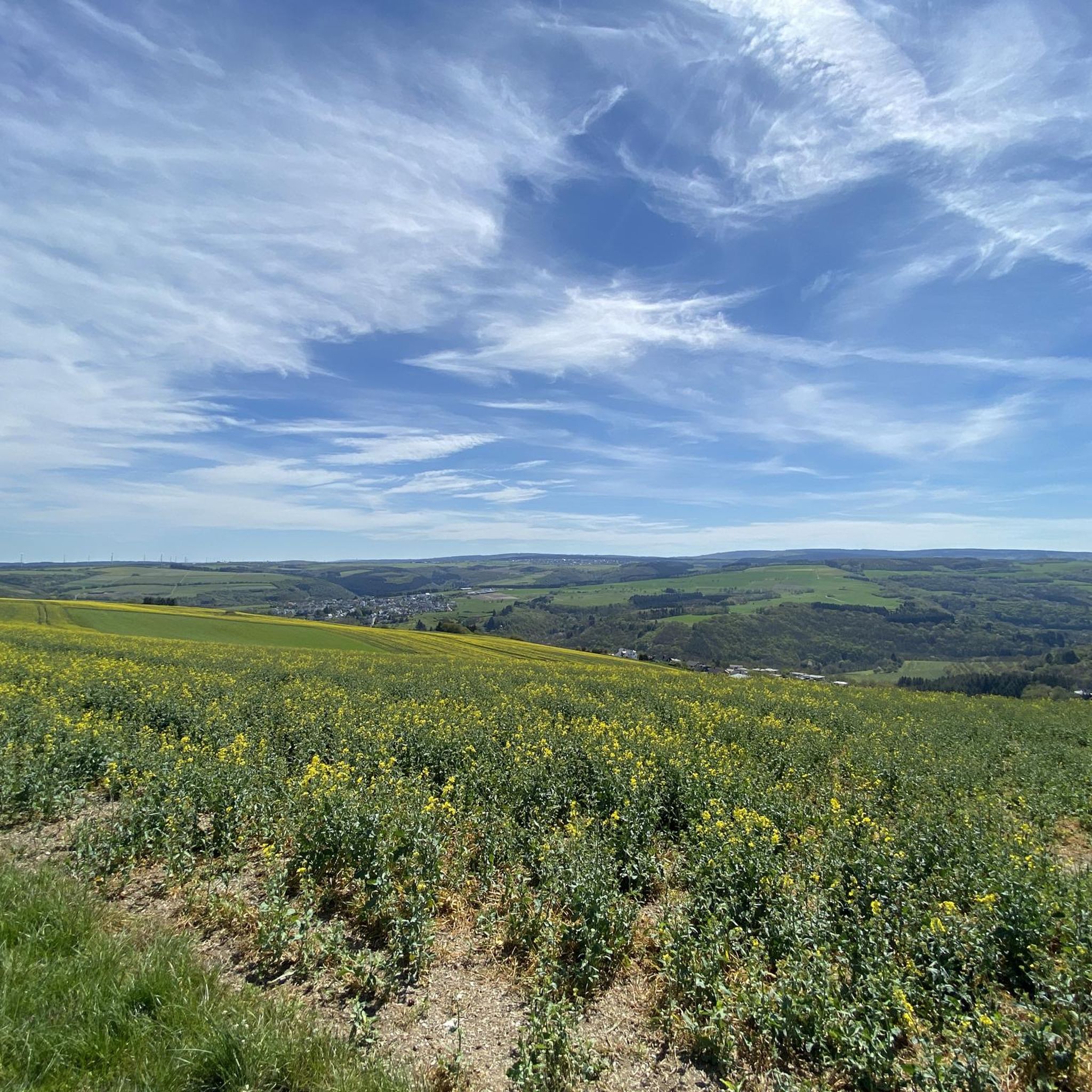
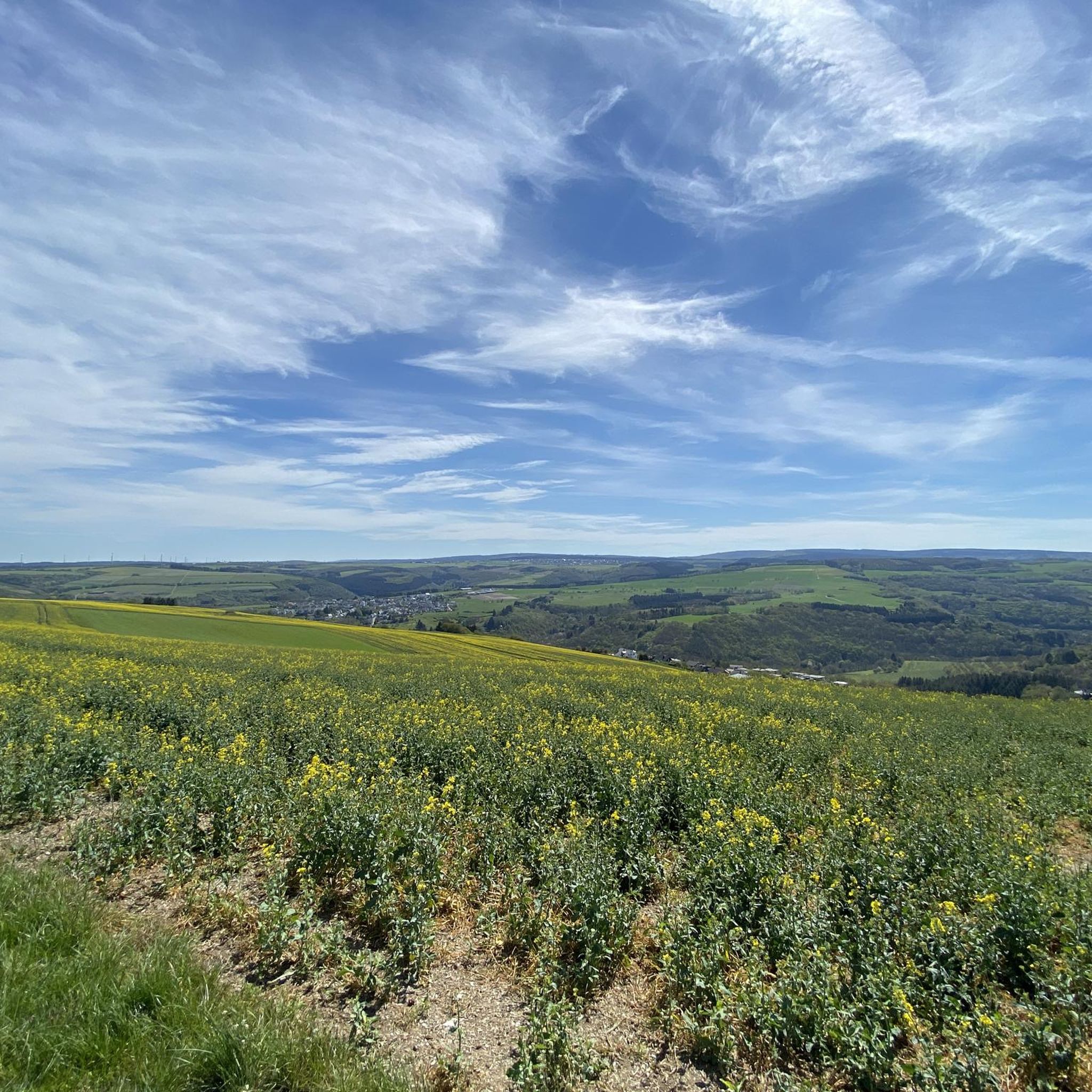
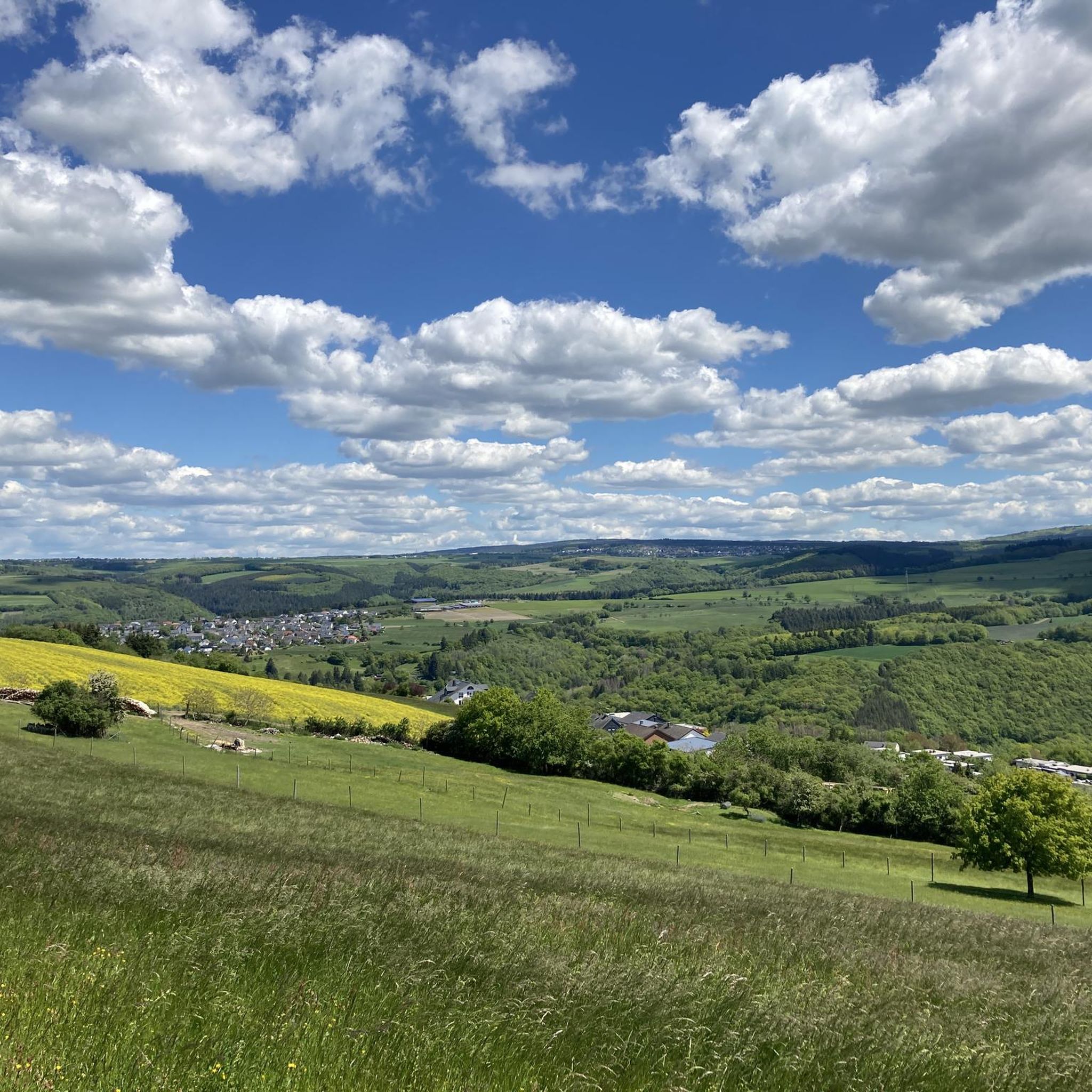
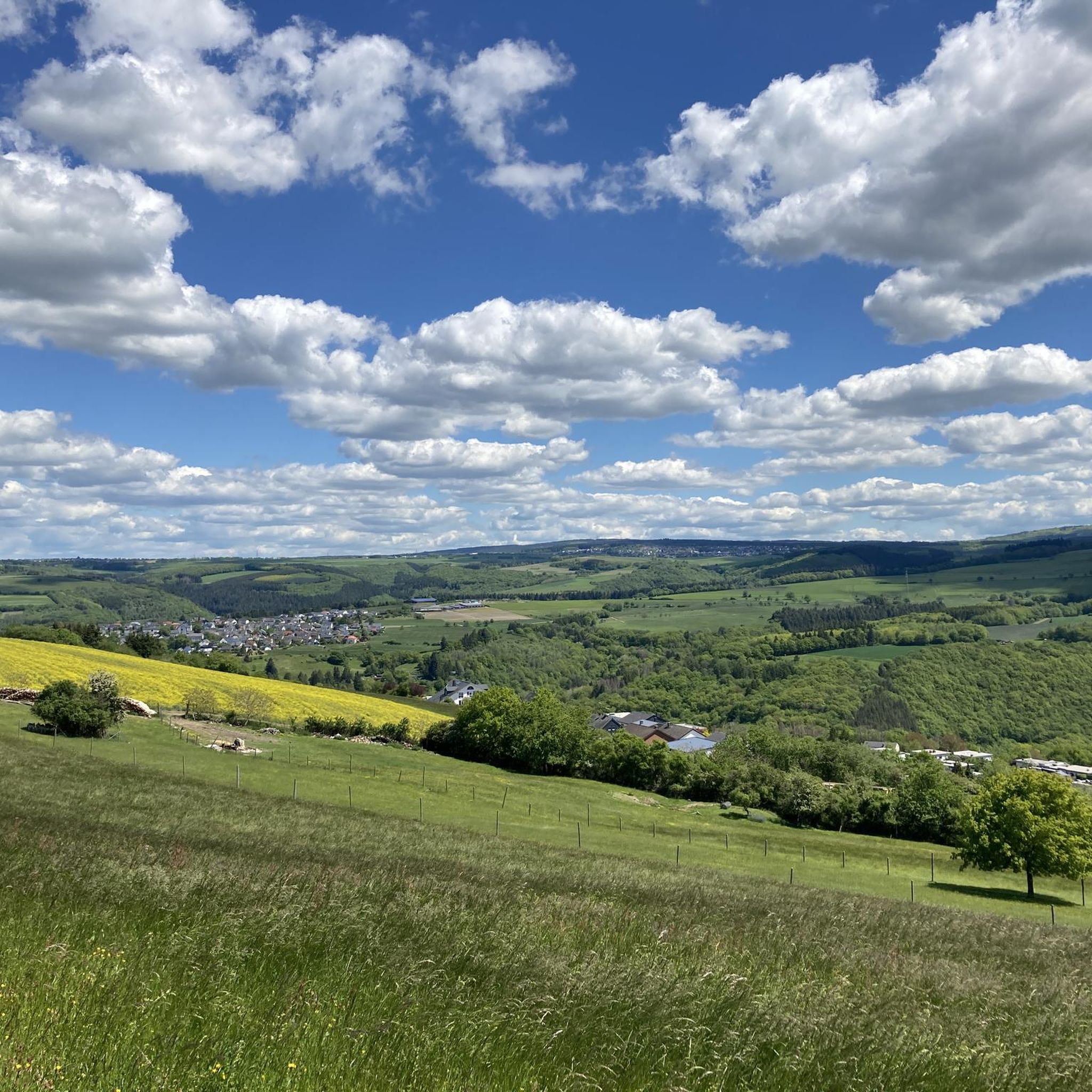
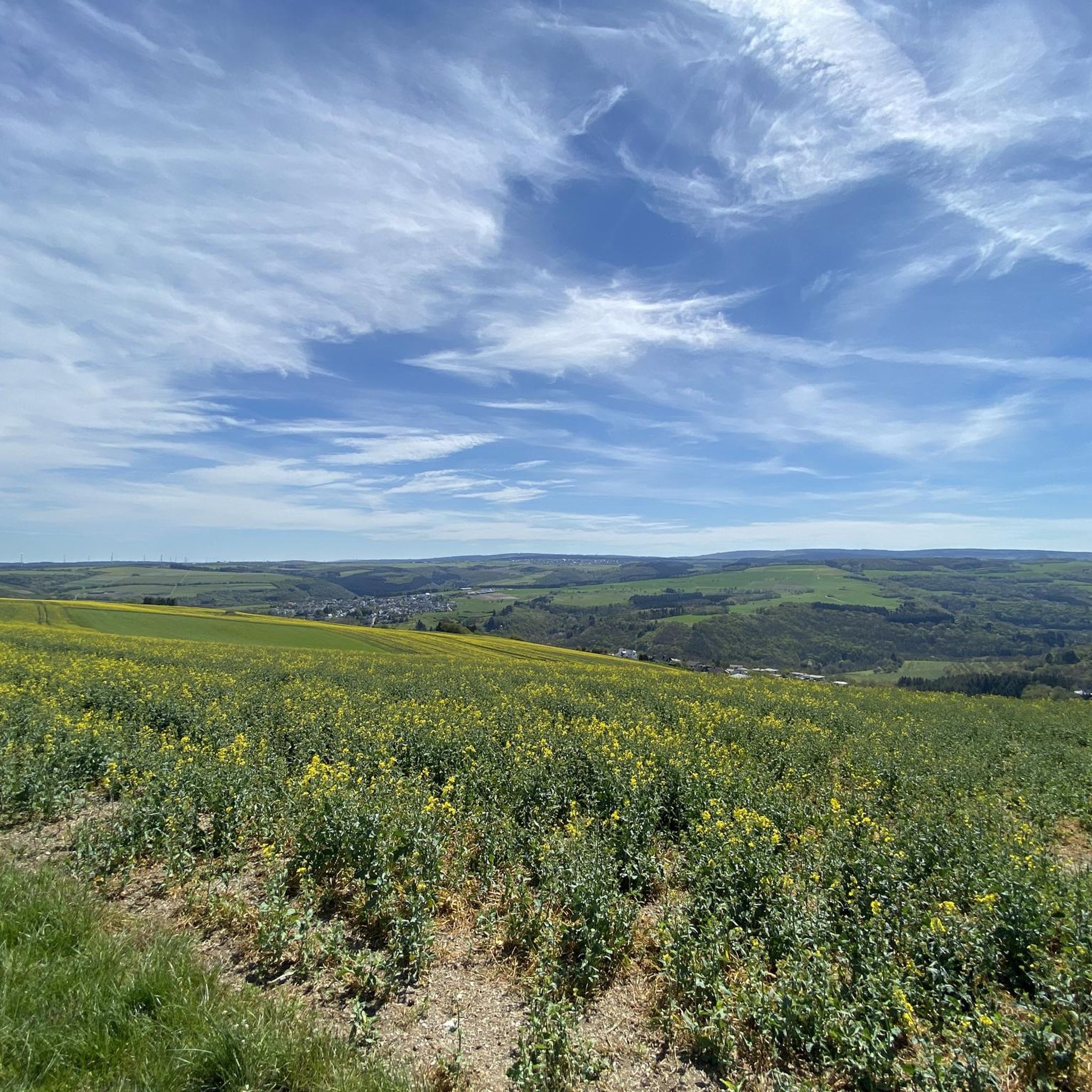
Best natural monuments around Korlingen are found within a landscape characterized by its position on the edge of the Hunsrück Mountains, surrounded by vineyards and forests. The region features rolling hills and deep valleys, contributing to its natural appeal. This environment provides opportunities for outdoor activities and appreciation of nature.
Best natural monuments around Korlingen
- The most popular natural monuments is Genoveva Cave, a cave that is a large, open formation. It offers insights into historical human habitation.
- Another…
Last updated: October 11, 2026
Genoveva Cave
Highlight • Cave
Translated by Google •
Tip by

Sirzenich Waterfall
Highlight • Waterfall
Translated by Google •
Tip by

Sign up now to discover places like this
Get recommendations on the best single tracks, peaks, & plenty of other exciting outdoor places.
Fountain at Kornmarkt
Highlight • Monument
It is located …
Translated by Google •
Tip by

Riveris Reservoir
Highlight • Lake
Translated by Google •
Tip by

Eifel Cross
Highlight • Monument
Translated by Google •
Tip by

Sign up for free to discover even more natural monuments around Korlingen.
Already have an account?
Start today with a free account
Your next adventure awaits.
Tips from the Community

The St. George's Fountain on the Kornmarkt is conspicuously visible - no one can miss it here. The fountain was built by the city in 1750 in honor of Archbishop Franz Georg von Schönborn. The fountain was designed by Johannes Seiz, a student of Balthasar Neumann. The sculptural work comes from Amlinger. Surrounded by the allegorical figures of the four seasons, the fountain column in the shape of an obelisk rises in the wide basin. On his platform, St. George finally the dragon. The other dragons at the base, on the other hand, are condemned to spew water. The fountain is almost eleven meters high in total, the dragon slayer George alone measures almost two meters. (https://www.brunnenturmfigur.de/index.php?cat=Brunnen%20und%20Wasserspiele%2Fin%20Deutschland&page=Trier)
11
0

If you want to see the lake well, you should do the tour when the trees are not in leaf 😊
0
0

The Saint George Fountain (Georgsbrunnen for short) is a fountain in the Mitte/Gartenfeld district of Trier. It is considered one of the most beautiful rococo fountains in Germany. It is located on the Kornmarkt in the old town. The Sankt Georgsbrunnen was built between 1750 and 1751 according to plans by the court architect Johannes Seiz, the builder of the Electoral Palace, in honor of the sovereign Elector Franz Georg von Schönborn with depictions of the seasons and Saint George. Like the Petrusbrunnen on the main market, it was fed by the Heiligkreuzer Daufborn, known today as the Herrenbrünnchen, until the 19th century. The top of the fountain is about eleven meters high. The numerous, now empty cartouches at the fountain probably originally bore the painted coat of arms of the Trier councillors. In order to avoid contamination of the water, the fountain was surrounded by an iron grating, which was removed in the early 20th century. When it was erected, the fountain stood further east on the square, in front of the old town hall, which was destroyed in World War II. Like this, the fountain was also badly damaged by air raids, so that the restoration after the war was very expensive and large parts of the fountain had to be reconstructed. On this occasion, the fountain was moved to its current location. It was last restored as part of the renovation of the Kornmarkt in 2003, and a move back to the original location was also considered. For financial reasons and because the buildings around the old site had been modernized after the Second World War, which did not necessarily improve the effect of the fountain, the plan was ultimately abandoned. Source: Wikipedia.de
12
0

The Riveristalsperre is a drinking water dam that was built in the Riveris valley and has been supplying the city of Trier with drinking water since 1958. Technical data: Dam: 350,000 m³ slope and valley gravel, dam height: 50 m, dam width: 178 m, content: up to 5 million m³ drinking water. The area around the dam is a water protection area. You can walk around the dam on a leisurely hiking trail. There is a large car park below the dam. Swimming and water sports are not permitted on the dam, as the water must be protected from contamination.
1
0

Sirzenicher Gorge is beautiful. You have to cross the creek several times. If that is too difficult, you can also choose the easy path nearby.
2
0

11m high the imposing Sankt Georgsbrunnen in Trier.
9
1

The Sankt Georgsbrunnen (in short: Georgsbrunnen) is a fountain in the Mitte/Gartenfeld district of Trier. It is considered one of the most beautiful rococo fountains in Germany. It is located on the Kornmarkt in the old town. The Sankt Georgsbrunnen was built in the years 1750 to 1751 according to the plans of the court architect Johannes Seiz, the builder of the Electoral Palace, in honor of the sovereign Elector Franz Georg von Schönborn with depictions of the seasons and St. George. Like the Petrusbrunnen on the main market, it was fed by the Heiligkreuzer Daufborn, known today as the Herrenbrünnchen, until the 19th century. The top of the fountain is about eleven meters high. The numerous, now empty cartouches at the fountain probably originally bore the painted coat of arms of the Trier councillors. In order to avoid contamination of the water, the fountain was surrounded by an iron grating, which was removed in the early 20th century. When it was erected, the fountain stood further east on the square, in front of the old town hall, which was destroyed in World War II. Like this, the fountain was also badly damaged by air raids, so that the restoration after the war was very expensive and large parts of the fountain had to be reconstructed. On this occasion, the fountain was moved to its current location. It was last restored as part of the renovation of the Kornmarkt in 2003, and a move back to the original location was also considered. For financial reasons and because the buildings around the old site had been modernized after the Second World War, which did not necessarily improve the effect of the fountain, the plan was ultimately abandoned.
17
1

Saint George's fountain in Trier The Sankt Georgsbrunnen is located in the historic center of Trier directly on the Kornmarkt. It is known as one of the most beautiful rococo fountains in Germany. It was built between 1750 and 1751 according to the plans of the court architect Johannes Seiz in honor of the sovereign, Elector Franz Georg von Schönborn. Seiz depicted Saint George and the seasons on the fountain. The top of the building still stands 11 meters high. The Sankt Georgsbrunnen was originally fed by the Heiligkreuzer Daufborn, which is known today as the Herrenbrünnchen. The many, now empty cartouches at the well probably used to bear the coats of arms of the Trier councillors. Before the Second World War, the building was further east on the square. It was severely damaged by air raids. The very complex reconstruction took place at the current location of the fountain. A last comprehensive restoration took place in 2003.
14
1
Frequently Asked Questions
What are the most popular natural monuments to visit around Korlingen?
Visitors frequently explore the Genoveva Cave, a large open formation offering insights into historical human habitation. Another favorite is the Riveris Reservoir, which provides a scenic 8 km circular route for exploration. The Sirzenich Waterfall, nestled within a beautiful gorge, is also highly appreciated.
Are there family-friendly natural monuments or activities in the Korlingen area?
Yes, the Riveris Reservoir is considered family-friendly, offering an accessible circular route. Additionally, the Fountain at Kornmarkt and the Eifel Cross are also suitable for families. The Ruwer Riesling Experience Trail, while not a natural monument itself, is designed with minimal climbs and seating areas, making it enjoyable for all ages to appreciate the natural surroundings.
What kind of natural features can I expect to see around Korlingen?
The Korlingen region is characterized by its position on the edge of the Hunsrück Mountains, featuring rolling hills, deep valleys, vineyards, and forests. You can explore caves like Genoveva Cave, waterfalls such as the Sirzenich Waterfall, and the serene Riveris Reservoir. The overall landscape itself is a significant natural attraction.
What are the best hiking trails near Korlingen's natural monuments?
The Korlingen Circular Route (KO 1) is highly recommended, offering magnificent views over the Ruwer valley, Hunsrück, Trier, and the Eifel. Along this route, you'll find excellent viewpoints like Naumeter Kupp and Korlingen Wacken. For more hiking options, you can explore various trails listed in the Hiking around Korlingen guide, including routes like the 'Memorial cross at Galgenkopf – View of Trier loop'.
Are there any historical or cultural sites among the natural monuments?
Yes, the Genoveva Cave offers insights into historical human habitation. Additionally, while not strictly natural, the Fountain at Kornmarkt in Trier is a beautiful Rococo fountain with significant historical context, and the Eifel Cross is a historical memorial site.
What is the best time of year to visit the natural monuments around Korlingen?
The natural beauty of Korlingen, with its vineyards and forests, is particularly vibrant during spring and autumn. These seasons offer pleasant weather for hiking and enjoying the diverse landscapes and seasonal colors.
What other outdoor activities can I do near the natural monuments?
Beyond hiking, the region offers opportunities for road cycling and running. You can find various routes in the Road Cycling Routes around Korlingen guide and the Running Trails around Korlingen guide. The Riveris Reservoir also has a popular circular route suitable for walking and running.
Are there any natural monuments around Korlingen that are wheelchair accessible?
The Fountain at Kornmarkt is noted as being wheelchair accessible. While many natural trails may have varied terrain, the Ruwer Riesling Experience Trail, located in the wider Ruwer valley, is designed to be accessible with minimal climbs.
What do visitors enjoy most about the natural monuments in Korlingen?
Visitors frequently highlight the stunning views, especially from spots like Naumeter Kupp and Korlingen Wacken along the circular routes. The diverse landscapes, from the large open Genoveva Cave to the beautiful gorge of the Sirzenich Waterfall, are also highly praised. Many appreciate the well-maintained trails that allow for immersion in nature.
Can I find viewpoints to enjoy panoramic scenery near Korlingen?
Yes, several natural monuments and trails offer excellent viewpoints. The Genoveva Cave, Sirzenich Waterfall, and Riveris Reservoir are all noted for their scenic outlooks. The Korlingen Circular Route specifically highlights Naumeter Kupp and Korlingen Wacken as prime spots for panoramic views over the Ruwer valley, Hunsrück, Trier, and the Eifel.
Are there any natural monuments that offer shelter in case of bad weather?
The Genoveva Cave is specifically mentioned by visitors as providing great shelter in rainy weather due to its large, open formation.
Most popular routes around Korlingen
Most popular attractions around Korlingen

Get inspired with the komoot mobile app


Explore more
Extend your search for the best caves by checking out these guides of the top ones around Korlingen:
