Top 20 Natural Monuments around Langsur
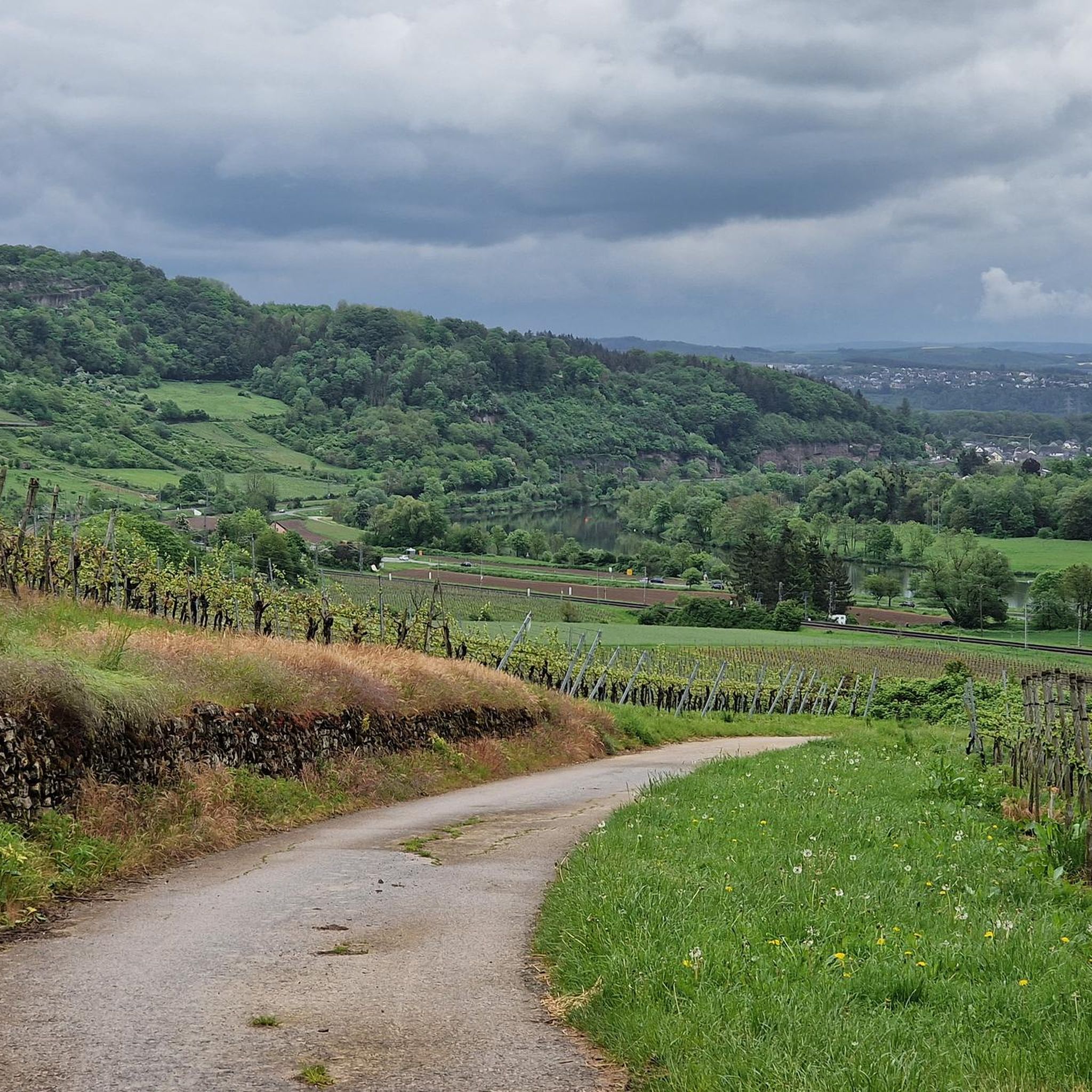
Best natural monuments around Langsur are situated in the Rhineland-Palatinate region of Germany, a landscape shaped by rivers, forests, and geological formations. The area provides opportunities to explore natural features such as caves, waterfalls, and river confluences. Langsur's surroundings are characterized by scenic river valleys and diverse natural elements. This region offers a variety of natural monuments for exploration.
Best natural monuments around Langsur
- The most popular natural monuments is Genoveva Cave, a cave that offers shelter in rainy weather and insight into ancient habitation. This large, open cave provides a glimpse into millions of years of earth development.
- Another must-see spot is Roman copper mine and quarry Pützlöcher, a historical site and natural monument. This former Roman mine and quarry is notable for its impressive rock formations and historical significance in copper mining and stone extraction for structures like the Porta Nigra.
- Visitors also love Old arm of the Saar near Kanzem, a river feature and natural monument. This nature reserve offers views of the old Saar river, with opportunities to observe waterbirds and wildlife from the bridge.
- Langsur is known for its diverse natural monuments, including caves, waterfalls, and river features. The area offers a variety of natural monuments to see and explore, from geological formations to scenic river landscapes.
- The natural monuments around Langsur are appreciated by the komoot community, with more than 2800 upvotes and over 760 photos shared.
Last updated: June 24, 2026
Confluence of the Saar and Moselle
Highlight • River
Translated by Google •
Tip by

Genoveva Cave
Highlight • Cave
Translated by Google •
Tip by

Sign up now to discover places like this
Get recommendations on the best single tracks, peaks, & plenty of other exciting outdoor places.
Sign up for free
View of the confluence of the Sauer and Moselle at Wasserbillig
Highlight • Viewpoint
Translated by Google •
Tip by

Roman copper mine and quarry Pützlöcher
Highlight • Historical Site
If you come from the Butzenbachtal, you should keep to the left down the mountain if you want the shorter way to Ramstein Castle. If you have more time, follow the designated hiking path up the mountain to the right.
Translated by Google •
Tip by

Sirzenich Waterfall
Highlight • Waterfall
Translated by Google •
Tip by

Sign up for free to discover even more natural monuments around Langsur.
Sign up for free
Already have an account?
Start today with a free account
Your next adventure awaits.
Login or Signup

Tips from the Community

Even today, blocks of stone with Roman numerals and inscriptions can be found in the mine. It is believed that quarrying continued into the 3rd century, as a coin of Emperor Maximinus Thrax was found in the tunnel. Much later, in the 18th century, the search for ore and copper resumed using state-of-the-art blasting techniques, creating new tunnels approximately 114 meters deep. However, the main tunnel collapsed during this process. Source: https://eifelfuehrer.de/touristische-ziele/geschichtliche-zeugnisse/puetzloecher
36
0
The Roman copper mine "Pützlöcher," located between Kordel and Butzweiler, is one of the oldest in Germany and means "waterhole." Here, in the 2nd century, ores such as malachite and azurite were mined at a depth of 20 meters. However, these ores were not found in large deposits, so the Romans later focused on the nearby quarry. The stones from this quarry were used, among other things, for the construction of the Porta Nigra. Source: https://eifelfuehrer.de/touristische-ziele/geschichtliche-zeugnisse/puetzloecher
43
0

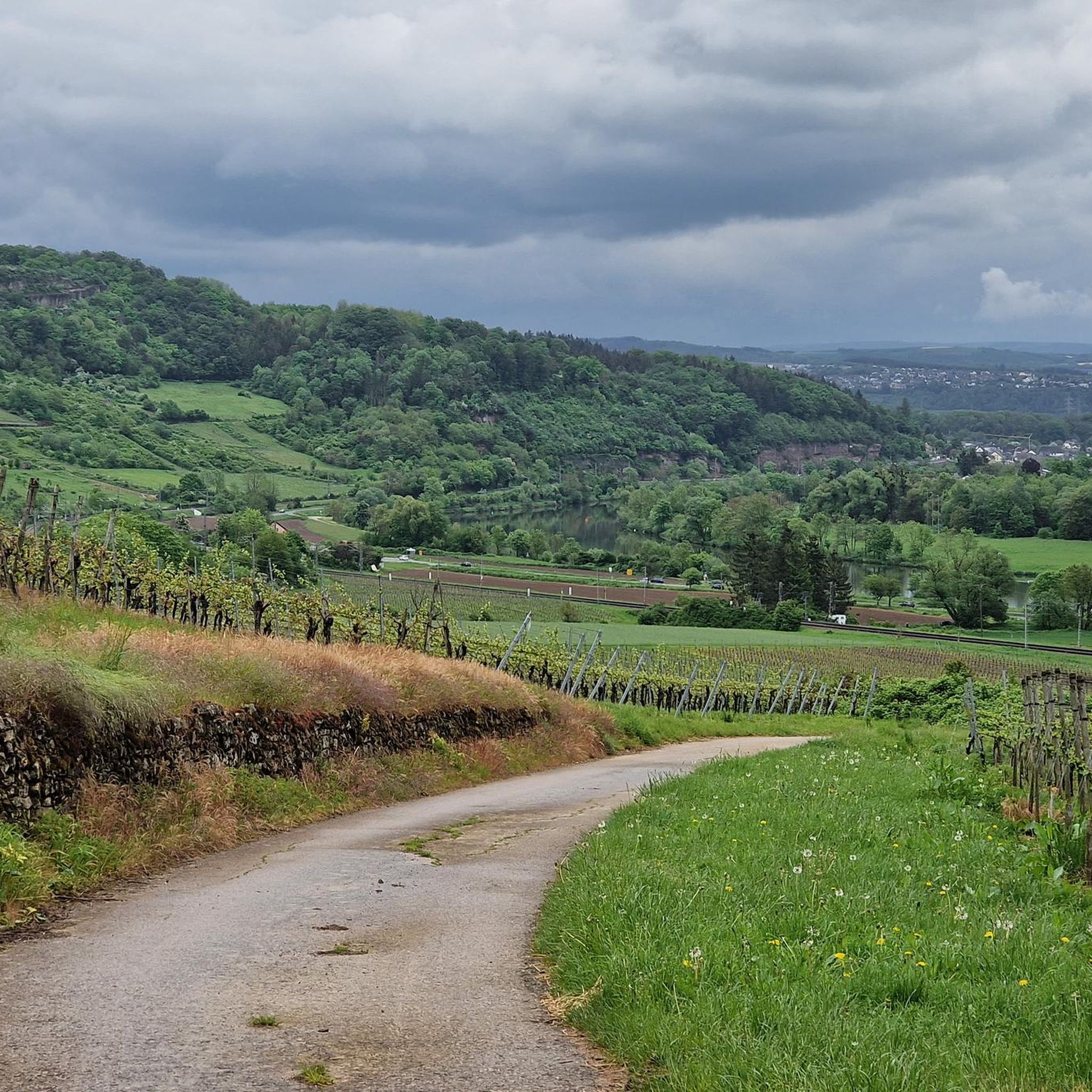
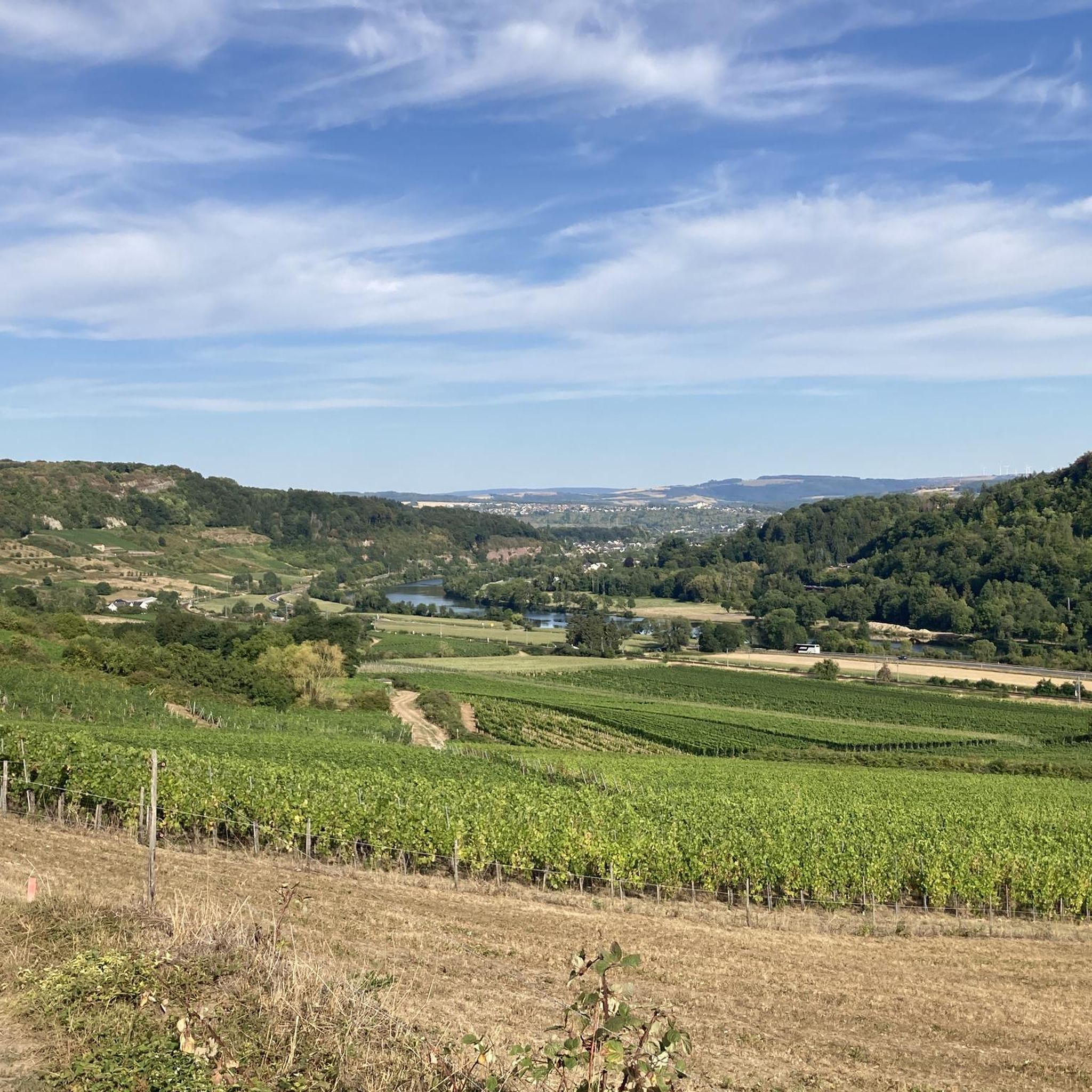
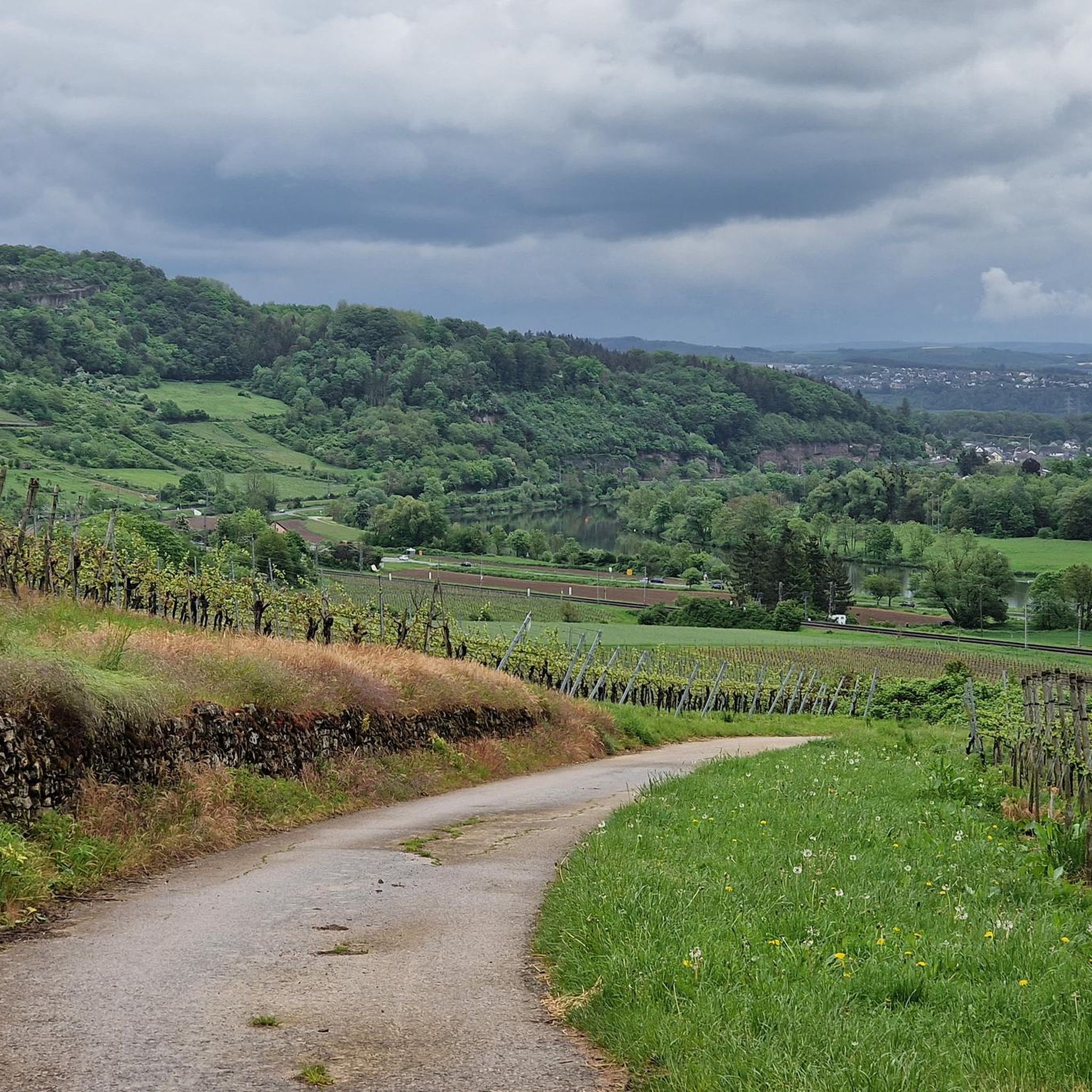
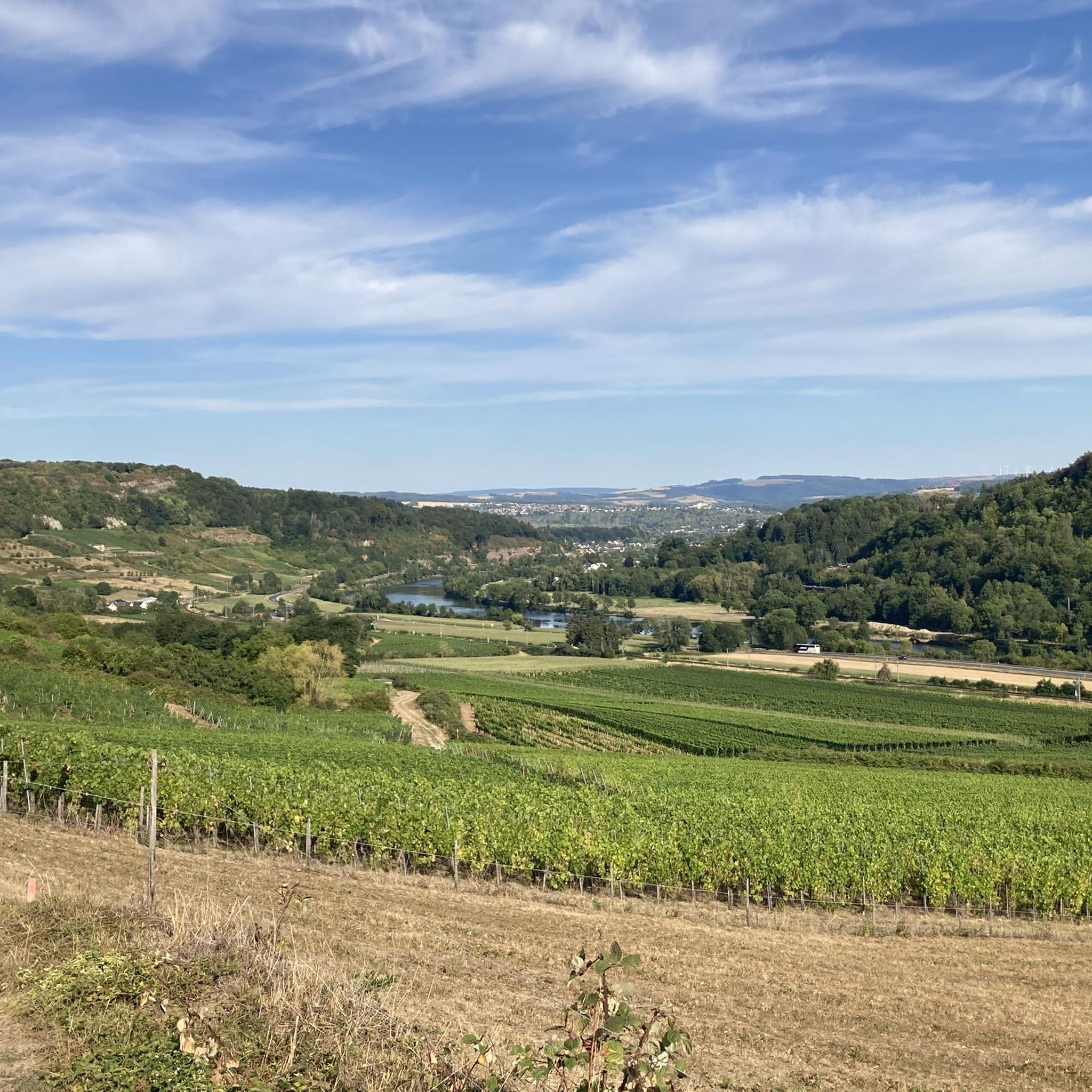
The Sauermündung is the place where the river Sauer flows into the Moselle. The Sauer is the largest left tributary of the Moselle and is approximately 170 km long. The river originates in the Belgian Ardennes and forms the border between Germany and Luxembourg for approximately 50 km between Wallendorf and Wasserbillig. In Wasserbillig the Sauer flows into the Moselle. The area around the Sauermündung is a popular destination for cyclists and nature lovers. There are many cycle paths and the area is rich in flora and fauna. There are also many birds to see, including swans and storks.
9
0
"The Sauermündung is the place where the river Sauer flows into the Moselle. The Sauer is the largest left tributary of the Moselle and is approximately 170 km long. The river originates in the Belgian Ardennes and is approximately 50 km long between Wallendorf and Wasserbillig the border between Germany and Luxembourg. In Wasserbillig the Sauer flows into the Moselle. The area around the Sauermündung is a popular destination for cyclists and nature lovers. There are many cycle paths and the area is rich in flora and fauna. There are also many birds to see, including swans and storks."
12
0

The Porta Nigra in Trier, the Cologne Cathedral and the Reichstag in Berlin have something in common! The building blocks come from the same area near Butzweiler near Trier. "Pützlöcher" is the popular name for a Roman quarry in which the large blocks for the construction of the Porta Nigra were cut out of the rock. Previously, copper ore was mined here.⚒️
12
1
"Pützlöcher": Roman quarry in which large blocks were cut out of the rock to build the Porta Nigra. Before that, copper ore was mined here.⚒️
8
0

A great bike path runs along the Sauer. Wasserbillig is quite nice for shopping
13
0

Two border rivers (Germany, Luxembourg) meet here, the Sauer and the Moselle.
9
0
Frequently Asked Questions
What types of natural monuments can I explore around Langsur?
Around Langsur, you can explore a variety of natural monuments, including impressive caves like Genoveva Cave, picturesque waterfalls such as Sirzenich Waterfall, and significant river features like the Confluence of the Saar and Moselle. The region is characterized by diverse geological formations and scenic river landscapes.
Are there any natural monuments around Langsur with historical significance?
Yes, the Roman copper mine and quarry Pützlöcher is a notable natural monument with deep historical roots. This site served as a Roman mine for copper ores and a quarry for stones used in structures like the Porta Nigra, offering a glimpse into ancient mining and construction practices.
What natural features offer good viewpoints around Langsur?
For scenic views, visit the Confluence of the Saar and Moselle, which provides expansive views of the wide river basin and the city of Konz. Additionally, the Old arm of the Saar near Kanzem offers a beautiful perspective of the nature reserve and surrounding vineyards from its bridge.
Are there family-friendly natural monuments to visit near Langsur?
Several natural monuments are suitable for families. The Confluence of the Saar and Moselle features meadows and benches, ideal for a relaxed outing. The Old arm of the Saar near Kanzem is also family-friendly, offering opportunities to observe waterbirds and wildlife.
What outdoor activities can I do near the natural monuments around Langsur?
The area around Langsur is excellent for outdoor activities. You can find numerous hiking trails, such as the easy 'Wasserbillig Border Crossing – Moselle Bridge loop' or the moderate 'Roman Roads Information Board – Schaftkreuz Wayside Cross loop'. For cycling, options range from the 'Sauer and Moselle Tour' to easier routes like 'Wasserbillig–Oberbillig Ferry'. Mountain biking trails are also available, including the 'Historical Site of Menzingen – Wassertretbecken Mesenich loop'. You can find more details on these activities in the hiking guide, cycling guide, and MTB guide for Langsur.
What is the best time of year to visit the natural monuments around Langsur?
The natural monuments around Langsur are enjoyable throughout the year, but spring and autumn offer particularly pleasant conditions for exploration. In spring, the landscape is vibrant with blooming meadows, while autumn brings colorful foliage. Summer is ideal for enjoying the cooling spray of waterfalls like Sirzenich Waterfall, and the caves provide shelter on rainy days.
Are there any natural monuments that offer shelter during bad weather?
Yes, Genoveva Cave is known as a great shelter in rainy weather. Its large, open structure provides protection while still allowing visitors to appreciate the natural surroundings and geological history.
What are some of the unique geological features found in the natural monuments?
The natural monuments around Langsur showcase diverse geological features. Genoveva Cave offers insights into millions of years of earth development. The Roman copper mine and quarry Pützlöcher features impressive rock formations resulting from ancient mining activities. The region's river valleys also display unique rock formations and landscapes shaped by water over millennia.
What do visitors appreciate most about the natural monuments in this region?
Visitors frequently praise the tranquil beauty and diverse natural elements. The komoot community has shared over 760 photos and given more than 2800 upvotes, highlighting the scenic river valleys, lush forests, and unique geological sites. The opportunity to immerse oneself in nature and discover historical connections is highly valued.
Are there any natural monuments around Langsur that are particularly good for birdwatching or wildlife observation?
The Old arm of the Saar near Kanzem is an excellent spot for birdwatching and observing other wildlife. This nature reserve provides a habitat for various waterbirds and other species, which can be seen from the bridge overlooking the old Saar river.
How long does it typically take to explore some of the natural monuments?
The time required varies by monument. A visit to Genoveva Cave can be a short hike, while exploring the Roman copper mine and quarry Pützlöcher might take longer if you delve into its various sections. Many natural monuments can be combined with longer hiking or cycling routes, allowing for half-day or full-day excursions.
Are there any natural monuments that are particularly suitable for a peaceful retreat?
The Stumpfenbach Waterfall, mentioned in regional research, is renowned for its picturesque beauty and tranquil atmosphere, making it a favored destination for nature enthusiasts seeking a peaceful retreat. Its idyllic setting amidst lush greenery creates a serene environment for relaxation.
Most popular routes around Langsur
Most popular attractions around Langsur

Get inspired with the komoot mobile app


Explore more
Extend your search for the best caves by checking out these guides of the top ones around Langsur:
