Top 20 Natural Monuments around Bunde
Best natural monuments around Bunde include unique geological formations and protected natural areas. The region features the Doberg, a significant paleontological site known for its Oligocene marine deposits and fossil discoveries. This area offers insights into ancient marine life and diverse ecosystems. Visitors can explore a variety of natural landmarks, from historical viewpoints to nature reserves.
Best natural monuments around Bunde
- The most popular natural monuments is Seal observation wall, a viewpoint that allows for undisturbed observation of seals.…
Last updated: September 1, 2026
Nieuwe Statenzijl
Highlight • Viewpoint
You have a great view over the Dollart. From here you can see the viewing platform
in the mudflats on foot.
more info here:
ostfriesland.de/mein-ostfriesland/ferienorte/bunde/interessantes/kiekkaaste.html
Translated by Google •
Tip by

Seal observation wall
Highlight • Viewpoint
Translated by Google •
Tip by

Sign up now to discover places like this
Get recommendations on the best single tracks, peaks, & plenty of other exciting outdoor places.
Sign up for free
Plytenberg
Highlight • Viewpoint
Translated by Google •
Tip by

Marcellus Path to De Kiekkaaste Bird Hide
Highlight (Segment) • Mountain Hut
Translated by Google •
Tip by

Püttenbollen Nature Reserve
Highlight (Segment) • Natural Monument
The nature reserve with the NSG WE 114 mark is 11.8 …
Translated by Google •
Tip by

Sign up for free to discover even more natural monuments around Bunde.
Sign up for free
Already have an account?
Start today with a free account
Your next adventure awaits.
Login or Signup
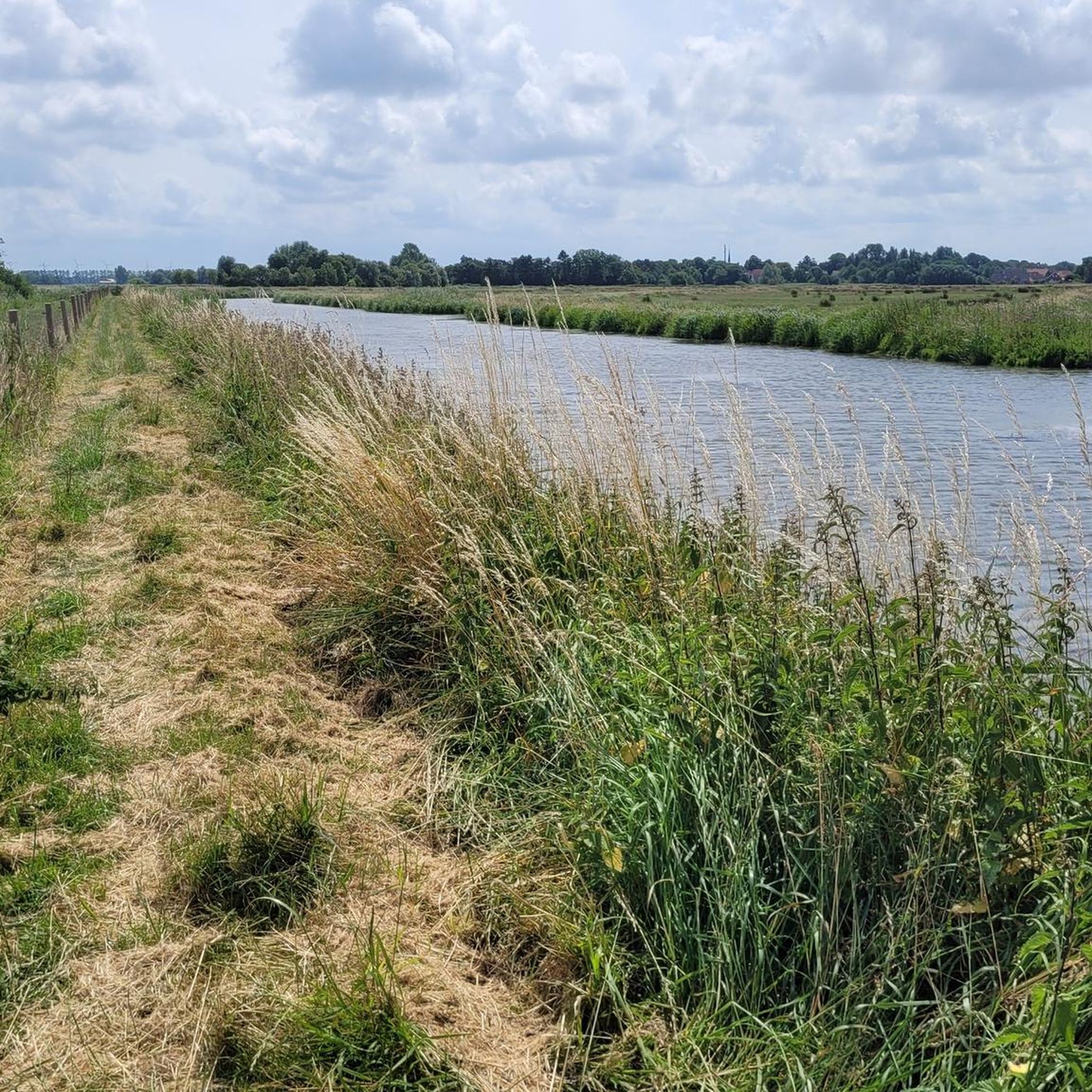
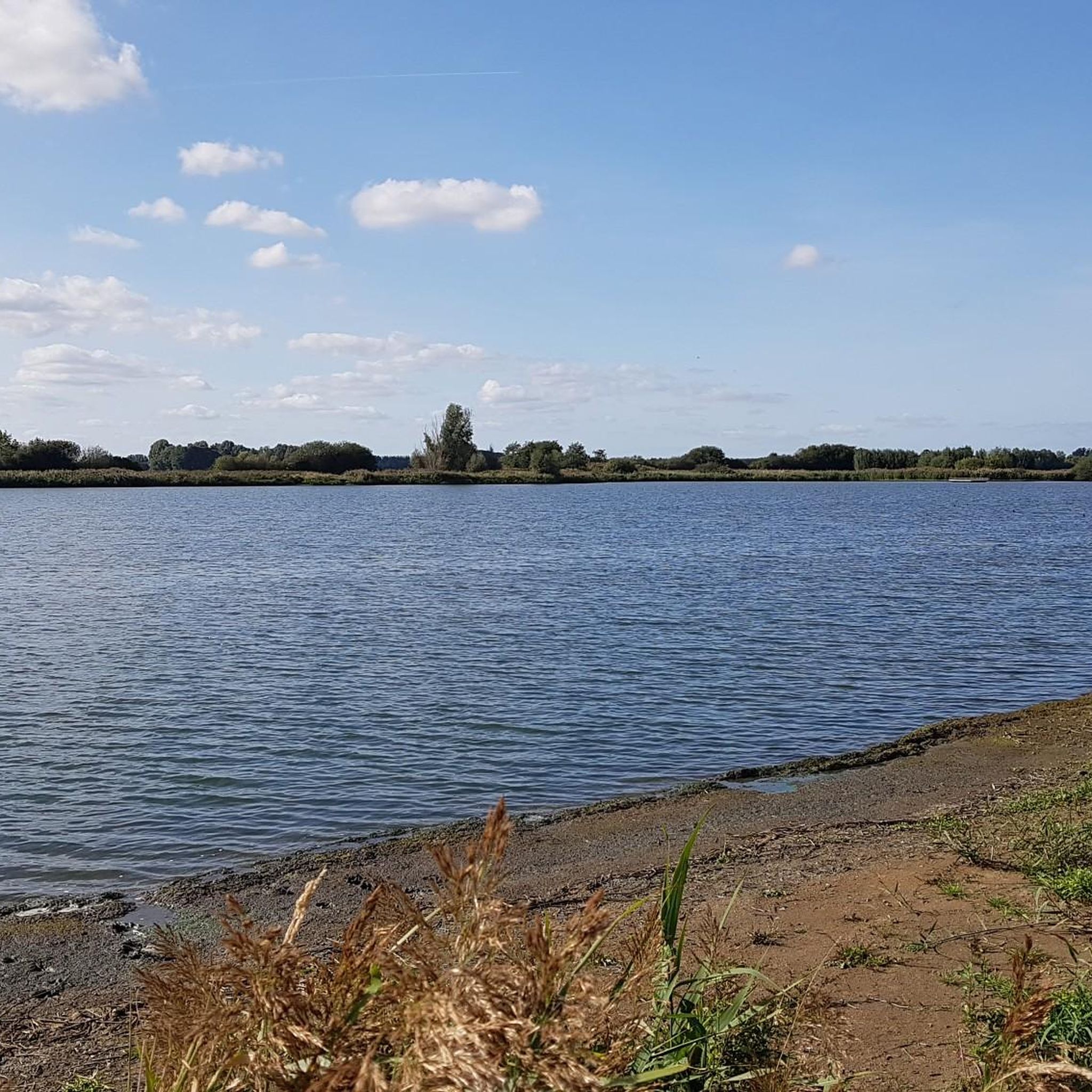
Other adventures around Bunde

Tips from the Community

Must visit, beautifully done
0
0

A small green space between the cities. Good bike path with a view.
0
0

Fantastic place! Also the path to it is special.
1
0


Not to be accessed during floods
1
0

In the extreme northeast of Groningen, near Drieborg, you will find this bird watching hut de Kiekkaaste. Heli's the only offshore hide in the Netherlands.
1
0

Countless seals lay here and some directly behind the dyke. :-)
2
0
Frequently Asked Questions
What makes the Doberg in Bünde a significant natural monument?
The Doberg is internationally recognized as one of the most comprehensive fossil sites from the Oligocene epoch north of the Alps. It preserves an almost complete sequence of Oligocene marine deposits, offering invaluable insights into ancient marine fauna. It's also a protected nature preserve and a National Geotope.
What kind of fossils can be found at the Doberg?
The Doberg is famous for its exceptional fossil discoveries, including the skeleton of a prehistoric sea cow (Anomotherium langewieschei) and the skull of an ancient toothed whale (Eosqualodon langewieschei), both over 30 million years old. More than 500 marine animal species have been identified from its marl quarries.
Where can I learn more about the geological history and fossils of the Doberg?
The Dobergmuseum – Geologisches Museum OWL, part of Museum Bünde, showcases the remarkable fossils from the Doberg. It features modern displays, digital elements, and a reconstructed skeleton of a prehistoric whale, offering an immersive journey into the region's ancient past. You can find more information about the museum on Wikipedia.
Are there family-friendly natural monuments to visit in Bunde?
Yes, several natural monuments around Bunde are considered family-friendly. These include the Nieuwe Statenzijl Sluice and Kiekkaaste Bird Hide, the Seal observation wall, and Plytenberg. The Püttenbollen Nature Reserve and Bovenlanden Nature Reserve also offer accessible natural experiences for families.
Where can I observe wildlife near Bunde's natural monuments?
For seal observation, visit the Seal observation wall, especially at low tide. Birdwatching opportunities are excellent at the Nieuwe Statenzijl Sluice and Kiekkaaste Bird Hide. The Doberg itself is a protected habitat with diverse ecosystems supporting various insect species.
Are there any natural monuments with historical significance in the Bunde area?
Absolutely. The Plytenberg is a viewpoint and historical site offering panoramic views and local legends. The Doberg also holds immense historical significance due to its paleontological discoveries, providing a window into marine life over 30 million years ago.
What outdoor activities are available near the natural monuments around Bunde?
The region around Bunde offers various outdoor activities. You can explore numerous routes for hiking, gravel biking, and road cycling. For detailed routes, check out the guides for Hiking around Bunde, Gravel biking around Bunde, and Road Cycling Routes around Bunde.
Are there hiking trails near Bunde's natural monuments?
Yes, there are several hiking trails available. For example, you can find easy to moderate routes like the 'Glass Eel Migration Route' or 'Hiking loop from Brual'. For a comprehensive list of trails, refer to the Hiking around Bunde guide.
What is the best time of year to visit the natural monuments in Bunde?
The best time to visit depends on your interests. Spring and autumn offer pleasant temperatures for hiking and exploring the nature reserves. For wildlife observation, such as seals, checking tide times is crucial, as they are often visible at low tide. The Dobergmuseum is an indoor attraction, suitable for any time of year.
What do visitors particularly enjoy about the natural monuments around Bunde?
Visitors appreciate the unique geological formations, the opportunity to observe wildlife like seals and birds, and the historical significance of sites like Plytenberg. The Doberg's paleontological importance and the insights it offers into ancient marine life are also highly valued. The komoot community has shared over 180 photos and given more than 230 upvotes for these natural monuments.
Are there other notable natural reserves around Bunde besides the Doberg?
Yes, the region features other significant natural reserves. The Püttenbollen Nature Reserve is a small bog complex surrounded by wet grassland, important for its plant communities. The Bovenlanden Nature Reserve is not only a beautiful area but also serves a crucial role in flood prevention, capable of storing millions of cubic meters of water.
Most popular attractions around Bunde

Get inspired with the komoot mobile app


Explore more
Extend your search for the best caves by checking out these guides of the top ones around Bunde:
