Top 20 Natural Monuments around Bennhausen
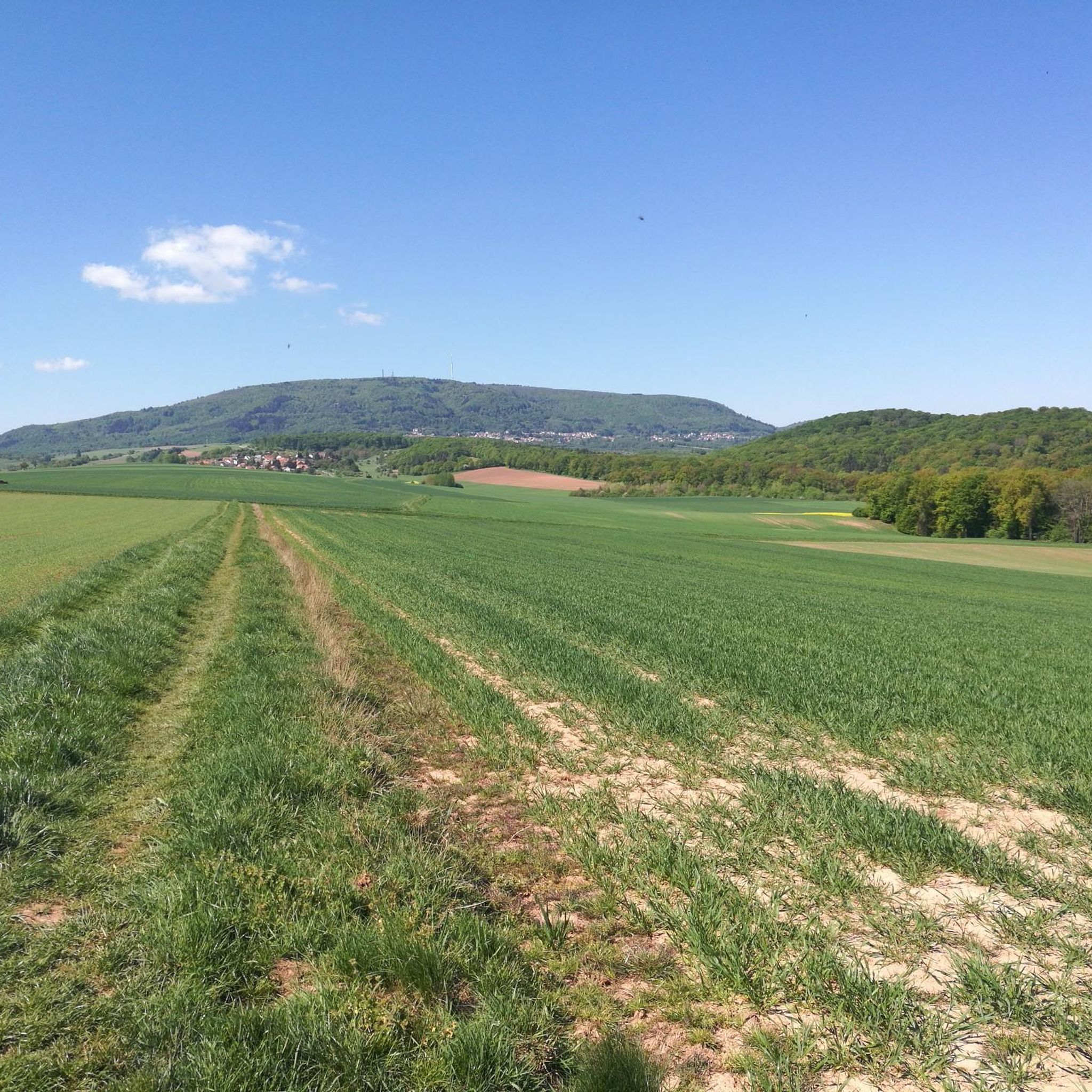
Best natural monuments around Bennhausen are found within the surrounding Donnersberg region, offering a range of natural features and historical sites. This area is characterized by its highest elevation in the Palatinate, the Donnersberg, which features distinctive rhyolite rock formations. Visitors can explore significant natural attractions that combine geological interest with panoramic views. The landscape provides opportunities for outdoor activities centered around these natural landmarks.
Best natural monuments around Bennhausen
- The most popular natural monuments is Adlerbogen Viewpoint, a…
Last updated: June 24, 2026
Adlerbogen Viewpoint
Highlight • Viewpoint
Showing Translation
Tip by

Königsstuhl (Donnersberg summit)
Highlight • Summit
Showing Translation
Tip by
Sign up now to discover places like this
Get recommendations on the best single tracks, peaks, & plenty of other exciting outdoor places.
Sign up for free
Hirtenfels Viewpoint
Highlight • Viewpoint
Translated by Google •
Tip by

Ruins of Falkenstein Castle
Highlight • Castle
Translated by Google •
Tip by
Ruins of Rosenthal Monastery
Highlight • Historical Site
Translated by Google •
Tip by

Sign up for free to discover even more natural monuments around Bennhausen.
Sign up for free
Already have an account?
Start today with a free account
Your next adventure awaits.
Login or Signup
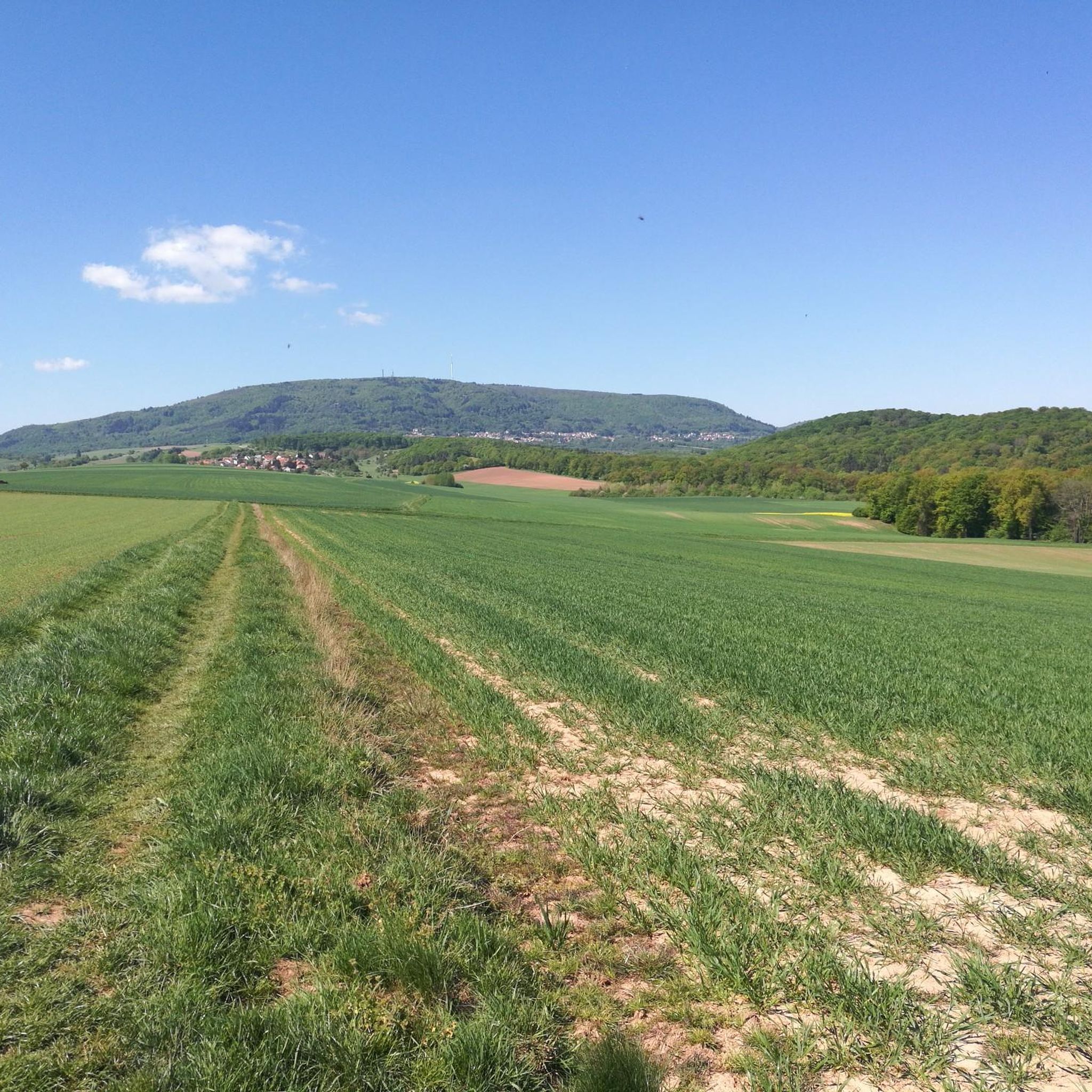
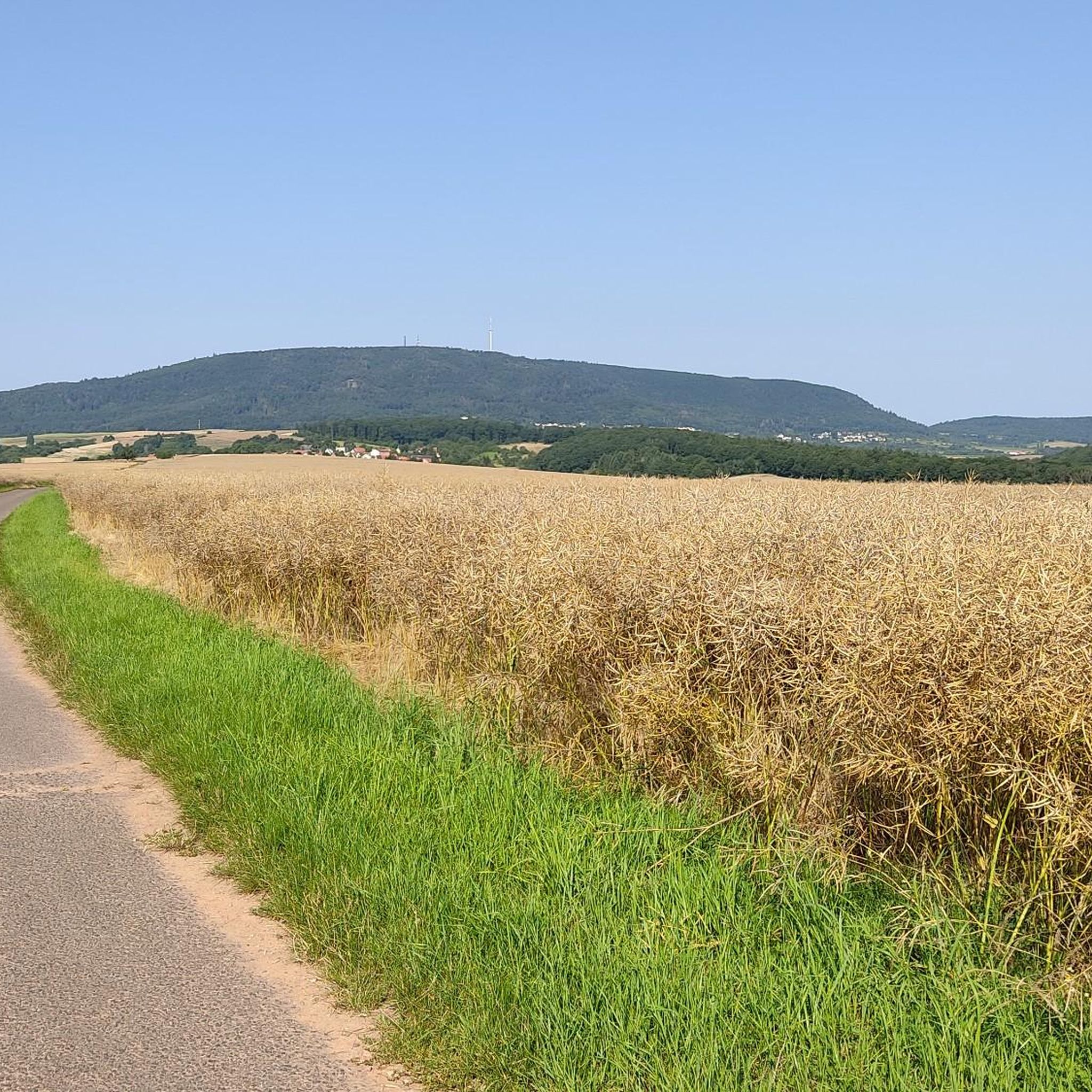

Tips from the Community

Beautiful, well-restored castle ruins with a great view. There is also a place to stop for refreshments right at the castle.
4
1
There is a shelter at the Hirtenfels. From there you have a great view of the surroundings and the Palatinate Forest. Right next to it is the Kosakenfels.
11
0

The Hirtenfels with its 630m above sea level is well integrated into a beautiful hiking tour from Dannenfels over the Adlerbogen and Ludwigsturm. From the summit of the Hirtenfels you have a wonderful view of the Palatinate.
9
0

The monastery was founded in 1241 by Count Eberhard IV. von Eberstein (earlier count Eberhard II.), lord of Stauf, and his wife Adelheid von Sayn. Eberhard von Eberstein was the brother of Speyer Bishop Konrad von Eberstein and a cousin of St. Hedwig. He was descended from the Andechser family on his mother's side and was related by marriage to the Leininger and the Raugrafen through his two sisters. His nephew Raugraf Eberhard I, Bishop of Worms, consecrated the early Gothic church of the Rosenthal monastery founded by his uncle on May 22, 1261. In October of that year, the bishop's brother Raugraf Heinrich I († 1261) was buried there; the gravestone is preserved in the church ruins. According to the Regensburg Chronicle by Carl Theodor Commoner, he was the knight who corresponded with Duchess Maria of Brabant, which is why, out of unfounded jealousy, she was beheaded in 1256 on the orders of her husband Louis the Strict of Bavaria.[1] History of the monastery The church ruins from the south (2014) Church ruins from the inside Gravestone of the monastery founder Eberhard von Eberstein in the Rosenthal church ruins Many daughters of the landed nobility entered the monastery. In 1496 it had 70 members, including 31 choir sisters, 14 lay sisters and 24 servants. The nuns brought the marriage property they were entitled to into the monastery community and other donations also fell to them. As a result, the convent had considerable property in the surrounding area and further afield, especially in Asselheim, Bechtolsheim, Breunigweiler, Göllheim, Guntheim, Hillesheim, Candlesheim, Lautersheim and in Sippersfeld. King Adolf of Nassau fell in the Battle of Göllheim on July 2, 1298 and was buried here. He was the great-nephew of the founder of the monastery and remained buried in Rosenthal for eleven years because his surviving opponent Albert of Austria refused to allow him to be buried in Speyer Cathedral. Only after his death could it be transferred to the cathedral in 1309. According to tradition, his wife Imagina von Isenburg-Limburg prayed in the Rosenthal monastery church while the battle was raging not far away. She later had the early Gothic royal cross erected at the place of her husband's death and lived to see it transferred to Speyer. In the Mainz Abbey Feud (1461/62), the convent under Abbess Anna von Lustadt († 1485) was affected. At the end of the 15th century, her successor Margaretha von Venningen († 1505) had the monastery church rebuilt in the late Gothic style, which also created the striking pinnacle tower. During the Palatinate Peasants' War, during the term of office of Abbess Barbara Göler von Ravensburg († 1535), the monastery was looted and devastated in 1525, but it was able to continue to operate; until finally in 1572 the 14th abbess, Elisabeth von Geispitzheim, ceded all rights to the then sovereign, Count Philip IV of Nassau-Saarbrücken, in the course of the Reformation. He had already banned the admission of new sisters and pushed for the convent to be closed. He dissolved the monastery, took ownership of the property and appointed a secular steward to manage and manage the property. In the period that followed, the monastery slopes served as a source of income for the changing lines of the ruling House of Nassau. Towards the end of the Thirty Years' War, Emperor Ferdinand III. restored the rights of the Cistercian Order. Under the Abbess of Königsbruck, Rosenthal was once again populated by nuns in the spring of 1646 and the complex was renovated. Citing the agreements reached in the Peace of Westphalia, the Counts of Nassau expelled the sisters from the monastery again in February 1651. It remained dissolved and was administered as a state domain. In 1794 the French confiscated the property and auctioned off parts of it. Mennonites settled there, continued to manage the former monastery property and lived in the monastery buildings, which they divided among the families. The church served as a quarry for them and they began to demolish the choir area. The Bavarian state put a stop to the work of destruction when the district administrator of the Kirchheim district office bought the church ruins in 1851 for the benefit of the Historical Association of the Palatinate and the Bavarian district government in Speyer. In 1863 it became the property of what was then the Rosenthal Association and today the Rosenthal and Surroundings Historical Association looks after the impressive complex.
4
0

Beautiful ruins of the former monastery church with an interesting history - for example, Emperor Adolph von Nassau, who fell in battle, was buried here for several years.
6
0

A beautifully preserved castle ruin with a great view and a castle room. It's worth a visit.
6
0

Very pretty castle ruins that were built on a volcanic vent. It is freely accessible, even now during C times. If you come out of the forest below at the bell tower / cemetery, you have a great view of the castle, but then you have to take a steep road up to the ruin (25%), it is practically in the middle of the village. There is also a castle tavern, currently only to-go, of course. In the castle there are also some nice seating areas for a rest.
9
1

Gigantic view. And I don't find the many wind turbines disturbing either. At least nicer than KKW's.
13
1
Frequently Asked Questions
What are some of the most popular natural monuments to visit near Bennhausen?
Visitors frequently enjoy the Adlerbogen Viewpoint, known for its beautiful eastern views over the Zellertal and Worms. Another highly rated spot is the Königsstuhl (Donnersberg summit), the highest point in the Palatinate, offering panoramic views. The Ruins of Falkenstein Castle also combine historical interest with expansive natural vistas.
What kind of natural features can I expect to see around Bennhausen?
The region around Bennhausen, particularly the Donnersberg area, is characterized by significant natural features. You'll find impressive rhyolite rock formations, such as those at the Königsstuhl, which is a cryptodome formed from magma. There are also numerous viewpoints like the Adlerbogen Viewpoint and Hirtenfels Viewpoint, offering sweeping landscapes across the Naheland, Hunsrück, and Taunus regions.
Are there any historical sites that are also considered natural monuments in the area?
Yes, several sites blend natural beauty with historical significance. The Königsstuhl (Donnersberg summit) is not only a natural landmark but also features remnants of a Celtic ring wall. The Ruins of Falkenstein Castle offer a historical experience with great views, and the Ruins of Rosenthal Monastery provide a serene historical setting amidst nature.
What is the best time of year to visit the natural monuments around Bennhausen?
Many natural monuments, such as the Königsstuhl, are freely accessible year-round. Spring and autumn offer pleasant temperatures for hiking and vibrant foliage. Summer provides longer daylight hours for exploration, while winter can offer unique, snow-covered landscapes, though some trails might be more challenging.
Are the natural monuments around Bennhausen family-friendly?
Yes, many natural monuments in the region are suitable for families. The Ruins of Rosenthal Monastery are listed as family-friendly, offering a peaceful setting. Generally, the well-marked hiking trails leading to viewpoints and summits can be enjoyed by families, though some routes to the highest points might be more strenuous.
What outdoor activities can I do near these natural monuments?
The area around Bennhausen is excellent for various outdoor activities. You can enjoy extensive hiking, with trails like the 'Hirtenfels Viewpoint – Ludwig Tower, Donnersberg loop' or the 'Adlerbogen Viewpoint – Hirtenfels Viewpoint loop'. Cycling and road cycling are also popular, with routes such as the 'Pfrimm Valley Viaduct – Zellertal Cycle Path loop'. For more details on routes, you can explore the Hiking around Bennhausen or Cycling around Bennhausen guides.
Are there specific hiking trails that lead to the natural monuments?
Absolutely. Numerous well-marked hiking trails lead to the natural monuments. For instance, you can find trails that take you to the Königsstuhl (Donnersberg summit), offering varying levels of difficulty. The Adlerbogen Viewpoint can also be incorporated into various hikes on the Donnersberg. Check the Hiking around Bennhausen guide for detailed route options.
What do visitors enjoy most about the natural monuments around Bennhausen?
Visitors consistently praise the breathtaking panoramic views from spots like the Königsstuhl and Adlerbogen Viewpoint. The sense of achievement from reaching the highest points, combined with the impressive natural scenery and historical context, makes for a rewarding experience. Many also appreciate the well-maintained trails and the peaceful atmosphere.
Is there a good viewpoint to see the Palatinate Forest?
Yes, the Hirtenfels Viewpoint offers a great view of the surroundings, including the Palatinate Forest. It also features a shelter, making it a good spot for a break while enjoying the scenery.
Can I find places to eat or stay near the natural monuments?
While Bennhausen itself is a small village, the broader Donnersberg region offers amenities. For example, the Ruins of Falkenstein Castle have an excursion restaurant directly at the site. You can find cafes, pubs, and accommodation options in nearby towns and villages, especially those serving as popular starting points for hikes.
Are the natural monuments accessible by public transport?
While direct public transport to every specific natural monument might be limited, the Donnersberg region is generally accessible. You can often reach larger towns or trailheads by bus or train, and then continue on foot. Planning your route in advance with local transport schedules is recommended.
What is the significance of the Königsstuhl (Donnersberg summit)?
The Königsstuhl is the highest point in the Palatinate region, standing at 686 meters above sea level. It's a distinctive rhyolite rock formation, considered a natural landmark, and offers extensive panoramic views. Historically, it's significant as part of a larger Celtic settlement, with remnants of a ring wall nearby.
Most popular attractions around Bennhausen

Get inspired with the komoot mobile app


Explore more
Extend your search for the best caves by checking out these guides of the top ones around Bennhausen:
