Top 20 Natural Monuments around Morschheim
Best natural monuments around Morschheim are found in the Donnersbergkreis district, providing access to the Palatinate region's notable natural features. The area is characterized by the prominent Donnersberg, the highest mountain in the Palatinate, and the extensive Palatinate Forest. These natural landscapes offer diverse geological formations, dense woodlands, and significant historical sites. Morschheim serves as a base for exploring these natural landmarks.
Best natural monuments around Morschheim
- The most popular natural monument is Adlerbogen Viewpoint, a viewpoint that offers…
Last updated: June 24, 2026
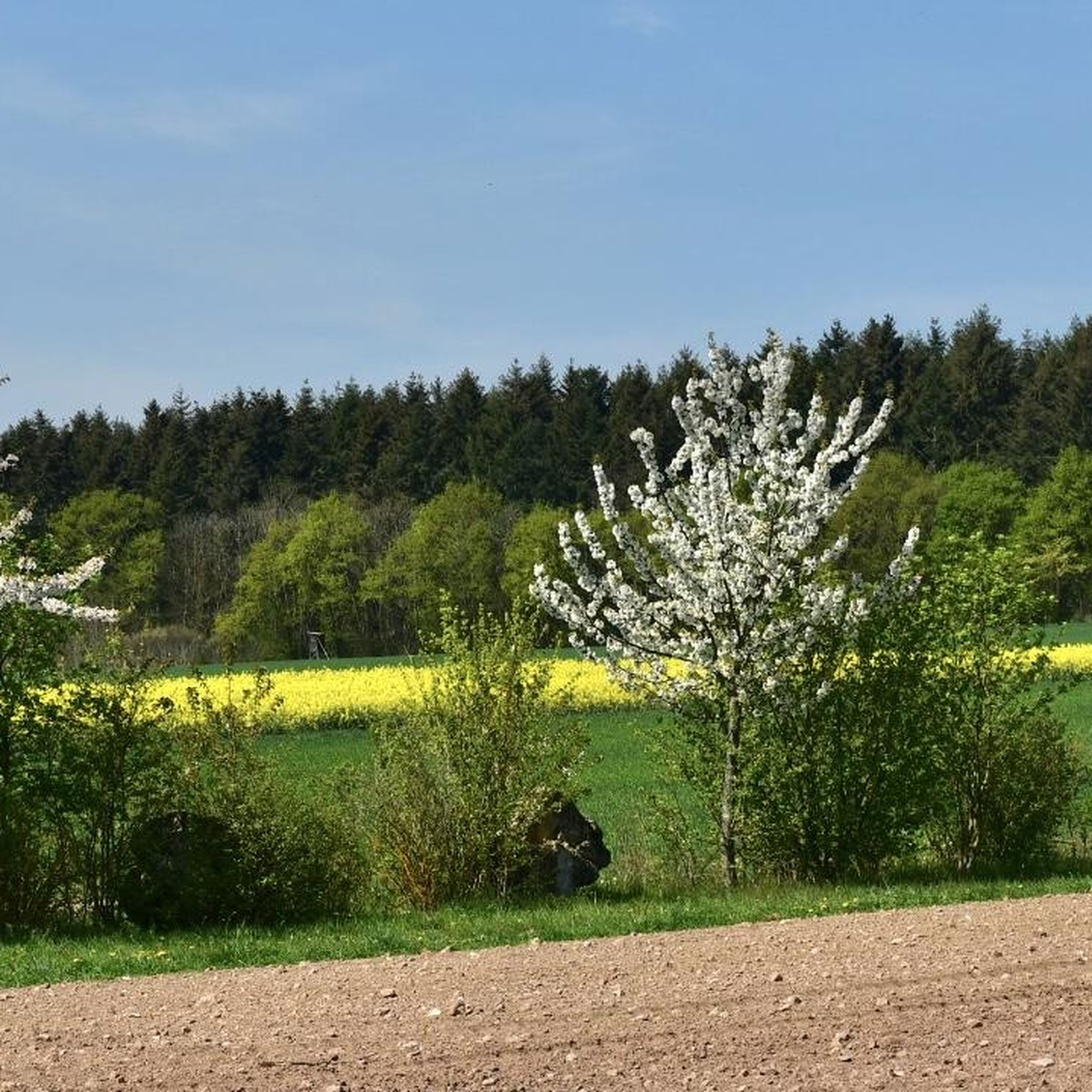
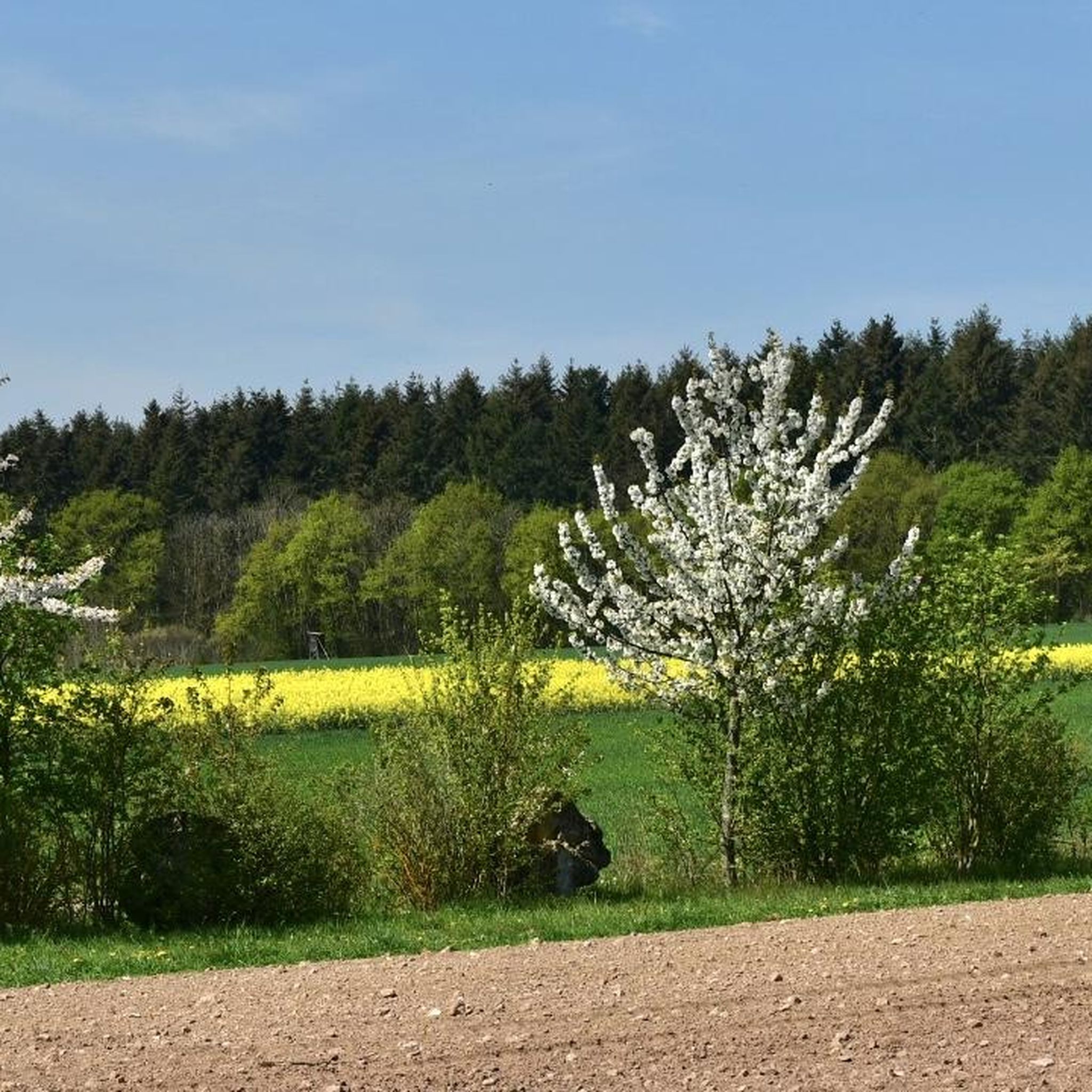
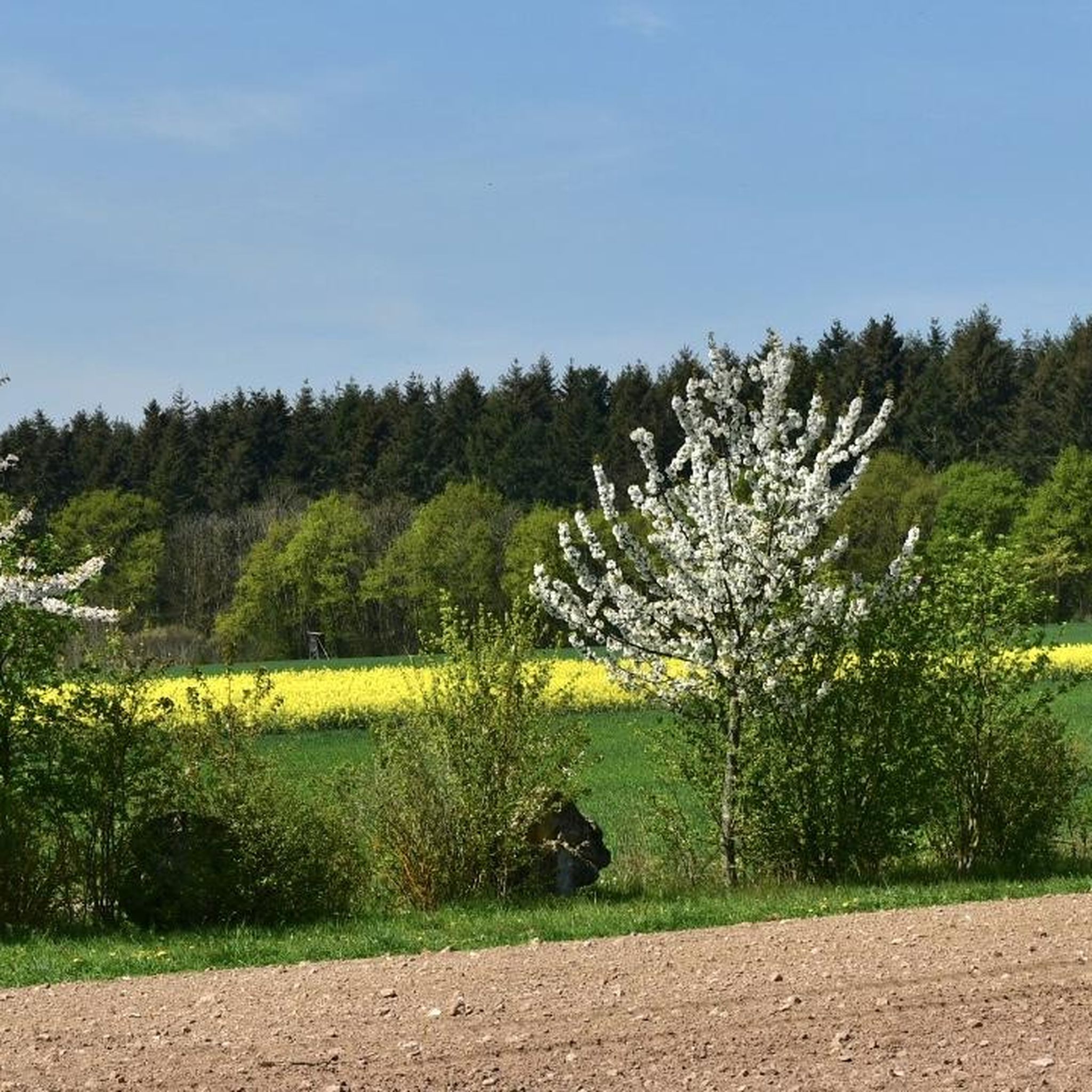
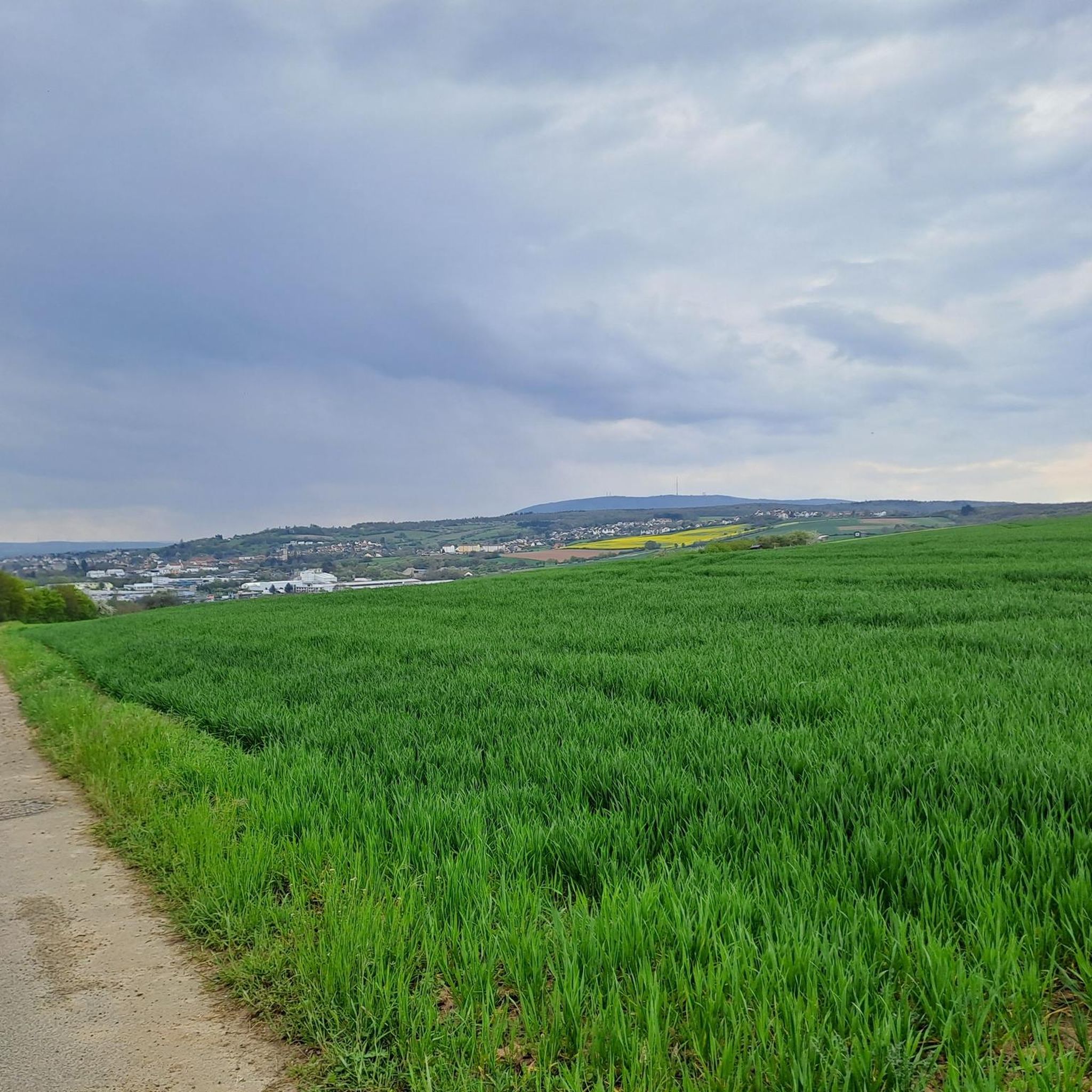
Adlerbogen Viewpoint
Highlight • Viewpoint
Showing Translation
Tip by

Königsstuhl (Donnersberg summit)
Highlight • Summit
Showing Translation
Tip by
Sign up now to discover places like this
Get recommendations on the best single tracks, peaks, & plenty of other exciting outdoor places.
Sign up for free
Hirtenfels Viewpoint
Highlight • Viewpoint
Translated by Google •
Tip by

Hauck's Quarries
Highlight • Structure
Translated by Google •
Tip by

Restored Selz River Near Schafhausen
Highlight • River
Translated by Google •
Tip by

Sign up for free to discover even more natural monuments around Morschheim.
Sign up for free
Already have an account?
Start today with a free account
Your next adventure awaits.
Login or Signup
Tips from the Community

beautiful natural landscape ;-)
0
0

The renaturalized Selz River near Schafhausen is a prime example of successful nature conservation in Rheinhessen. This section of the Selz River south of Alzey-Schafhausen has undergone extensive ecological enhancement in recent years – and you'll notice this immediately when you walk along it.
1
0

Really wonderful renaturation. There are lots of places to sit and watch waterfowl.
1
0

Nature is taking back bit by bit!
1
0


The Hauck'sche quarry is one of 16 sandstone quarries in the Flonheim area. The emergence of the Flonheim sandstone goes back to the time of the "Rotliegend" approx. 290 million years ago. The light yellow color, partly interspersed with dark brown and black iron rinds (limonite), gives the Flonheim sandstone its unique appearance. The Flonheim sandstone was already quarried by the Romans and probably used for country houses, temples and tombstones. Excavations at the former Roman fort in Alzey bear witness to this. Over the centuries, the sandstone was used for numerous buildings in Flonheim, e.g. for the former Augustinian monastery, the defensive wall and the historic town hall. However, the Flonheimer sandstone was not only a popular building material in Flonheim, but throughout the entire region. The stonemason trade reached its peak in the 17th and 18th centuries. You can still admire this today in the magnificent baroque inns and town houses with their unique door portals. The evangelical market church and the bear pharmacy bear witness to a second boom in the sandstone industry around the turn of the century (1900). Flonheim sandstone was also used in the construction of Cologne Cathedral in the 19th century.
5
0

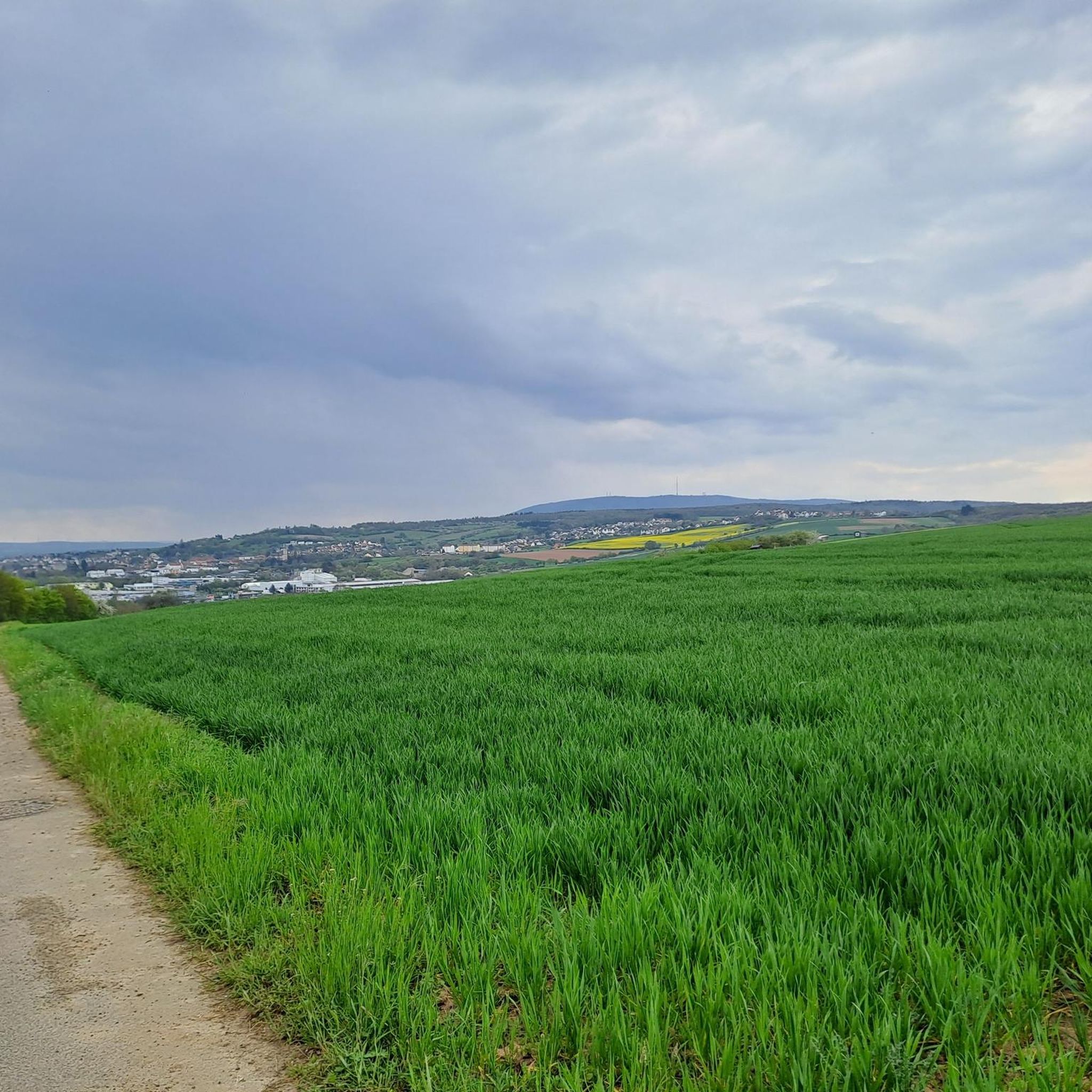
There is a shelter at the Hirtenfels. From there you have a great view of the surroundings and the Palatinate Forest. Right next to it is the Kosakenfels.
11
0

The renaturation is really bearing fruit here! We were surprised that the water level in the area is unusually high. Now we have found the cause in the form of a 1.20 m high beaver dam. The beaver has thus created an ideal habitat for itself.
2
0
Frequently Asked Questions
What are the unique geological features to explore near Morschheim?
The region around Morschheim is rich in geological history. The prominent Donnersberg, for instance, is recognized as a National Geotope, formed approximately 300 million years ago from volcanic activity. You can also find impressive Bunter sandstone landscapes in the Palatinate Forest, which have created unique rock formations through millennia of erosion. The Hauck's Quarries also showcase the historical use of local sandstone.
Which natural monuments offer the best panoramic views around Morschheim?
For breathtaking panoramic views, consider visiting the Adlerbogen Viewpoint, which offers a view to the east over the Zellertal and Worms to the Odenwald. Another excellent spot is the Königsstuhl (Donnersberg summit), providing extensive views from the highest point in the Palatinate. The Hirtenfels Viewpoint also provides great views of the surroundings and the Palatinate Forest, complete with a shelter.
Are there any historical natural monuments or sites of interest near Morschheim?
Yes, the Donnersberg area combines natural beauty with significant history. The Donnersberg is home to the remains of an important Celtic settlement (oppidum) from around 150 BC, with parts of the Celtic rampart reconstructed for exploration. Additionally, Hauck's Quarries are an impressive testimony to the region's historical sandstone mining, dating back to Roman times.
What kind of outdoor activities can I do near the natural monuments around Morschheim?
The area around Morschheim is ideal for various outdoor activities. You can find numerous hiking trails, including easy and moderate options like the 'Napoleonstein Memorial loop' or 'Hollahaus loop'. For running enthusiasts, there are routes such as the 'An den Fichten Trailhead loop'. Mountain biking is also popular, with trails like the 'Heiligenblut Chapel and Tower loop'. You can explore more options on the Hiking around Morschheim, Running Trails around Morschheim, and MTB Trails around Morschheim guide pages.
Are there family-friendly natural monuments or trails suitable for children?
While specific 'family_friendly' trails are not explicitly detailed for all natural monuments, the Restored Selz River Near Schafhausen is noted as family-friendly, offering a recreational area to enjoy. Many of the easier hiking loops, such as the 'Napoleonstein Memorial loop' (6.2 km, easy) or 'Rescue Point 6231-361 loop' (3.7 km, easy) found on the Hiking around Morschheim guide, could also be suitable for families.
What is the highest point I can visit among the natural monuments?
The highest point you can visit is the Königsstuhl (Donnersberg summit). Reaching 686 meters, it is the highest elevation in the Palatinate region and offers extensive views.
What makes the Palatinate Forest a significant natural area near Morschheim?
The Palatinate Forest, which Morschheim is situated near, is Germany's largest contiguous forest region and part of a UNESCO Biosphere Reserve. It boasts vast woodlands, unique Bunter sandstone formations, and a rich biodiversity, providing habitats for various plant and animal species. It's an ideal location for extensive walks and immersing oneself in nature.
Are there any natural monuments related to historical industries or trades?
Yes, the Hauck's Quarries are a prime example. These sandstone quarries in the Flonheim area date back to Roman times and were instrumental in providing building materials for numerous structures, including parts of Cologne Cathedral. They offer a unique glimpse into the region's industrial past and the geological origins of the Flonheim sandstone.
What do visitors particularly enjoy about the natural monuments around Morschheim?
Visitors frequently praise the breathtaking views from spots like the Königsstuhl (Donnersberg summit) and the unique framing of the landscape by the Adlerbogen Viewpoint. The combination of geological interest, extensive hiking opportunities, and historical context, particularly around the Donnersberg, is highly appreciated. The successful renaturation efforts at the Restored Selz River Near Schafhausen also receive positive feedback for creating a pleasant recreational area.
Is there a place where I can see a successfully renatured river near Morschheim?
Yes, the Restored Selz River Near Schafhausen is a great example of successful renaturation. This area has been transformed into a recreational space, and visitors often note the positive impact on the local ecosystem, including the presence of beavers.
What is the best time of year to visit the natural monuments around Morschheim?
The natural monuments around Morschheim, particularly the Donnersberg and Palatinate Forest, are enjoyable year-round. Spring and autumn offer pleasant temperatures for hiking and vibrant foliage. Summer is great for longer days and outdoor exploration, while winter can provide a unique, serene experience, especially with snow, though some trails might be more challenging. Always check local weather conditions before your visit.
Most popular routes around Morschheim
Most popular attractions around Morschheim

Get inspired with the komoot mobile app


Explore more
Extend your search for the best caves by checking out these guides of the top ones around Morschheim:
