Top 20 Natural Monuments around Eimsheim
Best natural monuments around Eimsheim are found within a community in the Mainz-Bingen district of Rheinland-Pfalz, Germany. The area is characterized by its natural landscape, including vineyards, rolling hills, and scenic views. While specific natural monuments like unique rock formations are not directly within Eimsheim, the region's appeal stems from its wine-growing landscape and elevated viewpoints. These local natural features offer opportunities for outdoor activities and exploration.
Best natural monuments around Eimsheim
- The most popular natural monuments is Swedish Column…
Last updated: June 24, 2026
Landskron Castle Ruins
Highlight • Castle
Translated by Google •
Tip by

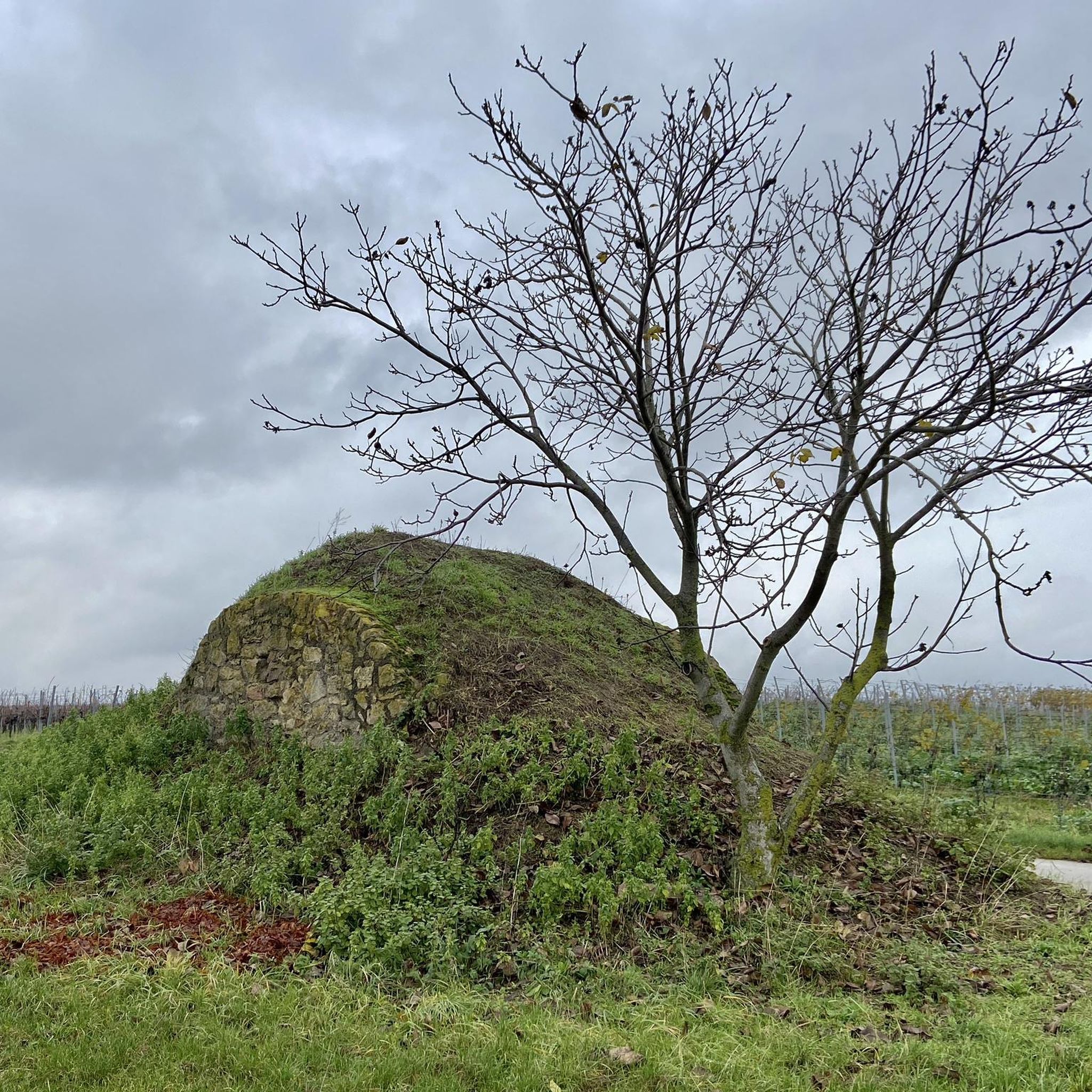
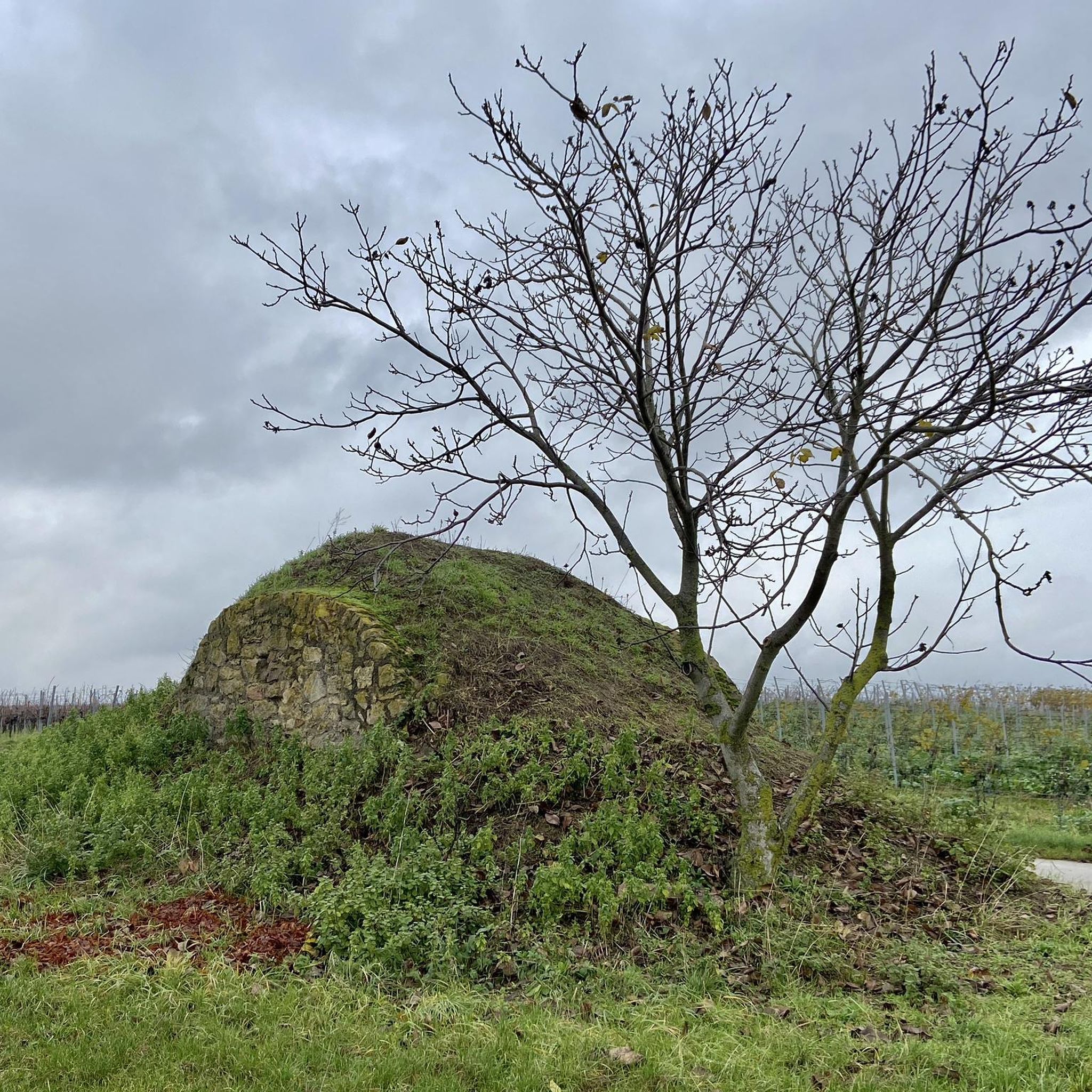
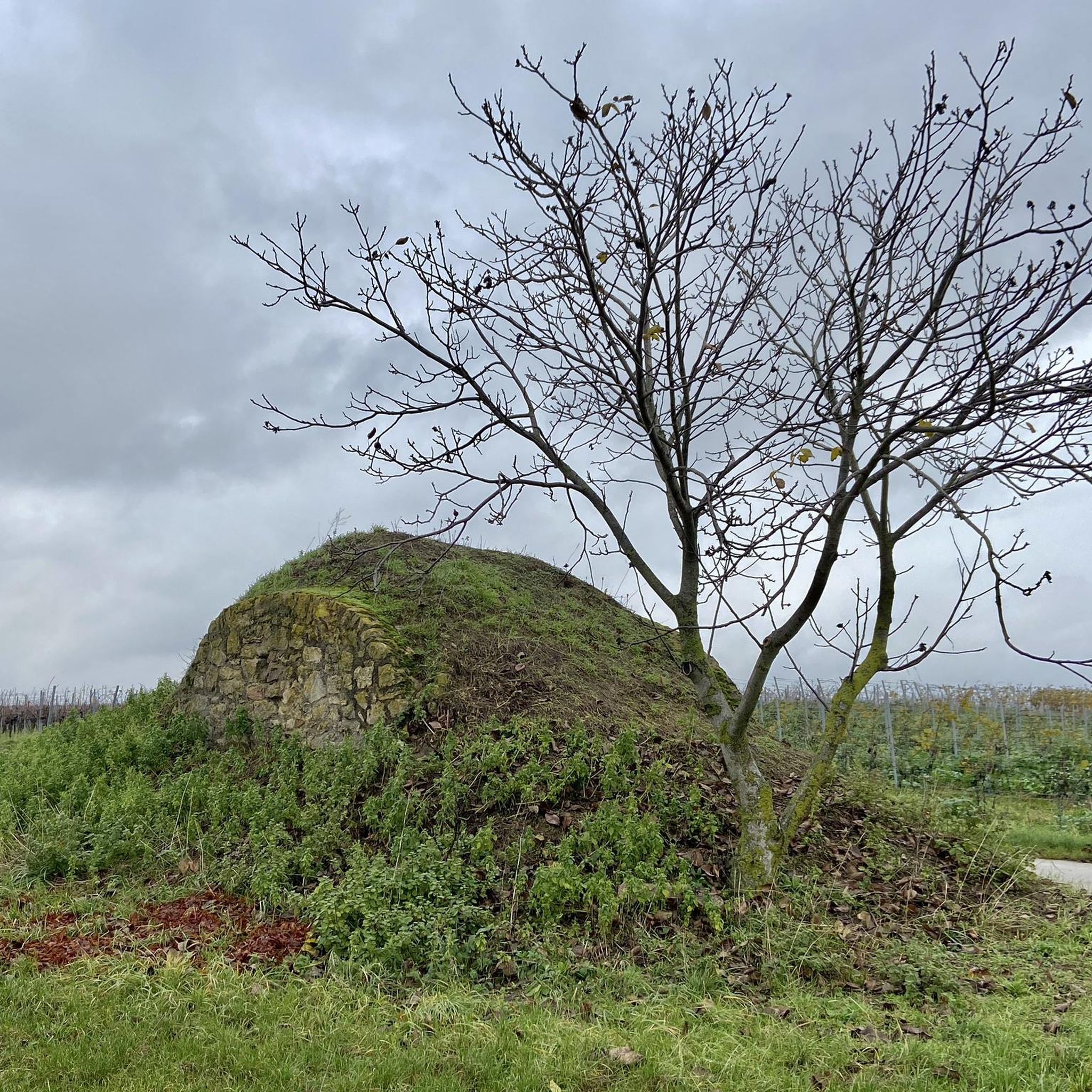
Oppenheim Krötenbrunnen
Highlight • Monument
The Oppenheim Toad …
Translated by Google •
Tip by

Sign up now to discover places like this
Get recommendations on the best single tracks, peaks, & plenty of other exciting outdoor places.
Sign up for free
Rhine Breakthrough at Geyer
Highlight • River
Translated by Google •
Tip by

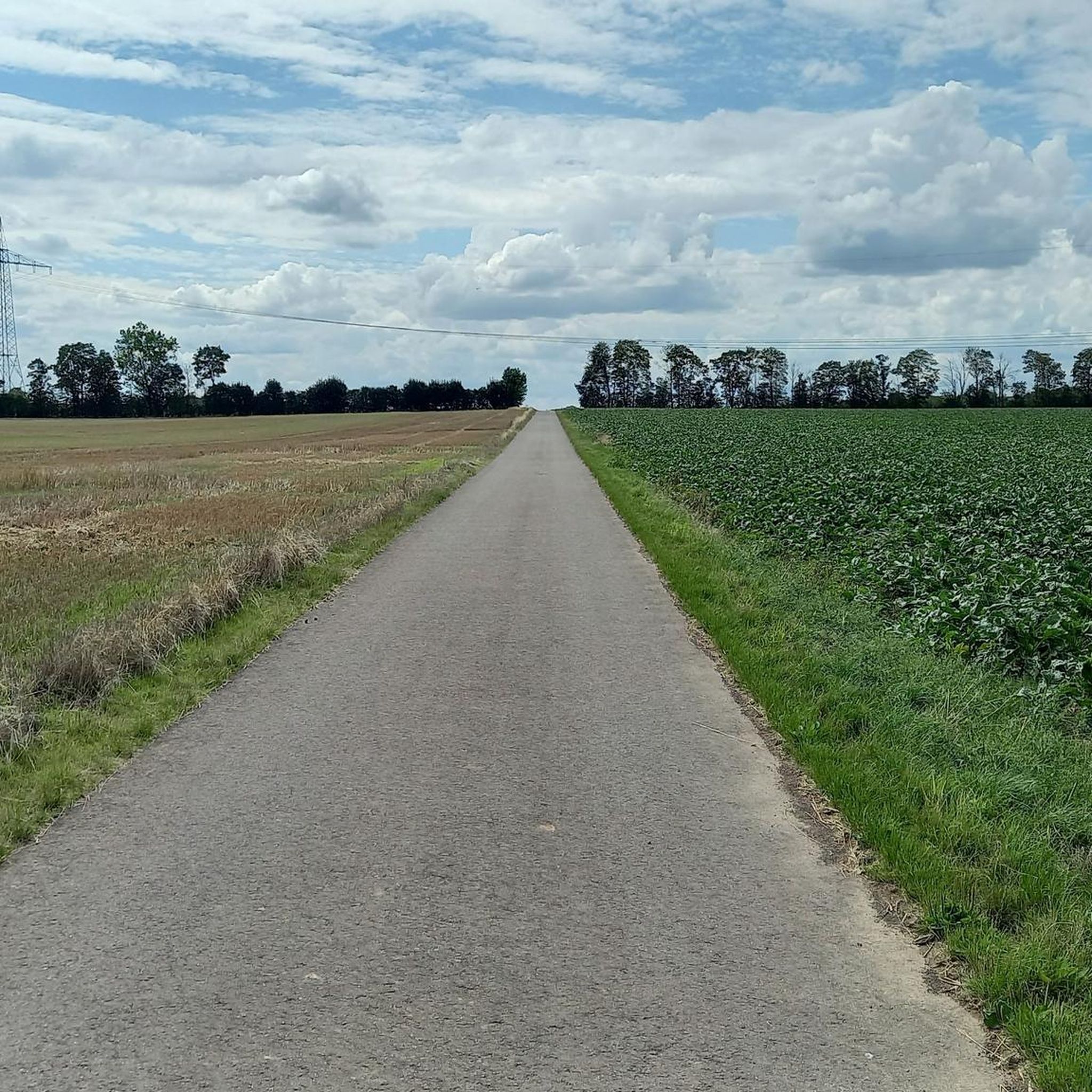
Restored Selz River Near Schafhausen
Highlight • River
Translated by Google •
Tip by

Swedish Column
Highlight • Monument
We are standing on historical ground: a military masterpiece for the time.
Last but not least, the course of the Rhine has also …
Translated by Google •
Tip by

Sign up for free to discover even more natural monuments around Eimsheim.
Sign up for free
Already have an account?
Start today with a free account
Your next adventure awaits.
Login or Signup

Tips from the Community

beautiful natural landscape ;-)
0
0

The renaturalized Selz River near Schafhausen is a prime example of successful nature conservation in Rheinhessen. This section of the Selz River south of Alzey-Schafhausen has undergone extensive ecological enhancement in recent years – and you'll notice this immediately when you walk along it.
1
0

Really wonderful renaturation. There are lots of places to sit and watch waterfowl.
1
0

The Swedish Column is a monument in the Kühkopf-Knoblochsaue nature reserve in Hesse. It commemorates the crossing of the Rhine by the Swedish King Gustav Adolf and his troops during the Thirty Years' War at Hahnensand near Erfelden on December 21, 1631. The twelve-meter-high column was erected in 1632 on the orders of Gustav Adolf by the fortress builder Matthäus Staud. Ludwig Bechstein describes it in his German Book of Legends, published in 1853, as "a tall column resting on four balls that support the pedestal, in the shape of an obelisk. On top it bore the seated Swedish heraldic lion with a helmeted and crowned head, holding a sword and orb in its front paws." This is how the column still appears today. The lion is looking in the direction in which the crossing took place, the battlefield and the Swedish cemetery. However, the Swedish Column is no longer in its original location. It was built in the 18th century due to the threat of erosion
11
0
The Swedish Column is a monument in the Kühkopf-Knoblochsaue nature reserve in Hesse. It commemorates the crossing of the Rhine by the Swedish King Gustav Adolf and his troops during the Thirty Years' War at Hahnensand near Erfelden on December 21, 1631. The twelve-meter-high column was erected in 1632 on the orders of Gustav Adolf by the fortress builder Matthäus Staud. Ludwig Bechstein describes it in his German Book of Legends, published in 1853, as "a tall column resting on four balls that support the pedestal, in the shape of an obelisk. On top it bore the seated Swedish heraldic lion with a helmeted and crowned head, holding a sword and orb in its front paws." This is how the column still appears today. The lion is looking in the direction in which the crossing took place, the battlefield and the Swedish cemetery. However, the Swedish Column is no longer in its original location. It was moved inland in the 18th century because of the threat of erosion. Bechstein also reports that the Swedish king and four companions sailed down the Rhine in a small boat and spotted Spanish units entrenched near Oppenheim on the left bank of the Rhine. In any case, the Spaniards had taken up positions on the Kühkopf peninsula, which was then on the left bank of the Rhine, to protect Oppenheim as a military outpost. In order to cross the river with his troops from the right bank of the Rhine, Gustav Adolf had the barn doors of the local farmers pried open and mounted on the few boats available. In this way, his troops, several thousand infantry men, as well as cavalry and artillery of unknown strength, crossed to the other bank. The crossing of the Rhine, which was then around 300 m wide, took place in two places. The Swedes managed to take Oppenheim by storm. This crossing of the Rhine is considered one of the outstanding military achievements of the Thirty Years' War. One immediate consequence was that Mainz fell into the hands of the Swedes. For this reason, another monument was erected. After the Second World War, when people were considering what motif the new windows of the Protestant church in Stockstadt am Rhein should have (the old windows were destroyed in a bombing raid), one of the motifs chosen was Gustav II Adolf, because he was welcomed in Stockstadt as a liberator and savior.
12
1

Beautiful view from the Toad Fountain over the vines to Oppenheim.
4
0
Here you can find information about Landskron Castle: https://de.m.wikipedia.org/wiki/Burg_Landskron_(Oppenheim)
7
0
story Before Landskron Castle was built, there was probably a Salic or Hohenstaufen fortification on the same site, which was owned by King Henry V and destroyed in 1118 by troops of Archbishop Adalbert of Mainz. The castle itself was probably built in the early 13th century. The oldest surviving written mention of the "Reichsburg Oppenheim" comes from 1244. This castle was destroyed in 1257 and 1275 by the citizens of Oppenheim in a dispute with the Burgmannen over their privileges. However, Rudolf von Habsburg forced the citizens to rebuild the castle by 1281. In 1375 Emperor Charles IV pledged the castle to Ruprecht von der Pfalz. Accordingly, Ruprecht had the castle expanded. He was succeeded by his grandson Ruprecht III. as the owner of the castle, who also died there. In 1615, Elector Frederick V had the castle rebuilt like a palace. The castle burned down in the Thirty Years' War during the town fire in Oppenheim
8
0
Frequently Asked Questions
What kind of natural features can I expect to see around Eimsheim?
Eimsheim is characterized by its picturesque natural landscape, primarily featuring idyllic vineyards, rolling hills, and scenic views. While not home to grand individual natural monuments like unique rock formations, the region's appeal lies in its harmonious wine-growing landscape and elevated viewpoints. You'll find opportunities for leisurely strolls through vineyards and expansive views of the Taunus, Odenwald, and Donnersberg mountain ranges from surrounding hills.
Are there any historical natural monuments in the Eimsheim area?
Yes, several sites combine natural beauty with historical significance. For example, the Swedish Column, located in the Kühkopf-Knoblochsaue nature reserve, commemorates a significant historical event from the Thirty Years' War. Another historical site is Landskron Castle Ruins, which offers historical context alongside panoramic views over the Rhine plain.
What are some family-friendly natural monuments to visit near Eimsheim?
Many of the natural attractions around Eimsheim are suitable for families. The Landskron Castle Ruins and the Oppenheim Krötenbrunnen are both marked as family-friendly. The Rhine Breakthrough at Geyer, located within a nature reserve, also offers a great setting for family outings, including picnic spots.
Where can I find panoramic views of the region around Eimsheim?
Eimsheim is surrounded by hills that offer excellent vantage points. From the highest points, you can enjoy expansive views of the Taunus, Odenwald, and Donnersberg mountain ranges. The Landskron Castle Ruins provide a wonderful view over the Rhine plain, extending to Frankfurt and the Odenwald on clear days.
Are there opportunities for hiking or cycling near Eimsheim's natural features?
Absolutely. The surrounding natural environment, with its rolling hills and vineyards, is ideal for outdoor activities. You can find numerous hiking and cycling trails that traverse vineyards, meadows, and historical ravines. For specific routes, explore the nearby MTB Trails around Eimsheim, Road Cycling Routes around Eimsheim, and Cycling around Eimsheim guides.
What makes the wine-growing landscape around Eimsheim special?
Eimsheim is situated in the renowned Rheinhessen region, Germany's largest wine-growing area. The village is enveloped by vineyards stretching over rolling hills, creating a picturesque and harmonious landscape. This viticultural heritage not only contributes to the scenic beauty but also offers opportunities for wine tastings and experiencing local specialties.
What is the best time of year to visit Eimsheim for outdoor activities?
The warmer months are generally best for outdoor activities like hiking and cycling through the rolling countryside and vineyards. Spring offers blooming landscapes, while autumn provides vibrant colors and harvest festivals. Even in winter, some trails can be enjoyed, especially those offering clear views.
Are there any unique natural features like springs in Eimsheim?
Historically, Eimsheim has been characterized by numerous springs, with water emerging from slopes and found on many farms. While not grand monuments, these springs are a notable natural feature of the locality, contributing to its natural charm and historical water supply.
What do visitors particularly enjoy about the natural monuments near Eimsheim?
Visitors frequently praise the stunning views, especially from sites like the Landskron Castle Ruins. The historical significance of places like the Swedish Column is also highly appreciated. The successful renaturation efforts along the Restored Selz River Near Schafhausen are also noted for creating beautiful recreational areas.
Can I bring my dog to the natural areas around Eimsheim?
Many outdoor areas in Germany, including natural landscapes and trails around Eimsheim, are generally dog-friendly. However, it's always recommended to keep dogs on a leash, especially in nature reserves or near wildlife, and to clean up after them. Specific regulations might apply in certain protected areas.
Are there any challenging outdoor activities or trails around Eimsheim?
While many routes are easy to moderate, you can find more challenging options. For instance, the Cycling around Eimsheim guide includes a 'Guntersblum Waterworks – View of the Rhine loop from Wintersheim' route classified as difficult. The varied terrain of the rolling hills can offer a good workout for hikers and cyclists alike.
Where can I find refreshments or accommodation near Eimsheim's natural attractions?
Eimsheim and the surrounding villages offer various options for refreshments and accommodation. You'll find local cafes, restaurants, and pubs, particularly in the wine-growing villages, where you can sample regional cuisine and wines. For specific recommendations, it's best to check local tourism resources or online travel platforms.
Most popular routes around Eimsheim
Most popular attractions around Eimsheim

Get inspired with the komoot mobile app


Explore more
Extend your search for the best caves by checking out these guides of the top ones around Eimsheim:
