Top 20 Natural Monuments around Reiffelbach
Natural monuments around Reiffelbach offer diverse landscapes and historical geological formations within the broader Rhineland-Palatinate region. The area features ancient rock formations, significant geological sites, and historical monuments that are also recognized for their natural significance. These sites provide opportunities to explore the region's natural and cultural heritage. The terrain includes varied features, from river valleys to elevated points.
Best natural monuments around Reiffelbach
- The most popular natural monuments is Stahlberg Menhir, a man-made monument also recognized as a…
Last updated: October 11, 2026
Disibodenberg Monastery Ruins
Highlight • Historical Site
de.wikipedia.org/wiki/Kloster_Disibodenberg
Even if not much of the buildings has been preserved, the fragments are very impressive and the place is of great historical importance.
The impression costs 5 EUR.
Translated by Google •
Tip by

German Sandstone Park Alsenz
Highlight • Natural Monument
Translated by Google •
Tip by

Sign up now to discover places like this
Get recommendations on the best single tracks, peaks, & plenty of other exciting outdoor places.
Stahlberg Menhir
Highlight • Monument
You can find more about the story here: de.wikipedia.org/wiki/Langenstein_(Stahlberg)
Translated by Google •
Tip by

Langet's Forehead Menhir
Highlight • Monument
Translated by Google •
Tip by

German Sandstone Park (Otto-Gampper-Park)
Highlight • Natural Monument
Translated by Google •
Tip by
Sign up for free to discover even more natural monuments around Reiffelbach.
Already have an account?
Start today with a free account
Your next adventure awaits.
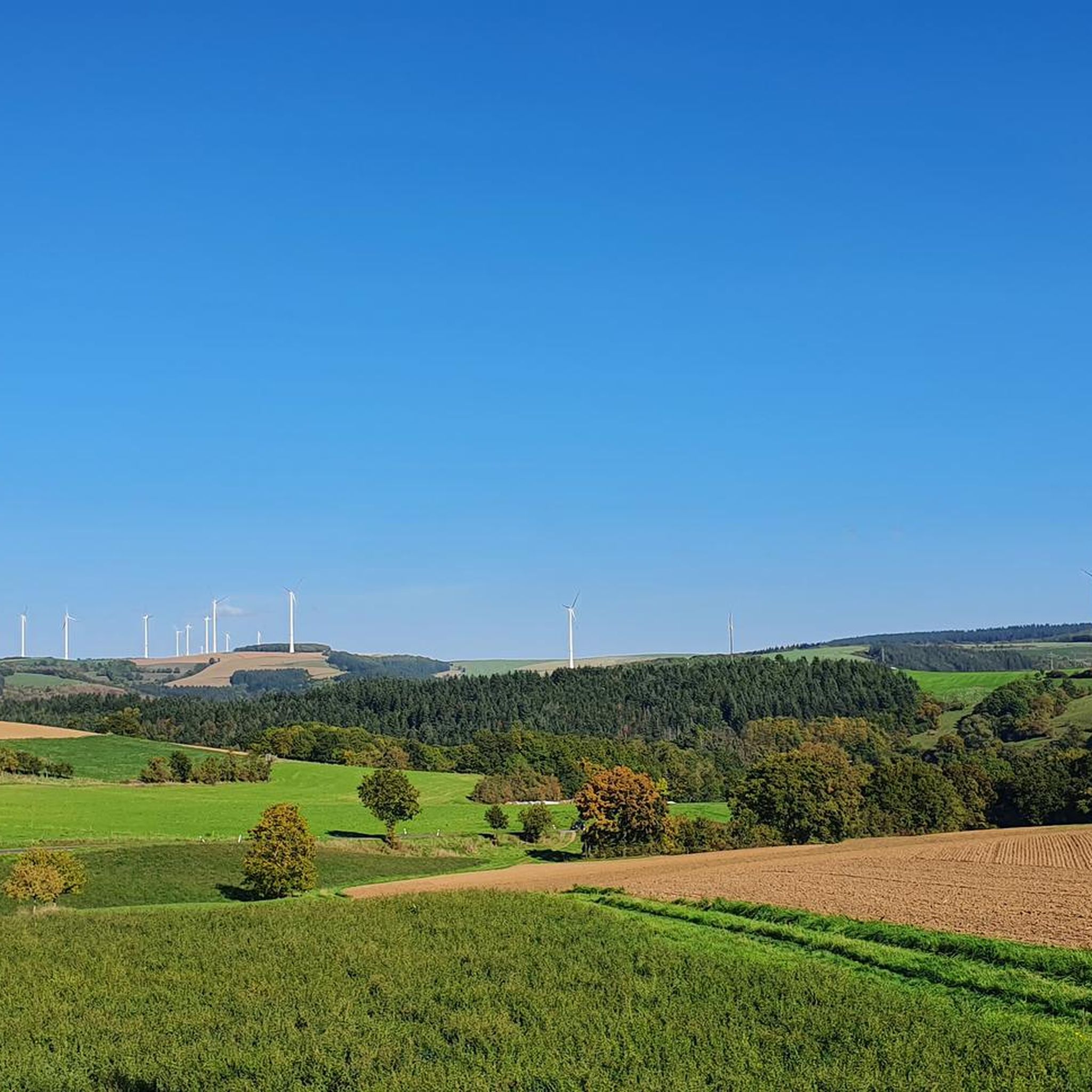
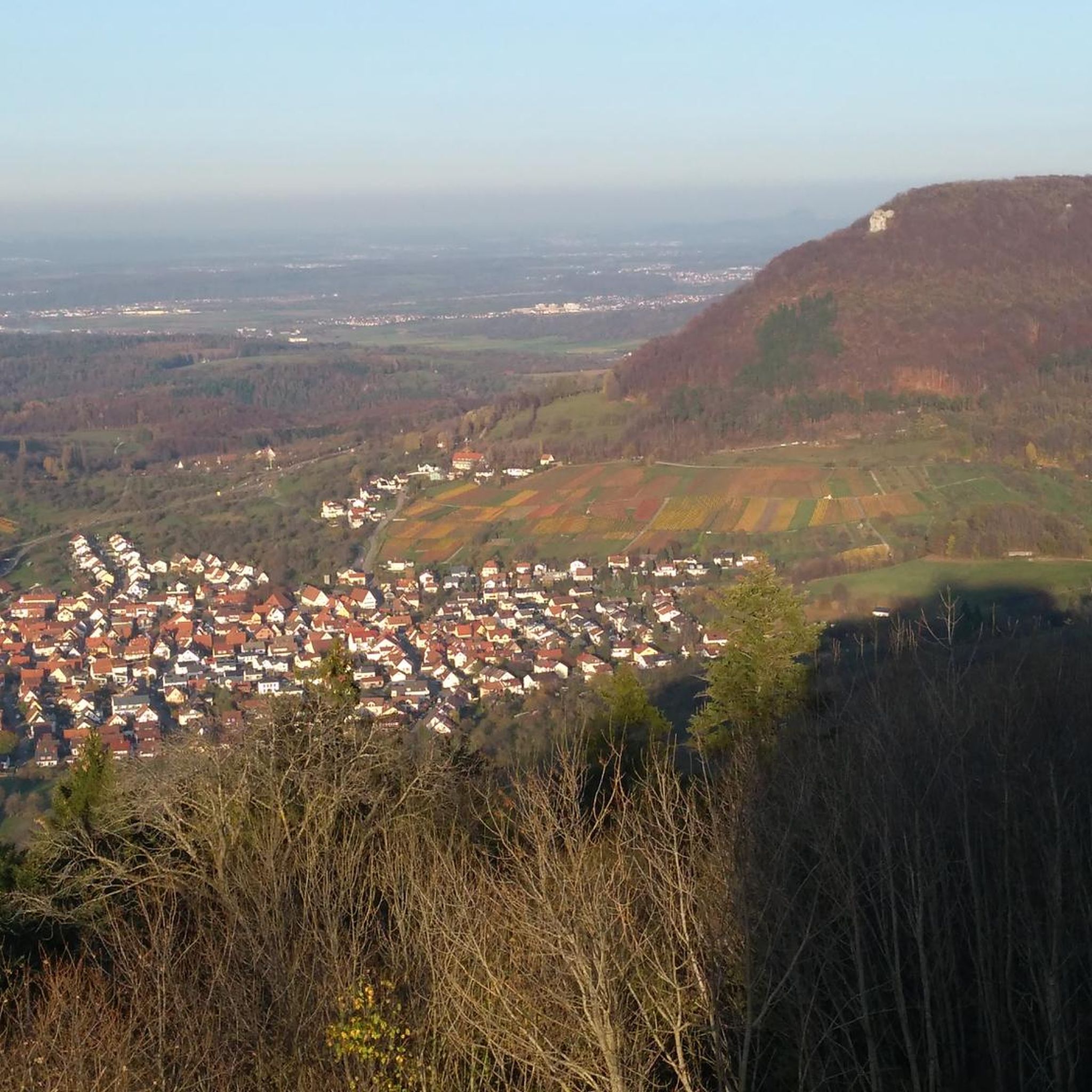
Tips from the Community

Nice park for a short break in the shade
0
0

A very beautiful monastery complex. You'll need to take your time for the tour and the museum visit, or come back at the end of your hike. If you arrive via the rear access path, please don't forget to pay the entrance fee. There's now a box at the rear entrance where you can deposit the 5 euros—either it's new or I didn't notice it last time. The entrance fee is needed to maintain the complex.
0
0

The Disibodenberg monastery ruins are on a mountain at the confluence of the Glan and Nahe. The ruins are well worth seeing. Hildegard von Bingen lived here for 40 years https://de.wikipedia.org/wiki/Kloster_Disibodenberg
0
0
The Disibodenberg monastery ruins are on a mountain at the confluence of the Glan and Nahe. The ruins are well worth seeing. Hildegard von Bingen lived here for 40 years https://de.wikipedia.org/wiki/Kloster_Disibodenberg
0
0

"The sandstones found in Germany were formed over a wide period of time from the Paleozoic to the Cenozoic era. The Palatinate sandstones are limited to the Permian (Rotliegend and Zechtein, 296 - 251 million years ago) and the Bunter Sandstone (251 - 243 million years ago) periods. The North Palatinate sandstones - and thus the deposits in the area around Alsenz - come from the Rotliegend period." Source: Information board (on site): "Sandstone - what is it actually?"
1
0

Worth a visit if you are there anyway
1
0

A very contemplative place where Saint Hildegard of Bingen worked!
0
0

Here, Alsenz's history as a stonemason village comes to life. There is also a stonemason museum in the village - it's worth a visit.
1
0
Frequently Asked Questions
What types of natural monuments can I explore around Reiffelbach?
The natural monuments around Reiffelbach offer a diverse range of features, from ancient rock formations and significant geological sites to historical monuments recognized for their natural significance. You can find impressive sandstone displays, ancient standing stones like menhirs, and historical ruins nestled within natural landscapes. The broader Rhineland-Palatinate region also features unique rock formations, ancient trees, and geological basalt cones.
Are there family-friendly natural monuments in the area?
Yes, several natural monuments around Reiffelbach are suitable for families. The German Sandstone Park Alsenz (also known as Otto-Gampper-Park) is particularly family-friendly, offering benches for resting and interesting geological displays. The Stahlberg Menhir is also noted as family-friendly, providing a unique historical and natural sight.
What historical or cultural sites are integrated with the natural monuments?
The region beautifully blends natural and historical significance. The Disibodenberg Monastery Ruins are a prime example, where impressive fragments of medieval architecture, including the former residence of Hildegard von Bingen, are set within a natural landscape. Additionally, the Stahlberg Menhir and Langet's Forehead Menhir are ancient standing stones that serve as both natural and historical landmarks, marking borders or significant sites from past eras.
What geological features are prominent among the natural monuments?
The German Sandstone Park Alsenz is a key highlight, showcasing large-format sandstone rocks from various German mining areas and different geological eras, with some stones dating back over 375 million years. This park is unique in Germany for its comprehensive display of sandstone deposits. The broader Rhineland-Palatinate region is also known for impressive rock formations and geological features like the Druidenstein, an isolated basalt cone.
Are there hiking opportunities near these natural monuments?
Yes, the area around Reiffelbach offers various hiking opportunities. You can find numerous trails that allow you to explore the natural beauty and historical sites. For detailed routes and difficulty levels, you can check out the Hiking around Reiffelbach guide, which includes routes like the 'Meisenheim Castle Church – Panoramic View Near Heimbach loop from Meisenheim' and 'Heimbach Anniversary Fountain – View of Meisenheim loop from Meisenheim'.
What other outdoor activities can I do near the natural monuments?
Beyond hiking, the region provides excellent opportunities for cycling. Enthusiasts can explore MTB Trails around Reiffelbach, with routes such as the 'Rauscher Mühle Quarry – Otterberg–Otterbach Cycle Path loop'. For those who prefer gravel biking, the Gravel biking around Reiffelbach guide offers options like the 'Nahe Wine Region Vineyards – View of Rotenfels Cliff loop from Obermoschel'.
What do visitors particularly enjoy about the natural monuments around Reiffelbach?
Visitors appreciate the blend of natural beauty and historical significance. Many find the Disibodenberg Monastery Ruins to be a place of peace and seclusion amidst impressive historical fragments. The German Sandstone Park Alsenz is praised for its unique geological exhibition and as a great spot to take a break. The ancient menhirs, like the Stahlberg Menhir, are valued for their historical mystery and as significant landmarks.
Is there parking available at the natural monuments?
Yes, for some natural monuments, parking is available. For instance, the German Sandstone Park Alsenz is noted to have parking facilities, making it accessible for visitors arriving by car. It's always a good idea to check specific location details for other sites.
Can I bring my dog to the natural monuments and trails?
While specific dog-friendly policies for each natural monument are not detailed, many outdoor areas and hiking trails in the Rhineland-Palatinate region are generally dog-friendly, provided dogs are kept on a leash. It's advisable to check local regulations or signage at each specific site to ensure a pleasant visit for you and your pet.
What is the best time of year to visit the natural monuments around Reiffelbach?
The natural monuments around Reiffelbach can be enjoyed throughout the year, with each season offering a different experience. Spring brings lush greenery and blooming flora, while autumn showcases vibrant fall colors, making it a picturesque time for exploration. Summer is ideal for longer days and outdoor activities, and even winter can offer a serene, quiet beauty, especially in areas with historical ruins or unique rock formations.
Are there any hidden natural gems or lesser-known spots worth visiting?
While the main highlights are well-known, the region of Rhineland-Palatinate is rich with natural beauty. Beyond the prominent sites, you might discover smaller, less-frequented rock formations or ancient trees that offer a sense of tranquility and discovery. Exploring the various hiking and cycling routes in the area can often lead to these hidden natural spots, providing a more intimate experience with the landscape.
Most popular routes around Reiffelbach
Most popular attractions around Reiffelbach

Get inspired with the komoot mobile app


Explore more
Extend your search for the best caves by checking out these guides of the top ones around Reiffelbach:
