Top 20 Natural Monuments around Kisselbach
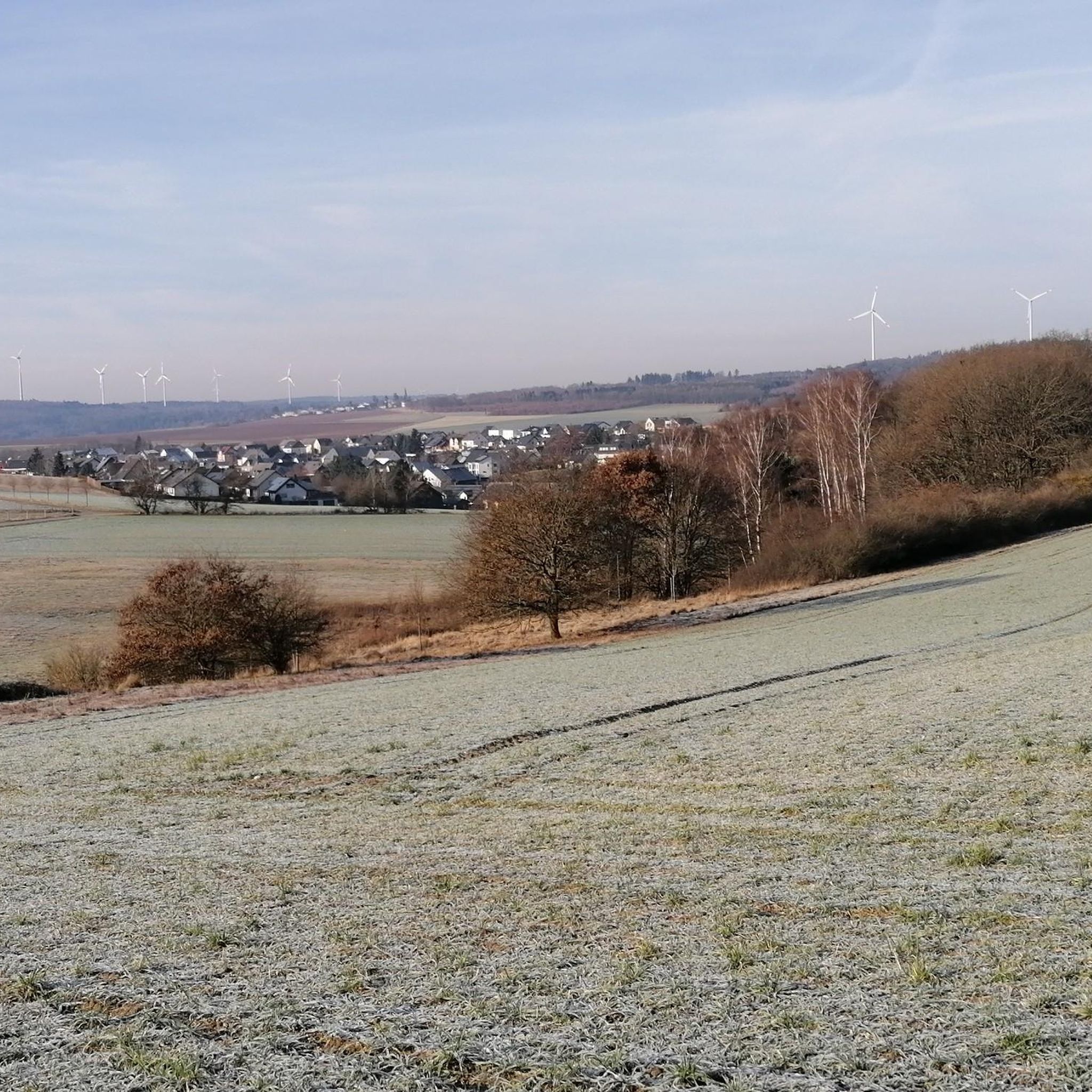
Best natural monuments around Kisselbach are found within the naturally rich Hunsrück region of Rhineland-Palatinate, Germany. Kisselbach is situated in the eastern Hunsrück, at the foot of the heavily wooded Soonwald, approximately 15 kilometers from the Rhine River. The area offers diverse natural landscapes, including forests and unique geological formations. Proximity to the Hunsrück-Hochwald National Park provides opportunities to experience significant natural beauty and biodiversity.
Best natural monuments around Kisselbach
- The most popular natural monuments is Heinrich Heine Viewpoint,…
Last updated: October 11, 2026
Simmern Tunnel on the Schinderhannes Cycle Path
Highlight • Cycleway
Translated by Google •
Tip by

Spitzenstein Observation Tower
Highlight • Viewpoint
History / wing telegraph
Optical telegraphy for the transmission of messages according to the Chappe system. The French technician Claude Chappe developed at the time of the …
Translated by Google •
Tip by

Sign up now to discover places like this
Get recommendations on the best single tracks, peaks, & plenty of other exciting outdoor places.
Schwedenschanze Pavilion with View of the Rhine Valley
Highlight • Viewpoint
Translated by Google •
Tip by

Heinrich Heine Viewpoint
Highlight • Viewpoint
Translated by Google •
Tip by
Rheinsteig Cliffside Trail: Burg Gutenfels to the Loreley
Highlight • Trail
Translated by Google •
Tip by
Sign up for free to discover even more natural monuments around Kisselbach.
Already have an account?
Start today with a free account
Your next adventure awaits.
Tips from the Community

The wing telegraph has been broken for some time and can no longer be adjusted.
6
1

Willi and Ernst also visited the tower: https://youtu.be/rucqpJBsFV8?si=FuZ2WGdvcd_k7GS3.
2
1

The soot from the steam locomotives can still be seen on the ceiling.
1
0

Fantastically beautiful
2
1

A nice photo motif when driving towards the tunnel
1
0

A nice place to stay up here
2
0

Magnificent viewing pavilion over the Rhine
2
0
One of the alpine sections of the Rheinsteig
1
0
Frequently Asked Questions
What kind of natural features can I expect to see around Kisselbach?
The region around Kisselbach, nestled in the Hunsrück, offers diverse natural landscapes. You can explore extensive beech and oak forests, heathlands, peat bogs, and dramatic rocky outcrops. The terrain features rolling hills, deep valleys, and unique geological formations, particularly within the nearby Hunsrück-Hochwald National Park. You can also find beautiful lakes like Waldsee Argenthal.
Are there family-friendly natural monuments or activities near Kisselbach?
Yes, several natural spots are suitable for families. For instance, Waldsee Argenthal is a great option, offering a forest lake that invites you to linger and swim, along with facilities. Many viewpoints, such as the Seven Virgins Viewpoint, are also accessible and enjoyable for families.
What outdoor activities can I do near these natural monuments?
The area around Kisselbach is excellent for various outdoor activities. You can find numerous routes for hiking, including easy loops like 'Ölmühle Kisselbach Biotope – Bench Near Gringsmühle'. For cyclists, there are options for gravel biking and touring bicycle routes, such as the 'Schinderhans Cycle Path Tunnel' or routes around Simmern Lake.
Are there any unique geological formations to explore?
Yes, the Hunsrück region, particularly within the Hunsrück-Hochwald National Park, features striking quartzite cliffs, such as those found in the Schwarzwälder Hochwald. Additionally, the Seven Virgins Viewpoint is associated with a local legend about rock formations known as the 'seven virgins' emerging from the Rhine during low tide.
Can I spot any wildlife near the natural monuments?
The Hunsrück-Hochwald National Park, close to Kisselbach, is a sanctuary for diverse wildlife. It's known for its European wildcat population, red deer, roe deer, wild boars, and various birds of prey like the Eurasian eagle-owl and red kite. Wetlands and streams also provide habitats for amphibians like the fire salamander.
What is the best time of year to visit the natural monuments around Kisselbach?
The Hunsrück region offers beauty throughout the year. Spring brings lush greenery and blooming flora, while autumn showcases vibrant fall foliage. Summer is ideal for swimming at places like Waldsee Argenthal and extended hikes. Even in winter, the landscape can be picturesque, especially within the forested areas of the Hunsrück-Hochwald National Park.
Are there any historical or cultural sites integrated with the natural monuments?
Beyond natural beauty, the Hunsrück-Hochwald National Park contains remnants of ancient Celtic settlements and Roman roads, offering a glimpse into the region's past. The Spitzenstein Observation Tower features a replica of a Napoleonic wing telegraph, connecting a natural viewpoint with historical communication technology.
What kind of hiking trails are available near Kisselbach's natural monuments?
You'll find a variety of hiking trails. The Saar-Hunsrück-Steig, a long-distance trail, passes through the nearby Hunsrück-Hochwald National Park, offering breathtaking viewpoints. There are also 'Dream Loops' for day-trippers. For a challenging experience, consider the Rheinsteig Cliffside Trail: Burg Gutenfels to the Loreley, known for its narrow paths along steep slopes with panoramic views.
Are there any natural monuments that offer panoramic views?
Absolutely. The region is known for its viewpoints. The Heinrich Heine Viewpoint offers fantastic views over the Rhine Valley and Bacharach. The Spitzenstein Observation Tower provides panoramic views of the surrounding landscape. Additionally, the Seven Virgins Viewpoint gives magnificent distant views of the Rhine Valley, castles, and Oberwesel.
How long should I plan to spend exploring the natural monuments?
The time you spend can vary greatly depending on your interests. For a quick visit to a viewpoint like Heinrich Heine Viewpoint, an hour might suffice. If you plan to hike a trail like the Rheinsteig Cliffside Trail or explore the Hunsrück-Hochwald National Park, you could easily spend a full day or more immersing yourself in nature.
Are there any lakes or water features among the natural monuments?
Yes, Waldsee Argenthal is a beautiful forest lake that invites visitors to linger and swim, especially popular during summer. It's a great spot to relax and enjoy the natural surroundings.
What makes the Hunsrück-Hochwald National Park significant?
The Hunsrück-Hochwald National Park, established in 2015, is Germany's newest national park. It's significant for its commitment to becoming a 'primeval forest of tomorrow,' emphasizing minimal human intervention to allow nature to flourish. It protects diverse landscapes, including extensive forests and unique geological formations, and is a vital sanctuary for rare and endangered species like the European wildcat.
Most popular routes around Kisselbach
Most popular attractions around Kisselbach

Get inspired with the komoot mobile app


Explore more
Extend your search for the best caves by checking out these guides of the top ones around Kisselbach:
