Top 20 Natural Monuments around Gensingen
Best natural monuments around Gensingen are found in the Mainz-Bingen district of Rhineland-Palatinate, Germany. The region features diverse natural landscapes, including stream lowlands and bird sanctuary woodlands. Gensingen offers opportunities to explore protected natural spaces and observe local ecosystems. The area provides a tranquil environment for nature observation.
Best natural monuments around Gensingen
- The most popular natural monument is Niederwald monument, a viewpoint that offers expansive views over the Rheingau and the Rhine. This site provides a panorama of…
Last updated: October 11, 2026
Niederwald monument
Highlight • Viewpoint
Translated by Google •
Tip by

View of Bad Münster am Stein-Ebernburg from the Rotenfels
Highlight • Viewpoint
Translated by Google •
Tip by

Sign up now to discover places like this
Get recommendations on the best single tracks, peaks, & plenty of other exciting outdoor places.
View of Rheingrafenstein Castle
Highlight • Viewpoint
View from the town of Bad Münster am Stein.
Its origins are legendary: the devil is said to have built the castle on the steep, 245 m …
Translated by Google •
Tip by

Monopteros Temple with View of the Rhine
Highlight • Monument
Translated by Google •
Tip by

View of the Nahe River and Rotenfels Cliffs
Highlight • Viewpoint
Translated by Google •
Tip by

Sign up for free to discover even more natural monuments around Gensingen.
Already have an account?
Start today with a free account
Your next adventure awaits.
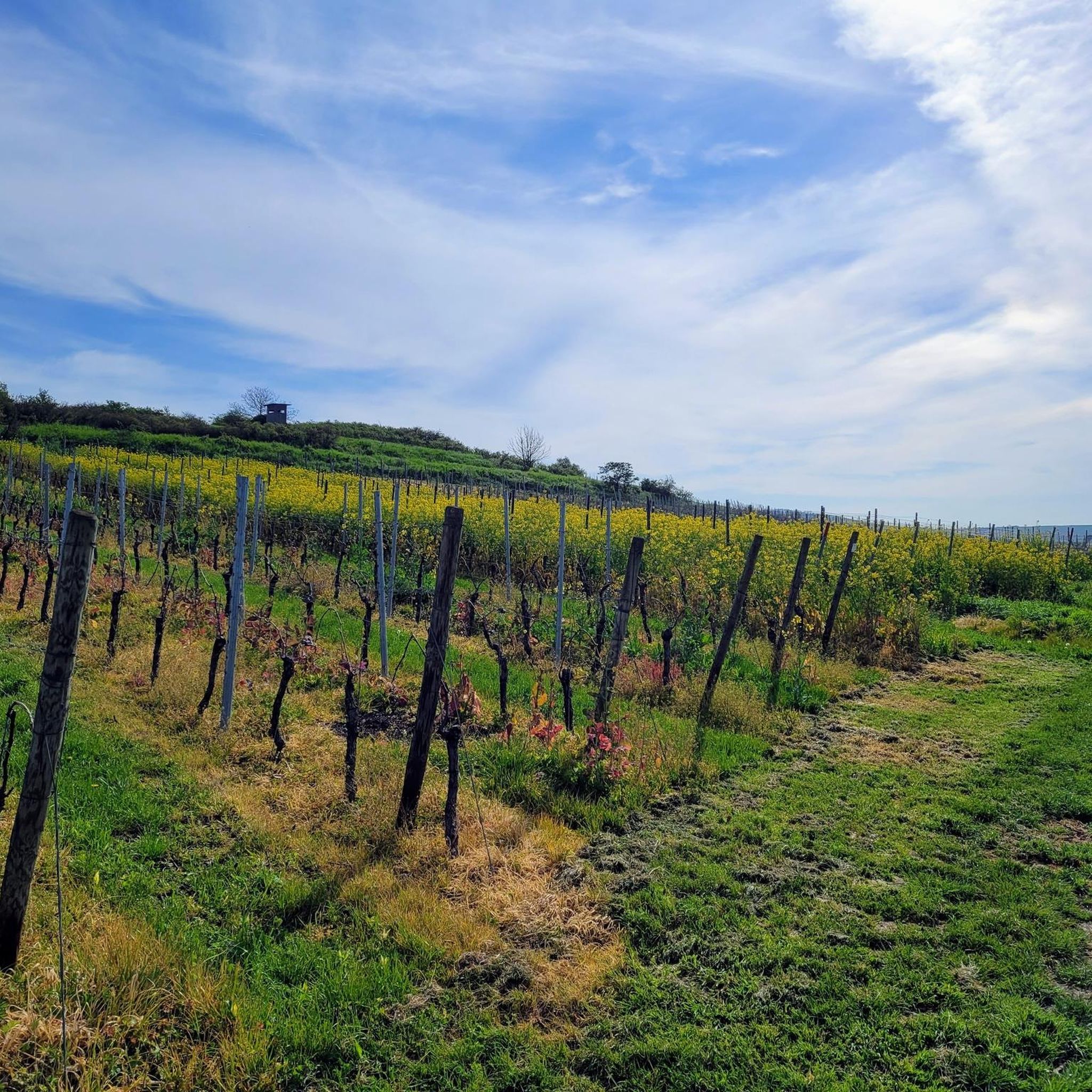
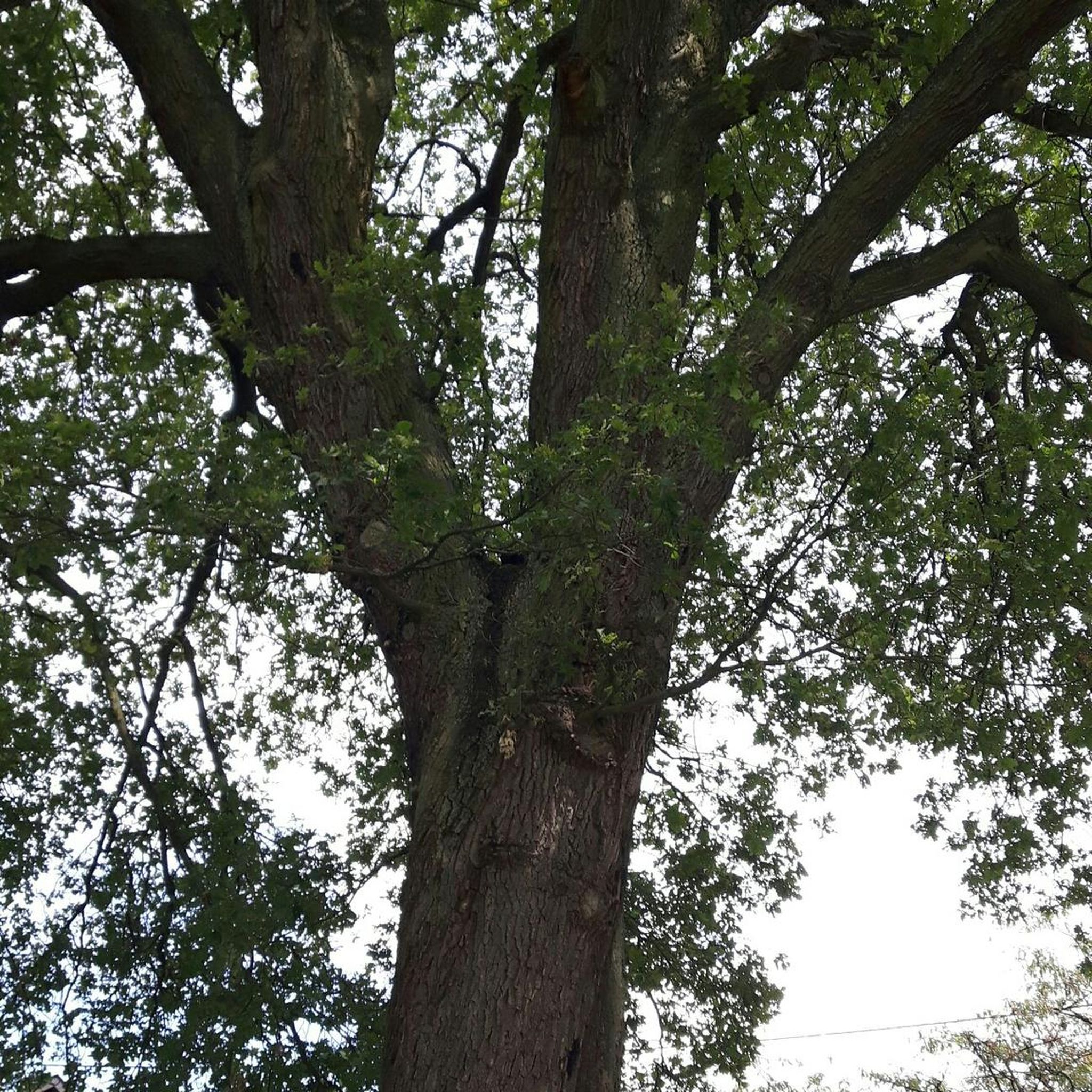
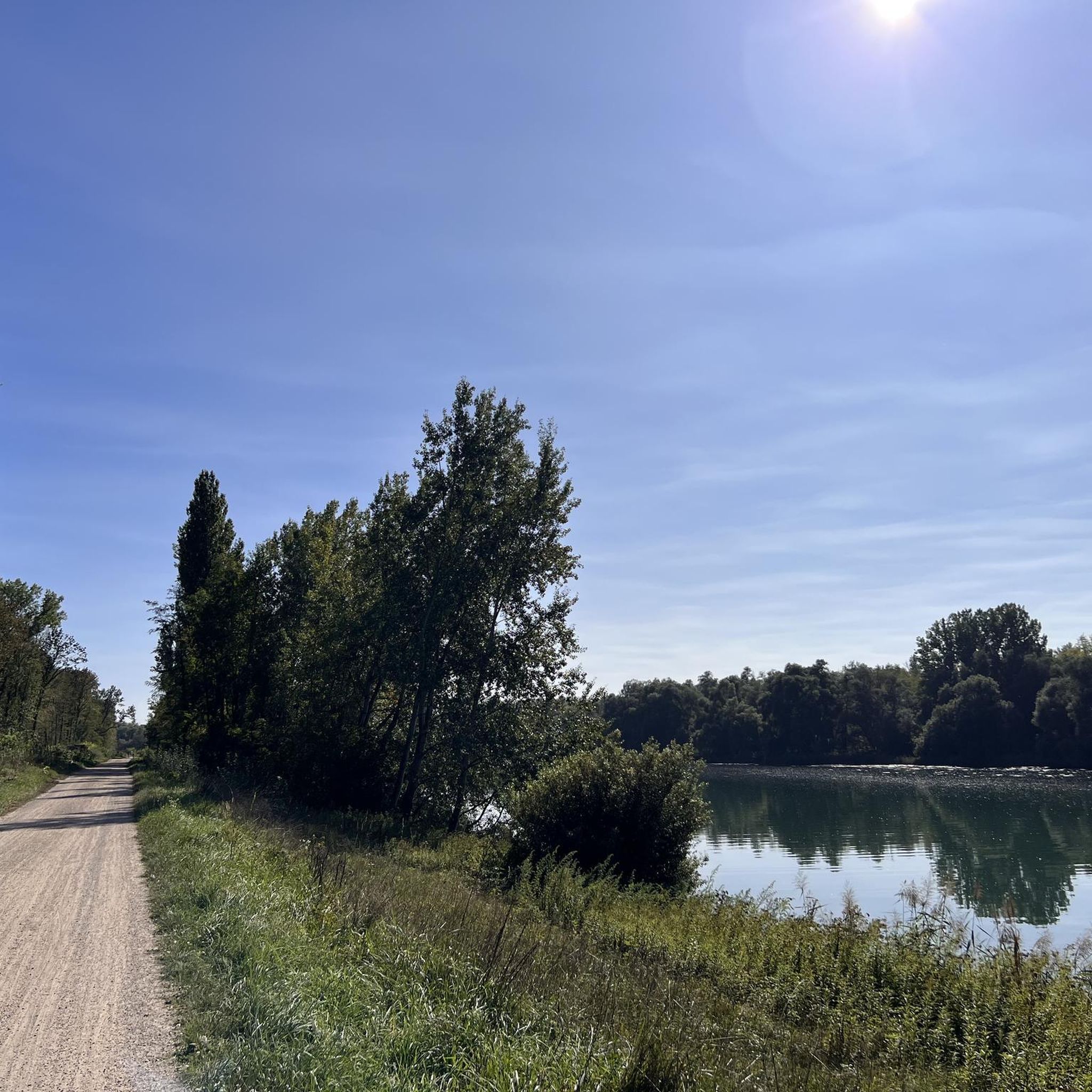
Tips from the Community

👑 Rheingrafenstein Castle Ruins – The Rock Boss on the Cycle Path Tip: Stop here! The Rheingrafenstein ruins sit dramatically perched on a 136-meter-high porphyry cliff above the Nahe River – one of the most impressive sights of the entire tour. The castle was the ancestral seat of the famous Wildgraves and Rhinegraves (until it was blown up in 1689). The view from the cycle path is phenomenal! If you really want to go up (and have enough energy), you can take the small hand-pulled ferry across and take the steep hiking trail to the ruins. It's worth it for the view over the Nahe Valley, but honestly: My legs were already tired enough from cycling. The panoramic view from below is worth its weight in gold! A must-have for your photo collection!
1
0

Rheingrafenstein Castle sits enthroned on a steep porphyry cliff (245 meters high) directly above the Nahe River near Bad Münster am Stein-Ebernburg. Legend has it that the devil himself built the castle—a reference to its dramatic location and mystical aura. In fact, it likely dates back to the 11th century and was the ancestral seat of the Lords of Stein, later the Wildgraves and Rhinegraves. In 1689, it was blown up by French troops under Louis XIV, and since then it has been a ruin—but an extremely impressive one.
3
0

Absolutely impressive, both the panoramic view and the view down into the Nahe Valley
4
0

Ancient pillared temple with a wonderfully open view
10
0

Beautiful rock with the Rheingrafenstein castle ruins. It is said that the devil is said to have built the castle. In any case, the castle was blown up by the French troops under Louis XIV.
4
3
The Goethe Temple built by Count von Ostein in 1790, which was completely destroyed in a bomb attack in November 1944 and rebuilt by the Niederwald Landscape Park Association. The Romantics called it "Monopteros", its rotunda resting on eight Roman columns made of red sandstone, today the columns are white. On September 3, 1814, Johann Wolfgang von Goethe, who was struck by the extremely magnificent beauty of the Rheingau, stood in it.
13
1

The view is really very nice, but the Mouse Tower and the Binger Loch cannot be seen from here.
13
1

The temple itself is a bit bare but a great view.
12
1
Frequently Asked Questions
What are the most notable natural monuments to visit around Gensingen?
The region around Gensingen offers several impressive natural monuments, many of which are viewpoints. Highly recommended are the Niederwald monument, which provides expansive views over the Rheingau and Rhine, and the View of Bad Münster am Stein-Ebernburg from the Rotenfels, offering a panorama from the highest rock face between the Alps and Scandinavia. Another popular spot is the View from the Gans (Bad Kreuznach), located within a nature reserve and providing views over the spa towns.
Are there any specific natural features or protected areas within Gensingen itself?
Yes, within Gensingen, the **Vogelschutzgehölz Auf der Insel** is a designated natural monument. This area is a stream lowland with bird sanctuary woodland, providing a vital habitat for various bird species and offering a tranquil environment for nature observation and experiencing local riparian ecosystems.
What kind of natural features can I expect to see around Gensingen?
The natural monuments around Gensingen primarily feature stunning viewpoints overlooking river landscapes like the Rhine and Nahe, as well as significant rock formations. You'll also find protected woodlands and stream lowlands, offering diverse natural scenery.
Are there family-friendly natural monuments or trails suitable for children?
Many of the natural monuments around Gensingen are suitable for families. The Niederwald monument and the View from the Gans (Bad Kreuznach) are both listed as family-friendly. The Rhine-Nahe-Eck also offers a great panorama and is easily accessible, making it a good option for all ages.
What outdoor activities can I do near the natural monuments around Gensingen?
The region around Gensingen is excellent for various outdoor activities. You can explore numerous hiking trails, including challenging mountain hikes or more leisurely routes. There are also extensive road cycling routes and dedicated running trails. For detailed routes, check out the Mountain Hikes around Gensingen, Road Cycling Routes around Gensingen, and Running Trails around Gensingen guides.
Are there specific hiking trails that lead to or past these natural monuments?
Yes, many hiking trails in the area incorporate these natural monuments. For instance, the View from the Gans (Bad Kreuznach) is accessible via trails within the Bad Kreuznach city forest. The Rotenfels also features well-developed footpaths. You can find various routes, including circular walks, in the hiking guides for Gensingen.
What is the best time of year to visit the natural monuments around Gensingen?
The natural monuments around Gensingen can be enjoyed throughout the year. Spring and autumn offer pleasant temperatures for hiking and vibrant natural colors. Summer is ideal for longer days and enjoying the views, while winter can provide a unique, serene experience, especially for those interested in winter hikes, though some paths might be more challenging.
What do visitors enjoy most about the natural monuments in this region?
Visitors frequently praise the magnificent views, especially from highlights like the Niederwald monument and the Rotenfels. The well-maintained paths, the opportunity for birdwatching in areas like Vogelschutzgehölz Auf der Insel, and the overall tranquility of the protected natural environments are also highly appreciated.
Are there any natural monuments that offer views of the Rhine and Nahe rivers?
Absolutely. The Rhine-Nahe-Eck in Bingen is a prime location, offering a superb panorama where the Nahe flows into the Rhine, with views of the Binger Loch, Mouse Tower, and Ehrenfels Castle. The View of the Rhine, Nahe confluence, and Binger Mäuseturm also provides excellent vistas of this iconic river landscape.
Can I find information about official natural monuments in Gensingen?
For a comprehensive list of officially designated natural monuments within Gensingen, you can refer to external resources such as the Wikipedia page: Liste der Naturdenkmale in Gensingen. This can provide additional details on protected areas like the Vogelschutzgehölz Auf der Insel.
Are the natural monuments around Gensingen accessible by public transport?
While specific public transport details for each monument vary, Gensingen itself has train connections. Many popular viewpoints and natural areas in the broader region are often reachable by combining train travel with local bus services or a short walk. Planning your route in advance using public transport apps is recommended.
Most popular routes around Gensingen
Most popular attractions around Gensingen

Get inspired with the komoot mobile app


Explore more
Extend your search for the best caves by checking out these guides of the top ones around Gensingen:
