Top 20 Natural Monuments around Diepenau
Natural monuments around Diepenau are characterized by diverse natural landscapes in Lower Saxony, Germany. The region features significant ecological areas such as expansive heathlands and preserved high moors. These natural settings offer opportunities for outdoor activities and provide habitats for various plant and animal species. The area's natural heritage includes unique geological formations and protected ecosystems.
Best natural monuments around Diepenau
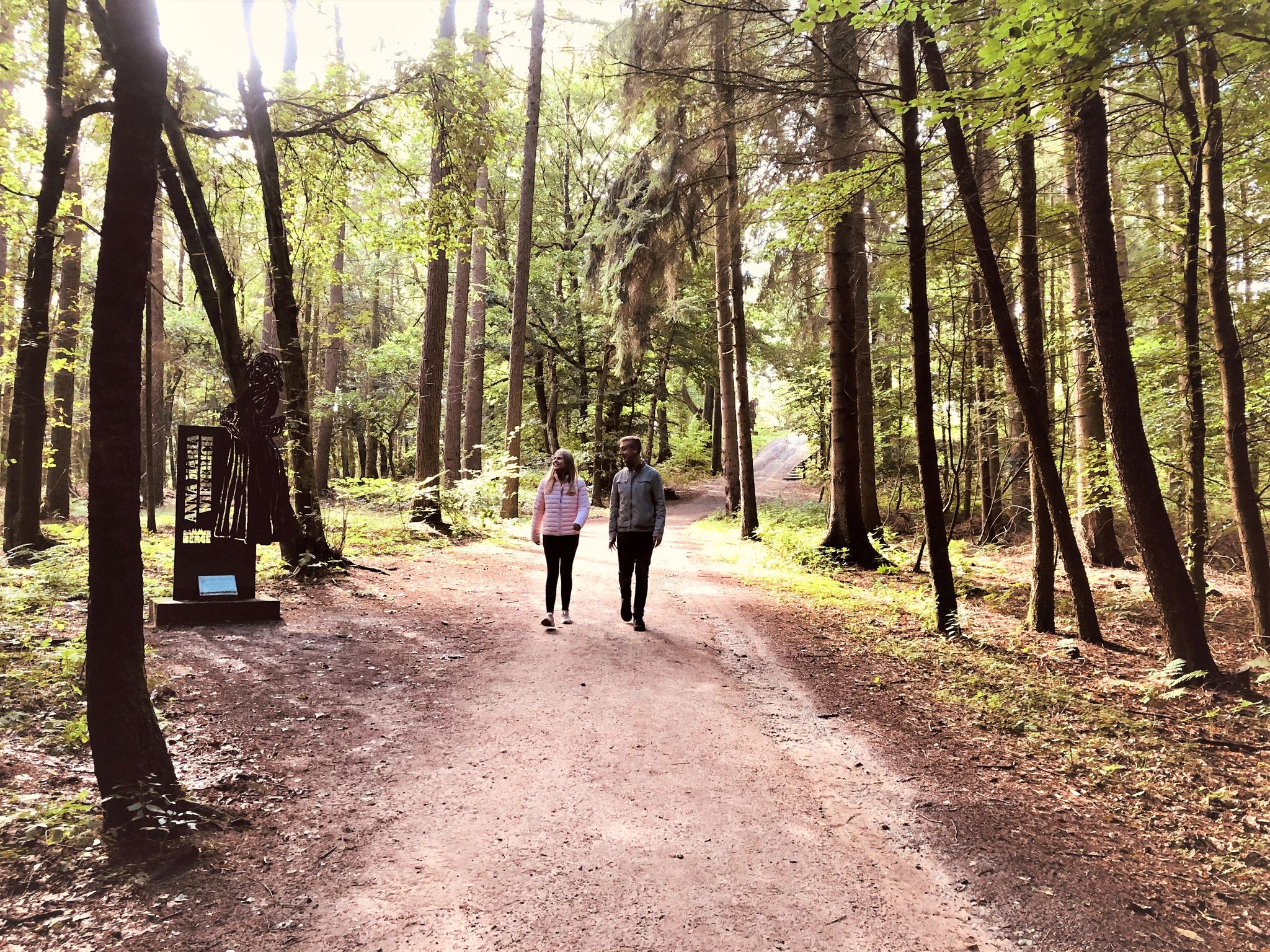
- The most popular natural monuments is Boardwalk and observation tower in the Großes Torfmoor, a trail that features…
Last updated: October 11, 2026
North Tower (observation tower), Großes Torfmoor
Highlight • Viewpoint
Translated by Google •
Tip by

Boardwalk and observation tower in the Großes Torfmoor
Highlight • Trail
Translated by Google •
Tip by

Sign up now to discover places like this
Get recommendations on the best single tracks, peaks, & plenty of other exciting outdoor places.
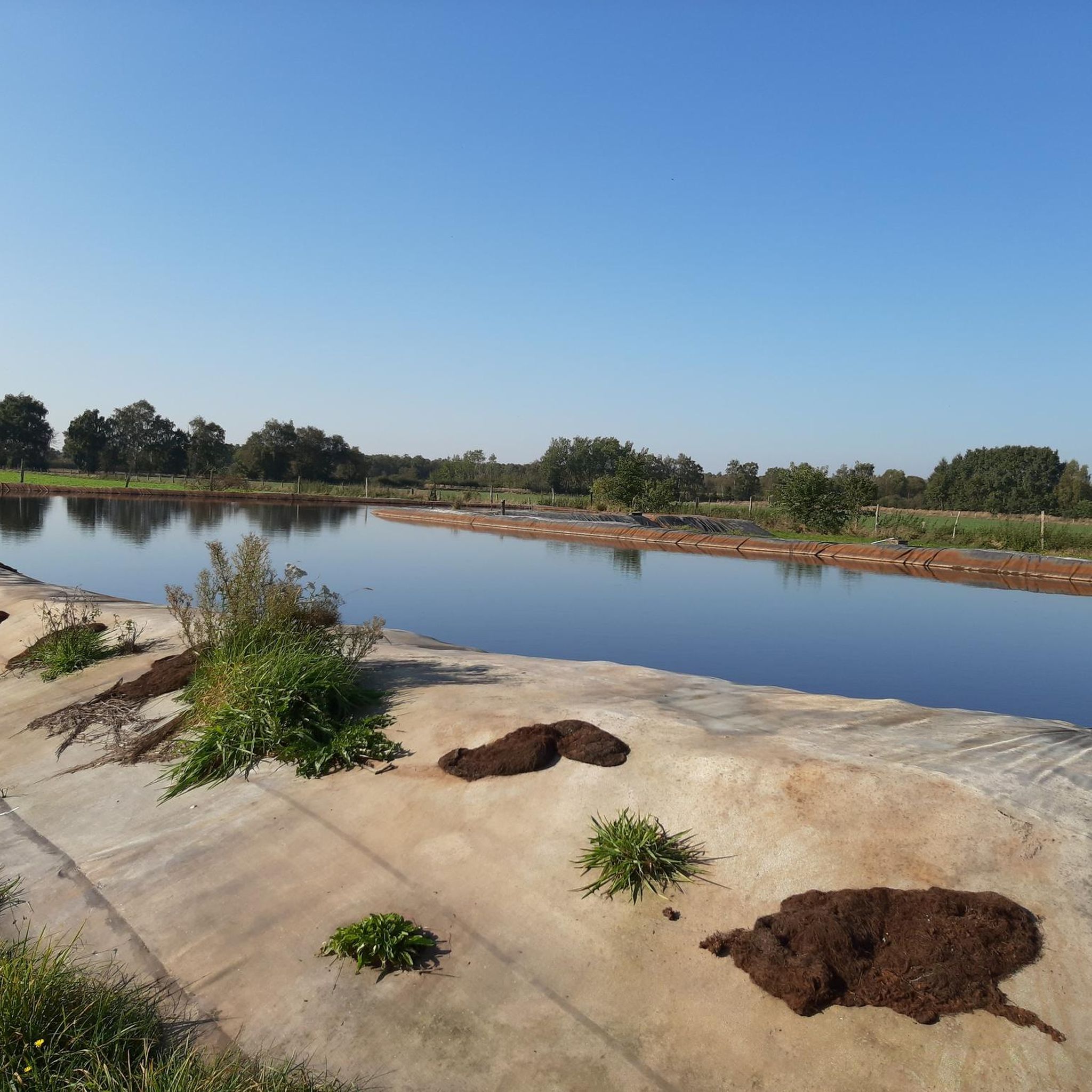
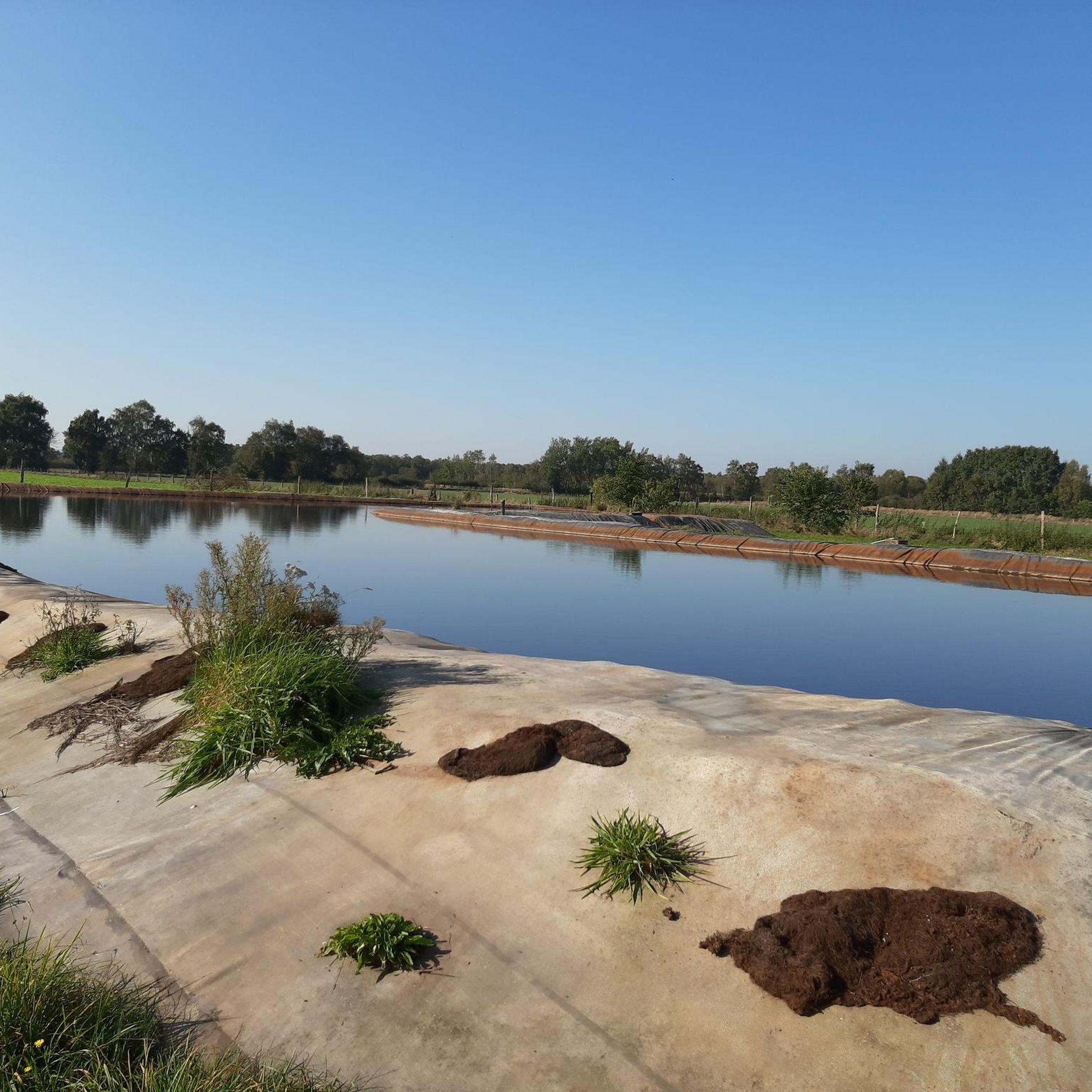
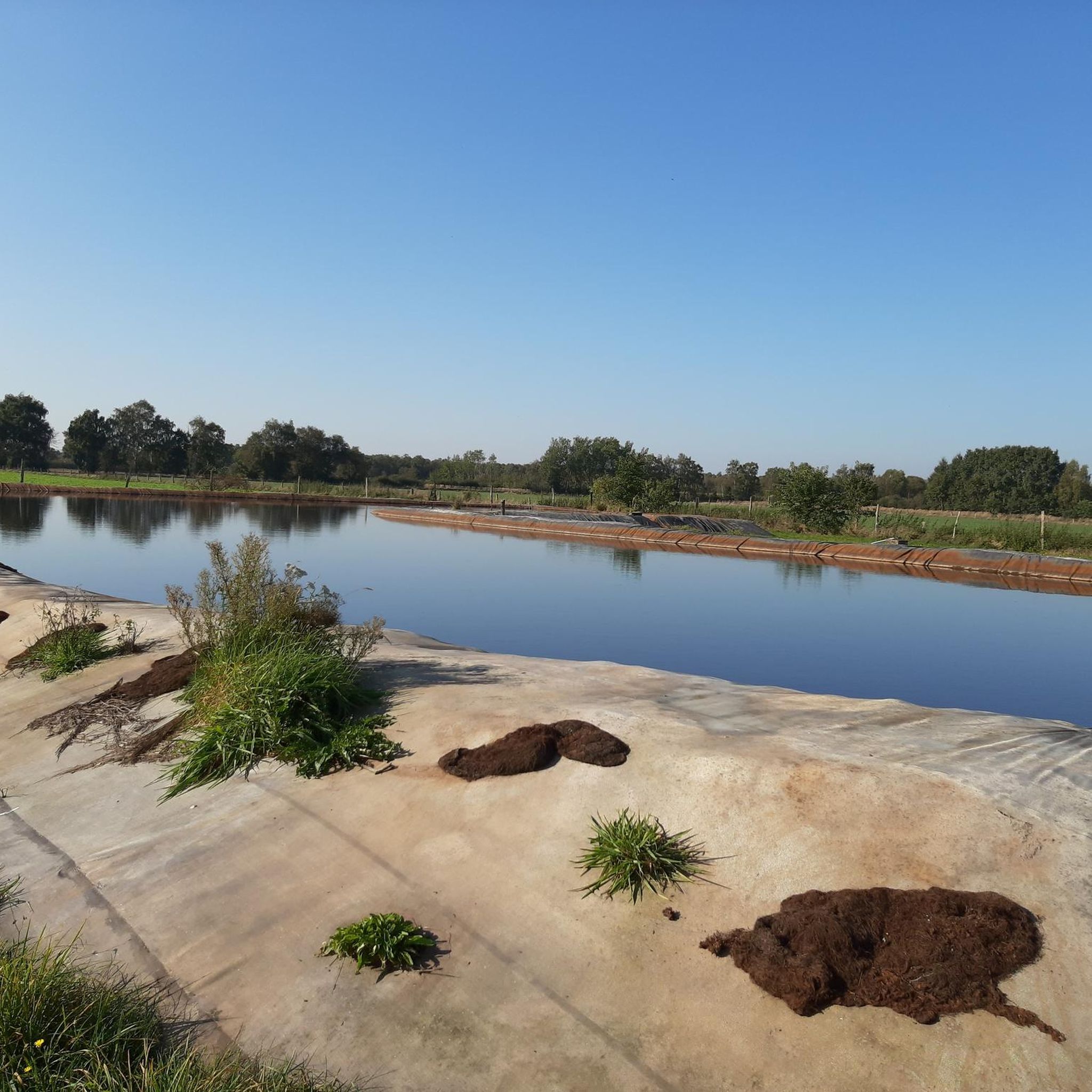
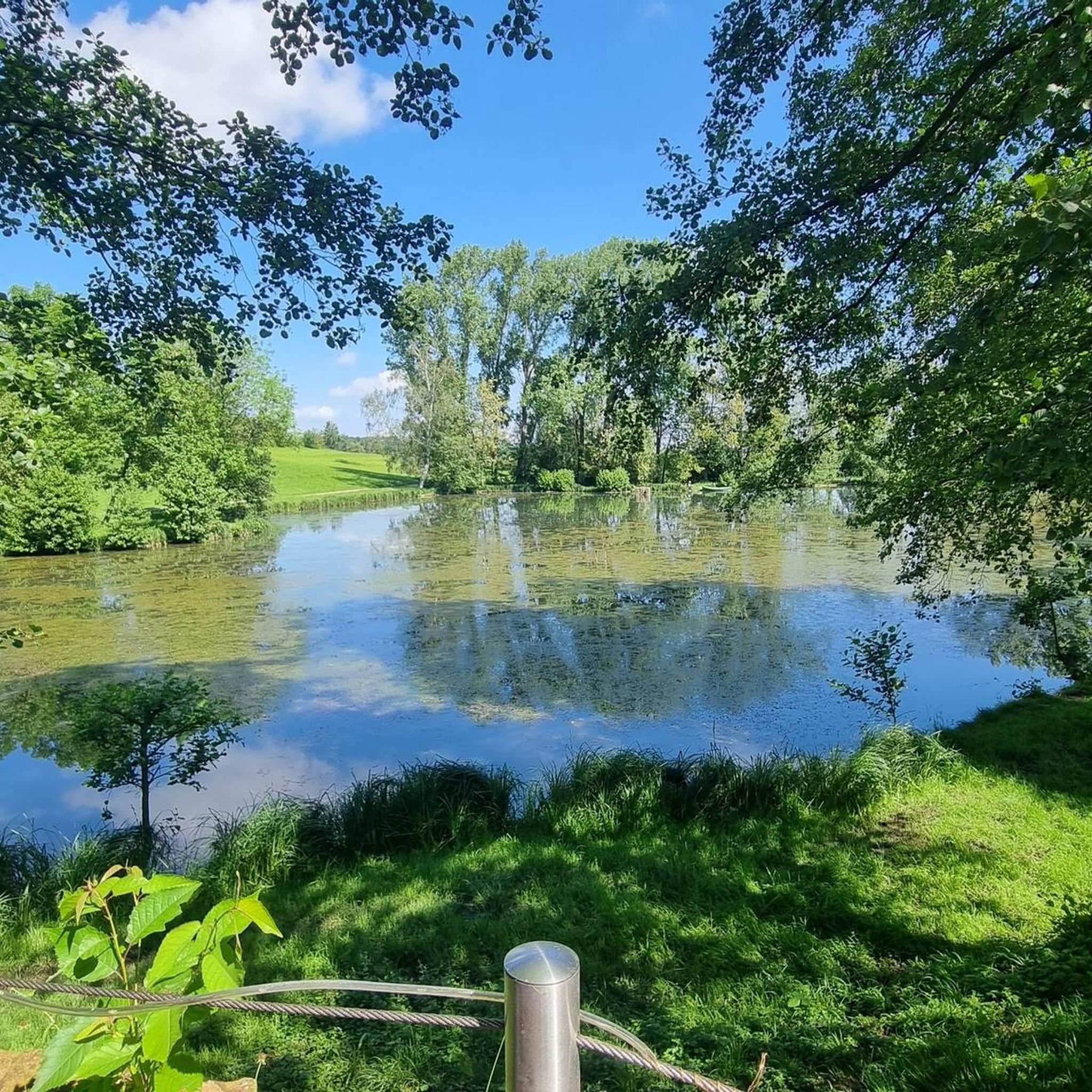
Great Aue Lake
Highlight • Lake
Translated by Google •
Tip by

Bastauwiesen Southern Observation Tower
Highlight • Viewpoint
Translated by Google •
Tip by

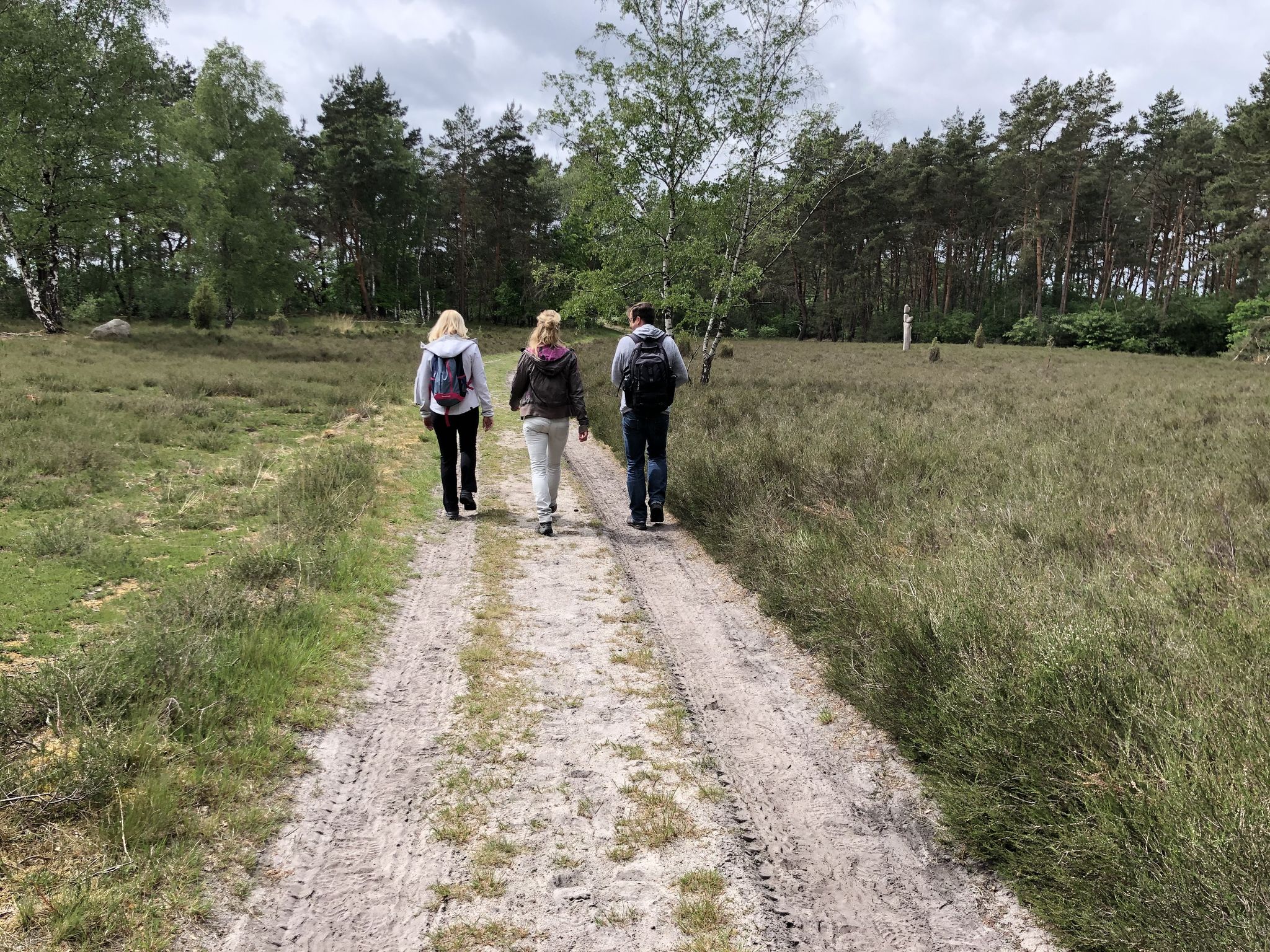
Great Stone of Tonnenheide
Highlight • Natural Monument
Translated by Google •
Tip by

Sign up for free to discover even more natural monuments around Diepenau.
Already have an account?
Start today with a free account
Your next adventure awaits.


Tips from the Community

Wonderful route. I went the red route from P7 and it was easy to follow. Special highlight today were the cranes (Kraniche) gathering there before their flight South. It was spectacular to hear and see them. Just wish I would have brought binoculars to see them better.
3
0

Very large observation tower over several floors. Beautifully solidly built, so that even people with a fear of heights can climb up and enjoy the magnificent view without any problems.
3
0


We go the round often and it's always nice.
4
0

To start the hike I can recommend the P3. Here you can choose between 3 routes of different lengths: red, yellow and blue marked. The north tower is near the wooden plank path, which is simply beautifully laid out and gives the raised moor that certain something.👌
14
3
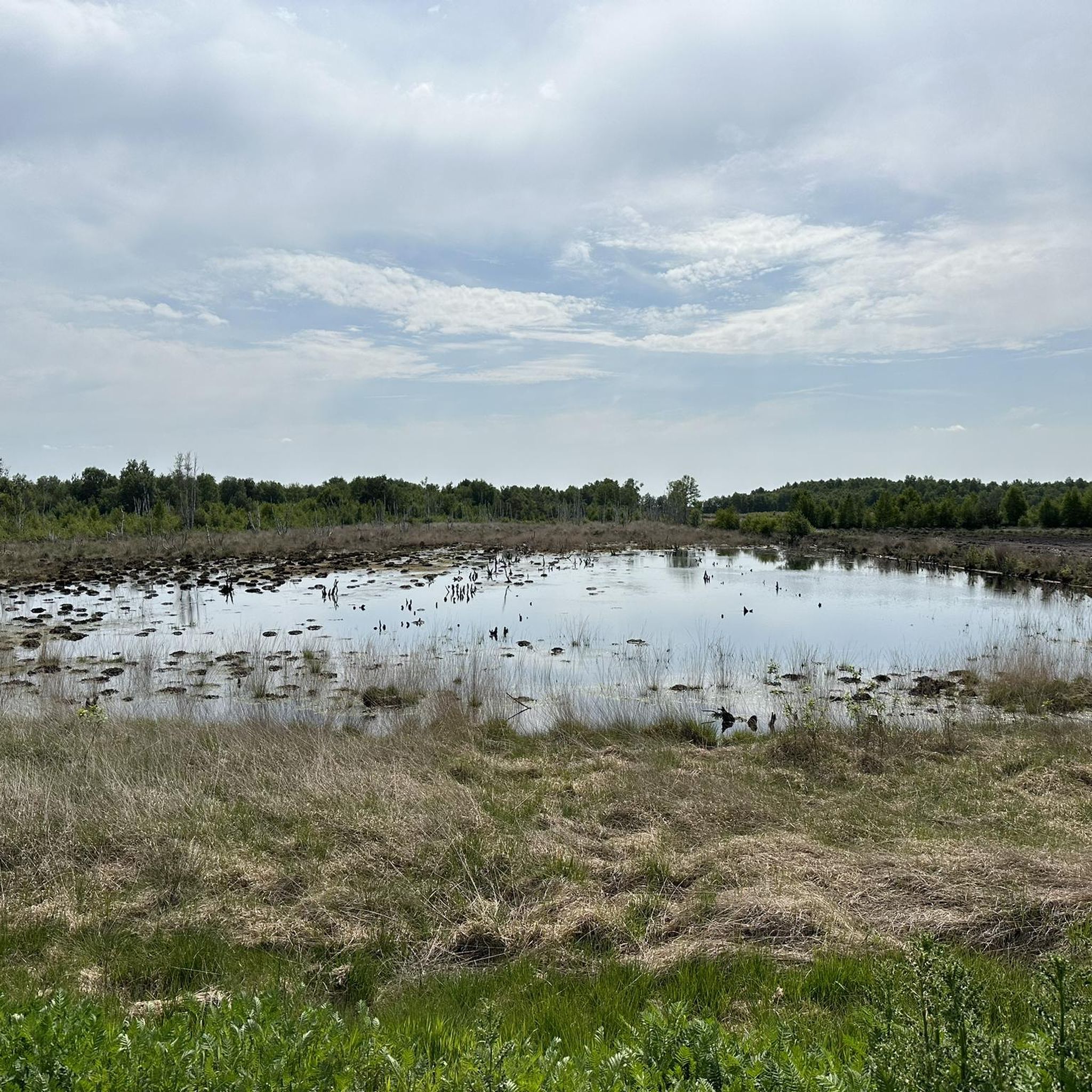
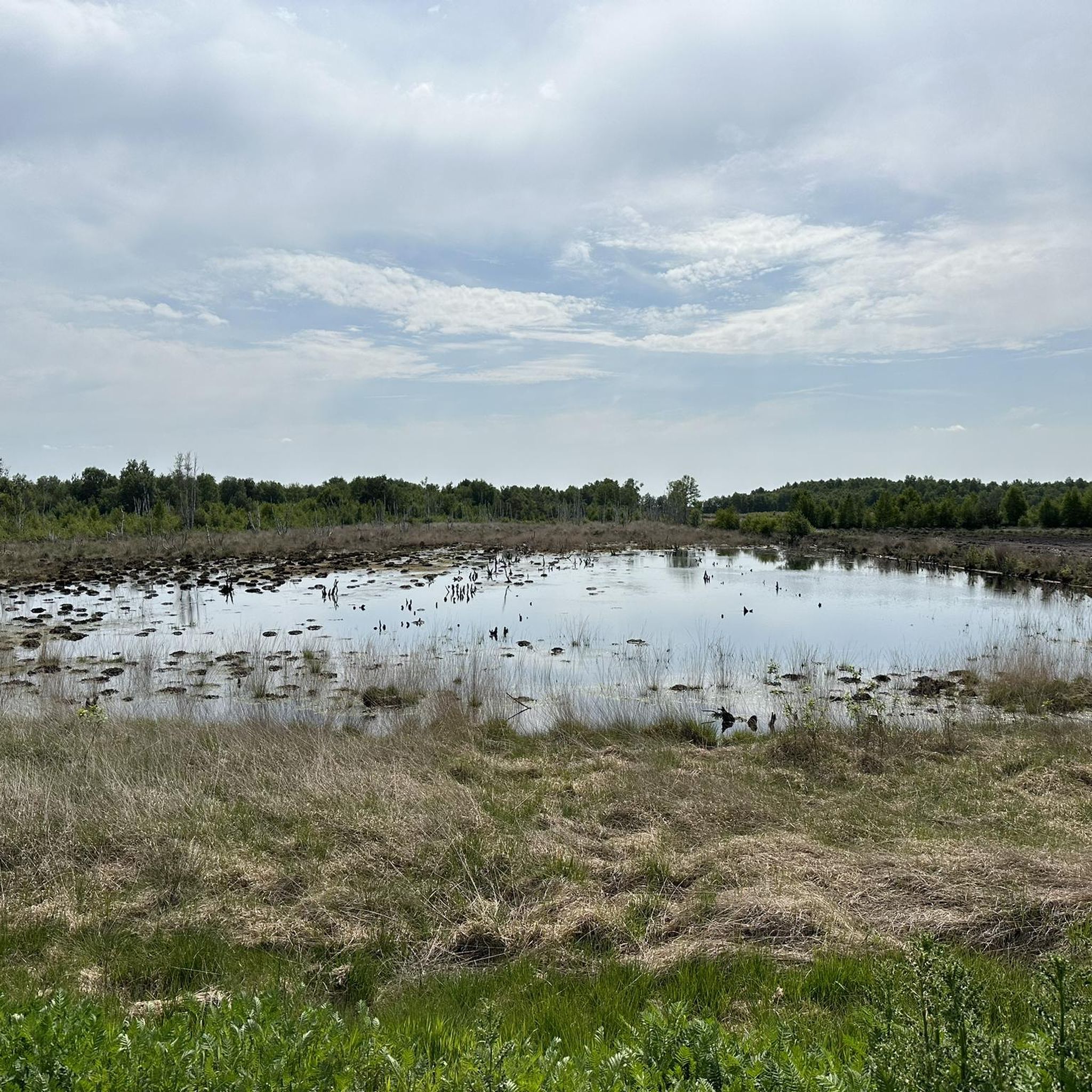
In autumn you can marvel at the faded heather, the colorful and contrasting moor landscape with its many characteristic mini lakes, the so-called moor biotopes, in which the plants and tree stumps are reflected and, of course, photographed...
7
0
+++The moor adventure trail partly takes you along wooden plank paths through the varied moorland landscape. +++For the extensive view over the moor with the heights of the Wiehengebirge in the background, it is worth climbing to the observation tower (north tower) (source: https://www.teutoburgerwald.de/wandern-radfahr/in-der-natur/tour/...).
10
1
the tower goes over 3 platforms, so you have the chance to observe animals: e.g. B. Birds
6
0
Frequently Asked Questions
What are the main natural monuments to explore around Diepenau?
The Diepenau region offers diverse natural landscapes. Key natural monuments include the expansive heathlands of the Kirchdorfer Heide and the unique high moor ecosystem of the Großes Torfmoor. You can also discover geological wonders like the Great Stone of Tonnenheide, the largest known erratic boulder in Northern Germany, and the tranquil Great Aue Lake.
What unique natural features can I expect to see in the Diepenau region?
The region is characterized by vast heathlands, preserved high moors, and unique geological formations. In the Großes Torfmoor, you can find rare plants like sundew, small cranberry, and rosemary heather, alongside diverse fauna such as moor lizards and the rare brown hairstreak butterfly. The Kirchdorfer Heide is known for its expansive heathlands and the vibrant heather bloom.
Are there family-friendly natural monuments or activities in the area?
Yes, several natural monuments are suitable for families. The Boardwalk and observation tower in the Großes Torfmoor offers an accessible moor-adventure path. The Moorhus Nature Conservation Center at the Great Peat Bog provides an engaging exhibition and moor garden, especially appealing to children. The Great Aue Lake also offers recreational opportunities.
When is the best time to visit the natural monuments around Diepenau, especially for nature viewing?
For the Kirchdorfer Heide, the best time to visit is during the heather bloom, which typically occurs from early August to early September, transforming the landscape into a vibrant sea of violet flowers. This period is ideal for hiking and experiencing the full beauty of the heathlands. The Großes Torfmoor can be visited year-round, but spring and summer offer the best opportunities for observing diverse flora and fauna.
What kind of outdoor activities can I do near these natural monuments?
The natural monuments around Diepenau are excellent for various outdoor activities. You can enjoy extensive hiking and cycling trails, particularly in the Kirchdorfer Heide. The Großes Torfmoor features well-marked circular hiking trails and a moor-adventure path. For more structured routes, you can explore options for gravel biking, running, and cycling in the wider Diepenau area.
Are there any historical or cultural points of interest within the natural monuments?
Yes, within the Kirchdorfer Heide, you can discover the "Franzosenstein," a one-meter-high sandstone pillar located on the Knickberg, which adds an intriguing cultural element to the natural setting. Additionally, the Great Stone of Tonnenheide, while a natural monument, has a history of human interaction, with visible drill holes from past quarrying.
Can I find observation towers or viewpoints for scenic views?
Absolutely. The Großes Torfmoor features multiple observation towers, including the North Tower, which offers expansive views over the moor landscape, with the heights of the Wiehengebirge visible in the background. The Boardwalk and observation tower in the Großes Torfmoor also provides excellent vantage points.
Is the Großes Torfmoor accessible for visitors, and what can I learn there?
The Großes Torfmoor is highly accessible, with well-marked circular hiking trails and a moor-adventure path, including wooden plank paths. The Moorhus Nature Conservation Center, located at the western edge, provides comprehensive information about the moor's origins, its wildlife, and botanical treasures through an interesting exhibition. You can learn about the unique ecosystem and ongoing conservation efforts.
Are the natural monuments around Diepenau dog-friendly?
Many natural areas and trails around Diepenau are dog-friendly, allowing you to explore with your canine companion. However, it's always recommended to keep dogs on a leash, especially in nature reserves like the Großes Torfmoor, to protect wildlife and sensitive ecosystems. Specific regulations may vary, so checking local signage is advisable.
What makes the Kirchdorfer Heide a significant natural monument?
The Kirchdorfer Heide is significant as one of the largest contiguous heath areas in Lower Saxony. It is characterized by its vast heathlands, which come alive with a vibrant violet bloom from early August to early September. It offers extensive opportunities for hiking, cycling, and horseback riding, and provides a tranquil escape into nature, often with sightings of sheep herds.
Where can I find information about the unique geology of the region, like erratic boulders?
The Great Stone of Tonnenheide is a prime example of the region's unique geology. This erratic boulder is 10 meters long, 7 meters wide, and 3 meters high, making it the largest known erratic boulder in Northern Germany. Information boards at the site detail its age (approximately one billion years), composition (biotite granite), and likely origin from southern Sweden, transported by glaciers.
Are there any facilities like cafes or visitor centers near the natural monuments?
Yes, the Moorhus Nature Conservation Center at the Großes Torfmoor serves as an excellent starting point, offering information and facilities. While specific cafes directly at every monument might be limited, the surrounding towns and villages near Diepenau provide options for refreshments and accommodation.
Most popular routes around Diepenau
Most popular attractions around Diepenau

Get inspired with the komoot mobile app


Explore more
Extend your search for the best caves by checking out these guides of the top ones around Diepenau:
