Top 20 Natural Monuments around Drakenburg
Natural monuments around Drakenburg offer a peaceful and scenic landscape, characterized by the Weser River and the surrounding North German Plain. The region features green hills, wide fields, and riverine environments. These landscapes provide a setting for outdoor activities such as walking and cycling.
Best natural monuments around Drakenburg
- The most popular natural monuments is Drakenburg Marsh Nature Reserve, a nature reserve that is characterized by regular flooding and serves as a habitat for diverse animal species. It features…
Last updated: October 11, 2026
Drakenburg Marsh Nature Reserve
Highlight • Natural Monument
Translated by Google •
Tip by

Giebichenstein Boulder
Highlight • Natural Monument
Translated by Google •
Tip by

Sign up now to discover places like this
Get recommendations on the best single tracks, peaks, & plenty of other exciting outdoor places.
Stöckser Lake
Highlight • Lake
Translated by Google •
Tip by

Corydalis bloom in the Alhuser Ahe
Highlight • Forest
Translated by Google •
Tip by

Nienburg's Glacial Erratics
Highlight • Natural Monument
Translated by Google •
Tip by

Sign up for free to discover even more natural monuments around Drakenburg.
Already have an account?
Start today with a free account
Your next adventure awaits.
Tips from the Community

The Giebichenstein in Stöckse is considered the largest erratic boulder in Lower Saxony and is definitely worth a break. Those eager to climb can also manage to ascend it. Not far from it, there is a playground on the outskirts of Stöckse, and you can also reach the Stöckser See via footpaths.
0
0

The glacial erratics from Småland in Nienburg/Weser are impressive relics of a natural history dating back tens of thousands of years. These large, often smoothly polished boulders originally came from the southern Swedish region of Småland and were transported to northern Germany by mighty glaciers during the last Ice Age. As the ice sheet slowly moved south, it tore rocks from the Scandinavian bedrock and carried them over long distances. When the ice melted, these so-called erratics were left behind in the landscape – far from their place of origin. Such glacial erratics, which can be geologically clearly attributed to Sweden, can also be found in Nienburg. Their composition, such as granite or gneiss, as well as characteristic structures, allow conclusions to be drawn about their Småland origin. They thus vividly illustrate the immense forces of the Ice Age and demonstrate how profoundly glaciers shaped the landscape we see today. The glacial erratics are silent witnesses to history, forging a connection between the Nienburg region and Scandinavia. Beyond their geological significance, these erratics also play a cultural and design role. In Nienburg, they are deliberately used as striking elements in the cityscape and green spaces, serving simultaneously as a starting point for environmental education and the preservation of historical memory.
1
0

It's wonderful when the larkspurs make a guest appearance on the Waldbühne stage, delighting the audience with their splendid blossoms. The performances are free, absolutely worth seeing, and—as every year—scheduled to run until the end of April.
0
0

Great bike tour
4
1

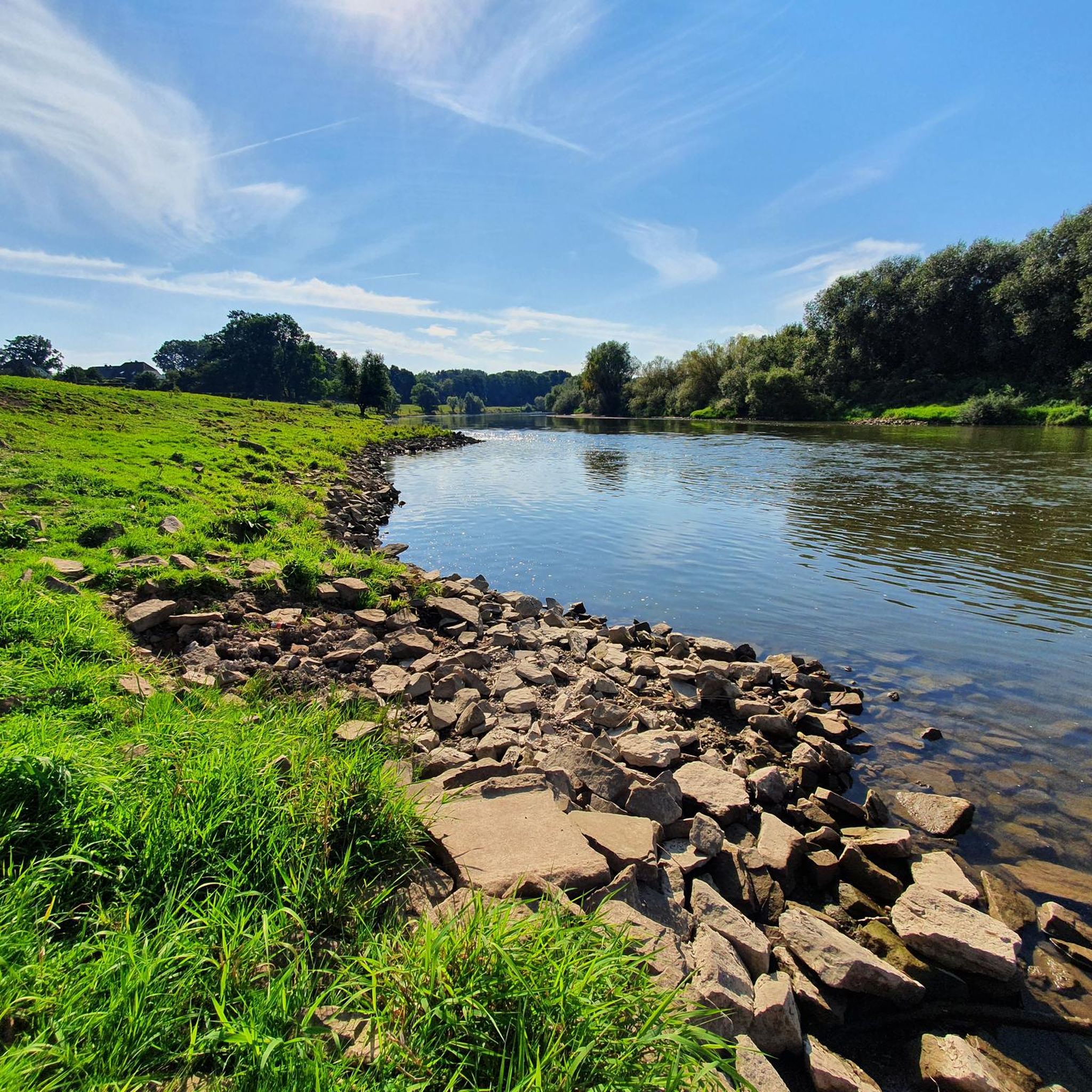
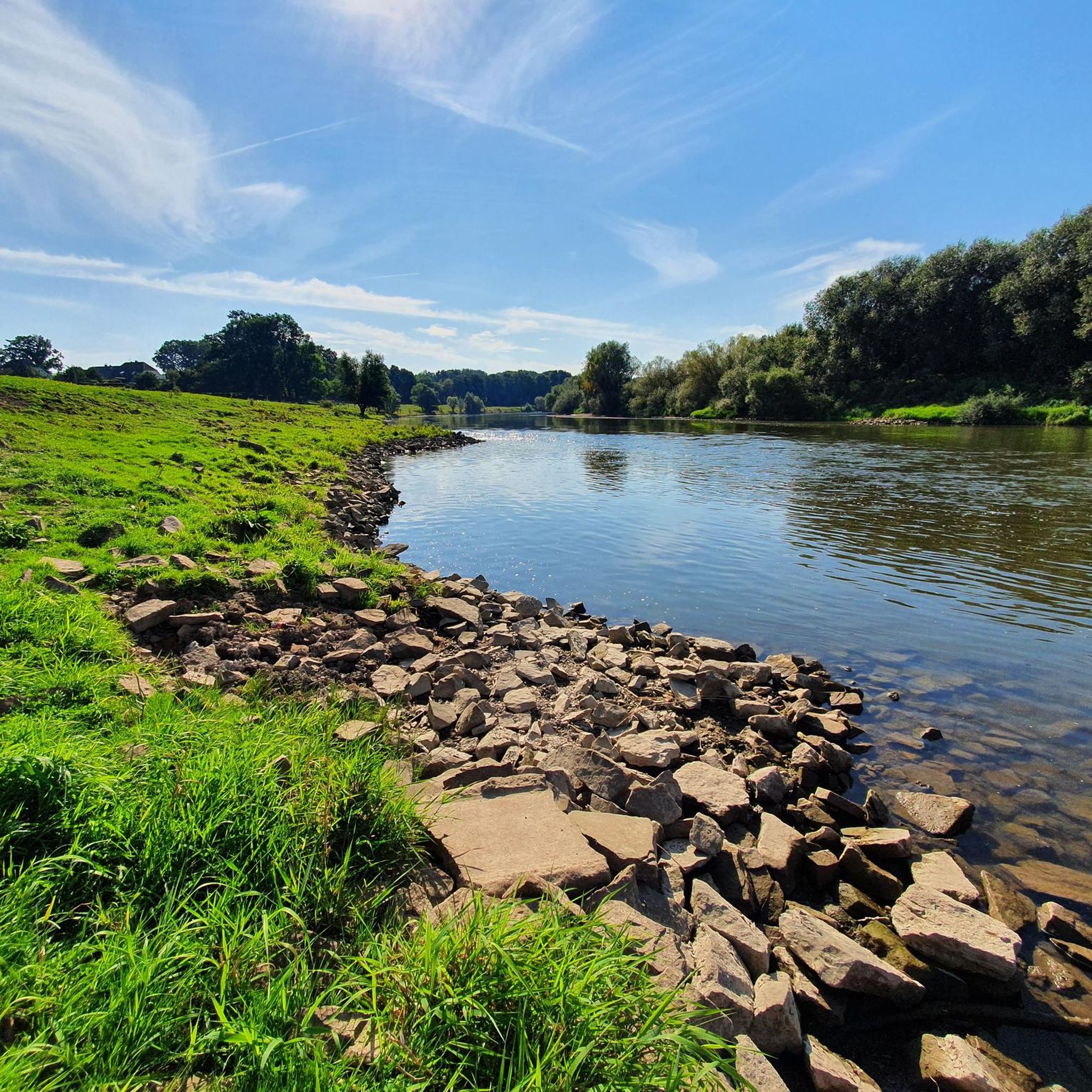
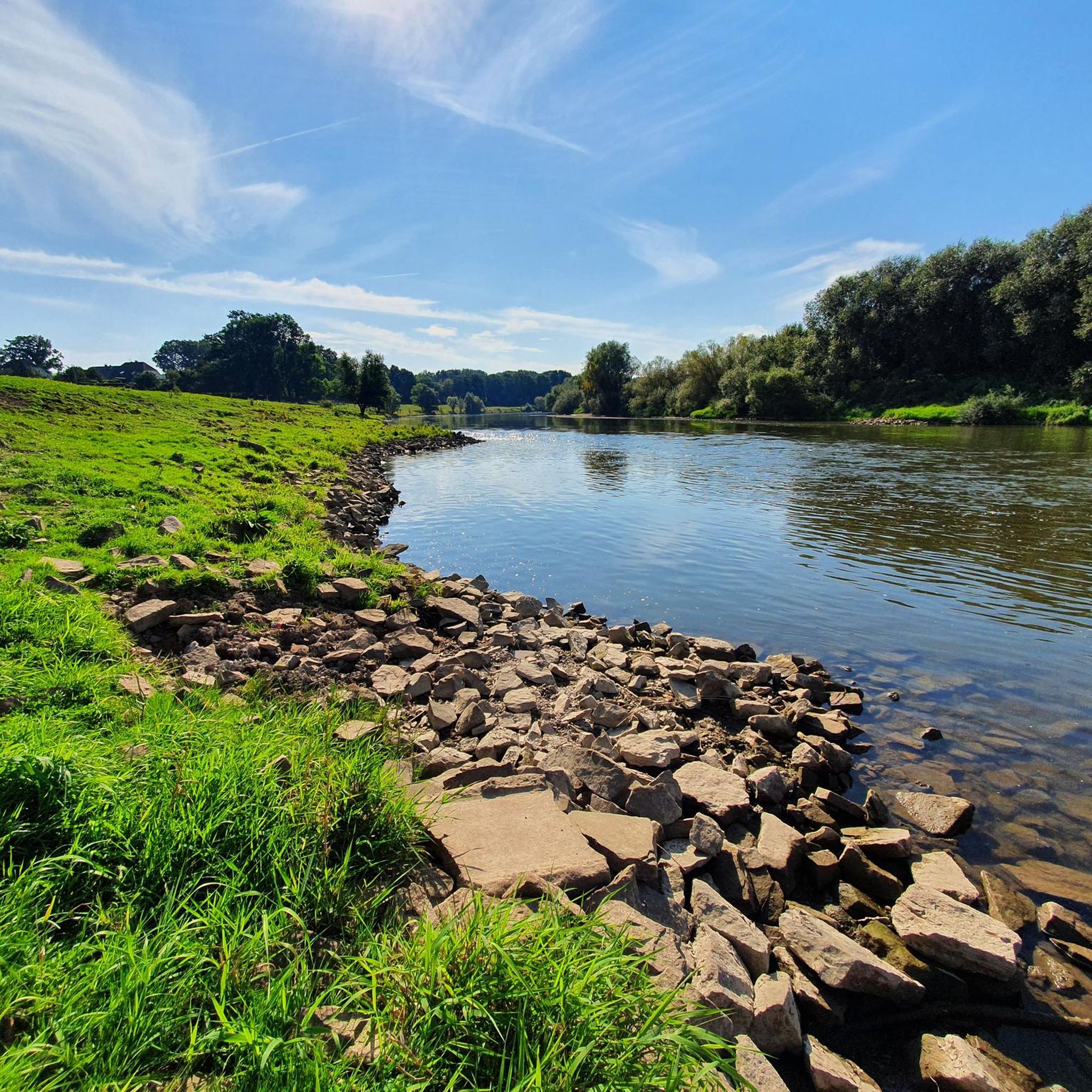
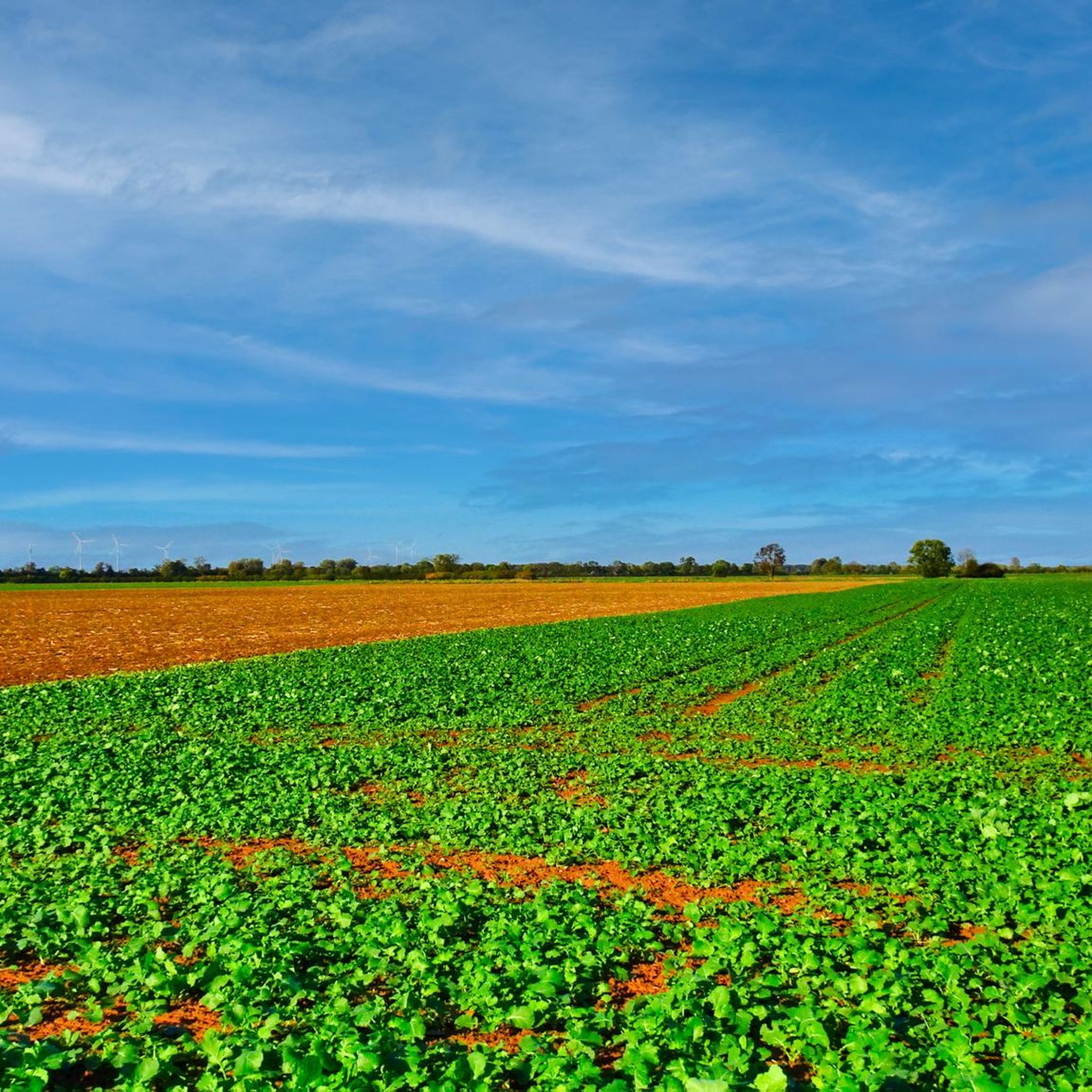
Beautiful cycle path through the nature reserve on the Weser. The marsh landscape is characterized by regular flooding and is a habitat for many different animal species.
7
0

Nice place for a stopover 👍
2
0

Very nicely located. On weekends in summer, model boats are often out on the nearby Stöckser Lake.
1
0

The "Drakenburger Marsch" still shows clear traces of the river bend marsh, a form of land use that was once typical for the entire Wesermarsch. In addition to its cultural and historical significance, this type of landscape, which has become rare, offers a habitat and retreat for vulnerable and endangered animal and plant species and communities due to its structural diversity. The species-rich, well-preserved hedges and their herbaceous fringe are of very high ecological importance as a habitat for numerous, sometimes rare, vertebrates, birds and small mammals. The grassland, which is partly characterized by flood troughs and is regularly flooded, represents an important refuge for organisms bound to temporary bodies of water and offers resting and feeding opportunities, especially for Nordic birds migrating after floods. The remaining wet grassland is also important as a food habitat for the white stork. https://www.lk-nienburg.de/portal/seiten/naturschutzgebiet-drakenburger-marsch-901001074-21500.html
10
0
Frequently Asked Questions
What are some unique natural features to explore around Drakenburg?
Drakenburg offers a variety of natural features. You can explore the rare river bend marsh landscape at the Drakenburg Marsh Nature Reserve, witness the annual Corydalis bloom in the Alhuser Ahe, or marvel at the massive Giebichenstein Boulder, one of northern Germany's largest. The region is also characterized by the scenic Weser River and its surrounding green hills and wide fields.
Are there family-friendly natural monuments in the Drakenburg area?
Yes, several natural monuments around Drakenburg are suitable for families. The Drakenburg Marsh Nature Reserve features a cycle path along the Weser, perfect for a family outing. The Giebichenstein Boulder is an interesting geological feature with a local legend that children might enjoy. Additionally, the Corydalis bloom in the Alhuser Ahe offers a beautiful, easy walk, and Die Rolle is a natural bathing lake that can be enjoyed by families.
What is the best time to visit Drakenburg for natural monuments?
The best time to visit depends on what you want to see. For the spectacular Corydalis bloom in the Alhuser Ahe, late March to early April is ideal. Generally, spring and summer offer pleasant weather for exploring the riverine landscapes, green hills, and wide fields. The changing seasons bring different beauty, from wildflowers in spring to shaded forests in summer.
What kind of outdoor activities can I do near Drakenburg's natural monuments?
The Drakenburg area is excellent for various outdoor activities. You can enjoy cycling along the Weser River, with routes passing through areas like the Drakenburg Marsh Nature Reserve. There are also numerous hiking trails, from leisurely walks along the Weser to more challenging routes around the 'Kleiner Heidberg' mountain. For more specific routes, you can explore guides for Hiking around Drakenburg, MTB Trails around Drakenburg, and Road Cycling Routes around Drakenburg.
Are there any significant geological features or boulders in the region?
Yes, Drakenburg is home to some impressive geological features. The Giebichenstein Boulder is one of the largest boulders in northern Germany, weighing 330 tons and located in the 'crow' state forest. Additionally, Nienburg's Glacial Erratics are a collection of large boulders, some weighing up to 10 tons, that were transported from southern Sweden during the Saale Ice Age and can be found along the Weser.
What are the best viewpoints to experience Drakenburg's natural beauty?
For scenic views, the Giebichenstein Boulder area offers a nice resting place. The Staustufe Drakenburg (Drakenburg Barrage) provides good views of the Weser River. For a broader perspective, challenging hiking routes around the 'Kleiner Heidberg' mountain offer spectacular views of the entire Weser Valley. You can also get a great view of the natural bathing lake at Die Rolle.
What kind of wildlife can I expect to see in Drakenburg's natural areas?
The Drakenburg Marsh Nature Reserve is a significant habitat for diverse animal species, particularly due to its regular flooding. It offers refuge for vulnerable and endangered animal and plant species, and its wet grasslands are important feeding grounds for Nordic birds, especially the white stork, after floods. The area's structural diversity supports numerous vertebrates, birds, and small mammals.
Are there any natural bathing spots or lakes near Drakenburg?
Yes, Die Rolle is an approximately 28-hectare natural bathing lake located west of Nienburg/Weser. It's situated within a Fauna-Flora-Habitat (FFH) area and offers a pleasant spot to enjoy the water and surrounding nature.
What do visitors enjoy most about the natural monuments around Drakenburg?
Visitors particularly appreciate the peaceful and scenic landscapes, especially along the Weser River. The unique natural phenomena like the Corydalis bloom in the Alhuser Ahe and the impressive Giebichenstein Boulder are highly regarded. The well-maintained hiking and cycling paths, such as those through the Drakenburg Marsh Nature Reserve, also contribute to a positive outdoor experience.
Can I find easy walking trails among the natural monuments?
Yes, many areas offer easy walking opportunities. The riverbanks along the Weser are ideal for leisurely strolls, and the Alhuser Ahe, especially during the Corydalis bloom, provides a beautiful and accessible path. For specific easy routes, you can check the Hiking around Drakenburg guide, which includes routes like the 'Seegraben loop' and other short loops from Drakenburg.
Are there opportunities for cycling through natural areas?
Absolutely. The Weser River plays a central role in Drakenburg's cycling appeal. A beautiful cycle path runs through the Drakenburg Marsh Nature Reserve. The wider region, with its green hills and wide fields, is crisscrossed with routes suitable for both road cycling and mountain biking. Guides like MTB Trails around Drakenburg and Road Cycling Routes around Drakenburg offer detailed options.
What is the historical significance of the natural monuments in Drakenburg?
While Drakenburg's natural monuments are primarily appreciated for their ecological and geological value, some also carry historical context. The Giebichenstein Boulder is associated with local legends, including a dwarf king named Giebich. The Drakenburg Marsh Nature Reserve preserves a rare river bend marsh landscape, a form of land use that was once typical for the entire Wesermarsch, offering cultural and historical significance.
Most popular routes around Drakenburg
Most popular attractions around Drakenburg

Get inspired with the komoot mobile app


Explore more
Extend your search for the best caves by checking out these guides of the top ones around Drakenburg:
