Top 20 Natural Monuments around Wedemark
Best natural monuments Wedemark are found in a region of Lower Saxony, Germany, characterized by extensive fields, forests, and small hills. This landscape provides a setting for outdoor activities, including hiking and exploring natural areas. The region features diverse natural beauty, offering various opportunities for visitors to engage with its environment.
Best natural monuments around Wedemark
- The most popular natural monuments is Sound Stones on the Geological Adventure Trail, an other man-made feature located within a forest. Visitors can experiment with different stones to understand why some produce bright sounds and others dull ones.
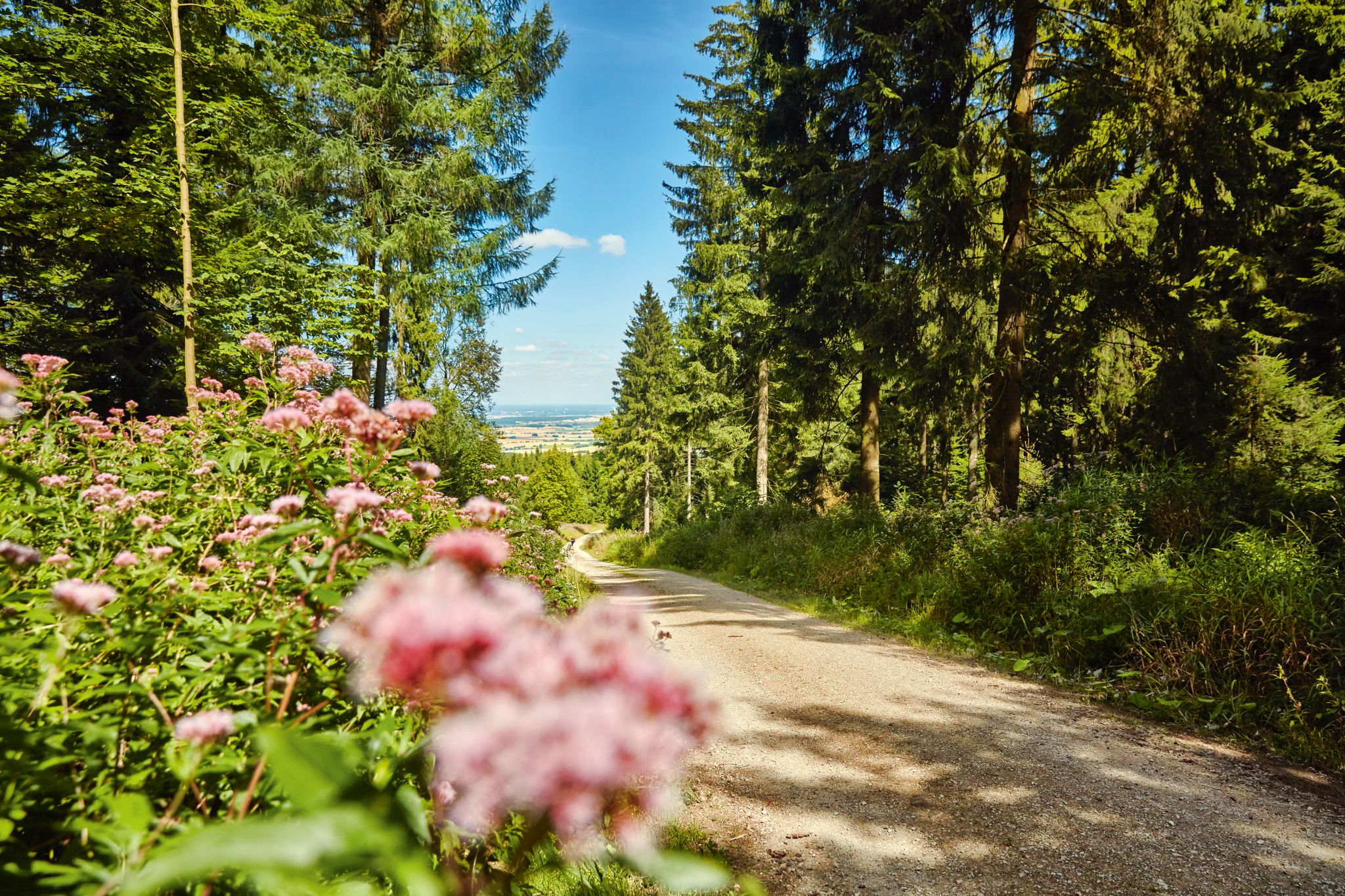
- Another must-see spot is Stone Sorting Machine on the Bewegte Steine Geo-Adventure Trail, an interactive exhibit. This feature allows visitors, including families, to sort stones and operate a mechanism that returns them to a shovel, providing an engaging experience.
- Visitors also love Leine Waterfall (Neustadt am Rübenberge), a natural waterfall. This site is particularly notable in spring when water levels are high, creating a significant rapids feature on the Leine river.
- Wedemark is known for its natural monuments, including waterfalls, moorlands, and geological adventure trails. The region offers a variety of natural monuments to see and explore, from interactive geological sites to tranquil natural parks.
- The natural monuments around Wedemark are appreciated by the komoot community, with more than 600 upvotes and over 300 photos shared by visitors.
Last updated: June 24, 2026
Stone Sorting Machine on the Bewegte Steine Geo-Adventure Trail
Highlight • Structure
Translated by Google •
Tip by

Leine Waterfall (Neustadt am Rübenberge)
Highlight • Waterfall
Translated by Google •
Tip by

Sign up now to discover places like this
Get recommendations on the best single tracks, peaks, & plenty of other exciting outdoor places.
Sign up for free
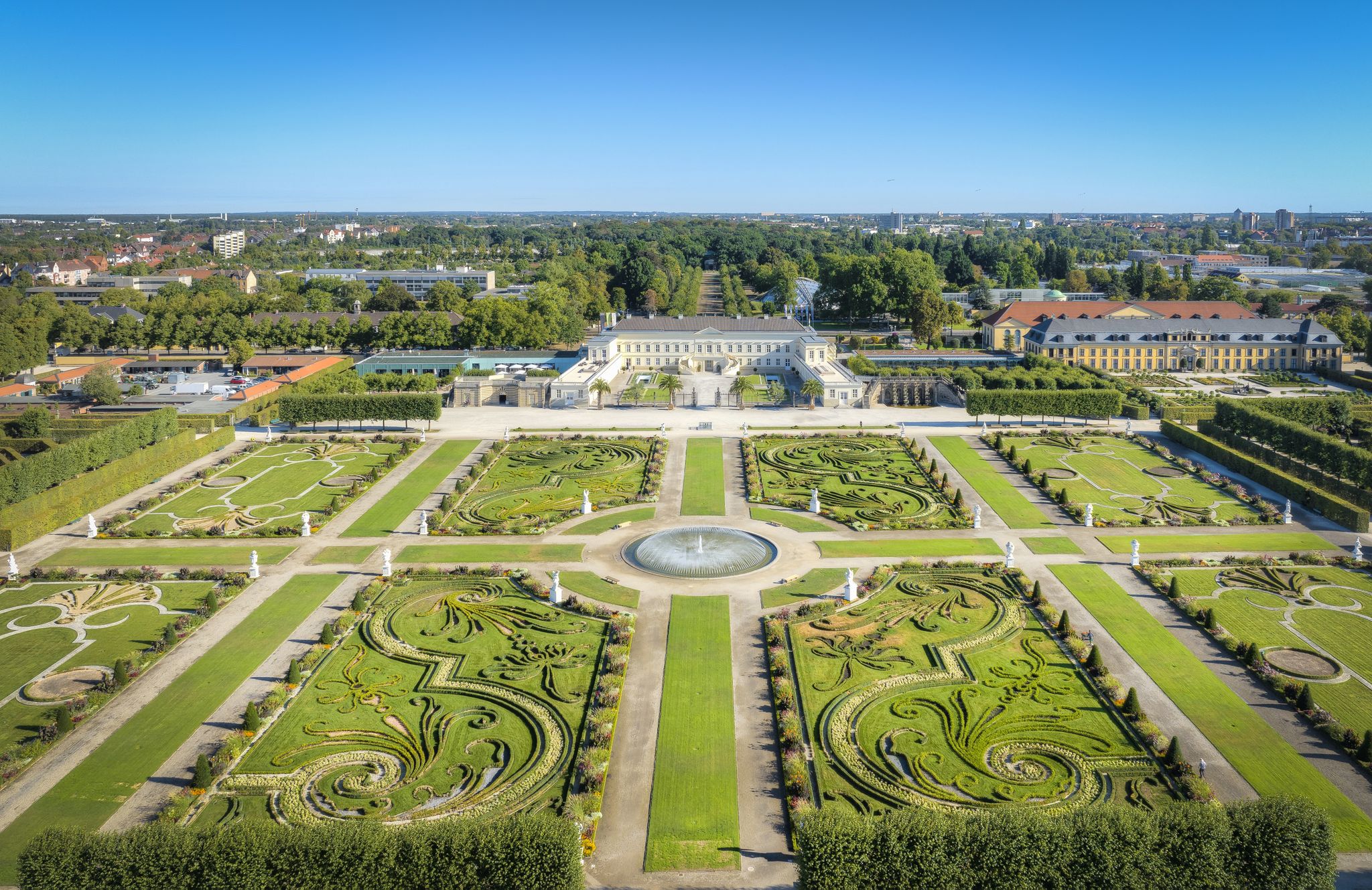
Hinüberscher Garden
Highlight • Natural Monument
Translated by Google •
Tip by

Moor Experience Trail Otternhagener Moor
Highlight • Trail
Translated by Google •
Tip by

Sound Stones on the Geological Adventure Trail
Highlight • Structure
Translated by Google •
Tip by

Sign up for free to discover even more natural monuments around Wedemark.
Sign up for free
Already have an account?
Start today with a free account
Your next adventure awaits.
Login or Signup
Popular around Wedemark

Tips from the Community

very beautiful place is worth every trip
1
0

In order to improve navigability, it was decided to remove the rock bar in Neustadt. The rock was removed in several attempts, most recently in a 23-day operation in 1743. It is uncertain when the first large explosion took place, but a blast hole in the rock bar in Neustadt exists. https://www.ruebenberge.de/mythen/ Sprengloch.html
2
0

Geology you can touch - varied and explained in an exciting way.
0
0

Why do some stones sound bright and some dull? You will find out the answer at the Klangsteine station. When you throw a rock into the water, you'll see ripples spreading around where the rock meets the surface. It is similar with sound. When you hit a rock with a hammer, a sound wave propagates inside the rock. If it is finely crystalline or homogeneous, you will hear a bright sound. If there are crystal boundaries or microcracks that impede the propagation of the sound wave, a muffled tone is heard. Try it now!
3
1

The creation of the park at the Marienwerder monastery began around 1766 according to plans by Jobst Anton von Hinüber. He had been the bailiff of the monastery since 1760. In 1764, the legation councilor at the time, chief postal commissioner and monastery official, also became the first director, i.e. head of the newly founded General Road Construction Directorate, the first road construction department in the Electorate of Hanover. At the request of King George III. In the same year he founded a "Society for the Raising of Agriculture" with several influential men. It later gained great importance as the "Albrecht-Thaer-Gesellschaft". The Marienwerder estates became a model farm. Over here tested new English implements, machines and cultivation techniques. At that time there were large areas of wasteland, dunes, forest and pasture near the monastery. Eight years later Hinüber had changed the appearance of the monastery. The Hinübersche Garden, one of the first landscape parks in Germany, was created on an area of 40 hectares.[1] A trip to England lasting several months in 1766/67 was decisive for the creation of the park. At that time he visited important English gardens in "modern taste" and recorded his impressions in a detailed diary. Until the first half of the 19th century, the garden was a must for cultivated visitors to the Electorate of Hanover. Source: Wikipedia
1
0

With a relatively heavy hammer you can make the stone pillars ring.
4
0
Claims to be the oldest English garden on the mainland. Pretty impressive anyway, especially considering that the Templars were active here.
3
0

It is wonderfully idyllic in this place.
1
0
Frequently Asked Questions
What are some unique natural monuments to explore around Wedemark?
Beyond the well-known spots, you can discover the interactive Stone Sorting Machine on the Bewegte Steine Geo-Adventure Trail, where visitors can learn about different rock types. Another unique experience is the Sound Stones on the Geological Adventure Trail, which allows you to experiment with stones to understand why some produce bright sounds and others dull ones.
Are there family-friendly natural monuments in Wedemark?
Yes, several natural monuments are great for families. The Stone Sorting Machine on the Bewegte Steine Geo-Adventure Trail and the Sound Stones on the Geological Adventure Trail offer engaging, interactive experiences. The Leine Waterfall (Neustadt am Rübenberge) is also a beautiful spot for a family outing, especially in spring when water levels are high. Additionally, the Wietzetal Nature Reserve and the River Wietze area are popular for families, featuring easy trails and picnic spots.
What natural features can I expect to see around Wedemark?
Wedemark is characterized by extensive fields, forests, and small hills. You can find diverse natural beauty, including the impressive Leine Waterfall (Neustadt am Rübenberge), unique moorland ecosystems at Bissendorfer Moor and Otternhagener Moor, and tranquil lake areas like Mellendorf Bathing Lake and Altwarmbüchener Lake. The Wietzetal Nature Reserve offers lush meadows and dense forests.
Are there any historical sites among the natural monuments?
Yes, the Hinüberscher Garden is a beautifully landscaped park that is also recognized as a historical site. It offers a wonderful place for a break and is less crowded than some other parks.
What is the best time of year to visit the natural monuments in Wedemark?
The best times to visit are typically spring and autumn. During these seasons, the weather is mild, making it ideal for outdoor activities, and the scenery is particularly vibrant with lush greenery in spring or colorful foliage in autumn.
Are there accessible natural monuments for visitors with mobility needs?
The Moor Experience Trail Otternhagener Moor is noted for being wheelchair accessible. This trail offers a unique opportunity to explore the moorland ecosystem with 11 different stations explaining the habitat over approximately 1.5 kilometers.
What outdoor activities can I do near these natural monuments?
Wedemark offers a variety of outdoor activities. You can explore extensive hiking tours on well-marked routes like the Wedemark hiking trail. For cycling enthusiasts, there are numerous road cycling routes, and mountain biking trails are also available. You can find more details on specific routes in the MTB Trails around Wedemark, Running Trails around Wedemark, and Road Cycling Routes around Wedemark guides.
Are there easy hiking trails suitable for all skill levels?
Yes, Wedemark features numerous well-marked hiking routes that cater to various skill levels. The Wietzetal Nature Reserve and the River Wietze area, for instance, offer relatively easy trails perfect for pleasant walks and picnics. The region's landscape of fields, forests, and small hills provides a perfect setting for extensive hiking tours, from family-friendly walks to more challenging treks.
What do visitors enjoy most about the natural monuments in Wedemark?
Visitors particularly enjoy the interactive and educational aspects of sites like the Stone Sorting Machine and Sound Stones. The beauty of the Leine Waterfall, especially when water levels are high, is also highly appreciated. Many also value the tranquility and well-maintained paths of places like the Hinüberscher Garden and the immersive experience of the Moor Experience Trail.
Can I find circular walks around the natural monuments?
Yes, the Bissendorfer Moor offers a circular route along its boundary, allowing visitors to experience the unique moorland ecosystem. Many of the hiking trails in the wider Wedemark region are also designed as circular routes, providing diverse scenic views.
Are the natural monuments in Wedemark dog-friendly?
Many natural areas and trails in Wedemark are generally dog-friendly, allowing you to explore with your canine companion. For example, the Stone Sorting Machine on the Bewegte Steine Geo-Adventure Trail is listed as dog-friendly. Always ensure dogs are kept on a leash where required and respect local regulations and wildlife.
What wildlife can be observed in the natural monuments of Wedemark?
The diverse ecosystems of Wedemark, including forests, meadows, and moorlands, support various wildlife. In areas like the Hinüberscher Garden, you might spot baby ducks around the lake. Moorland areas like Otternhagener Moor are home to specific species adapted to wetland environments, such as dragonflies. Hikers often observe local wildlife along the trails throughout the region.
Most popular routes around Wedemark
Most popular attractions around Wedemark

Get inspired with the komoot mobile app


Explore more
Extend your search for the best caves by checking out these guides of the top ones around Wedemark:
