Top 20 Natural Monuments around Pollhagen
Natural monuments around Pollhagen offer diverse natural landscapes, primarily influenced by its proximity to the Steinhuder Meer Nature Park. This region features significant wetlands, forests, and unique geological formations. The area provides opportunities to explore varied ecosystems and observe local wildlife.
Best natural monuments around Pollhagen
- The most popular natural monuments is Neuenknick Erratic Boulder Forest, a natural monument where around 2000 boulders of various sizes have been collected. This unique forest began in 1976 with the preservation of…
Last updated: October 11, 2026
Meerbruchwiesen Bird Sanctuary
Highlight • Natural Monument
Translated by Google •
Tip by

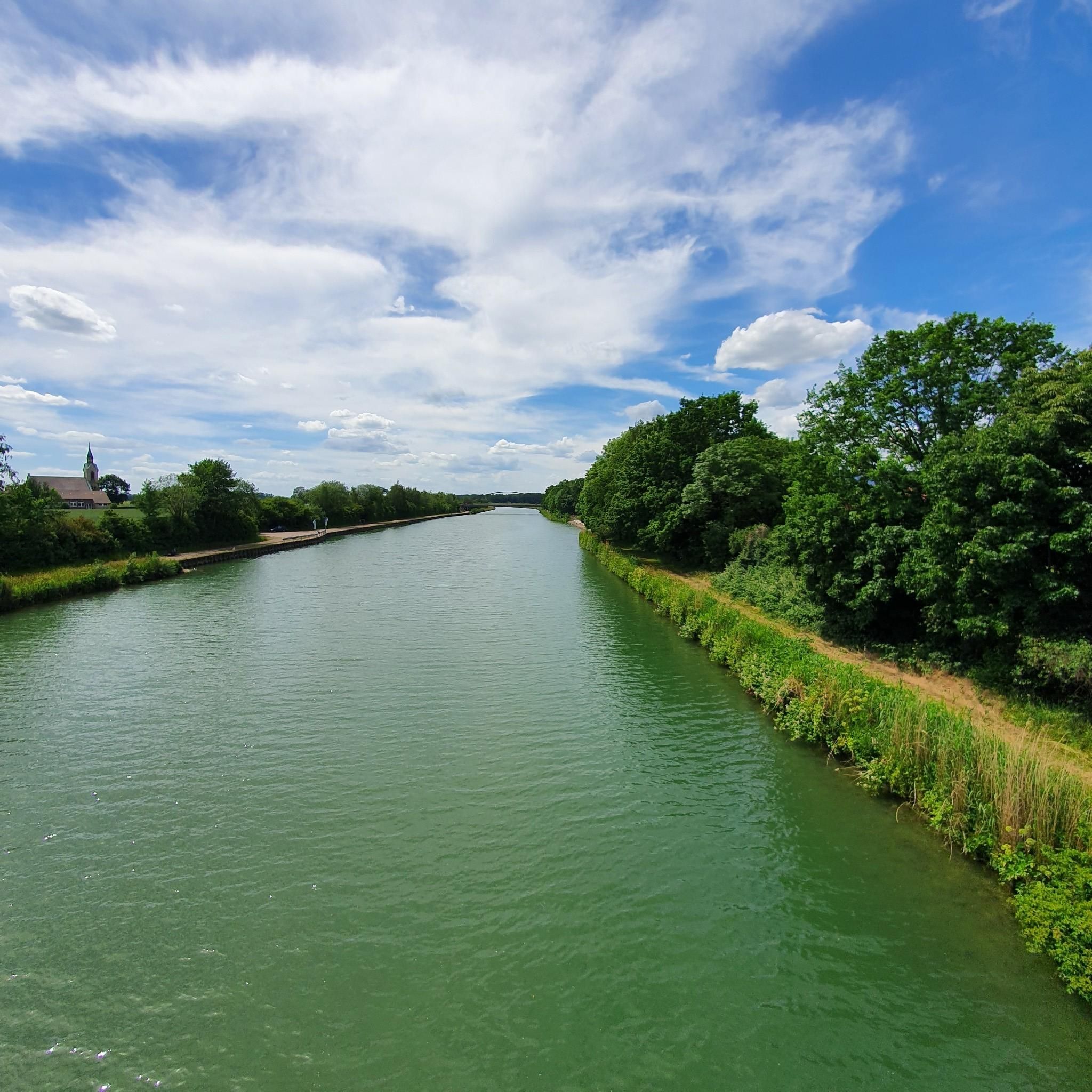
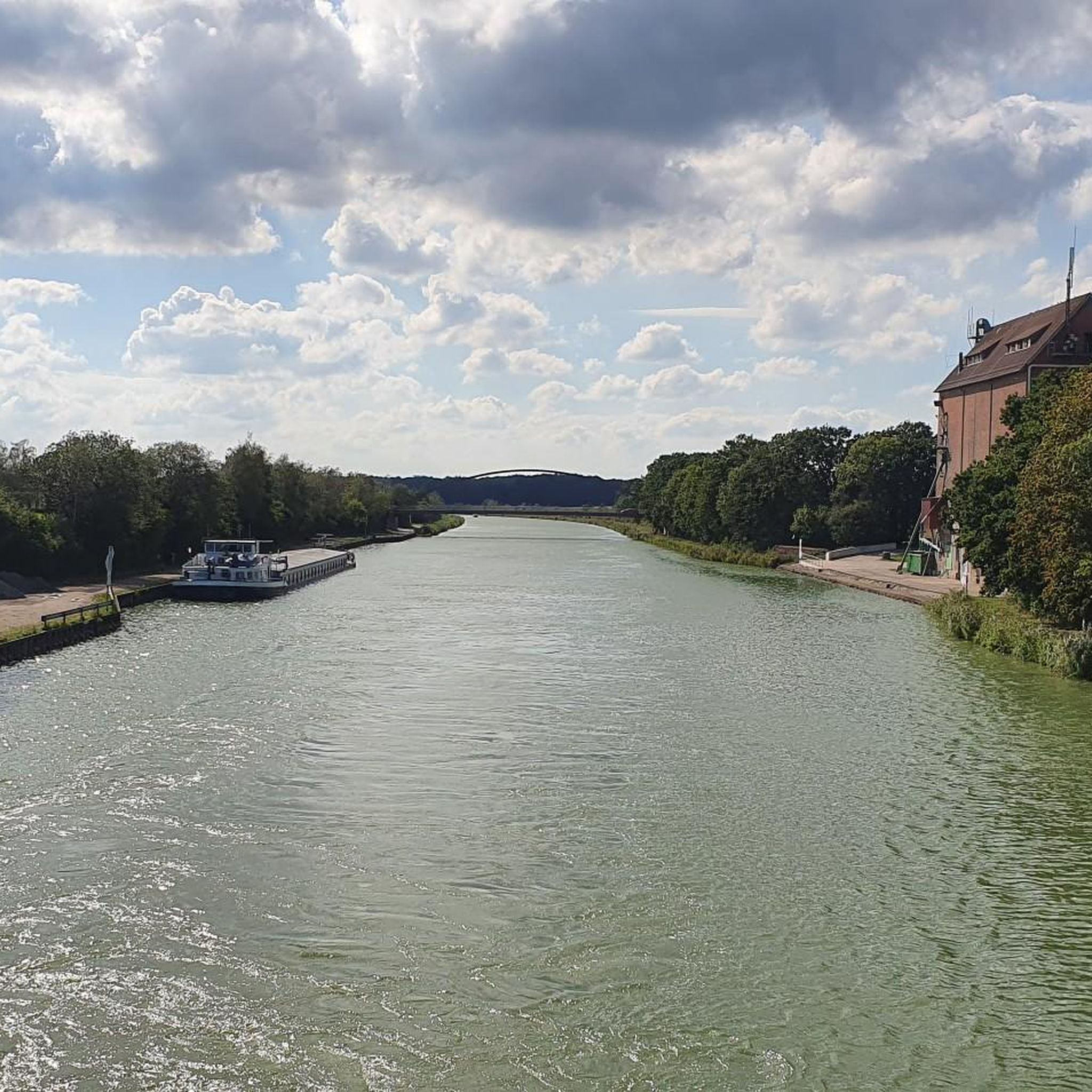
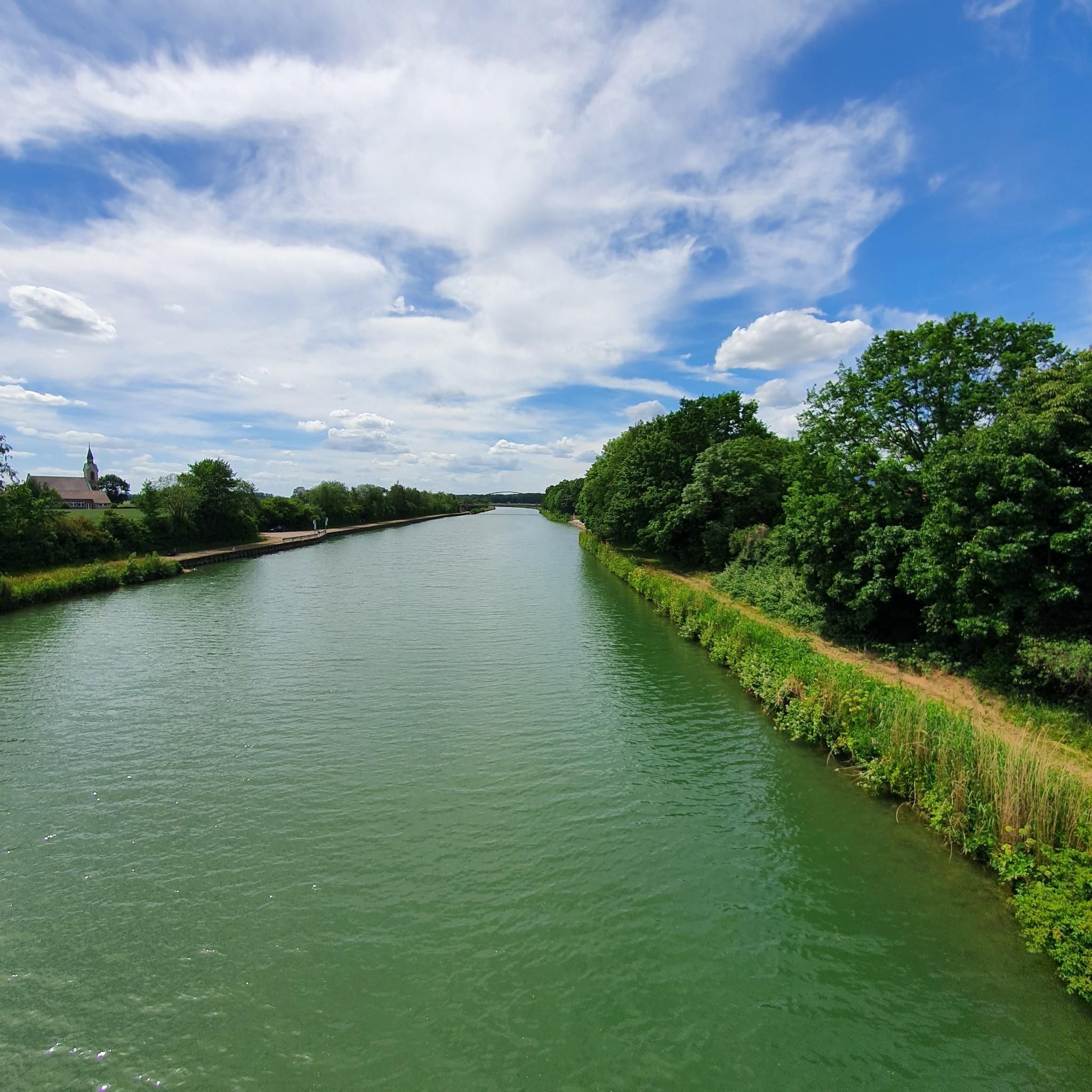
Hagenburg Canal
Highlight • River
In the summer months you can watch water bats hunting here.
Translated by Google •
Tip by

Sign up now to discover places like this
Get recommendations on the best single tracks, peaks, & plenty of other exciting outdoor places.
Meerbruchswiesen Nature Reserve
Highlight (Segment) • Natural
Translated by Google •
Tip by

Meerbruchswiesen Birdwatching Area
Highlight • Natural Monument
Translated by Google •
Tip by

Sundern Monastery Forest
Highlight • Forest
Translated by Google •
Tip by

Sign up for free to discover even more natural monuments around Pollhagen.
Already have an account?
Start today with a free account
Your next adventure awaits.
Tips from the Community

Very idyllic place, also wonderful with the dog, worth a visit
0
0

Very diverse birdlife to the right and left of the path, the viewing platforms are worth climbing.
1
1

Species-rich nature reserve on the western shore of Lake Steinhude. This is a wet meadow landscape with shallow water areas, ponds and ditches. It provides a habitat for numerous animal and plant species, including frogs, pond turtles, various waders, ospreys and sea eagles. The Meerbruchswiesen are also popular with migratory birds. Source: https://www.mittelweser-tourismus.de/poi/meerbruchswiesen/
2
1

Many water birds can be observed. There are special viewing points.
1
0

It is worth taking a moment to stop here and watch the water birds.
4
0

The Meerbruch is a wetland landscape with shallow water areas, ponds, plants and ditches and is a habitat for numerous animals. These include frogs, toads, newts, waders, ducks and even ospreys and sea eagles. In autumn, many migratory birds overwinter at Lake Steinhude or rest there. Source: steinhuder-meer.de
3
1
The forest area of the Loccum Monastery (approx. 650 ha) is located about ten kilometers west of Lake Steinhude and comprises six sub-areas (forest locations) of different sizes. The majority are located in Lower Saxony (Nienburg district), a smaller part belongs to North Rhine-Westphalia (Minden-Lübbecke district). The forest largely falls under the category of "historically old forest locations". Alternating forest landscapes and a well-developed, park-like path system make the monastery forest an experience for every visitor. Source: https://www.kloster-loccum.de/das-kloster/klosterforst
5
0

Display boards provide information about the monastic pond economy.
2
0
Frequently Asked Questions
What are some of the most notable natural monuments around Pollhagen?
The region around Pollhagen, largely influenced by the Steinhuder Meer Nature Park, offers several significant natural monuments. Key highlights include the Neuenknick Erratic Boulder Forest, a unique collection of glacial boulders, and the Sundern Monastery Forest, known for its old trees, meadows, and ponds. The Meerbruchwiesen Bird Sanctuary is also a vital habitat for numerous bird species and a prime spot for nature observation.
What kind of wildlife can I observe in the natural monuments around Pollhagen?
The natural monuments, especially those within the Steinhuder Meer Nature Park, are rich in wildlife. The Meerbruchwiesen Bird Sanctuary is exceptional for birdwatching, hosting a wide array of species including wading birds, ospreys, and sea eagles, particularly during migration seasons. Beyond birds, you might encounter frogs, terrapins, weasels, and nutrias in the wetland ecosystems.
Are there family-friendly natural monuments to visit near Pollhagen?
Yes, several natural monuments around Pollhagen are suitable for families. The Meerbruchwiesen Bird Sanctuary and the Meerbruchswiesen Birdwatching Area are great for kids to learn about nature and observe birds from observation towers. The Neuenknick Erratic Boulder Forest offers an interesting geological experience, and the Sundern Monastery Forest provides pleasant paths for walks with children.
What are the best times to visit the natural monuments near Pollhagen?
The best time to visit largely depends on your interests. For exceptional birdwatching, spring and autumn migration periods are ideal at the Meerbruchwiesen Bird Sanctuary. The general area around Lake Steinhude is popular for recreation from spring through autumn. The forests, like Sundern Monastery Forest and Neuenknick Erratic Boulder Forest, offer pleasant experiences year-round, with autumn providing beautiful foliage.
Are there hiking opportunities near the natural monuments around Pollhagen?
Absolutely. The region offers numerous hiking trails. For example, the Hiking around Pollhagen guide features routes like the easy 'Pottstein Joy loop' or the 'Fitzner Oak – Forsthaus Natenhöhe loop'. The Sundern Monastery Forest also serves as an excellent starting point for various tours.
Can I bring my dog to the natural monuments around Pollhagen?
Many natural areas around Pollhagen are dog-friendly, especially for walks on leash. The Sundern Monastery Forest is particularly noted by visitors as ideal for dogs, with plenty of shade and watering holes. Always ensure your dog is under control and respect local regulations, especially in bird sanctuaries where wildlife protection is paramount.
Are the natural monuments around Pollhagen accessible for everyone?
Accessibility varies by location. The Meerbruchwiesen Bird Sanctuary, for instance, is noted to be accessible by foot, bicycle, car, and even wheelchair, with cycle routes passing many birdwatching points. However, some trails within forests or natural areas might have uneven terrain. It's advisable to check specific highlight details for more information on individual accessibility.
Where can I find unique geological features near Pollhagen?
The most prominent geological feature is the Neuenknick Erratic Boulder Forest. This site showcases around 2000 glacial erratic boulders of various sizes, collected since 1976. These boulders are remnants from the Ice Age, offering a fascinating glimpse into the region's geological past.
What kind of facilities or amenities are available near these natural monuments?
Near the natural monuments, especially around Lake Steinhude, you'll find various amenities. Parking spaces are available around the lake, and some highlights like the Meerbruchwiesen Bird Sanctuary have dedicated bicycle parking. While specific cafes or pubs are not directly within every monument, the surrounding towns and villages offer options for refreshments and accommodation. The Neuenknick Erratic Boulder Forest even has seating and a hut for visitors.
What do visitors particularly enjoy about the natural monuments in this region?
Visitors frequently praise the diverse natural beauty and the tranquility of the area. The exceptional birdwatching opportunities at the Meerbruchwiesen are a major draw, with many appreciating the well-maintained observation points. The unique geological aspect of the Neuenknick Erratic Boulder Forest also leaves a lasting impression, as does the peaceful atmosphere of the Sundern Monastery Forest, which is often used as a starting point for tours.
Are there other outdoor activities besides hiking near Pollhagen's natural monuments?
Yes, the proximity to Lake Steinhude and the broader nature park offers a range of activities. The lake is popular for swimming, sailing, surfing, and fishing. A 35-kilometer-long bike path encircles the lake, providing excellent cycling opportunities. You can also find MTB Trails around Pollhagen and Gravel biking around Pollhagen guides for more adventurous cycling.
What should I bring for a visit to the natural monuments around Pollhagen?
For a comfortable visit, consider bringing appropriate footwear for walking or hiking, especially if exploring trails. Binoculars are highly recommended for birdwatching at the Meerbruchwiesen. Depending on the weather, layers of clothing, sun protection, and rain gear are advisable. Don't forget water and snacks, especially for longer excursions.
Most popular routes around Pollhagen
Most popular attractions around Pollhagen

Get inspired with the komoot mobile app


Explore more
Extend your search for the best caves by checking out these guides of the top ones around Pollhagen:
