Top 20 Natural Monuments around Helsa
Best natural monuments around Helsa are found within the Kassel district of Hesse, Germany. This region features a diverse natural landscape, including ancient trees, unique geological formations, and serene lakes. These sites offer insights into the area's natural history and provide opportunities for outdoor exploration. The municipality is known for its variety of natural landmarks and viewpoints.
Best natural monuments around Helsa
- The most popular natural monument is Lake Kalbe, a lake that offers an impressive view with an…
Last updated: August 18, 2026
Lake Kalbe
Highlight • Lake
Translated by Google •
Tip by

Niester Riesen Giant Sequoias
Highlight • Natural Monument
Translated by Google •
Tip by

Sign up now to discover places like this
Get recommendations on the best single tracks, peaks, & plenty of other exciting outdoor places.
Sign up for free
Seesteine Natural Monument
Highlight • Natural Monument
Translated by Google •
Tip by

Frau Holle Pond and Frau Holle Sculpture
Highlight • Lake
Translated by Google •
Tip by

Ancient Oak near Jugendburg Sensenstein
Highlight • Natural Monument
Translated by Google •
Tip by

Sign up for free to discover even more natural monuments around Helsa.
Sign up for free
Already have an account?
Start today with a free account
Your next adventure awaits.
Login or Signup


Tips from the Community

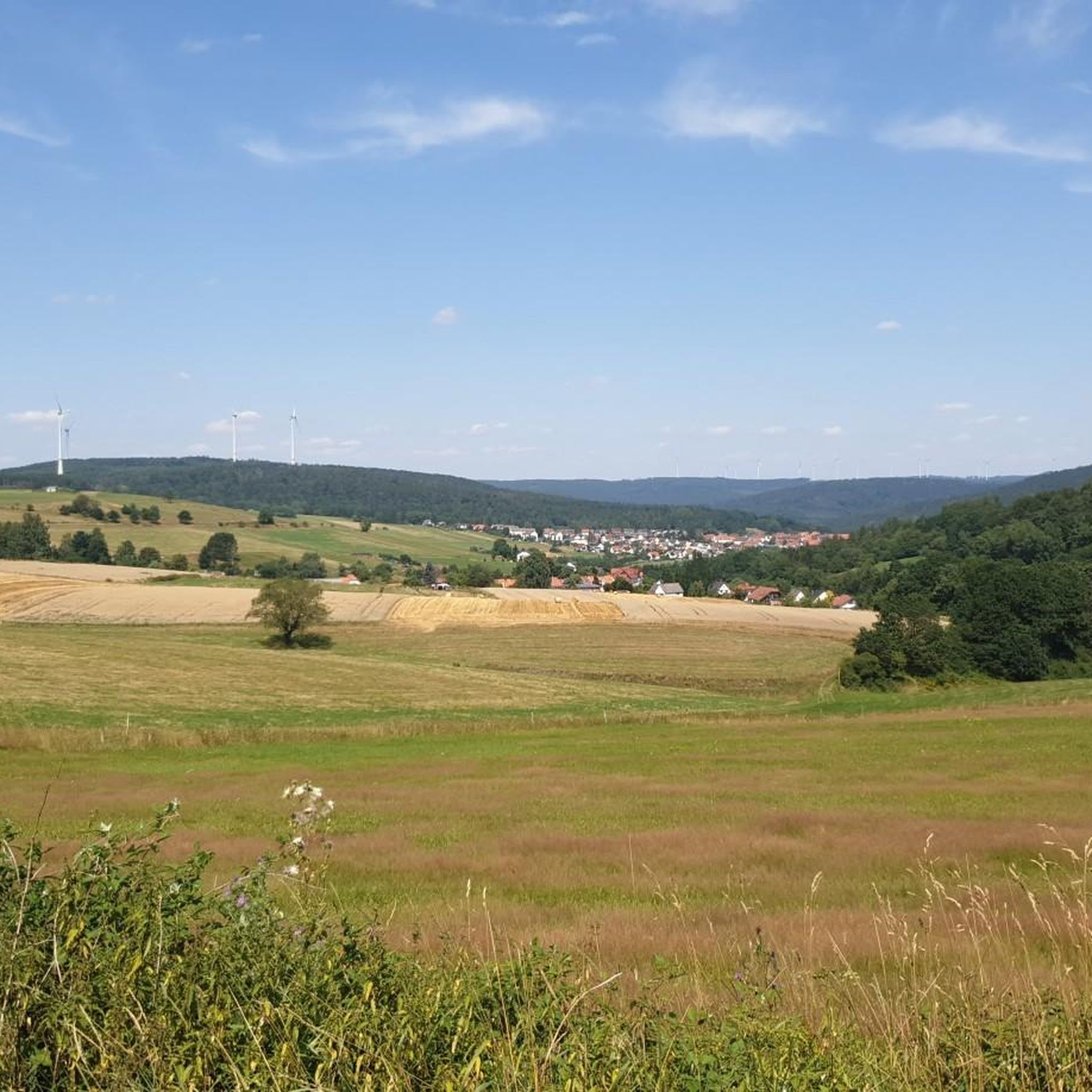
Former natural monument: Dead oak trunk about 1.5 km west of the outskirts of Nieste. The trunk is in the Gerholdsberg forest, in the north of the Sensenstein site, on hiking trail P11 "Niester Riesen". The oak is dead, but the remaining trunk with main branches is impressive.
12
2

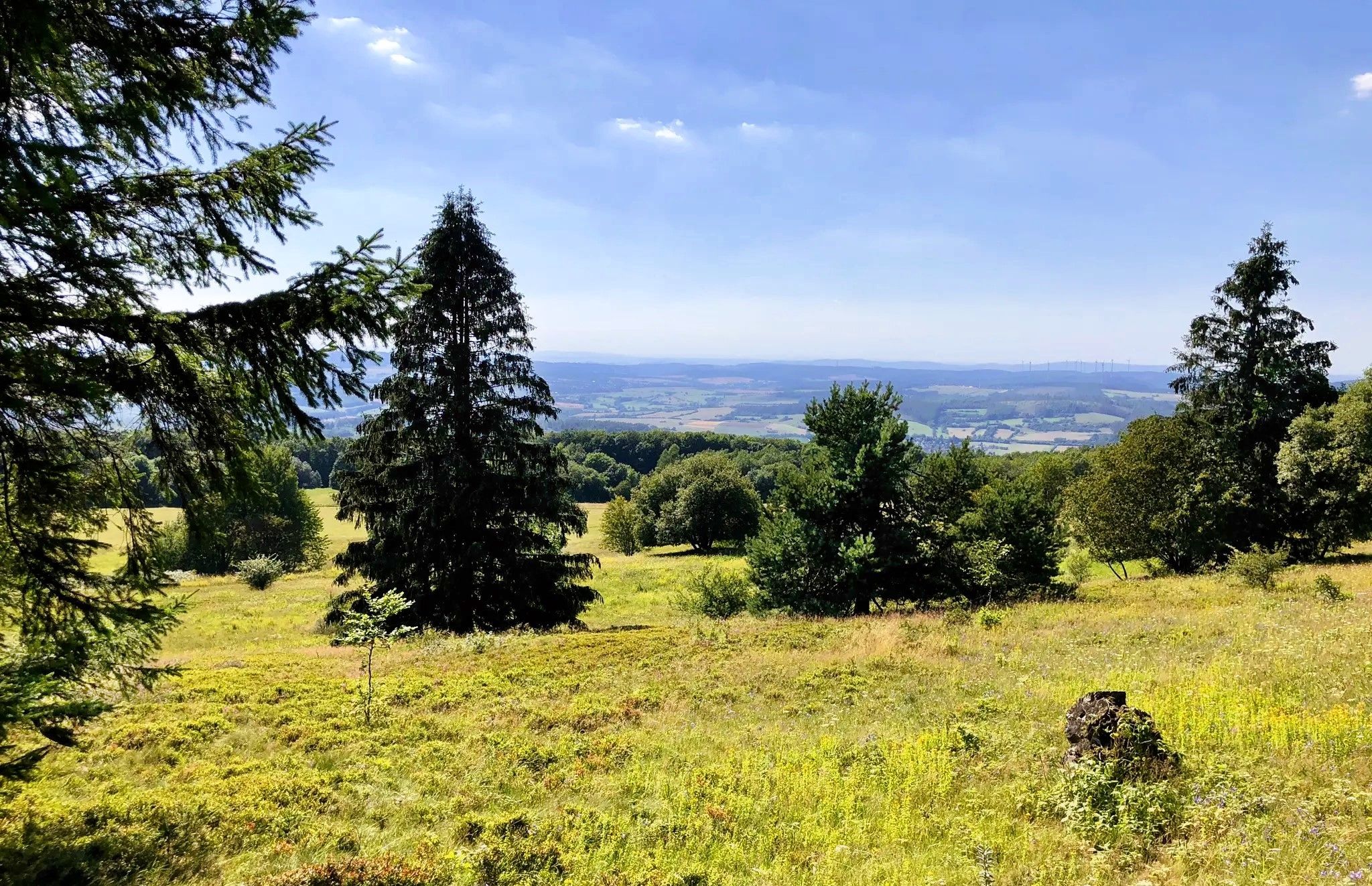
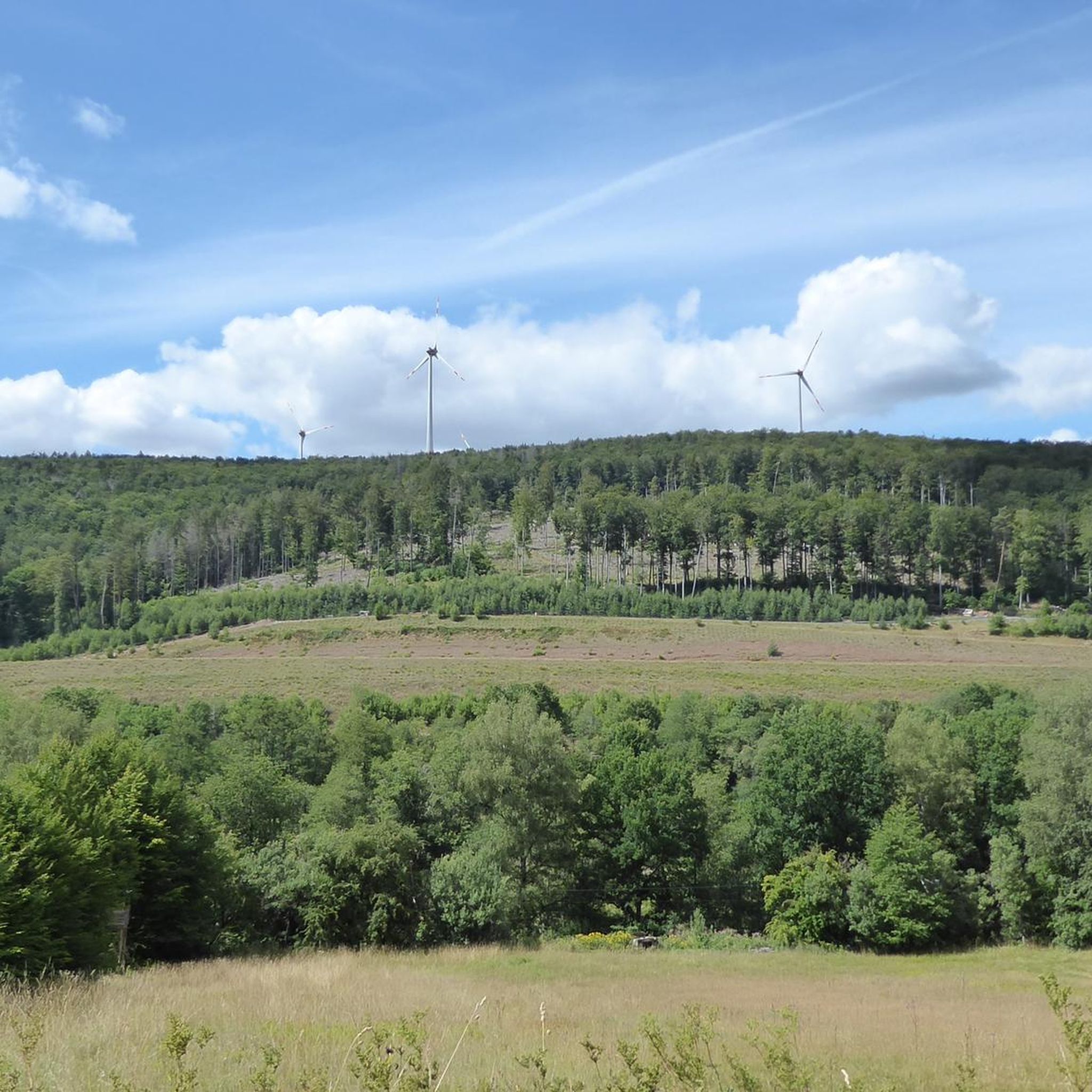
Various trees such as the giant sequoia or a Douglas fir can be admired.
4
0

A great, ancient oak tree stands near the Sensenstein youth castle.
5
2

Legend of the Frau Holle pond: The lake forms the entrance to Frau Holle's subterranean realm. At the bottom lies her castle of pure silver, surrounded by lush gardens full of flowers, fruit and vegetables. Every noon the beautiful young woman appears at her lake to take her bath in the middle of the pond. That's why this place is also called 'Bathroom of Frau Holle'. As the light earth mother and goddess of fertility, Mother Holle gave people rich harvests. She brought the rain that brought growth to the fields, and when she shook out their beds, the snow that covered everything. If they were angered, they brought misfortune and misery to the land.
13
1

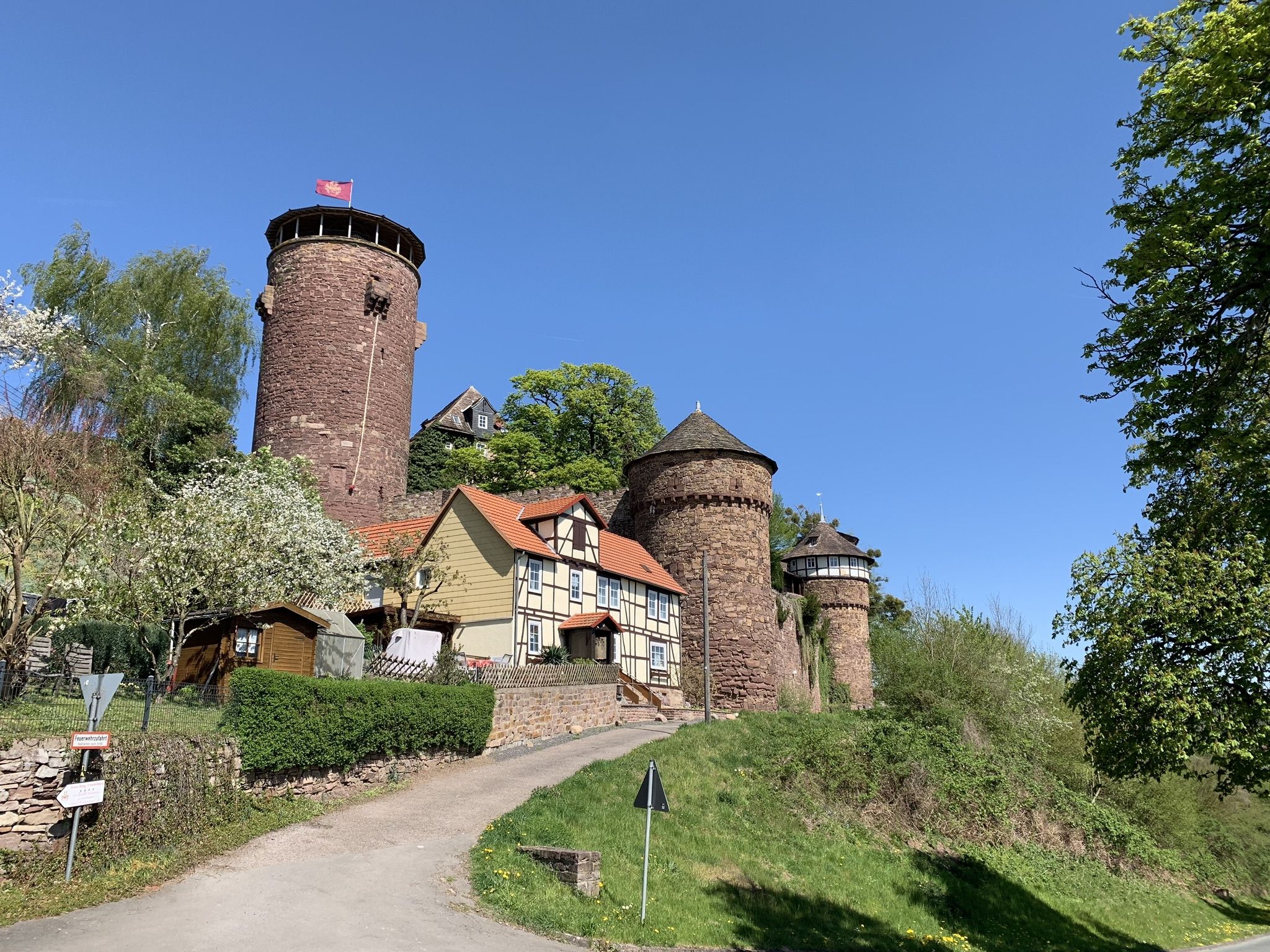
The Sensenstein Castle (usually just called Sensenstein in the vernacular), today a castle stable, stood until the beginning of the 17th century as a border security to Lower Saxony in the area of today's municipality of Nieste, district of Kassel, in Hesse. Today only high ramparts remind us of the former size of the castle complex as a ground monument. The buildings have been completely demolished. Right next door is the youth castle and sports training center Sensenstein of the district of Kassel. From the former castle grounds you can see through the trees into the Kassel basin and the Kaufunger forest. (Source: Wikipedia)
4
3

For the Niester giants, the giant legend of the two castles Sichelnstein and Sensenstein is spun on. Burg Sensenstein, which prevented Otto the Quaden from invading Hesse, was a thorn in his side. In his anger he made a pact with the devil. In exchange for his soul, the devil threw a huge stone at the Scythe Stone. But he was protected by God and the stone fell into the Niestetal. The devil flew away, but Otto did not give up and made a pact with the giants. At night they should sneak to the scythe stone and smash it. However, the forest around the castle was protected by a ghost and his dwarves and elves. They confronted the giants, but when they attacked anyway, the spirit froze them and grew into mighty trees. The real story, however, is a bit less spectacular. The Niester Riesen is a test area from 1887. At that time, the Kaufunger Forest forestry office planted various exotic species on behalf of Prussia in order to investigate the growth and wood quality of exotic tree species. The Niester giants are actually a scenic highlight, as they are in the middle of the normal forest and the site with the redwoods, Douglas firs and more clearly stands out. The small (yet somehow large) arboretum is enhanced by information boards.
11
2

Behind the youth castle Sensenstein stands this mighty oak, which is slowly approaching its end. But which is still an imposing and impressive sight.
12
2

Impressive giant trees can be admired here.
11
2
Frequently Asked Questions
What unique geological formations can I explore around Helsa?
Helsa offers several natural monuments showcasing unique geology. You can visit the Seesteine Natural Monument, known for its distinctive basalt rock formations and narrow paths. Another significant site is the Basaltkegel Bielsteinskirche, a prominent basalt cone southwest of Helsa, which provides insight into ancient volcanic activity. The Sandgrube Tiefenbach, a former sand pit, also reveals interesting geological features like sedimentation patterns and unique Malm limestone fragments.
Are there any ancient or historically significant trees to see in the Helsa area?
Yes, Helsa is home to several impressive and historic trees. The Ancient Oak near Jugendburg Sensenstein is a massive, venerable tree. You can also find the Spitzahorn (Norway Maple), planted around 1855, and a massive Linde (Small-leaved Lime) from 1825 near Wickenrode. The Friedenseiche 1870/71 (Peace Oak) in Wickenrode, planted around 1875, serves as a living memorial to the Franco-Prussian War.
Which natural monuments are suitable for families with children?
Several natural monuments around Helsa are family-friendly. Lake Kalbe offers impressive views and educational boards about its history. The Niester Riesen Giant Sequoias are a must-see for their size and age. Frau Holle Pond and Frau Holle Sculpture is a magical spot associated with local legends, with hiking trails around it. The Ancient Oak near Jugendburg Sensenstein is also a great spot for families to explore.
What kind of outdoor activities can I do near these natural monuments?
The area around Helsa offers a variety of outdoor activities. You can find numerous running trails, such as the 'Quenteler Pond – The Wooden Shoe loop from Fürstenhagen'. For hiking, options include the 'Nieste Stream – Gläsnertal Glassmaker Statue loop from Helsa' or easier routes like the 'Schweinebörnchen Spring – Michelskopf Lake loop'. Road cycling enthusiasts can enjoy routes like the 'View of Helsa – Käunis Alm loop'. You can find more details on these activities and routes in the Hiking around Helsa, Running Trails around Helsa, and Road Cycling Routes around Helsa guides.
Are there natural monuments with historical or legendary significance?
Absolutely. Lake Kalbe has an interesting history related to open-cast mining, explained on information boards. The Frau Holle Pond on the Hoher Meißner is steeped in local legends, considered the entrance to Mother Holle's underground realm. The Friedenseiche 1870/71 (Peace Oak) in Wickenrode was planted to commemorate the end of the Franco-Prussian War, making it a living historical monument.
What do visitors enjoy most about the natural monuments around Helsa?
Visitors frequently praise the impressive views and the sense of history. For instance, Lake Kalbe is noted for its 'impressive view with an interesting history.' The Seesteine Natural Monument is appreciated for its unique geological experience, transporting visitors to 'a different, earlier world.' The ancient trees, like the Niester Riesen Giant Sequoias, are often described as 'very old' and 'impressive,' offering a unique sight.
Can I find natural monuments that are also good viewpoints?
Yes, many natural monuments in the Helsa area double as excellent viewpoints. Lake Kalbe offers an impressive vista, and the Seesteine Natural Monument provides scenic spots amidst its basalt formations. These locations allow you to appreciate the diverse natural landscape of the region.
Are there any natural monuments that are particularly good for quiet reflection?
The Friedenseiche 1870/71 (Peace Oak) at the southern edge of Wickenrode is an ideal spot for quiet reflection. This historic oak, planted as a memorial, features a bench encircling its trunk, offering a serene place to pause and contemplate. The ancient trees, like the Spitzahorn and Linde, also provide tranquil settings.
What kind of trees can I expect to see among the natural monuments?
The natural monuments around Helsa feature a variety of impressive trees. You can see ancient specimens like the Spitzahorn (Norway Maple) and a massive Linde (Small-leaved Lime). There's also the historic Friedenseiche (Peace Oak) and the distinctive Pyramideneiche (Pyramidal Oak) known for its slender, columnar growth. Additionally, the Niester Riesen Giant Sequoias offer a unique sight with their immense size.
Are there any natural monuments related to water bodies?
Yes, the region features natural monuments associated with water. Lake Kalbe is a significant lake with an interesting history. The Frau Holle Pond on the Hoher Meißner is another prominent water body, famous for its connection to local legends and surrounded by hiking trails.
What is the best time of year to visit the natural monuments around Helsa?
While the natural monuments can be enjoyed year-round, spring and autumn often offer the most pleasant conditions for exploration. Spring brings blooming flora and mild temperatures, while autumn showcases vibrant foliage, particularly around the ancient trees. Summer is also popular for hiking, though it can be warmer. Winter visits can offer a unique, serene experience, especially around the Frau Holle Pond, which is said to exude something magical even in the snow.
Most popular attractions around Helsa

Get inspired with the komoot mobile app


Explore more
Extend your search for the best caves by checking out these guides of the top ones around Helsa:
