Top 20 Natural Monuments around Saterland
Best natural monuments around Saterland showcase the region's distinctive landscape, characterized by moorlands, wetlands, and waterways. These areas provide unique ecosystems, supporting specialized flora and fauna adapted to peat-rich environments. Visitors can explore these natural features through walking paths and cycling routes, offering opportunities for wildlife observation and tranquil outdoor experiences. Saterland's natural monuments offer a peaceful connection with nature away from urban areas.
Best natural monuments around Saterland
- The most popular natural monuments is Aper Tief nature reserve,…
Last updated: June 24, 2026
Aper Tief nature reserve
Highlight • River
Translated by Google •
Tip by

Bird Sanctuary
Highlight (Segment) • Natural
Translated by Google •
Tip by

Sign up now to discover places like this
Get recommendations on the best single tracks, peaks, & plenty of other exciting outdoor places.
Sign up for free
Augustfehner Graben Observation Tower
Highlight • Viewpoint
Translated by Google •
Tip by

Aper Tief Nature Reserve
Highlight • Natural Monument
Translated by Google •
Tip by
Along the Esterweger Dose nature reserve
Highlight (Segment) • Natural
Translated by Google •
Tip by
Sign up for free to discover even more natural monuments around Saterland.
Sign up for free
Already have an account?
Start today with a free account
Your next adventure awaits.
Login or Signup
Tips from the Community

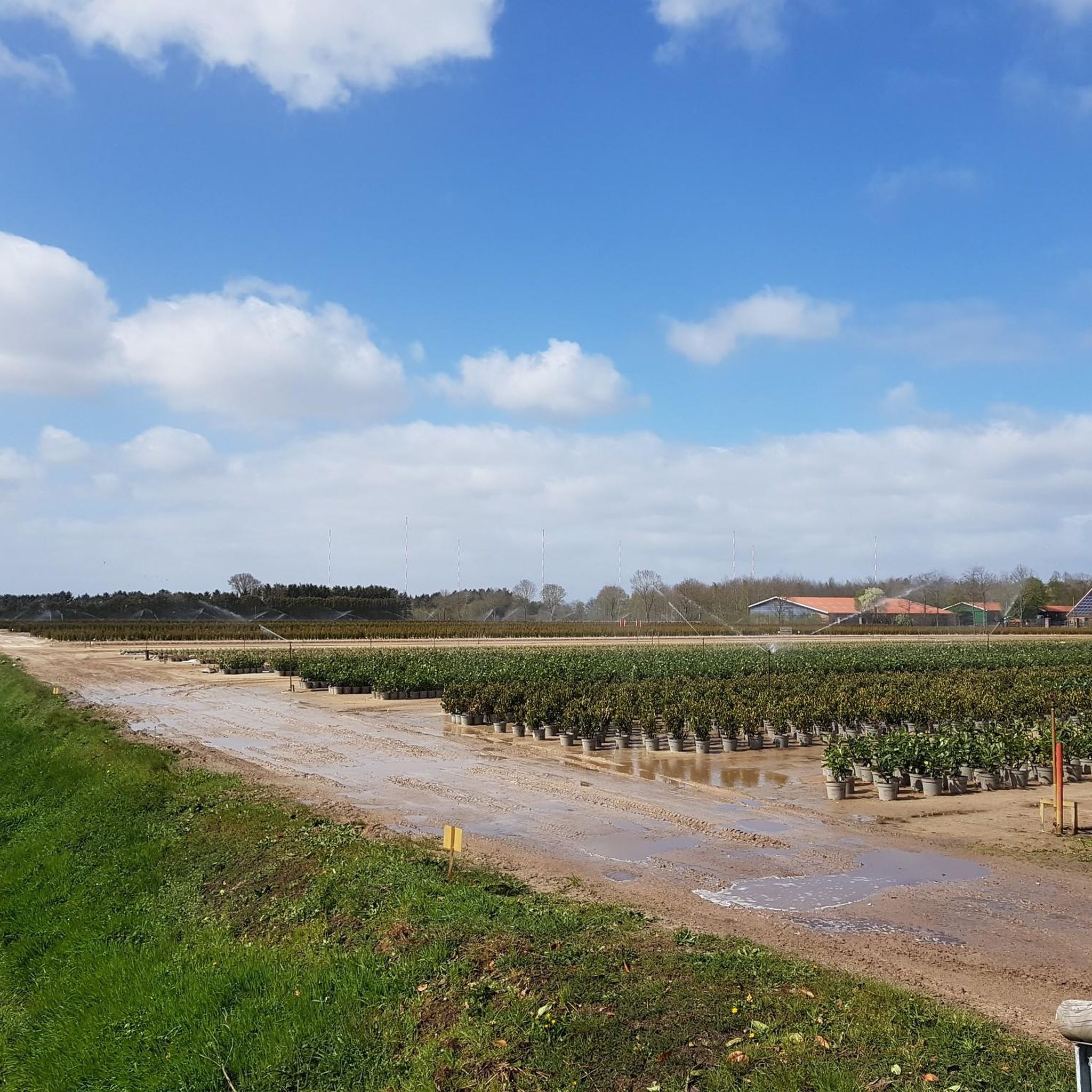
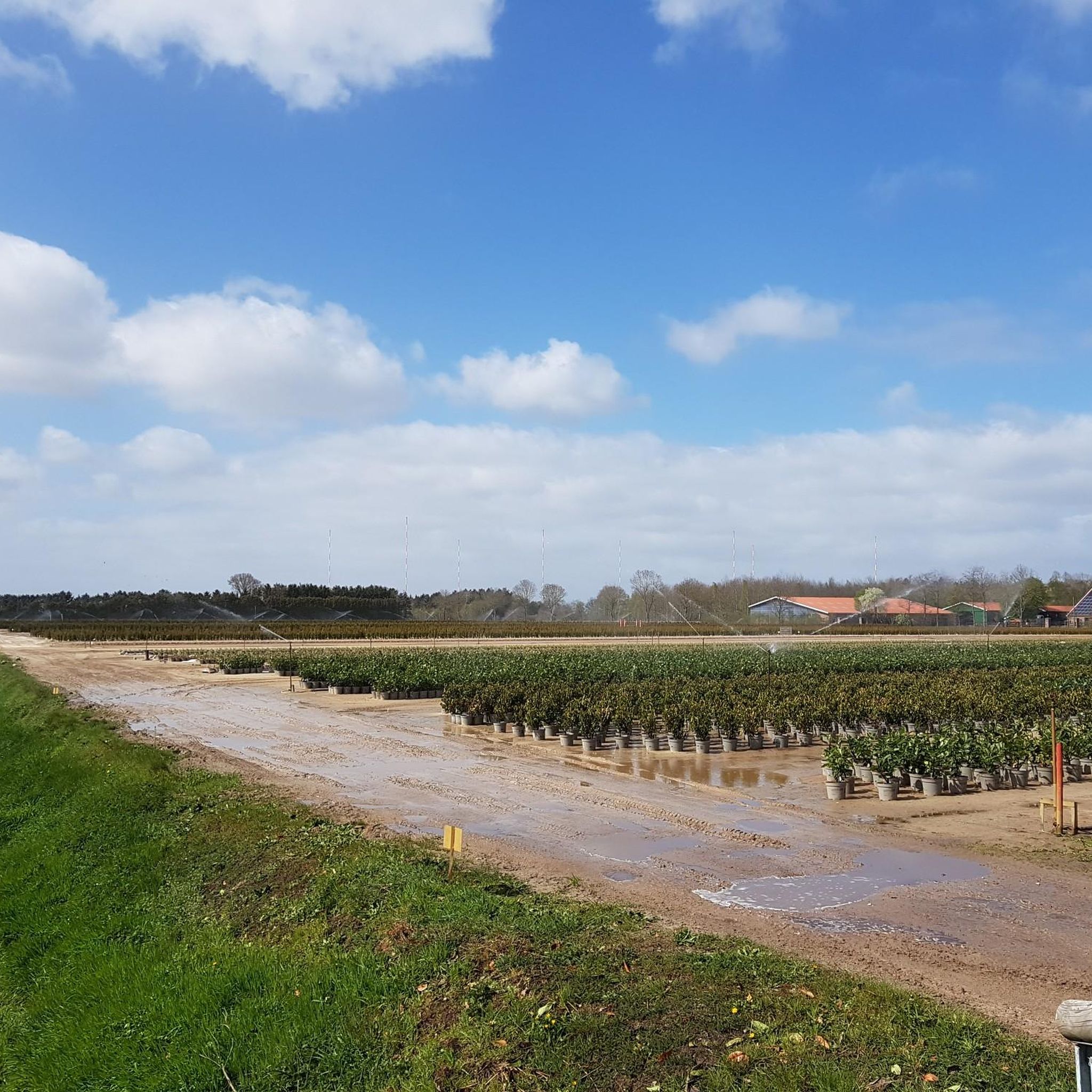
The approximately 75-hectare nature reserve „Aper Tief“ is located south of the river of the same name between Apen and Augustfehn in the Ammerland district. Through a spectacular dike relocation in 2005, a unique, tide-dependent floodplain landscape with the only freshwater mudflat in the northwest was created here.
0
0

Aper Tief The Aper Tief is a natural river in the municipality of Apen. Coming from the east, it flows through the farming communities of Hengstforde, Vreschen Bokel and Holtgast, from where it merges into the Jümme. Two retention areas were created along the river, which have become a fantastic nature reserve. The connection of the Aper Tief with the Jümme, Leda and Ems as far as the North Sea means that the tides are noticeable in this area with a tidal range of 60 to 120 cm. While hiking or cycling, discover the freshwater mudflats in Hengstforde and the floodplain landscape in Holtgast with its diverse birdlife. Anglers will also find excellent conditions here.
10
2
Due to the topographical conditions, most of the pumping stations are located in the northwestern part of the Ammerländer Wasseracht association area.
13
1

The Aper Tief is a small river in the Lower Saxony municipalities of Apen in the district of Ammerland and Detern in the joint municipality of Jümme in the district of Leer.
3
0
The Aper Tief is a small river in the Lower Saxony municipalities of Apen in the district of Ammerland and Detern in the joint municipality of Jümme in the district of Leer.
5
0
You can rest well at the tower and have a beautiful view of the Aper-Tief.
3
0

It was nice to cycle along here, there is always something to watch left and right 👀.
5
0
The nature reserve with the designation NSG WE 221 is 75 hectares in size. It has been under nature protection since December 17, 1994. The responsible lower nature conservation authority is the Ammerland district. The nature reserve is located south of the Aper Tief between the towns of Apen and Augustfehn in the municipality of Apen in the Ammerland district. It is bordered to the east by the district road 120 and to the west by the Norderloher Canal. In the south of the nature reserve is the dike of the Aper Tief, which was moved from the bank of the Tief to a road running south of it in 2005. Before the dike line was moved back, there were grassland and wet meadows here, which were crossed by oxbows of the Aper Tief. The grassland was mainly used for mowing. After the dike line was moved back, the areas between the Aper Tief and the dike are subject to the natural river dynamics and are partially flooded at high tide. This creates a river floodplain landscape with river mudflats, floodplain forests and wet biotopes. The areas also serve as flood protection. Reed beds, including cattails, water swaths, reed canary grass and sedge marshes, are spreading on the waterlogged areas. The nature reserve is home to laurel willow, prostrate St. John's wort, marsh marigold, greater burnet, water ragwort, water sedge, needle marsh rush, bristly marsh rush and thread rush, among others. The nature reserve is home to numerous bird species, including black-tailed godwit, common snipe and redshank. The nature reserve is also an important habitat for various insects, including ground beetles and dragonflies. In the south of the nature reserve there are two viewing platforms accessible from the road along the dyke, which can be used for nature observation. Another viewing point is located on a pumping station on the north bank of the Aper Tief near Augustfehn.
9
2
Frequently Asked Questions
What kind of natural landscapes can I expect to see in Saterland?
Saterland is characterized by its distinctive moorlands, wetlands, and waterways. You'll find unique ecosystems with specialized flora and fauna adapted to peat-rich environments. These areas offer tranquil outdoor experiences and opportunities for wildlife observation, particularly birds.
Are there any specific natural monuments known for birdwatching in Saterland?
Yes, the Bird Sanctuary (Polder Holter Hammrich) is a significant refuge for over 60 bird species, featuring a 7-kilometer circular route and a lookout tower. Additionally, the Aper Tief nature reserve is known for its rich birdlife, especially in its freshwater mudflats and floodplain landscapes.
Where can I experience the unique moorland landscapes of Saterland?
You can explore the extensive moorlands at Along the Esterweger Dose nature reserve, an area known for rewetting efforts and specialized high moor flora. The broader region also includes the Westermoor im Saterland and Ostermoor, Hollener Moor, which are valuable for their unique ecosystems.
Are there family-friendly natural monuments in Saterland?
Many natural monuments in Saterland are family-friendly. The Aper Tief nature reserve and the Bird Sanctuary both offer well-maintained trails suitable for families. The Hollener See (Hollen Lake), while not listed as a highlight here, is also a popular recreational area with clean water for swimming and paths for walking, making it a great family destination.
What outdoor activities can I do near Saterland's natural monuments?
The region around Saterland's natural monuments is excellent for various outdoor activities. You can find numerous routes for hiking, road cycling, and gravel biking. These paths often lead through the distinctive moorlands, along rivers like the Aper Tief, and past bird sanctuaries, offering scenic views and wildlife observation opportunities.
Are there specific hiking trails to explore the natural monuments?
Yes, the Aper Tief nature reserve features a well-maintained hiking trail starting at Hengstforder Mühle. The Bird Sanctuary also has a 7-kilometer circular route. For more hiking options, you can explore various hiking routes around Saterland, including those around Hollener Lake.
What is the best time of year to visit Saterland's natural monuments?
The best time to visit Saterland's natural monuments largely depends on your interests. Spring and autumn are ideal for birdwatching, as migratory birds pass through the sanctuaries. Summer offers pleasant weather for walking, cycling, and enjoying recreational areas like Hollener See. The moorlands offer a unique atmosphere year-round, though some paths might be wetter in colder or rainy seasons.
Can I find scenic viewpoints within the natural monuments?
Yes, the Bird Sanctuary includes a lookout tower, providing excellent panoramic views over the rewetted area and its diverse birdlife. Additionally, the Augustfehner Graben Observation Tower offers a nice view of the surrounding landscape, including parts of the Aper Tief nature reserve.
What kind of wildlife can I expect to see in Saterland's natural areas?
Saterland's natural monuments are rich in wildlife, especially birds. The Bird Sanctuary is home to over 60 species. The Aper Tief nature reserve also boasts rich birdlife, including species like black-tailed godwit, common snipe, and redshank. The moorlands, such as the Esterweger Dose, support specialized flora and fauna, including rare species like the crane and sundew.
Are there cycling routes that pass through or near these natural monuments?
Absolutely. The region offers well-developed cycle paths, making it excellent for exploring by bike. The main Fehn Canal, for instance, provides a pleasant connection between Ostrhauderfehn and the Bird Sanctuary. You can find many road cycling and gravel biking routes that traverse the unique landscapes of Saterland, including the moor areas and along rivers.
What are some of the most appreciated natural monuments by the komoot community?
The komoot community highly appreciates the Aper Tief nature reserve for its unique freshwater mudflats and birdlife, and Along the Esterweger Dose nature reserve for its extensive moorland and rewetting efforts. The Bird Sanctuary is also a popular destination, known for its diverse bird species and circular routes.
Are there any natural monuments that are particularly easy to access or explore for a short visit?
For an easy and relatively short visit, the Bird Sanctuary offers a 7-kilometer circular route that is well-suited for a pleasant stroll. The paths around Hollener See also provide easy walking options. Many of the cycle paths through the moorlands are also flat and well-maintained, making them accessible for shorter explorations.
Most popular attractions around Saterland

Get inspired with the komoot mobile app


Explore more
Extend your search for the best caves by checking out these guides of the top ones around Saterland:
