Top 20 Natural Monuments around Dingdorf
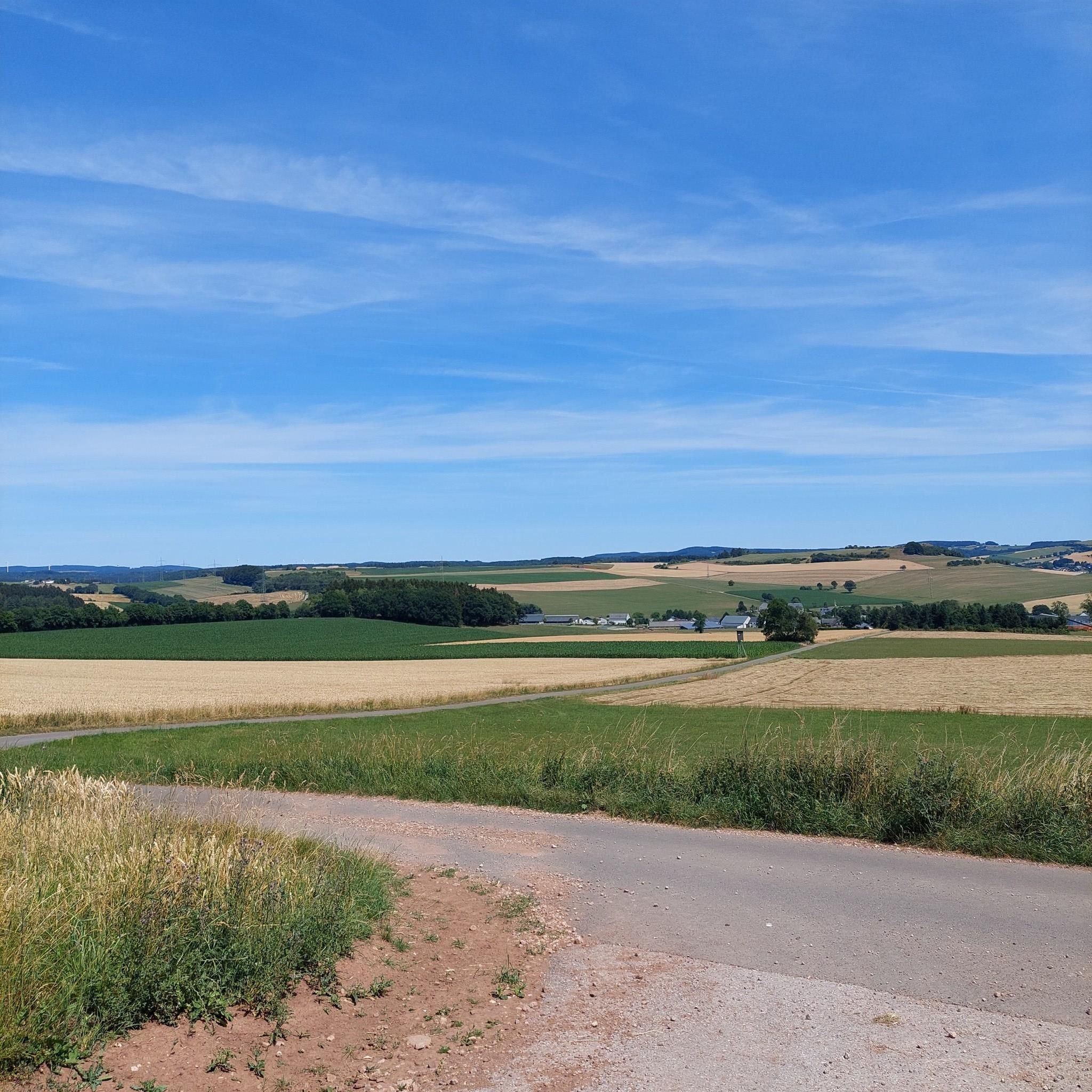
Best natural monuments around Dingdorf are characterized by diverse landscapes, including river valleys, forests, and unique geological formations. The region, often associated with the Eifel, offers a blend of natural beauty and historical significance. Visitors can explore ancient rock formations and areas shaped by past events. This area provides opportunities to experience varied natural features.
Best natural monuments around Dingdorf
- The most popular natural monuments is Mariensäule Waxweiler, a man-made monument and viewpoint that offers impressive views of Waxweiler.…
Last updated: June 24, 2026
Alfbach Valley
Highlight • River
Translated by Google •
Tip by

Mariensäule Waxweiler
Highlight • Monument
Translated by Google •
Tip by

Sign up now to discover places like this
Get recommendations on the best single tracks, peaks, & plenty of other exciting outdoor places.
Sign up for free
Prüm Explosion Crater and Memorial Cross on Kalvarienberg
Highlight • Monument
Translated by Google •
Tip by

Wild Garlic Fields in Naturpark Hohes Venn-Eifel
Highlight • Forest
We were just amazed at the wild garlic blossom, now it really knocks us off the pedestal: …
Translated by Google •
Tip by

Hohl-Ley Cave
Highlight • Cave
Translated by Google •
Tip by

Sign up for free to discover even more natural monuments around Dingdorf.
Sign up for free
Already have an account?
Start today with a free account
Your next adventure awaits.
Login or Signup

Tips from the Community

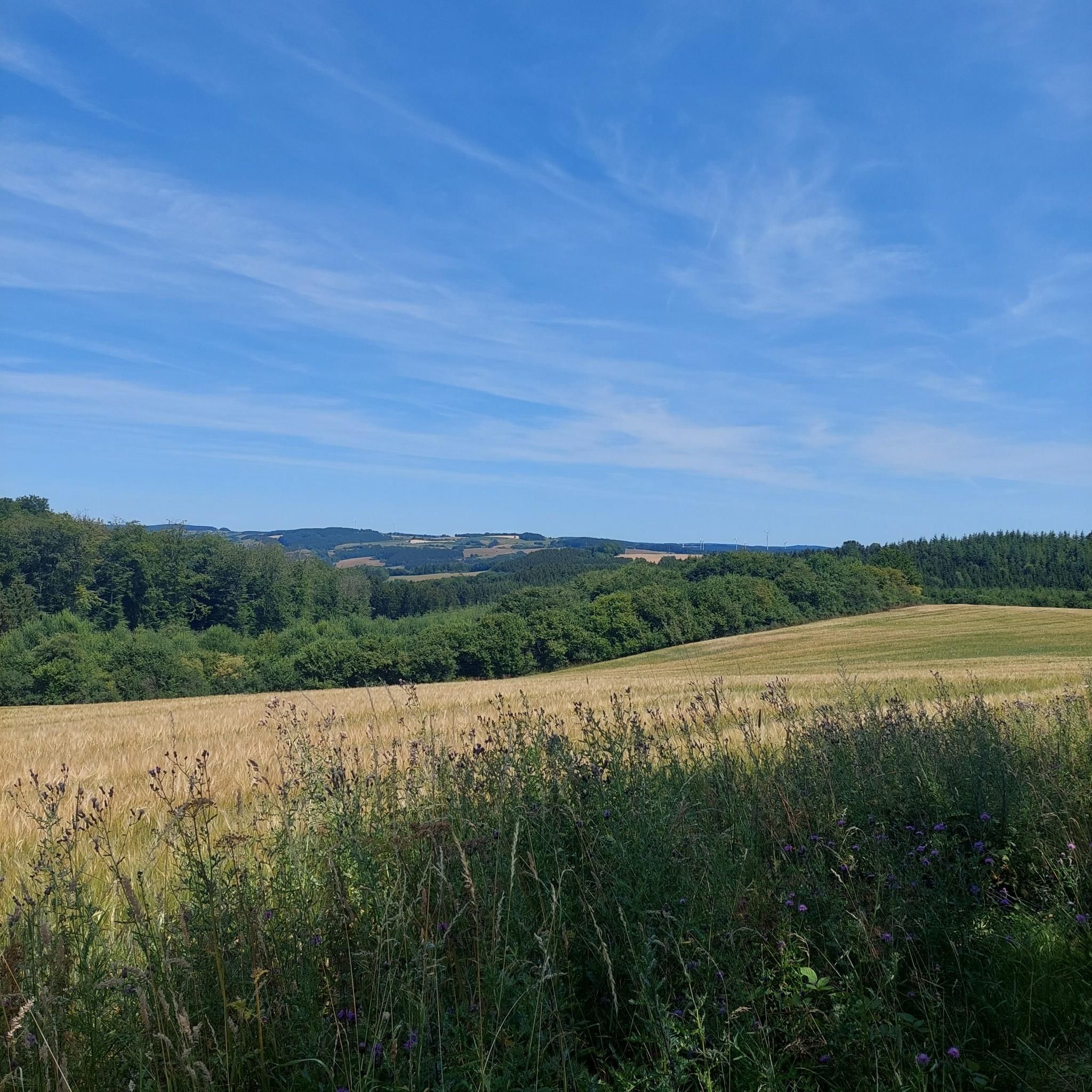
Wild garlic as far as the eye can see. But be careful: in nature reserves, special regulations apply to wild garlic, which you should inquire about. You can usually take a handful of leaves for your own use. That way, you can look forward to your next walk or next spring, right?
0
0

I would recommend just reading the information board and not climbing up to the rock with the small caves. You can catch a glimpse of the barred cave entrances, but that's all.
3
0

The scent of wild garlic accompanies you permanently
0
0

The Hohl-Ley Caves, the gateway to the underworld, as the informative sign on site calls these bat caves and informs about the biodiversity that is found there. The climb is steep, and the cave entrances have a grille to protect the animals. Still, it's worth taking a look inside.
2
0

In season it smells wonderfully of wild garlic
0
0

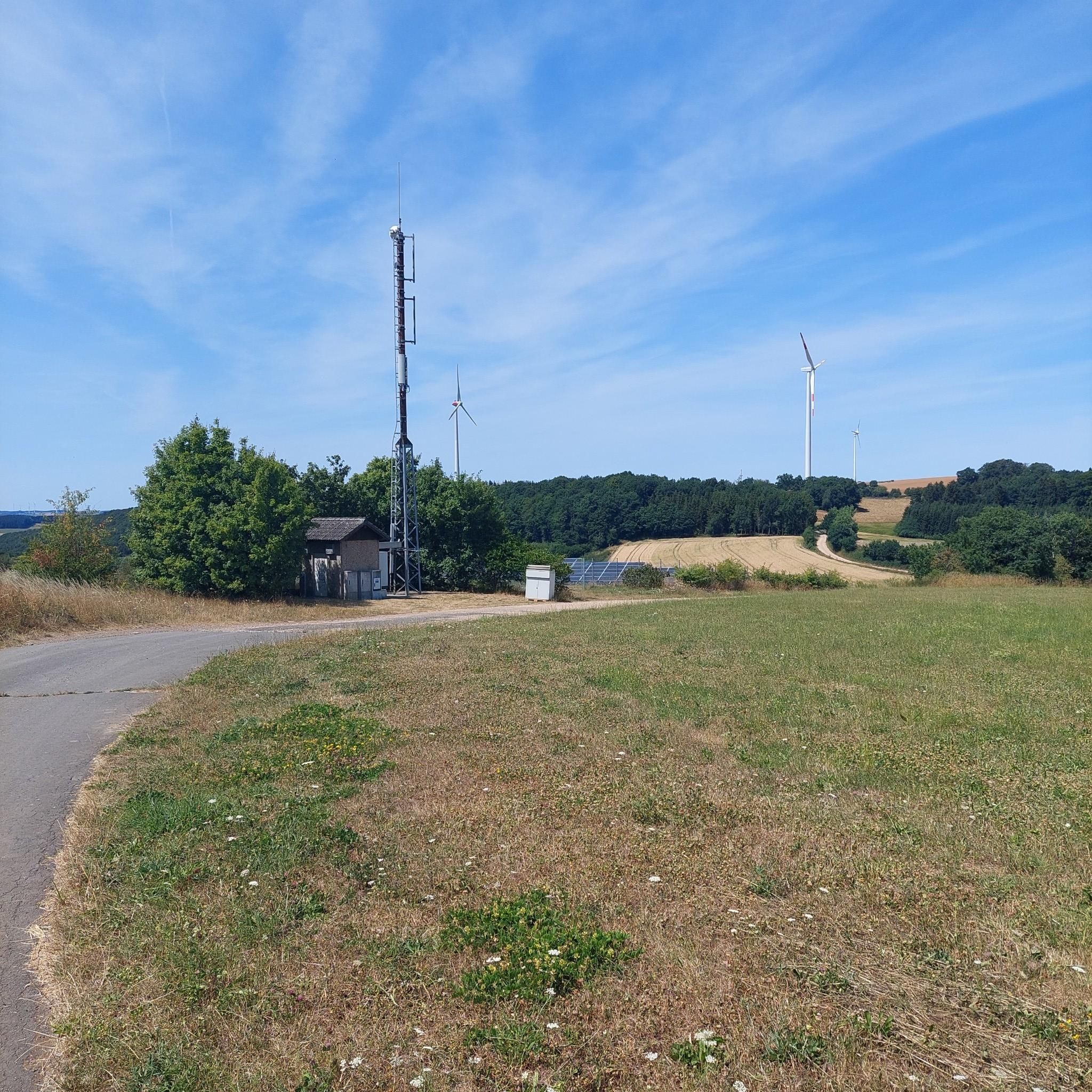
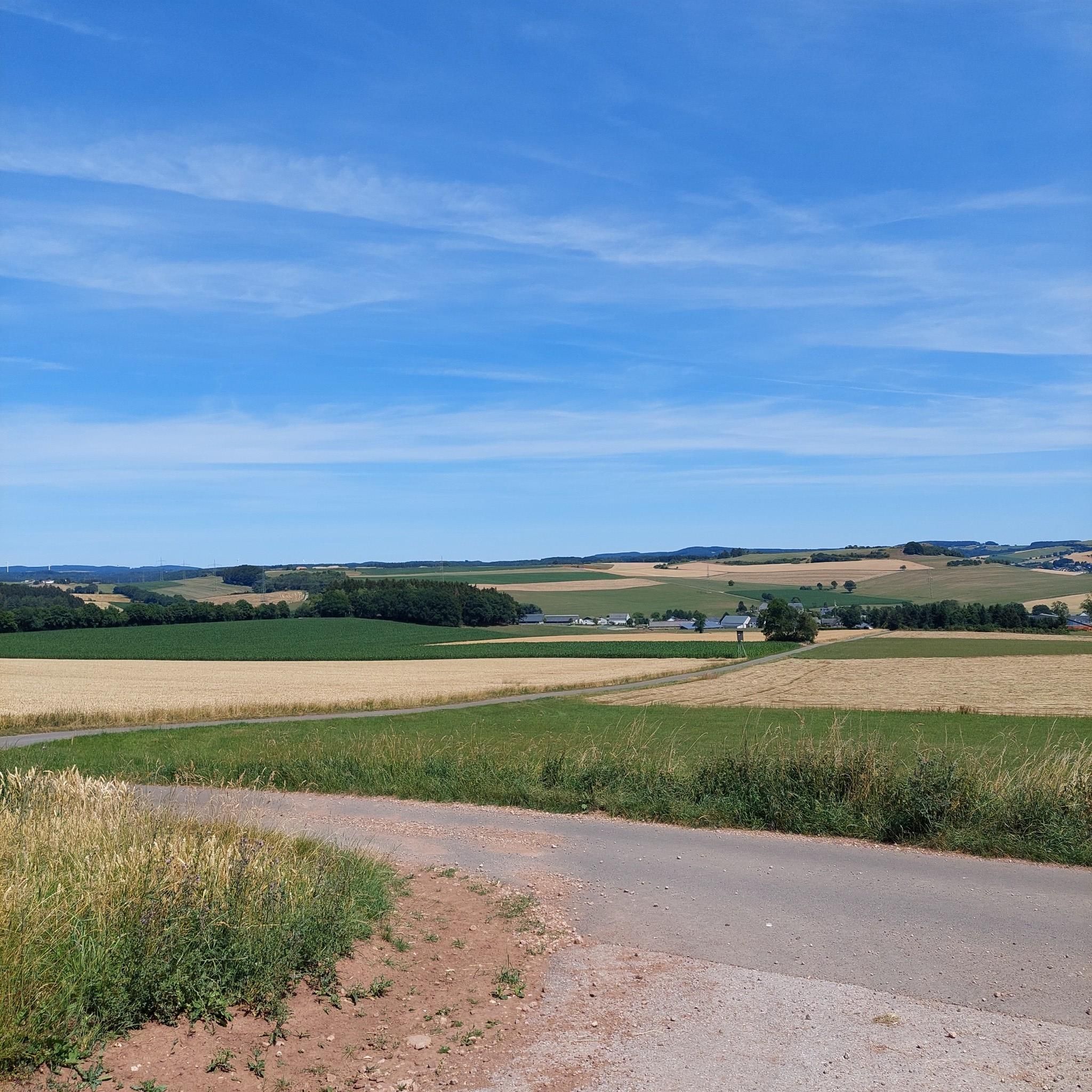
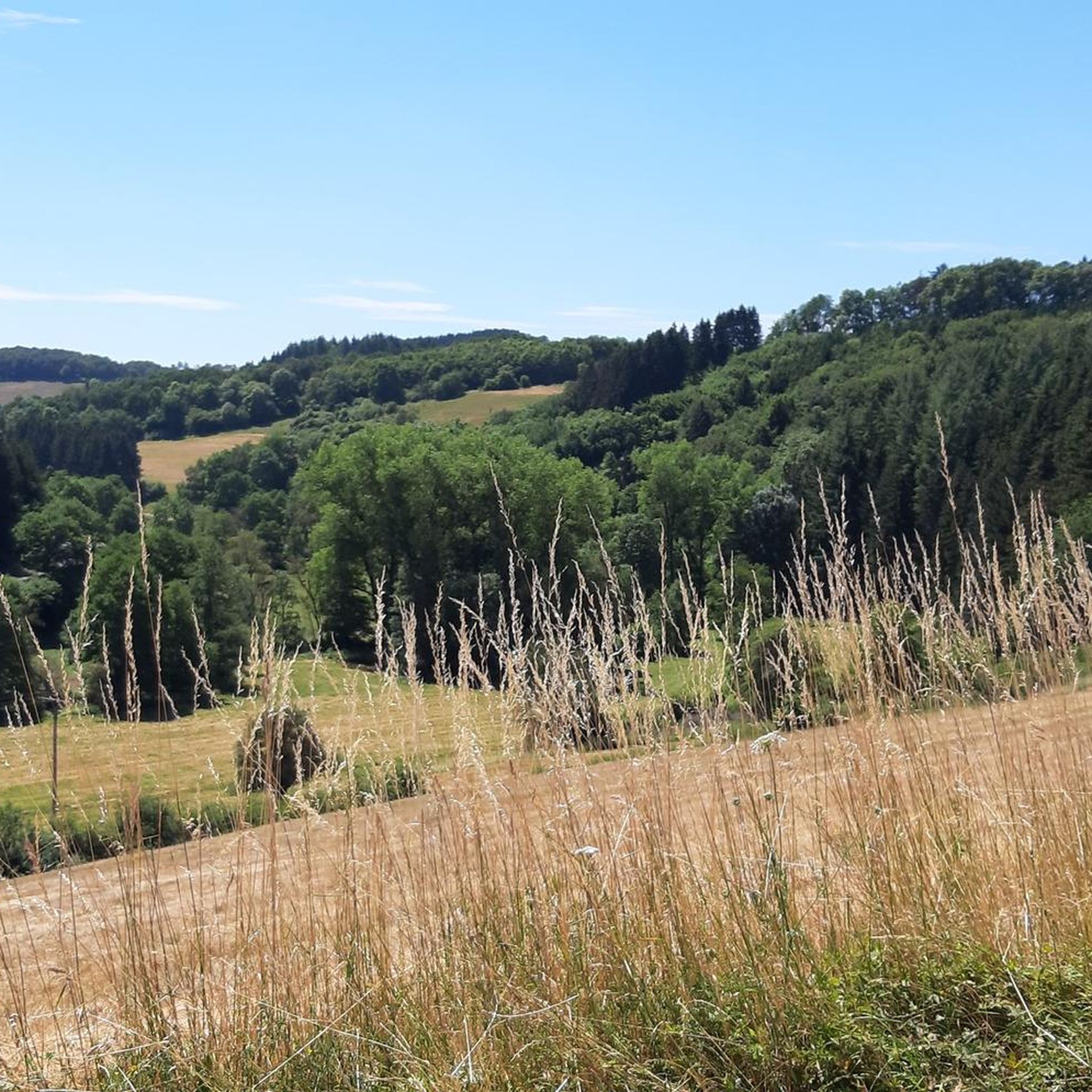
The beaver valley mentioned here is actually the Alfbachtal, but that doesn't change the fact that beavers live here and that you cycle through beautiful nature.
14
1

The memorial with its many thank you plaques is always a popular place of worship. Every year on a May Sunday there is a procession from the parish church to the Marian column. In 1998 the parish community celebrated the 50th anniversary of the Marian Column with several hundred believers. In recent years, the taller trees have increasingly blocked the view of the Marian Column. In 2004, the Board of Trustees of today's Gerhard Faber Foundation took on the task of redesigning the entire complex. In cooperation with the local population, the square around the Marian Column was completely renovated. Source: https://www.naturpark-suedeifel.de/a-mariensaeule
5
0

From here the wild garlic starts...in April and May you can find wild garlic as far as the eye can see
0
0
Frequently Asked Questions
What unique natural features can I explore around Dingdorf?
The region around Dingdorf, deeply rooted in the Eifel landscape, offers a diverse range of natural features. You can explore river valleys like the Alfbach Valley, known for its natural beauty and wildlife, including beavers. There are also fascinating geological formations, such as the Hohl-Ley Cave, a cave system within a forest, and the broader Eifel region's volcanic landscapes and bizarre rock formations.
Are there any family-friendly natural monuments in the Dingdorf area?
Yes, several natural monuments around Dingdorf are suitable for families. The Alfbach Valley offers scenic cycling paths that are great for all ages. Additionally, the Wild Garlic Fields in Naturpark Hohes Venn-Eifel provide a beautiful and engaging experience, especially in spring when the forest floor blooms white.
What historical or cultural sites are integrated with the natural monuments?
The area blends natural beauty with historical significance. The Mariensäule Waxweiler is a man-made monument and viewpoint with deep historical roots, serving as a memorial. Another significant site is the Prüm Explosion Crater and Memorial Cross on Kalvarienberg, a poignant reminder of a 1949 event, offering historical information boards at the site.
Can I go hiking or cycling near these natural monuments?
Absolutely! The region is excellent for outdoor activities. For cycling, the Alfbach Valley features worthwhile cycle paths on a former railway line. You can find numerous routes for road cycling, running, and gravel biking. For example, explore the diverse landscapes on a gravel biking tour like the 'Alfbach Valley – Café Stullwerk in the Old Train loop from Prüm' or various running trails around Dingdorf. You can find more detailed route information on the respective guide pages, such as Road Cycling Routes around Dingdorf or Running Trails around Dingdorf.
What is the best time to visit the natural monuments around Dingdorf?
The best time to visit depends on your interests. Spring, particularly May, is ideal for experiencing the Wild Garlic Fields in Naturpark Hohes Venn-Eifel when they are in full bloom, creating a beautiful sight and scent. Generally, the Eifel region is designed for recreation and nature-friendly tourism, making spring through autumn pleasant for exploring the diverse landscapes and outdoor activities.
Are there any caves I can visit in the area?
Yes, the Hohl-Ley Cave is a notable cave system within a forest. While the caves go about 12 meters into the mountain, they are not fully accessible to visitors beyond the entrance area. It's important to note that the caves are a habitat for bats and are protected from October 1st to March 31st, during which entry is prohibited.
Where can I observe wildlife near Dingdorf?
The Alfbach Valley is particularly recognized for its wildlife, especially the presence of beavers. The Eifel region, in general, boasts diverse biotopes and species, offering opportunities for wildlife observation in its forests and valleys.
What kind of views can I expect from the natural monuments?
Many natural monuments around Dingdorf offer impressive views. The Mariensäule Waxweiler provides a great panoramic view of Waxweiler. The broader Eifel region, with its deep valleys and rock formations, also features numerous viewpoints along its hiking trails, such as those found in the NaturWanderPark delux.
Are there any unique geological formations to see?
Beyond the Hohl-Ley Cave, the Eifel region itself is a landscape shaped by volcanic activity, featuring diverse geological formations. While not directly in Dingdorf, the nearby Teufelsschlucht (Devil's Gorge) in the Eifel is an extraordinary example, characterized by narrow passages and towering rock faces formed from a 200-million-year-old seabed.
What do visitors enjoy most about the natural monuments around Dingdorf?
Visitors particularly appreciate the blend of natural beauty and historical context. The scenic cycling paths in the Alfbach Valley are highly rated, as are the impressive views from sites like Mariensäule Waxweiler. The unique experience of walking through blooming Wild Garlic Fields and the historical insights gained at the Prüm Explosion Crater are also frequently highlighted by the komoot community.
Are there other significant natural wonders in the broader North Rhine-Westphalia region?
Yes, beyond the immediate Dingdorf area, the broader North Rhine-Westphalia region boasts other impressive natural wonders. These include the gigantic rock formations of the Externsteine in the Teutoburg Forest, the Bruchhauser Steine recognized as a National Natural Monument, and the stunning underground labyrinth of stalactites and stalagmites in the Atta Cave in Attendorn. For more information, you can visit nrw-tourism.com.
Most popular routes around Dingdorf
Most popular attractions around Dingdorf

Get inspired with the komoot mobile app


Explore more
Extend your search for the best caves by checking out these guides of the top ones around Dingdorf:
