Top 20 Natural Monuments around Pelm
Best natural monuments around Pelm are found in Germany's Vulkaneifel district, a region shaped by its volcanic past. The landscape features green hills, deep valleys, and distinctive geological formations. This area offers a variety of natural monuments, including impressive rock formations, volcanic crater lakes, and ancient caves. Visitors can explore these features through numerous hiking trails and scenic viewpoints.
Best natural monuments around Pelm
- The most popular natural monuments is Buchenloch Cave, a cave that has been under nature…
Last updated: October 11, 2026
Dronke Tower on the Mäuseberg
Highlight • Viewpoint
Translated by Google •
Tip by

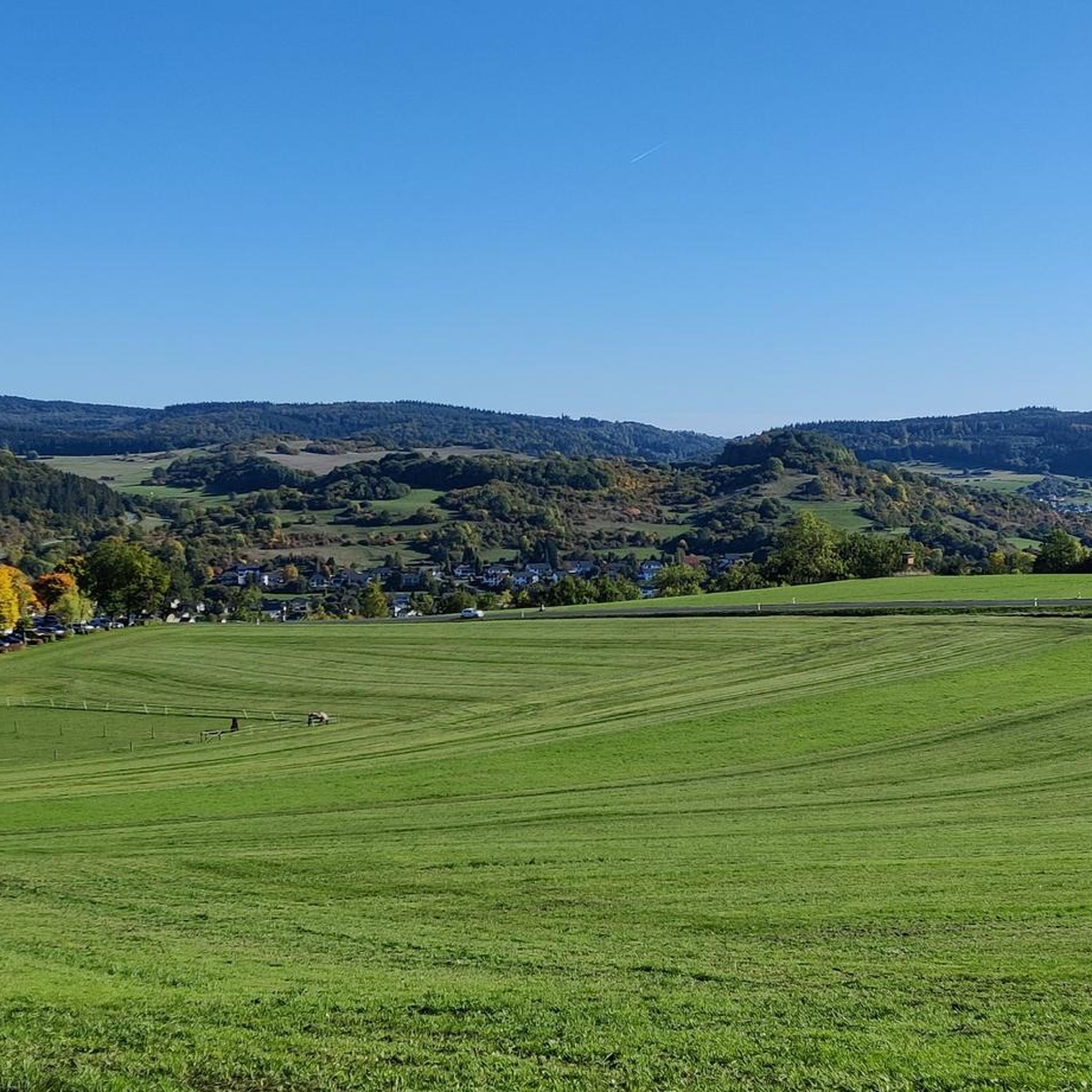
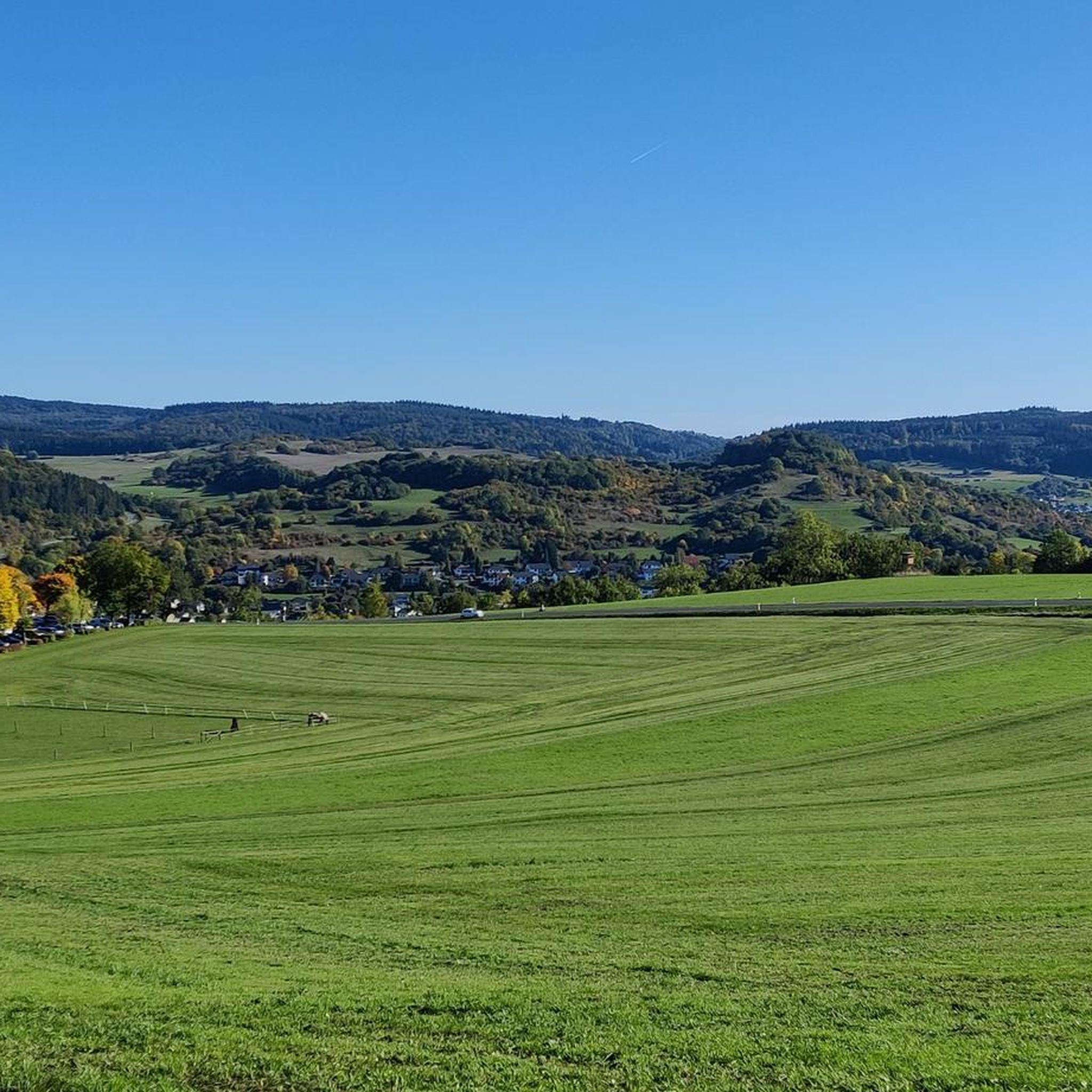
View of the Gemünden maar
Highlight • Lake
Showing Translation
Tip by

Sign up now to discover places like this
Get recommendations on the best single tracks, peaks, & plenty of other exciting outdoor places.
Buchenloch Cave
Highlight • Cave
Translated by Google •
Tip by

View of Gerolstein from the Munterley
Highlight • Viewpoint
Translated by Google •
Tip by
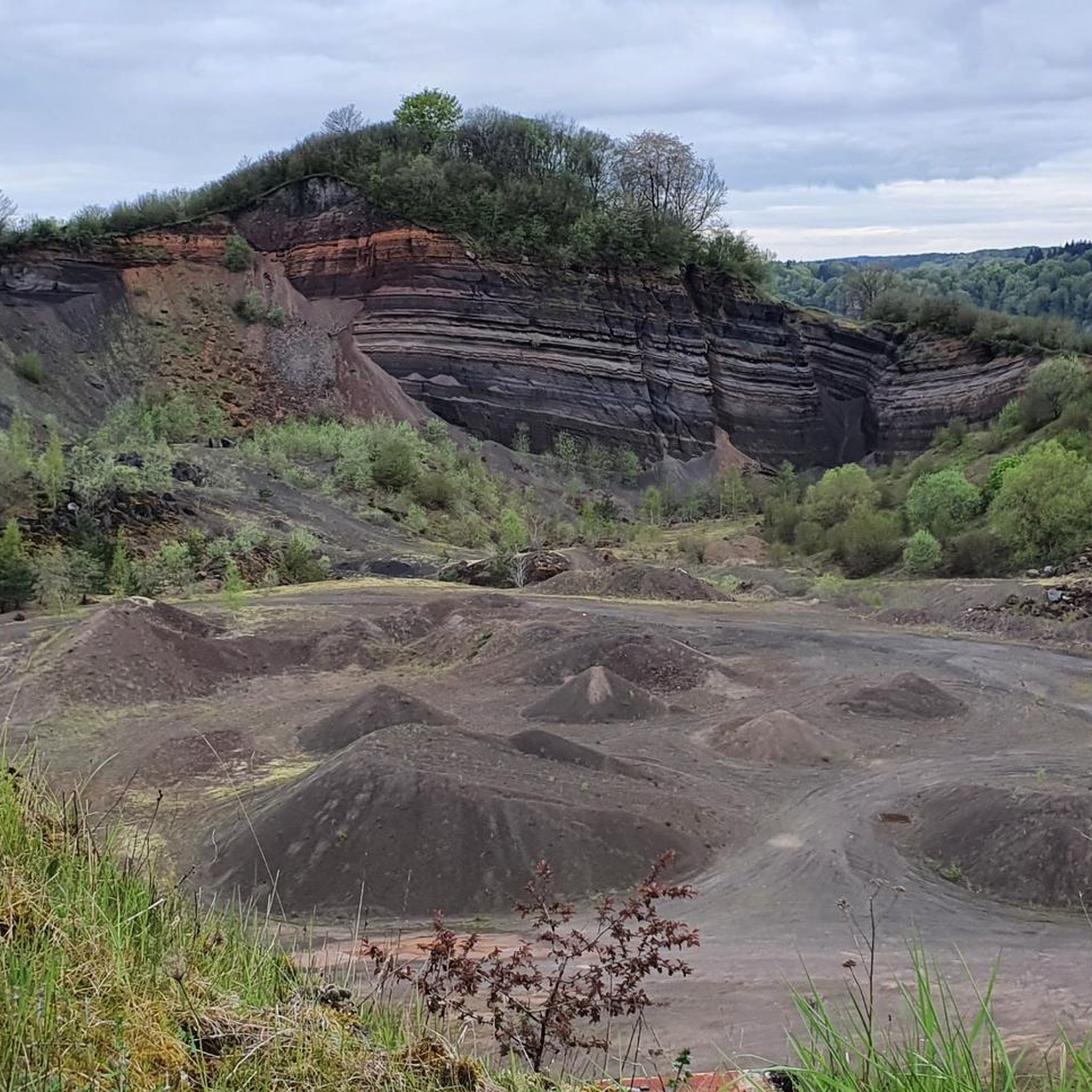
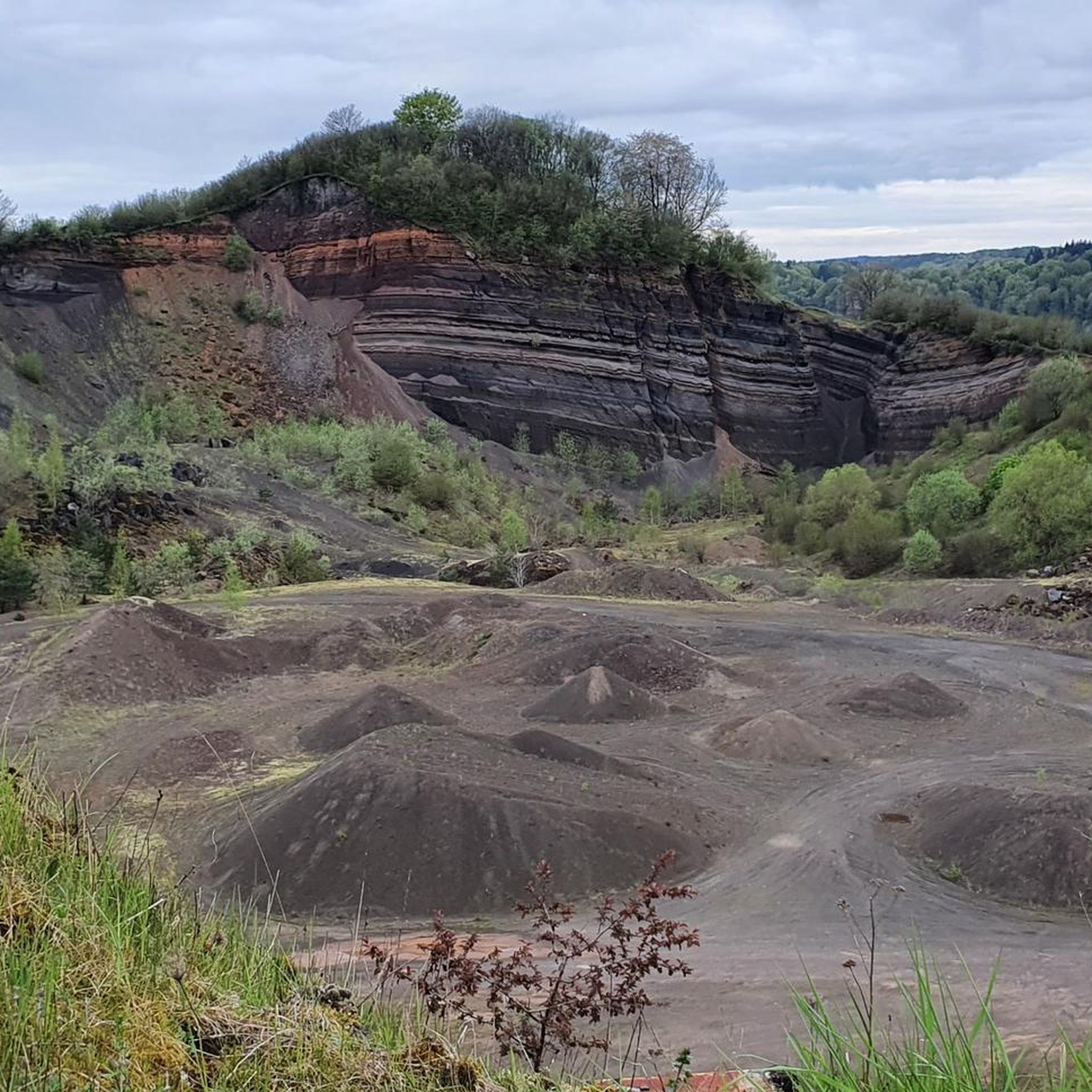
Gerolsteiner Dolomiten Rock Formations
Highlight • Natural Monument
+ animal species found: bat
+ plant species found: …
Translated by Google •
Tip by

Sign up for free to discover even more natural monuments around Pelm.
Already have an account?
Start today with a free account
Your next adventure awaits.

Tips from the Community

https://de.m.wikipedia.org/wiki/Gerolsteiner Dolomiten The tour was really beautiful... It won't be the last time I'm there ❤️
9
0

Nice view with markers for orientation. The tower, which was built in 1902, is only 11m high, but stands on top of the 560m high Mauseberg and is thus 166m above the Gemünder Maar, guaranteeing a magnificent view of the surrounding area.
14
0
Beautiful view with an information board for orientation. The tower, built in 1902, is only eleven meters high, but stands at the top of the 560-meter-high Mäuseberg and is thus 166 meters above the Gemünder Maar. This guarantees a magnificent view over the surrounding area.
19
1
A section of the Eifelsteig long-distance hiking trail runs right through the Dauner Maare. Very nice path past the witnesses of the volcanic past of the Eifel. https://www.eifelsteig.de/
14
0
The hiking car park and the hiking map with an overview of the various routes are located at the Waldcafe. This is a great place to start your tour and enjoy a coffee at the end.
11
0
Very beautiful Maar, more than 100m deep embedded in the "crater", the smallest of the three Dauner Maare offers a beautiful outdoor pool and the opportunity to explore the volcanic lake by boat. The forest café and the starting point for numerous hikes and tours are also located at the car park.
18
1

"If you come on foot from the Weinfelder Maar via the Eifelsteig hiking trail, the view from above opens up onto the Maar 150 meters below - a breathtaking scenery in dark blue and fresh green. In autumn the forest seems to glow colorfully, between leaves and wood fascinating mushrooms thrive. With around 7 hectares of water, the Gemündener Maar is the smallest of the three famous Eifel eyes - the Dauner Maare, created by volcanic activity. It is also embedded deepest in the volcanic landscape around Daun at 406 meters above sea level. The clear water looks deep, but it doesn't reach the bottom at 39 meters. The Dronketurm vantage point, which is named after Adolf Dronke, the founder of the Eifel Association, offers a unique view of both the Gemündener Maar and the neighboring Weinfelder Maar. On the Maarschaukel you can admire the Maar from above and let your legs dangle. The maar with its reed zones and rooted flat banks can also be discovered by boat. Fish will only show up with a lot of luck, because the low nutrient content makes the water livable for only a few species. Fishing and boating are among the water sports that bring fun and joy to the Gemündener Maar in summer. But swimmers also get their money's worth. Swimming is permitted in the Gemündener Maar natural swimming pool. Visitors can dive headfirst into the cool water from the diving board. Bathing fun is also guaranteed for the little ones. A baby pool and a non-swimmer pool are available. The children can also climb on the small climbing wall or dig in the sandpit." https://www.eifel.info/a-gemuendener-maar
12
0

The great rocks rise impressively in front of us. Just great to experience something like this here. The name Gerolsteiner Dolomites speaks for itself.
12
1
Frequently Asked Questions
What types of natural monuments can I explore around Pelm?
The Pelm area, situated in Germany's Vulkaneifel district, is rich in diverse natural monuments shaped by its volcanic past. You can discover impressive rock formations, unique volcanic crater lakes known as maars, and ancient caves. These features showcase the region's distinct geological history.
Are there any notable viewpoints among the natural monuments?
Yes, the region offers several excellent viewpoints. A prominent one is the Dronke Tower on the Mäuseberg, an 11-meter high observation tower providing panoramic views over the volcanic landscape of Eifel, including direct views of the Gemündener Maar. Another fantastic spot is the View of Gerolstein from the Munterley, offering a breathtaking vista over Gerolstein and the Kyll valley.
Which natural monuments are particularly family-friendly?
For families, the View of the Gemünden maar is a great choice. This beautiful volcanic lake offers swimming, boating, and a diving platform, with a forest café nearby. The Gerolsteiner Dolomiten area, known for its rock formations, is also considered suitable for children, offering varied hiking experiences.
What geological features are prominent in the natural monuments near Pelm?
The Pelm area is defined by its volcanic geology. You'll find striking rock formations like those in the Gerolsteiner Dolomiten Rock Formations, which are ancient Devonian reefs. The region is also famous for its maars, which are volcanic crater lakes like the Gemündener Maar, formed by volcanic explosions. Basalt rocks and evidence of ongoing geological activity are also characteristic of the Vulkaneifel.
Can I explore caves in the Pelm area?
Yes, the Buchenloch Cave is a significant natural monument. This approximately 30-meter-long cave has been under nature protection since 1938 and is freely accessible. Excavations here have revealed tools and animal bones from the Ice Age, offering a glimpse into prehistoric times. Remember to bring a flashlight for exploration.
What outdoor activities can I do near these natural monuments?
The Vulkaneifel region around Pelm is ideal for various outdoor activities. You can find numerous hiking trails, cycling routes, and nature parks. For specific activities, consider exploring the running trails around Pelm, or if you prefer two wheels, there are options for gravel biking and MTB trails.
Are there specific hiking routes that highlight the natural monuments?
Absolutely. The Gerolsteiner Dolomiten area is renowned for its hiking. The 'Gerolsteiner Dolomiten Acht' features two main routes, the Celtic Path and the Rock Path, both offering impressive rock formations and panoramic views. The Rock Path, in particular, provides fascinating nature experiences and splendid vistas. A section of the Eifelsteig long-distance hiking trail also passes through the scenic landscapes of the Eifel, including past the Dauner Maare.
What is the best time to visit the natural monuments around Pelm?
The natural monuments around Pelm can be enjoyed throughout the year, with each season offering a unique experience. However, if you plan to visit the Buchenloch Cave, note that entry is restricted between October 1st and March 31st to avoid disturbing hibernating bats. Generally, spring and autumn offer pleasant temperatures for hiking and exploring the volcanic landscapes.
What historical significance do some of these natural monuments hold?
Beyond their natural beauty, some monuments have historical importance. The Buchenloch Cave is notable for archaeological finds, including Ice Age tools and animal bones from 30,000 years ago. The Dronke Tower on the Mäuseberg was erected in 1902 as a memorial to Dr. Adolf Dronke, founder of the Eifel Association.
What do visitors enjoy most about the natural monuments in Pelm?
Visitors frequently praise the stunning panoramic views, especially from spots like the Munterley and the Dronke Tower. The unique geological formations of the Gerolsteiner Dolomiten and the recreational opportunities at the Gemündener Maar, such as swimming and boating, are also highly appreciated. The sense of immersion in nature and the well-maintained hiking trails are consistently highlighted.
Are there opportunities for wildlife spotting near the natural monuments?
Yes, the natural monuments and surrounding areas provide habitats for various wildlife. The Buchenloch Cave is known as a bat habitat, which is why access is restricted during their hibernation period. The nature reserve status of areas like the Gerolsteiner Dolomiten also protects diverse flora and fauna, offering chances to observe local wildlife, particularly birds and smaller mammals.
Most popular attractions around Pelm

Get inspired with the komoot mobile app


Explore more
Extend your search for the best caves by checking out these guides of the top ones around Pelm:
