Top 20 Natural Monuments around Mürlenbach
Best natural monuments around Mürlenbach are found within the Vulkaneifel region, characterized by its volcanic history and geological features. The area features diverse landscapes, including ancient rock formations, caves, and scenic valleys. These sites offer insights into the Eifel's geological past and provide varied terrain for exploration. The region is known for its natural beauty and geological significance.
Best natural monuments around Mürlenbach
- The most popular natural monuments is Buchenloch Cave, a cave that has been under nature protection…
Last updated: June 24, 2026
Buchenloch Cave
Highlight • Cave
Translated by Google •
Tip by

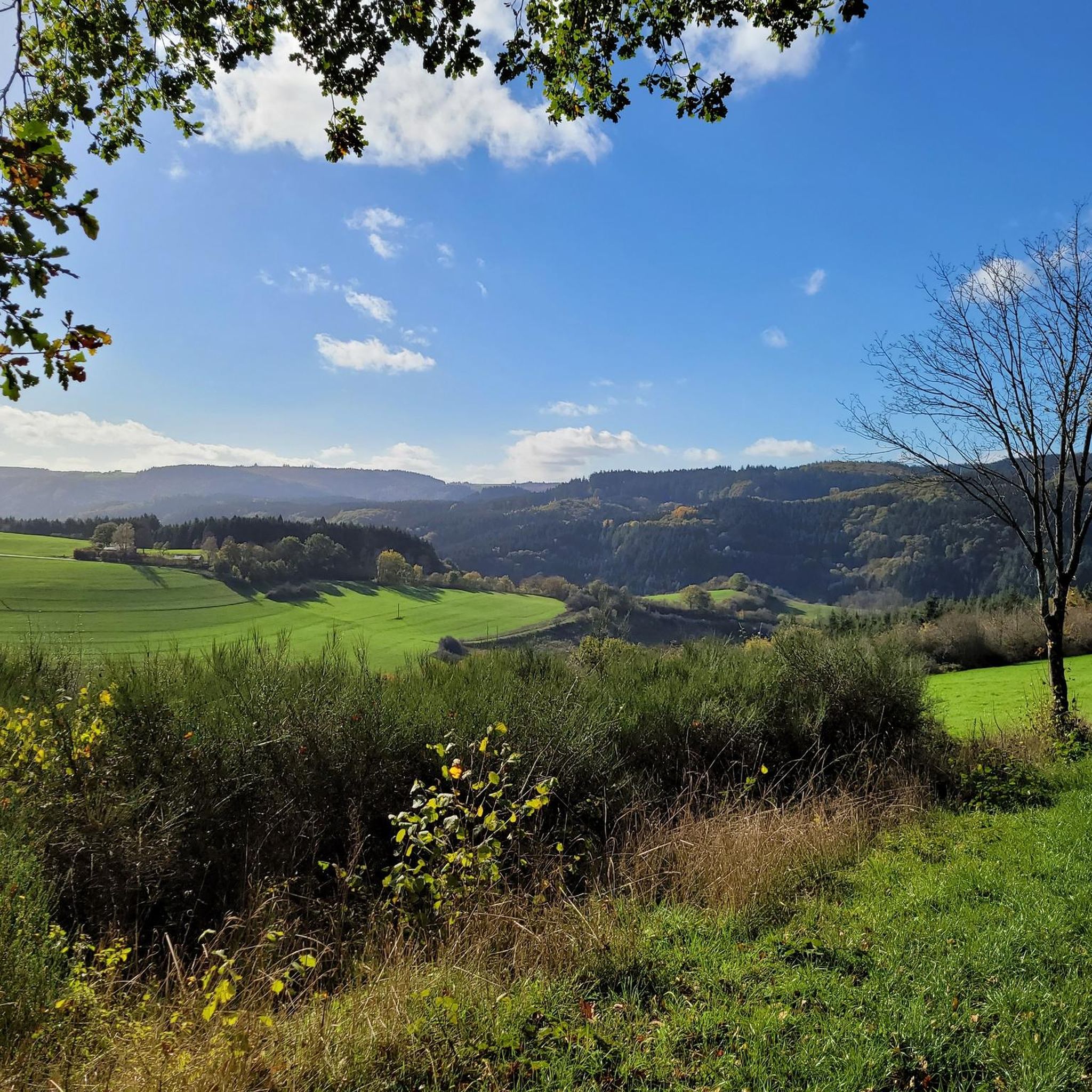
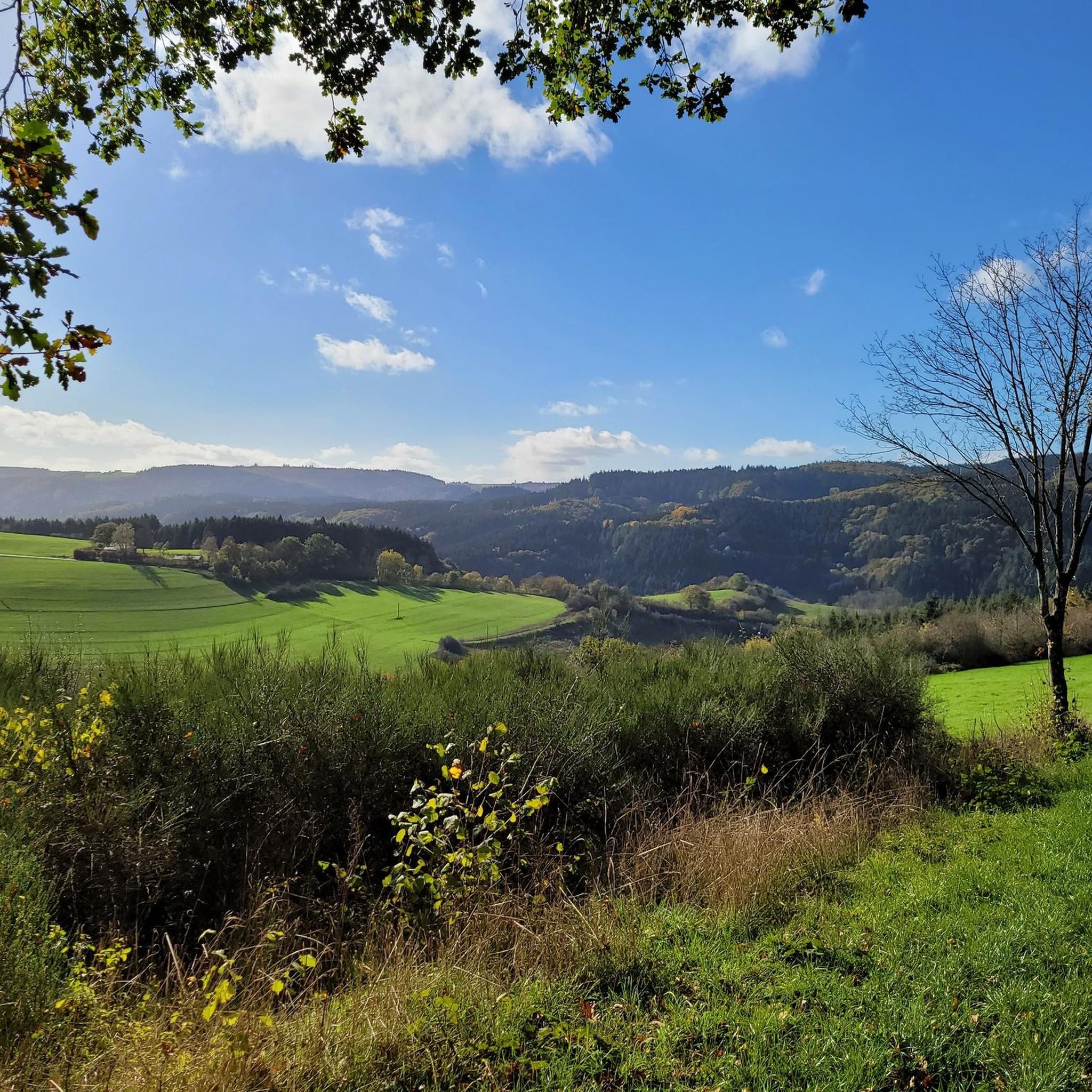
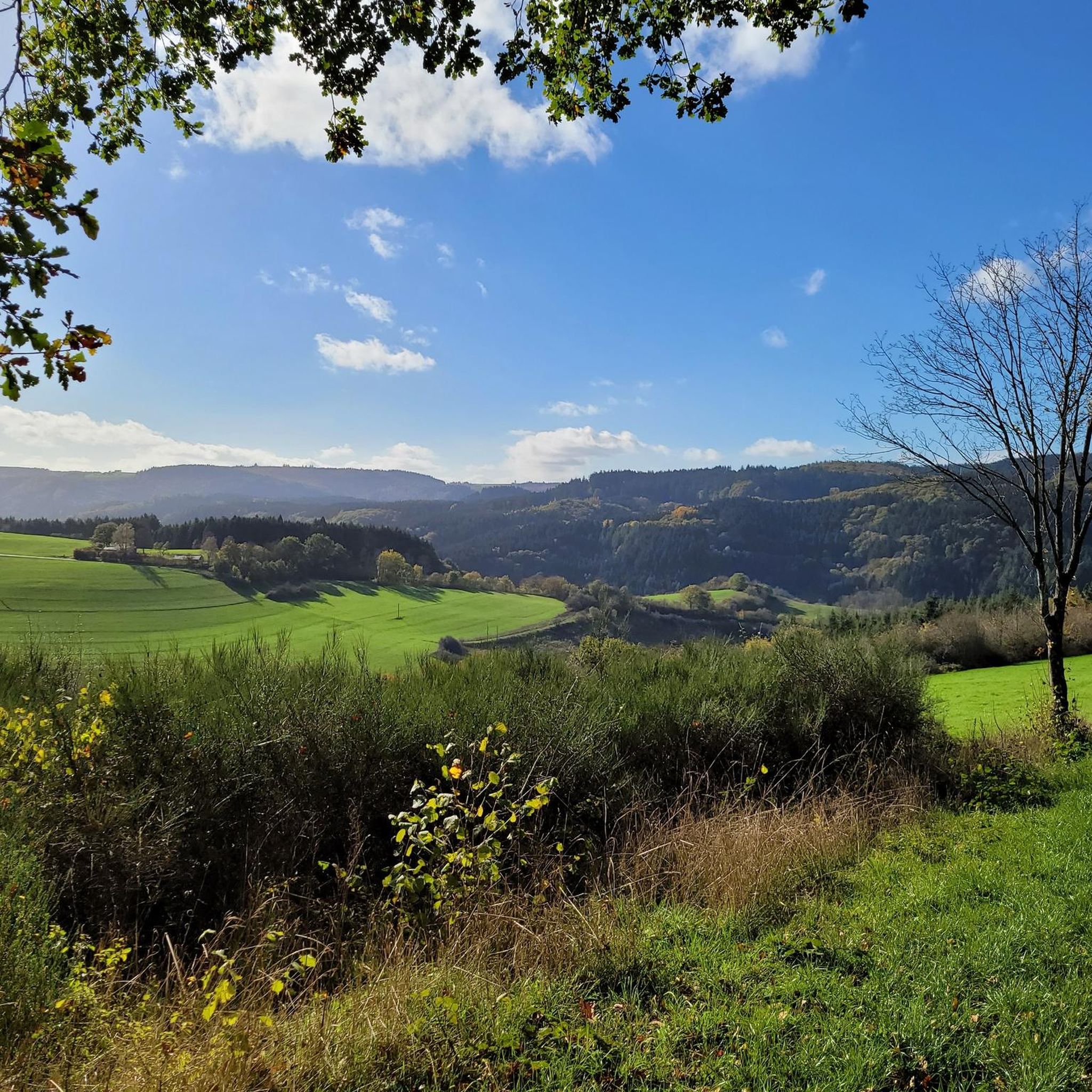
View of Gerolstein from the Munterley
Highlight • Viewpoint
Translated by Google •
Tip by

Sign up now to discover places like this
Get recommendations on the best single tracks, peaks, & plenty of other exciting outdoor places.
Sign up for free
Gerolsteiner Dolomiten Rock Formations
Highlight • Natural Monument
Translated by Google •
Tip by
Millstone Cave at Nerother Kopf
Highlight • Cave
The millstone cave consists of lava boards and is an artificial cave in the Vulkaneifel, Rhineland-Palatinate. It was created by the production of …
Translated by Google •
Tip by

Freudenkoppe Castle Ruins
Highlight • Castle
Translated by Google •
Tip by
Sign up for free to discover even more natural monuments around Mürlenbach.
Sign up for free
Already have an account?
Start today with a free account
Your next adventure awaits.
Login or Signup

Tips from the Community

The steep climb to the castle is quite difficult. A real calf biter! But once at the top you forget it all. Beautiful ruin and the cave is more than worth it.
5
0

https://de.m.wikipedia.org/wiki/Gerolsteiner Dolomiten The tour was really beautiful... It won't be the last time I'm there ❤️
9
0

The great rocks rise impressively in front of us. Just great to experience something like this here. The name Gerolsteiner Dolomites speaks for itself.
11
1

The trail leads to the 'Buchenloch Cave' which lies at the far edge of the Munterley Plateau. This was created 1.8 million years ago from a millimeter-wide crack in the rock massif and was used by people in the Neolithic Age 300,000 years ago.
11
1
Almost 400 million years ago, where the Gerolsteiner Dolomites rise today, there was a subtropical shallow sea with a huge reef that is one of the oldest reefs on earth. This particularly beautiful and attractive hiking trail with scenic and geological features takes the hiker into an exciting past of our planet with beautiful views from Munterley and Hustley into the Kylltal.
9
1
"With an area of around 102 hectares, the area around the Gerolstein Dolomites has been designated a nature reserve since 1990. + animal species found: bat + plant species found: juniper, orchids, characteristic plants, calcareous grassland, woodrush beech forest, woodruff beech forest, orchid calcareous beech forest Around 380 million years ago, there was a warm, subtropical shallow sea here, in which mighty reefs of stromatoporoids - relatives of sponges - and corals formed. After the dolomitization, sinking and folding of the rocks, the Devonian deposits were lifted out again. This created today's Gerolstein Dolomites, which rise steeply above the Kyll valley north of the center of Gerolstein. The rocks "Hustley", "Munterley", "Drohende Ley", "Große Kanzel" and "Auberg" characterize the cityscape even from afar and form the landmark Gerolsteins. The most famous peak of the Gerolstein Dolomites is the "Munterley" - with a height of 482 meters - and offers a breathtaking view over Gerolstein, the Kyll valley and far into the Volcanic Eifel. This view was obviously also enjoyed by Stone Age people who settled here 30,000 years ago, as evidenced by stone tools and bones found in the nearby Buchenloch cave. Visit to the Gerolstein Dolomites can be perfectly combined with hiking the rock path - the northern part of the "Gerolstein Dolomites Eight". The almost eight-kilometer-long circular tour offers many magical places and geological traces." https://www.eifel.info/a-gerolsteiner-dolomiten
11
0
"With an area of approx. 102 hectares, the area around the Gerolsteiner Dolomites has been a nature reserve since 1990. + occurring animal species: bat + occurring plant species: juniper, orchids, character plants calcareous grassland, grove rush-beech forest, woodruff-beech forest, orchid-limestone-beech forest Around 380 million years ago there was a warm, subtropical shallow sea here, in which mighty reefs of stromatopores - relatives of sponges - and corals formed. After the dolomitization, sinking and folding of the rocks, the Devonian deposits were lifted out again. Today's Gerolsteiner Dolomites were formed, which rise steeply above the Kylltal north of the center of Gerolstein. The rocks "Hustley", "Munterley", "Drohende Ley", "Große Kanzel" and "Auberg" characterize the cityscape from afar and form the landmark of Gerolstein. The most famous summit of the Gerolsteiner Dolomites is the "Munterley" - with a height of 482 meters - and offers a breathtaking view over Gerolstein, the Kylltal and far into the Vulkaneifel. Stone Age people, who settled here 30,000 years ago, obviously enjoyed this view, as evidenced by stone tools and bones found at the nearby Buchenloch Cave. Visiting the Gerolsteiner Dolomites can be perfectly combined with hiking the Felsenpfad - the northern part of the "Gerolsteiner Dolomiten Acht". The almost eight-kilometer round tour offers many magical places and geological traces." https://www.eifel.info/a-gerolsteiner-dolomites
10
0
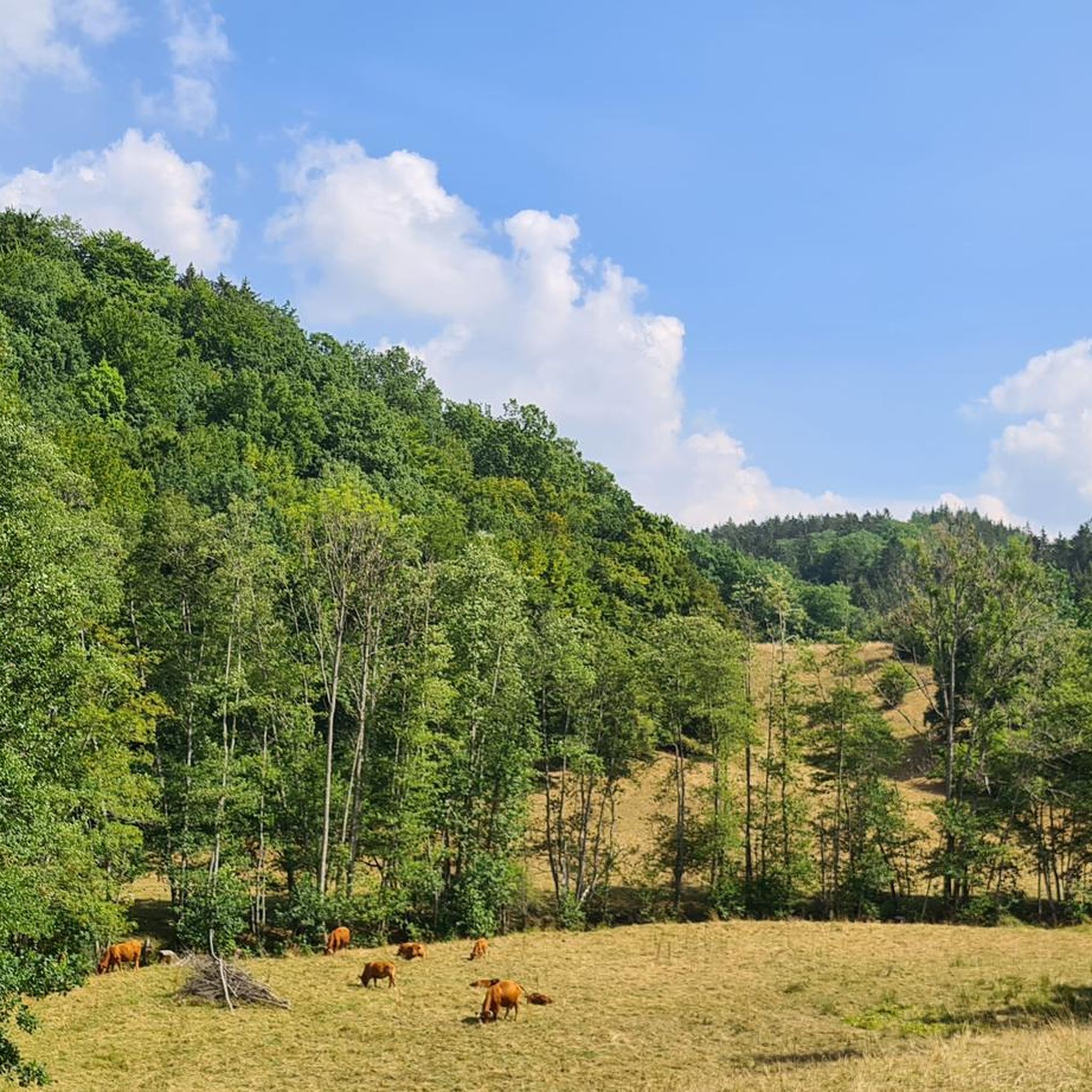
Very well preserved ruin. Exploring them with children is a very special experience. Especially nice in late spring when the trees all around are fresh green.
8
0
Frequently Asked Questions
What are some unique geological features to explore around Mürlenbach?
The Vulkaneifel region around Mürlenbach is rich in geological wonders. You can explore the impressive Gerolsteiner Dolomiten Rock Formations, which are ancient reef structures formed 380 million years ago. Another fascinating site is the Millstone Cave at Nerother Kopf, an artificial cave created from volcanic rock by millstone production. The region also features unique caves and scenic valleys, showcasing its volcanic past.
Are there any historical natural monuments to visit near Mürlenbach?
Yes, several natural monuments in the area also have historical significance. The Millstone Cave at Nerother Kopf is a prime example, where you can still see unfinished millstone blanks on the walls, dating back centuries. The Buchenloch Cave is another historical site, where excavations in the 19th century uncovered tools and animal bones from the Ice Age.
Can I explore caves near Mürlenbach?
Absolutely. The Mürlenbach area is known for its caves. The Buchenloch Cave is approximately 30 meters long and freely accessible. The Millstone Cave at Nerother Kopf is 18 meters deep with vaults up to 10 meters high. Additionally, the Gerolsteiner cave trail mentions other interesting sites like ice caves, offering varied underground exploration opportunities.
What should I bring when visiting the caves?
For exploring caves like the Buchenloch Cave and the Millstone Cave at Nerother Kopf, a flashlight is highly recommended as they are unlit. Sturdy footwear is also advisable for navigating uneven terrain.
Are the natural monuments around Mürlenbach suitable for families?
Many natural monuments in the area are family-friendly. For instance, a hike through the Gerolsteiner Dolomiten Rock Formations is considered one of the most beautiful tours in the Eifel and is suitable for children. Exploring the accessible caves can also be an exciting adventure for families.
Are there any waterfalls to see in the Mürlenbach area?
Yes, the Dreimühlen Waterfall, often cited as the 'most interesting waterfall in the Eifel,' is a unique natural phenomenon formed by carbonate-rich spring tributaries. It's known as a 'growing waterfall' and can be reached via a hike, often starting from nearby Niederehe through juniper heathlands.
What kind of outdoor activities can I do near the natural monuments in Mürlenbach?
The region offers diverse outdoor activities. You can find numerous hiking trails, such as those connecting the Gerolsteiner Dolomites and the Buchenloch Cave. For cycling enthusiasts, there are road cycling routes like the 'Kyll River – Bertrada Castle loop from Mürlenbach' or mountain biking trails like the 'Bertradaburg – View of the Meerfelder Maar loop from Mürlenbach'. You can explore more options in the hiking guide, road cycling guide, and MTB guide for Mürlenbach.
Are there specific hiking trails that connect the natural monuments?
Yes, the Gerolsteiner Dolomites are a highlight along recommended hiking trails, including the 'rock path' which is the northern part of the 'Gerolstein Dolomites Eight' circular tour. This path offers many magical places and geological traces, connecting various rock formations and often including the Buchenloch Cave.
What is the best time of year to visit the natural monuments in Mürlenbach?
The natural monuments in Mürlenbach can be enjoyed throughout the year, but spring and autumn offer particularly pleasant temperatures for hiking and exploring. If you plan to visit caves, note that the Buchenloch Cave should not be entered between October 1st and March 31st to avoid disturbing hibernating bats.
Are there dog-friendly trails around Mürlenbach's natural monuments?
The scenic Kyll Valley, where Mürlenbach is situated, offers numerous paths and trails along the Kyll River that are generally dog-friendly. Many hiking routes through the Vulkaneifel region are suitable for walks with dogs, allowing you to explore the natural monuments together. Always ensure dogs are kept on a leash where required, especially in nature reserves.
What do visitors particularly enjoy about the natural monuments in Mürlenbach?
Visitors frequently praise the breathtaking views, especially from spots like the View of Gerolstein from the Munterley. The unique geological formations, such as the ancient reefs of the Gerolsteiner Dolomites, and the historical insights offered by sites like the Millstone Cave, are also highly appreciated. The diverse landscapes and well-maintained trails make for an engaging outdoor experience.
Most popular routes around Mürlenbach
Most popular attractions around Mürlenbach

Get inspired with the komoot mobile app


Explore more
Extend your search for the best caves by checking out these guides of the top ones around Mürlenbach:
