Top 20 Natural Monuments around Breitengüßbacher Forst
Best natural monuments around Breitengüßbacher Forst are found within a valuable natural area in Upper Franconia, Bavaria, Germany. The forest is recognized for its overall character, recreational opportunities, and contribution to regional biodiversity. Areas like the former Muna, a 131-hectare site, showcase extensive biodiversity due to decades of isolation. This region offers numerous hiking and cycling trails, serving as a local recreation area with educational paths.
Best natural monuments around Breitengüßbacher Forst
- The most popular natural monuments is Staffelberg,…
Last updated: October 11, 2026
Staffelberg
Highlight • Viewpoint
Translated by Google •
Tip by

On the high plateau at Staffelberg
Highlight • Viewpoint
Translated by Google •
Tip by

Sign up now to discover places like this
Get recommendations on the best single tracks, peaks, & plenty of other exciting outdoor places.
Querkeles Cave
Highlight • Cave
Translated by Google •
Tip by

View of the Staffelberg
Highlight • Viewpoint
Translated by Google •
Tip by

St. Veit Chapel on Veitsberg
Highlight • Religious Site
Translated by Google •
Tip by

Sign up for free to discover even more natural monuments around Breitengüßbacher Forst.
Already have an account?
Start today with a free account
Your next adventure awaits.

Tips from the Community

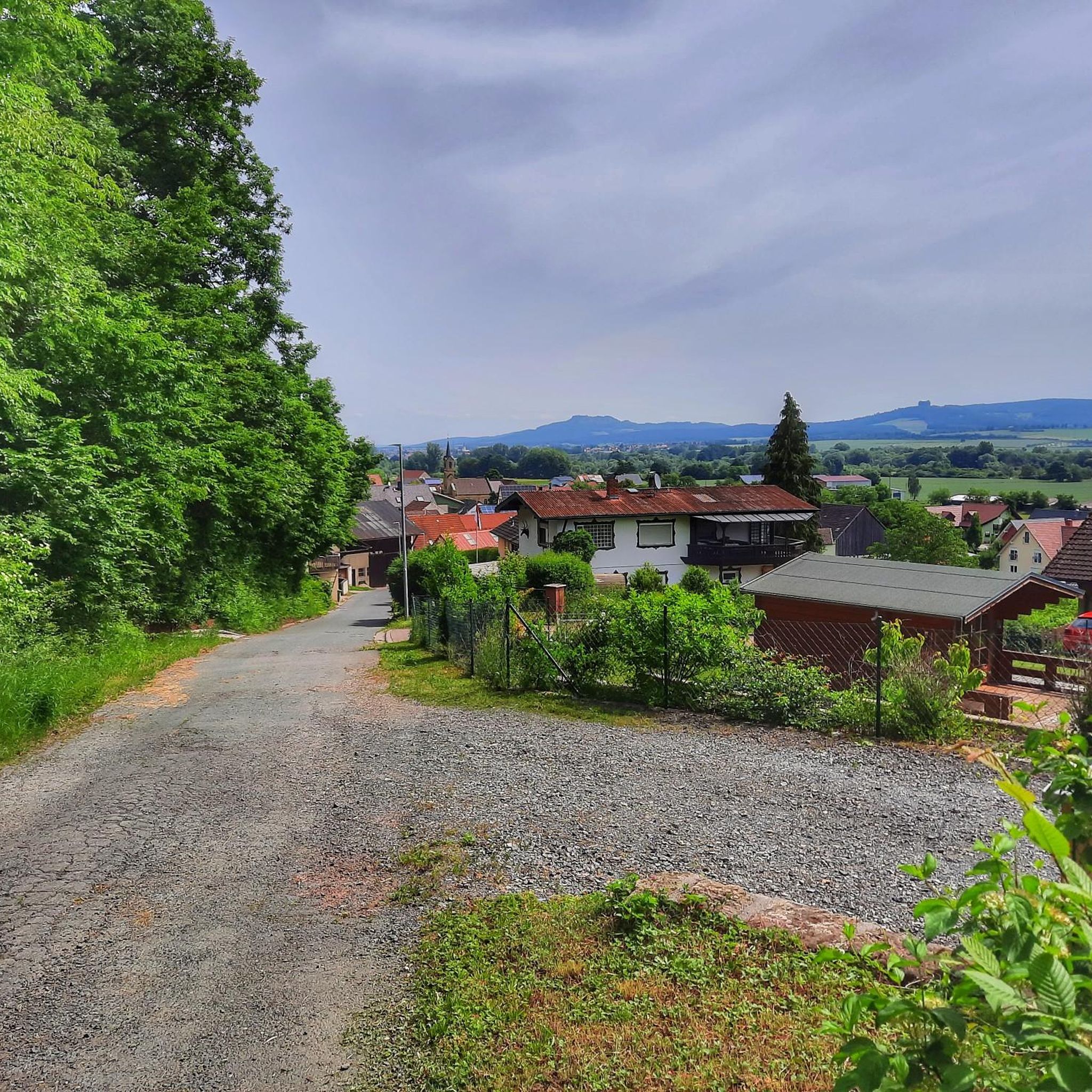
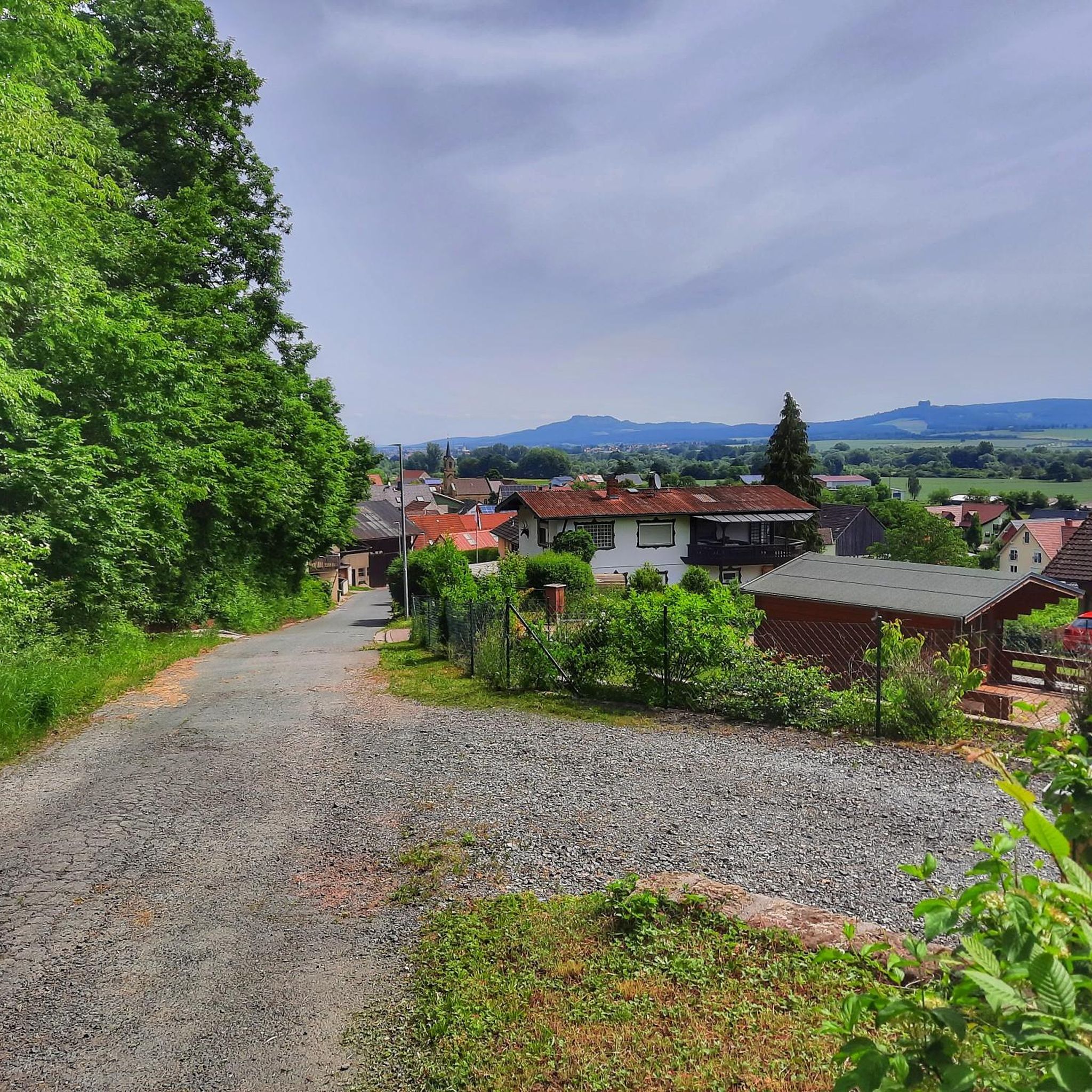
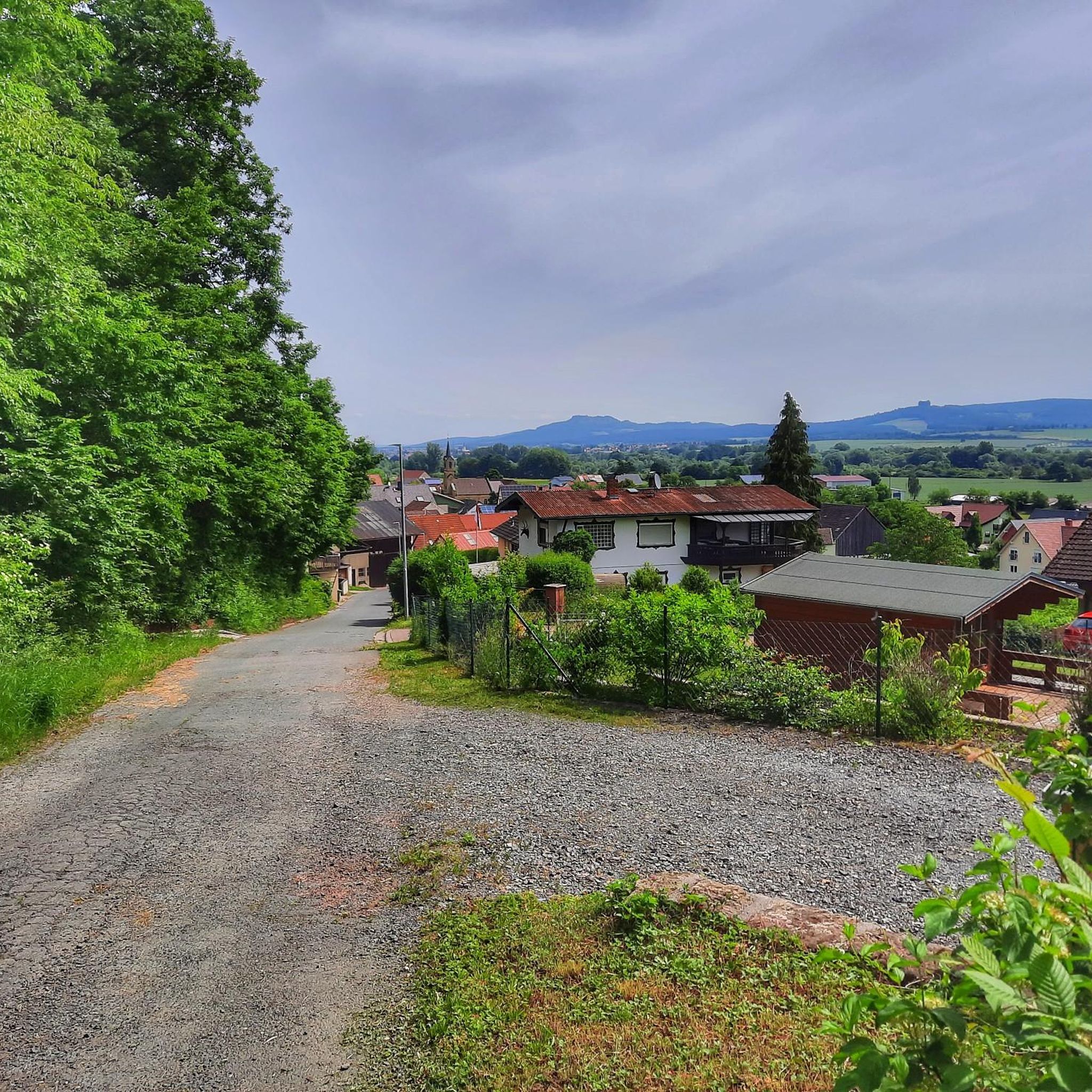
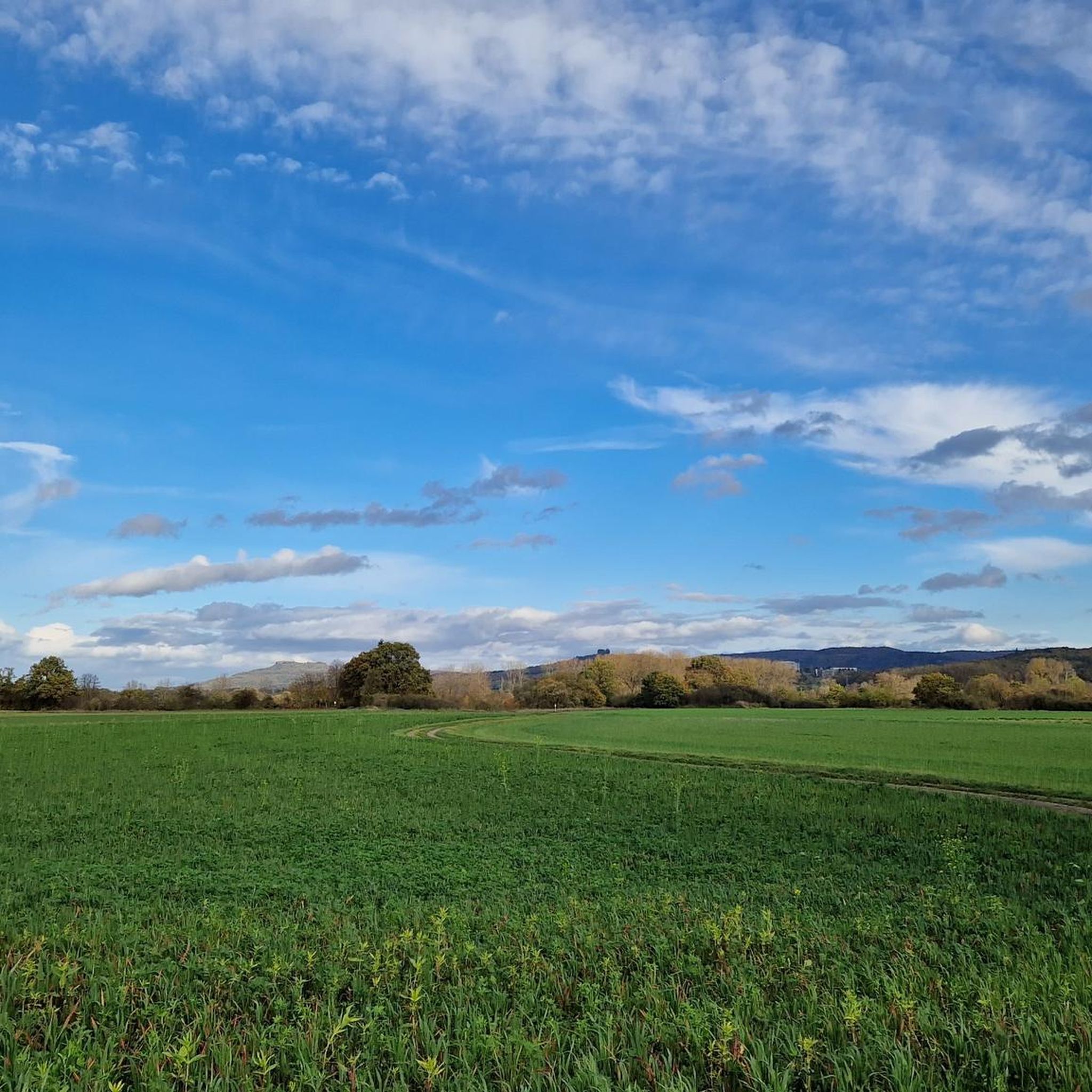
The Staffelberg is one of the best-known viewpoints in Gottesgarten am Obermain – and rightly so. From the high plateau, wide views open up over the Maintal valley and the surrounding Franconian landscape. The view across to the striking elevations of the surrounding area is particularly beautiful. With good visibility, the view extends far beyond the Obermain and quickly makes it clear why the Staffelberg is one of the classic destinations in this region. On the plateau, you will also find the Staffelbergklause, which is well-suited for a stop during your hike. Together with the Basilica of Vierzehnheiligen and Banz Monastery, the Staffelberg forms the well-known trinity of Gottesgarten am Obermain. An absolute highlight of the region – and a viewpoint that is definitely worth the climb.
6
0
The Querkelshöhle is a small but interesting destination on the Staffelberg. Access requires a bit of scrambling and surefootedness, but can be managed well with appropriate caution. In return, there is an exciting little cave that provides a beautiful impression of the special rock landscape around the Staffelberg. Not a large cave system, but a worthwhile detour precisely because of its somewhat hidden location. Note: Access is not suitable for everyone. The rocky terrain can be slippery when wet – sturdy footwear and surefootedness are recommended.
6
0

Beautiful path to Staffelberg, restaurant unfortunately closed
6
2

The climb is a bit difficult, but you will be rewarded with a wonderful view.
4
0

It towers 280 m above the Main Valley - whoever climbs up will be rewarded with an impressive panoramic view of the Upper Main Valley. Today the Staffelberg with the Adelgundiskapelle and the Staffelbergklause is a popular destination for locals and tourists. In the past, more than 2,000 years ago, the Staffelberg was a settlement area and home of the Celts: just recently, a mighty gate in the west of the former Celtic town was archaeologically examined.
12
1

Small creatures called Querkele once lived in the Querkeles cave on the Staffelberg. They were helpful and kind to everyone. They were welcome guests with the people, because they did some work, helped with illnesses and knew advice for all difficult tasks.
11
5

You cannot miss the Staffelberg, as there is a very good view of the mountain from almost everywhere
7
0

The stepping points down to the cave are pretty smooth. Very slippery when it rains.
16
7
Frequently Asked Questions
What are some unique natural features to explore around Breitengüßbacher Forst?
Beyond the forest itself, you can discover fascinating geological formations. A notable example is the Steinerne Rinne near Roschlaub, a rare natural phenomenon where lime deposits from flowing water create a 'growing stone'. This sensitive karst formation is a testament to the region's unique geology.
Are there any viewpoints offering panoramic views of the region?
Yes, the area boasts several excellent viewpoints. The Staffelberg is a popular choice, offering extensive views over the Bad Staffelsteiner and Lichtenfelser areas. It's recognized as one of Bavaria's most beautiful geotopes. Another great spot is Küpser Linde, which provides a striking view, a 'summit cross,' and a peaceful refuge.
What kind of outdoor activities can I do near the natural monuments in Breitengüßbacher Forst?
The Breitengüßbacher Forst and its surroundings offer diverse outdoor activities. You can find numerous trails for hiking, cycling, and even gravel biking. For detailed routes, explore the guides for Road Cycling Routes around Breitengüßbacher Forst, Gravel biking around Breitengüßbacher Forst, and Cycling around Breitengüßbacher Forst.
Are there family-friendly natural monuments or trails in the area?
Many natural monuments and trails in the region are suitable for families. The Steinerne Rinne near Roschlaub is listed as family-friendly, offering an interesting natural phenomenon. Viewpoints like Küpser Linde also provide easy access and amenities for a pleasant family outing.
What is the best time of year to visit the natural monuments around Breitengüßbacher Forst?
The Breitengüßbacher Forst and its natural monuments are enjoyable year-round. Spring and autumn offer pleasant temperatures and vibrant colors, ideal for hiking and cycling. Summer is great for longer days and outdoor recreation, while winter can transform the landscape into a serene, snowy wonderland, though some paths might be slippery, especially near places like Querkeles Cave.
What can I expect regarding the terrain and difficulty of trails near these natural monuments?
The terrain varies, ranging from paved paths suitable for cycling and easy walks, especially in areas like the former Muna, to more challenging routes. For instance, reaching Querkeles Cave involves a tiny scramble and requires sure-footedness, especially when wet. The Staffelberg also has several paths of varying difficulty leading up and down.
Is there a place to observe wildlife in the Breitengüßbacher Forst area?
Yes, the Breitengüßbacher Forst, particularly the former ammunition depot (Muna) area, is known for its extensive biodiversity due to decades of isolation. This 131-hectare site has become a significant area for nature observation, offering opportunities to spot various flora and fauna that have thrived undisturbed.
Are there any caves to explore in the region?
Yes, you can visit Querkeles Cave, a small cave below a summit. It offers a unique experience with a collapsed ceiling and beautiful play of light and shadow. Be aware that the stepping points down to the cave can be slippery, especially after rain, so sure-footedness is required.
What do visitors enjoy most about the natural monuments around Breitengüßbacher Forst?
Visitors frequently praise the stunning views, especially from spots like Staffelberg and On the high plateau at Staffelberg, which offer breathtaking panoramas in all directions. The peaceful atmosphere, opportunities for hiking, and the unique natural phenomena like the Steinerne Rinne near Roschlaub are also highly appreciated.
Where can I find information about parking and public transport to access these natural areas?
While specific parking details for each individual natural monument are not provided here, the Breitengüßbacher Forst is recognized as a local recreation area. Breitengüßbach itself serves as an ideal starting point for exploring the wider region. For general access, consider checking local municipal websites or tourist information for parking facilities and public transport connections to Breitengüßbach and nearby towns.
Are there any historical or cultural landmarks associated with the natural monuments?
While the focus is on natural monuments, the broader region around Breitengüßbacher Forst, including areas like the Staffelberg, often has historical significance. The Staffelberg, for example, is not only a natural geotope but also a site with historical layers, including a former Celtic settlement. The presence of a hospitality hut on its summit also adds a touch of local culture.
Can I find places to rest or take shelter near the natural monuments?
Yes, some natural monuments offer amenities for visitors. For instance, the Staffelberg has a small hospitality hut and ample seating. Similarly, Küpser Linde features a refuge with seating and lying areas, providing shelter from the elements.
Most popular routes around Breitengüßbacher Forst
Most popular attractions around Breitengüßbacher Forst

Get inspired with the komoot mobile app


Explore more
Extend your search for the best caves by checking out these guides of the top ones around Breitengüßbacher Forst:
