Top 20 Natural Monuments around Roßtal
Best natural monuments around Roßtal include diverse ecological features and serene landscapes within the district of Fürth, Germany. The area is characterized by its natural biotopes, such as the Hofer Wiese and Wiese Buttendorf, which are actively managed for conservation. Geographic features include river confluences, nature reserves with dry grasslands, and trails leading past natural springs. These natural areas offer opportunities to observe native flora and fauna in varied settings.
Best natural monuments around Roßtal
- The most popular natural monuments…
Last updated: June 24, 2026
Confluence of the Rednitz and Pegnitz (the Spitz)
Highlight • River
Translated by Google •
Tip by

Hainberg nature reserve
Highlight • Forest
Translated by Google •
Tip by

Sign up now to discover places like this
Get recommendations on the best single tracks, peaks, & plenty of other exciting outdoor places.
Sign up for free
Confluence of the Rednitz and Pegnitz rivers (river triangle)
Highlight • River
Translated by Google •
Tip by

Rednitz Whitewater Course
Highlight • Structure
We are a fun group - diverse.
We have young and old, big and small, …
Translated by Google •
Tip by

Quellensteig Trail (Heidenberg)
Highlight (Segment) • Trail
Translated by Google •
Tip by

Sign up for free to discover even more natural monuments around Roßtal.
Sign up for free
Already have an account?
Start today with a free account
Your next adventure awaits.
Login or Signup

Tips from the Community

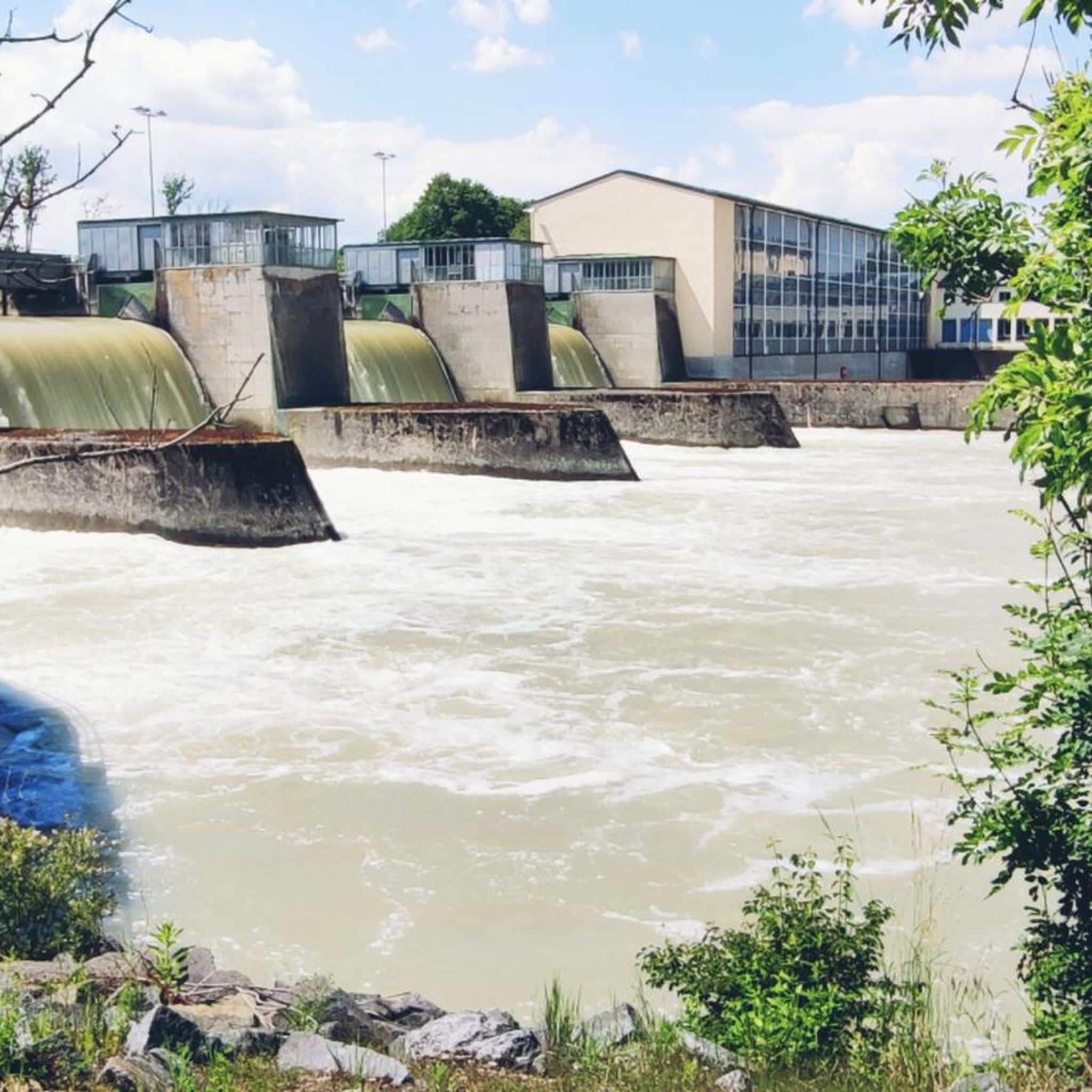
It's just interesting to watch the canoeists training here.
7
1
From here on, the Rednitz, after it has now absorbed the Pegnitz, is called Regnitz. The point of land to Überplanken certainly has the advantage that you don't have to deal with mud or wild growth. The disadvantage is that the boards, despite the corrugations, quickly turn into a slide as soon as they get wet.
7
0

The confluence of the Rednitz and Pegnitz is located in Wiesengrund in Fürth below today's Fürth main cemetery. It can be reached from the old town, or from the east of the city and from the north via the Friedhofsteg over the Pegnitz and from the west of the city, Kapellenruh, via the Käppnersteg over the Rednitz. The "confluence of the Rednitz and Pegnitz" is also simply called the "river triangle" or popularly simply the "Spitz". From here on, the Rednitz, after it has now absorbed the Pegnitz, is then called the Regnitz. The current location of the "Spitz" was created in the first half of the 20th century (presumably between 1910 and 1930) by straightening the Rednitz. Before that, the Rednitz turned sharply to the right after passing the Käppnersteg and joined the Pegnitz west of the Friedhofsteg (Wikipedia).
4
0
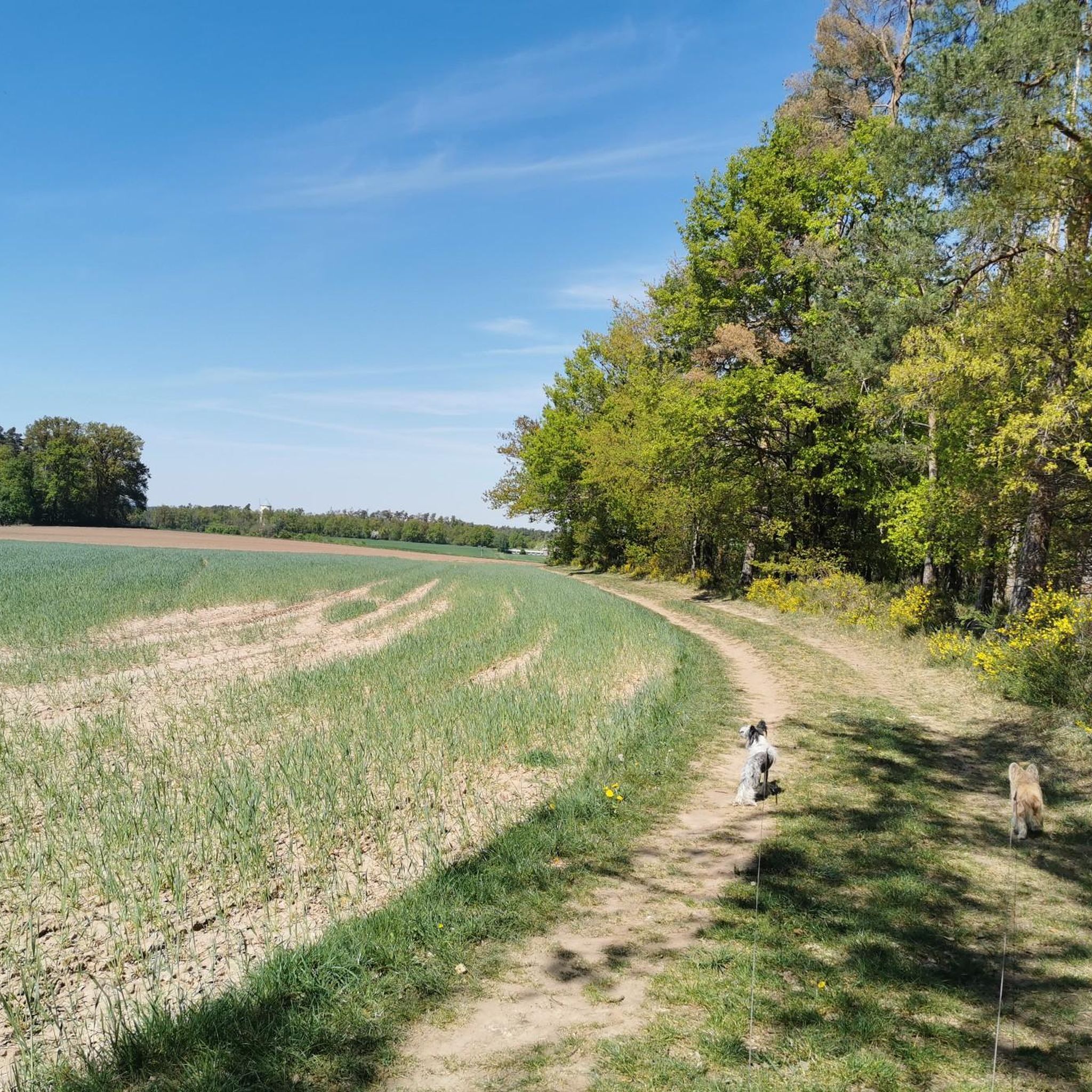
The area includes the largest sandy grassland in Northern Bavaria. Typical of this landscape form are the low water storage capacity, the low nutrient content of the soil and the extreme temperature differences compared to other biotopes in Central Europe. The loose vegetation, often interrupted by sandy areas, consists of grasses and low-growing herbs. What is special about the vegetation of the Hainberg is the light, brownish coloring of the lawns (Wikipedia).
2
0
Unexpectedly beautiful area near Nuremberg.
3
1

Riding a bike is sometimes really difficult, not for everyone
1
0

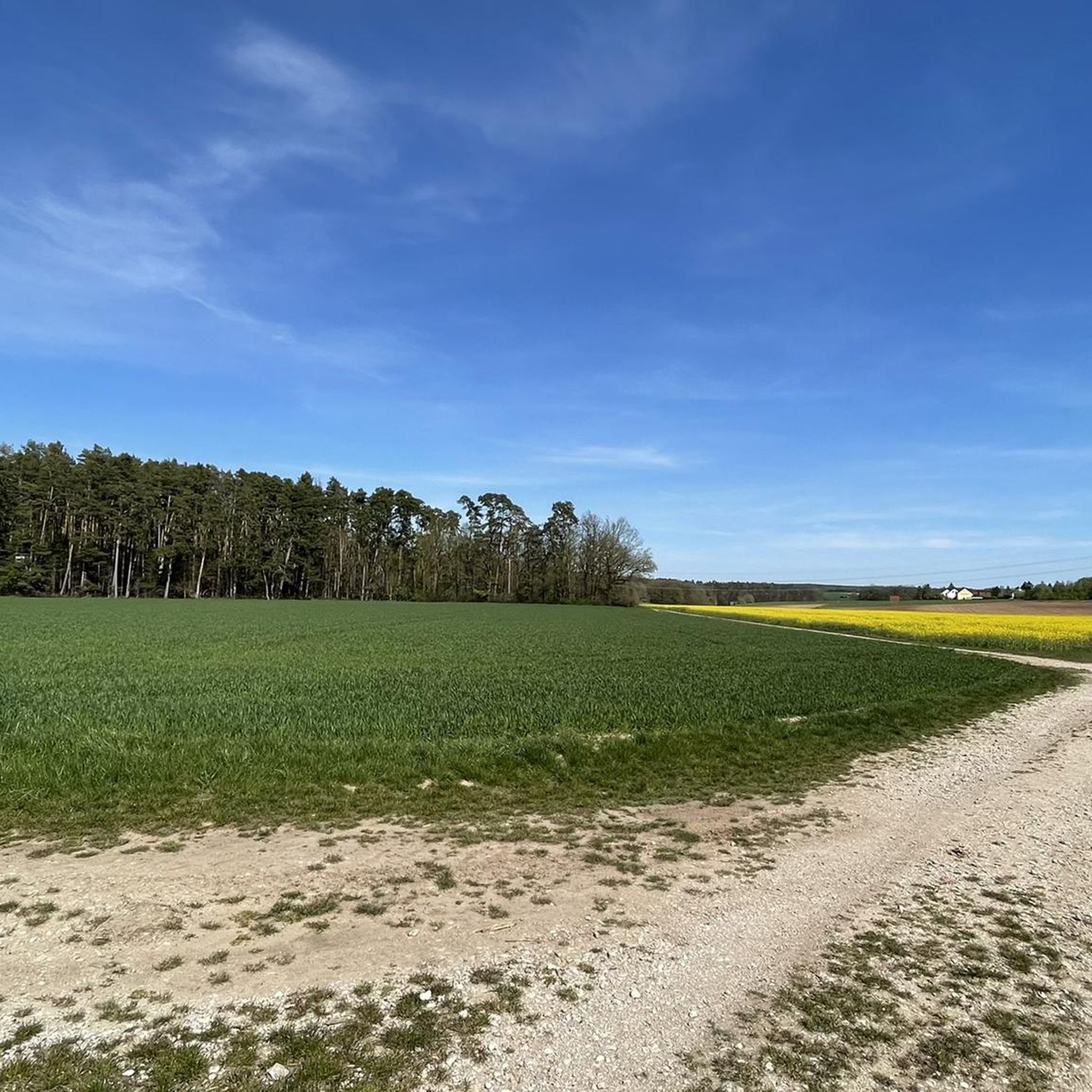
The "confluence of the Rednitz and Pegnitz" is also simply called the "river triangle" or popularly simply the "Spitz". From here the Rednitz, now that it has taken on the Pegnitz, is called Regnitz. The river triangle is undoubtedly one of the most beautiful places in the cloverleaf city.
6
0

There is also a bank at the top. Hard to get a seat here in good weather, a real treat for the eyes
10
0
Frequently Asked Questions
What unique natural features can I discover around Roßtal?
Roßtal is home to several unique natural features. You can explore the Hainberg Nature Reserve, which boasts the largest contiguous sandy dry grassland in northern Bavaria. Another special spot is the Hofer Wiese, known for its significant population of Giant Horsetail, a rare botanical species in the Fürth district. The Stöckacher Weiher, a renatured pond, also offers improved water quality and diverse flora and fauna.
Are there family-friendly natural monuments to visit near Roßtal?
Yes, several natural monuments around Roßtal are suitable for families. The Hainberg Nature Reserve offers extensive paths for exploration. The Confluence of the Rednitz and Pegnitz (the Spitz) is an idyllic spot for a family outing. The Stöckacher Weiher, a renatured pond, has a small seating area and a lizard mound and sandarium created by a children's nature group, making it engaging for younger visitors.
What kind of outdoor activities can I do near the natural monuments in Roßtal?
The area around Roßtal offers a variety of outdoor activities. You can find numerous running trails, such as the 'Wooden Sculptures Near Roßtal' loop, which is about 9.8 km long. For cycling enthusiasts, there are gravel biking and MTB trails, including routes like the 'Biberttalgrund – Hainberg Nature Reserve loop'. You can find more details on these activities in the Gravel biking around Roßtal, Running Trails around Roßtal, and MTB Trails around Roßtal guides.
Where can I find historical or culturally significant natural sites in the Roßtal area?
The Sandstone Quarry in Fürther Stadtwald is a natural monument with historical significance, located within the city forest. Additionally, the Hainberg Nature Reserve has historical ties, as Wallenstein's troops camped there in 1632 before a battle.
Are there any natural monuments with good viewpoints around Roßtal?
Yes, the Sandstone Quarry in Fürther Stadtwald offers scenic views. The Hainberg Nature Reserve also provides viewpoints within its extensive area. The Stöckacher Weiher is part of a scenic circular hiking trail that offers wide views of the surrounding area.
What is the best time of year to visit the natural monuments in Roßtal?
The natural monuments around Roßtal can be enjoyed throughout the year. Spring and summer are ideal for experiencing the lush flora, such as the Giant Horsetail at Hofer Wiese, and for observing wildlife. The BUND Naturschutz actively maintains meadows like Hofer Wiese and Wiese Buttendorf with annual summer or late-summer mowing, which contributes to their health and beauty during these seasons. The Confluence of the Rednitz and Pegnitz (the Spitz) is described as idyllic in both spring and summer.
Can I spot wildlife at the natural monuments in Roßtal?
Yes, the natural monuments offer opportunities for wildlife spotting. The Wiese Buttendorf, with its small pond, serves as a watering hole for local wildlife. The renatured Stöckacher Weiher has improved water quality, supporting diverse fauna, and a lizard mound has been created nearby. The Hainberg Nature Reserve is also a bird protection zone, making it a good spot for birdwatching.
Are there any natural springs or water features to explore?
Absolutely. The Quellensteig Trail (Heidenberg) is specifically designed to pass various natural springs, including the Marienquelle and Josephaquelle. You can enjoy an idyllic climb over bridges and stairs, accompanied by the sound of murmuring water. The Hofer Wiese also features emerging layer water and artesian springs at its base.
What efforts are being made to conserve the natural monuments in Roßtal?
Significant conservation efforts are underway. The Hofer Wiese, Wiese Buttendorf, and Stöckacher Weiher are managed as biotopes by the BUND Naturschutz Fürth Land. The Hofer Wiese and Wiese Buttendorf undergo annual summer or late-summer mowing to control nettles and reduce nutrient levels, preserving their unique ecosystems. The Stöckacher Weiher was renatured by the BUND Naturschutz local group, involving desilting and creating shallow shorelines to improve water quality and biodiversity.
What do visitors particularly enjoy about the natural monuments around Roßtal?
Visitors appreciate the diverse natural beauty and the peaceful atmosphere. The Quellensteig Trail (Heidenberg) is loved for its charming path, the sound of murmuring water, and birdsong, offering a wonderful place to relax. The Confluence of the Rednitz and Pegnitz (the Spitz) is noted as a very idyllic place. The Hainberg Nature Reserve is praised for its beautiful paths through extensive areas. The natural monuments around Roßtal have received over 880 upvotes and more than 110 photos from the komoot community.
Are there any circular walks that include natural monuments near Roßtal?
Yes, the Stöckacher Weiher is a highlight along a scenic circular hiking trail that provides wide views of the surrounding area. Many of the running and cycling routes in the region are also designed as loops, allowing you to explore natural areas and return to your starting point. For example, the 'Wooden Sculptures Near Roßtal loop' is a popular running trail.
How difficult are the trails around the natural monuments in Roßtal?
The difficulty of trails varies. Many paths through natural monuments like the Hainberg Nature Reserve are extensive and generally accessible. The Quellensteig Trail (Heidenberg) involves an idyllic climb over bridges and stairs, suggesting a moderate effort. For specific routes, you can check the difficulty grades in the Gravel biking around Roßtal, Running Trails around Roßtal, and MTB Trails around Roßtal guides, which list routes from easy to difficult.
Most popular attractions around Roßtal

Get inspired with the komoot mobile app


Explore more
Extend your search for the best caves by checking out these guides of the top ones around Roßtal:
