Top 20 Natural Monuments around Oberasbach
Best natural monuments around Oberasbach are primarily found within the Rednitzauen nature reserve and along the Rednitz River, offering significant natural beauty. This region provides opportunities for outdoor recreation, including hiking and cycling along riverbanks. The landscape is characterized by riverine environments and protected natural areas.
Best natural monuments around Oberasbach
- The most popular natural monuments is Wöhrder Lake, a lake that serves as a local recreation area. It offers a 6.5 km walk with no elevation gain, suitable…
Last updated: June 24, 2026
Wöhrder Lake
Highlight • Lake
Translated by Google •
Tip by

Beautiful Fountain
Highlight • Monument
Translated by Google •
Tip by

Sign up now to discover places like this
Get recommendations on the best single tracks, peaks, & plenty of other exciting outdoor places.
Sign up for free
Confluence of the Rednitz and Pegnitz (the Spitz)
Highlight • River
Translated by Google •
Tip by

Great Dutzendteich
Highlight • Lake
Translated by Google •
Tip by

Hainberg nature reserve
Highlight • Forest
Translated by Google •
Tip by

Sign up for free to discover even more natural monuments around Oberasbach.
Sign up for free
Already have an account?
Start today with a free account
Your next adventure awaits.
Login or Signup
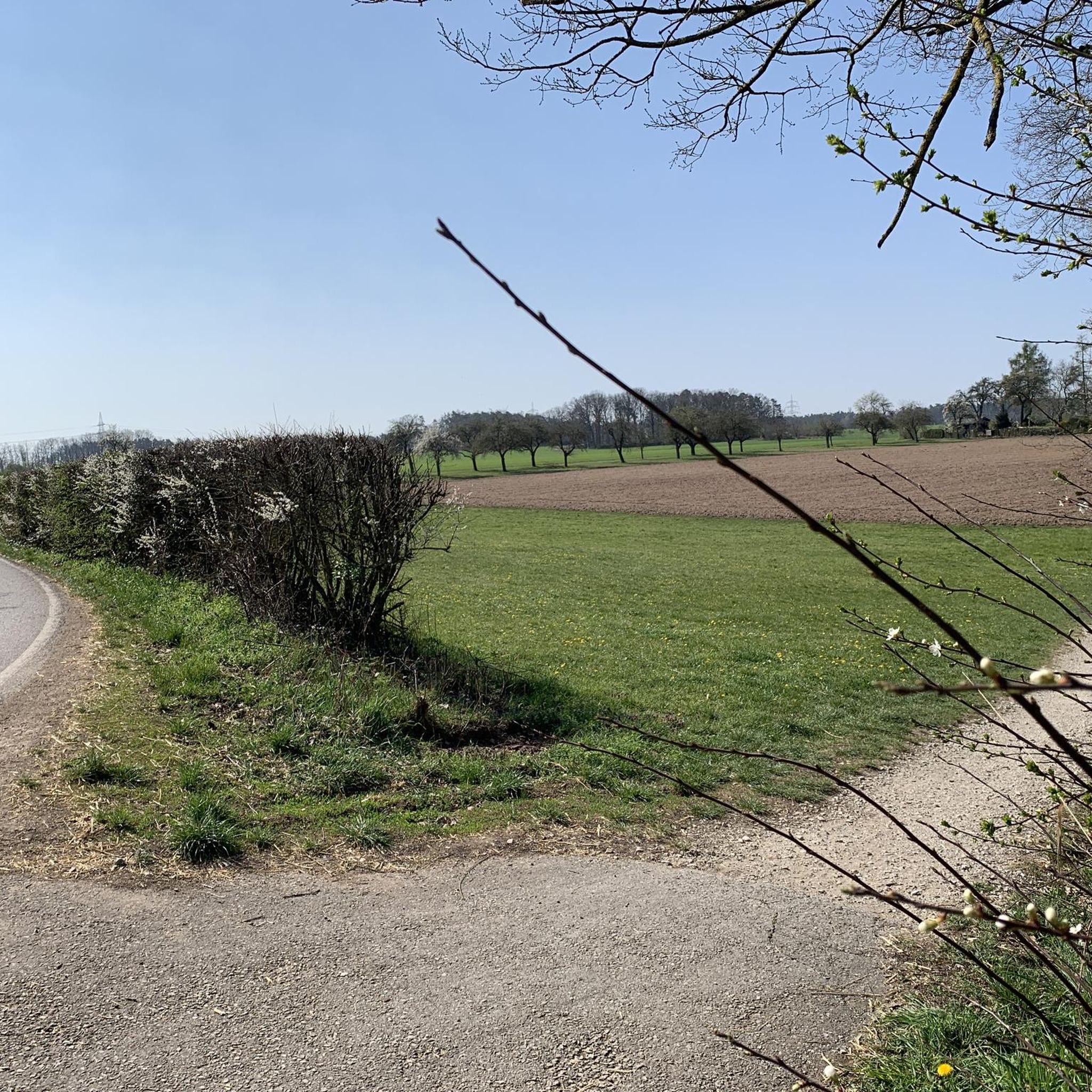
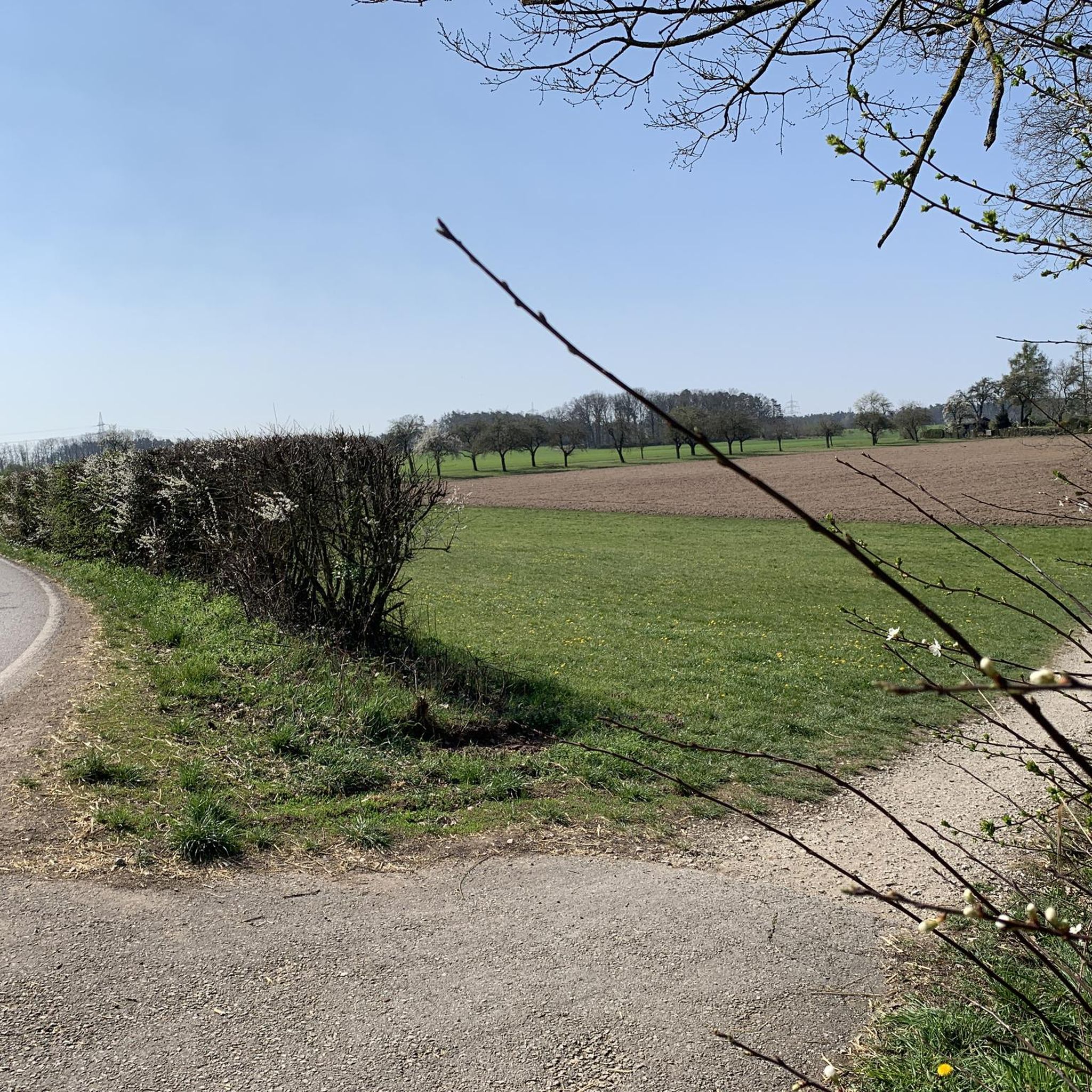
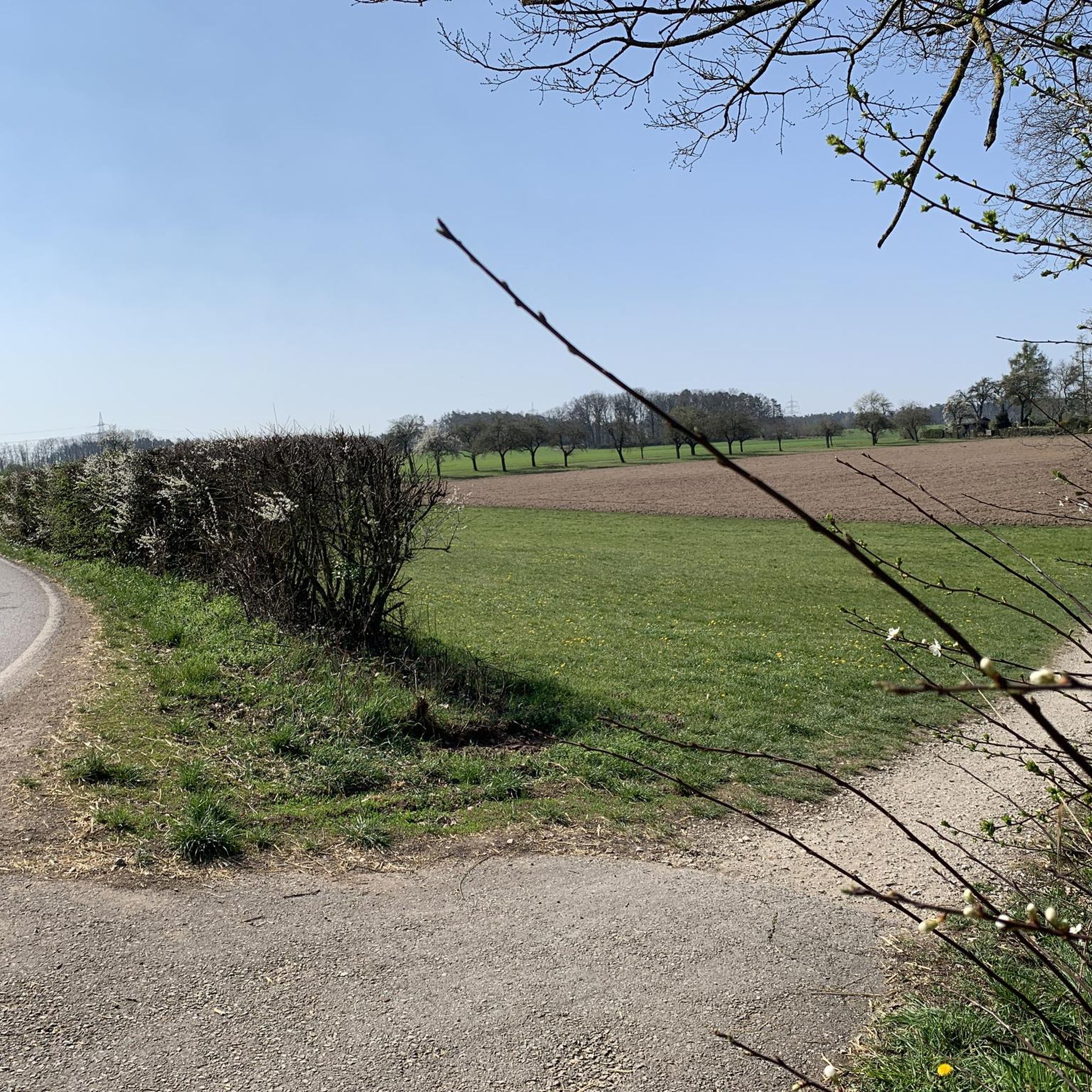
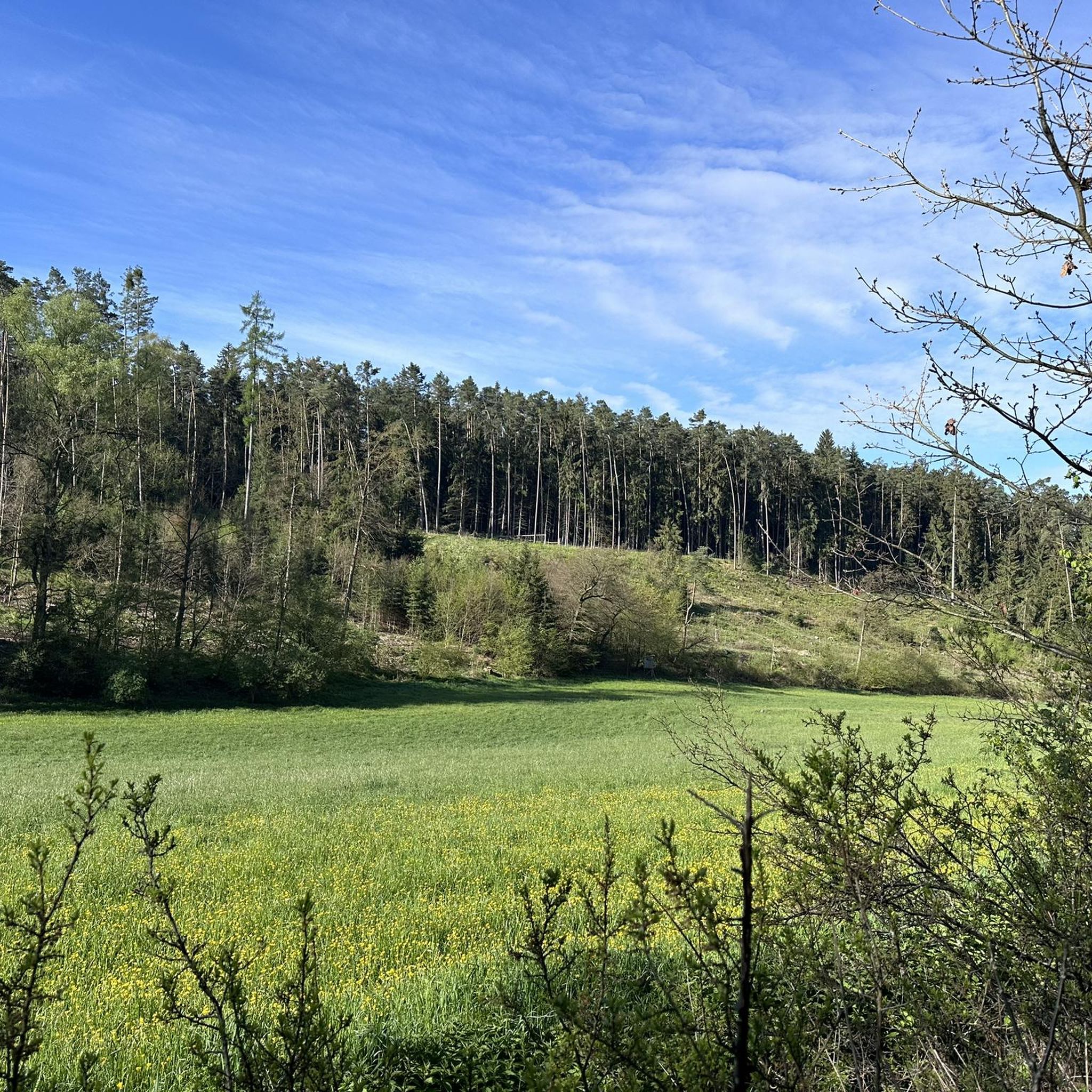

Tips from the Community

Wöhrder See, Nuremberg Wöhrder See, the youngest of Nuremberg's waterways, is a popular local recreation area in the heart of the city, providing a natural habitat for endangered species. It is not a natural lake, but was created by damming the Pegnitz River, which flows through it. The idea for an inner-city lake existed as early as the 1930s. The project was approved for implementation in October 1959. In addition to the City of Nuremberg, the State Water Management Authority and the Middle Franconia District were involved in the planning and construction. Recreational concerns were not the only priority in the design. The lake is also part of the extensive flood protection measures after the Second World War. Construction work began in 1968 with the Lower Wöhrder See and continued until 1972. The sand trap above the waterway was built between 1972 and 1975. The final construction phase of the Upper Wöhrder Lake was completed in 1981. Text / Source: Nürnberg Infos.de / Nürnberger Nachrichten https://nuernberginfos.de/gewaesser-nuernberg/woehrder-see.php
15
0

The **Großer Dutzendteich** in Nuremberg is a beautiful place that is part of the **Volkspark Dutzendteich** recreation area. Here is some interesting information about this picturesque pond: - **Location**: The Große Dutzendteich is located in the **southeast of Nuremberg** and is one of the two largest ponds in this region, along with the Kleiner Dutzendteich. - **Nature**: The ponds are part of a **pond landscape** and are flowed through by the **Fischbach**. They are surrounded by charming scenery that is ideal for walking and relaxation. - **Activities**: - The Volkspark Dutzendteich offers numerous recreational opportunities, including **hiking**, **cycling** and **picnicing**. - There is also a **3.1-kilometer circular trail** that is rated as easy and is great for a relaxed stroll. - **Reviews**: The Great Dutzendteich has an average rating of **4.0** out of **24** reviews, which underlines its popularity among visitors. - **Special features**: The Dutzendteich is not only a place of relaxation, but also a popular venue for various events, including **Rock im Park** and other cultural events.
2
0

From here on, the Rednitz, after it has now absorbed the Pegnitz, is called Regnitz. The point of land to Überplanken certainly has the advantage that you don't have to deal with mud or wild growth. The disadvantage is that the boards, despite the corrugations, quickly turn into a slide as soon as they get wet.
7
0

The water was drained because the algae should no longer multiply.
1
0

Beautiful local recreational destination in the southern part of Nuremberg. Very spacious, close to nature, ideal with children... and also steeped in history!
1
0

The beautiful fountain stands on the edge of Nuremberg's main market square. It is shaped like a Gothic church spire and is one of Nuremberg's main attractions and is also part of the Historical Mile. Legend has it that whoever turns the golden ring on the fountain's grille will have three wishes granted. There is another black ring on the opposite side of the fountain. Some people claim that this is the real lucky ring and that the "golden" one is the tourist ring... Just try it out! 😉
20
4

The view of the National Socialists' Congress Hall - an inglorious period of German history. One cannot remember enough about this time with its many atrocities, oppression and inhumanity.
2
0

The myth of the brass ring, which is seamlessly forged into the iron grate, also has a legend. It is said to have got in like this: Master Kuhn, who built the grate around the well, had a daughter called Margret, who was courted by his apprentice. But because he did not want to give his child to a poor boy, he forbade this courtship and threw him out. It is said to have said something like: "It will come to nothing! It will come to nothing, just as you can make the rings on the well grate turn!" The master then went away and the apprentice wanted to prove that he could do something and secretly made the ring. Then he cut it open, inserted it into the grate, soldered, hammered and filed until you could no longer see the seam. Then he left town and never came back. When the master returned home, he realized that he had been too strict. He regretted being thrown out and would have liked to have the clever apprentice back and given him his daughter too, but it was too late and Margret cried her eyes out. One of the rings is considered a lucky charm; according to legend, whoever turns it will be blessed with children. The brass ring is usually thought to be the lucky charm, but many Nuremberg residents believe that the iron ring is the "real ring" and therefore the lucky charm. According to another legend, the sculpture of the fountain was actually commissioned as the top of the tower of the Frauenkirche (also on the main market), but this was rejected due to the lack of a way to lift it.
13
3
Frequently Asked Questions
What are the primary natural attractions around Oberasbach?
The main natural attractions around Oberasbach are centered around the Rednitzauen nature reserve and the Rednitz River. These areas provide picturesque settings for outdoor activities and experiencing the local riverine landscape. You can find opportunities for hiking, cycling, and canoeing, especially in the summer months.
What are some popular natural monuments to visit near Oberasbach?
Visitors frequently enjoy Wöhrder Lake, which is a local recreation area perfect for a 6.5 km walk with no elevation gain. Another popular spot is the Hainberg Nature Reserve, known for its extensive sandy dry grassland and numerous paths for exploration.
Are there family-friendly natural monuments around Oberasbach?
Yes, several natural monuments are suitable for families. Wöhrder Lake offers an easy 6.5 km walk with no elevation, making it ideal for all ages. The Great Dutzendteich is also an inviting location for walks and events, and the Confluence of the Rednitz and Pegnitz provides an idyllic setting for a family outing.
What kind of outdoor activities can I do near these natural monuments?
The area around Oberasbach offers a variety of outdoor activities. You can enjoy hiking, gravel biking, and running. For hiking, consider routes like the 'Little Bridge over the Bibert – Rednitztalweg loop' or the 'Hainberg Nature Reserve – Forest Playground loop'. Gravel biking options include loops around the Main-Danube Canal or the Biberttalgrund. For running, there are trails within the Hainberg Nature Reserve. You can find more details on these activities in the Hiking around Oberasbach, Gravel biking around Oberasbach, and Running Trails around Oberasbach guides.
What is special about the Hainberg Nature Reserve?
The Hainberg Nature Reserve is notable for hosting the largest contiguous sandy dry grassland in northern Bavaria. It features many paths for exploration and is part of the Sandachse Franken nature conservation project. Historically, it was also a training ground for the US Army and Bundeswehr, with 195 hectares now managed as a natural heritage area.
Can I go canoeing on the Rednitz River?
Yes, the Rednitz River, a defining natural feature of Oberasbach, offers opportunities for canoeing, particularly during the summer months. It flows about 10 kilometers southwest of Nuremberg and is hydrographically considered the upper reaches of the Regnitz River.
What do visitors enjoy most about the natural monuments around Oberasbach?
Visitors appreciate the opportunities for nature enjoyment without traveling far. Many find the areas like Wöhrder Lake to be lovely local recreation spots, perfect for walks and sports. The scenic trails and idyllic settings, such as the Confluence of the Rednitz and Pegnitz, are also highly valued for their tranquility and natural beauty.
Are there any historical sites near the natural monuments?
Yes, the Great Dutzendteich offers views of historical sites, including the congress hall and Zeppelinfeld, giving the area a special atmosphere. Additionally, the Beautiful Fountain, while a man-made monument, is a significant historical attraction in nearby Nuremberg, known for its Gothic church spire design and local legends.
What is the 'Spitz' and where is it located?
The 'Spitz' is the colloquial name for the Confluence of the Rednitz and Pegnitz rivers. It's a very idyllic spot where the two rivers meet to form the Regnitz River. It's a popular place to visit in both spring and summer.
What is the best time to visit the natural monuments around Oberasbach?
The natural monuments around Oberasbach, particularly the Rednitzauen nature reserve and the Rednitz River, are especially appealing in the summer. This season offers ideal conditions for hiking, cycling, and canoeing. However, the idyllic settings are enjoyable in spring as well.
Are there any natural monuments that are suitable for wheelchair users?
While specific natural monuments are not explicitly listed as wheelchair accessible, the Beautiful Fountain in nearby Nuremberg is categorized as wheelchair accessible. For natural areas, it's advisable to check local conditions for paths and trails, as many natural reserves may have varied terrain.
What kind of wildlife can I expect to see in the natural areas?
The Rednitzauen nature reserve and the Hainberg Nature Reserve are important natural habitats. The Hainberg, for instance, is designated as a bird protection zone, suggesting a variety of bird species. The riverine landscapes generally support diverse flora and fauna typical of central European river valleys.
Most popular routes around Oberasbach
Most popular attractions around Oberasbach

Get inspired with the komoot mobile app


Explore more
Extend your search for the best caves by checking out these guides of the top ones around Oberasbach:
