Top 18 Natural Monuments around Schierling
Best natural monuments around Schierling include ancient trees and unique natural areas. This market town in Bavaria, Germany, offers a landscape characterized by its natural heritage. Visitors can explore a variety of natural attractions, from historic oaks to landscaped parks. The region provides opportunities to experience diverse natural features.
Best natural monuments around Schierling
- The most popular natural monument is St. Wolfgang's oak, a natural monument that is estimated to be over 1,000 years old. This ancient oak is…
Last updated: October 11, 2026
St. Wolfgang's oak
Highlight • Natural Monument
Translated by Google •
Tip by

Spa Park Bad Abbach
Highlight • Natural
Translated by Google •
Tip by

Sign up now to discover places like this
Get recommendations on the best single tracks, peaks, & plenty of other exciting outdoor places.
Einsiedelei Frauenbründl
Highlight • Religious Site
Showing Translation
Tip by

Thousand-Year-Old Oak
Highlight • Natural Monument
Translated by Google •
Tip by

Bildeiche near Höhenhof
Highlight • Natural Monument
Translated by Google •
Tip by

Sign up for free to discover even more natural monuments around Schierling.
Already have an account?
Start today with a free account
Your next adventure awaits.
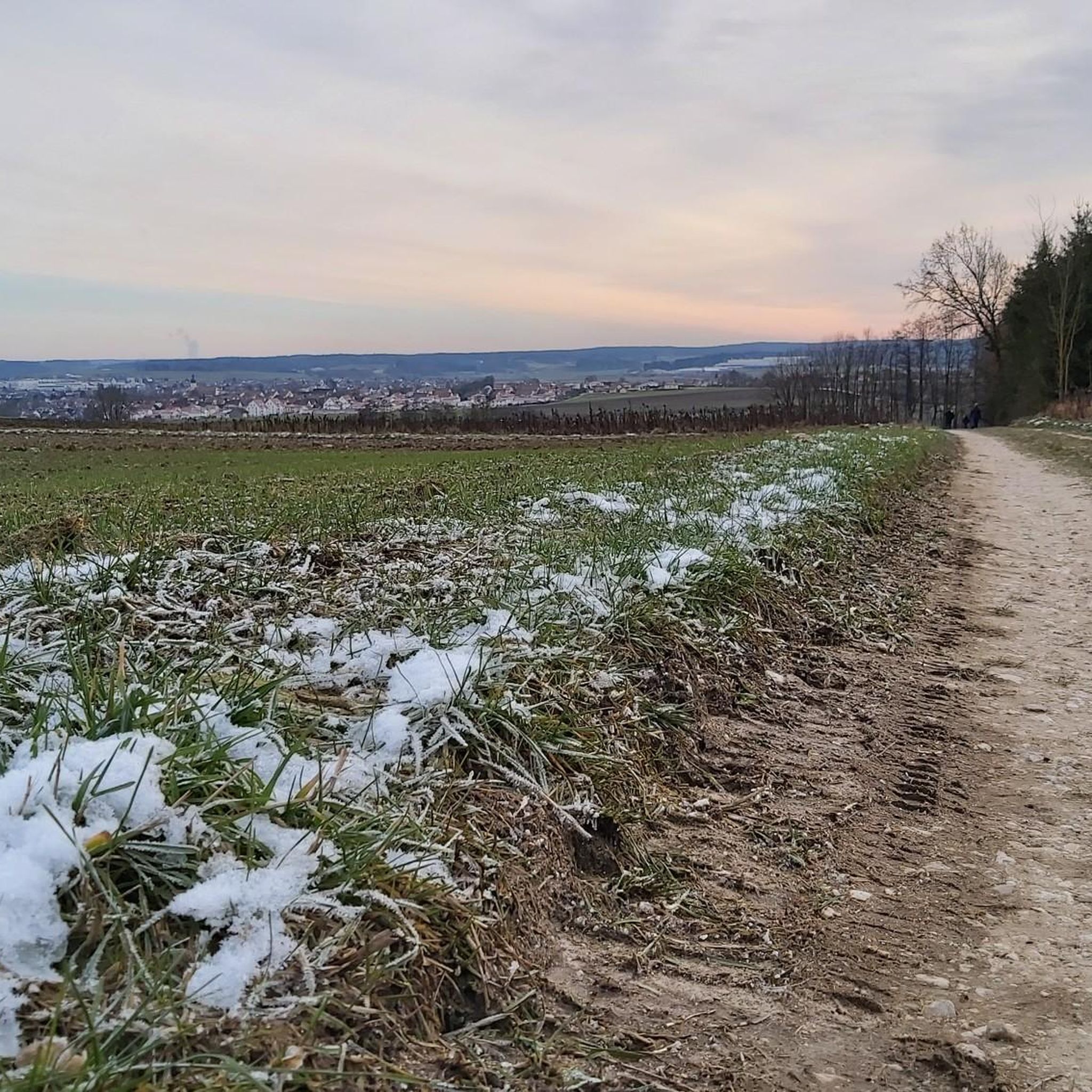
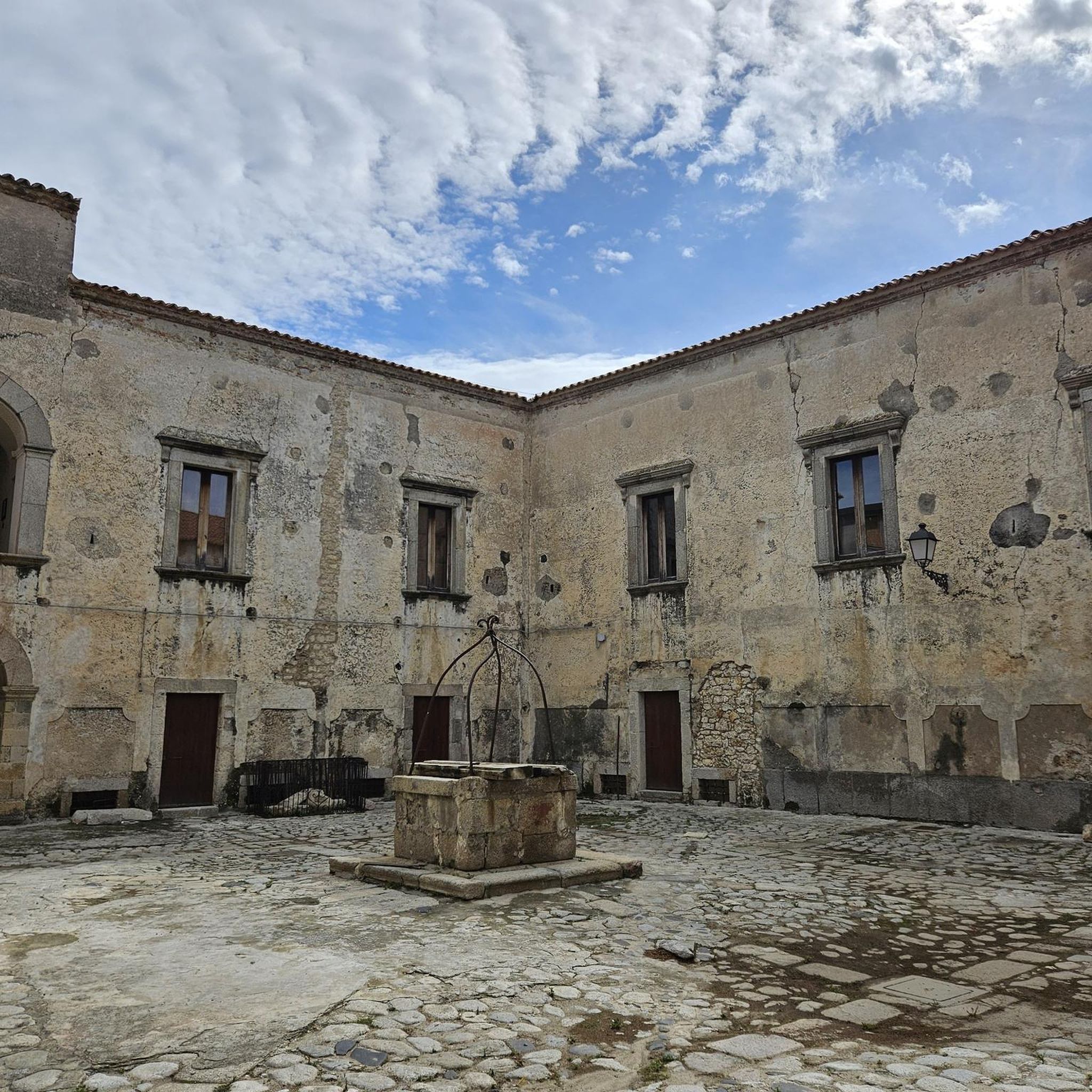
Tips from the Community

Added to the collection: komoot.com/de-de/collection/3600632/-naturdenkmaeler-besondere-baeume-und-weitere-schaetze-der-natur
1
0
Added to the collection: https://www.komoot.com/de-de/collection/3600632/-naturdenkmaeler-besondere-baeume-und-weitere-schaetze-der-natur
2
0

The Frauenbründl is a Marian pilgrimage church with a holy spring. Further information about this can be found in the highlight, the photos, and the following links: https://www.herzstueck.bayern/attraktion/wallfahrtskirche-frauenbruendl-f676762b3c https://www.tvaktuell.com/cmms-embed/12681
1
0
The Frauenbründl is a Marian pilgrimage church with a healing spring. Further information about it can be found in the highlight, the photos, and the following links: https://de.wikipedia.org/wiki/Zur_Schmerzhaften_Muttergottes_(Frauenbr%C3%BCndl) https://www.tvaktuell.com/cmms-embed/12681
2
0

Pilgrimage Church Frauenbründl The pilgrimage church Frauenbründl, also called Marienbründl, is located between Bad Abbach and the district of Saalhaupt and has a long history dating back to the 15th century. The history of Frauenbründl begins around 1700, when the former mercenary Georg Pfandstetter settled as a hermit near the five springs. He brought a Pietà from Umbria in Italy and attached it to a Marterl (way-side shrine). The baroque church we see today was originally built as a chapel between 1725 and 1726. Before that, there was a wooden field chapel on this site. Particularly noteworthy is a spring on the outside of the choir, to which special healing powers are attributed. As early as the 15th century, people with eye ailments made pilgrimages to this spring in the hope of healing. A legend tells of a man who was almost blind, came to the spring, washed his eyes with the water, prayed before the Marterl, and was then able to see again. This miracle founded the pilgrimage tradition that continues to this day. The history of Frauenbründl is characterized by devotion and the will to preserve. After secularization, the church was saved from demolition by Freifrau von Bechtoldsheim in 1821 and transferred back to the possession of the hermits in 1858. The later Bishop Georg Michael Wittmann regularly spent his spiritual retreats here between 1800 and 1832, underscoring the spiritual significance of the place. As early as the 1920s, the pharmacist and chairman of the Abbach Historical Association, Maximilian Hengge, enthused in his "Führer durch Abbach und Umgebung" (Guide to Abbach and its surroundings) about the beauty of Frauenbründl's location and surroundings: "The hermitage (...) is frequently visited by summer guests. The path to the "Marienbrünnl" or the "Frauenbrünnl", which lies on the edge of a magnificent fir forest, is one of the most beautiful in the Abbach area in the late afternoon at sunset." The candle chapel was established after a fire in 1987. The large Marian image is a print by the French painter William Adolphe Bouguereau. Source: www.bad-abbach.de
3
0
St. Wolfgang's Oak - Neueglofsheim The St. Wolfgang's Oak stands near Schloss Haus, near Neueglofsheim. The oak stands in a meadow next to a dirt road. It is one of the largest oaks in Bavaria. A horizontal branch has been supported by wooden posts towards the dirt road for over 100 years. In 1905, the trunk circumference was 8 m at a height of 1 m. According to legend, Saint Wolfgang preached eloquently from this branch. The monumental trunk is very irregular and has strong growths in the lower area. On one side, the trunk has an oval opening that comes from a branch breaking a long time ago. The oak burned in 1878 and 1909. In 1909, it burned on St. Wolfgang's Day. The crown is formed by a few, quite large branches. Holes can be seen everywhere in the branches, which come from smaller branches that have broken off. The vitality is still quite good considering the relatively old age of the oak. Height: 385 m above sea level Tree species: Pedunculate oak Age: around 500 years Chest height: 9.80 m Waist circumference: 9.03 m Height of the tree: 18 m Crown diameter: 15 m Year of measurements: 2021 Source: www.monumentale-eichen.de
7
0

3
0
ND-Nr. 46 (running number in the LKR Regensburg) Interesting web links: https://www.monumentale-eichen.de/bayern/schloss-haus/ https://de.m.wikipedia.org/wiki/Sankt-Wolfgangs-Eiche https://www.baumkunde.de/baumregister/1555-sankt_wolfgangs_eiche_bei_schloss_haus/ https://nationalerbe-baeume.de/project/wolfgangseiche-thalmassing-bei-regensburg-bayern/
8
0
Frequently Asked Questions
What are some of the most notable natural monuments around Schierling?
The region around Schierling is home to several impressive natural monuments. Among them is the ancient St. Wolfgang's Oak, estimated to be over 1,000 years old and still remarkably vital. Another significant spot is the Thousand-Year-Old Oak near Arnkofen, a healthy ancient tree that is a registered natural monument. Visitors also appreciate the Spa Park Bad Abbach, which features natural monument characteristics within a beautifully landscaped setting.
Are there family-friendly natural monuments to visit near Schierling?
Yes, several natural monuments around Schierling are suitable for families. The St. Wolfgang's Oak offers shady seating areas, perfect for a relaxing stop. The Spa Park Bad Abbach is also family-friendly, providing a pleasant environment for relaxation. Additionally, the Bildeiche near Höhenhof is a beautiful old oak that can be enjoyed by all ages.
What kind of natural features can I expect to see in the Schierling area?
Schierling is particularly known for its ancient oaks, which are often designated as natural monuments due to their age and significance. Beyond these impressive trees, you can find landscaped parks like the Spa Park Bad Abbach, offering serene natural settings. The region's landscape is characterized by its natural heritage, providing diverse natural features to explore.
What is the best time of year to visit the natural monuments around Schierling?
The natural monuments around Schierling, especially the ancient oaks, can be enjoyed year-round. However, spring and autumn offer particularly pleasant conditions for walks, with milder temperatures and beautiful foliage. During summer, the shady seating areas around trees like the St. Wolfgang's Oak provide a welcome respite from the sun. Winter visits can offer a unique, tranquil experience, though some paths might be less accessible depending on snow conditions.
Are there any historical or cultural sites near the natural monuments?
Yes, the region offers a blend of natural and historical interest. For instance, the Celtic Square Enclosure is an impressive historical site hidden in the forest, with visible ramparts. While primarily a natural monument, the St. Wolfgang's Oak also has historical legends associated with it, including Saint Wolfgang preaching from its branches.
What outdoor activities can I do near these natural monuments?
The area around Schierling offers various outdoor activities. You can find numerous running trails, with options like the 'Schierling Castle loop' or 'Running loop from Obermühle' available. For cyclists, there are diverse routes, including 'Vogelhotel Observation Tower – Neueglofsheim Castle loop' and longer tours. Mountain biking enthusiasts can explore trails such as 'Bikepark Langquaid Pumptrack – St. Georg Chapel loop'. You can find more details on these activities in the dedicated guides for Running Trails around Schierling, Cycling around Schierling, and MTB Trails around Schierling.
Are there hiking trails that incorporate the natural monuments?
While specific hiking trails directly linking all natural monuments aren't detailed, many of these sites are accessible via local paths and routes. For example, the St. Wolfgang's Oak is situated next to a dirt road, making it easy to incorporate into a walk. You can explore various routes in the area through the Running Trails around Schierling guide, which often overlap with walking paths.
What do visitors enjoy most about the natural monuments in Schierling?
Visitors frequently appreciate the impressive age and vitality of the ancient oaks, such as the St. Wolfgang's Oak and the Thousand-Year-Old Oak, often noting the peaceful atmosphere and shady seating areas. The beautifully landscaped Spa Park Bad Abbach is also highly rated for its relaxing environment and the opportunity to unwind.
Are there any unique geological features to observe?
While the primary natural monuments are ancient trees, the broader Schierling area is part of a landscape with diverse natural features. The region is known for its unique natural areas, which can include subtle geological formations that contribute to the local ecosystem. The Celtic Square Enclosure, though historical, is a feature within the natural landscape that shows how ancient cultures interacted with the terrain.
Is public transport available to reach natural monuments near Schierling?
Information on specific public transport routes directly to each natural monument is not readily available. However, Schierling itself is a market town in Bavaria, Germany, and local bus services typically connect it to surrounding villages. It is advisable to check local public transport schedules for connections to the vicinity of the monuments you wish to visit, as some might require a short walk from the nearest stop.
Are there any natural monuments that are easily accessible or wheelchair-friendly?
The Spa Park Bad Abbach is noted as being wheelchair accessible, making it a good option for visitors seeking easy access. For other natural monuments, accessibility can vary, but many ancient trees are often located near paths or roads, which might offer relatively easy access, though specific wheelchair accessibility is not always guaranteed for all sites.
Can I find cafes or pubs near the natural monuments for refreshments?
While specific cafes or pubs directly adjacent to every natural monument are not listed, the market town of Schierling and nearby villages will offer dining and refreshment options. For example, the Spa Park Bad Abbach is close to amenities, including the Kaiser-Therme, where you can find facilities for relaxation and refreshments. It's recommended to check local listings for establishments in the immediate vicinity of your chosen monument.
Most popular routes around Schierling
Most popular attractions around Schierling

Get inspired with the komoot mobile app


Explore more
Extend your search for the best caves by checking out these guides of the top ones around Schierling:
