Top 20 Natural Monuments around Fremdingen
Best natural monuments around Fremdingen are shaped by significant geological events, primarily the Nördlinger Ries impact crater. This area in the Donau-Ries region of Bavaria, Germany, features a landscape influenced by a meteorite impact approximately 14.5 million years ago. The Nördlinger Ries, with a diameter of 25 kilometers, is one of Europe's best-preserved impact craters, offering a distinct landscape for exploration. The region also includes witness mountains like the Hesselberg, providing insights into the area's geological past.
Best natural monuments…
Last updated: June 24, 2026
Hesselberg Summit
Highlight • Summit
Translated by Google •
Tip by

Wunibald Spring
Highlight • Rest Area
Translated by Google •
Tip by

Sign up now to discover places like this
Get recommendations on the best single tracks, peaks, & plenty of other exciting outdoor places.
Sign up for free
Hesselberg South Side
Highlight • Viewpoint
Translated by Google •
Tip by

Jagst Spring
Highlight • River
Translated by Google •
Tip by

Römerpark Ruffenhofen
Highlight • Historical Site
Translated by Google •
Tip by

Sign up for free to discover even more natural monuments around Fremdingen.
Sign up for free
Already have an account?
Start today with a free account
Your next adventure awaits.
Login or Signup
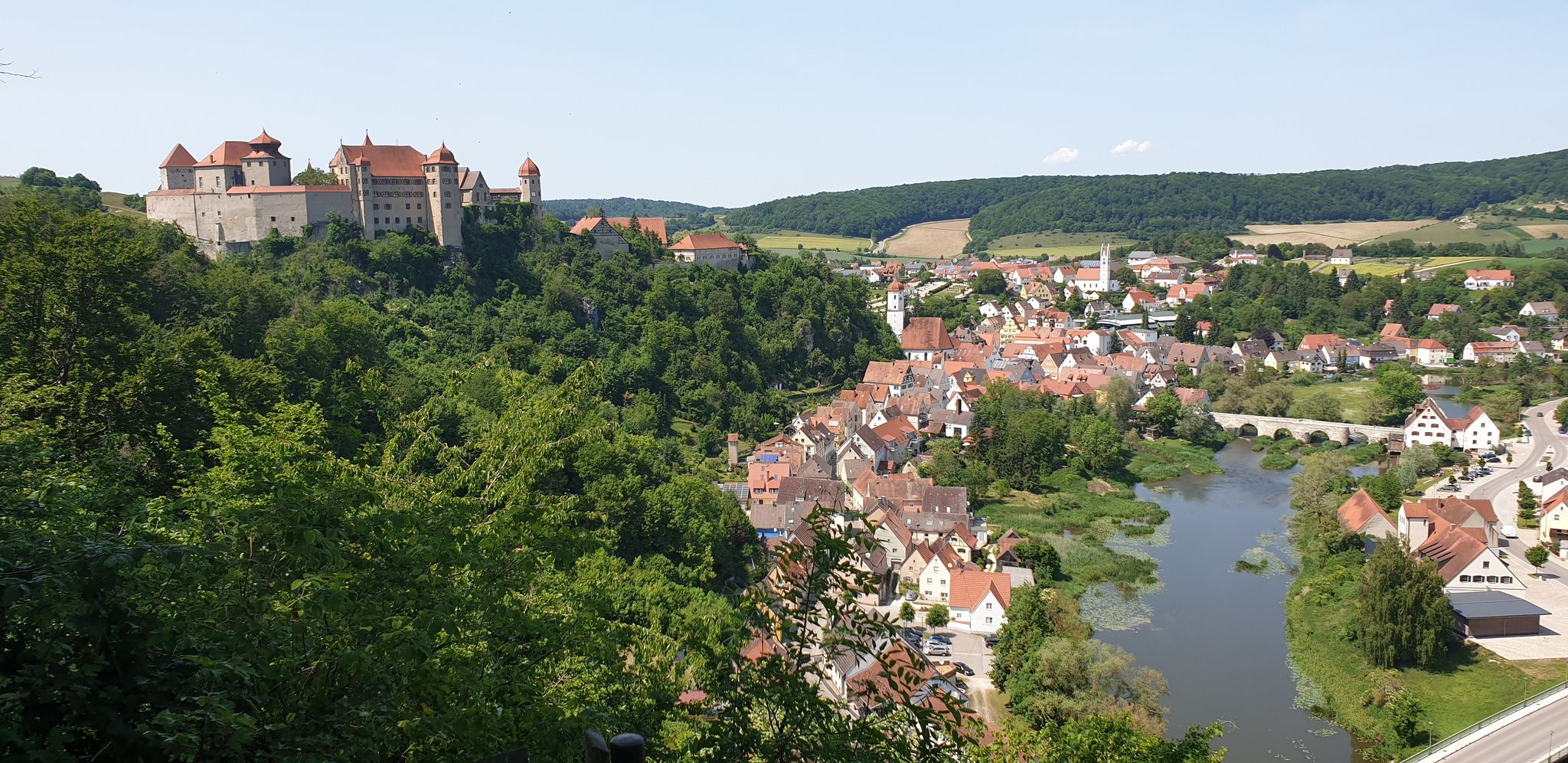
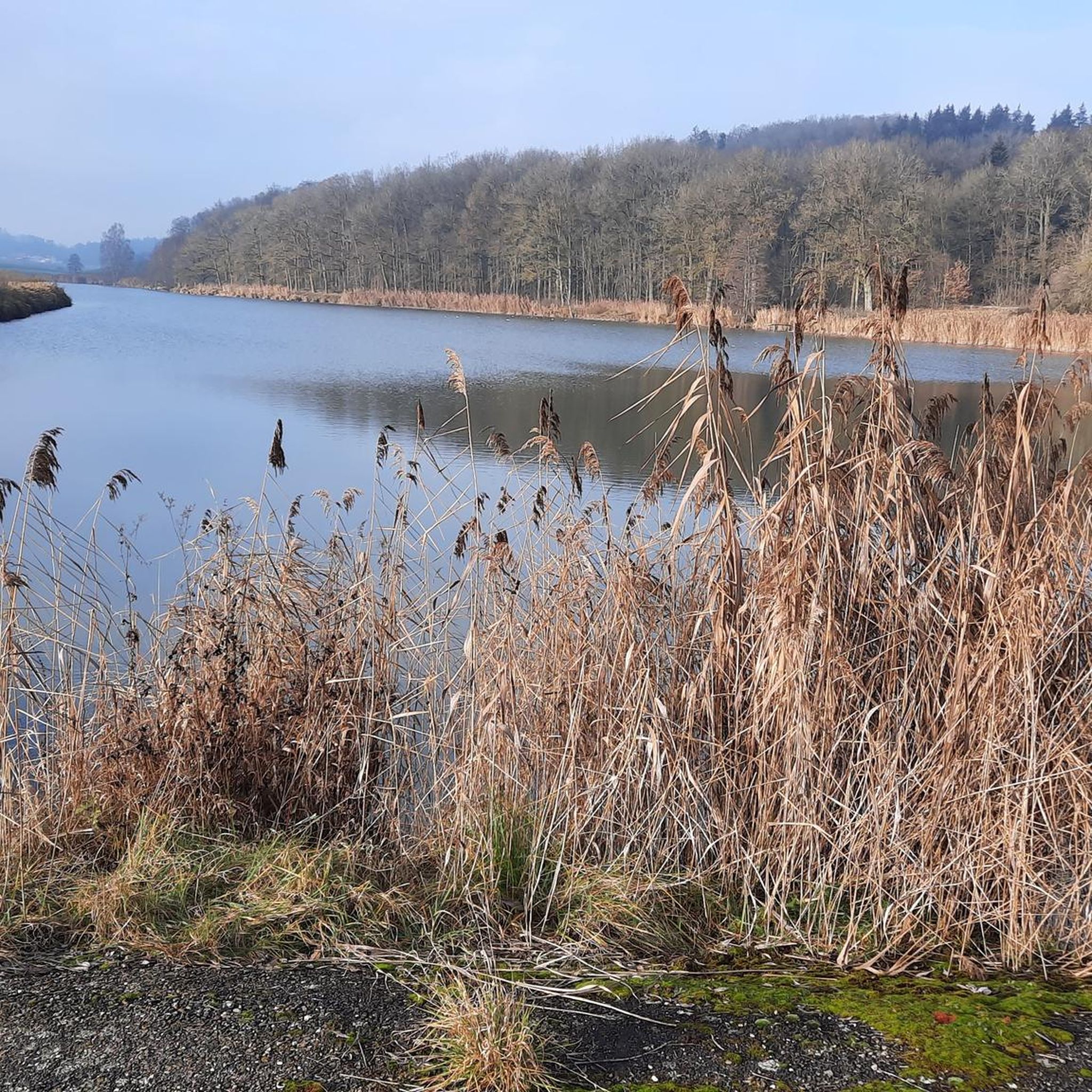
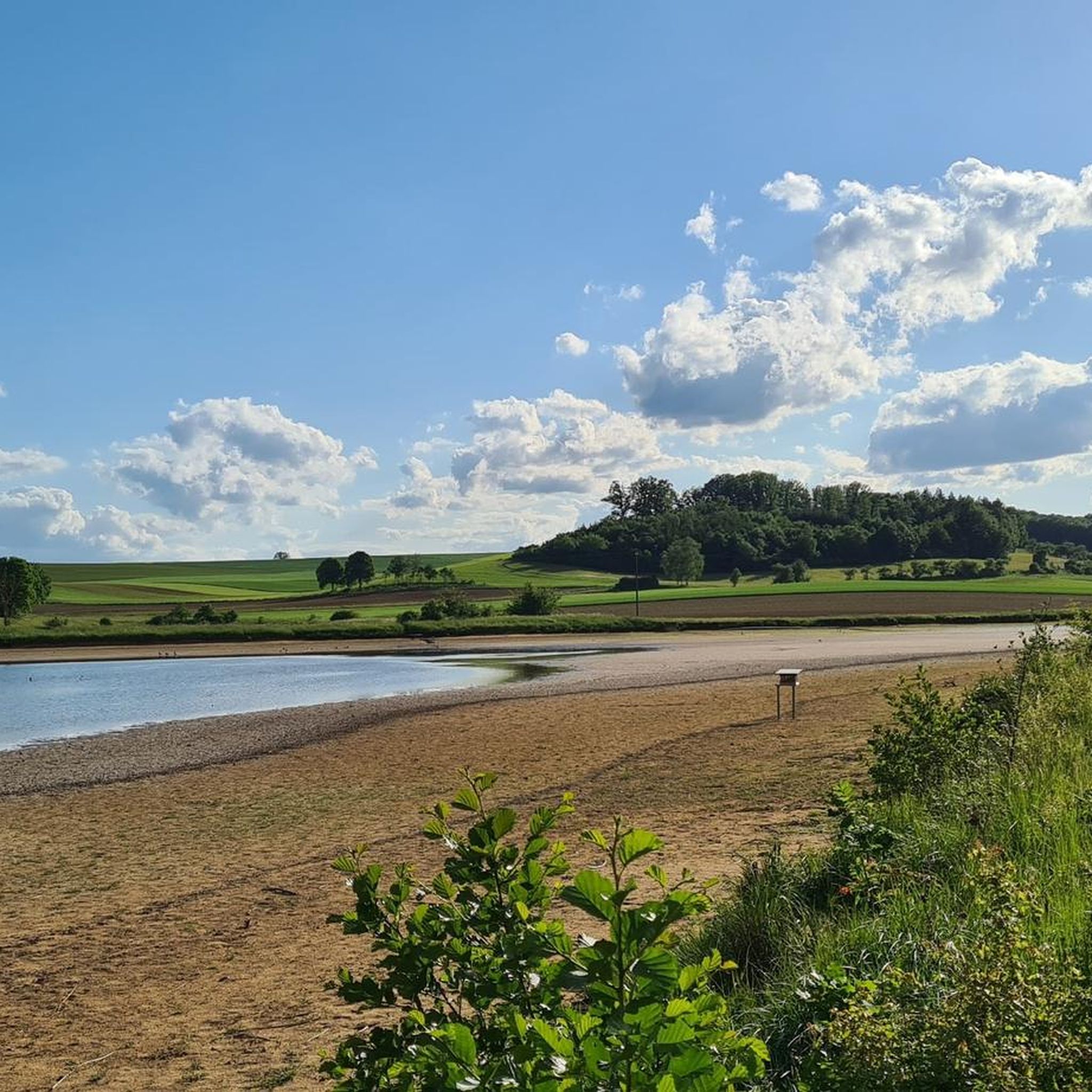

Other adventures around Fremdingen

Tips from the Community

A great place to relax. There is a Kneipp pool for treading water and a small pool for your arms. Wonderfully fresh spring water comes out of the tap WITHOUT the typical German sign "Not drinking water". There is enough space on the lawn for a picnic without being disturbed. And right at the back in the corner there is a place for open-air church services.
1
0

Great well-maintained facility. Church services and, above all, baptisms often take place here.
0
0

This labyrinth is not an ancient building structure. It was built as part of an international work camp in July 2009 in the Römerpark and is intended for relaxation.
2
0
Since 2020 you can also visit a Roman-style garden in the park. Together with the rear facade of a Roman strip house, a view of the Roman vicus of Ruffenhofen is possible. The facade was built in cooperation with the Jugendbauhütte Regensburg and presented for the first time with the Roman kitchen garden at the Wassertrüdingen State Garden Show 2019. Smaller excavations were carried out at the end of the 19th century by Wilhelm Kohl, route commissioner of the Reich Limes Commission. His published results formed the current state of research until the late 1970s. Since then, aerial archeology has been able to contribute new insights into the Limes fort, its structure and the surrounding camp village (vicus). With the help of geophysical prospections by the Bavarian State Office for Monument Preservation, an overall plan of the facility was created. In the summer of 2005, the association carried out another excavation in the area of the fort wall. Source: Wikipedia
3
0
At the foot of the hill there is a replica of the fort (mini fort) on a scale of 1:10.
2
0

The park is freely accessible. The actual fort has been made visible again today with bushes and markings. The mini fort is a nasty trap. It impressively shows what it looked like here 1800 years ago. Unfortunately it's very impressive from far away, but it gets smaller and smaller from close up. 😄
3
0

https://limeseum.de/de/der-roemerpark The Roman Park is freely accessible and free of charge.
11
0

With its 20x20m, the labyrinth has an impressive 400m path that winds through the pattern without any wrong paths.
2
0
Frequently Asked Questions
What are the most popular natural monuments around Fremdingen?
The most popular natural monuments in the area include Hesselberg South Side, which offers magnificent views and insights into the region's geological history. Another highly rated spot is Hesselberg Summit, the highest elevation in Central Franconia, providing panoramic vistas. Visitors also appreciate Wunibald Spring for its developed facilities, including Kneipp pools and a shady area for relaxation.
What makes the natural monuments around Fremdingen unique?
The natural monuments around Fremdingen are primarily shaped by the Nördlinger Ries impact crater, a 25-kilometer diameter formation resulting from a meteorite impact 14.5 million years ago. This makes the landscape geologically unique. Additionally, witness mountains like the Hesselberg stand out, offering insights into the Franconian Jura's geological past and providing distinct features in the landscape.
Are there family-friendly natural monuments around Fremdingen?
Yes, several natural monuments are suitable for families. The Hesselberg Summit offers accessible paths and great views. Wunibald Spring is a well-maintained facility with Kneipp pools, perfect for a refreshing break. The Jagst Spring features a barbecue area and benches, making it a pleasant spot for children, though the spring can be dry in hot seasons. The Geological Nature Trail Hesselberg is also designed to be engaging for all ages.
What kind of geological features can I explore?
You can explore a range of geological features, most notably the Nördlinger Ries impact crater, which defines much of the region's landscape. The Hesselberg, a prominent witness mountain, showcases rock layers formed over 200 million years, including Black, Brown, and White Jura. The Geological Nature Trail Hesselberg provides 15 'windows into the history of the earth' with information boards, earth outcrops, and fossils.
Are there hiking trails near these natural monuments?
Yes, the area offers various hiking opportunities. The Geological Nature Trail Hesselberg is a 3 km route that takes about 1.5 hours, offering educational insights into the region's geology. For more extensive hiking, you can find numerous trails around the Hesselberg, many of which offer magnificent views. You can explore more options in the Running Trails around Fremdingen guide.
What outdoor activities can I do near the natural monuments?
Beyond exploring the natural monuments themselves, the region around Fremdingen is excellent for various outdoor activities. You can find numerous road cycling routes, such as the 'Wörnitz bridge near Ruffenhofen – Hesselberg Summit loop'. There are also running trails, including loops from Fremdingen and Maihingen. For mountain biking enthusiasts, the MTB Trails around Fremdingen guide offers routes like 'Ulrichsweiher – View of Hesselberg loop'.
What are the best times to visit the natural monuments around Fremdingen?
The natural monuments can be visited year-round. Spring and autumn offer pleasant temperatures for hiking and exploring the geological trails, with vibrant foliage or blooming landscapes. Summer is ideal for enjoying facilities like the Kneipp pools at Wunibald Spring, though some springs like Jagst Spring might be dry during prolonged hot periods. Winter can offer unique, serene experiences, especially on the Hesselberg, though some trails might require appropriate gear.
Can I find places for rest and relaxation at these sites?
Yes, Wunibald Spring is specifically designed for rest and relaxation, featuring Kneipp pools and a shady area. The Jagst Spring also offers a nicely laid out area with benches and a barbecue spot, perfect for a break, even if the spring itself is dry.
What kind of views can I expect from the Hesselberg?
From the Hesselberg, you can expect magnificent panoramic views. Hesselberg Summit, as the highest elevation in Central Franconia, offers expansive vistas of the surrounding landscape. The Hesselberg South Side also provides stunning outlooks, allowing you to appreciate the unique geological formations and the vastness of the region.
Are there any historical aspects connected to the natural monuments?
While primarily natural, the Hesselberg has historical significance. It served as a political meeting place during the Nazi era, hosting large rallies until 1939. Since 1951, it has been in church hands and is a venue for the Bavarian Evangelical Church Congress. The geological history itself, spanning millions of years, also offers a deep historical context to the landscape.
What do visitors enjoy most about the natural monuments around Fremdingen?
Visitors particularly enjoy the magnificent views from spots like the Hesselberg South Side and Hesselberg Summit. The well-maintained facilities and cooling off opportunities at Wunibald Spring are also highly appreciated. Many find the geological insights offered by the Hesselberg's rock layers and the Geological Nature Trail to be very engaging.
Most popular routes around Fremdingen
Most popular attractions around Fremdingen

Get inspired with the komoot mobile app


Explore more
Extend your search for the best caves by checking out these guides of the top ones around Fremdingen:
