Top 20 Natural Monuments around Fürstenstein
Best natural monuments around Fürstenstein are found within the Bavarian Forest, a region characterized by dense forests and scenic river valleys. This area offers a natural landscape for outdoor exploration. Fürstenstein provides numerous opportunities to experience its geological features and diverse natural settings. The region's natural monuments offer points of interest for hikers and nature enthusiasts.
Best natural monuments around Fürstenstein
- The most popular natural monument is Wackelstein (Rocking Stone), a natural monument that features a large stone balancing on another, capable of being moved by a single person. This geological phenomenon is a result of weathering processes.
- Another must-see spot is Little stone chapel, a natural monument with impressive stone formations. Visitors can explore between the rocks to find a small altar inside.
- Visitors also love Riverside rest area at the confluence of the Wolfsteiner Ohe and the Ilz, a river location offering a scenic spot for a break. This area provides views of the converging rivers within a beautiful landscape.
- Fürstenstein is known for its unique rock formations, river landscapes, and forest trails. The area offers a variety of natural monuments to see and explore, from geological curiosities to serene riverside spots.
- The natural monuments around Fürstenstein are appreciated by the komoot community, with over 500 upvotes and 305 photos shared across 6 highlights.
Last updated: June 24, 2026
Wackelstein (Rocking Stone)
Highlight • Natural Monument
Translated by Google •
Tip by

Little stone chapel
Highlight • Natural Monument
Translated by Google •
Tip by

Sign up now to discover places like this
Get recommendations on the best single tracks, peaks, & plenty of other exciting outdoor places.
Sign up for free
Translated by Google •
Tip by

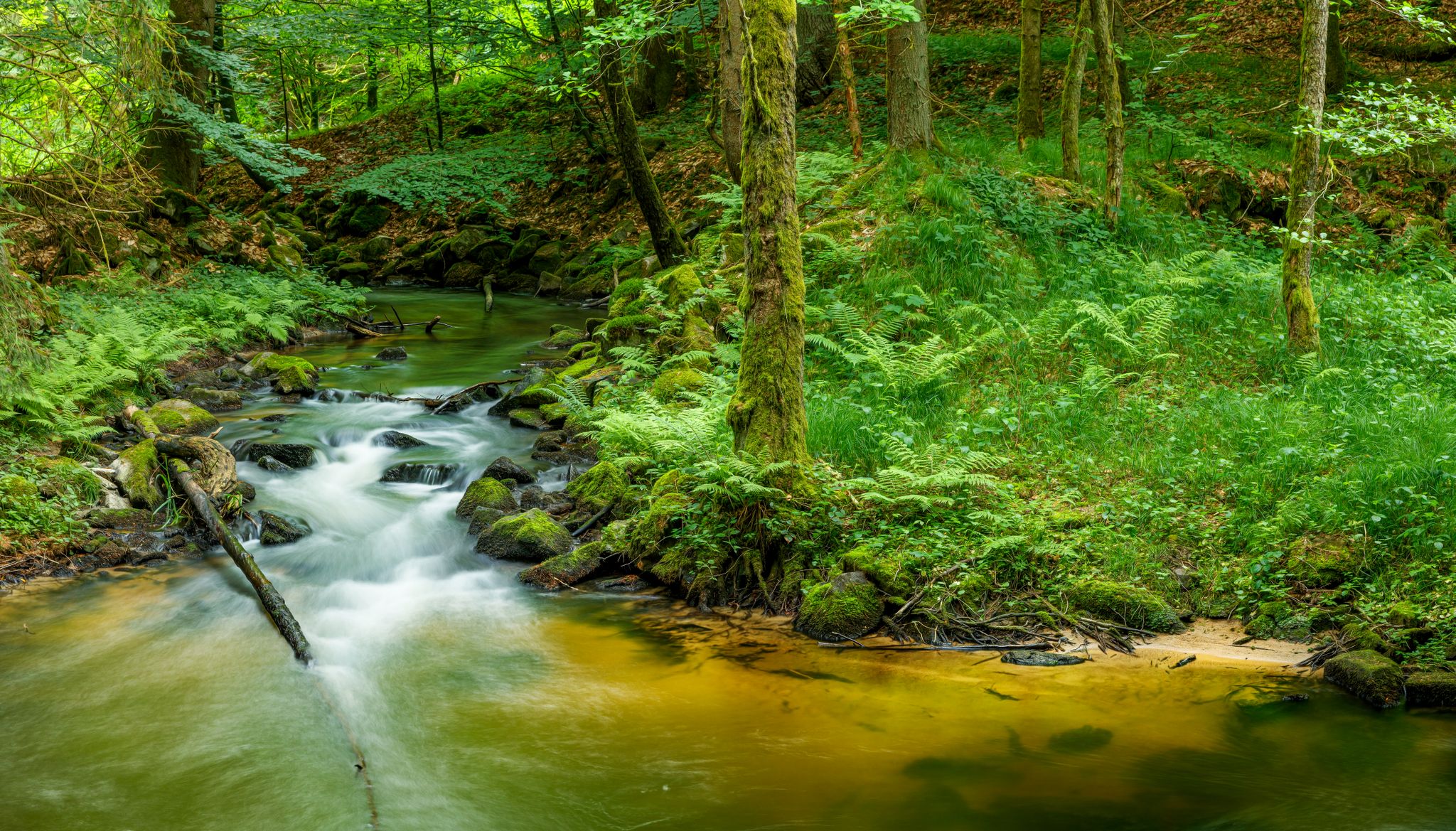
Ilz Trail in the Obere Ilz Nature Reserve
Highlight • Trail
Translated by Google •
Tip by

Diebstein
Highlight • Natural Monument
Translated by Google •
Tip by

Sign up for free to discover even more natural monuments around Fürstenstein.
Sign up for free
Already have an account?
Start today with a free account
Your next adventure awaits.
Login or Signup
Other adventures around Fürstenstein

Tips from the Community

Geological observation Numerous rock outcrops with strong "Wollsack" weathering can be found in the entire area. During the Tertiary period, the rock was deeply weathered. Only in the area of more compact granite domes could the weathering not progress so quickly. During the Quaternary period, the weathered layers were eroded. Only the intact rock areas remained. The rock ensemble of rounded granite blocks near the "Steinernes Kirchlein" forms small hollows, niches, and rock passages. Bavarian State Office for the Environment (LfU). https://www.umweltatlas.bayern.de/standortauskunft/rest/reporting/sb_geotope/generate?additionallayerfieldvalue=272R028
0
0

The starting point of the four-kilometer hike with 150 meters of elevation gain is the hiking car park in Entschenreuth (Zum Wackelstein, 94163 Saldenburg-Entschenreuth). There is also a bus stop in the village. We follow the well-signposted circular hiking trail 84 for the entire tour. From the car park, we begin the hike on a forest path toward the edge of the forest. Right at the beginning, we pass a meadow with numerous knapweeds, which bloom well into autumn. If you look closely, you can see that the bright pink blossoms are surrounded by brown, scaly bracts, which together look a bit like a pineapple. After a few hundred meters, the path branches off to the left into the forest. From here, it's a steady climb, with some very steep sections awaiting us on the way to the Wackelstein. At the edge of the forest, you can hear a veritable concert of birds, and the call and song of a coal tit mingles with the great tits. At first, the forest is particularly idyllic, with numerous pines mingling with the beeches and spruces. A closer look at the forest floor is also worthwhile, as the heather is currently in bloom here. Gradually, the path becomes steeper and steeper, and after a while, the pines give way to a beech forest with large, moss-covered stones. Once at the top, it's worth taking a detour to the right to the wobbling stone. Can you make the stone, which weighs an estimated 50 tons, wobble? It's worth trying! The information board there tells you all about the origins of such natural phenomena. After this detour, we head back west, continuing along the Red 84 trail. Now the path descends steeply and gently. After a quarter of an hour, we pass an impressive rock formation, the Stone Church. Once at the bottom, we rejoin the same forest path at the edge of the forest, which we follow back to the parking lot. https://www.bayerischer-wald.de/aktivitaeten/wandern/wandertipps/zum-wackelstein-bei-entschenreuth
3
0
Hidden in the dense greenery of the Bavarian Forest lies the Diebstein Cave, a fascinating natural phenomenon and a place that has captured the imagination for centuries. Formed by so-called "semi-finished weathering," the cave offers a striking insight into the geological dynamics of the region: The rock is less resistant in deeper layers and weathers more quickly – this is how the cave-like cavities, which can now be explored with a flashlight, were formed. The name "Diebstein Cave" is not accidental. In the past, it was considered sinister by the local population, a refuge for poachers and cattle rustlers, who hid their loot here and allegedly even slaughtered it. Legend has it that they hung the meat on nails inside the cave. Traces of this were reportedly visible until the 1930s. The cave is part of a popular hiking trail around Saldenburg and Thurmansbang. The route leads through tranquil forests, past rock formations and small chapels, an experience for nature lovers, history buffs, and anyone seeking the unassuming and unspoiled. The Diebstein Cave is not a tourist hotspot with a signage system and souvenir shop, but a powerful place whose silence and isolation touch the soul. https://www.ostbayern-tourismus.de/attraktionen/diebsteinhoehle-462b9fbdc5
2
0

The Stone Church is a rock formation. The weathered rocks form towers, crevices and caves. An iron cross is attached to one such cave. Hence the name Stone Church.
1
0

Wonderful forest path! Easy to walk and with the trees on the slopes on both sides of the Ilz there is a good chance of being able to do a shady lap if you prefer that in the summer heat.
1
0

Beautiful route to the scrap tree mill
2
0

Where the Ohe and Ilz merge
5
0
Frequently Asked Questions
What are some of the most unique natural monuments to visit around Fürstenstein?
Fürstenstein is home to several distinctive natural monuments. One notable example is the Wackelstein (Rocking Stone), a geological marvel where a large stone balances on another and can be moved by a single person. Another fascinating spot is the Little stone chapel, which features impressive rock formations that conceal a small altar within.
Are there family-friendly natural monuments or activities in the Fürstenstein area?
Yes, several natural monuments around Fürstenstein are suitable for families. The Wackelstein (Rocking Stone) is a fun experience, especially for children, as they can try to rock the stone. The Riverside rest area at the confluence of the Wolfsteiner Ohe and the Ilz offers a scenic spot for a break with facilities. Additionally, the Ilz Trail in the Obere Ilz Nature Reserve is described as a fantastic hiking trail for children, with plenty to discover.
What kind of geological features can I expect to see among Fürstenstein's natural monuments?
The natural monuments around Fürstenstein showcase diverse geological features. The Wackelstein (Rocking Stone) is a prime example of weathering processes, resulting in a balanced boulder. The Diebstein features a cave formed by 'semi-finished weathering,' where deeper rock layers weather more quickly. The broader region, part of the Bavarian Forest, is characterized by gneiss phyllite and black clay slate formations, such as the Fürstenstein Rock Formation itself.
Are there any natural monuments with historical or cultural significance?
Yes, the Little stone chapel is a natural monument with a religious and historical aspect, featuring an altar hidden within its rock formations. The Diebstein also carries historical lore, having been a rumored refuge for poachers and cattle rustlers in the past, with traces of their activities reportedly visible until the 1930s.
What outdoor activities can I do near the natural monuments in Fürstenstein?
The Fürstenstein area, nestled in the Bavarian Forest, offers numerous opportunities for outdoor activities. You can explore extensive hiking trails, such as those through the Dreiburgenland, or enjoy the scenic Ilz Trail in the Obere Ilz Nature Reserve. The river Ilz also provides avenues for fishing or canoeing. For more structured routes, you can find various options for hiking, mountain biking, and running around Fürstenstein.
Are there specific hiking trails that lead to or past these natural monuments?
Many natural monuments in Fürstenstein are accessible via hiking trails. For instance, the Wackelstein (Rocking Stone) is reached via a pleasant hiking path. The Diebstein and its cave are part of a popular hiking trail around Saldenburg and Thurmansbang. The Ilz Trail in the Obere Ilz Nature Reserve is itself a fantastic hiking route that passes by imposing rock formations and the beautiful Ilz river. You can find more hiking options in the hiking guide for Fürstenstein.
What do visitors particularly enjoy about the natural monuments in Fürstenstein?
Visitors frequently praise the unique natural beauty and tranquility of the area. They enjoy the geological curiosities like the Wackelstein, the scenic river landscapes at the confluence of the Wolfsteiner Ohe and the Ilz, and the peaceful forest trails. Many appreciate the opportunity to relax on benches, take in the views, and discover hidden gems like the altar within the Little stone chapel.
Is the Fürstenstein Rock Formation the only significant natural monument in the area?
While the Fürstenstein Rock Formation is a notable geological landmark composed of gneiss phyllite and black clay slate, it is not the only significant natural monument. The broader Fürstenstein region, within the Bavarian Forest, offers a variety of natural monuments, including the Wackelstein (Rocking Stone), the Little stone chapel, the Diebstein, and the Riverside rest area at the confluence of the Wolfsteiner Ohe and the Ilz, each offering unique natural features.
Are there viewpoints or scenic spots among the natural monuments?
Yes, several natural monuments offer excellent viewpoints. The Wackelstein (Rocking Stone) is located in a forest setting that provides scenic views. The Riverside rest area at the confluence of the Wolfsteiner Ohe and the Ilz is specifically highlighted for its beautiful landscape and views of the converging rivers. The Little stone chapel also offers a viewpoint from its rock formations.
Can I bring my dog to the natural monuments and trails around Fürstenstein?
The natural landscape around Fürstenstein, including many hiking trails and natural monuments, is generally dog-friendly. Trails like the Ilz Trail in the Obere Ilz Nature Reserve are popular for walks with pets. It is always advisable to keep dogs on a leash, especially in nature reserves, and to respect local regulations and other visitors.
What is the best time of year to visit the natural monuments in Fürstenstein?
The Fürstenstein area, being part of the Bavarian Forest, is beautiful year-round. Spring brings lush greenery and blooming flora, while summer offers pleasant temperatures for hiking and outdoor activities. Autumn is particularly scenic with vibrant fall foliage. Even winter can be enchanting, with snow-covered forests, though some trails might be less accessible. The informative board at the Fürstenstein Rock Formation is accessible year-round, providing details regardless of the season.
Are there any caves or rock shelters to explore?
Yes, the Diebstein features the Diebstein Cave, a fascinating natural phenomenon formed by weathering processes, which can be explored with a flashlight. The Little stone chapel also involves slipping through rock formations to discover a small altar within, giving it a cave-like feel.
Most popular routes around Fürstenstein
Most popular attractions around Fürstenstein

Get inspired with the komoot mobile app


Explore more
Extend your search for the best caves by checking out these guides of the top ones around Fürstenstein:
