Top 20 Natural Monuments around Mesekenhagen
Best natural monuments around Mesekenhagen are found within the scenic landscapes of Mecklenburg-Vorpommern, Germany. The region offers diverse natural beauty and opportunities for outdoor activities. While Mesekenhagen itself features the Mesekenhagen Forest, the surrounding area includes significant natural experiences like the Bützow Lake District and the Friedrichsruhe Sanctuary. These locations provide varied natural environments for exploration.
Best natural monuments around Mesekenhagen
- The most popular natural monument is Palmer Ort – southern tip of Rügen, a beach that features a…
Last updated: October 11, 2026
Palmer Ort – southern tip of Rügen
Highlight • Beach
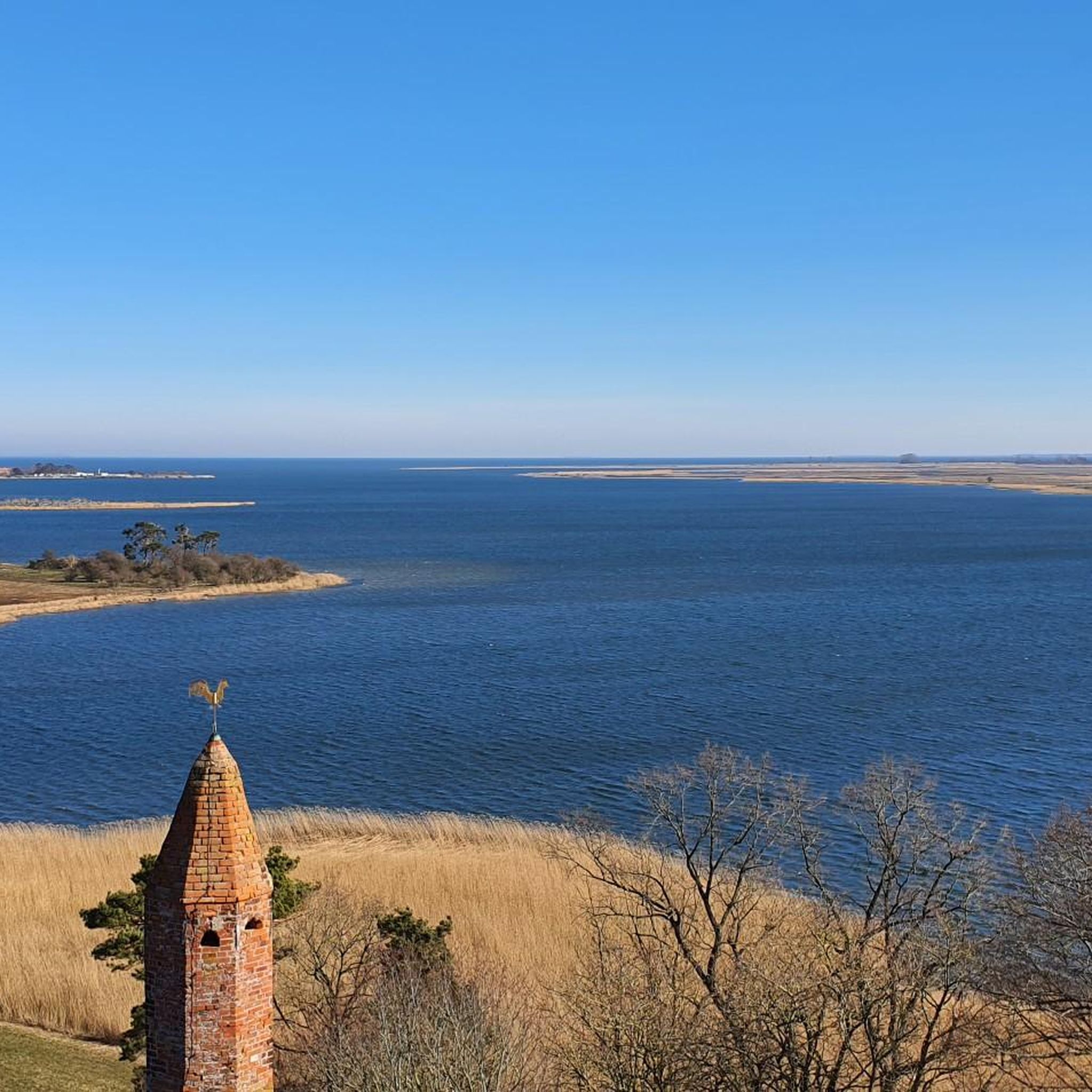
A tranquil beach with hag stones and views of Koos Island and the Bodden lagoon.
Translated by Google •
Tip by

St. John's Church Reinberg
Highlight • Religious Site
The Reinberger linden tree stands in front …
Translated by Google •
Tip by

Sign up now to discover places like this
Get recommendations on the best single tracks, peaks, & plenty of other exciting outdoor places.
Mellnitz-Üselitzer Wiek Nature Restoration Area
Highlight • Lake
de.wikipedia.org/wiki/Mellnitz-%C3%9Cselitzer_Wiek
Translated by Google •
Tip by

The Sleeping Trees
Highlight • Beach
Translated by Google •
Tip by

Credner Park
Highlight • Rest Area
Translated by Google •
Tip by

Sign up for free to discover even more natural monuments around Mesekenhagen.
Already have an account?
Start today with a free account
Your next adventure awaits.

Tips from the Community

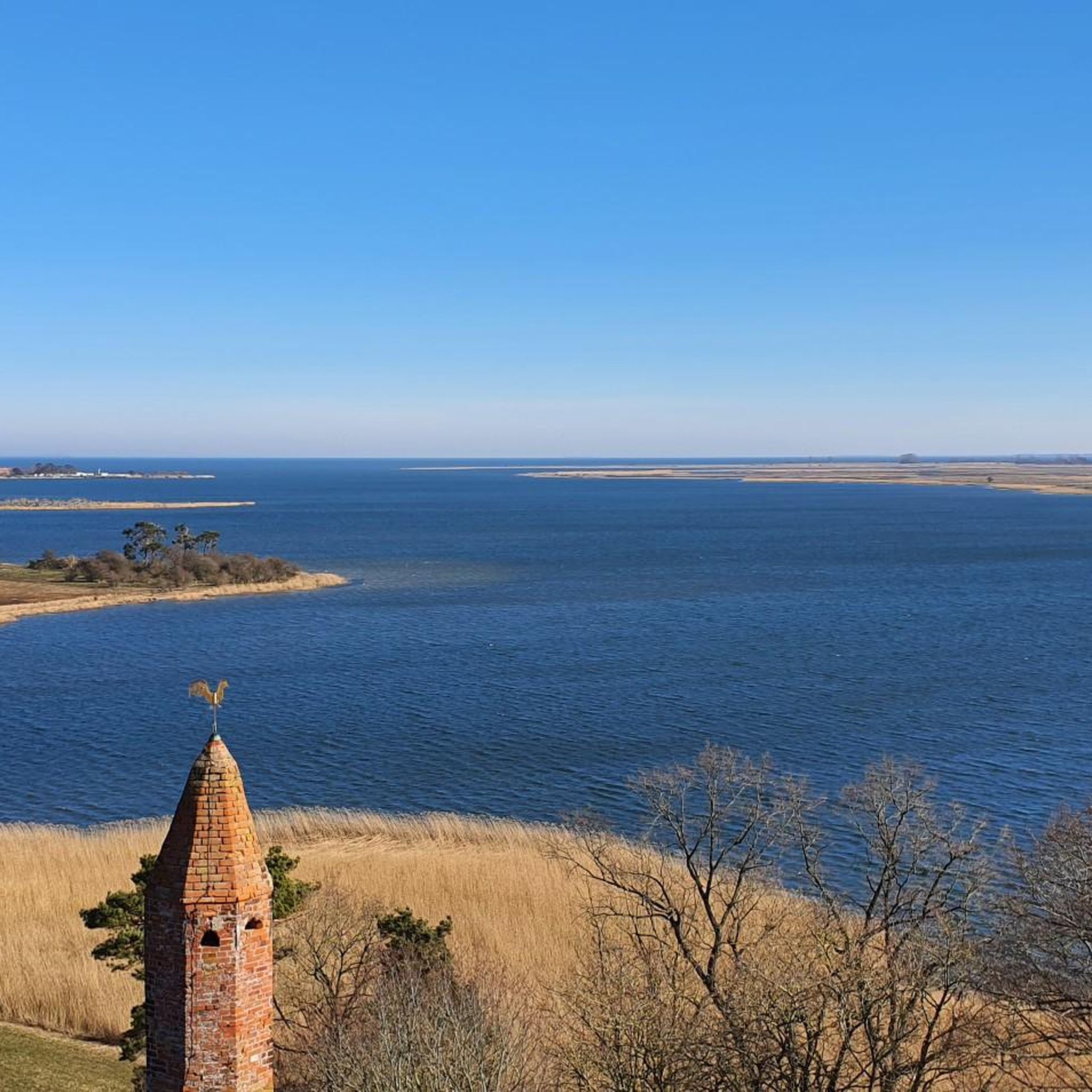
Here, environmental protection becomes "tangible", great that DEGES made this possible as compensation for the "new" Rügen Bridge. Definitely take binoculars with you...
0
0

Beautiful small village church that has something mystical about it from one side due to the greenery, I find.
1
0

Wonderful nature to relax and enjoy.
1
0

At the cemetery entrance, a sign encouraging visitors to visit said "Church open." However, someone had locked the building. A woman from the village confirmed that it was very beautiful. So we filled up on plenty of drinking water, enjoyed the 800-year-old linden tree, as well as a height measuring point on the church tower, which has survived the times unscathed (it has something written on it saying "German Empire"). We enjoyed the peace, the bench and the blackberries.
0
0

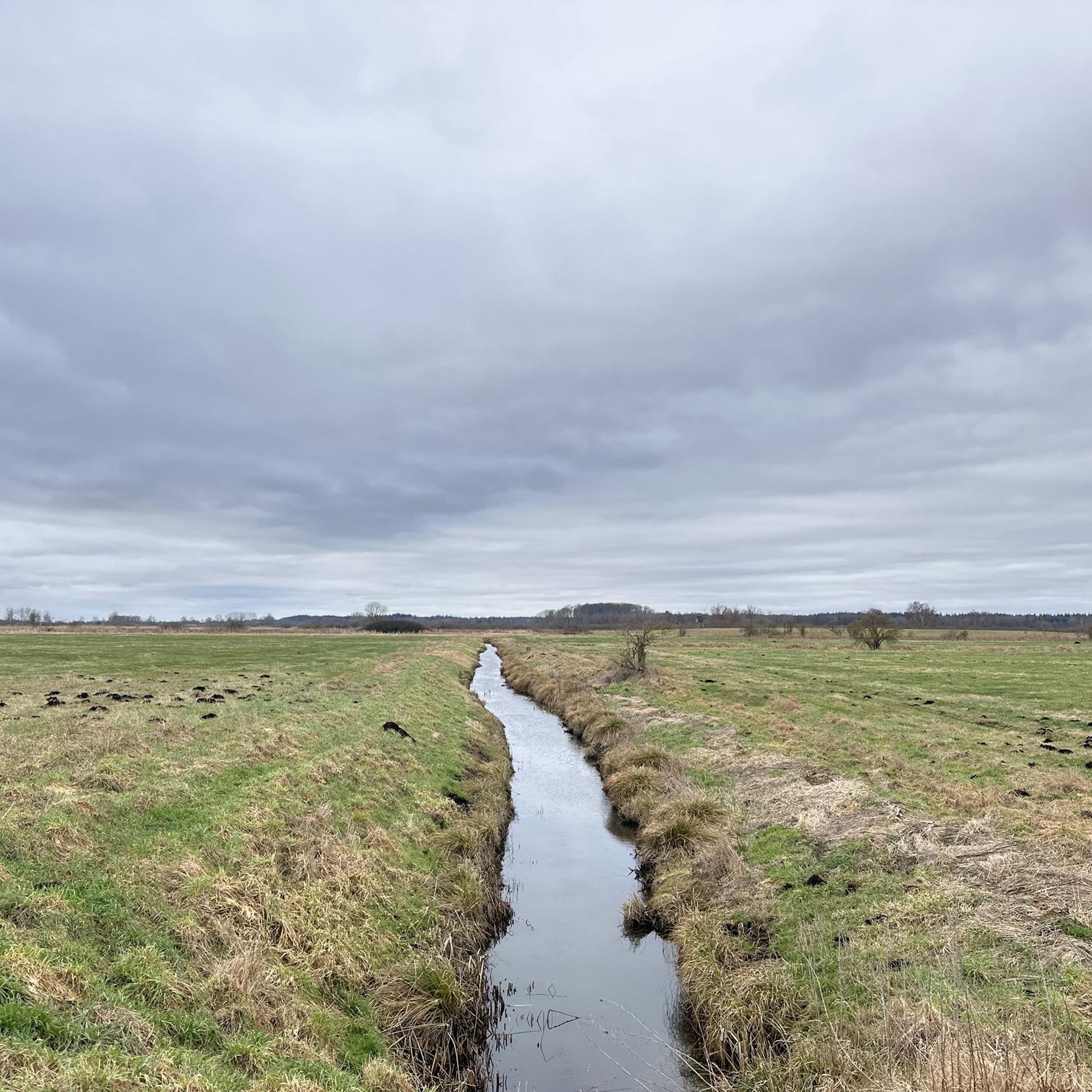
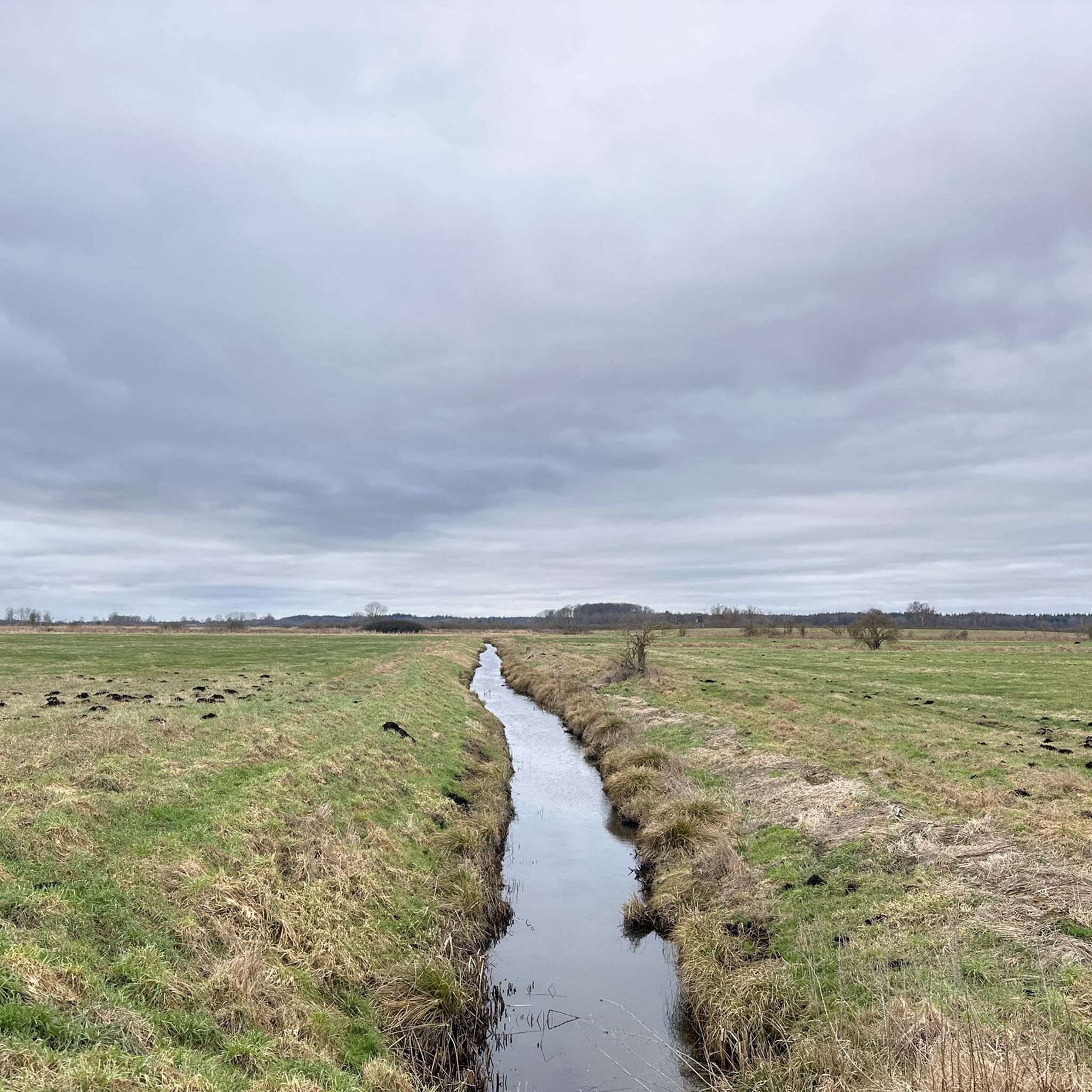
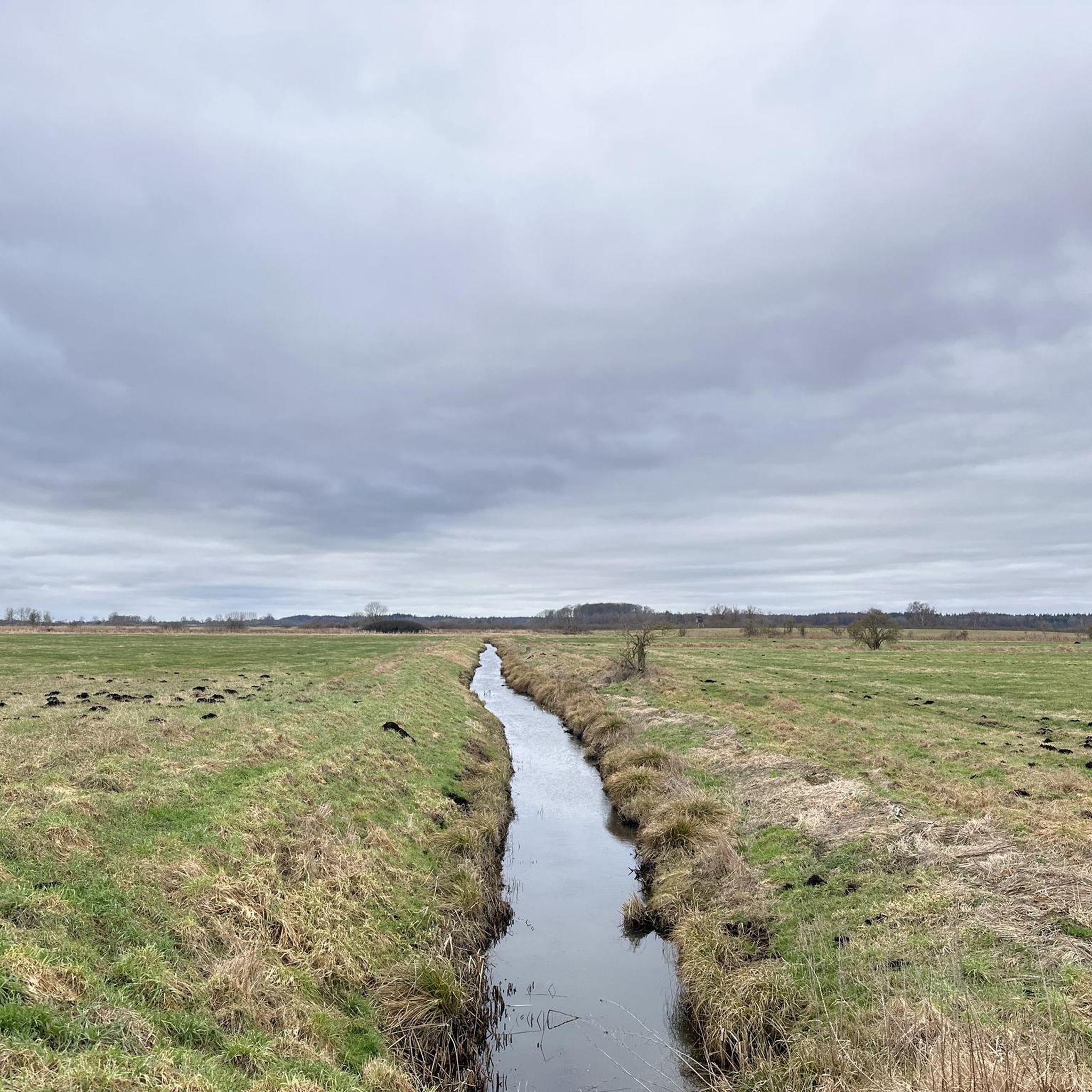
The Mellnitz-Üselitzer Wiek is a landscaped area in the south of the island of Rügen near Poseritz. After the construction of the new Rügen Bridge over the Strelasund between Stralsund and Altefähr, the German Unity Highway Planning and Construction Company (Deges) undertook to re-wet the Wiek as a compensatory measure to make amends for environmental damage. Before it was drained, the Wiek was last recorded as a body of water on a Prussian survey map from 1830. It had open access to the Puddeminer Wiek and covered an area of 32 hectares. With the construction of a dike around the middle of the 20th century, the breach was closed and the area was drained using a pumping station. Since then, the reclaimed area, which was about two meters below the water level of the Greifswald Bodden, was used for agriculture until 1990. Deges planned to re-wet the lake in 2012. In 2010, a flood structure was built on the neighboring Puddeminer Wiek. Two automatically controlled flood gates with a total width of 12 meters were installed to regulate the water exchange, as well as two scooping and pumping stations. The area was flooded from August 19, 2011. The Mellnitz-Üselitzer Wiek is two meters deep at its deepest point after flooding and covers an area of 124 hectares; the entire renaturation area measures 240 hectares. The area has now developed into a nationally important migration and resting area for water and wading birds as well as cranes. Thousands of ducks such as wigeons, mallards and tufted ducks as well as grey geese rest here. At low water, wading bird species such as lapwings and golden plovers rest in the Wiek. A large cormorant colony has established itself in the southwestern part of the Wiek. https://de.wikipedia.org/wiki/Mellnitz-%C3%9Cselitzer_Wiek
4
0
The Mellnitz-Üselitzer Wiek is a landscaped area in the south of the island of Rügen near Poseritz. Following the construction of the new Rügen Bridge over the Strelasund between Stralsund and Altefähr, the German Unity Highway Planning and Construction Company (Deutsche Einheit Fernstraßenplanungs- und -baugesellschaft mbH) undertook to rewett the Wiek as a compensatory measure to compensate for environmental damage. The newly created shallow sea bay is intended to serve as a resting and feeding area for migratory and resting birds. The then Üselitzer Wiek was last recorded as a body of water on a Prussian survey map dating from 1830. It had open access to the Puddeminer Wiek and covered an area of 32 hectares. With the construction of a dike around the middle of the 20th century, the breach was closed, and the area was drained using a pumping station. Since then, the reclaimed area, which lies approximately two meters below the water level of the Greifswalder Boddenslag, was used for agriculture until 1990. In 2010, a flood control structure was built at the neighboring Puddeminer Wiek. Two automatically controlled flood gates, each 12 meters wide, were installed to regulate water exchange, along with two scooping and pumping stations. The area was flooded starting August 19, 2011. After the flooding, the Mellnitz-Üselitzer Wiek is two meters deep at its deepest point and covers an area of 124 hectares; the entire renaturation area measures 240 hectares. It's great that you can now enjoy relaxing hikes and peace here in beautiful nature. https://www.meerferien.net/sued-ruegen/geheimtipp-ruegen/
4
0
The Credner facilities are located in the immediate vicinity of the Greifswald Zoo. The park was donated by the German geologist and geographer Rudolf Credner, who went down in history as an associate professor at the University of Greifswald. He was also the founder of the Geographical Society of Greifswald, which erected a monument to him in the Credner complex in 1912. You can take beautiful walks in the spacious park. There is also a small pond here, which gives the place an idyllic ambience. https://www.online-destination.de/deutschland/greifswald/credner-anlagen.html#google_vignette
4
1
The "Palmer Ort" is the 40 hectare southern tip of the Zudar peninsula, the southernmost point of Rügen. It consists largely of forest and offers valuable refuges for a variety of species in an otherwise very forest-poor area that is mainly used for intensive agriculture. The pine forest at Palmer Ort was created as a coastal protection forest and is intended to protect the land from flooding and land loss. The Succow Foundation is leaving the forest at Palmer Ort to itself. https://www.succow-stiftung.de/palmer-ort#:~:text=Der%20%22Palmer%20Ort%22%20ist%20die,f%C3%BCr%20eine%20Vielzahl%20von%20Arten.
5
0
Frequently Asked Questions
What are some unique natural monuments to explore around Mesekenhagen?
Beyond the well-known spots, you can discover unique natural monuments like The Sleeping Trees, a beach featuring distinctive old trees that create a memorable, almost fairytale-like sight. Another interesting area is the Mellnitz-Üselitzer Wiek Nature Restoration Area, a rewetting project that has become a vital resting and feeding ground for migratory birds.
Are there family-friendly natural attractions near Mesekenhagen?
Yes, several natural monuments around Mesekenhagen are suitable for families. The Palmer Ort – southern tip of Rügen offers a tranquil beach environment perfect for a relaxed day out. Additionally, the Credner Park provides a very nice park with a pond and a playground, ideal for families.
What kind of outdoor activities can I do near Mesekenhagen's natural monuments?
The region around Mesekenhagen offers diverse outdoor activities. You can enjoy hiking through the scenic Mesekenhagen Forest or explore the extensive trails in the Bützow Lake District. For more structured routes, consider the many options available in the Hiking around Mesekenhagen guide, which includes routes like the 'View of the Bodden – Parking Area Near Koos Island loop'.
Where can I observe wildlife and unique flora in the Mesekenhagen area?
The Mellnitz-Üselitzer Wiek Nature Restoration Area is an excellent spot for birdwatching, serving as a significant resting and feeding ground for thousands of ducks, grey geese, and wading birds. The Friedrichsruhe Sanctuary, a short distance away, is also a haven for wildlife and bird conservation, offering guided tours and birdwatching activities.
What is the best time of year to visit the natural monuments around Mesekenhagen?
The natural monuments around Mesekenhagen can be enjoyed year-round, but each season offers a different experience. Spring and autumn are ideal for birdwatching at the Mellnitz-Üselitzer Wiek Nature Restoration Area due to migratory birds. Summer is perfect for enjoying the beaches and lakes, such as the Bützow Lake District, while the Mesekenhagen Forest provides beautiful scenery for hiking in all seasons.
Are there any historical or cultural sites combined with natural beauty?
Yes, the St. John's Church Reinberg is a notable example. While primarily a Gothic brick church, it stands alongside the Reinberger linden tree, which is designated as a natural monument and estimated to be around 1,000 years old, offering a blend of history and natural heritage.
Are there opportunities for cycling or running near these natural monuments?
Absolutely. The region provides various routes for cycling and running. You can find detailed options in the MTB Trails around Mesekenhagen guide and the Running Trails around Mesekenhagen guide. These guides offer routes of varying distances and difficulties, allowing you to explore the natural beauty on two wheels or on foot.
What makes the Mesekenhagen Forest a significant natural area?
The Mesekenhagen Forest is a lush area featuring scenic trails and vibrant wildlife. It's an ideal spot for hiking and birdwatching, offering a serene environment and diverse ecosystem. While not an officially designated national natural monument, its natural beauty and recreational opportunities make it a key natural highlight in the immediate vicinity of Mesekenhagen.
Can I find circular walks around the natural monuments?
Yes, many of the trails in the region are designed as circular walks. For instance, the Hiking around Mesekenhagen guide includes routes like the 'Wader Bird Observation Area – Parking Area Near Koos Island loop', which allows you to start and end at the same point while enjoying the natural surroundings.
What do visitors enjoy most about the natural monuments in this area?
Visitors frequently appreciate the tranquility and diverse natural beauty. Highlights like Palmer Ort – southern tip of Rügen are praised for their peaceful environment and unique hag stones. The Sleeping Trees are often described as impressive and fairytale-like, offering a memorable natural sight with old trees on the beach.
Are there any natural monuments that offer good viewpoints?
Yes, several locations provide excellent views. The Palmer Ort – southern tip of Rügen offers views of Koos Island and the Bodden lagoon. Additionally, The Sleeping Trees beach is noted for its fantastic views, with the forest extending almost to the water's edge.
What are the characteristics of the Bützow Lake District near Mesekenhagen?
The Bützow Lake District, a short distance from Mesekenhagen, is characterized by numerous lakes perfect for swimming, paddleboarding, and kayaking. It also features a network of hiking and biking trails, offering stunning photographic opportunities and picturesque vistas, making it a great spot for active recreation and enjoying nature.
Most popular routes around Mesekenhagen
Most popular attractions around Mesekenhagen

Get inspired with the komoot mobile app


Explore more
Extend your search for the best caves by checking out these guides of the top ones around Mesekenhagen:
