Top 11 Natural Monuments around Wildenberg
Best natural monuments around Wildenberg offer diverse natural features for exploration. The region, like many parts of Germany, presents opportunities for outdoor activities and features various natural wonders. Komoot lists 11 natural monuments in this area, suggesting a variety of natural attractions. These include unique geological formations and scenic viewpoints.
Best natural monuments around Wildenberg
- The most popular natural monuments is Wooden dinosaur sculpture in the forest, a natural monument that features a wooden dinosaur sculpture integrated into the…
Last updated: June 24, 2026
Inland dunes in the Seeholz near Offenstetten
Highlight • Natural Monument
They were created after the …
Translated by Google •
Tip by

Hopfenbach sinkhole
Highlight • Waterfall
Translated by Google •
Tip by

Sign up now to discover places like this
Get recommendations on the best single tracks, peaks, & plenty of other exciting outdoor places.
Sign up for free
Wooden dinosaur sculpture in the forest
Highlight • Structure
Translated by Google •
Tip by

Stork Observation Point Laabertal
Highlight • Viewpoint
Translated by Google •
Tip by

Siegenburg Dunes
Highlight • Natural Monument
Translated by Google •
Tip by

Sign up for free to discover even more natural monuments around Wildenberg.
Sign up for free
Already have an account?
Start today with a free account
Your next adventure awaits.
Login or Signup
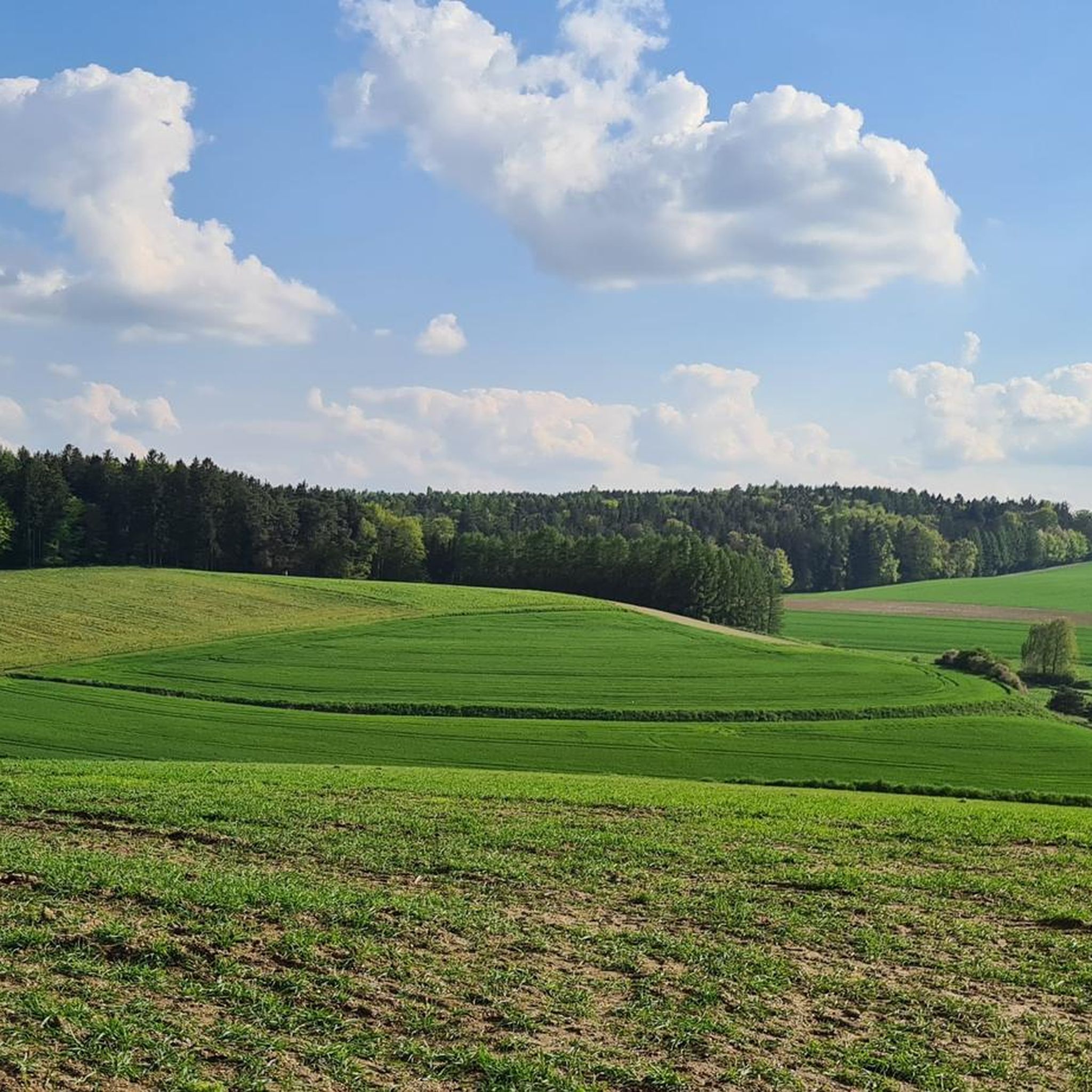
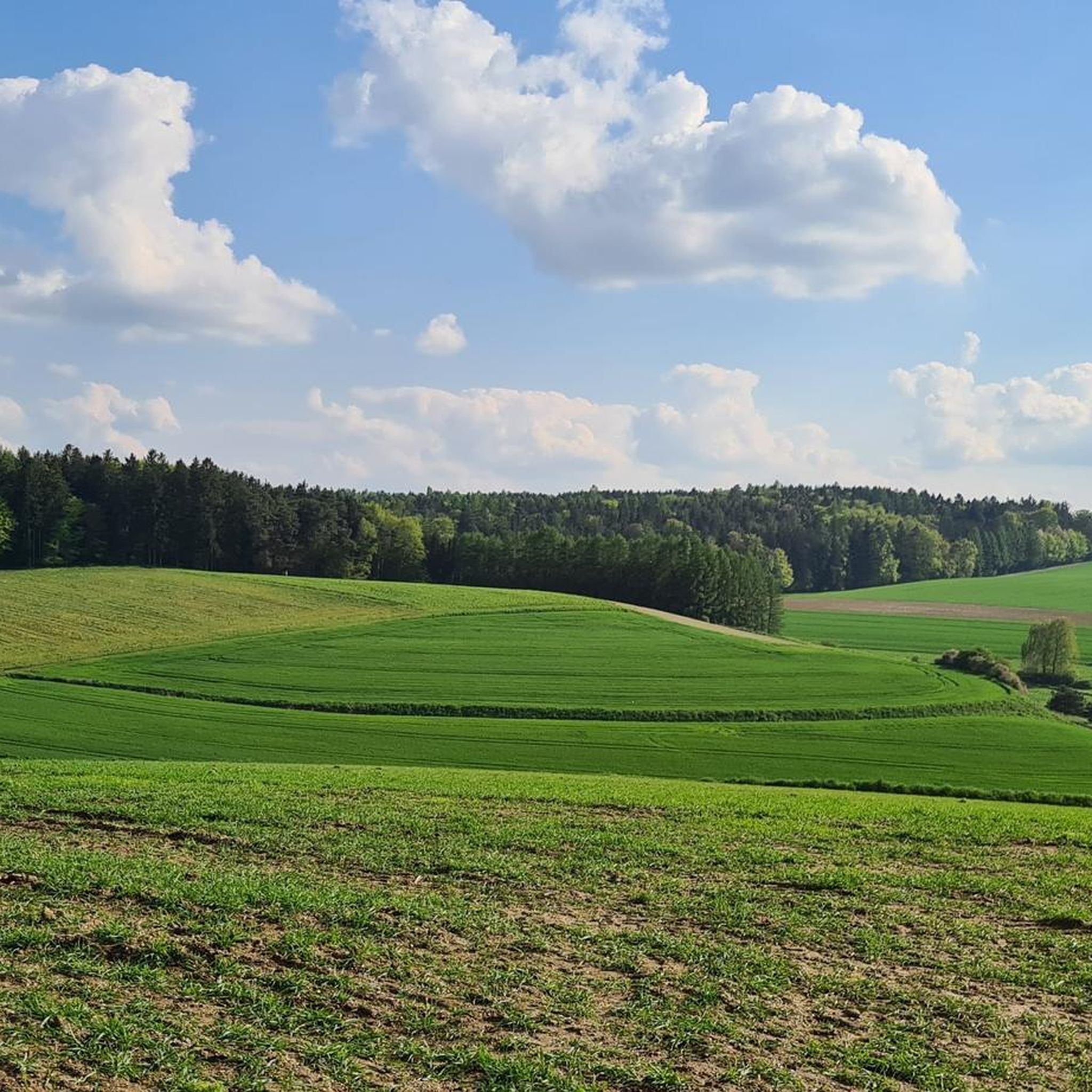
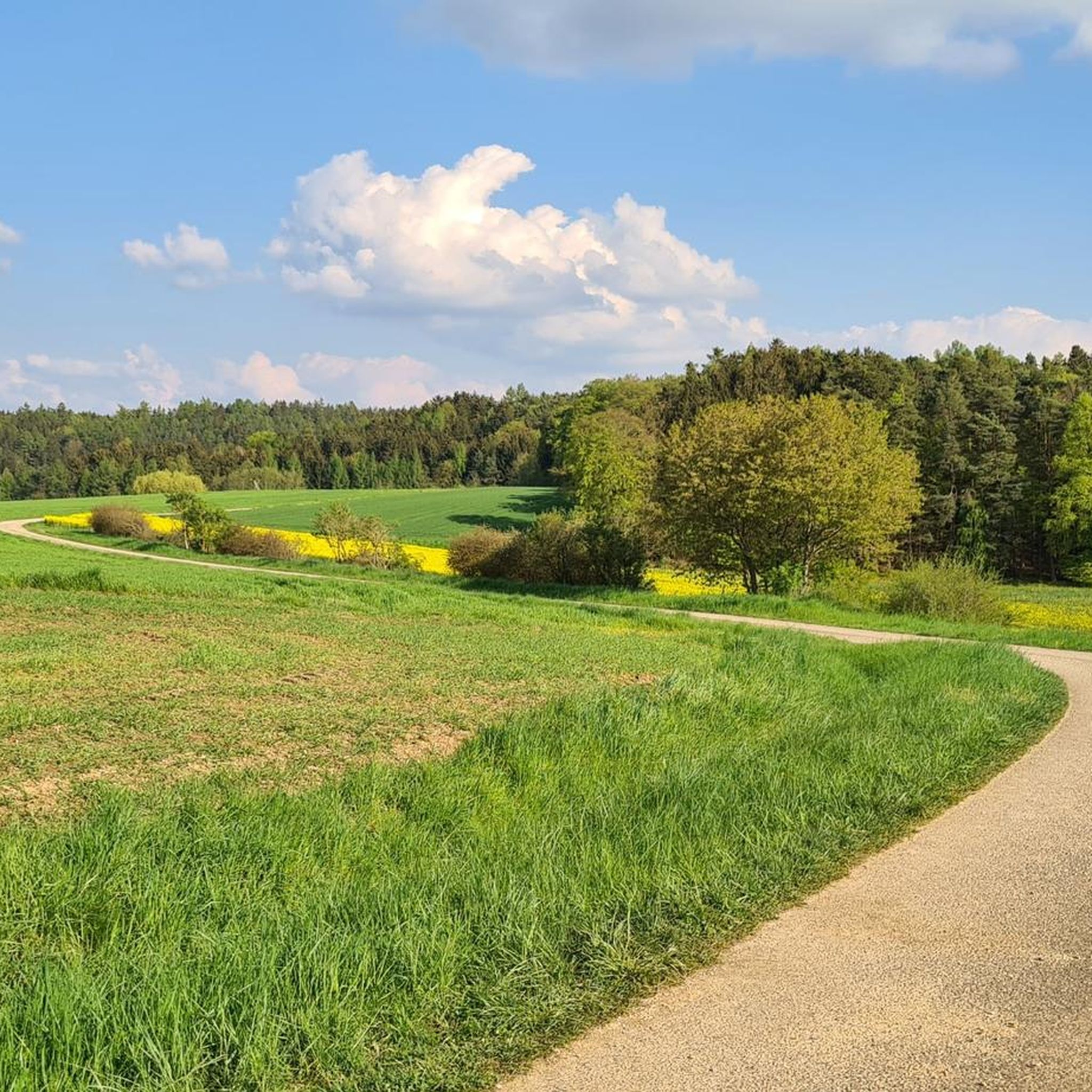
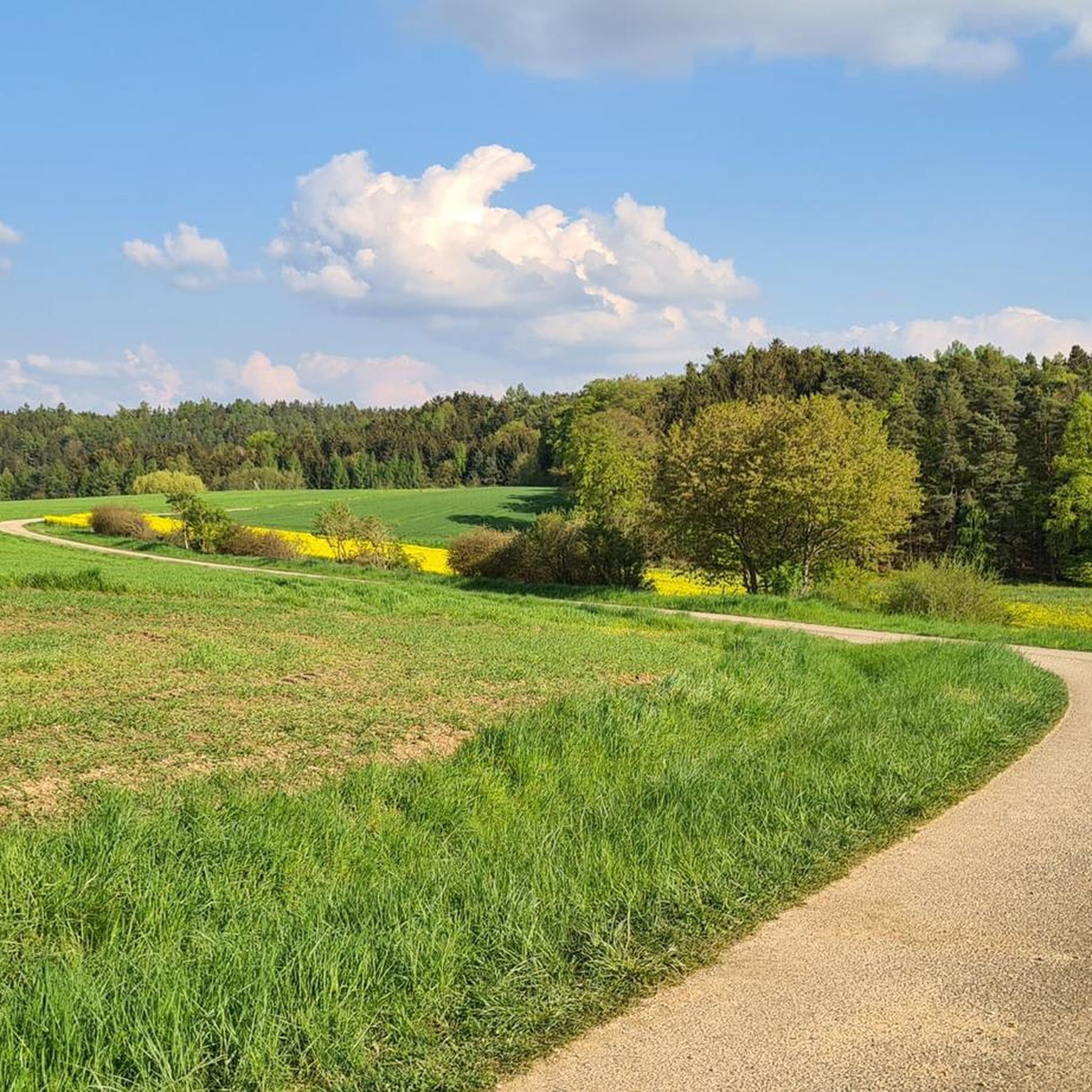
Tips from the Community

The tail of the "Fagus Rex" wasn't simply broken off, but unfortunately deliberately destroyed.
0
0

The world's largest wooden dinosaur. Unfortunately, the tail has already broken off, but perhaps it will be repaired.
0
0

Small observation tower with information boards about storks and a rest area. Located right on the stork route, great for a break.
1
0

The dunes in the Seeholz of Offenstetten are a significant geotope In the Seeholz between Abensberg and Offenstetten, on high terrace gravel (Altaben's terrace), there are remains of an extensive dune landscape from the late to postglacial period. The geomorphological wealth of forms has been preserved under the forest cover (in contrast to agricultural areas). The dunes are mainly formed as line dunes directed W-E, but there are also transverse and sickle dunes. Towards the W, the relief forms flatten out to form gently undulating drifting sand covers. The geotope has been awarded the seal of approval "Bavaria's 100 most beautiful geotopes" and is explained on site with an information board. Further information at https://www.lfu.bayern.de/geologie/bayerns_schoenste_geotope/78/index.htm Bavarian State Office for the Environment (LfU), https://www.umweltatlas.bayern.de/standortauskunft/rest/reporting/sb_geotope/generate?additionallayerfieldvalue=273R011
0
0
On the edge of the Abenstal valley, in the east of the Dürnbuch forest, you will find a large field of sand dunes. At the end of the Pleistocene and in the early Holocene, a dry, cold climate with strong westerly winds favored the formation of drifting sand dunes. A large part of the dunes here are formed as line dunes, which are formed parallel to the prevailing wind direction in a west-east direction, but transverse and sickle dunes also occur. Bavarian State Office for the Environment (LfU). https://www.umweltatlas.bayern.de/standortauskunft/rest/reporting/sb_geotope/generate?additionallayerfieldvalue=273R012
0
0

Simply brilliant for big and small children
0
0

You have to see it! Looks really good 👍
0
0

Successful integration of dead wood into living wood
1
0
Frequently Asked Questions
What types of natural monuments can I explore around Wildenberg?
The region around Wildenberg offers a variety of natural monuments, including unique geological formations and distinctive forest features. You can discover sand dunes, such as the Inland dunes in the Seeholz near Offenstetten and the Siegenburg Dunes, which are significant geotopes formed after the last ice age. There's also the Hopfenbach sinkhole, where a stream disappears into Jurassic karst, and even a creative Wooden dinosaur sculpture in the forest.
Are there family-friendly natural monuments suitable for children around Wildenberg?
Yes, several natural monuments around Wildenberg are suitable for families. The Wooden dinosaur sculpture in the forest is particularly popular with both big and small children. The Hopfenbach sinkhole and the Stork Observation Point Laabertal, with its information boards and rest area, are also great options for a family outing.
What are the most unique natural monuments to visit near Wildenberg?
Among the most unique natural monuments are the Inland dunes in the Seeholz near Offenstetten, which are ancient sand dunes covered by pine and heather-like vegetation, recognized as a significant geotope. Another distinctive spot is the Hopfenbach sinkhole, known as the 'cradle of the Hopfenbach-Lena,' where a small stream vanishes into Jurassic karst.
Can I find viewpoints among the natural monuments in the Wildenberg area?
Yes, the region offers viewpoints where you can appreciate the natural surroundings. The Hopfenbach sinkhole offers scenic views, and the Stork Observation Point Laabertal provides a dedicated spot with an observation tower to view local wildlife and landscapes.
What outdoor activities can I do near these natural monuments?
The area around Wildenberg is excellent for various outdoor activities. You can find numerous hiking routes, including moderate trails like the 'Strassleitnhütte – Fairy Tale Pond loop'. There are also dedicated road cycling routes and MTB trails for those looking for more adventurous rides.
Are there hiking trails that incorporate these natural monuments?
Yes, you can explore the natural monuments through various hiking trails. For instance, the Inland dunes in the Seeholz near Offenstetten are part of a nature reserve with paths. You can find more hiking options in the Hiking around Wildenberg guide, which includes routes like the 'Isidor Stone with a View – St. Andrew's Church, Pürkwang loop'.
What do visitors enjoy most about the natural monuments around Wildenberg?
Visitors appreciate the diverse natural features and the opportunities for exploration. The creative integration of art into nature, like the Wooden dinosaur sculpture, receives high praise. The geological significance of sites like the Inland dunes and the unique phenomenon of the Hopfenbach sinkhole are also highly valued by the komoot community.
Are there any facilities or information points available at these natural monuments?
Yes, at the Stork Observation Point Laabertal, you'll find an observation tower with information boards about storks and a rest area, making it a convenient stop. For the Inland dunes in the Seeholz near Offenstetten, there is an information board explaining its significance as a geotope.
What is the geological significance of the dunes near Wildenberg?
The dunes, such as the Inland dunes in the Seeholz near Offenstetten and the Siegenburg Dunes, are significant geotopes. They were formed after the last ice age, approximately 10,000 years ago, when a dry, cold climate with strong westerly winds led to the formation of drifting sand. These dunes are mainly line dunes, but transverse and sickle dunes also occur, preserving a rich geomorphological form under the forest cover.
Is it possible to see wildlife at the natural monuments around Wildenberg?
Yes, the natural environments around Wildenberg offer opportunities for wildlife observation. The Stork Observation Point Laabertal is specifically designed for observing storks and other local birds, providing information boards to enhance your experience. Forested areas and water features also support diverse local fauna.
How can I find more information about the geological features of the region?
For detailed information on specific geological features like the Inland dunes in the Seeholz near Offenstetten, you can often find information boards on site. These boards explain their formation and significance as geotopes. The Bavarian State Office for the Environment (LfU) also provides detailed information online about Bavaria's most beautiful geotopes.
Most popular routes around Wildenberg
Most popular attractions around Wildenberg

Get inspired with the komoot mobile app


Explore more
Extend your search for the best caves by checking out these guides of the top ones around Wildenberg:
