Top 10 Natural Monuments around Train
Best natural monuments around Train offer a diverse landscape characterized by unique geological formations and historical significance. The region features ancient inland dunes, remnants of past ice ages, alongside significant water bodies like the Danube Oxbow. Visitors can explore areas with rich natural history and discover sites where human activity has shaped the landscape over millennia.
Best natural monuments around Train
- The most popular natural monuments is Goldau Nature Reserve (Danube Oxbow), a natural monument that features an old…
Last updated: August 18, 2026
Inland dunes in the Seeholz near Offenstetten
Highlight • Natural Monument
They were created after the …
Translated by Google •
Tip by

Mineral Water Drinking Fountain
Highlight • Structure
Translated by Google •
Tip by

Sign up now to discover places like this
Get recommendations on the best single tracks, peaks, & plenty of other exciting outdoor places.
Sign up for free
Goldau Nature Reserve (Danube Oxbow)
Highlight • Natural Monument
Translated by Google •
Tip by

Siegenburg Dunes
Highlight • Natural Monument
Translated by Google •
Tip by
Neolithic Chert Mine of Arnhofen
Highlight • Historical Site
Translated by Google •
Tip by
Sign up for free to discover even more natural monuments around Train.
Sign up for free
Already have an account?
Start today with a free account
Your next adventure awaits.
Login or Signup

Tips from the Community

The dunes in the Seeholz of Offenstetten are a significant geotope In the Seeholz between Abensberg and Offenstetten, on high terrace gravel (Altaben's terrace), there are remains of an extensive dune landscape from the late to postglacial period. The geomorphological wealth of forms has been preserved under the forest cover (in contrast to agricultural areas). The dunes are mainly formed as line dunes directed W-E, but there are also transverse and sickle dunes. Towards the W, the relief forms flatten out to form gently undulating drifting sand covers. The geotope has been awarded the seal of approval "Bavaria's 100 most beautiful geotopes" and is explained on site with an information board. Further information at https://www.lfu.bayern.de/geologie/bayerns_schoenste_geotope/78/index.htm Bavarian State Office for the Environment (LfU), https://www.umweltatlas.bayern.de/standortauskunft/rest/reporting/sb_geotope/generate?additionallayerfieldvalue=273R011
0
0
In the gravel pit area, excavations were carried out in former mining shafts in 1984-86. Tools made from chert from the Pullacher Wanne are widely used in Middle Neolithic settlements, as the plate-like structure of the raw material suited the style of weapons and tools preferred at that time (narrow blades and points). According to available research, Arnhofen can be considered a production center for chert tools in the Middle Neolithic period. Bavarian State Office for the Environment (LfU). In the Neolithic period (6th millennium BC), one of the largest mines in Europe was operated here. In total, 20,000 shaft systems are expected to be used in Arnhofen's chert mining, from which banded nodule and plate cherts were extracted. The prerequisite for this mega-operation was the richest chert deposit in southern Germany, formed in layers of the Upper Jurassic around 150 million years ago. (Excerpt from Archaeology Online) Further information: https://de.wikipedia.org/wiki/Feuersteinbergwerk_von_Abensberg-Arnhofen The oldest money in the world https://www.archaeologie-online.de/index.php?id=8&L=1&tx_news_pi1%5Bnews%5D=5465&tx_news_pi1%5Bcontroller%5D=News&tx_news_pi1%5Baction%5D=detail&cHash=e10cde6cd95f28c03c0c4c04982cf9b0
2
0
On the edge of the Abenstal valley, in the east of the Dürnbuch forest, you will find a large field of sand dunes. At the end of the Pleistocene and in the early Holocene, a dry, cold climate with strong westerly winds favored the formation of drifting sand dunes. A large part of the dunes here are formed as line dunes, which are formed parallel to the prevailing wind direction in a west-east direction, but transverse and sickle dunes also occur. Bavarian State Office for the Environment (LfU). https://www.umweltatlas.bayern.de/standortauskunft/rest/reporting/sb_geotope/generate?additionallayerfieldvalue=273R012
0
0

Inland dunes near Offenstetten - The inland dunes here are a rather inconspicuous geological phenomenon. They are sand dunes covered by pine and heather-like vegetation. They were created after the last ice age (possibly last cold period), i.e. probably 10,000 years ago. The soil was not suitable for agriculture, and it became increasingly poor in nutrients as a result of the removal of material. The wavy ground, which is partly light forest, partly open, I find remarkable and worth seeing, even if it doesn't make an obvious impression. There are other inland dunes near Offenstetten. In comparison, the latter are not that impressive. Together they form the nature reserve inland dunes near Siegenburg and Offenstetten. Here in Offenstetten is also the plaque for the Geotop ("Dunes in the Seeholz").
0
0

It is best to fill it in a bottle, then it is most likely to be drunk, as the sulfur taste is not as intense.
1
0
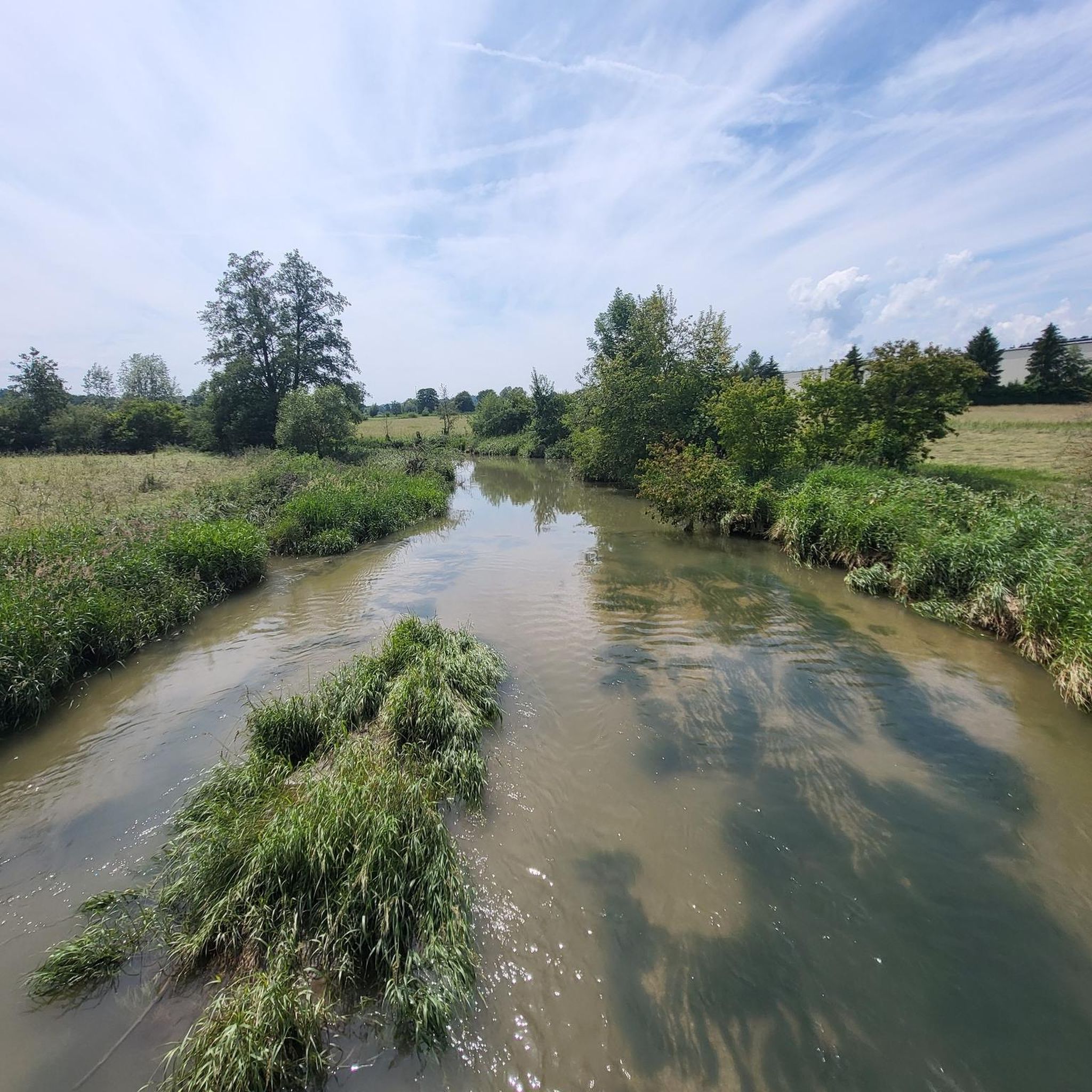
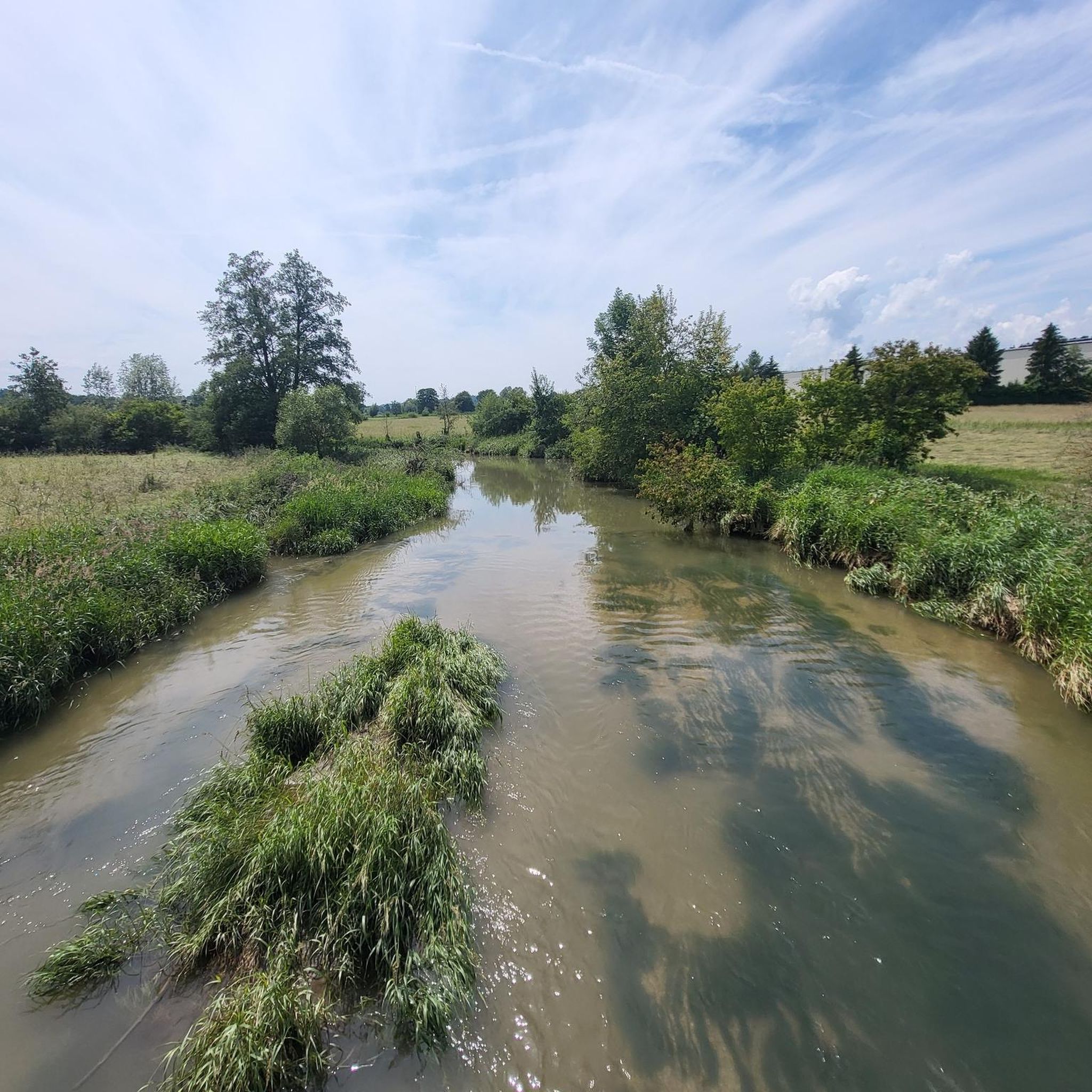
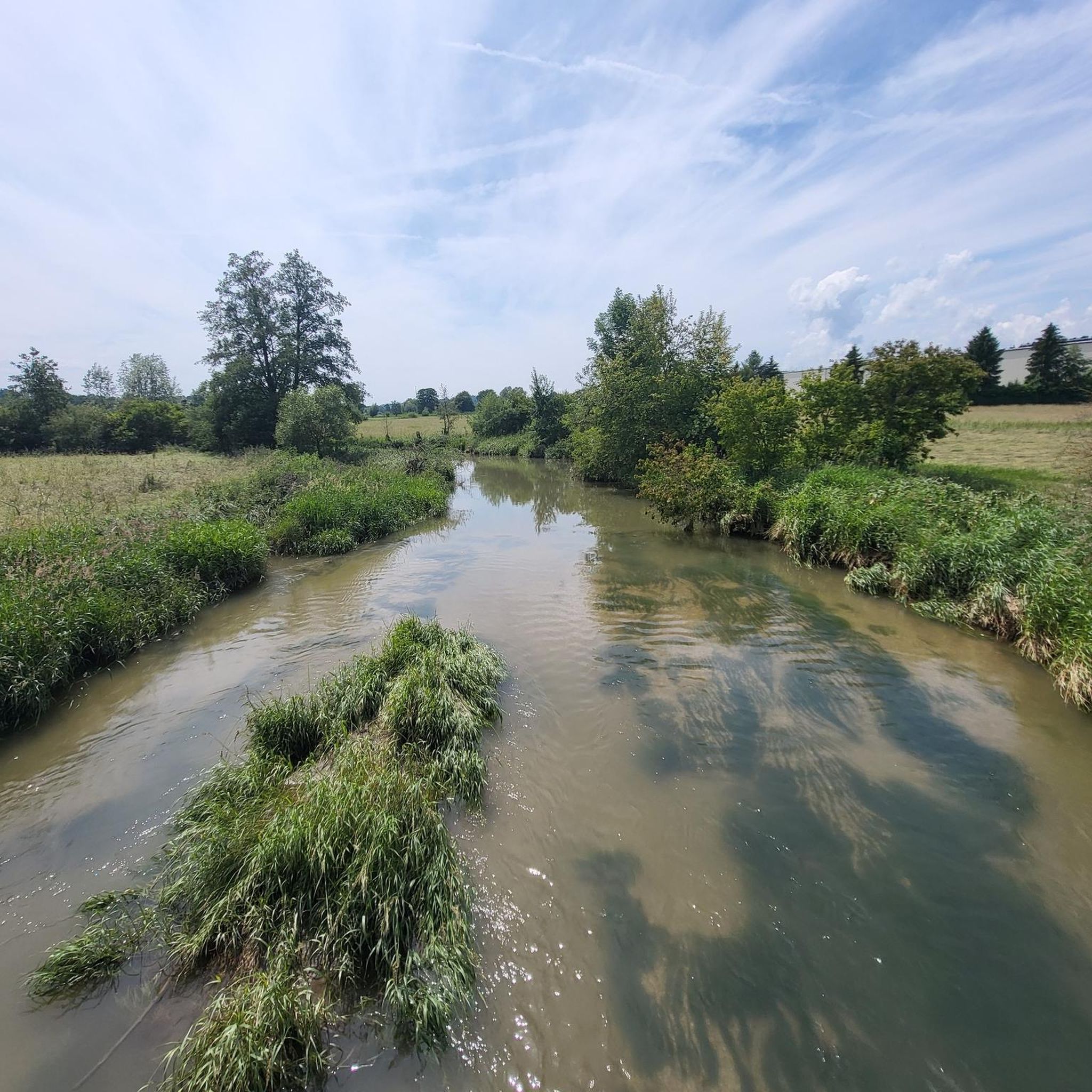
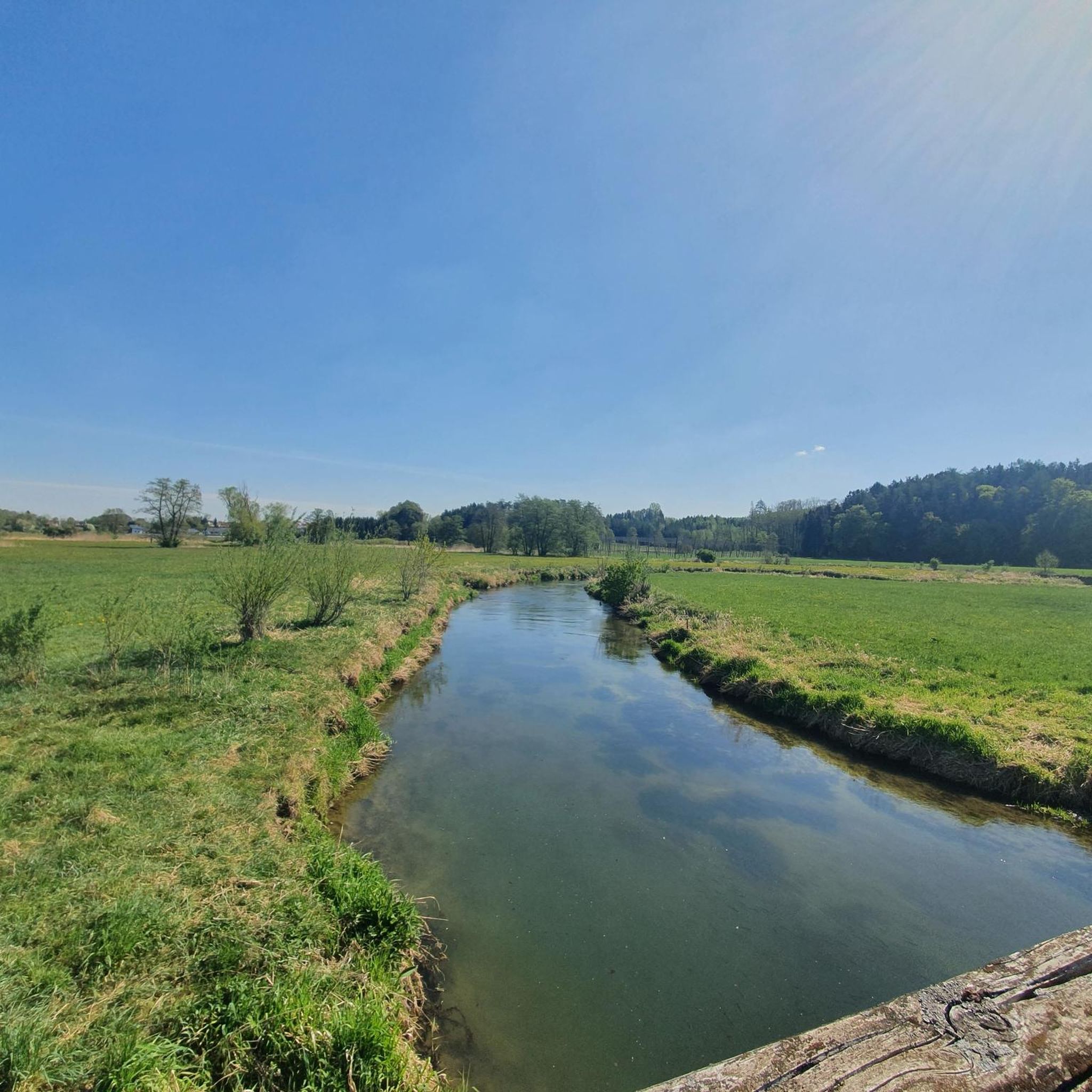
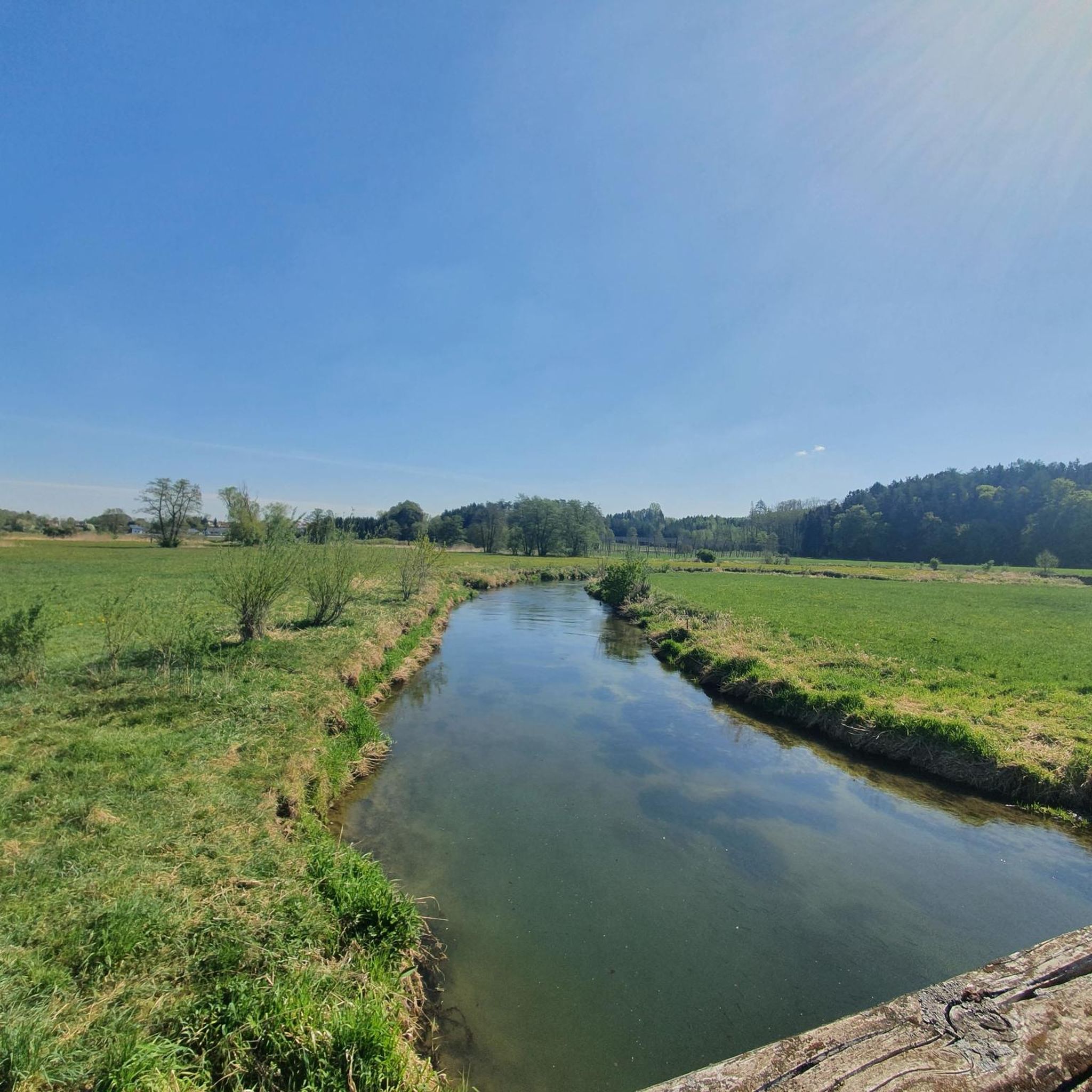
This is not an old arm of the Abens, but of the Danube!
1
0

The healing water from this spring is very special and cannot be compared with the usual tap water. It is full of minerals and particularly high in sulfur. It smells foul, but if you put it in your mouth, you get the impression that you are drinking liquid egg yolk.
0
0

Altarm of the Abens, divided into small ponds with kingfisher, coots, ducks, storks, gray herons.
0
0
Frequently Asked Questions
What unique natural features can I explore around Train?
The Train region is characterized by diverse natural features, including ancient inland dunes and significant water bodies. You can visit the Goldau Nature Reserve (Danube Oxbow), an old arm of the Danube with small ponds, or explore the unique sand formations at the Inland dunes in the Seeholz near Offenstetten and the Siegenburg Dunes.
Are there family-friendly natural monuments in the Train region?
Yes, the Goldau Nature Reserve (Danube Oxbow) is highlighted as family-friendly. It offers a chance to observe diverse wildlife in a tranquil setting, making it suitable for visitors of all ages.
What kind of wildlife can be observed at the natural monuments?
At the Goldau Nature Reserve (Danube Oxbow), you can spot various bird species such as kingfishers, coots, ducks, storks, and gray herons, thriving in the wetland environment of the old Danube arm.
Are there historical natural monuments to visit near Train?
Yes, the Neolithic Chert Mine of Arnhofen is a significant historical site that also holds natural monument status. It was one of the largest chert mines in Europe during the Neolithic period, where tools were extracted from ancient geological formations.
Can I find accessible natural monuments around Train?
The Mineral Water Drinking Fountain is noted as wheelchair accessible, offering a unique natural feature that can be enjoyed by everyone.
What outdoor activities are available near the natural monuments around Train?
The region around Train offers various outdoor activities. You can find numerous MTB trails, hiking routes, and road cycling routes that allow you to explore the natural beauty of the area.
Are there hiking opportunities near the natural monuments?
Absolutely. For hiking enthusiasts, there are several routes, including the moderate 'Siegenburg Dunes – Leixnertaferl Memorial Plaque loop from Train' which takes you through the unique dune landscape. You can find more hiking options in the Hiking around Train guide.
What are the geological highlights of the natural monuments around Train?
The region is renowned for its inland dunes, such as the Inland dunes in the Seeholz near Offenstetten and the Siegenburg Dunes. These sand formations were created after the last ice age by strong westerly winds and are significant geotopes, often explained with on-site information boards.
Is there a natural source of mineral water in the area?
Yes, you can visit the Mineral Water Drinking Fountain. This spring offers healing water rich in minerals and sulfur, known for its distinct taste.
What do visitors particularly enjoy about the natural monuments around Train?
Visitors appreciate the unique geological phenomena like the inland dunes, which offer remarkable wavy ground and light forest areas. The biodiversity of the Danube Oxbow, with its diverse birdlife, is also a popular highlight. The komoot community has contributed 12 photos and 16 upvotes, showcasing the appeal of these sites.
Are there cycling routes near the natural monuments around Train?
Yes, there are several cycling routes. For road cyclists, options like the 'Bockerl Cycle Path – Ratzenhofen Country Road loop from Train' are available. More routes can be found in the Road Cycling Routes around Train guide.
What should I know about visiting the inland dunes?
The inland dunes, such as those in the Seeholz near Offenstetten and Siegenburg, are geological phenomena with sand dunes covered by pine and heather-like vegetation. While not always overtly dramatic, their unique formation after the last ice age makes them remarkable. Information boards are often available to explain their significance.
Most popular attractions around Train

Get inspired with the komoot mobile app


Explore more
Extend your search for the best caves by checking out these guides of the top ones around Train:
