Top 19 Natural Monuments around Wackerow
Best natural monuments around Wackerow are situated in Mecklenburg-Vorpommern, a region characterized by diverse and protected natural landscapes. The area offers access to notable natural attractions, including ancient trees and unique coastal formations. Visitors can explore various natural areas, providing a range of features and experiences. The region's proximity to national parks and biosphere reserves contributes to its ecological significance.
Best natural monuments around Wackerow
- The most popular natural monuments is The Sleeping Trees, a beach area with a…
Last updated: October 11, 2026
St. John's Church Reinberg
Highlight • Religious Site
The Reinberger linden tree stands in front …
Translated by Google •
Tip by

The Sleeping Trees
Highlight • Beach
Translated by Google •
Tip by

Sign up now to discover places like this
Get recommendations on the best single tracks, peaks, & plenty of other exciting outdoor places.
Credner Park
Highlight • Rest Area
Translated by Google •
Tip by

Söllkensee near Potthagen
Highlight • Lake
Translated by Google •
Tip by

Hill for wild bees
Highlight • Natural Monument
The hill was pushed up …
Translated by Google •
Tip by

Sign up for free to discover even more natural monuments around Wackerow.
Already have an account?
Start today with a free account
Your next adventure awaits.

Tips from the Community

Beautiful small village church that has something mystical about it from one side due to the greenery, I find.
1
0

At the cemetery entrance, a sign encouraging visitors to visit said "Church open." However, someone had locked the building. A woman from the village confirmed that it was very beautiful. So we filled up on plenty of drinking water, enjoyed the 800-year-old linden tree, as well as a height measuring point on the church tower, which has survived the times unscathed (it has something written on it saying "German Empire"). We enjoyed the peace, the bench and the blackberries.
0
0

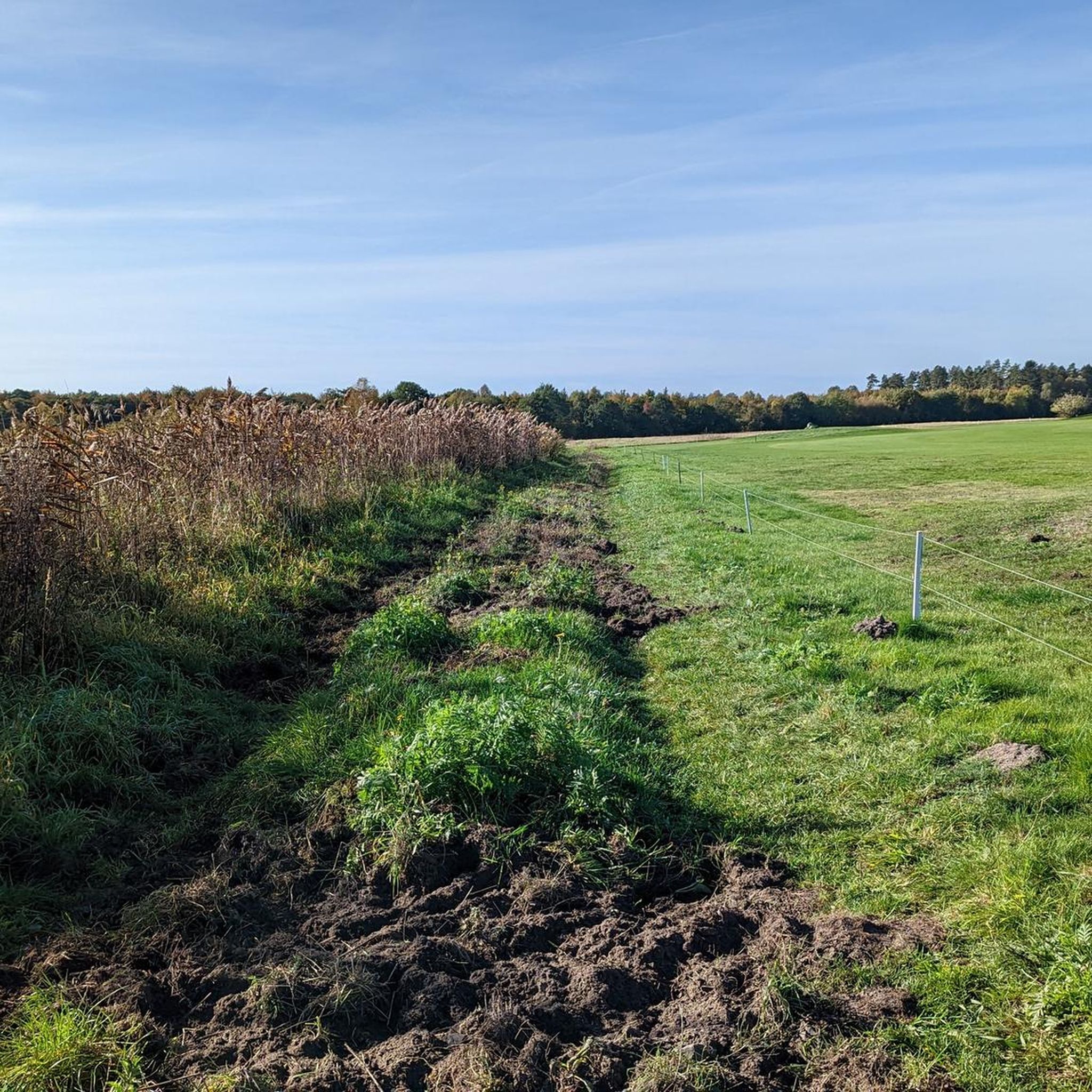
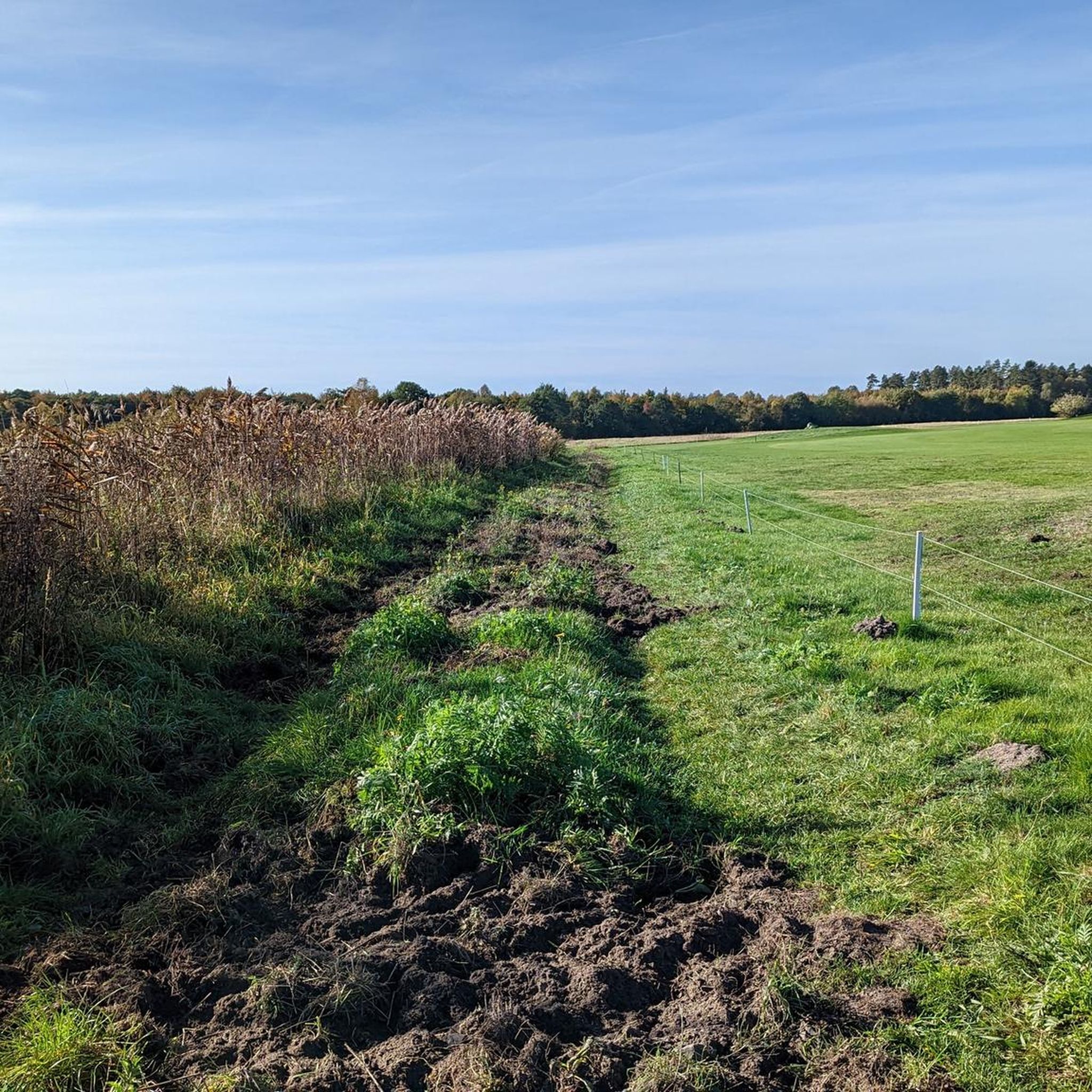
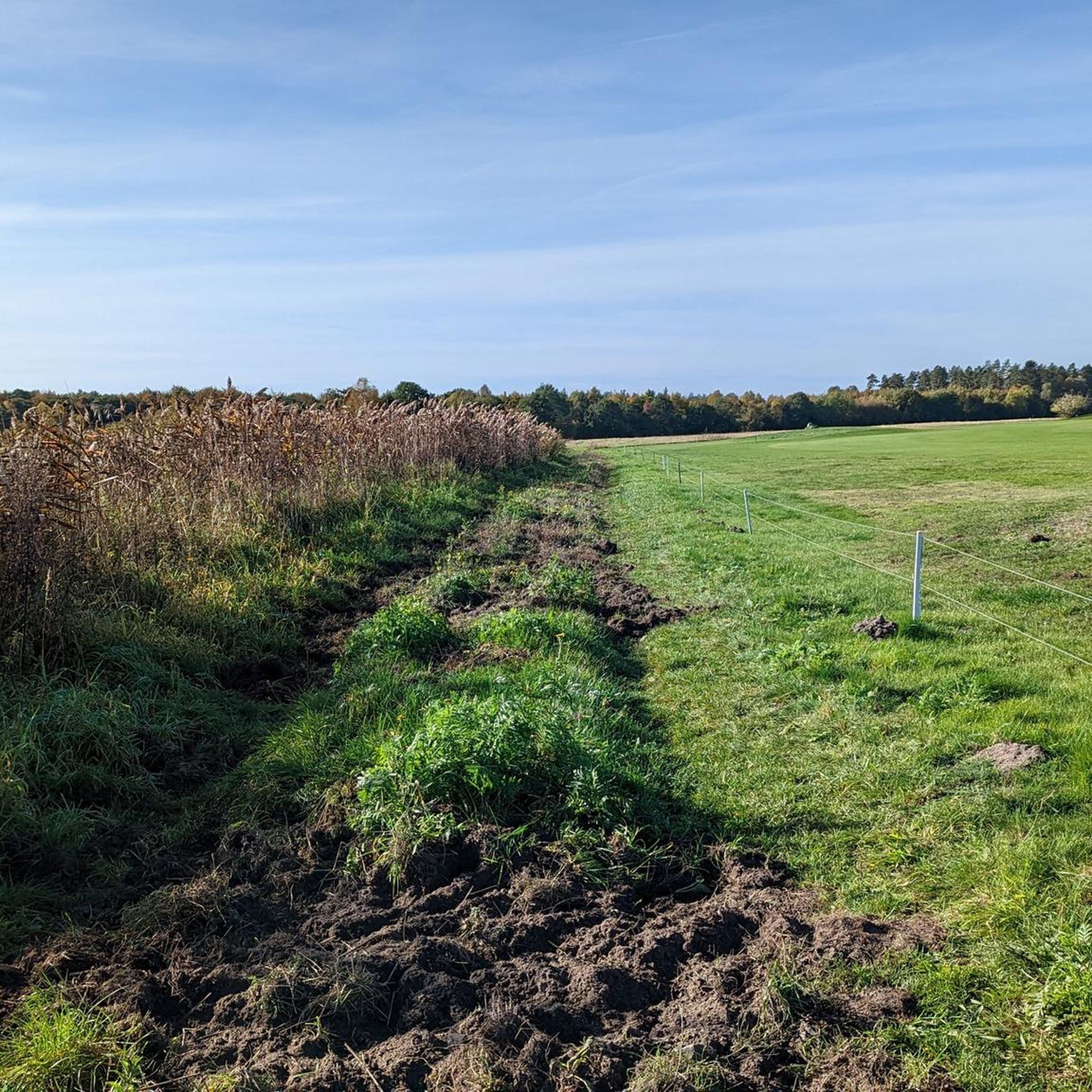
For several years now, there has been a refuge here for the important little helpers in the landscape of fields and meadows: the wild bees. The hill was pushed up by the agricultural company and is kept clear by the kindergarten group in Guest, because these bees and bumblebees don't like vegetation. They prefer full sun and sand so that they can build breeding tubes and their eggs can develop well. They are therefore typical open land species and live in lean grassland, ruderal areas and fallow land with a corresponding supply of wild flowers. Until 2023, they were able to visit plenty of flowers on the lean meadow or fallow land here. In spring and early summer, on sunny days, you're sure to find a few sand bees to observe. On the other side of the path you can find wild flowers. More information on the board at the other end of the path just before the edge of town. More information about wild bees, including in gardens and parks: https://de.wikipedia.org/wiki/Sandbienen https://www.deutschland-summt.de/wildbienenarten.html
0
0

The Credner facilities are located in the immediate vicinity of the Greifswald Zoo. The park was donated by the German geologist and geographer Rudolf Credner, who went down in history as an associate professor at the University of Greifswald. He was also the founder of the Geographical Society of Greifswald, which erected a monument to him in the Credner complex in 1912. You can take beautiful walks in the spacious park. There is also a small pond here, which gives the place an idyllic ambience. https://www.online-destination.de/deutschland/greifswald/credner-anlagen.html#google_vignette
4
1

great inde in front of the church
0
0

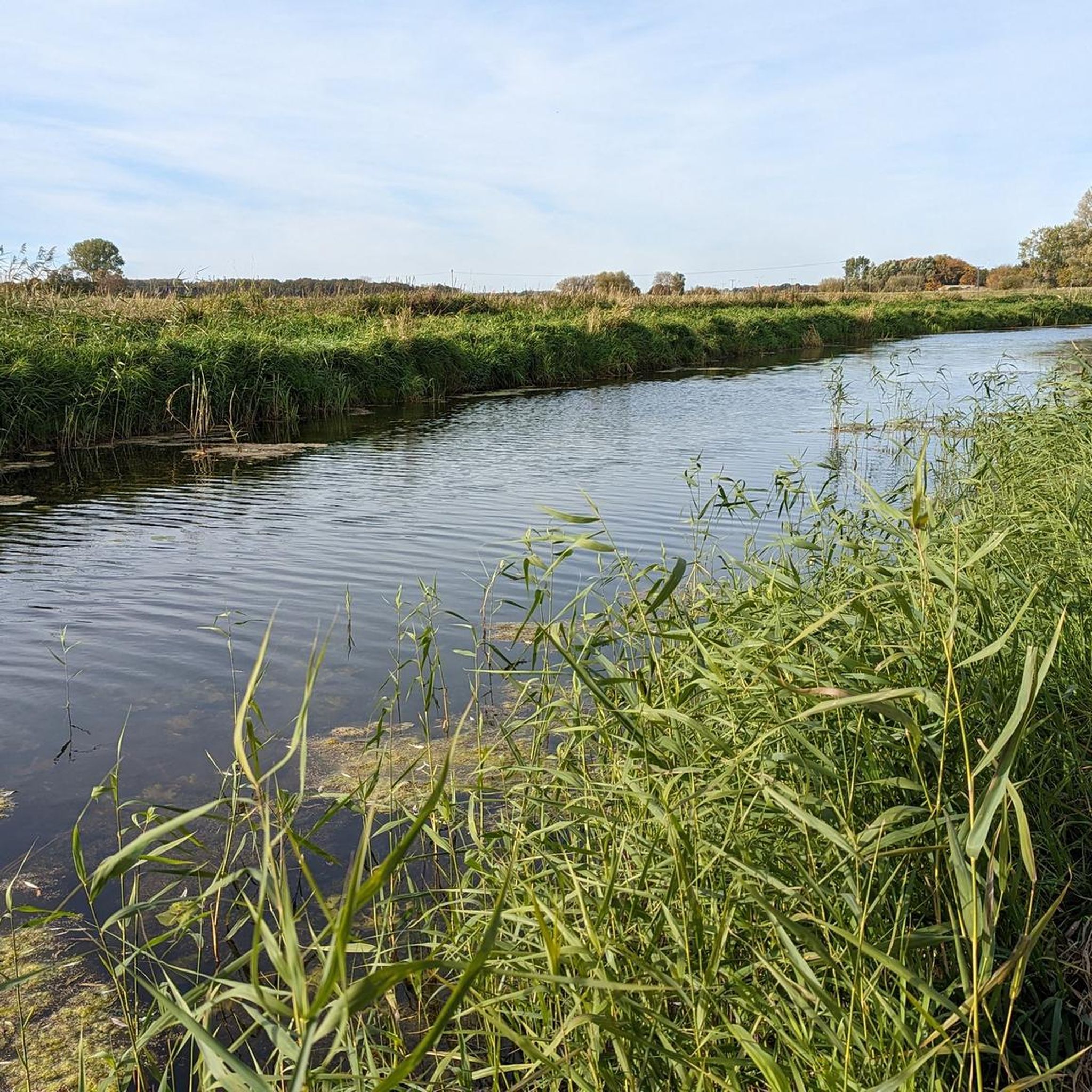
The Söllkensee was created in the 19th century by peat extraction in "Küsterbäcks Moor", a meltwater channel of the Greifswald terminal moraine. Today it is a natural monument and spawning ground for common toads and moor frogs. In the north-eastern part, the new siltation process is clearly visible. A cotton grass peat bog has formed here, which is partly forested with downy birches.
4
0

A lovely little park that also has a playground at the west end.
1
0

Very well maintained and crowded... busy and still beautiful. Illuminated in the dark
3
0
Frequently Asked Questions
What unique natural features can I explore near Wackerow?
Near Wackerow, you can discover a variety of natural features. These include coastal areas with unique tree formations like The Sleeping Trees, where ancient trees extend almost to the water's edge. There are also protected lake areas such as Söllkensee near Potthagen, a lake formed by peat extraction that now serves as a spawning ground for amphibians.
Are there any ancient trees designated as natural monuments in the Wackerow area?
Yes, the region is home to several ancient trees recognized as natural monuments. A notable example is the linden tree at St. John's Church Reinberg, estimated to be around 1,000 years old. Additionally, an oak tree stands as a natural monument near the Friedrich-Ludwig-Jahn-Gymnasium.
What are some family-friendly natural monuments around Wackerow?
For families, The Sleeping Trees offers a unique beach experience with its fairytale-like ancient trees. Söllkensee near Potthagen is also suitable for families, providing a tranquil natural setting. Credner Park is another excellent option, featuring a pond and a playground, making it ideal for a relaxed outing with children.
Can I find any natural monuments with historical significance near Wackerow?
Yes, some natural monuments in the area are intertwined with history. The ancient linden tree at St. John's Church Reinberg stands in front of a Gothic brick church, connecting natural heritage with architectural history. The oak tree near the Friedrich-Ludwig-Jahn-Gymnasium also marks a site of historical importance.
What kind of natural landscapes characterize the wider region around Wackerow?
The wider region of Mecklenburg-Vorpommern, where Wackerow is located, is characterized by diverse and protected natural landscapes. This includes three National Parks, three Biosphere Reserves, and seven Nature Parks. You can find iconic chalk cliffs and ancient beech forests in Jasmund National Park, numerous interconnected lakes in Müritz National Park, and dynamic coastal landscapes with lagoons and sandbanks in Vorpommersche Boddenlandschaft National Park. For more information on the region's natural landscapes, you can visit visit-mv.com.
Are there opportunities for outdoor activities like hiking or cycling near these natural monuments?
Yes, the area around Wackerow offers various outdoor activities. You can find numerous routes for mountain biking, gravel biking, and running. For example, there are moderate MTB trails like the 'St. Nikolai Cathedral, Greifswald – Lubmin Pier loop' or easy running trails such as the 'Dike loop from Wackerow'. You can also explore gravel biking routes, including the 'Wieck Hand-operated Drawbridge – Greifswald Market Square loop'.
What do visitors particularly enjoy about the natural monuments in this area?
Visitors frequently praise the unique beauty and tranquility of the natural monuments. For instance, The Sleeping Trees are described as a 'fantastic beach' with a 'fairytale' view. The Söllkensee near Potthagen is appreciated for its natural bog environment and the chance to see moor frogs. The ancient linden tree at St. John's Church Reinberg is valued for its impressive age and historical context.
Is there a specific 'National Natural Monument' in Mecklenburg-Vorpommern accessible from Wackerow?
Yes, the **Ivenack Oaks** (Ivenacker Eichen) are the only designated National Natural Monument in Mecklenburg-Vorpommern and are accessible from Wackerow. These ancient trees are renowned for their impressive age, with some estimated to be over 1,000 years old. A treetop trail and a 40-meter-high observation tower offer unique perspectives and panoramic views of the forest and surrounding lakes.
Are there any natural monuments near Wackerow that are suitable for dog walking?
Many natural areas around Wackerow are generally dog-friendly, but it's always advisable to keep dogs on a leash, especially in protected zones or near wildlife. Places like The Sleeping Trees and Credner Park offer open spaces and trails where you can enjoy a walk with your dog. Always check local signage for specific rules regarding pets.
What is the best time of year to visit the natural monuments around Wackerow?
The natural monuments around Wackerow can be enjoyed throughout the year, each season offering a different experience. Spring brings blooming flora and active wildlife, particularly at Söllkensee near Potthagen with its common toads and moor frogs. Summer is ideal for coastal visits to The Sleeping Trees. Autumn offers vibrant foliage, while winter can provide a serene, snow-covered landscape, though some paths might be less accessible.
Are there any viewpoints among the natural monuments near Wackerow?
Yes, The Sleeping Trees is noted as a viewpoint, offering impressive vistas of the beach and the forest extending to the water. Additionally, Credner Park provides pleasant spots for observation and enjoying the park's idyllic ambience.
What are some lesser-known natural areas or 'hidden gems' near Wackerow?
While not strictly 'hidden,' the Söllkensee near Potthagen offers a unique natural experience as a bog formed by peat extraction, now a protected spawning ground. Its ecological significance and tranquil setting make it a special place to discover beyond the more popular spots. The ancient linden tree at St. John's Church Reinberg also provides a quiet, historically rich natural monument.
Most popular routes around Wackerow
Most popular attractions around Wackerow

Get inspired with the komoot mobile app


Explore more
Extend your search for the best caves by checking out these guides of the top ones around Wackerow:
