Top 13 Natural Monuments around Lunden
Best natural monuments around Lunden are found within a landscape shaped by wetlands, rivers, and coastal influences. This region features diverse natural areas, including nature reserves and viewpoints offering expansive vistas. The environment is characterized by its connection to waterways like the Eider and the Wadden Sea. These natural features provide opportunities for outdoor exploration and observation.
Best natural monuments around Lunden
- The most popular natural monuments is Kiek-Ut view in the Katinger Watt, a viewpoint that offers a…
Last updated: June 24, 2026
Kiek-Ut view in the Katinger Watt
Highlight • Viewpoint
Translated by Google •
Tip by

Observation Tower Lundener Niederung
Highlight • Viewpoint
Translated by Google •
Tip by

Sign up now to discover places like this
Get recommendations on the best single tracks, peaks, & plenty of other exciting outdoor places.
Sign up for free
Old Harbor Schülperneuensiel
Highlight • Historical Site
Translated by Google •
Tip by

Memorial Stone for the Schleswig-Holstein Uprising
Highlight • Monument
de.wikipedia.org/wiki/Schleswig-Holsteinische_Elevation
Translated by Google •
Tip by

Wadden Sea National Park Administration Tönning
Highlight • Rest Area
Translated by Google •
Tip by

Sign up for free to discover even more natural monuments around Lunden.
Sign up for free
Already have an account?
Start today with a free account
Your next adventure awaits.
Login or Signup
Other adventures around Lunden

Tips from the Community

The port of Schülpersiel (often also called port Schülperneuensiel) is a small, idyllic sports boat harbor on the southern bank of the Eider in the Dithmarschen district, Schleswig-Holstein. It is located near Karolinenkoog and is mainly used by the sailing club Eiderdamm e.V. (SVED).
3
0

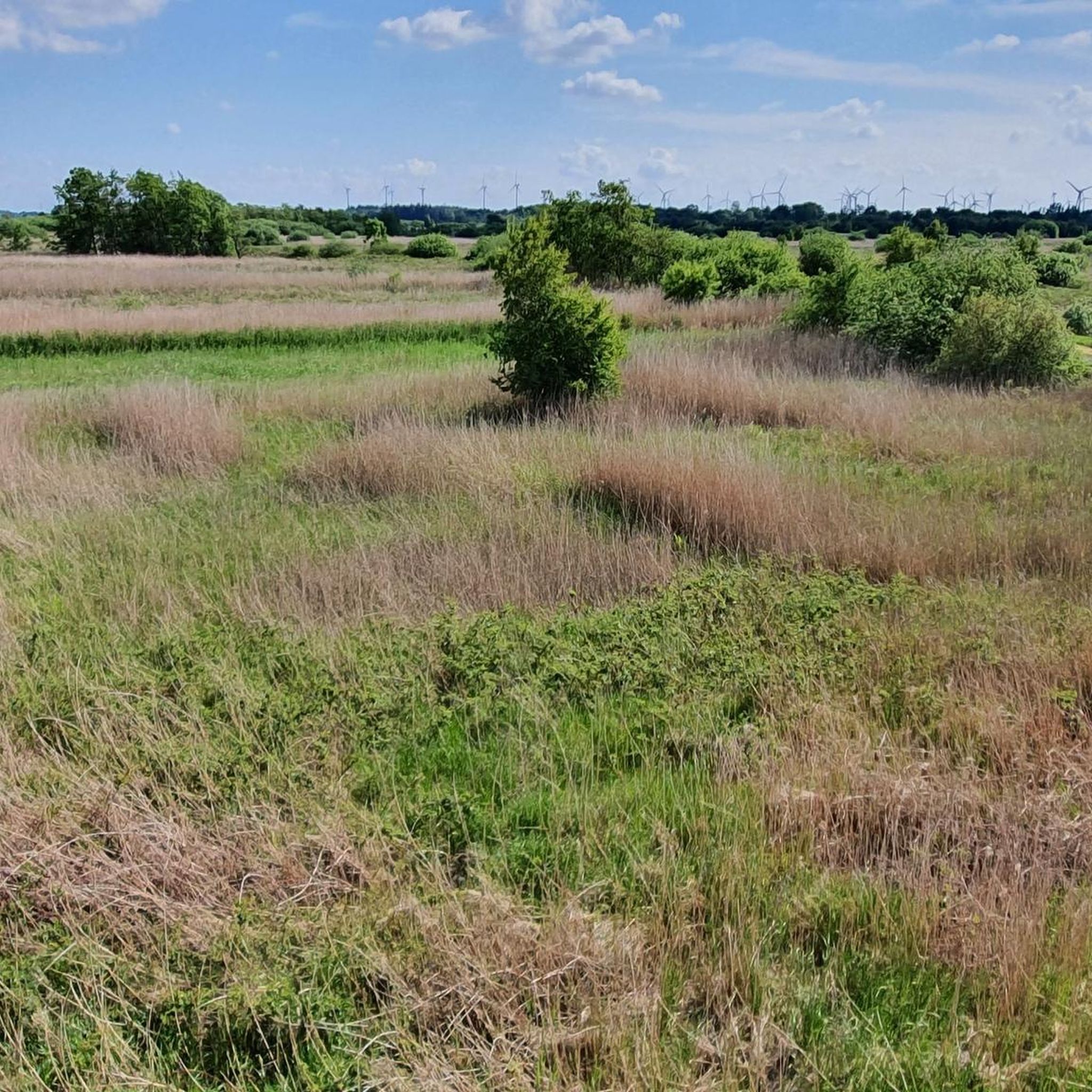
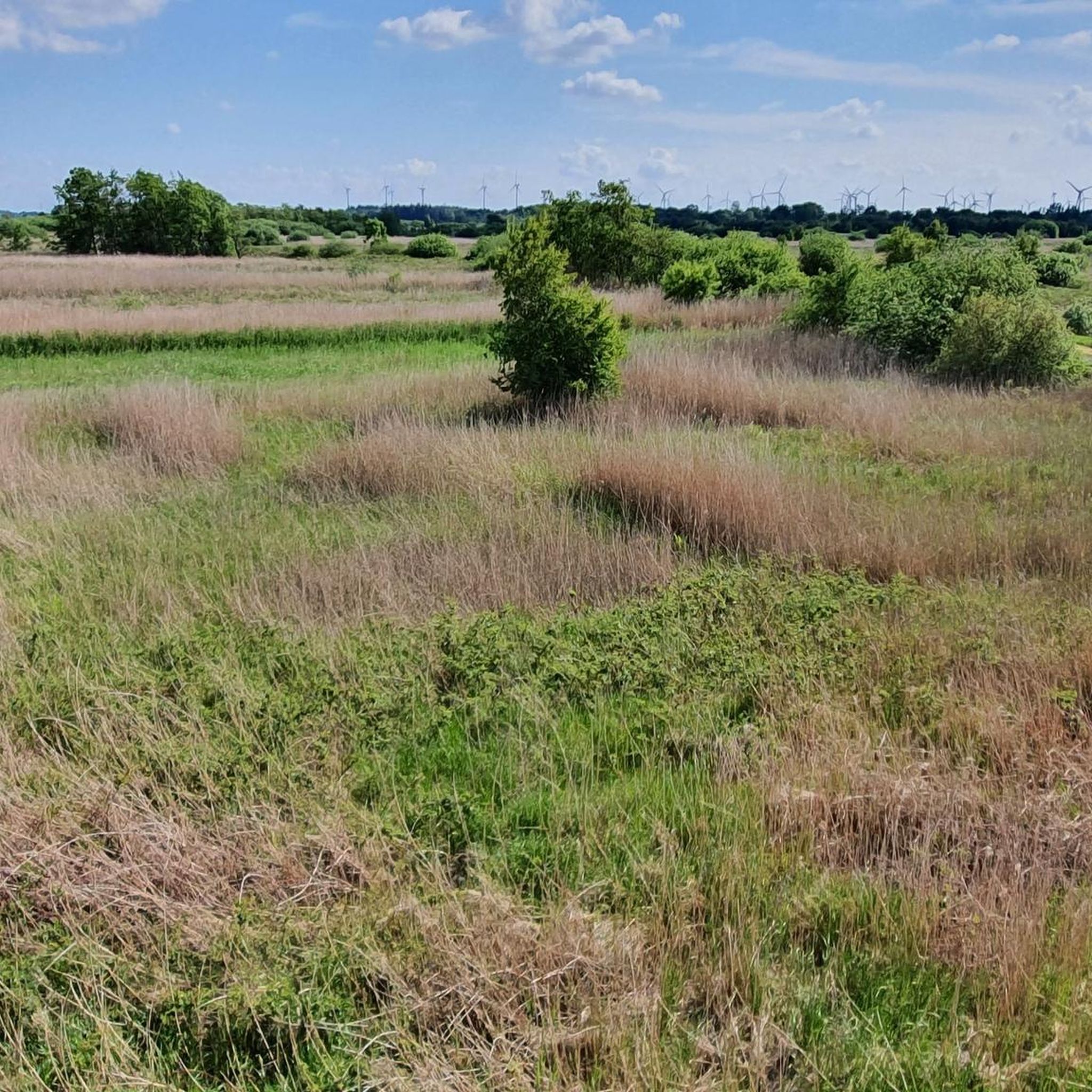
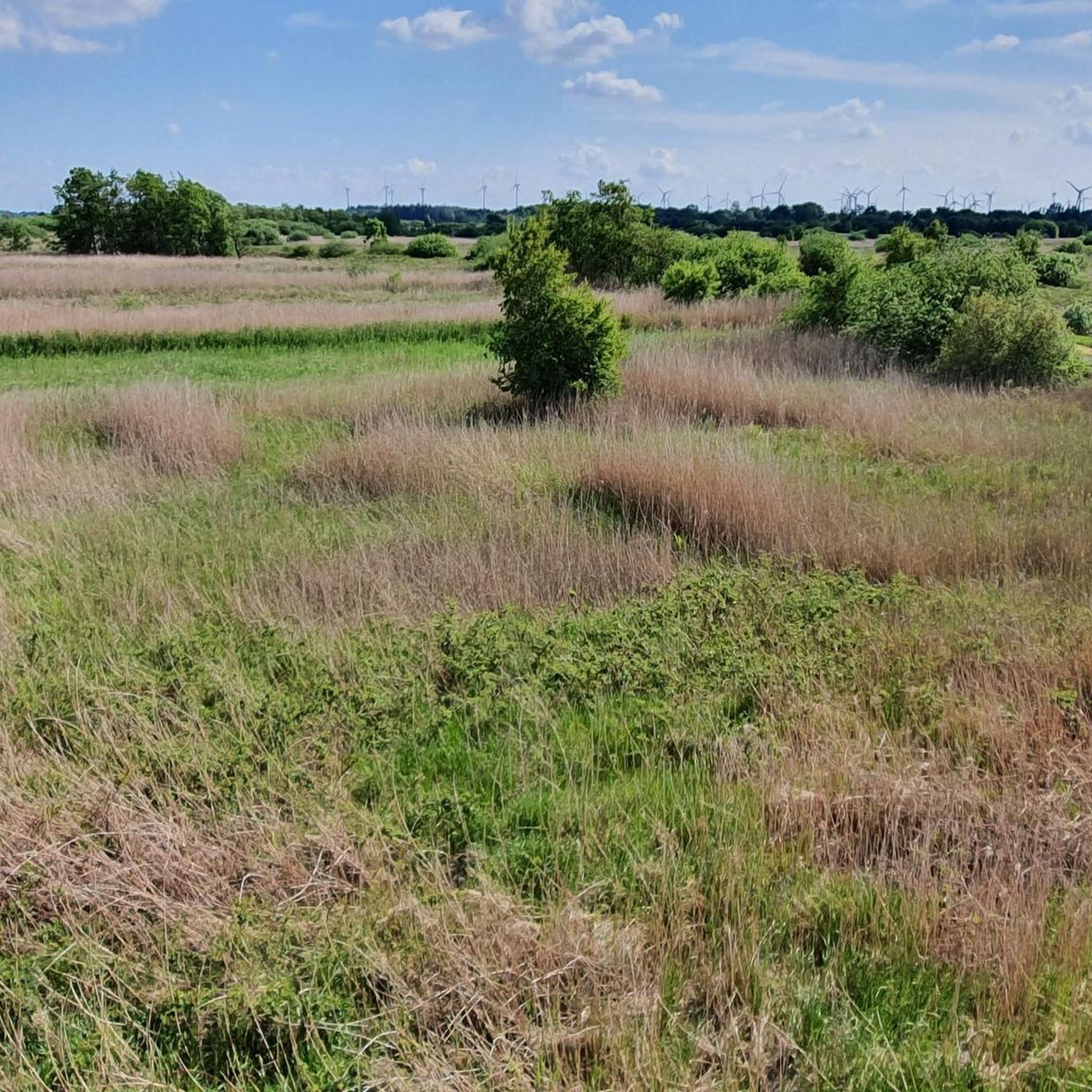
Here you have a good overview of the Lundener Moor
0
0

Very beautiful especially at sunset
0
1

The listed memorial stone is a boulder with a coat of arms relief and an inscription in gold letters. It reads: In memory of the Schleswig-Holstein uprising on March 24, 1848 and in memory of those from the municipality of Blankenese who fell in the war against Denmark in 1848-1849.
1
0


From here we saw a deer with a fawn.
0
0

The port of Schülperneuensiel is located in the dike foreland on the south bank of the Eider. Around 1600, Neuensiel was relocated to the new sea dike. When the Karolinen- and Wesselburenerkooges were re-covered, Neuensiel remained. Today's drainage sluice was built in 1964/65. This is a peak pumping station with a dyke. Normally, the dyke is used for drainage, but the pumping station is switched on when the Eider reaches peak water levels. Three pumps can pump a total of 11,400 liters per second into the Eider. The sluice associations Wesselburenerkoog, Karolinenkoog, Schülperweide, Hillgroven, Schülp, Strübbel and Neuenkirchen drain an area of 6,321 hectares here. Inside the pumping station is a five to six hectare reservoir. 75,000 cubic meters of water can be absorbed here. There used to be a lot of shipping traffic in the port. The main commodity was grain. Today the port area is leased to sailors. The Eider foreland and the tidal flats are part of a salt and brackish water area of the Eider estuary that was designated as a nature reserve in 1989 and is influenced by the tides. The characteristic plant and animal species that occur are protected on around 620 hectares. Despite the change in the tidal rhythm, the associated changes in salinity and the bank vegetation due to the construction of the Eider barrage in 1973, numerous red-listed species have found a refuge here; the Eider estuary is still considered a wetland of international importance.
3
0
The Schleswig-Holstein Wadden Sea National Park Administration is located in the Castle Park of the town of Tönning. It is responsible for the national park, e.g. through nature conservation regulations, environmental observations as well as education and public relations work. As part of public relations work, the national park and all of its themes are brought closer to people through flyers and information boards.
1
0
Frequently Asked Questions
What are some of the most popular natural monuments around Lunden?
Visitors frequently enjoy the Kiek-Ut view in the Katinger Watt, which offers panoramic views over the nature adventure trail and the Eiderwiesen from a small observation tower. Another highly-rated spot is the Observation Tower Lundener Niederung, providing excellent views over a 900-hectare nature reserve, ideal for wildlife observation.
Are there family-friendly natural monuments around Lunden?
Yes, several natural monuments are suitable for families. The Kiek-Ut view in the Katinger Watt and the Observation Tower Lundener Niederung are both marked as family-friendly. Additionally, the Old Harbor Schülperneuensiel offers a historical site with insights into the region's water management, which can be interesting for all ages.
What kind of wildlife can I spot near Lunden's natural monuments?
The region is rich in wildlife, especially around its nature reserves. From the Observation Tower Lundener Niederung, you might be lucky enough to observe sea eagles, as a pair has been nesting there for several years. The Eider estuary, near the Old Harbor Schülperneuensiel, is also a wetland of international importance, protecting numerous red-listed plant and animal species.
Are there historical sites among the natural monuments around Lunden?
Yes, the region blends natural beauty with historical significance. The Old Harbor Schülperneuensiel is a notable historical site, showcasing the region's past connection to shipping and water management with its pumping station. Another historical point of interest is the Memorial Stone for the Schleswig-Holstein Uprising, a boulder commemorating a significant historical event.
What natural monuments around Lunden offer the best views?
For expansive vistas, the Kiek-Ut view in the Katinger Watt provides a panoramic outlook over the Eiderwiesen. The Observation Tower Lundener Niederung also offers a fantastic view over the vast nature reserve, perfect for observing the landscape and its inhabitants.
Are there opportunities for outdoor activities like cycling or running near Lunden's natural monuments?
Absolutely. The area around Lunden is well-suited for various outdoor activities. You can find numerous running trails, such as those along the Eider Dike or around Friedrichstadt's canals. For cycling, there are routes like the Nordfeld Eider Barrage loop or paths leading to the Eider Barrage. Explore more options on the Running Trails around Lunden, MTB Trails around Lunden, and Cycling around Lunden guide pages.
Are there any natural monuments around Lunden suitable for beginners or easy access?
Many of the viewpoints and historical sites are easily accessible. The Kiek-Ut view in the Katinger Watt is a small observation tower on an artificially created hill, offering an easy walk to a great view. The Old Harbor Schülperneuensiel is also easily reachable in the dike foreland.
Can I visit the natural monuments around Lunden during winter?
While specific winter conditions can vary, many natural monuments, especially viewpoints and historical sites, remain accessible year-round. Winter can offer a unique perspective on the landscape, particularly for birdwatching in the nature reserves. Always check local conditions and opening times if applicable, and dress appropriately for cold and potentially wet weather.
What should I wear when visiting the natural monuments around Lunden?
Given the region's coastal and wetland influences, it's advisable to wear layers, waterproof outerwear, and sturdy, comfortable walking shoes or boots. The weather can change quickly, and paths might be damp or muddy, especially after rain or during cooler seasons. A hat and gloves are recommended for colder months.
Are there any less-known natural monuments or hidden gems worth exploring around Lunden?
While the guide highlights popular spots, the broader region offers many smaller, less-trafficked areas. Exploring the paths through the Lundener Niederung nature reserve, beyond the main observation tower, can reveal quieter spots for nature observation. The Eider foreland and tidal flats near Schülperneuensiel also hold unique ecological value for those interested in specific plant and animal species.
Is public transport available to reach the natural monuments around Lunden?
Information regarding specific public transport routes directly to each natural monument is not detailed in the guide data. However, Lunden and nearby towns are generally connected by regional bus services. It is recommended to check local public transport schedules and routes for the Dithmarschen district to plan your journey to the vicinity of these sites.
Are any of the natural monuments around Lunden wheelchair accessible?
The Wadden Sea National Park Administration Tönning is listed as wheelchair accessible, offering facilities and information about the national park. For other natural monuments like observation towers or historical sites, accessibility can vary. It's best to check specific details for each location if wheelchair access is a primary concern.
Most popular attractions around Lunden

Get inspired with the komoot mobile app


Explore more
Extend your search for the best caves by checking out these guides of the top ones around Lunden:
