Top 20 Natural Monuments around Beringstedt
Best natural monuments around Beringstedt are found in the Rendsburg-Eckernförde district of Schleswig-Holstein, offering diverse natural attractions. The region features wide plains, green meadows, and moorlands, transitioning from the Heide-Itzehoer Geest to the Eider-Treene estuary. This landscape provides a blend of specific points of interest and expansive natural areas for exploration. The area is recognized for its ecological significance and unique natural features.
Best natural monuments around Beringstedt
- The most popular natural monuments is Kimber Spring, a natural monument…
Last updated: June 24, 2026
Kimber Spring
Highlight • Natural Monument
Translated by Google •
Tip by

Shell House and Shell Stone
Highlight • Monument
In front of the building there is a cup stone from the younger or older Bronze Age.
Translated by Google •
Tip by

Sign up now to discover places like this
Get recommendations on the best single tracks, peaks, & plenty of other exciting outdoor places.
Sign up for free
Polders of the Haaler Au
Highlight (Segment) • Lake
Translated by Google •
Tip by

Haaler Au Memorial and Nature Reserve
Highlight • Natural Monument
Expansion of Haaler Au 1932 - 1986 in honor of Dipl. Ing. Hinerk Bayer, ORR Andreas Paulsen, ORR Jens Muthorst.
Translated by Google •
Tip by

Jahrsdorf Burial Mound
Highlight • Historical Site
Translated by Google •
Tip by

Sign up for free to discover even more natural monuments around Beringstedt.
Sign up for free
Already have an account?
Start today with a free account
Your next adventure awaits.
Login or Signup
Tips from the Community

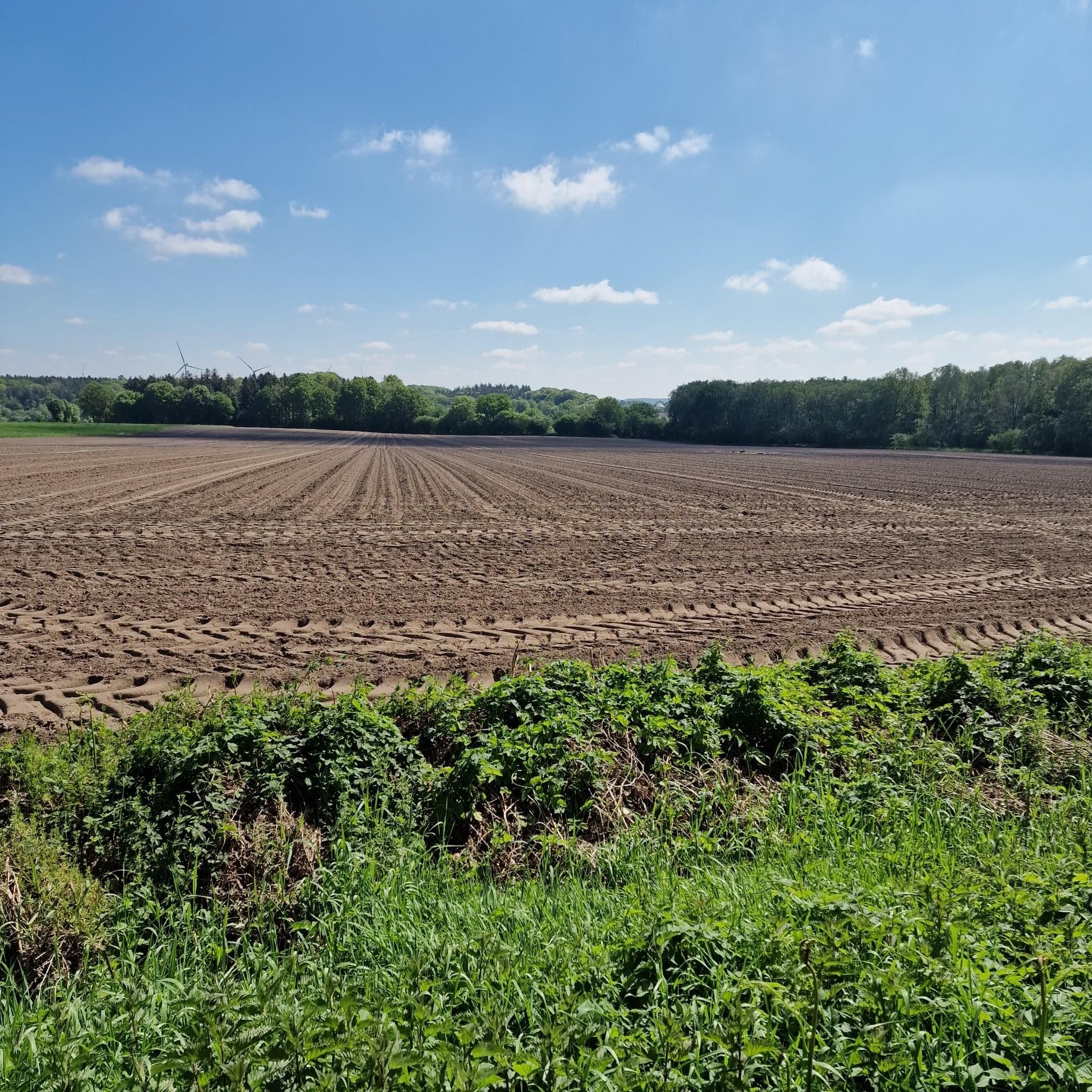
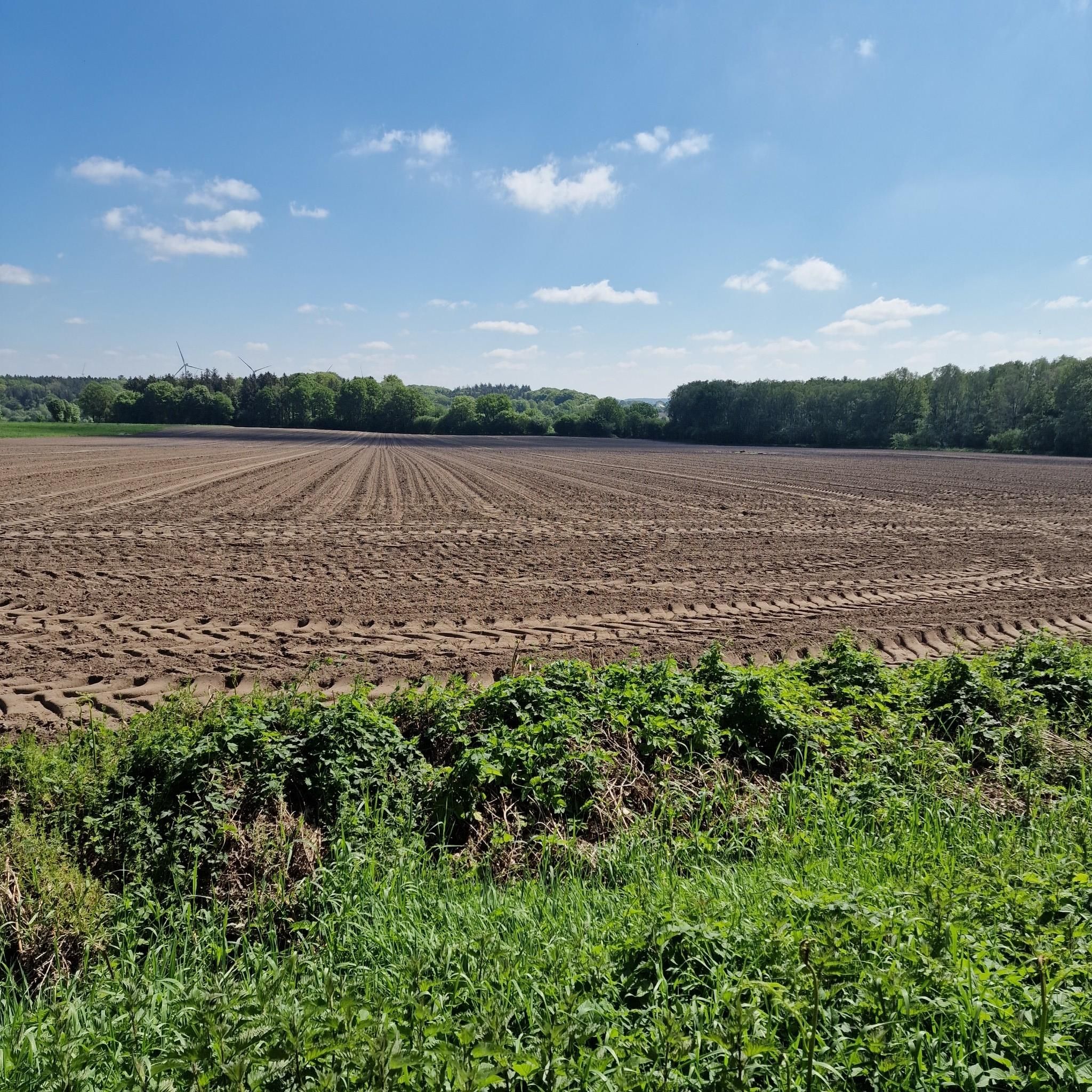
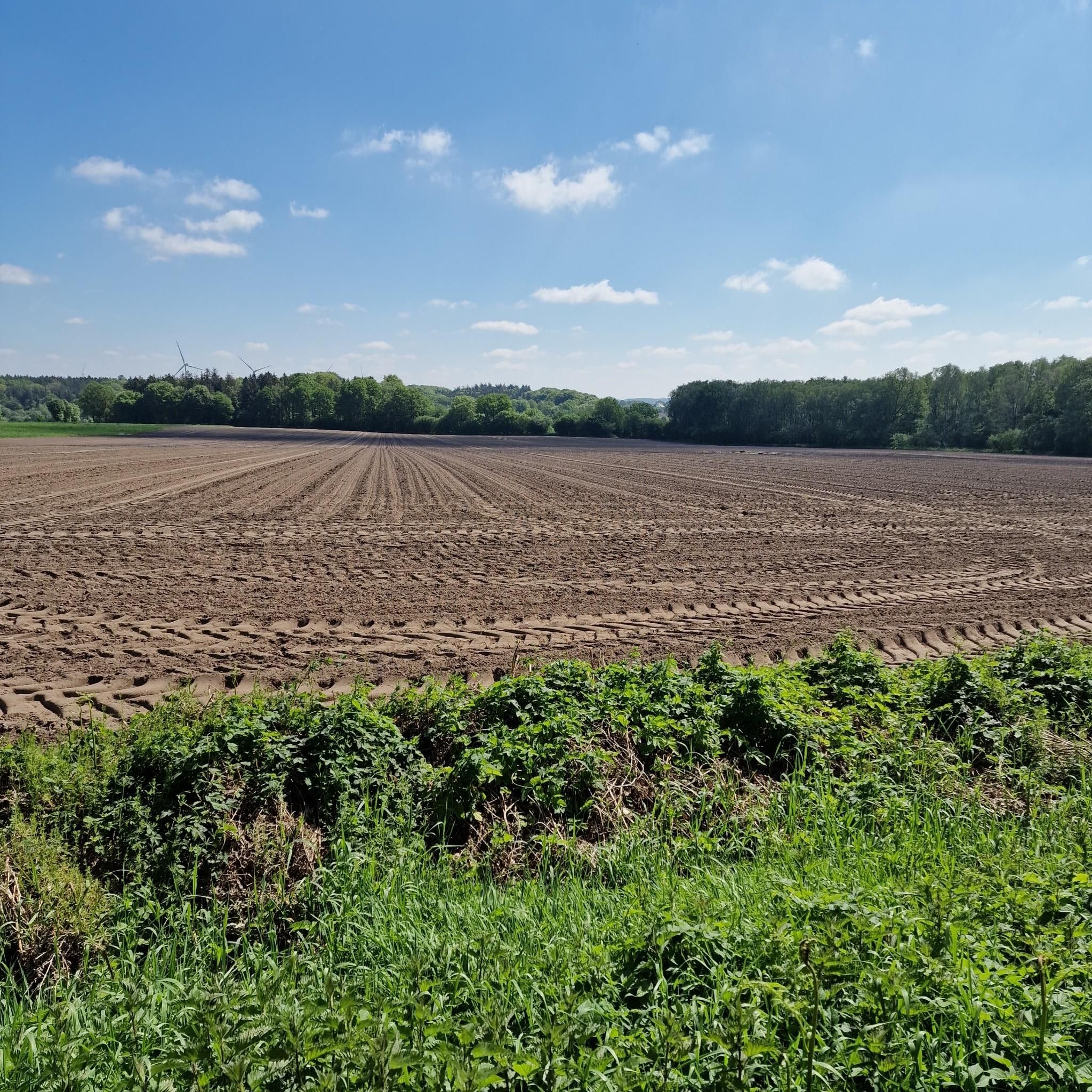
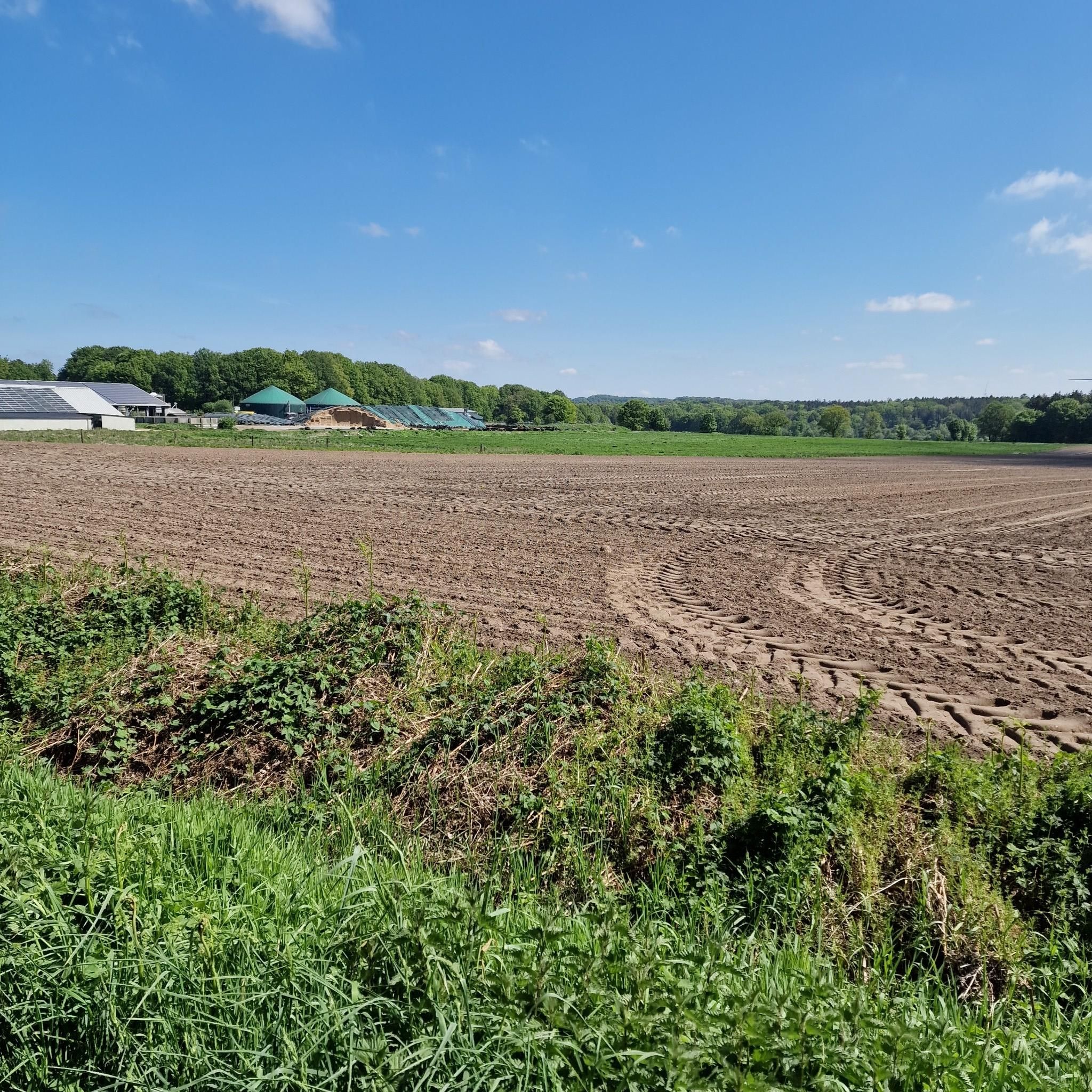
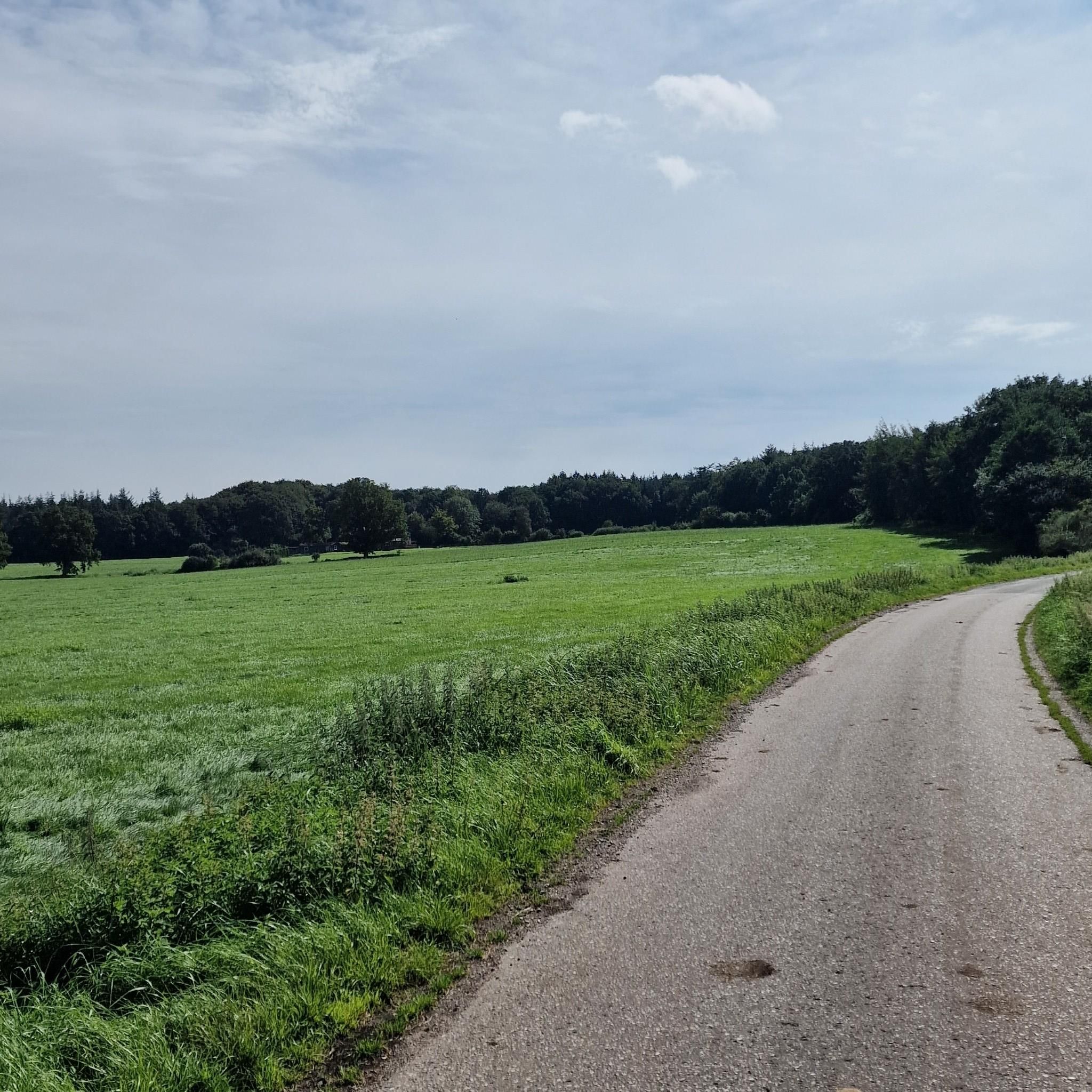
Here, you have to bypass a pasture. The grass is extremely high, and the path itself is barely visible. This requires a good feel for the road, leg strength, and a good dose of intuition.
0
0

This is the former home of the shell souvenir manufacturer D. Hauschild. In 1901, he had his house modernized and in the process decorated the windows, doors and corners of the house with shells that he bought in the Hamburg harbor and made into souvenirs. In front of his house there is a shell stone that he bought. He had it transported to his house from a bent wall near the Vaasbüttel brickworks. https://www.hohenwestedt.de/die-gemeinde/sehenswertes
1
0

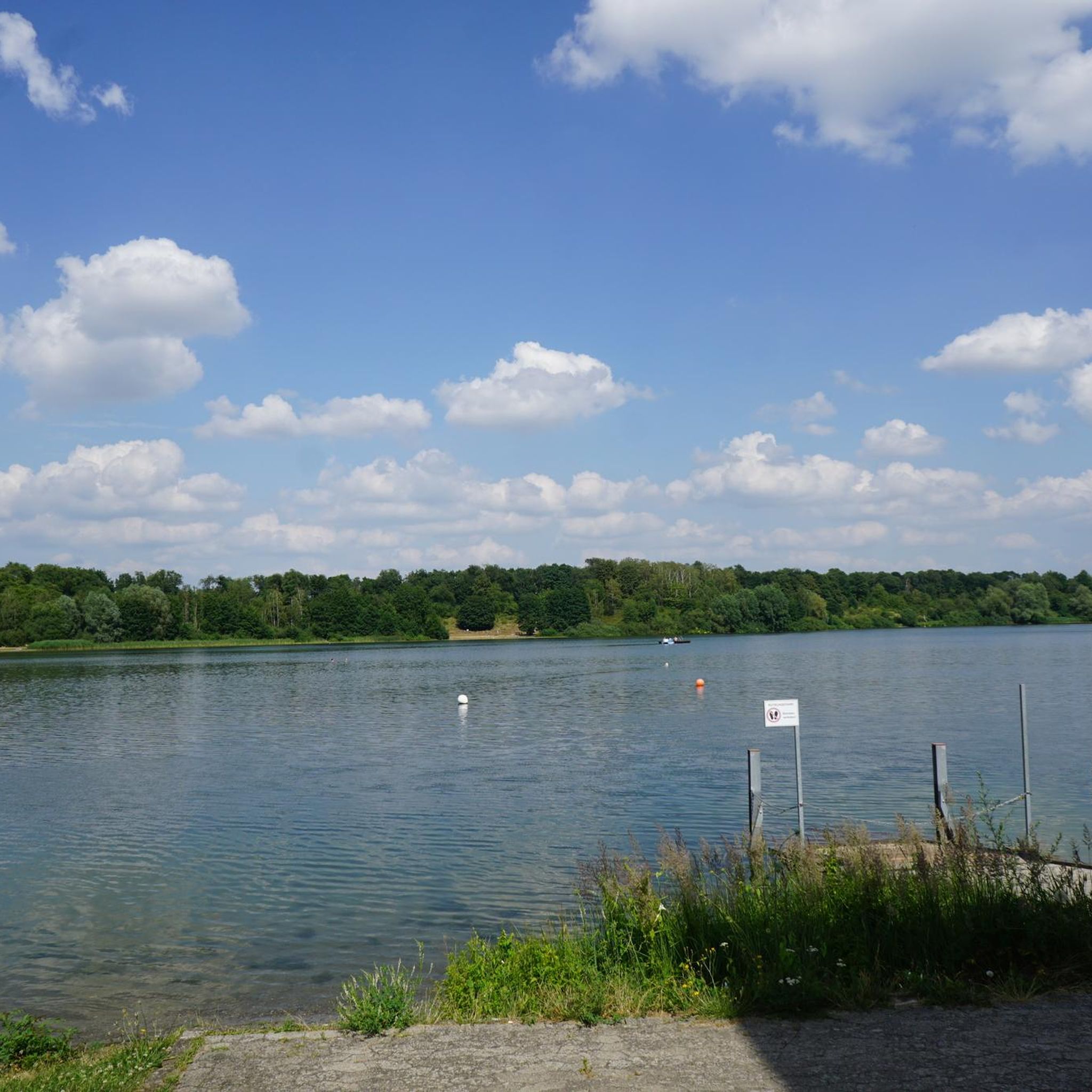
The Haaler Au drains part of the Aukrug Nature Park. It was originally a left tributary of the Eider. With the construction of the Kiel Canal, it was separated there and has flowed into the canal ever since. Shortly before it flows into the canal, it forms a small lake. This can be seen here.
4
0
The inscription on the memorial stone reads: Expansion of Haaler Au 1932 - 1986 in honor of Dipl. Ing. Hinerk Bayer, ORR Andreas Paulsen, ORR Jens Muthorst.
5
0

In 1901, the shell souvenir maker Detlev Hauschildt had the house modernized in the style of the time and the windows, doors and corners decorated with shells that he bought in the port of Hamburg and processed into souvenirs. This is why the house is popularly known as the "shell house". Hans-Günter Kiene later moved in here with his tax office. As early as January 1892, Detlev Hauschildt had the so-called shell stone, which originally stood on a small elevation in a bent wall near the Vaasbüttel brickworks, set up in front of his "shell house". He bought it for six marks and had it brought to its current location on a sleigh pulled by eight horses; the transport was much more expensive than the purchase, namely 330.00 marks. The shell stone is a granite block that is two meters high and has a circumference of 5.20m. It tapers towards the top and has many small, bowl-shaped depressions on its surface. It is also a prehistoric sacrificial stone with man-made depressions to collect the blood of the sacrificial animals. https://www.hohenwestedt.de/die-gemeinde/sehenswertes
3
0

The barrow near Jahrsdorf is the relic of an old settlement history. Jahrsdorf was first mentioned in a document in 1149 as “Geresthorp”. The barrows, however, show that the region around Jahrsdorf was settled 6,000 to 7,000 years ago. Two strikingly solitary trees in the field indicate the location of the burial mound.
2
0

Nice and quiet place, good place to take a break
2
0
The pristine depths of the earth still preserve much that is undiscovered. We owe our good spring water to Mother Nature. In Nindorf the Kimberquelle brings gut2 to light. You can discover how and where for yourself on site. This very special source was discovered quite by accident when drilling for oil in Nindorf in 1884. When the builders penetrated the marl layer, they encountered an artesian water vein. Since then it has been bubbling up all by itself. An artesian well was then built, which supplied the neighboring community of Remmels with water between 1913 and 1972. Of course, the local women also used this unfiltered, iron-rich water for washing. However, due to the high iron content in the water, their laundry never really turned white - which is why they were called the "grey mice of Remmels". For this reason, in the 1970s, the women in the area pushed through to have their drinking water supply connected to the public drinking water network. Apparently they didn't realize at the time how good their water actually was. The water tower in Remmels, which is under monument protection, still bears witness to these times. http://www.gutzwei.de/de/quelle/
4
0
Frequently Asked Questions
What unique natural monuments can I discover around Beringstedt?
The region offers several distinctive natural monuments. The Kimber Spring in Nindorf is a fascinating artesian water vein discovered during an oil drilling operation in 1884, known for its iron-rich water and local history. You can also explore the Polders of the Haaler Au, which are lake-like areas providing a vital habitat for various animals, including pygmy swans.
Are there any historical sites among the natural monuments near Beringstedt?
Yes, the area blends natural beauty with historical significance. The Krinkberg Bronze Age Burial Mounds are an archaeological monument featuring two ancient burial mounds. Additionally, the Shell House and Shell Stone in Hohenwestedt includes a prehistoric cup stone, which is a granite block with bowl-shaped depressions believed to be a sacrificial stone.
What kind of natural landscapes can I expect to see in the Beringstedt area?
The landscape around Beringstedt is quite diverse, featuring wide plains, green meadows, and dark moorlands that turn reddish in autumn. The Haaler Au Memorial and Nature Reserve is a significant area that drains part of the Aukrug Nature Park and forms a small lake before flowing into the Kiel Canal. You'll also find local forests like Forst Iloo and lakes such as Borgdorfer See, offering varied natural experiences.
When is the best time of year to visit the natural monuments near Beringstedt?
The best time to visit depends on your interests. For birdwatching and observing pygmy swans at the Polders of the Haaler Au, winter (February/March) is ideal as the swans use these areas as a resting place. During the growing season, these areas can become very overgrown. Generally, spring and autumn offer pleasant weather for exploring the diverse landscapes and moorlands.
Are the natural monuments around Beringstedt suitable for families with children?
Many natural monuments in the area are family-friendly. The Kimber Spring offers an interesting historical story, while the Krinkberg Bronze Age Burial Mounds provide an educational outdoor experience. The Haaler Au Memorial and Nature Reserve and the Polders of the Haaler Au are great for nature observation and gentle walks.
What outdoor activities can I do near these natural monuments?
The region around Beringstedt is excellent for various outdoor activities. You can find numerous routes for gravel biking, running, and mountain biking. For example, explore the gravel biking trails around Beringstedt, enjoy running trails, or tackle MTB trails. The Haaler Au area is also perfect for long walks and birdwatching.
Can I go birdwatching near the natural monuments?
Absolutely. The Haaler Au, particularly the Polders of the Haaler Au, is part of a Natura 2000 protected area and recognized as an important bird sanctuary of European significance. Visitors might spot kingfishers or bluethroats near the water, and pygmy swans during winter months.
What is the significance of the Kimber Spring's water?
The Kimber Spring is an artesian water vein that has been bubbling naturally since 1884. Its pristine, iron-rich water once supplied the neighboring community of Remmels. A unique historical anecdote is that the high iron content caused the laundry of local women to never truly turn white, earning them the nickname 'grey mice of Remmels'.
Are there any viewpoints to enjoy the natural scenery?
While not explicitly designated as viewpoints, areas like the Polders of the Haaler Au offer expansive views of the lake-like polder areas and the surrounding natural environment. The Nord-Ostsee-Kanal (Kiel Canal) in the wider area also provides opportunities to observe ships and the natural surroundings from various resting spots along its route.
What do visitors enjoy most about the natural monuments around Beringstedt?
Visitors appreciate the blend of natural beauty and historical intrigue. The unique story of the Kimber Spring and the ancient Krinkberg Bronze Age Burial Mounds are often highlighted. The serene landscapes of the Haaler Au, with opportunities for birdwatching and peaceful walks, are also highly valued by the komoot community, who have shared 17 photos and given 54 upvotes for the area's highlights.
Is the Nord-Ostsee-Kanal (Kiel Canal) considered a natural attraction near Beringstedt?
While the Nord-Ostsee-Kanal is a man-made waterway, it is a significant feature in the wider Beringstedt area that offers natural appeal. It provides opportunities for cycling along its banks and observing ship traffic, with various resting spots. The ferry crossings, such as the Breiholz Ferry, also offer chances to experience the surrounding natural environment.
What are the characteristics of the Haaler Au area?
The Haaler Au is a Natura 2000 protected area characterized by wide plains, green meadows, and dark moorlands that display reddish hues in autumn. It's an important bird sanctuary and offers a serene landscape ideal for walks, allowing visitors to experience the transition from the Heide-Itzehoer Geest natural region to the Eider-Treene estuary.
Most popular routes around Beringstedt
Most popular attractions around Beringstedt

Get inspired with the komoot mobile app


Explore more
Extend your search for the best caves by checking out these guides of the top ones around Beringstedt:
