Top 20 Natural Monuments around Osterstedt
Best natural monuments around Osterstedt are located in a region of Schleswig-Holstein, Germany, characterized by diverse natural attractions. The area features ecological sites, scenic views, and unique geological formations. These natural features contribute to the local landscape, offering varied points of interest. The landscape around Osterstedt provides a setting for exploring natural monuments.
Best natural monuments around Osterstedt
- The most popular natural monuments is View from Boxberg, a viewpoint that offers panoramic views from one of Schleswig-Holstein's highest peaks.…
Last updated: June 24, 2026
Lübsche Trade – Old trade route Lübeck–Tønder
Highlight • Trail
Translated by Google •
Tip by

View from Boxberg
Highlight • Viewpoint
Translated by Google •
Tip by

Sign up now to discover places like this
Get recommendations on the best single tracks, peaks, & plenty of other exciting outdoor places.
Sign up for free
Kimber Spring
Highlight • Natural Monument
Translated by Google •
Tip by

Schierenwald Forest
Highlight (Segment) • Forest
Translated by Google •
Tip by

Shell House and Shell Stone
Highlight • Monument
In front of the building there is a cup stone from the younger or older Bronze Age.
Translated by Google •
Tip by

Sign up for free to discover even more natural monuments around Osterstedt.
Sign up for free
Already have an account?
Start today with a free account
Your next adventure awaits.
Login or Signup
Tips from the Community

This is the former home of the shell souvenir manufacturer D. Hauschild. In 1901, he had his house modernized and in the process decorated the windows, doors and corners of the house with shells that he bought in the Hamburg harbor and made into souvenirs. In front of his house there is a shell stone that he bought. He had it transported to his house from a bent wall near the Vaasbüttel brickworks. https://www.hohenwestedt.de/die-gemeinde/sehenswertes
1
0

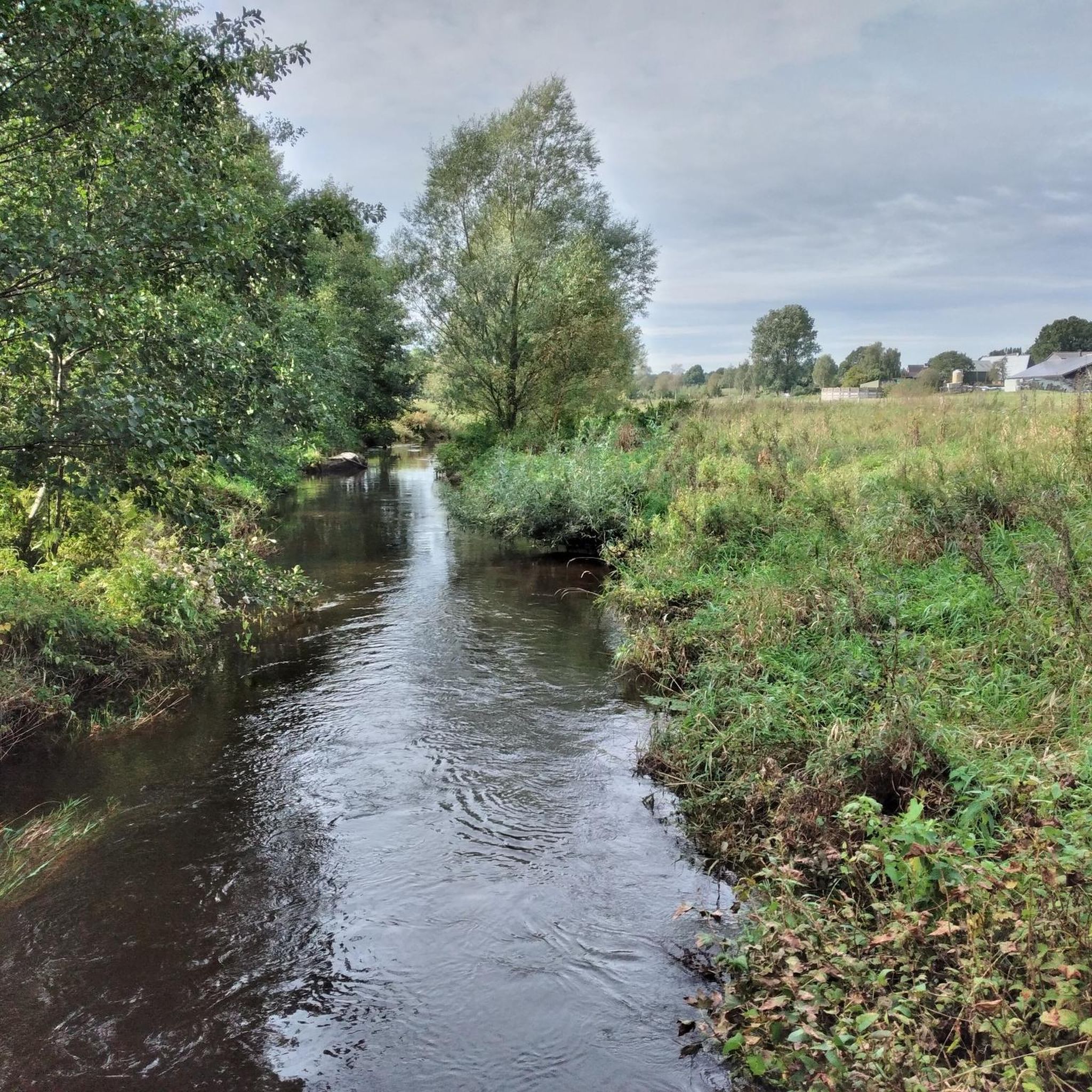
The Lübeck Trade was an important trade route in the Middle Ages that connected the cities of Lübeck and Hamburg. Several memorial stones along this route commemorate its historical importance.
0
0

At 76.8 meters, the Boxberg is not the highest elevation in the Aukrug Nature Park, but it is one of the few moraine peaks in central Holstein that deserves the name "mountain." The Itzespitze, at 83.4 meters, is even higher than the Boxberg. Today, only a few beech trees grow on the grounds of the Boxberg recreational forest. If you want to learn more about the Aukrug Nature Park and its origins, visit: https://nationale-naturlandschaften.de/gebiete/naturpark-aukrug.
4
0

In 1901, the shell souvenir maker Detlev Hauschildt had the house modernized in the style of the time and the windows, doors and corners decorated with shells that he bought in the port of Hamburg and processed into souvenirs. This is why the house is popularly known as the "shell house". Hans-Günter Kiene later moved in here with his tax office. As early as January 1892, Detlev Hauschildt had the so-called shell stone, which originally stood on a small elevation in a bent wall near the Vaasbüttel brickworks, set up in front of his "shell house". He bought it for six marks and had it brought to its current location on a sleigh pulled by eight horses; the transport was much more expensive than the purchase, namely 330.00 marks. The shell stone is a granite block that is two meters high and has a circumference of 5.20m. It tapers towards the top and has many small, bowl-shaped depressions on its surface. It is also a prehistoric sacrificial stone with man-made depressions to collect the blood of the sacrificial animals. https://www.hohenwestedt.de/die-gemeinde/sehenswertes
3
0

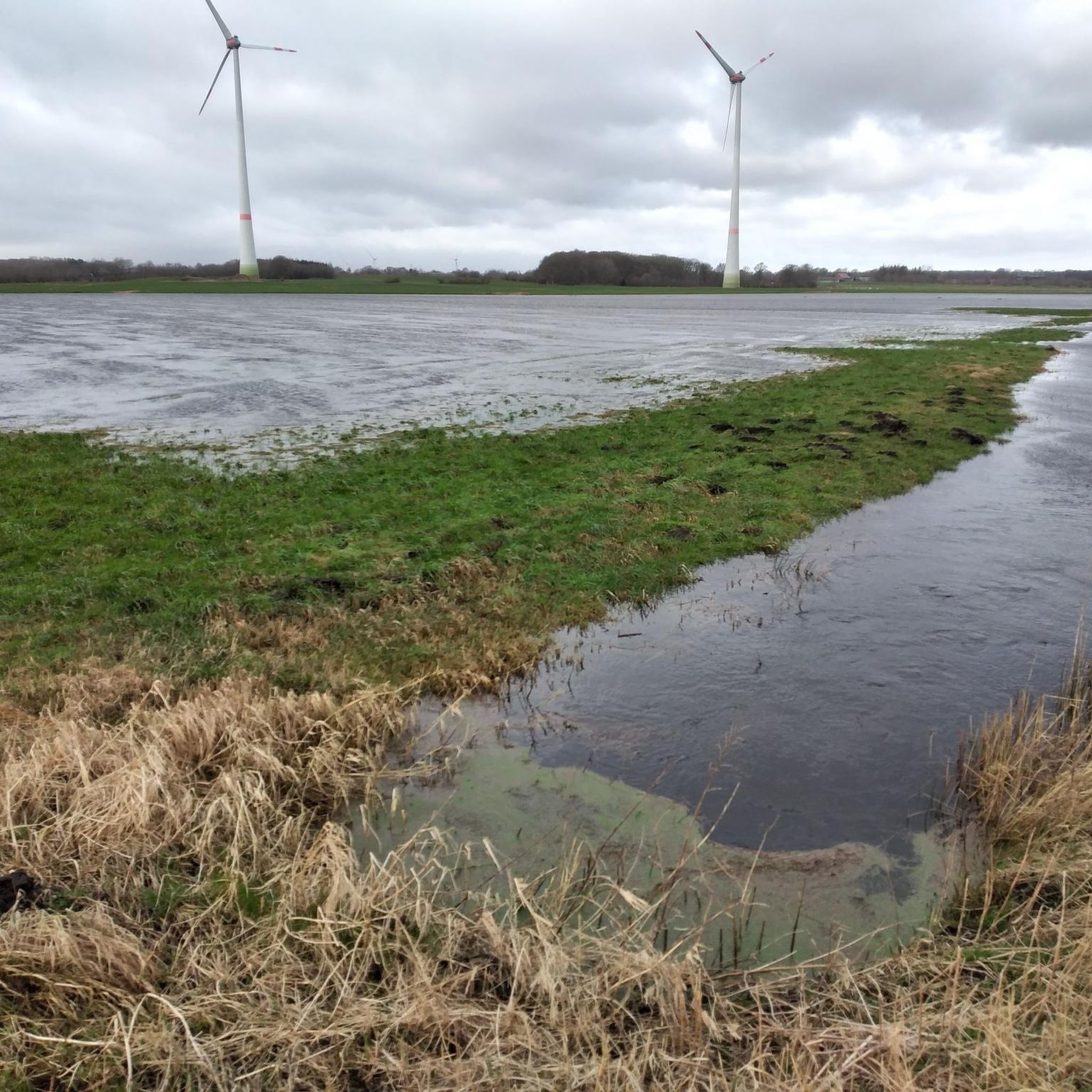
While we can no longer imagine our landscape without the road network that cuts through everything, we may well ask ourselves at this point: When and for what purpose did all this come about? Why did people want and need to get from A to B at certain times? Peaceful trade is definitely preferable to warlike reasons.
1
0

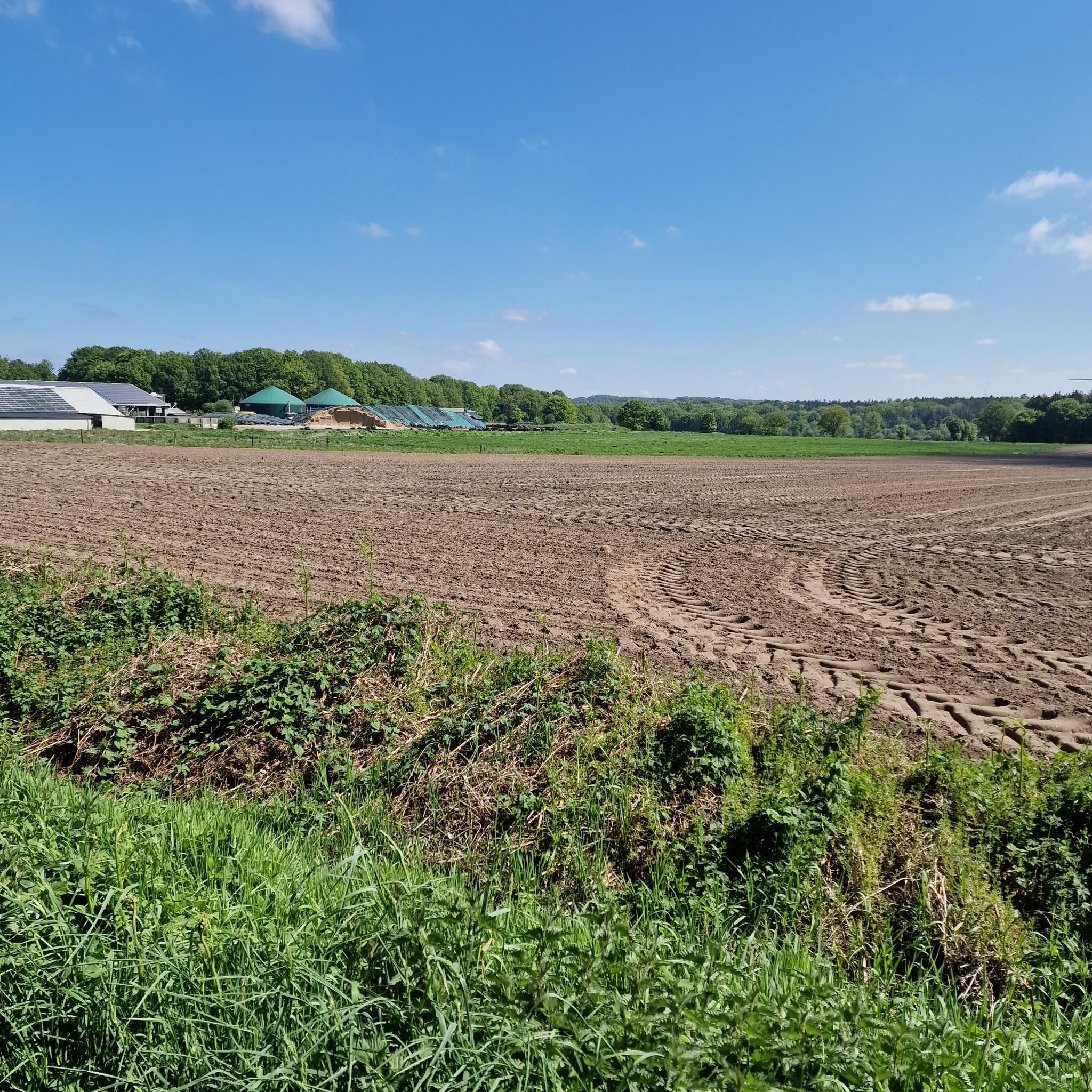
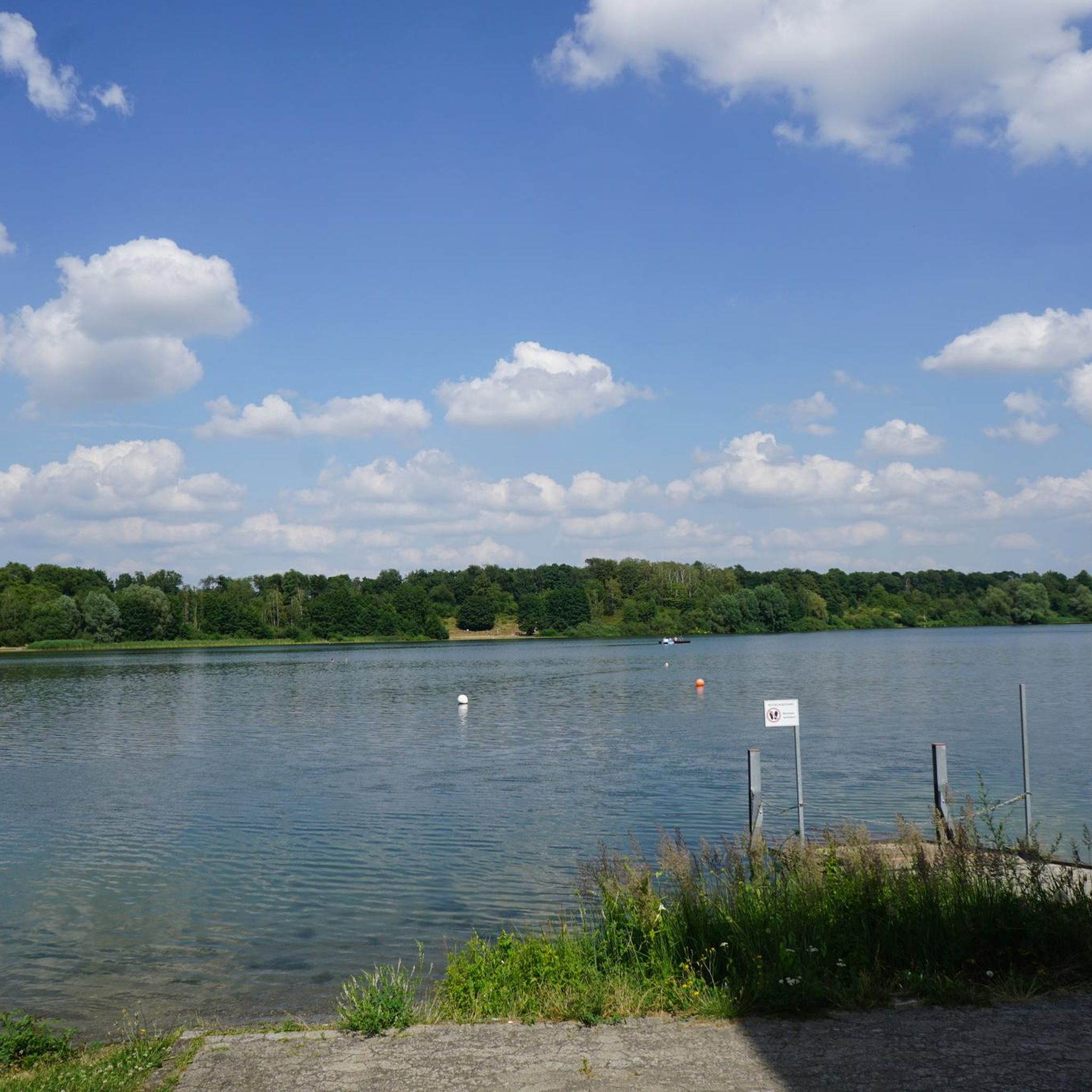
Nice and quiet place, good place to take a break
2
0
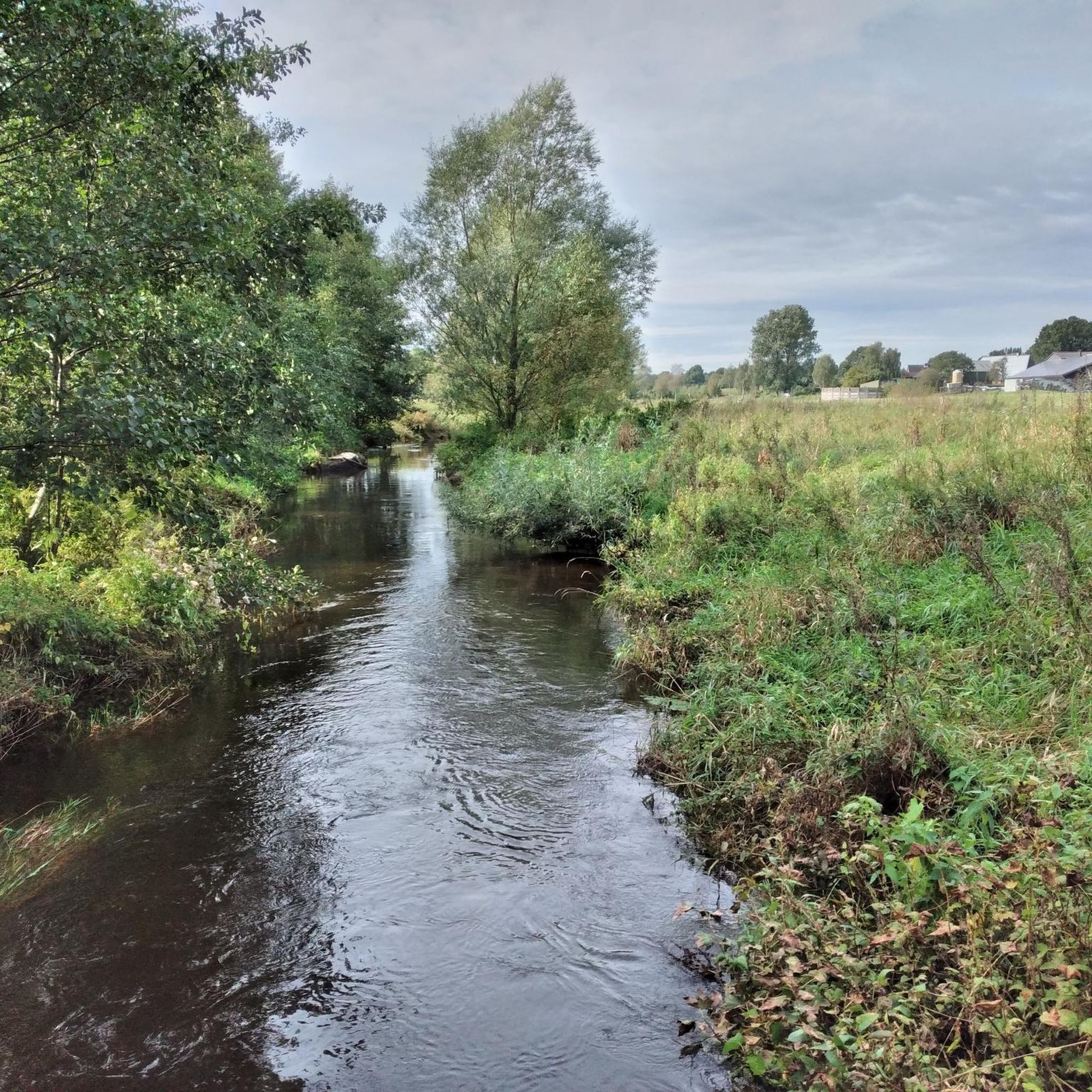
The pristine depths of the earth still preserve much that is undiscovered. We owe our good spring water to Mother Nature. In Nindorf the Kimberquelle brings gut2 to light. You can discover how and where for yourself on site. This very special source was discovered quite by accident when drilling for oil in Nindorf in 1884. When the builders penetrated the marl layer, they encountered an artesian water vein. Since then it has been bubbling up all by itself. An artesian well was then built, which supplied the neighboring community of Remmels with water between 1913 and 1972. Of course, the local women also used this unfiltered, iron-rich water for washing. However, due to the high iron content in the water, their laundry never really turned white - which is why they were called the "grey mice of Remmels". For this reason, in the 1970s, the women in the area pushed through to have their drinking water supply connected to the public drinking water network. Apparently they didn't realize at the time how good their water actually was. The water tower in Remmels, which is under monument protection, still bears witness to these times. http://www.gutzwei.de/de/quelle/
4
0

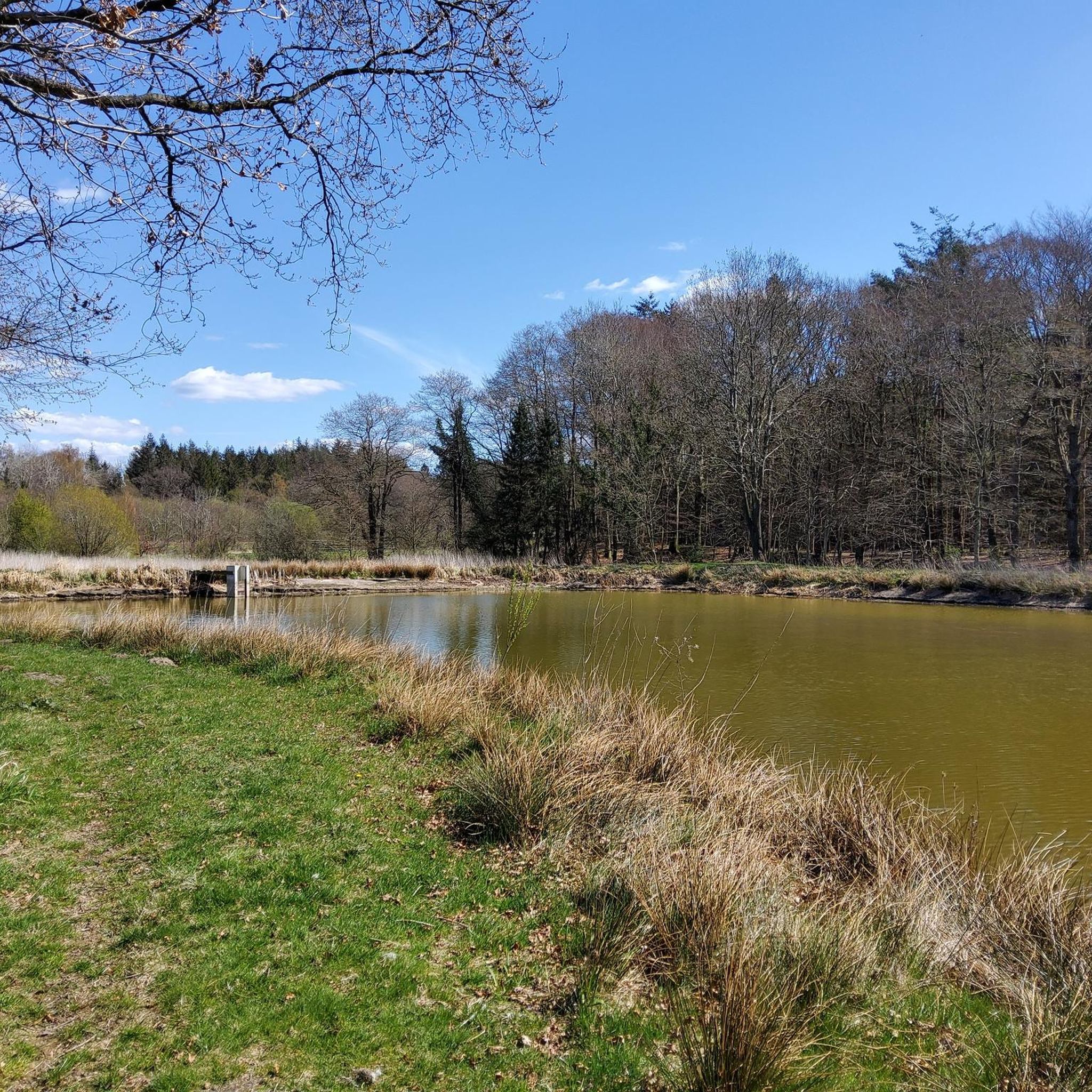
Path between the Boxberg and the fish ponds...
1
0
Frequently Asked Questions
What kind of natural monuments can I explore around Osterstedt?
The region around Osterstedt offers a variety of natural monuments, from elevated viewpoints to unique geological formations and historical trails. You can find places like the View from Boxberg, which provides panoramic vistas, or the fascinating Kimber Spring, an artesian well. There are also historical natural features such as the Lübsche Trade – Old trade route Lübeck–Tønder.
Are there any family-friendly natural monuments near Osterstedt?
Yes, several natural monuments are suitable for families. The View from Boxberg is considered family-friendly, offering an accessible summit experience. The Kimber Spring is also a great spot for families to visit, with facilities available. Additionally, the Boxberg Spring in Naturpark Aukrug and the Krinkberg Bronze Age Burial Mounds are noted as family-friendly.
What historical natural sites can I visit around Osterstedt?
For those interested in history, the Lübsche Trade – Old trade route Lübeck–Tønder is a significant natural monument. This medieval trade route, once used by Lübeck merchants and as a military road, offers a valuable hiking experience with historical context. You can also explore the Krinkberg Bronze Age Burial Mounds, which are archaeological monuments.
Where can I find panoramic views of the region?
The View from Boxberg is highly recommended for its wonderful panoramic views. At 78 meters, Boxberg is one of the highest peaks in Schleswig-Holstein, offering a vantage point over the surrounding heathland and area.
What unique natural phenomena can be found here?
A truly unique natural phenomenon is the Kimber Spring. This artesian well was accidentally discovered in 1884 during oil drilling and has been bubbling up on its own ever since, showcasing the pristine depths of the earth. You can even fill up your bottles with the spring water there.
Are there hiking opportunities near these natural monuments?
Yes, the natural monuments are often integrated into hiking trails. For instance, the Lübsche Trade – Old trade route Lübeck–Tønder is described as a valuable hiking trail with history. You can find various running routes around Osterstedt, including a Running loop from Osterstedt, which allows you to explore the natural surroundings.
What outdoor activities are available besides hiking?
Beyond hiking, the area around Osterstedt offers opportunities for mountain biking and gravel biking. You can find MTB Trails around Osterstedt, including routes like 'Trails Around Boxberg', and also explore Gravel biking around Osterstedt, with options like 'Picnic Area with Archway – Historic Drage Manor loop'.
What do visitors enjoy most about the natural monuments around Osterstedt?
Visitors particularly appreciate the diverse experiences. Many enjoy the wonderful views from spots like the View from Boxberg, often combining it with a stop at the nearby beer garden. The unique natural phenomenon of the Kimber Spring, where you can fill up bottles with fresh spring water, is also a popular highlight. The historical significance of trails like the Lübsche Trade is also highly valued.
Are there any nature reserves or protected forest areas nearby?
While not specifically listed in the highlights, the Tönsheider Forest Nature Reserve, located near Aukrug, is a significant ecological area in the region. It encompasses 136 hectares and offers a chance to experience a natural forest environment, contributing to the broader natural heritage accessible from Osterstedt.
Can I find places to relax or have a break near these natural sites?
Yes, after ascending Boxberg, you can relax at the large and beautiful beer garden of the café 'Am Boxberg' located at the foot of the mountain. The Kimber Spring also has facilities and is a great spot for a break, where you can even fill up your water bottles.
What is the Boxberg Spring?
The Boxberg Spring in Naturpark Aukrug is a small pond fed by a spring at its bottom, without any surface water inflow. These pond springs are characteristic of the Aukrug region, forming when rainwater reaches clayey, water-retaining layers and then flows out.
Are there any ancient historical sites among the natural monuments?
Yes, the Krinkberg Bronze Age Burial Mounds are an archaeological monument consisting of two burial mounds from the Bronze Age, offering a glimpse into ancient history within the natural landscape.
Most popular routes around Osterstedt
Most popular attractions around Osterstedt

Get inspired with the komoot mobile app


Explore more
Extend your search for the best caves by checking out these guides of the top ones around Osterstedt:
